.png&w=3840&q=75)
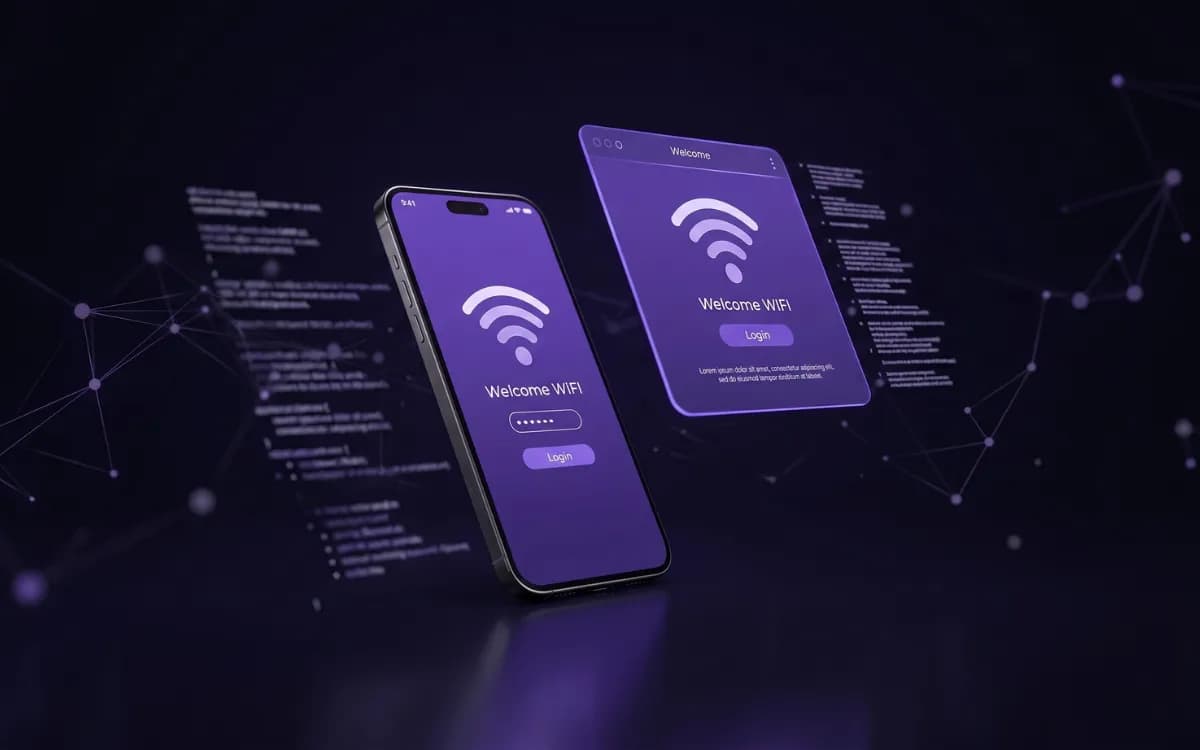
In the hospitality and venue sector, we often view "Free WiFi" as a checkbox item—a utility, much like water or electricity. You provide a connection, throw up a captive portal with a few form fields, and consider the job done.
But if your Guest WiFi experience is a gauntlet of forgotten passwords, "Terms and Conditions" checkboxes that won't click, and intrusive data-harvesting forms, it isn't a "free" service. It’s a hidden tax on your brand.
For venue operators and hospitality leaders, the true cost of a clunky captive portal isn't found in the monthly SaaS bill—it's found in the erosion of the customer experience.
1) The Brand Tax: Frustration as a first impression
Your Guest WiFi is often the very first digital interaction a customer has with your brand. If that experience begins with the "awkward password shuffle" or a portal that crashes on mobile devices, you’re effectively training your customers to associate your brand with friction.
A negative connection experience creates a lasting negative brand impression. In a world where 60% of café customers will leave a venue if the WiFi is subpar, that first digital "handshake" can be the difference between a loyal regular and a one-time visitor.
2) The "abandonment" gap: Lost data and lost sales
Every extra field you add to a sign-up form increases the likelihood of "connection abandonment". When users see a complex captive portal, many simply give up.
This isn't just a minor annoyance; it’s a massive lost opportunity:
- Lost data: You can’t build loyalty or drive repeat visits if the customer never joins your network.
- Lost insights: If only 20% of your visitors bother to connect because the portal is too difficult, your analytics are skewed and incomplete.
- Lost revenue: If they aren't online, they aren't seeing your digital menus, birthday campaigns, or loyalty offers.
3) The support desk burden
For hospitality staff, time is the most precious commodity. Every minute a barista, waiter, or receptionist spends troubleshooting a Guest's WiFi connection is a minute they aren't serving customers or driving sales.
A "hassle-free" Guest WiFi foundation should be invisible. If your staff are constantly asked for the code or told "it's not working", your "free" WiFi is actually driving up your labour costs and distracting your team from their primary craft.
4) The data quality trap
There is a common misconception that "forced" sign-ups lead to better marketing data. In reality, high-friction portals often lead to poor data quality. When customers are frustrated but desperate to connect, they provide "junk" data—fake names, burner email addresses, and incorrect birthdays—just to get past the gate.
This renders your marketing engine useless. You end up paying to store a database of "mickeymouse@gmail.com" instead of building a genuine, first-party data asset that can actually drive a 24% increase in return rates.
5) The emotional shift: From dread to delight
Connectivity has moved from a luxury to an essential "worry-free foundation". There is a tangible emotional cost to the way we provide it.
- The dread: The feeling of needing to finish a quick email but seeing a complex, 10-field captive portal.
- The delight: Walking into a venue and having your device seamlessly alert you that secure, fast WiFi is available with a single tap. This is available with the Purple app .
By removing the "multi-step hassle" and replacing it with a "zero-fuss connection", you transform a utility into a powerful engine for customer loyalty.
The verdict
The real question isn't whether you should offer free WiFi—the data confirms it’s essential. The question is: Is your captive portal a bridge or a barrier?
If your connection process is costing you customer goodwill, staff time, and data accuracy, it's time to rethink the foundation.