

একটি WiFi কন্ট্রোলার কী এবং আপনার কি এটি প্রয়োজন?
This authoritative guide provides IT leaders and network architects with a practical overview of WiFi controllers, detailing their function, comparing on-premises and cloud-based models, and explaining how they integrate with WiFi intelligence platforms like Purple. It offers actionable insights for deploying scalable, secure, and high-performance wireless networks in enterprise environments such as hospitality, retail, and large venues. By the end, readers will have a clear framework for choosing the right controller architecture and understanding where a platform like Purple adds transformative business value.
🎧 Listen to this Guide
View Transcript
কার্যনির্বাহী সারসংক্ষেপ
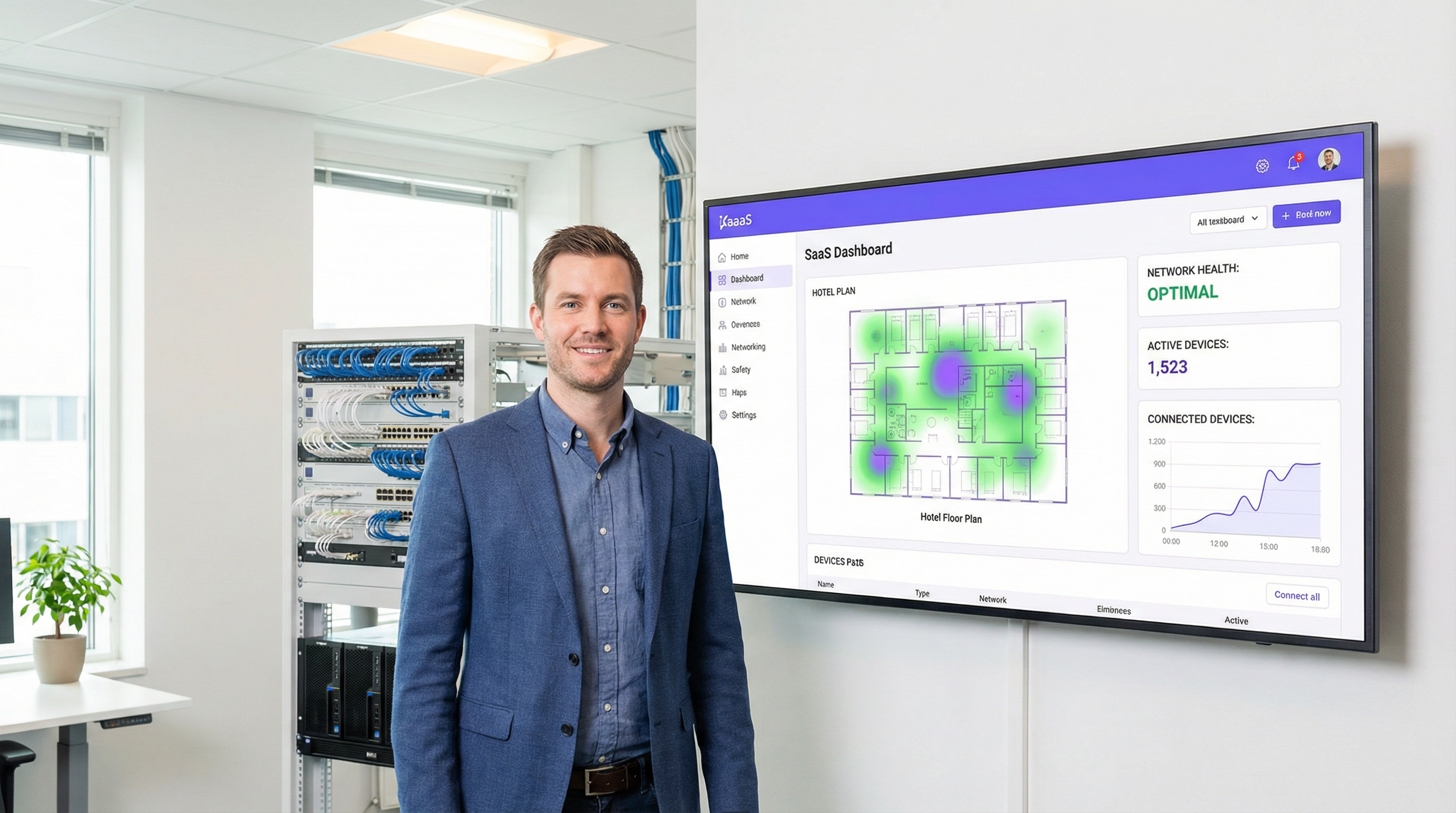
একটি ওয়্যারলেস ল্যান কন্ট্রোলার (WLC), বা WiFi কন্ট্রোলার হলো একটি সেন্ট্রালাইজড নেটওয়ার্ক কম্পোনেন্ট যা একটি একক ইন্টারফেস থেকে একাধিক অ্যাক্সেস পয়েন্ট (AP) পরিচালনা করে, যা এন্টারপ্রাইজ ওয়্যারলেস নেটওয়ার্ক জুড়ে সামঞ্জস্যপূর্ণ পলিসি প্রয়োগ, সহজবোধ্য অ্যাডমিনিস্ট্রেশন এবং উন্নত নিরাপত্তা নিশ্চিত করে। হোটেল, রিটেইল চেইন বা স্টেডিয়ামের মতো স্থানগুলোতে কানেক্টিভিটি তদারকিকারী আইটি ম্যানেজার, নেটওয়ার্ক আর্কিটেক্ট এবং সিটিও (CTO)-দের জন্য, কন্ট্রোলার হলো পুরো অপারেশনের মস্তিষ্ক। এটি রেডিও ফ্রিকোয়েন্সি (RF) ম্যানেজমেন্ট, ক্লায়েন্ট রোমিং, অথেনটিকেশন এবং লোড ব্যালেন্সিংয়ের মতো গুরুত্বপূর্ণ কাজগুলোকে স্বয়ংক্রিয় করে — এমন কাজ যা স্ট্যান্ডঅ্যালোন বা 'অটোনোমাস' AP-এর সাহায্যে বড় পরিসরে পরিচালনা করা একেবারেই অসম্ভব।
বর্তমানে লিডারশিপের সামনে প্রধান সিদ্ধান্ত এটি নয় যে কন্ট্রোলার ব্যবহার করা হবে কি না, বরং কোন ডিপ্লয়মেন্ট মডেলটি গ্রহণ করা হবে: একটি প্রথাগত অন-প্রিমিসেস হার্ডওয়্যার কন্ট্রোলার নাকি একটি আধুনিক ক্লাউড-ভিত্তিক সলিউশন। অন-প্রিমিসেস কন্ট্রোলারগুলো গ্র্যানুলার কন্ট্রোল প্রদান করে এবং সমস্ত ডেটা প্রসেসিং লোকাল রাখে, যা নির্দিষ্ট কমপ্লায়েন্স ফ্রেমওয়ার্কের জন্য একটি মূল প্রয়োজনীয়তা, তবে এগুলোর জন্য উল্লেখযোগ্য মূলধনী ব্যয় (CapEx) এবং বিশেষায়িত অন-সাইট দক্ষতার প্রয়োজন হয়। অন্যদিকে, ক্লাউড-ম্যানেজড WiFi ম্যানেজমেন্টকে একটি সাবস্ক্রিপশন-ভিত্তিক সার্ভিসে স্থানান্তরিত করে, যা মাল্টি-সাইট ডিপ্লয়মেন্টের জন্য উন্নত স্কেলেবিলিটি, জিরো-টাচ প্রভিশনিং এবং অপারেশনাল খরচ কমানোর সুবিধা প্রদান করে।
Purple একটি শক্তিশালী ইন্টেলিজেন্স ওভারলে হিসেবে কাজ করে, যা মূল নেটওয়ার্ক ফ্যাব্রিক পরিবর্তন না করেই উন্নত গেস্ট WiFi পরিষেবা, অ্যানালিটিক্স এবং মার্কেটিং সক্ষমতা প্রদান করতে Cisco, Aruba এবং Ruckus-এর মতো ভেন্ডরদের বিদ্যমান কন্ট্রোলার ইনফ্রাস্ট্রাকচারের সাথে একীভূত হয়। আপনার প্রতিষ্ঠানের জন্য সঠিক কৌশল নির্ধারণে সহায়তা করার উদ্দেশ্যে এই গাইডটি উক্ত আর্কিটেকচারগুলোর একটি টেকনিক্যাল ডিপ-ডাইভ প্রদান করে।
টেকনিক্যাল ডিপ-ডাইভ
মূলত, একটি WiFi কন্ট্রোলার স্কেলের সমস্যার সমাধান করে। একটি একক অ্যাক্সেস পয়েন্ট কনফিগার করা সহজ, কিন্তু দশ, একশ বা এক হাজার AP আলাদাভাবে পরিচালনা করা অসম্ভব। WLC আর্কিটেকচার এই ম্যানেজমেন্টকে সেন্ট্রালাইজ করে একটি ইউনিফাইড এবং ইন্টেলিজেন্ট সিস্টেম তৈরি করে। এটি সাধারণত Control and Provisioning of Wireless Access Points (CAPWAP) প্রোটোকল ব্যবহার করে অর্জন করা হয়, যা RFC 5415-এ সংজ্ঞায়িত একটি IETF স্ট্যান্ডার্ড। CAPWAP প্রতিটি AP এবং কন্ট্রোলারের মধ্যে একটি সুরক্ষিত টানেল তৈরি করে, যা এন্ড-ইউজার ডেটা ট্রাফিক ('ডেটা প্লেন') থেকে ম্যানেজমেন্ট এবং কন্ট্রোল ফাংশনগুলোকে ('কন্ট্রোল প্লেন') আলাদা করে।
মূল কন্ট্রোলার ফাংশনগুলো ওয়্যারলেস নেটওয়ার্ক ম্যানেজমেন্টের সম্পূর্ণ লাইফসাইকেলকে অন্তর্ভুক্ত করে। সেন্ট্রালাইজড AP ম্যানেজমেন্ট হলো সবচেয়ে মৌলিক ভূমিকা: কন্ট্রোলার থেকে অ্যাডমিনিস্ট্রেটররা ফার্মওয়্যার আপডেট পুশ করতে, SSID কনফিগার করতে, WPA3-Enterprise-এর মতো সিকিউরিটি পলিসি সেট করতে এবং সংযুক্ত সমস্ত AP-এর জন্য একসাথে VLAN নির্ধারণ করতে পারেন। ডায়নামিক RF ম্যানেজমেন্ট কন্ট্রোলারকে রেডিও ফ্রিকোয়েন্সি স্পেকট্রাম ক্রমাগত মনিটর করার অনুমতি দেয়, যা ইন্টারফারেন্স কমাতে এবং কভারেজ অপ্টিমাইজ করতে স্বয়ংক্রিয়ভাবে AP চ্যানেল অ্যাসাইনমেন্ট এবং পাওয়ার লেভেল অ্যাডজাস্ট করে। ব্যবহারকারীরা যখন AP-গুলোর মধ্যে চলাফেরা করে তখন কন্ট্রোলার সিকিউরিটি কী এবং সেশন স্টেট পরিচালনা করে সিমলেস ক্লায়েন্ট রোমিং সহজতর করে, যা দ্রুত ট্রানজিশনের জন্য 802.11k/v/r স্ট্যান্ডার্ড ব্যবহার করে। অথেনটিকেশন এবং পলিসি এনফোর্সমেন্ট WLC-কে একটি সেন্ট্রাল গেটকিপার হিসেবে কাজ করার অনুমতি দেয়, যা ব্যবহারকারীর পরিচয় এবং ডিভাইসের অবস্থার ওপর ভিত্তি করে নেটওয়ার্ক অ্যাক্সেস প্রদান করতে একটি RADIUS সার্ভার এবং IEEE 802.1X-এর সাথে একীভূত হয়, ফলে শক্তিশালী রোল-ভিত্তিক অ্যাক্সেস কন্ট্রোল সক্ষম হয়।
অন-প্রিমিসেস বনাম ক্লাউড-ম্যানেজড: আর্কিটেকচারাল ট্রেড-অফ
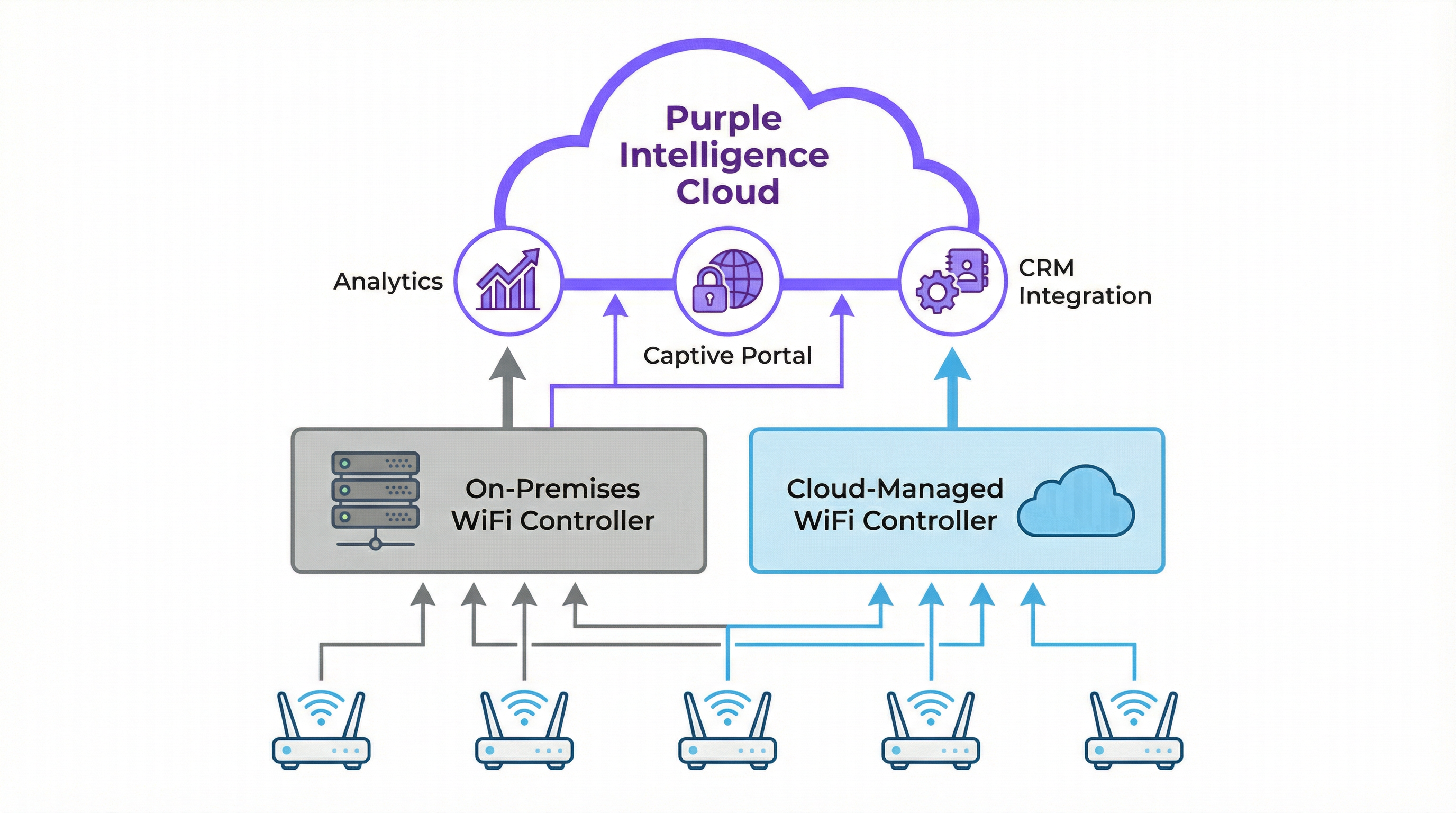
একটি অন-প্রিমিসেস এবং একটি ক্লাউড-ম্যানেজড WLC-এর মধ্যে কৌশলগত পছন্দের ক্ষেত্রে খরচ, স্কেলেবিলিটি এবং অপারেশনের ওপর উল্লেখযোগ্য প্রভাব রয়েছে। নিচের সারণীতে মূল ট্রেড-অফগুলো সংক্ষেপে তুলে ধরা হলো।
| ফিচার | অন-প্রিমিসেস কন্ট্রোলার | ক্লাউড-ম্যানেজড WiFi |
|---|---|---|
| ডিপ্লয়মেন্ট মডেল | লোকাল ডেটা সেন্টারে ফিজিক্যাল বা ভার্চুয়াল অ্যাপ্লায়েন্স | থার্ড-পার্টি ভেন্ডর দ্বারা হোস্ট করা ম্যানেজমেন্ট প্লেন |
| প্রাথমিক খরচ (CapEx) | বেশি — নির্দিষ্ট ক্যাপাসিটি লিমিট সহ হার্ডওয়্যার অ্যাপ্লায়েন্স | কম — কোনো অন-সাইট কন্ট্রোলার হার্ডওয়্যারের প্রয়োজন নেই |
| অপারেটিং খরচ (OpEx) | কম রিকারিং খরচ, তবে বিদ্যুৎ এবং রক্ষণাবেক্ষণ অন্তর্ভুক্ত | বার্ষিক সাবস্ক্রিপশন লাইসেন্সের মাধ্যমে বেশি রিকারিং খরচ |
| স্কেলেবিলিটি | হার্ডওয়্যার ক্যাপাসিটি দ্বারা সীমাবদ্ধ; আপগ্রেডের জন্য নতুন হার্ডওয়্যার প্রয়োজন | অত্যন্ত ইলাস্টিক; লাইসেন্স অ্যাডজাস্টমেন্টের মাধ্যমে নতুন AP এবং সাইট যোগ করা যায় |
| মাল্টি-সাইট ম্যানেজমেন্ট | জটিল; প্রায়শই VPN বা ডেডিকেটেড পার-সাইট কন্ট্রোলারের প্রয়োজন হয় | সহজ; একক ওয়েব ড্যাশবোর্ড একটি ইউনিফাইড গ্লোবাল ভিউ প্রদান করে |
| ইন্টারনেট নির্ভরতা | কম; ইন্টারনেট ব্যর্থ হলেও কোর WiFi চালু থাকে | বেশি; ম্যানেজমেন্ট এবং কনফিগারেশনের জন্য ইন্টারনেট প্রয়োজন |
| কমপ্লায়েন্স এবং ডেটা | কঠোর ডেটা সার্বভৌমত্বের প্রয়োজনীয়তার জন্য আদর্শ | GDPR এবং PCI DSS কমপ্লায়েন্সের জন্য ভেন্ডর ডিউ ডিলিজেন্স প্রয়োজন |
Purple কীভাবে আপনার কন্ট্রোলারের সাথে একীভূত হয়
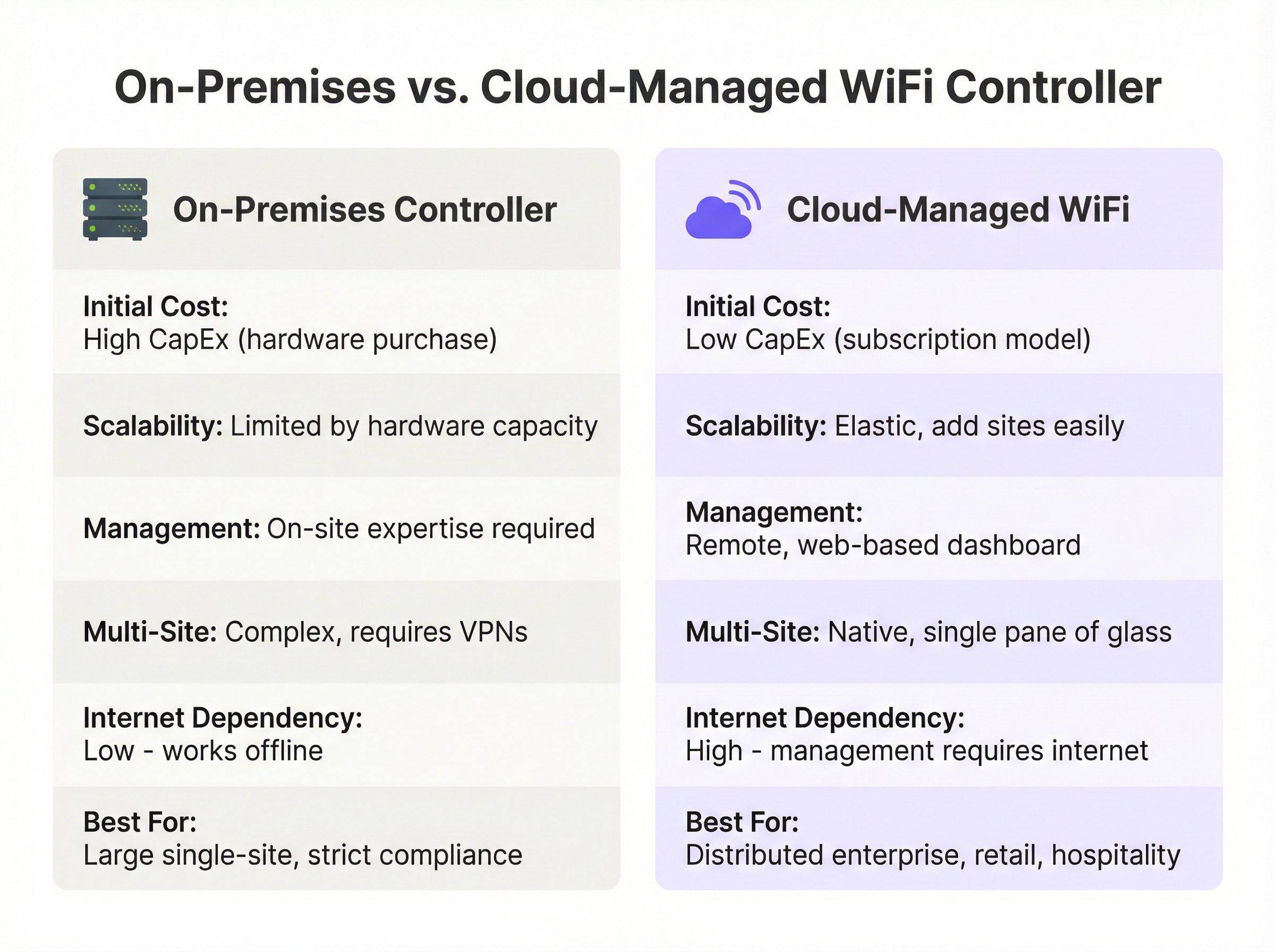
Purple হলো একটি ক্লাউড-ভিত্তিক WiFi ইন্টেলিজেন্স প্ল্যাটফর্ম যা একটি অত্যাধুনিক ওভারলে হিসেবে কাজ করে, এটি আপনার বিদ্যমান নেটওয়ার্ক ইনফ্রাস্ট্রাকচার প্রতিস্থাপন করার পরিবর্তে এর সক্ষমতা বৃদ্ধি করে। এটি ২০০টিরও বেশি হার্ডওয়্যার ভেন্ডরের অন-প্রিমিসেস এবং ক্লাউড-ম্যানেজড উভয় কন্ট্রোলার আর্কিটেকচারের সাথেই নির্বিঘ্নে একীভূত হয়।
ইন্টিগ্রেশনটি একটি স্পষ্ট সিকোয়েন্স অনুসরণ করে। প্রথমত, সমস্ত নতুন, আনঅথেনটিকেটেড গেস্ট ডিভাইসগুলোকে Purple Captive Portal-এ রিডাইরেক্ট করার জন্য WiFi কন্ট্রোলার কনফিগার করা হয়। এরপর ব্যবহারকারী সোশ্যাল লগইন, ফর্ম সাবমিশন বা সিমলেস Passpoint/OpenRoaming প্রোফাইল ব্যবহার করে একটি ব্র্যান্ডেড স্প্ল্যাশ পেজের মাধ্যমে অথেনটিকেট করেন — এই প্রক্রিয়াটি সম্পূর্ণভাবে GDPR এবং CCPA কমপ্লায়েন্ট। সফল অথেনটিকেশনের পর, Purple মূল্যবান, অপ্ট-ইন ডেমোগ্রাফিক এবং বিহেভিয়ারাল ডেটা ক্যাপচার করে, যা অ্যানালিটিক্স ইঞ্জিনে ফিড হয় এবং আপনার CRM-এর সাথে একীভূত করা যেতে পারে। পরিশেষে, Purple ডিভাইসটিকে ইন্টারনেট অ্যাক্সেস দেওয়ার জন্য কন্ট্রোলারকে সিগন্যাল দেয়, যা ব্যান্ডউইথ লিমিট, সেশন ডিউরেশন বা Purple Shield-এর মাধ্যমে কন্টেন্ট ফিল্টারিংয়ের মতো যেকোনো পূর্ব-নির্ধারিত পলিসি প্রয়োগ করে।
এই মডেলটি প্রতিষ্ঠানগুলোকে তাদের শক্তিশালী এন্টারপ্রাইজ-গ্রেড হার্ডওয়্যারের বিনিয়োগ ধরে রাখার সুযোগ দেয়, পাশাপাশি শক্তিশালী অ্যানালিটিক্স এবং গেস্ট এনগেজমেন্ট টুল যুক্ত করে যা ব্যবসায়িক মান বৃদ্ধি করে।
ইমপ্লিমেন্টেশন গাইড
আপনার WiFi কন্ট্রোলার আর্কিটেকচার ডিপ্লয় বা আপগ্রেড করার জন্য একটি কাঠামোগত পদ্ধতির প্রয়োজন। এই ভেন্ডর-নিউট্রাল গাইডটি একটি সফল ইমপ্লিমেন্টেশনের মূল পর্যায়গুলোর রূপরেখা প্রদান করে।
পর্যায় ১: ডিসকভারি এবং রিকোয়ারমেন্টস গ্যাদারিং। বিল্ডিং ম্যাটেরিয়াল, ব্যবহারকারীর ঘনত্ব এবং অ্যাপ্লিকেশন থ্রুপুট রিকোয়ারমেন্ট বিবেচনা করে অ্যাক্সেস পয়েন্টগুলোর সর্বোত্তম সংখ্যা এবং স্থান নির্ধারণ করতে একটি ফিজিক্যাল বা প্রেডিক্টিভ RF সার্ভে পরিচালনা করুন। প্রাথমিক ইউজ কেসগুলো — গেস্ট অ্যাক্সেস, ইন্টারনাল স্টাফ, পয়েন্ট-অফ-সেল সিস্টেম, IoT ডিভাইস — ডকুমেন্ট করুন, কারণ এগুলো সেগমেন্টেশন এবং সিকিউরিটি পলিসি নির্ধারণ করবে। আপনার বর্তমান নেটওয়ার্ক ইনফ্রাস্ট্রাকচার ক্যাটালগ করুন এবং রিটেইলের জন্য PCI DSS এবং ইইউ (EU) নাগরিকদের ডেটা পরিচালনার জন্য GDPR সহ সমস্ত রেগুলেটরি রিকোয়ারমেন্ট চিহ্নিত করুন।
পর্যায় ২: আর্কিটেকচার সিলেকশন। অন-প্রিমিসেস এবং ক্লাউড-ম্যানেজড সলিউশনের মধ্যে বেছে নিতে এই গাইডের তুলনামূলক সারণী এবং ডিসিশন-ফ্লো ডায়াগ্রাম ব্যবহার করুন। রিটেইল, হসপিটালিটি এবং অনুরূপ সেক্টরের বেশিরভাগ মাল্টি-সাইট ব্যবসার জন্য, ক্লাউড-ম্যানেজড আর্কিটেকচারের অপারেশনাল দক্ষতা এবং স্কেলেবিলিটি একটি চমৎকার বিজনেস কেস উপস্থাপন করে।
পর্যায় ৩: ডিপ্লয়মেন্ট এবং কনফিগারেশন। প্রতিটি ইউজার গ্রুপের (গেস্ট, স্টাফ, কর্পোরেট, IoT) জন্য আলাদা VLAN কনফিগার করুন — এটি একটি অত্যন্ত গুরুত্বপূর্ণ সিকিউরিটি মেজার। ক্লাউড-ম্যানেজড সিস্টেমের ক্ষেত্রে, জিরো-টাচ প্রভিশনিং সক্ষম করতে ড্যাশবোর্ডে AP-গুলো প্রি-রেজিস্টার করুন। সমস্ত সুরক্ষিত নেটওয়ার্কের জন্য IEEE 802.1X-এর সাথে WPA3-Enterprise ইমপ্লিমেন্ট করুন। গেস্ট নেটওয়ার্কের জন্য, ক্লায়েন্ট আইসোলেশন সক্ষম করে একটি ওপেন SSID কনফিগার করুন, যা সমস্ত ট্রাফিককে Purple Captive Portal-এর মাধ্যমে যেতে বাধ্য করে। আপনার কন্ট্রোলার সেটিংসে এক্সটার্নাল অথেনটিকেশন সোর্স হিসেবে Purple Captive Portal URL কনফিগার করুন এবং আপনার প্রি-অথেনটিকেশন অ্যাক্সেস কন্ট্রোল লিস্টে প্রয়োজনীয় IP অ্যাড্রেসগুলো যোগ করুন।
পর্যায় ৪: টেস্টিং এবং ভ্যালিডেশন। কভারেজ যাচাই করতে একটি পোস্ট-ডিপ্লয়মেন্ট RF সার্ভে পরিচালনা করুন। প্রতিটি ইউজার গ্রুপের জন্য অনবোর্ডিং প্রক্রিয়া পরীক্ষা করুন। নেটওয়ার্কটি পারফরম্যান্স বেঞ্চমার্ক পূরণ করে তা নিশ্চিত করতে iPerf-এর মতো টুল ব্যবহার করে থ্রুপুট টেস্ট সম্পাদন করুন।
বেস্ট প্র্যাকটিস
নেটওয়ার্ক সেগমেন্টেশনের মাধ্যমে নিরাপত্তাকে অগ্রাধিকার দেওয়া অপরিহার্য। গেস্ট ট্রাফিক কখনোই কর্পোরেট বা PCI-কমপ্লায়েন্ট ট্রাফিকের সাথে একই VLAN শেয়ার করবে না। গেস্ট নেটওয়ার্কে ক্লায়েন্ট আইসোলেশন সক্ষম করা একটি গুরুত্বপূর্ণ WLC ফিচার যা ওয়্যারলেস ক্লায়েন্টদের একে অপরের সাথে যোগাযোগ করতে বাধা দেয়, ফলে পিয়ার-টু-পিয়ার আক্রমণের ঝুঁকি হ্রাস পায়। WLC-এর সাথে একত্রে একটি RADIUS সার্ভারের মাধ্যমে অথেনটিকেশন সেন্ট্রালাইজ করা ব্যবহারকারী এবং পলিসিগুলোর একটি একক, অডিটেবল ডেটাবেস প্রদান করে। কন্ট্রোলার এবং AP উভয়ের জন্যই নিয়মিত ফার্মওয়্যার আপডেট অপরিহার্য, কারণ এগুলো অত্যন্ত গুরুত্বপূর্ণ সিকিউরিটি অ্যাসেট। ক্লাউড-ম্যানেজড সলিউশনগুলো সাধারণত এই প্রক্রিয়াটিকে স্বয়ংক্রিয় করে, যা একটি উল্লেখযোগ্য অপারেশনাল সুবিধা। পরিশেষে, কন্ট্রোলারের ড্যাশবোর্ড এবং Purple-এর অ্যানালিটিক্সের মাধ্যমে ক্রমাগত মনিটরিং আইটি (IT) টিমগুলোকে ব্যবহারকারীদের প্রভাবিত করার আগেই পারফরম্যান্স ইস্যু, রোগ (rogue) AP এবং সিকিউরিটি অসঙ্গতিগুলো সক্রিয়ভাবে শনাক্ত করতে সহায়তা করে।
ট্রাবলশুটিং এবং রিস্ক মিটিগেশন
যখন ক্লায়েন্টরা কানেক্ট করতে পারে না, তখন প্রথম ডায়াগনস্টিক পদক্ষেপ হলো অথেনটিকেশন এররের জন্য কন্ট্রোলার চেক করা: যাচাই করুন যে RADIUS সার্ভারটি রিচেবল কি না, ক্লায়েন্ট ক্রেডেনশিয়াল সঠিক কি না এবং কন্ট্রোলারের প্রি-অথেনটিকেশন ACL-এ Purple পোর্টালের IP অ্যাড্রেসগুলো সঠিকভাবে হোয়াইটলিস্ট করা হয়েছে কি না। দুর্বল ওয়্যারলেস পারফরম্যান্স সাধারণত RF ইন্টারফারেন্স বা ওভারলোডেড চ্যানেলগুলোকে নির্দেশ করে, যা কন্ট্রোলারের RF ম্যানেজমেন্ট ড্যাশবোর্ডের মাধ্যমে ডায়াগনোজ করা যেতে পারে। উচ্চ-ঘনত্বের এলাকাগুলোতে অতিরিক্ত AP বা চ্যানেল অ্যাসাইনমেন্টের পুনঃমূল্যায়নের প্রয়োজন হতে পারে।
অন-প্রিমিসেস ডিপ্লয়মেন্টের ক্ষেত্রে, প্রাথমিক ঝুঁকি হলো কন্ট্রোলার হার্ডওয়্যার ফেইলিওর। একটি হাই-অ্যাভেইলেবিলিটি (HA) পেয়ারে — একটি অ্যাক্টিভ/স্ট্যান্ডবাই কনফিগারেশন — কন্ট্রোলার ডিপ্লয় করে এবং কন্ট্রোলার কনফিগারেশনের নিয়মিত ব্যাকআপ বজায় রাখার মাধ্যমে এটি প্রশমিত করা হয়। ক্লাউড-ম্যানেজড নেটওয়ার্কের ক্ষেত্রে, ঝুঁকি হলো ইন্টারনেট কানেক্টিভিটি হারিয়ে যাওয়া। আউটেজের সময় লোকাল নেটওয়ার্ক অ্যাক্সেস প্রদান চালিয়ে যাওয়ার জন্য AP-গুলোকে কনফিগার করা উচিত এবং গুরুত্বপূর্ণ অপারেশনাল পরিষেবাগুলো ক্লাউড ম্যানেজমেন্ট লিংকের ওপর নির্ভর করা উচিত নয়।
ROI এবং বিজনেস ইমপ্যাক্ট
একটি সঠিকভাবে আর্কিটেক্ট করা ওয়্যারলেস নেটওয়ার্ক কোনো কস্ট সেন্টার নয়; এটি একটি বিজনেস এনাবেলার। এর ROI একটি সাধারণ ইন্টারনেট কানেকশন প্রদানের চেয়ে অনেক বেশি বিস্তৃত। সেন্ট্রালাইজড ম্যানেজমেন্ট নাটকীয়ভাবে আইটি (IT) ওভারহেড হ্রাস করে, যেমনটি McDonald's-এর ক্ষেত্রে দেখা গেছে, যেখানে Purple-এর অ্যানালিটিক্স এবং রিমোট ম্যানেজমেন্ট সক্ষমতার ফলে আইটি ইঞ্জিনিয়ারদের সাইট ভিজিট ৯০% হ্রাস পেয়েছে, যেখানে প্রতি বছর রেস্তোরাঁ প্রতি ৪ মিলিয়ন WiFi লগইন এবং CRM-এ ২.৫ মিলিয়ন ইউনিক ব্যবহারকারী ক্যাপচার করা হয়েছে।
দ্রুত, নির্ভরযোগ্য এবং সহজে অ্যাক্সেসযোগ্য WiFi এখন হসপিটালিটি এবং রিটেইল খাতে একটি বেসলাইন প্রত্যাশা। কন্ট্রোলার-ম্যানেজড রোমিং এবং Purple পোর্টালের মাধ্যমে সহজ অনবোর্ডিং দ্বারা সহজতর একটি সিমলেস অভিজ্ঞতা সরাসরি গ্রাহক সন্তুষ্টি এবং লয়্যালটিকে প্রভাবিত করে। Purple একীভূত করার মাধ্যমে, WiFi নেটওয়ার্ক ফার্স্ট-পার্টি ডেটার একটি সমৃদ্ধ উৎসে রূপান্তরিত হয়, যা ভেন্যু অপারেটরদের ফুটফল, ডুয়েল টাইম এবং ভিজিটর ফ্রিকোয়েন্সি পরিমাপ করতে সক্ষম করে। এই ডেটা একটি বাস্তব ROI প্রদান করে, যেখানে Purple গ্রাহকরা গড়ে ৮৭৩% ROI দেখতে পান। কনফারেন্স সেন্টার বা হোটেলের মতো ভেন্যুগুলোর জন্য, প্রিমিয়াম টিয়ারড WiFi অ্যাক্সেস একটি সরাসরি রেভিনিউ স্ট্রিমও হয়ে উঠতে পারে, যা কন্ট্রোলার এবং Purple প্ল্যাটফর্মের মাধ্যমে সহজেই পরিচালনা এবং স্বয়ংক্রিয় করা যায়।
Key Terms & Definitions
Wireless LAN Controller (WLC)
A centralized network appliance or cloud service that configures, manages, and monitors wireless access points at scale, handling functions such as RF management, roaming, authentication, and security policy enforcement.
This is the core component for any enterprise-grade WiFi deployment. IT teams use the WLC to avoid having to configure hundreds of APs individually and to ensure a consistent, secure experience across the entire network.
Access Point (AP)
A hardware device that creates a wireless local area network (WLAN) by transmitting and receiving radio signals. In a controller-based architecture, APs are 'lightweight' devices whose intelligence is provided by the central WLC.
These are the physical devices installed in ceilings and walls throughout a venue. In enterprise settings, they are often referred to as 'thin' or 'lightweight' APs because the controller provides their configuration and management logic.
Cloud-Managed WiFi
An architecture where the WLC functionality is hosted in the cloud as a subscription service, allowing for centralized management of geographically distributed APs via a web-based dashboard without any on-site controller hardware.
This is the dominant model for retail, hospitality, and distributed enterprises due to its scalability and operational simplicity. Purple is a cloud-native platform that integrates perfectly with this model.
CAPWAP (Control and Provisioning of Wireless Access Points)
An IETF standard protocol (RFC 5415) that enables a WLC to manage a collection of access points by establishing a secure, encrypted tunnel for control traffic and, optionally, data traffic.
This is the technical underpinning of how controllers and APs communicate. Understanding CAPWAP is essential for troubleshooting connectivity issues between the controller and its managed APs, particularly in complex network topologies.
IEEE 802.1X
An IEEE standard for port-based Network Access Control (PNAC) that provides an authentication framework requiring devices to present valid credentials before being granted access to a LAN or WLAN.
This is the gold standard for securing corporate wireless networks. It requires users to authenticate with unique credentials before being granted access, managed by the WLC in conjunction with a RADIUS server. It is a key requirement for PCI DSS and ISO 27001 compliance.
Captive Portal
A web page displayed to newly connected users of a WiFi network before they are granted broader internet access, typically used for authentication, terms-of-service acceptance, or data capture.
This is Purple's core entry point for guest users. The WLC is configured to redirect all unauthenticated guest devices to the Purple captive portal, which then handles the entire user onboarding journey, from authentication to data capture.
Network Segmentation
The practice of dividing a computer network into distinct subnetworks (VLANs) to improve security, performance, and compliance by preventing unauthorized traffic between segments.
This is a non-negotiable best practice enforced via the WLC. Separating guest traffic from corporate and POS systems is a fundamental security requirement and a compliance obligation under PCI DSS for any organization processing card payments.
PCI DSS (Payment Card Industry Data Security Standard)
A set of security standards mandating that all companies that accept, process, store, or transmit credit card information maintain a secure environment, including strict network segmentation requirements.
For any retail or hospitality client, the WLC and network architecture must be configured to meet PCI DSS requirements. Failure to comply can result in significant fines and the revocation of the ability to process card payments.
Case Studies
A 250-room luxury hotel needs to upgrade its legacy WiFi network to provide seamless, high-performance coverage for guests and staff while enabling marketing to capture guest data for loyalty programs. The hotel has a central server room and a dedicated IT team.
1. Architecture Choice: A hybrid approach is recommended. Deploy on-premises controllers in a high-availability (HA) pair to manage all on-site access points. This ensures maximum performance and resilience for in-room streaming and staff operational systems. 2. Network Segmentation: Create distinct VLANs and SSIDs: 'HotelGuest' (open, with captive portal), 'Staff_Secure' (WPA3-Enterprise with 802.1X), and 'POS_Systems' (WPA3-Enterprise, highly restricted, firewalled from guest VLAN). 3. Purple Integration: Configure the controllers to redirect the 'HotelGuest' SSID to the Purple cloud-based captive portal. The portal handles guest authentication via room number and last name, or social login, and captures opt-in marketing consent. 4. Policy Enforcement: The controller enforces a bandwidth limit of 25 Mbps per guest device, while the Purple platform manages session duration and feeds data directly into the hotel's Salesforce CRM, enabling targeted loyalty campaigns.
A retail chain with 80 stores across the country wants to standardize its in-store guest WiFi experience, centrally manage all networks, and use WiFi analytics to understand customer footfall patterns. Each store has limited on-site technical staff.
1. Architecture Choice: A fully cloud-managed WiFi solution is the clear choice. Equip each store with cloud-managed access points from a single vendor. There is no need for an on-premises controller in any store. 2. Zero-Touch Provisioning: APs are pre-configured in the central cloud dashboard and shipped to each store. The local store manager simply plugs them in — the AP automatically downloads its configuration. 3. Centralized Management: From corporate headquarters, the IT team uses a single web dashboard to monitor all 80 stores, push configuration updates, and manage security policies simultaneously. 4. Purple Integration: The cloud controller is configured globally to use Purple for guest authentication across all stores, ensuring a consistent branded experience. Purple's analytics dashboard provides footfall, dwell time, and loyalty metrics for every store, enabling direct comparison of performance across the estate.
Scenario Analysis
Q1. A large conference center is preparing for a major tech summit expecting 10,000 concurrent users, all requiring high-throughput video streaming. They have a large, expert IT team on-site and a dedicated server room. Which controller architecture should they primarily rely on and why?
💡 Hint:Consider the requirements for latency, throughput, and the value of on-site expertise in a single-location, high-density scenario.
Show Recommended Approach
They should deploy a high-capacity, on-premises controller cluster in a high-availability (active/standby) configuration. For a high-density, single-site event, minimizing latency and maximizing throughput is critical. Routing all traffic through a powerful on-site controller avoids the latency of cloud-based data paths and provides the advanced RF management needed to handle 10,000 concurrent users. The presence of an expert on-site IT team mitigates the management overhead of an on-premises solution. Purple would be integrated as an overlay for guest authentication and analytics.
Q2. A fast-growing coffee shop chain plans to expand from 10 to 50 locations in the next year. They want to offer a consistent, branded guest WiFi experience at all stores and use the data for marketing campaigns. Their corporate IT team consists of just two people. What is the single most critical feature they should look for in a WiFi solution?
💡 Hint:Think about the operational challenge of deploying and managing 50 separate locations with a two-person IT team.
Show Recommended Approach
The most critical feature is zero-touch provisioning via a cloud-based management dashboard. This will allow their small IT team to pre-configure access points in the cloud dashboard and ship them to new stores. The local store manager simply plugs in the AP, and it automatically downloads its configuration — no specialist IT visit required. A cloud architecture is essential for them to scale rapidly and manage all 50 locations from a single interface, ensuring a consistent guest experience and centralized data collection via Purple.
Q3. A hospital needs to provide guest WiFi for patients and visitors while ensuring that patient health records, stored on a separate internal clinical network, remain completely isolated and secure. How should the IT team use a WLC to achieve this, and what specific configuration steps are required?
💡 Hint:Focus on the security and traffic separation capabilities of the WLC, and consider both the technical and compliance dimensions.
Show Recommended Approach
The IT team must use the WLC to implement strict network segmentation. The specific steps are: (1) Create a dedicated 'Guest' SSID on a separate VLAN (e.g., VLAN 100) that is completely firewalled from all internal clinical VLANs. (2) Configure an Access Control List (ACL) on the controller that explicitly denies any traffic originating from VLAN 100 from reaching the internal network segments. (3) Enable 'client isolation' on the guest SSID to prevent guest devices from communicating with each other. (4) Configure the guest SSID to redirect unauthenticated clients to the Purple captive portal for terms-of-service acceptance. This architecture ensures compliance with healthcare data regulations and protects patient data from both external and internal threats.
Key Takeaways
- ✓A WiFi Controller (WLC) centralizes the management of multiple access points, providing the consistency, security, and scalability that enterprise wireless networks demand.
- ✓The primary architectural choice is between on-premises controllers (high control, high CapEx, ideal for single-site or strict compliance environments) and cloud-managed controllers (high scalability, subscription-based, ideal for distributed enterprises).
- ✓Cloud-managed WiFi is the dominant choice for distributed enterprises in retail and hospitality due to zero-touch provisioning, single-pane-of-glass management, and elastic scalability.
- ✓Purple is a cloud-based intelligence platform that acts as an overlay on existing WiFi infrastructure — it does not replace the controller, but enhances it with guest authentication, analytics, and CRM integration.
- ✓Security is non-negotiable: use the WLC to enforce network segmentation (separate VLANs for guests, staff, and POS), enable client isolation on guest networks, and implement WPA3-Enterprise with IEEE 802.1X for secure access.
- ✓The ROI of a modern WiFi architecture is driven by operational efficiency, enhanced customer experience, and the business intelligence derived from WiFi analytics — Purple customers see an average ROI of 873%.
- ✓The core framework: your controller manages the APs; a platform like Purple manages the users — turning connectivity from a cost centre into a source of measurable business value.




