

Guest WiFi साठी Social Login: Facebook, Google, Apple आणि LinkedIn
This guide provides a comprehensive technical reference for IT managers, network architects, and venue operators deploying social login on guest WiFi networks. It covers the OAuth 2.0 Authorization Code Flow underpinning Facebook, Google, Apple, and LinkedIn authentication, the specific data each platform provides, and the critical iOS compatibility constraints affecting Google OAuth in captive portal environments. Compliance obligations under UK GDPR, platform selection frameworks, and real-world deployment case studies from hospitality and retail are included to support implementation decisions this quarter.
🎧 Listen to this Guide
View Transcript
कार्यकारी सारांश
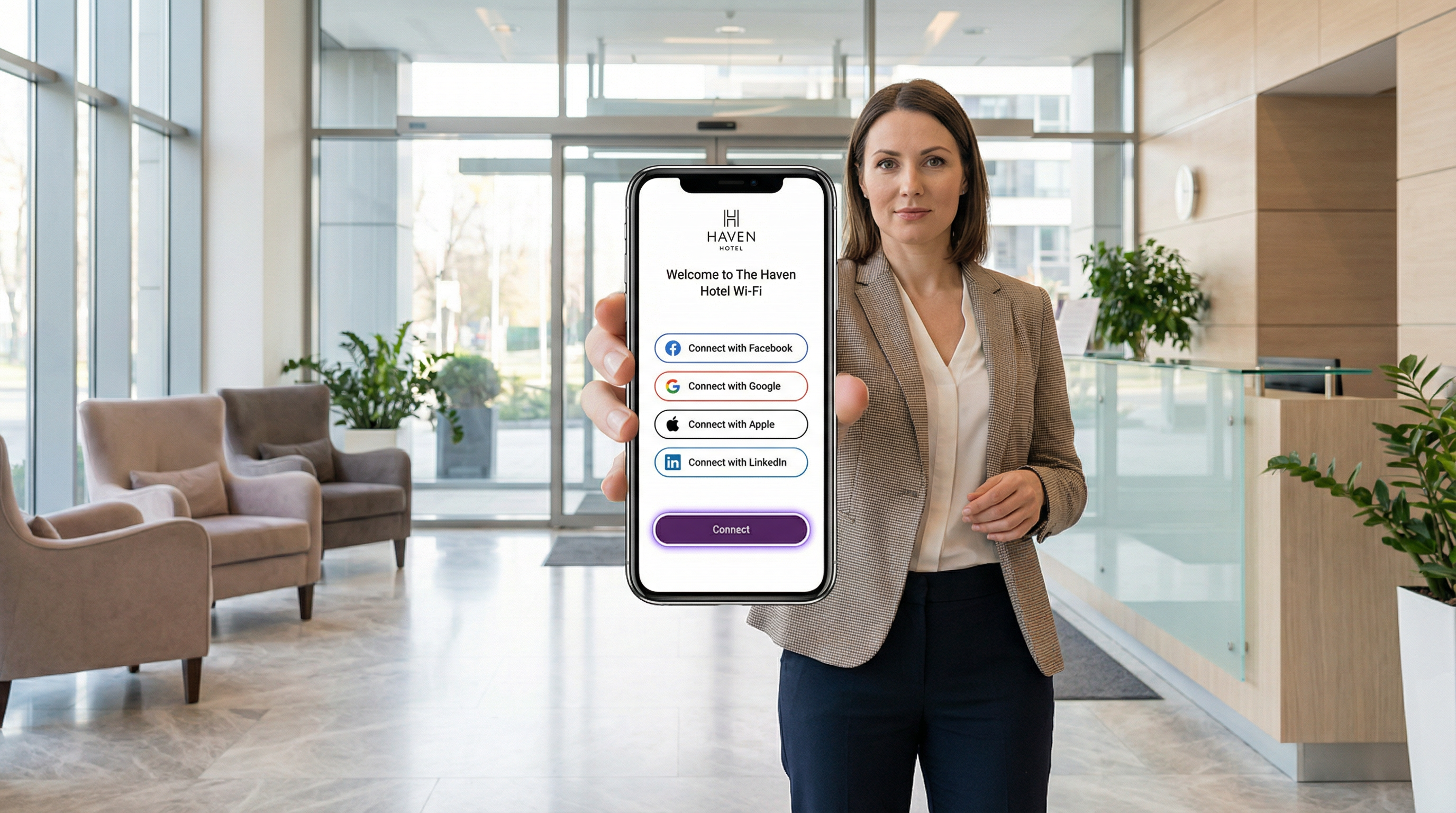
Social login WiFi ठिकाण चालकांना निनावी क्लिक-थ्रू ऍक्सेसच्या जागी ओळख-प्रमाणित ऑथेंटिकेशन (identity-verified authentication) वापरण्यास सक्षम करते, ज्यामुळे प्रत्येक अतिथी WiFi कनेक्शनचे फर्स्ट-पार्टी डेटा ॲसेटमध्ये रूपांतर होते. Facebook, Google, Apple ID किंवा LinkedIn सोबत OAuth 2.0 इंटिग्रेट करून, हॉस्पिटॅलिटी, रिटेल, इव्हेंट्स आणि सार्वजनिक क्षेत्रातील संस्था नेटवर्क ऍक्सेसच्या ठिकाणीच प्रमाणित अतिथी प्रोफाइल्स — नाव, ईमेल, डेमोग्राफिक वैशिष्ट्ये आणि LinkedIn च्या बाबतीत, व्यावसायिक संदर्भ — कॅप्चर करू शकतात.
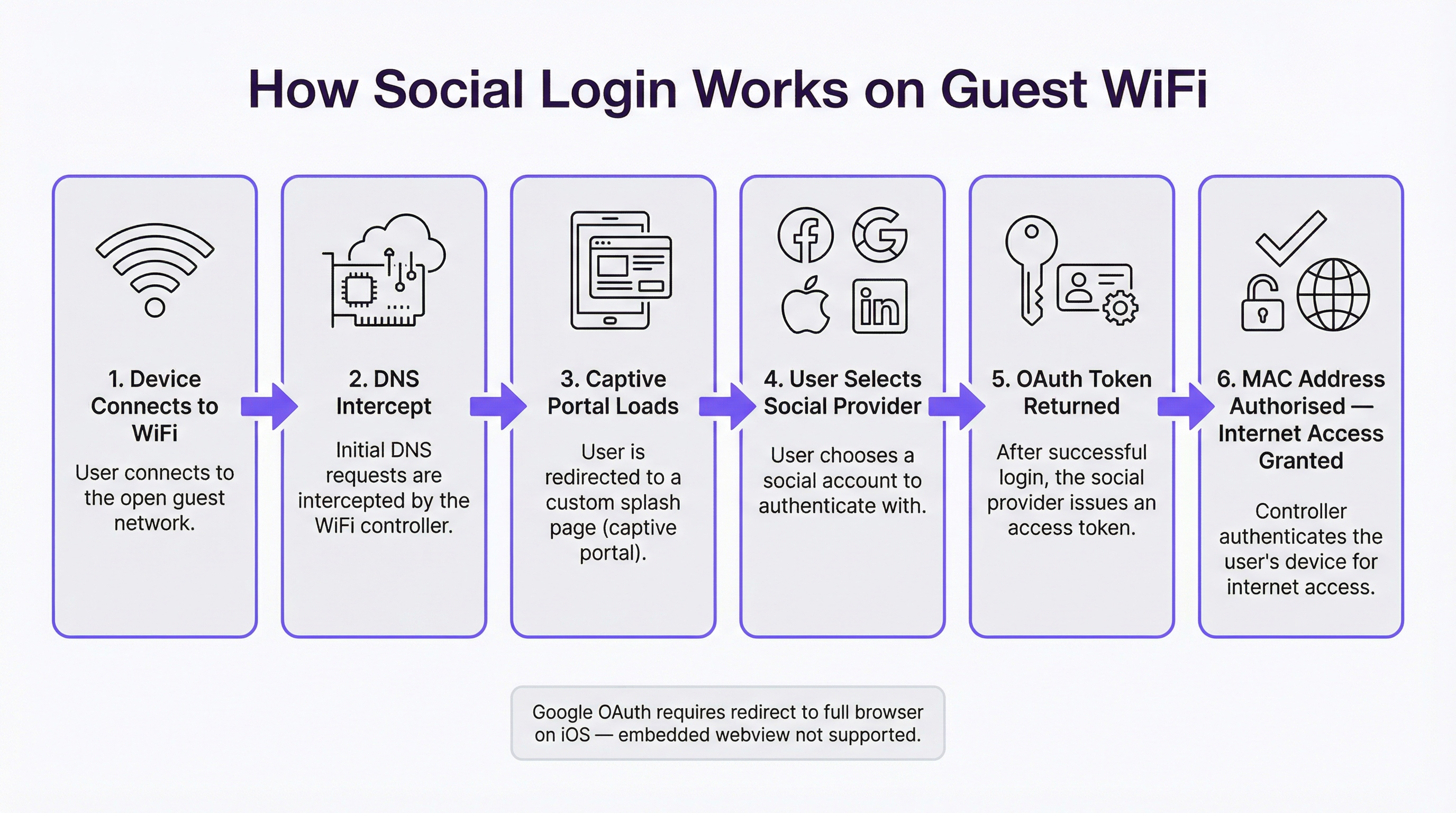
तांत्रिक आर्किटेक्चर सोपे आहे: एक Captive Portal अतिथीच्या सुरुवातीच्या DNS विनंतीला इंटरसेप्ट करते, एक ब्रँडेड स्प्लॅश पेज सादर करते आणि निवडलेल्या आयडेंटिटी प्रोव्हायडरसोबत OAuth Authorization Code Flow सुरू करते. मिळणाऱ्या ऍक्सेस टोकनचा वापर प्रोफाइल डेटा मिळवण्यासाठी केला जातो, जो नेटवर्क ऍक्सेस देण्यापूर्वी अतिथीच्या MAC ॲड्रेसवर स्टोअर केला जातो. सामान्य परिस्थितीत हा संपूर्ण फ्लो तीन ते आठ सेकंदात पूर्ण होतो.
तथापि, प्लॅटफॉर्म-विशिष्ट मर्यादा — विशेषतः एम्बेडेड वेबव्ह्यूजमध्ये OAuth वर Google ची बंदी, ज्याचा थेट परिणाम iOS Captive Portal च्या वर्तनावर होतो — गो-लाइव्ह (go-live) पूर्वी जाणीवपूर्वक इंजिनिअरिंग निर्णय घेणे आवश्यक करतात. कोणत्याही UK किंवा EU डिप्लॉयमेंटसाठी GDPR कंप्लायन्स, डेटा मिनिमायझेशनची बंधने आणि रिटेन्शन पॉलिसीची अंमलबजावणी या तडजोड न करण्यायोग्य (non-negotiable) बाबी आहेत. हे मार्गदर्शक तुमच्या टीमला योग्य प्लॅटफॉर्म निवडण्यासाठी, अचूक अंमलबजावणी करण्यासाठी आणि नियामक मर्यादांमध्ये काम करण्यासाठी सज्ज करते.
तांत्रिक सखोल माहिती
Captive Portal संदर्भात OAuth 2.0 Authorization Code Flow
OAuth 2.0 हे RFC 6749 मध्ये परिभाषित केलेले एक ओपन ऑथरायझेशन फ्रेमवर्क आहे जे थर्ड-पार्टी ॲप्लिकेशनला — या प्रकरणात, तुमचे Captive Portal — वापरकर्त्याला त्यांचा पासवर्ड शेअर न करता सोशल प्लॅटफॉर्मवरील त्यांच्या अकाउंटचा मर्यादित ऍक्सेस मिळवण्याची परवानगी देते. अतिथी WiFi डिप्लॉयमेंट्ससाठी, संबंधित फ्लो Authorization Code Flow (ज्याला कधीकधी थ्री-लेग्ड OAuth फ्लो म्हटले जाते) आहे, जो सर्वात सुरक्षित प्रकार आहे आणि चारही प्रमुख प्लॅटफॉर्म्सद्वारे अनिवार्य केलेला आहे.
हा फ्लो खालीलप्रमाणे पुढे जातो. जेव्हा एखादा अतिथी WiFi SSID शी कनेक्ट होतो, तेव्हा त्यांच्या डिव्हाइसची ऑपरेटिंग सिस्टीम इंटरनेट ऍक्सेस उपलब्ध आहे की नाही हे तपासण्यासाठी एक प्रोब रिक्वेस्ट पाठवते — सामान्यतः captive.apple.com किंवा connectivitycheck.gstatic.com सारख्या ज्ञात URL वर HTTP GET विनंती. नेटवर्क कंट्रोलर DNS हायजॅकिंग किंवा HTTP रिडायरेक्टद्वारे ही विनंती इंटरसेप्ट करतो आणि त्याऐवजी Captive Portal स्प्लॅश पेज परत करतो. अतिथीचे डिव्हाइस हे पेज iOS आणि macOS वर समर्पित Captive Network Assistant (CNA) मिनी-ब्राउझरमध्ये किंवा Android वर सिस्टीम ब्राउझरमध्ये प्रदर्शित करते.
जेव्हा अतिथी सोशल लॉगिन प्रोव्हायडर निवडतो, तेव्हा पोर्टल एक ऑथरायझेशन विनंती जनरेट करते ज्यामध्ये ॲप्लिकेशनचा client_id, विनंती केलेले scopes (डेटा परवानग्या), पोर्टलच्या कॉलबॅक एंडपॉइंटकडे निर्देशित करणारा redirect_uri आणि CSRF संरक्षणासाठी state पॅरामीटर समाविष्ट असतो. अतिथीला आयडेंटिटी प्रोव्हायडरच्या ऑथरायझेशन एंडपॉइंटवर रिडायरेक्ट केले जाते — उदाहरणार्थ, accounts.google.com/o/oauth2/v2/auth. प्रोव्हायडर वापरकर्त्याला ऑथेंटिकेट करतो (जर ते आधीच लॉग इन असतील तर त्यांच्या विद्यमान सेशन कुकीचा वापर करून, किंवा नसल्यास क्रेडेंशियल्स विचारून), विनंती केलेल्या परवानग्यांची यादी असलेली संमती स्क्रीन (consent screen) सादर करतो आणि मंजुरी मिळाल्यावर अल्प-मुदतीच्या authorisation code सह पोर्टलच्या कॉलबॅक URI वर परत रिडायरेक्ट करतो.
पोर्टलचा सर्व्हर-साइड घटक नंतर प्रोव्हायडरच्या टोकन एंडपॉइंटवर बॅक-चॅनेल POST विनंती करतो, आणि ऑथरायझेशन कोडच्या बदल्यात access token आणि ID token (जे वापरकर्त्याचे प्रोफाइल क्लेम्स असलेले JSON Web Token असते) मिळवतो. अतिथीचा प्रोफाइल डेटा मिळवण्यासाठी पोर्टल ऍक्सेस टोकनचा वापर करून प्रोव्हायडरच्या userinfo API एंडपॉइंटला कॉल करते, त्याच्या डेटाबेसमध्ये अतिथीचा रेकॉर्ड तयार करते किंवा अपडेट करते आणि शेवटी नेटवर्क कंट्रोलरला अतिथीचा MAC ॲड्रेस अधिकृत क्लायंट सूचीमध्ये जोडण्याची सूचना देते. यानंतर इंटरनेट ऍक्सेस दिला जातो.
प्लॅटफॉर्मनुसार डेटा विश्लेषण
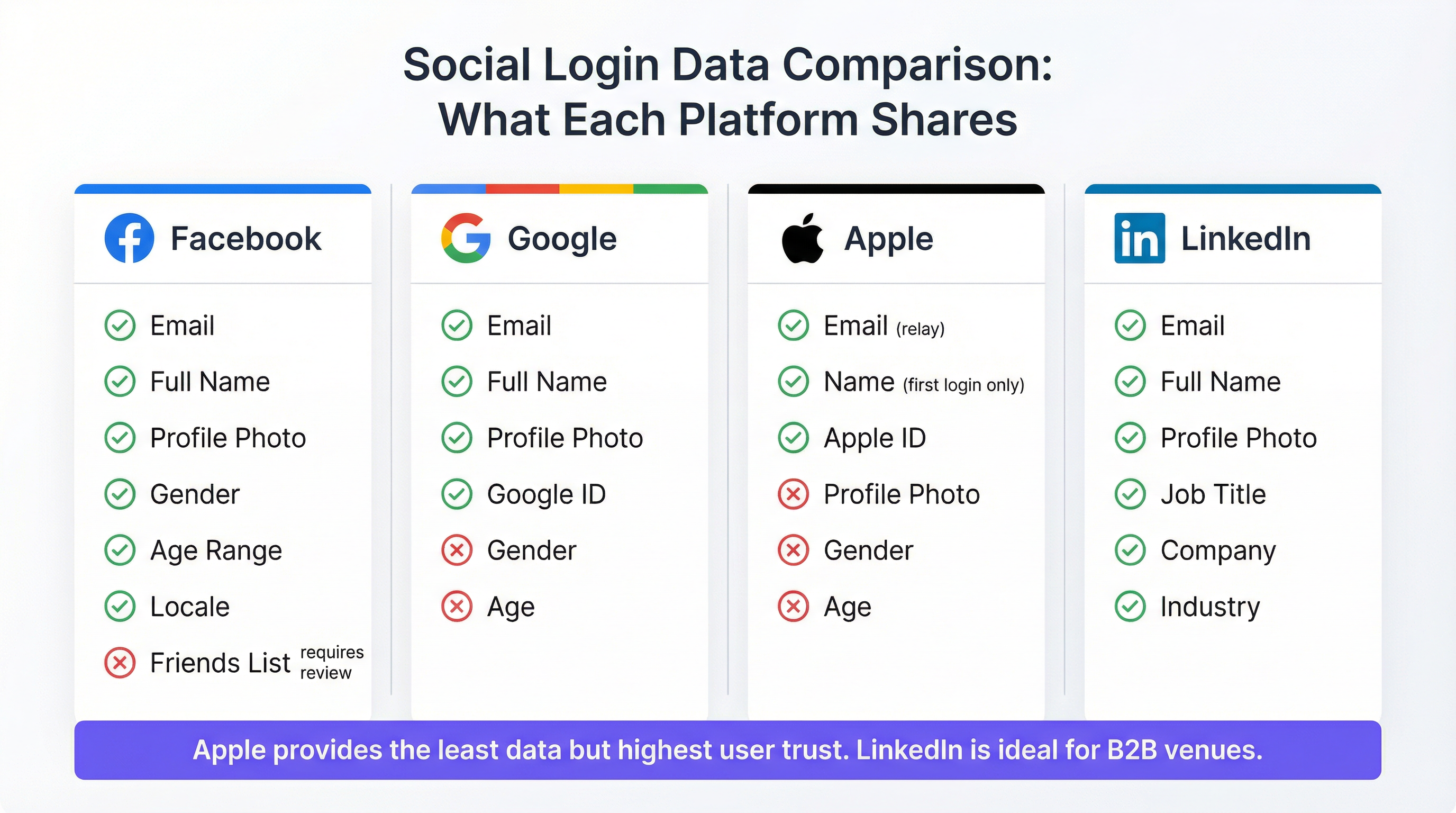
प्रत्येक प्लॅटफॉर्मच्या OAuth अंमलबजावणीद्वारे उपलब्ध असलेला डेटा लक्षणीयरीत्या भिन्न असतो आणि या फरकांचा मार्केटिंग धोरण आणि ॲनालिटिक्स क्षमतेवर थेट परिणाम होतो.
ग्राहक ठिकाणांच्या डिप्लॉयमेंट्ससाठी Facebook हा सर्वात जास्त डेटा-समृद्ध पर्याय राहिला आहे. स्टँडर्ड public_profile आणि email स्कोप्स अतिरिक्त ॲप रिव्ह्यूची आवश्यकता नसताना नाव, ईमेल ॲड्रेस, प्रोफाइल फोटो, Facebook युजर ID, लिंग, वयोगट आणि लोकॅल (locale) प्रदान करतात. विस्तारित परवानग्या — जसे की मित्रांची यादी किंवा तपशीलवार लोकेशन डेटा — यासाठी Facebook च्या औपचारिक ॲप रिव्ह्यू प्रक्रियेची आवश्यकता असते आणि WiFi युज केसेससाठी त्या क्वचितच दिल्या जातात. हे लक्षात घेणे महत्त्वाचे आहे की Facebook ने 2023 मध्ये त्यांचे समर्पित "Facebook WiFi" उत्पादन बंद (deprecate) केले; सध्याचे इंटिग्रेशन्स स्टँडर्ड Graph API OAuth फ्लो वापरतात. केंब्रिज ॲनालिटिका घटनेच्या प्रतिसादात 2018 पासून Facebook च्या API परवानग्या उत्तरोत्तर प्रतिबंधित केल्या गेल्या आहेत आणि ऑपरेटर्सनी त्यांचे इंटिग्रेशन ठरवण्यापूर्वी developers.facebook.com वरील वर्तमान परवानग्या मार्गदर्शकाचे पुनरावलोकन केले पाहिजे.
Google स्टँडर्ड openid, email आणि profile स्कोप्सद्वारे ईमेल, पूर्ण नाव, प्रोफाइल फोटो आणि एक युनिक Google ID प्रदान करते. लिंग, वय आणि लोकेशन स्टँडर्ड स्कोप्सद्वारे उपलब्ध नाहीत. Captive Portal डिप्लॉयमेंट्ससाठी Google ची प्राथमिक मर्यादा त्यांचे एम्बेडेड वेबव्ह्यू धोरण (embedded webview policy) आहे, जे सप्टेंबर 2021 पासून लागू केले गेले आहे: Google iOS वरील WKWebView किंवा Android WebView सारख्या एम्बेडेड ब्राउझर घटकांमधून येणाऱ्या OAuth विनंत्यांवर प्रक्रिया करणार नाही. Apple चे Captive Network Assistant Captive Portal प्रदर्शित करण्यासाठी एम्बेडेड वेबव्ह्यू वापरत असल्याने, जोपर्यंत पोर्टल वापरकर्त्याला Safari उघडण्यासाठी स्पष्टपणे रिडायरेक्ट करत नाही तोपर्यंत iOS वर Google ऑथेंटिकेशन अयशस्वी होईल. ट्रबलशूटिंग (Troubleshooting) विभागात यावर सविस्तर चर्चा केली आहे.
Apple ID (Sign in with Apple) हा सर्वात जास्त गोपनीयता जपणारा पर्याय आहे. तो वापरकर्त्याचे नाव आणि ईमेल ॲड्रेस प्रदान करतो, परंतु यात दोन महत्त्वाच्या अटी आहेत. वापरकर्त्याचे नाव केवळ पहिल्या ऑथेंटिकेशनवर ट्रान्समिट केले जाते; त्यानंतरचे लॉगिन्स नावाचा डेटा पुन्हा शेअर करत नाहीत, ज्यामुळे पोर्टलला सुरुवातीच्या लॉगिनवरून नाव सेव्ह करून ठेवणे आवश्यक असते. Apple वापरकर्त्यांना त्यांचा खरा ईमेल ॲड्रेस लपवण्याचा पर्याय देखील देते, त्याऐवजी [random-string]@privaterelay.appleid.com या फॉरमॅटमध्ये एक युनिक रिले ॲड्रेस (relay address) वापरला जातो. या रिले ॲड्रेसवर पाठवलेले ईमेल्स वापरकर्त्याच्या खऱ्या इनबॉक्समध्ये फॉरवर्ड केले जातात, ज्यामुळे ते मार्केटिंग कम्युनिकेशन्ससाठी कार्यक्षम ठरते, परंतु यामुळे इतर डेटा स्रोतांसोबत क्रॉस-रेफरन्सिंग करण्यास प्रतिबंध होतो. Apple कोणताही प्रोफाइल फोटो, लिंग, वय किंवा लोकेशन डेटा प्रदान करत नाही. Apple अनिवार्य करते की थर्ड-पार्टी सोशल लॉगिन ऑफर करणाऱ्या कोणत्याही ॲप्लिकेशनने Sign in with Apple देखील ऑफर केले पाहिजे, ज्यामुळे इतर सोशल पर्याय समाविष्ट असलेल्या कोणत्याही पोर्टलसाठी ही एक कंप्लायन्स आवश्यकता बनते.
व्यावसायिक ठिकाणांच्या संदर्भांसाठी LinkedIn हा सर्वात धोरणात्मकदृष्ट्या वेगळा पर्याय आहे. LinkedIn चे OpenID Connect अंमलबजावणी ईमेल, पूर्ण नाव, प्रोफाइल फोटो, जॉब टायटल, कंपनीचे नाव आणि उद्योग क्षेत्र प्रदान करते. हा व्यावसायिक संदर्भ डेटा इतर कोणत्याही सोशल लॉगिन प्रोव्हायडरकडून उपलब्ध नाही आणि तो विशेषतः कॉन्फरन्स सेंटर्स, को-वर्किंग स्पेसेस, एअरपोर्ट बिझनेस लाउंज आणि हॉटेल मीटिंग व इव्हेंट सुविधांसाठी मौल्यवान आहे. LinkedIn चे API v2 औपचारिक भागीदारी कराराशिवाय विस्तारित प्रोफाइल फील्ड्सच्या ऍक्सेसला प्रतिबंधित करते, परंतु स्टँडर्ड openid, profile आणि email स्कोप्सद्वारे उपलब्ध फील्ड्स बहुतांश व्हेन्यू ॲनालिटिक्स युज केसेससाठी पुरेसे आहेत.
| प्लॅटफॉर्म | ईमेल | नाव | फोटो | लिंग | वयोगट | व्यावसायिक डेटा | iOS CNA सुसंगत |
|---|---|---|---|---|---|---|---|
| होय | होय | होय | होय | होय | नाही | होय | |
| होय | होय | होय | नाही | नाही | नाही | नाही — Safari रिडायरेक्ट आवश्यक | |
| Apple ID | होय (रिले) | फक्त पहिल्या लॉगिनवर | नाही | नाही | नाही | नाही | होय |
| होय | होय | होय | नाही | नाही | जॉब टायटल, कंपनी, उद्योग | होय |
नेटवर्क आर्किटेक्चरमधील बाबी
Social login WiFi ॲप्लिकेशन लेयरवर (Layer 7) कार्य करते आणि ते वायरलेस सिक्युरिटी लेयरपासून आर्किटेक्चरदृष्ट्या स्वतंत्र असते. सोशल लॉगिन डिप्लॉय करणारे अतिथी SSIDs ओव्हर-द-एअर एन्क्रिप्शनसाठी सामान्यतः WPA3-SAE (Simultaneous Authentication of Equals) किंवा WPA2-PSK वापरतात, ज्यामध्ये Captive Portal ॲप्लिकेशन स्तरावर ओळख पडताळणी हाताळते. हे IEEE 802.1X पोर्ट-आधारित नेटवर्क ऍक्सेस कंट्रोलपेक्षा वेगळे आहे, जे कॉर्पोरेट आणि कर्मचारी नेटवर्क्ससाठी योग्य फ्रेमवर्क आहे आणि Layer 2 वर कार्य करते.
शिफारस केलेले नेटवर्क आर्किटेक्चर अतिथी आणि कॉर्पोरेट ट्रॅफिकला SSID स्तरावर वेगळे करते, ज्यामध्ये अतिथी SSID एका समर्पित VLAN द्वारे इंटरनेट ब्रेकआउट पॉइंटकडे राउट केले जाते. Captive Portal कंट्रोलर — मग तो क्लाउड-होस्टेड असो (जसे की Purple च्या प्लॅटफॉर्मवर) किंवा ऑन-प्रिमाइसेस असो — इन-लाइन किंवा रिडायरेक्ट पाथमध्ये बसतो, अनऑथेंटिकेटेड ट्रॅफिकला इंटरसेप्ट करतो आणि OAuth फ्लो पूर्ण झाल्यावर ते रिलीज करतो. ऑथेंटिकेशननंतर ऍक्सेस देण्यासाठी MAC ॲड्रेस ऑथरायझेशन ही स्टँडर्ड यंत्रणा आहे; सेशनचा कालावधी आणि बँडविड्थ धोरणे कंट्रोलर स्तरावर लागू केली जातात.
मोठ्या इस्टेटमध्ये एकाधिक ऍक्सेस पॉइंट्स असलेल्या ठिकाणांसाठी — 200 खोल्यांचे हॉटेल, 50 शाखा असलेली रिटेल चेन, किंवा वितरित कव्हरेज असलेले स्टेडियम — ऑपरेशनल स्केलेबिलिटी आणि केंद्रीकृत अतिथी डेटा एकत्रीकरणासाठी ऑन-प्रिमाइसेस कंट्रोलर्सपेक्षा क्लाउड-मॅनेज्ड आर्किटेक्चरला अधिक पसंती दिली जाते.
अंमलबजावणी मार्गदर्शक
डिप्लॉयमेंट-पूर्व चेकलिस्ट
तुमच्या अतिथी WiFi वर सोशल लॉगिन कॉन्फिगर करण्यापूर्वी, खालील पूर्वअटी पूर्ण असणे आवश्यक आहे. प्रत्येक सोशल प्लॅटफॉर्मसाठी नोंदणीकृत डेव्हलपर ॲप्लिकेशन आवश्यक आहे: एक Facebook App (developers.facebook.com द्वारे), OAuth 2.0 क्रेडेंशियल्ससह एक Google Cloud प्रोजेक्ट (console.cloud.google.com द्वारे), Sign in with Apple क्षमता सक्षम असलेले Apple Developer अकाउंट आणि एक LinkedIn Developer ॲप्लिकेशन (developer.linkedin.com द्वारे). प्रत्येक ॲप्लिकेशन नोंदणीसाठी तुमच्या Captive Portal च्या कॉलबॅक एंडपॉइंटशी जुळणारा व्हेरिफाईड रिडायरेक्ट URI आवश्यक आहे — या URI ने HTTPS वापरणे आवश्यक आहे.
तुमच्या Captive Portal प्लॅटफॉर्मने OAuth 2.0 सर्व्हर-साइड फ्लोजना सपोर्ट करणे आवश्यक आहे. क्लायंट-साइड (इम्प्लिसिट) फ्लोज सर्व प्रमुख प्रोव्हायडर्सद्वारे बंद (deprecated) केले गेले आहेत आणि ते वापरले जाऊ नयेत. CSRF हल्ले टाळण्यासाठी तुमचा प्लॅटफॉर्म OAuth state पॅरामीटर स्टोअर करतो आणि कॉलबॅकवर ते व्हॅलिडेट करतो याची खात्री करा.
EU किंवा UK रहिवाशांकडून वैयक्तिक डेटा संकलित करणाऱ्या कोणत्याही डिप्लॉयमेंटसाठी, विशेषतः जिथे डेटाचा वापर मार्केटिंग प्रोफाइलिंगसाठी केला जाईल, गो-लाइव्हपूर्वी डेटा प्रोटेक्शन इम्पॅक्ट असेसमेंट (DPIA) पूर्ण केले पाहिजे. सोशल लॉगिन डेटा संकलन, समाविष्ट असलेले आयडेंटिटी प्रोव्हायडर्स आणि ज्या उद्देशांसाठी डेटा वापरला जाईल ते प्रतिबिंबित करण्यासाठी तुमची प्रायव्हसी नोटीस अपडेट केली जाणे आवश्यक आहे.
टप्प्याटप्प्याने डिप्लॉयमेंट
तुम्ही कोणते सोशल प्रोव्हायडर्स सक्षम करत आहात याची पर्वा न करता डिप्लॉयमेंट प्रक्रिया एका सुसंगत पॅटर्नचे अनुसरण करते. प्रत्येक प्रोव्हायडरच्या डेव्हलपर कन्सोलवर तुमच्या ॲप्लिकेशनची नोंदणी करून आणि क्लायंट ID व क्लायंट सिक्रेट मिळवून सुरुवात करा. हे क्रेडेंशियल्स तुमच्या Captive Portal प्लॅटफॉर्ममध्ये कॉन्फिगर करा — Purple च्या बाबतीत, हे पोर्टल कॉन्फिगरेशन इंटरफेसद्वारे केले जाते, जे सर्व्हर-साइड OAuth फ्लो हाताळते.
पुढे, तुमच्या ठिकाणाच्या प्रकारानुसार योग्य सोशल लॉगिन पर्याय सादर करण्यासाठी तुमच्या पोर्टलचे स्प्लॅश पेज कॉन्फिगर करा. कंझ्युमर हॉस्पिटॅलिटीसाठी, Facebook आणि Google हे सर्वाधिक-कन्व्हर्जन देणारे पर्याय आहेत; iOS वापरकर्त्यांचे जास्तीत जास्त कव्हरेज मिळवण्यासाठी Apple ID जोडा; व्यावसायिक ठिकाणांसाठी LinkedIn जोडा. फॉलबॅक ऑथेंटिकेशन पद्धत — ईमेल नोंदणी किंवा क्लिक-थ्रू अटींची स्वीकृती — नेहमी उपलब्ध असल्याची खात्री करा.
विशेषतः Google ऑथेंटिकेशनसाठी, iOS CNA डिटेक्शन लागू करा. iOS वरील Captive Network Assistant एक विशिष्ट युजर एजंट स्ट्रिंग पाठवते. जेव्हा हा युजर एजंट डिटेक्ट होतो, तेव्हा पोर्टलने इनलाइन Google OAuth फ्लो रेंडर करण्याचा प्रयत्न करण्याऐवजी "Safari मध्ये उघडण्यासाठी येथे टॅप करा (Tap here to open in Safari)" असा प्रॉम्प्ट सादर केला पाहिजे. ही एकच अंमलबजावणीची पायरी सोशल WiFi डिप्लॉयमेंट्समधील सर्वात सामान्य फेल्युअर मोडला प्रतिबंधित करते.
तुमचे GDPR संमती संकलन (consent capture) कॉन्फिगर करा. संमती स्क्रीनने प्रायव्हसी नोटीस सादर करणे, प्रत्येक सोशल प्रोव्हायडरला डेटा स्रोत म्हणून ओळखणे आणि डेटाच्या कोणत्याही मार्केटिंग वापरासाठी स्पष्ट ऑप्ट-इन (opt-in) मिळवणे आवश्यक आहे. WiFi ऍक्सेस स्वतः मार्केटिंग संमतीवर अवलंबून नसावा — हे दोन्ही वेगळे करण्यायोग्य असले पाहिजेत. प्रत्येक अतिथीसाठी टाइमस्टॅम्प, IP ॲड्रेस आणि संमतीचे पर्याय रेकॉर्ड करण्यासाठी कन्सेंट ऑडिट लॉग (consent audit log) लागू करा.
शेवटी, तुमचे डेटा रिटेन्शन धोरण परिभाषित करा आणि कॉन्फिगर करा. तुमच्या परिभाषित रिटेन्शन कालावधीत अतिथी रेकॉर्ड्सचे स्वयंचलित डिलीशन किंवा ॲनोनिमायझेशन सेट करा — सामान्यतः तात्पुरत्या हॉस्पिटॅलिटी अतिथींसाठी 12 महिने, लॉयल्टी प्रोग्राम सदस्यांसाठी 24 महिन्यांपर्यंत.
सर्वोत्तम पद्धती
खालील शिफारसी एंटरप्राइझ अतिथी WiFi डिप्लॉयमेंट्ससाठी उद्योग-मानक पद्धती प्रतिबिंबित करतात आणि UK GDPR च्या आवश्यकता, IEEE 802.1X नेटवर्क सेगमेंटेशनची तत्त्वे आणि मल्टी-साइट व्हेन्यू इस्टेट्सच्या ऑपरेशनल वास्तवांवर आधारित आहेत.
नेहमी एकाधिक सोशल लॉगिन प्रोव्हायडर्स ऑफर करा. सिंगल-प्रोव्हायडर पोर्टल अनावश्यक अडथळे निर्माण करते आणि ज्या अतिथींनी तो प्लॅटफॉर्म डीॲक्टिव्हेट केला आहे किंवा वापरत नाहीत त्यांना वगळते. संशोधन सातत्याने दर्शवते की तीन ते चार पर्याय ऑफर केल्याने वापरकर्त्यांना गोंधळात न टाकता लॉगिन कन्व्हर्जन जास्तीत जास्त होते. Facebook, Google, Apple ID आणि फॉलबॅक ईमेल फॉर्मचे संयोजन बहुतांश अतिथी डिव्हाइस प्रोफाइल्स कव्हर करते.
अतिथी आणि कॉर्पोरेट ट्रॅफिक SSID स्तरावर वेगळे करा. अतिथी WiFi — ऑथेंटिकेशन पद्धत कोणतीही असो — कॉर्पोरेट इन्फ्रास्ट्रक्चरपासून वेगळ्या SSID आणि VLAN वर असणे आवश्यक आहे. सोशल लॉगिन 802.1X सर्टिफिकेट-आधारित ऑथेंटिकेशनची सुरक्षा हमी देत नाही; ही एक ओळख आणि डेटा कॅप्चर यंत्रणा आहे, नेटवर्क सुरक्षा नियंत्रण नाही.
संपूर्ण Captive Portal फ्लोमध्ये HTTPS लागू करा. सर्व पोर्टल पेजेस, OAuth रिडायरेक्ट्स आणि कॉलबॅक एंडपॉइंट्सनी TLS वापरणे आवश्यक आहे. HTTP Captive Portals बंद (deprecated) केले आहेत आणि आधुनिक उपकरणांवर ब्राउझर सुरक्षा इशारे ट्रिगर करतील. तुमच्या पोर्टल डोमेनसाठी विश्वासार्ह CA कडून वैध प्रमाणपत्र मिळवा.
डेटा मिनिमायझेशन काटेकोरपणे लागू करा. केवळ अशा OAuth स्कोप्सची विनंती करा ज्यासाठी तुमच्याकडे दस्तऐवजीकरण केलेला, विशिष्ट उद्देश आहे. जर तुमचा ॲनालिटिक्स प्लॅटफॉर्म लिंग डेटा वापरत नसेल, तर Facebook कडून लिंग स्कोपची विनंती करू नका. अनावश्यक डेटा संकलन व्यावसायिक मूल्य न वाढवता कंप्लायन्सचा धोका वाढवते.
Captive Network Assistant वापरून प्रत्यक्ष iOS उपकरणांवर चाचणी करा. ब्राउझर-आधारित चाचणी CNA वातावरणाची प्रतिकृती बनवत नाही. गो-लाइव्हपूर्वी, चाचणी नेटवर्कशी प्रत्यक्ष iPhone कनेक्ट करा आणि मॅन्युअली उघडलेल्या Safari द्वारे नव्हे, तर CNA पॉपअपद्वारे प्रत्येक सोशल लॉगिन पर्याय यशस्वीरित्या पूर्ण होतो याची पडताळणी करा.
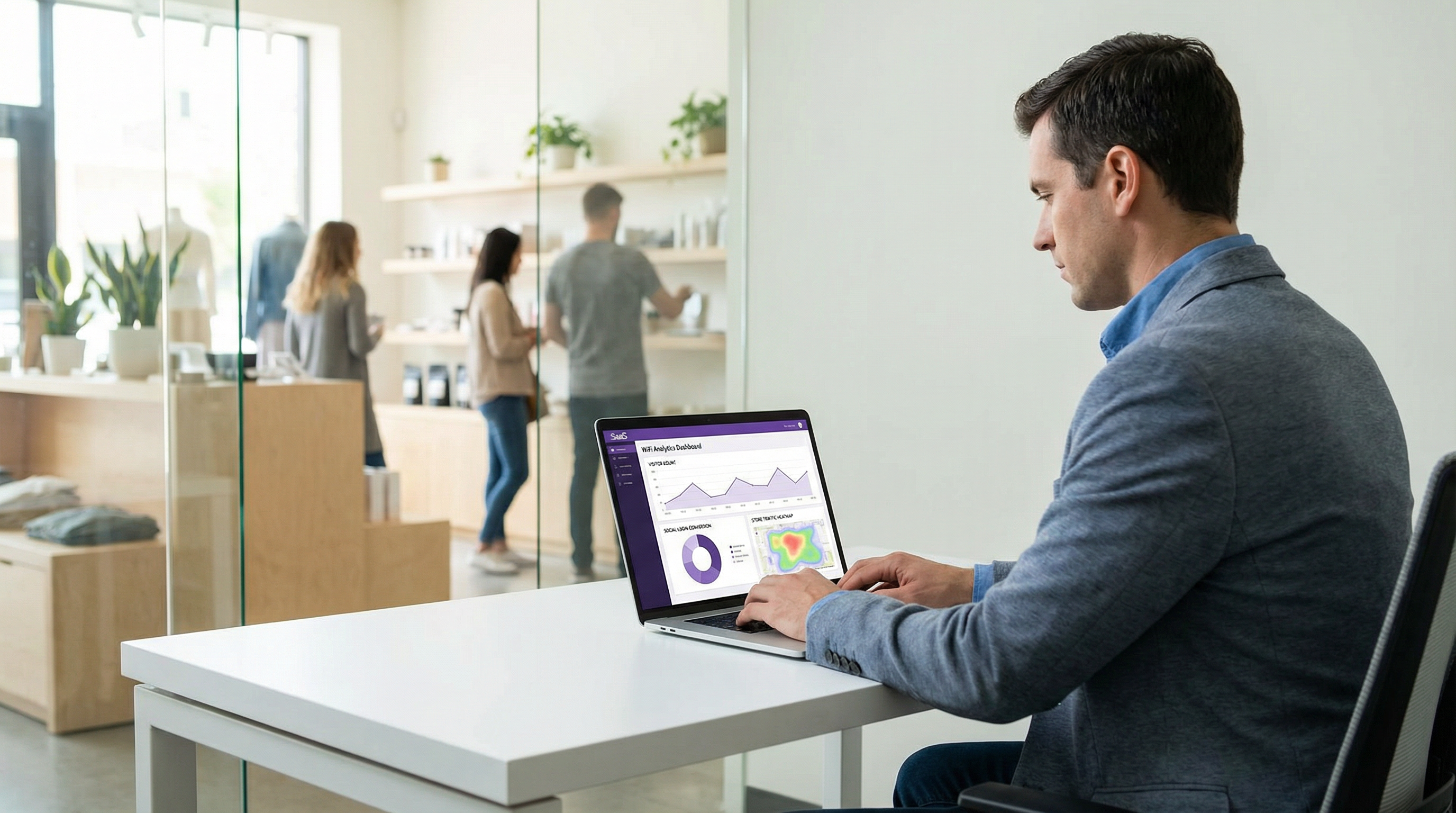
प्रोव्हायडरनुसार लॉगिन कन्व्हर्जन दरांचे निरीक्षण करा. एक उत्तम प्रकारे इन्स्ट्रुमेंट केलेले डिप्लॉयमेंट प्रत्येक अतिथी कोणता सोशल प्रोव्हायडर वापरतो, प्रत्येक प्रोव्हायडरच्या OAuth फ्लोचा पूर्णता दर आणि ड्रॉप-ऑफ पॉइंट्स ट्रॅक करते. हा डेटा प्लॅटफॉर्म-विशिष्ट समस्या (जसे की Google iOS समस्या) ओळखतो आणि पोर्टल UI मध्ये कोणत्या प्रोव्हायडर्सना प्राधान्य द्यायचे याबद्दल निर्णय घेण्यास मदत करतो.
ट्रबलशूटिंग आणि जोखीम निवारण
iOS वर Google OAuth फेल्युअर
सोशल WiFi डिप्लॉयमेंट्समध्ये ही सर्वात वारंवार आढळणारी समस्या आहे. लक्षणे: iPhones वरील अतिथी "Connect with Google" निवडतात आणि त्यांना एरर मेसेज, कोरी स्क्रीन मिळते किंवा ऑथेंटिकेशन पूर्ण न करता पोर्टलवर परत पाठवले जाते. मूळ कारण: सप्टेंबर 2021 पासून लागू केलेले Google चे एम्बेडेड वेबव्ह्यू धोरण, Apple च्या Captive Network Assistant द्वारे वापरल्या जाणाऱ्या WKWebView घटकाकडून येणाऱ्या OAuth विनंत्यांना ब्लॉक करते.
उपाय: Captive Portal वर युजर एजंट डिटेक्शन लागू करा. जेव्हा CNA युजर एजंट डिटेक्ट होतो (CaptiveNetworkSupport स्ट्रिंगद्वारे किंवा स्टँडर्ड Safari आयडेंटिफायर्सच्या अनुपस्थितीद्वारे ओळखण्यायोग्य), तेव्हा इनलाइन Google OAuth बटणाच्या जागी वापरकर्त्याला Safari मध्ये पोर्टल उघडण्यासाठी निर्देशित करणारा प्रॉम्प्ट द्या. उघडायची URL ही पूर्ण पोर्टल URL असावी, जी Safari एक स्टँडर्ड वेब पेज म्हणून लोड करेल जिथे Google OAuth सामान्यपणे कार्य करते. काही पोर्टल प्लॅटफॉर्म्स हे आपोआप हाताळतात; तुमच्या व्हेंडरसोबत पडताळणी करा.
Apple ईमेल रिलेमुळे CRM मॅचिंग फेल्युअर्स
लक्षणे: Apple ID लॉगिनद्वारे तयार केलेले अतिथी रेकॉर्ड्स विद्यमान CRM रेकॉर्ड्स किंवा लॉयल्टी प्रोग्राम डेटाबेसशी मॅच केले जाऊ शकत नाहीत. मूळ कारण: Apple चे ईमेल रिले प्रति ॲप्लिकेशन एक युनिक ॲड्रेस जनरेट करते, जो इतर सिस्टीम्समध्ये स्टोअर केलेल्या अतिथीच्या खऱ्या ईमेल ॲड्रेसशी जुळत नाही.
उपाय: Apple ID वापरकर्त्यांसाठी रिले ॲड्रेस हाच कॅनॉनिकल आयडेंटिफायर (canonical identifier) म्हणून स्वीकारा. रिले ॲड्रेसवरून खरा ईमेल शोधण्याचा प्रयत्न करू नका — Apple यासाठी कोणतीही यंत्रणा पुरवत नाही आणि याला बगल देण्याचा प्रयत्न करणे Apple च्या सेवा अटींचे उल्लंघन करते. लॉयल्टी प्रोग्राम इंटिग्रेशनसाठी, Apple ID वापरकर्त्यांना WiFi शी कनेक्ट झाल्यानंतर त्यांचे लॉयल्टी अकाउंट मॅन्युअली लिंक करण्यास सांगा.
GDPR संमती अवैध ठरणे (GDPR Consent Invalidation)
लक्षणे: डेटा सब्जेक्ट ऍक्सेस रिक्वेस्ट किंवा रेग्युलेटरी ऑडिटमधून असे उघड होते की मार्केटिंग संमती WiFi ऍक्सेस संमतीसोबत बंडल केली गेली होती, किंवा डेटा संकलनापूर्वी प्रायव्हसी नोटीस सादर केली गेली नव्हती. जोखीम: UK GDPR कलम 83 अंतर्गत अंमलबजावणी कारवाई, ज्यामध्ये £17.5 दशलक्ष किंवा जागतिक वार्षिक उलाढालीच्या 4% पर्यंत दंड होऊ शकतो.
उपाय: तुमच्या संमती संकलन फ्लोचे ऑडिट करा. WiFi ऍक्सेस आणि मार्केटिंग ऑप्ट-इन हे स्वतंत्र, स्वतंत्रपणे निवडण्यायोग्य पर्याय म्हणून सादर केले जाणे आवश्यक आहे. अतिथीने त्यांचे सोशल लॉगिन सबमिट करण्यापूर्वी प्रायव्हसी नोटीस दिसली पाहिजे — नंतर नाही. कन्सेंट मॅनेजमेंट प्लॅटफॉर्म लागू करा किंवा तुमच्या Captive Portal व्हेंडरचे अंगभूत संमती टूल्स या आवश्यकता पूर्ण करतात याची खात्री करा.
MAC ॲड्रेस रँडमायझेशन
लक्षणे: परत येणाऱ्या अतिथींना रिटर्निंग व्हिजिटर्स म्हणून ओळखले जात नाही; सेशन डेटा खंडित (fragmented) दिसतो. मूळ कारण: iOS 14 आणि त्यापुढील, Android 10 आणि त्यापुढील, आणि Windows 10 हे सर्व डीफॉल्टनुसार MAC ॲड्रेस रँडमायझेशन लागू करतात, जे प्रत्येक WiFi नेटवर्क असोसिएशनसाठी एक नवीन स्यूडो-रँडम (pseudo-random) MAC ॲड्रेस जनरेट करते.
उपाय: MAC ॲड्रेसऐवजी OAuth-प्राप्त युजर आयडेंटिफायर (Facebook ID, Google ID, Apple ID किंवा LinkedIn ID) प्राथमिक अतिथी आयडेंटिफायर म्हणून वापरा. MAC ॲड्रेसचा वापर केवळ चालू सेशनच्या नेटवर्क ऑथरायझेशनसाठी केला जावा, कायमस्वरूपी आयडेंटिफायर म्हणून नाही. तुमचा Captive Portal प्लॅटफॉर्म अतिथी रेकॉर्ड्ससाठी प्राथमिक की (primary key) म्हणून सोशल ID वापरतो याची खात्री करा.
ROI आणि व्यावसायिक प्रभाव
यश मोजणे
सोशल लॉगिन WiFi साठी बिझनेस केस तीन व्हॅल्यू ड्रायव्हर्सवर अवलंबून असते: फर्स्ट-पार्टी डेटा संपादन, अतिथी अनुभवाची गुणवत्ता आणि ऑपरेशनल कार्यक्षमता. प्रत्येक विशिष्ट KPIs सह मोजले जाऊ शकते.
फर्स्ट-पार्टी डेटा संपादन व्हेरिफाईड कॉन्टॅक्ट रेट द्वारे मोजले जाते — WiFi सेशन्सची टक्केवारी ज्याचा परिणाम व्हेरिफाईड ईमेल ॲड्रेस आणि प्रोफाइल रेकॉर्डमध्ये होतो. सोशल लॉगिन सातत्याने फॉर्म-फिल नोंदणीपेक्षा (ज्यामध्ये बनावट किंवा चुकीचे टाइप केलेले ईमेल ॲड्रेसचे प्रमाण जास्त असते) चांगली कामगिरी करते आणि क्लिक-थ्रू ऍक्सेसपेक्षा (जे कोणताही डेटा कॅप्चर करत नाही) लक्षणीयरीत्या चांगली कामगिरी करते. हॉस्पिटॅलिटी वातावरणात उत्तम प्रकारे डिप्लॉय केलेले सोशल WiFi अंमलबजावणी सामान्यतः एकूण WiFi सेशन्सपैकी 55 ते 70 टक्के व्हेरिफाईड कॉन्टॅक्ट रेट साध्य करते.
अतिथी अनुभवाची गुणवत्ता लॉगिन पूर्ण होण्याच्या वेळेनुसार (लक्ष्य: सक्रिय सोशल सेशन असलेल्या परत येणाऱ्या वापरकर्त्यांसाठी 10 सेकंदांपेक्षा कमी) आणि ॲबँडनमेंट रेट (abandonment rate) (लक्ष्य: 15 टक्क्यांपेक्षा कमी) द्वारे मोजली जाते. 20 टक्क्यांपेक्षा जास्त ॲबँडनमेंट सामान्यतः UX समस्या दर्शवते — खूप जास्त पायऱ्या, फेल होणारा प्रोव्हायडर किंवा अत्यंत गुंतागुंतीचा संमती फ्लो.
ऑपरेशनल कार्यक्षमतेच्या फायद्यांमध्ये व्हाउचर कोड व्यवस्थापनाचा ओव्हरहेड दूर करणे, फ्रंट-डेस्क WiFi सपोर्ट प्रश्नांमध्ये घट आणि अतिथी डेटा कॅप्चरचे ऑटोमेशन समाविष्ट आहे ज्यासाठी अन्यथा मॅन्युअल फॉर्म संकलनाची आवश्यकता असते.
केस स्टडी 1: 200-खोल्यांचे बिझनेस हॉटेल, मध्य लंडन
मध्य लंडनमधील एका 200-खोल्यांच्या बिझनेस हॉटेलने व्हाउचर-कोड अतिथी WiFi सिस्टीम बदलून Purple च्या प्लॅटफॉर्मशी इंटिग्रेट केलेले सोशल लॉगिन (Facebook, Google, Apple ID) वापरण्यास सुरुवात केली. डिप्लॉयमेंटपूर्वी, हॉटेलने अंदाजे 12 टक्के WiFi सेशन्समधून अतिथींचा संपर्क डेटा कॅप्चर केला होता — जे अतिथी चेक-इन करताना स्वेच्छेने त्यांचा ईमेल देत असत. डिप्लॉयमेंटनंतर, पहिल्या तिमाहीतच व्हेरिफाईड कॉन्टॅक्ट रेट WiFi सेशन्सच्या 61 टक्क्यांपर्यंत पोहोचला. हॉटेलच्या मार्केटिंग टीमने सेगमेंटेड ईमेल मोहिमा तयार करण्यासाठी या फर्स्ट-पार्टी डेटाचा वापर केला, ज्यामुळे पोस्ट-स्टे कम्युनिकेशन्सवर 34 टक्के ओपन रेट मिळाला — जो हॉस्पिटॅलिटी उद्योगाच्या 21 टक्के सरासरीपेक्षा लक्षणीयरीत्या जास्त आहे. त्यानंतर हॉटेलच्या मीटिंग आणि इव्हेंट सुविधांसाठी LinkedIn पर्याय जोडला गेला, ज्यामुळे कॉन्फरन्स प्रतिनिधींचा व्यावसायिक डेमोग्राफिक डेटा मिळाला ज्याचा उपयोग एका प्रमुख वित्तीय सेवा फर्मसोबत यशस्वी कॉर्पोरेट रेट वाटाघाटी करण्यासाठी झाला.
केस स्टडी 2: 45-स्टोअर रिटेल चेन, UK
45 स्टोअर्स असलेल्या एका मिड-मार्केट UK रिटेल चेनने त्यांच्या इस्टेटमध्ये सोशल WiFi डिप्लॉय केले, ज्यामध्ये ईमेल फॉलबॅकसह Facebook आणि Google लॉगिन ऑफर केले गेले. थर्ड-पार्टी कुकी डेप्रिकेशनच्या (third-party cookie deprecation) विरोधात हेज (hedge) म्हणून फर्स्ट-पार्टी ग्राहक डेटा ॲसेट तयार करणे हे प्राथमिक उद्दिष्ट होते. सहा महिन्यांत, चेनने 2,80,000 व्हेरिफाईड अतिथी प्रोफाइल्स कॅप्चर केले होते, ज्यापैकी 67 टक्क्यांनी मार्केटिंग कम्युनिकेशन्ससाठी ऑप्ट-इन केले होते. सोशल लॉगिन डेटा — विशेषतः Facebook मधील वयोगट आणि लोकॅल — यामुळे मार्केटिंग टीमला हे ओळखण्यास मदत झाली की उत्तर इंग्लंडमधील इन-स्टोअर WiFi वापरकर्त्यांचे लक्षणीय प्रमाण 45-ते-54 वयोगटातील होते, जे चेनच्या विद्यमान लॉयल्टी प्रोग्राममध्ये कमी प्रतिनिधित्व असलेले डेमोग्राफिक होते. या इनसाइटचा थेट उपयोग टार्गेटेड ॲक्विझिशन मोहिमेसाठी झाला. चेनच्या IT टीमने नोंदवले की Safari रिडायरेक्ट लागू करण्यापूर्वी Google iOS समस्येचा परिणाम अंदाजे 8 टक्के Google लॉगिन प्रयत्नांवर झाला होता — हा आकडा फिक्सनंतर 1 टक्क्यांपेक्षा कमी झाला.
ठिकाणाच्या प्रकारानुसार अपेक्षित परिणाम
| ठिकाणाचा प्रकार | शिफारस केलेले प्रोव्हायडर्स | अपेक्षित व्हेरिफाईड कॉन्टॅक्ट रेट | प्राथमिक डेटा मूल्य |
|---|---|---|---|
| हॉटेल (लेझर) | Facebook, Google, Apple ID | 55–65% | ईमेल, वयोगट, लोकॅल |
| हॉटेल (बिझनेस) | Google, LinkedIn, Apple ID | 45–55% | व्यावसायिक प्रोफाइल, कंपनी |
| रिटेल | Facebook, Google | 50–60% | वयोगट, लिंग, लोकॅल |
| कॉन्फरन्स सेंटर | LinkedIn, Google | 40–50% | जॉब टायटल, कंपनी, उद्योग |
| स्टेडियम / इव्हेंट्स | Facebook, Google, Apple ID | 60–70% | वयोगट, लिंग |
| सार्वजनिक क्षेत्र | ईमेल फॉलबॅक प्राथमिक | 30–40% | फक्त ईमेल (GDPR कंझर्व्हेटिव्ह) |
हे मार्गदर्शक Purple, एंटरप्राइझ WiFi इंटेलिजन्स प्लॅटफॉर्मद्वारे तयार केले आहे. डिप्लॉयमेंट सपोर्ट, प्लॅटफॉर्म डॉक्युमेंटेशन आणि GDPR कंप्लायन्स टूलिंगसाठी, purple.ai ला भेट द्या.
Key Terms & Definitions
OAuth 2.0
An open authorisation framework (RFC 6749) that allows a third-party application to obtain limited access to a user's account on a social platform without requiring the user to share their password. In guest WiFi contexts, OAuth 2.0 is the protocol that enables the captive portal to retrieve a guest's profile data from Facebook, Google, Apple, or LinkedIn.
IT teams encounter OAuth 2.0 when configuring social login integrations. Understanding the Authorization Code Flow — specifically the distinction between the authorisation code, access token, and ID token — is essential for debugging authentication failures and for scoping the correct API permissions.
Captive Portal
A web page presented to a newly connected network user before they are granted full internet access. The captive portal intercepts the user's initial HTTP or DNS request and redirects it to a branded splash page where authentication or terms acceptance occurs. In social WiFi deployments, the captive portal hosts the OAuth login flow.
Captive portals are the user-facing component of guest WiFi systems. IT teams are responsible for configuring the portal's authentication methods, branding, consent capture, and integration with the network controller for MAC address authorisation.
Captive Network Assistant (CNA)
The system component on iOS and macOS that automatically detects captive WiFi networks and presents the captive portal in a mini-browser popup. The CNA uses an embedded WKWebView component rather than the full Safari browser, which has significant implications for social login compatibility — specifically, Google OAuth will not function in the CNA due to Google's embedded webview policy.
The CNA is the source of the most common social WiFi compatibility issue: Google authentication failing on iPhones. IT teams must implement a Safari redirect mechanism to route Google OAuth flows out of the CNA and into the full Safari browser.
Authorization Code Flow
The OAuth 2.0 flow in which the identity provider returns a short-lived authorisation code to the client application, which the application then exchanges for an access token via a back-channel server-to-server request. This is the most secure OAuth flow and is required by all major social login providers for web-based applications.
IT teams should verify that their captive portal platform uses the Authorization Code Flow (not the deprecated Implicit Flow) for all social login integrations. The back-channel token exchange is a security requirement — it prevents access tokens from being exposed in browser history or server logs.
Access Token
A credential issued by an identity provider after a successful OAuth authorisation that allows the client application to access the user's data on the provider's API. Access tokens are short-lived (typically one hour) and scoped to specific permissions. In guest WiFi contexts, the access token is used to call the provider's userinfo endpoint to retrieve the guest's profile data.
IT teams encounter access tokens when debugging social login integrations. A common failure mode is attempting to use an expired access token — the portal should handle token expiry gracefully by re-initiating the OAuth flow rather than presenting an error to the guest.
OAuth Scope
A parameter in an OAuth authorisation request that specifies which user data or API capabilities the application is requesting access to. For social login, scopes determine which profile fields are available. Examples include 'email' (email address), 'profile' (name and photo), and LinkedIn's 'r_liteprofile' (basic professional profile).
Scope selection is a GDPR data minimisation decision as well as a technical configuration choice. IT teams and data protection officers should jointly review the scopes requested for each social login integration and remove any scope for which there is no documented, specific business purpose.
MAC Address Authorisation
The mechanism by which a network controller grants internet access to a specific device after the captive portal authentication flow completes. The controller adds the device's MAC address to an authorised client list, allowing its traffic to pass through to the internet. Session duration and bandwidth policies are enforced at the MAC address level.
MAC address authorisation is the bridge between the application-layer OAuth flow and the network-layer access control. IT teams must understand that MAC address randomisation (default on iOS 14+, Android 10+, Windows 10+) means MAC addresses cannot be used as persistent guest identifiers — the OAuth-derived social ID must be used instead.
Apple Private Email Relay
A privacy feature of Sign in with Apple that allows users to hide their real email address from third-party applications. When enabled, Apple generates a unique relay address (in the format [random-string]@privaterelay.appleid.com) that forwards emails to the user's real inbox. The venue operator receives the relay address, not the user's real email.
IT teams and marketing managers must understand the email relay when planning CRM integration for Apple ID logins. The relay address is functional for email marketing but cannot be matched against existing customer records. Loyalty programme integration for Apple ID users requires a manual linking step.
IEEE 802.1X
An IEEE standard for port-based network access control that provides an authentication framework for devices wishing to attach to a LAN or WLAN. 802.1X uses the Extensible Authentication Protocol (EAP) and typically integrates with a RADIUS server for credential verification. It is the appropriate authentication standard for corporate and staff networks.
IT teams must clearly distinguish between 802.1X (for corporate/staff networks) and social login via captive portal (for guest networks). These are complementary, not competing, technologies. A correctly architected venue network uses 802.1X on the corporate SSID and social login on a separate, isolated guest SSID.
GDPR Data Minimisation
The principle under UK GDPR Article 5(1)(c) that personal data collected must be adequate, relevant, and limited to what is necessary for the specified purpose. In the context of social WiFi, this means requesting only the OAuth scopes for which there is a documented, specific business purpose — not requesting all available data by default.
Data minimisation is both a legal obligation and a risk management principle. IT teams and DPOs should conduct a joint review of social login scopes at deployment and annually thereafter, removing any scope that cannot be justified against a specific, documented data use case.
Case Studies
A 200-room business hotel in London wants to deploy social WiFi login to capture guest data for its CRM and post-stay marketing campaigns. The hotel's guest mix is approximately 60% corporate travellers and 40% leisure guests. The IT manager is concerned about iOS compatibility and GDPR compliance. Which social login providers should be configured, and what are the key implementation steps?
Given the mixed corporate and leisure guest profile, the recommended provider configuration is Google (primary for corporate guests), Facebook (primary for leisure guests), Apple ID (mandatory for iOS conversion), and LinkedIn (for meeting and events facilities). The implementation proceeds as follows.
Step 1 — Developer Application Registration. Register a Google Cloud project at console.cloud.google.com with OAuth 2.0 credentials, a Facebook App at developers.facebook.com with the public_profile and email permissions, an Apple Developer account with Sign in with Apple enabled, and a LinkedIn Developer application at developer.linkedin.com. All redirect URIs must use HTTPS and match the captive portal callback endpoint exactly.
Step 2 — Portal Configuration. Configure the captive portal (Purple or equivalent) with the client ID and client secret for each provider. Set the portal to present all four social options plus an email fallback. Configure the portal's splash page with the hotel's branding.
Step 3 — Google iOS Fix. Implement CNA user agent detection. When the portal detects the iOS Captive Network Assistant, replace the inline Google OAuth button with a 'Tap to open in Safari' prompt. Verify this works on a physical iPhone before go-live.
Step 4 — GDPR Consent Flow. Configure the consent screen to present: (a) a link to the privacy notice, (b) acceptance of terms of use as a condition of WiFi access, and (c) a separate, optional checkbox for marketing communications. Ensure these are not bundled. Implement a consent audit log.
Step 5 — Data Retention. Set automated deletion of guest records after 12 months for transient guests. For guests who opt into the loyalty programme, extend to 24 months with a re-consent prompt at 12 months.
Step 6 — Testing. Test each provider on iOS (via CNA), Android, Windows, and macOS. Verify that the Google Safari redirect works. Verify that Apple ID relay emails are stored correctly. Verify that LinkedIn job title and company fields are populated.
A national retail chain with 80 stores is planning to deploy social WiFi across its estate. The marketing director wants to use the data to build audience segments for targeted advertising and to measure footfall attribution. The legal team has flagged GDPR concerns. The IT team is worried about the operational overhead of managing social login credentials across 80 sites. How should this deployment be architected?
Architecture Decision — Cloud-Managed Platform. For an 80-site estate, a cloud-managed captive portal platform is essential. On-premises controllers at each site create an unmanageable operational overhead and prevent centralised data aggregation. The social login credentials (client IDs and secrets) are configured once at the platform level and applied across all sites — the IT team does not manage per-site OAuth configuration.
Provider Selection. For a consumer retail environment, Facebook and Google are the primary providers, with an email fallback. Apple ID should be included to maximise iOS conversion. LinkedIn is not recommended for a general retail context.
Data Architecture. The platform must use the OAuth-derived social ID (not MAC address) as the primary guest identifier to handle MAC address randomisation. Guest records should include: social ID, email, name, age range (Facebook), gender (Facebook), locale, first visit date, visit frequency, and store location. This data structure supports the footfall attribution and audience segmentation use cases.
GDPR Compliance. The legal team's concerns are valid. Key mitigations: (1) Consent must be granular — WiFi access separate from marketing opt-in. (2) A Data Protection Impact Assessment must be completed before go-live, given the scale of data collection and the profiling use case. (3) The privacy notice must explicitly describe the use of data for advertising audience creation. (4) If data is shared with advertising platforms (Meta Custom Audiences, Google Customer Match), this must be disclosed and a Data Processing Agreement must be in place with each platform. (5) A 12-month retention period with automated deletion should be enforced.
Operational Model. Designate a central IT owner for the social login developer applications. Rotate client secrets annually. Monitor login conversion rates centrally via the platform dashboard. Implement alerting for provider-level failures (e.g., a Facebook API outage affecting all 80 sites simultaneously).
A major conference centre hosts 150 events per year, with attendees ranging from technology professionals to government officials. The venue director wants to use guest WiFi data to demonstrate audience demographics to potential event sponsors. The IT manager is evaluating whether LinkedIn login is worth the additional implementation complexity. What is the recommendation?
Recommendation: Yes, implement LinkedIn login as the primary option for this venue.
The conference centre use case is precisely the scenario for which LinkedIn login provides unique value unavailable from any other social provider. The ability to capture job title, company name, and industry sector transforms the WiFi analytics from a basic visitor count into a professional audience profile — the kind of data that event sponsors pay significant premiums to access.
Implementation Approach. Register a LinkedIn Developer application and enable the Sign In with LinkedIn using OpenID Connect product. Request the openid, profile, and email scopes. Configure the captive portal to present LinkedIn as the featured option (top of the list) for conference events, with Google and email fallback as secondary options. Consider event-specific portal configurations — for a technology conference, LinkedIn is the obvious primary; for a consumer trade show, Facebook may be more appropriate.
Data Use for Sponsorship. Aggregate the LinkedIn-derived data (job titles, companies, industries) into anonymised audience reports. A report showing that 68% of WiFi users at a financial services conference were C-suite or VP-level professionals from FTSE 350 companies is a compelling sponsorship proposition. Ensure that these reports use aggregated, anonymised data — individual profiles must not be shared with sponsors without explicit consent from each guest.
GDPR Note. The purpose of collecting professional data for sponsorship reporting must be disclosed in the privacy notice. This is a legitimate interest use case, but it requires a Legitimate Interests Assessment (LIA) or explicit consent, depending on how the data is used. Consult your DPO before implementing sponsorship reporting.
Scenario Analysis
Q1. Your venue is a 500-seat conference centre that hosts 120 events per year. The commercial director wants to offer event sponsors an audience demographics report based on WiFi login data. The IT manager has configured Facebook and Google social login. The data protection officer has raised concerns. What changes, if any, should be made to the social login configuration and the data use policy?
💡 Hint:Consider both the provider selection (is LinkedIn missing?) and the GDPR implications of using guest data for commercial sponsorship reporting. What lawful basis applies, and what must be disclosed to guests?
Show Recommended Approach
Three changes are required. First, add LinkedIn as a social login option — it is the only provider that supplies professional demographic data (job title, company, industry), which is the data of highest value for sponsorship audience reports. Facebook and Google do not provide this. Second, update the privacy notice on the captive portal to explicitly disclose that anonymised, aggregated audience data may be used for commercial reporting purposes. This is a new processing purpose that was not covered by the original privacy notice and must be disclosed before data collection. Third, conduct a Legitimate Interests Assessment (LIA) for the sponsorship reporting use case, or obtain explicit consent from guests for this purpose. Using guest data for commercial benefit beyond the direct provision of WiFi service requires a clearly documented lawful basis under UK GDPR Article 6. The DPO's concerns are valid and must be resolved before the sponsorship reporting programme launches. Ensure that all sponsorship reports use aggregated, anonymised data — individual guest profiles must never be shared with sponsors.
Q2. A hotel's IT team reports that approximately 15% of guests who attempt to log in with Google on their iPhones are failing to complete authentication and abandoning the WiFi login entirely. The portal is otherwise functioning correctly. What is the most likely root cause, and what is the remediation?
💡 Hint:Consider the interaction between Google's OAuth policy (enforced since September 2021) and Apple's Captive Network Assistant. What browser environment does the CNA use, and why does this cause Google OAuth to fail?
Show Recommended Approach
The root cause is Google's embedded webview policy. Apple's Captive Network Assistant (CNA) — the system that automatically displays the captive portal popup when an iPhone joins a new WiFi network — uses a WKWebView embedded browser component, not the full Safari browser. Since September 2021, Google has blocked OAuth 2.0 authorisation requests originating from embedded webviews, returning a 'disallowed_useragent' error. The remediation is to implement iOS CNA detection on the captive portal. When the portal detects the CNA user agent string, it should replace the inline Google OAuth button with a prompt directing the user to open the portal URL in Safari (e.g., 'Tap here to sign in with Google in Safari'). Once the user opens the portal in Safari, the Google OAuth flow completes normally. This fix should be tested on a physical iPhone using the CNA — not by opening the portal URL in Safari directly — before deployment. After implementing the fix, the 15% abandonment rate for Google on iOS should drop to below 2%.
Q3. A retail chain's marketing team wants to use social WiFi data to create Custom Audience segments on Meta's advertising platform (Facebook Ads). The IT manager needs to assess the technical and compliance requirements. What are the key considerations?
💡 Hint:Consider the data flow: guest data is collected at the captive portal, then shared with Meta for audience creation. What GDPR obligations apply to this data sharing? What technical mechanism is used to create Custom Audiences from email data?
Show Recommended Approach
There are three key considerations. First, the lawful basis for data sharing with Meta must be established. Collecting an email address for WiFi access does not automatically authorise sharing that email with Meta for advertising purposes. The privacy notice must explicitly disclose that email addresses may be shared with Meta for Custom Audience creation, and either explicit consent or a documented Legitimate Interests Assessment is required. Second, a Data Processing Agreement must be in place with Meta, as Meta is acting as a data processor when creating Custom Audiences from the retailer's first-party data. Third, the technical mechanism for Custom Audience creation is hashed email matching — the retailer uploads a hashed (SHA-256) list of guest email addresses to Meta's Ads Manager, and Meta matches these against its user database to create the audience segment. The hashing provides a degree of privacy protection but does not remove the GDPR obligation to disclose the data sharing. Apple ID relay email addresses will not match against Meta's database (since the relay address is not the user's Facebook-registered email), so Apple ID users will be excluded from Custom Audience matching — this is an expected limitation, not a technical error.
Q4. A venue operator is planning a new guest WiFi deployment and is deciding between offering only Facebook login (simplest to implement) versus a multi-provider setup (Facebook, Google, Apple ID, email fallback). The IT manager argues that Facebook alone is sufficient since it has the highest adoption. What is the counter-argument, and what is the recommended approach?
💡 Hint:Consider the trends in Facebook account ownership, the iOS user base in UK hospitality, and the GDPR implications of a single-provider approach that excludes guests who do not have Facebook accounts.
Show Recommended Approach
The counter-argument rests on three points. First, Facebook account ownership has declined significantly among younger demographics and among privacy-conscious users — a meaningful proportion of guests, particularly in business travel contexts, will not have an active Facebook account or will be unwilling to use it for WiFi authentication. A single-provider portal that offers only Facebook will generate a higher abandonment rate than a multi-provider portal. Second, iPhone users represent a significant proportion of guests in UK hospitality — typically 50 to 60 percent of devices. Apple's App Store guidelines require that any application offering third-party social login must also offer Sign in with Apple. While this rule applies to native apps rather than web-based portals, offering Apple ID alongside other providers maximises conversion among iOS users who prefer the native Apple authentication experience. Third, from a GDPR perspective, a portal that offers only Facebook as a social login option and no fallback creates a situation where guests who do not have Facebook accounts cannot access the WiFi without providing personal data — this may be challenged as coercive data collection. The recommended approach is a multi-provider portal with at minimum Facebook, Google, Apple ID, and an email/click-through fallback. The marginal implementation cost of adding Google and Apple ID to an existing Facebook integration is low, and the conversion rate improvement justifies it.
Key Takeaways
- ✓Social login WiFi uses the OAuth 2.0 Authorization Code Flow to authenticate guests via Facebook, Google, Apple ID, or LinkedIn, capturing verified profile data and authorising network access via MAC address — the full flow completes in three to eight seconds.
- ✓Google OAuth is incompatible with Apple's Captive Network Assistant (iOS embedded webview) due to Google's embedded webview policy enforced since September 2021 — a Safari redirect must be implemented for Google login to function on iPhones.
- ✓Each platform provides a distinct data profile: Facebook offers the richest demographic data (age range, gender, locale); Google provides clean identity data; Apple ID maximises user trust but provides minimal data and may relay email addresses; LinkedIn uniquely provides professional context (job title, company, industry) and is the preferred option for B2B venues.
- ✓Under UK GDPR, WiFi access and marketing consent must be presented as separate, independently selectable choices — bundling them invalidates the consent and exposes the operator to enforcement risk under Article 83.
- ✓MAC address randomisation (default on iOS 14+, Android 10+, Windows 10+) makes MAC addresses unsuitable as persistent guest identifiers — the OAuth-derived social ID must be used as the primary key in the guest data model.
- ✓Always offer multiple social login providers plus a non-social fallback (email registration or click-through) — a single-provider portal creates unnecessary friction and may exclude a significant proportion of guests.
- ✓The business case for social WiFi rests on first-party data acquisition: a well-deployed implementation in hospitality achieves a verified contact rate of 55 to 70 percent of WiFi sessions, significantly outperforming voucher codes or click-through access.




