

गेस्ट वाईफाई पर उम्र सत्यापन: गेमिंग, शराब और वयस्क स्थलों के लिए अनुपालन
यह आधिकारिक तकनीकी संदर्भ मार्गदर्शिका कैसीनो, बार और स्टेडियम जैसे उच्च जोखिम वाले स्थलों के लिए गेस्ट वाईफाई नेटवर्क पर उम्र सत्यापन के कार्यान्वयन की पड़ताल करती है। यह अनुपालन रणनीतियों, आर्किटेक्चरल डिप्लॉयमेंट मॉडल और नियामक आवश्यकताओं तथा उपयोगकर्ता ऑनबोर्डिंग घर्षण के बीच संतुलन का विवरण देती है।
कार्यकारी सारांश
आईटी लीडर्स और नेटवर्क आर्किटेक्ट्स के लिए जो हॉस्पिटैलिटी और मनोरंजन स्थलों का प्रबंधन करते हैं, सार्वजनिक इंटरनेट एक्सेस प्रदान करना अब केवल एक SSID प्रसारित करने का एक सरल मामला नहीं है। जो स्थल शराब परोसते हैं, गेमिंग की पेशकश करते हैं, या उम्र के अनुसार प्रवेश प्रतिबंधित करते हैं, उन्हें कड़े नियामक जांच का सामना करना पड़ता है। इन वातावरणों में अनफ़िल्टर्ड, असत्यापित गेस्ट वाईफाई एक्सेस प्रदान करने से लाइसेंसिंग उल्लंघन, भारी जुर्माना और प्रतिष्ठा को नुकसान हो सकता है।
यह मार्गदर्शिका कैप्टिव पोर्टल लेयर पर अनुपालन योग्य उम्र सत्यापन को लागू करने के लिए तकनीकी रणनीतियों की रूपरेखा प्रस्तुत करती है। यह बुनियादी सेवा की शर्तें (ToS) चेकबॉक्स से आगे बढ़कर मजबूत प्रमाणीकरण वर्कफ़्लो की पड़ताल करती है, जिसमें घोषित उम्र गेट, थर्ड-पार्टी आइडेंटिटी API इंटीग्रेशन और आईडी दस्तावेज़ सत्यापन शामिल हैं। Purple जैसे प्लेटफॉर्म का लाभ उठाकर, जो कस्टम साइन-अप फ़ील्ड और उम्र गेट का समर्थन करता है, स्थल गेस्ट ऑनबोर्डिंग अनुभव को अनावश्यक रूप से खराब किए बिना या GDPR जैसे डेटा गोपनीयता फ्रेमवर्क का उल्लंघन किए बिना अनुपालन लागू कर सकते हैं।
तकनीकी गहन-विश्लेषण: सत्यापन आर्किटेक्चर
गेस्ट वाईफाई पर उम्र जांच लागू करने के लिए उपयोगकर्ता के प्रारंभिक कनेक्शन प्रयास को रोकना और पूर्ण नेटवर्क एक्सेस प्रदान करने से पहले एक प्रमाणीकरण प्रवाह को लागू करना आवश्यक है। यह मूल रूप से एक Captive Portal ऑपरेशन है, जो अक्सर नीति प्रवर्तन के लिए RADIUS (रिमोट ऑथेंटिकेशन डायल-इन यूजर सर्विस) पर निर्भर करता है।
वॉल्ड गार्डन चुनौती
उन्नत उम्र सत्यापन में सबसे महत्वपूर्ण तकनीकी बाधा "वॉल्ड गार्डन" है। जब कोई उपयोगकर्ता SSID से कनेक्ट होता है, तो उनका डिवाइस पूर्व-प्रमाणीकृत स्थिति में होता है। वे व्यापक इंटरनेट तक पहुंच नहीं सकते। हालांकि, यदि आपकी उम्र सत्यापन विधि एक बाहरी API (जैसे पहचान सत्यापन सेवा या एक OAuth प्रदाता) पर निर्भर करती है, तो वायरलेस कंट्रोलर या एक्सेस पॉइंट को उपयोगकर्ता के प्रमाणित होने से पहले उन विशिष्ट IP पतों या डोमेन पर ट्रैफ़िक की अनुमति देने के लिए स्पष्ट रूप से कॉन्फ़िगर किया जाना चाहिए।
वॉल्ड गार्डन को सटीक रूप से कॉन्फ़िगर करने में विफलता के परिणामस्वरूप Captive Portal स्प्लैश पेज लोड होता है, लेकिन सत्यापन स्क्रिप्ट टाइम आउट हो जाती है, जिससे ऑनबोर्डिंग प्रक्रिया प्रभावी रूप से बाधित हो जाती है।
सत्यापन स्तर
स्थल संचालकों को अपनी नियामक जोखिम प्रोफ़ाइल के अनुरूप एक सत्यापन स्तर का चयन करना होगा।
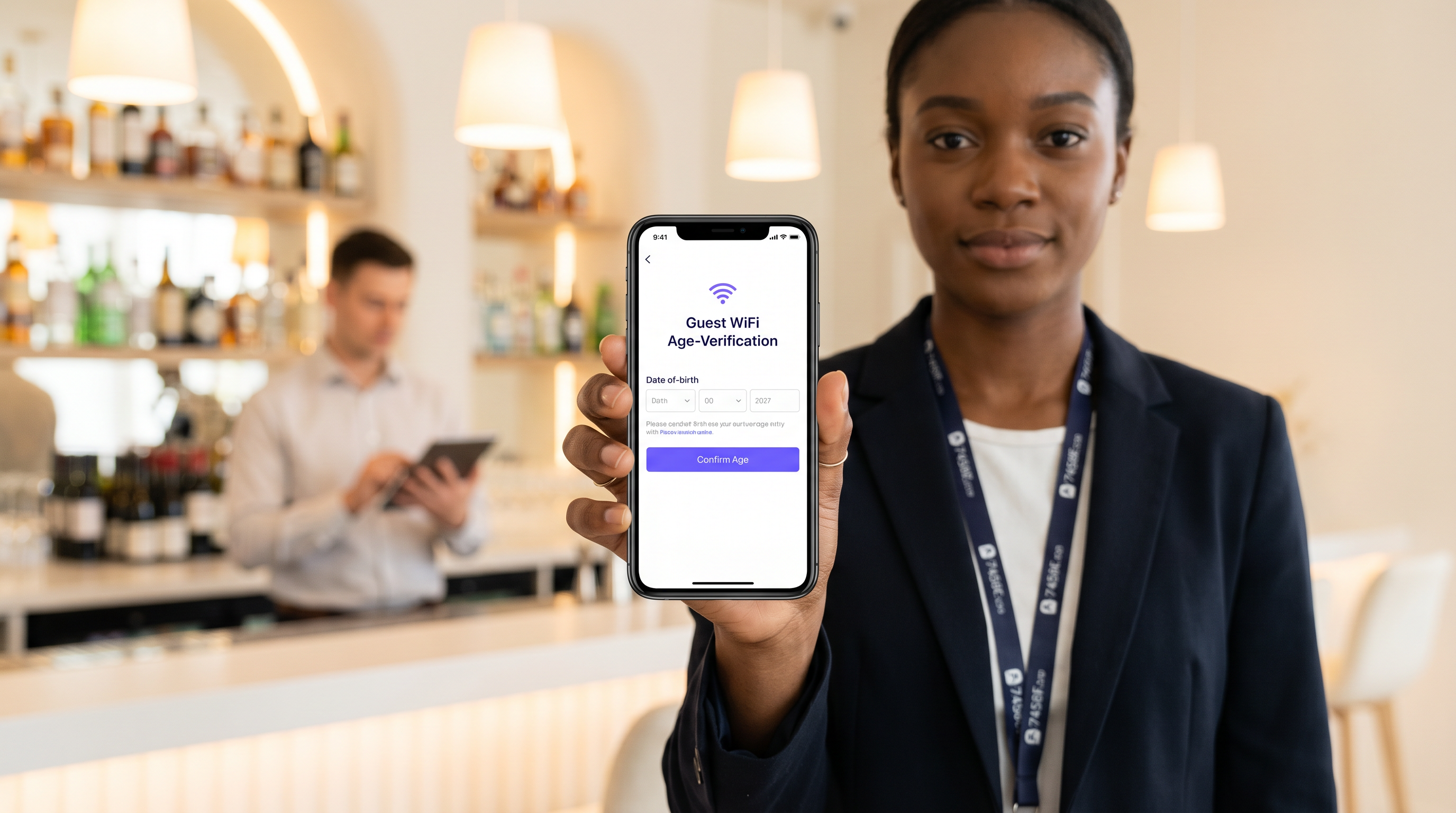
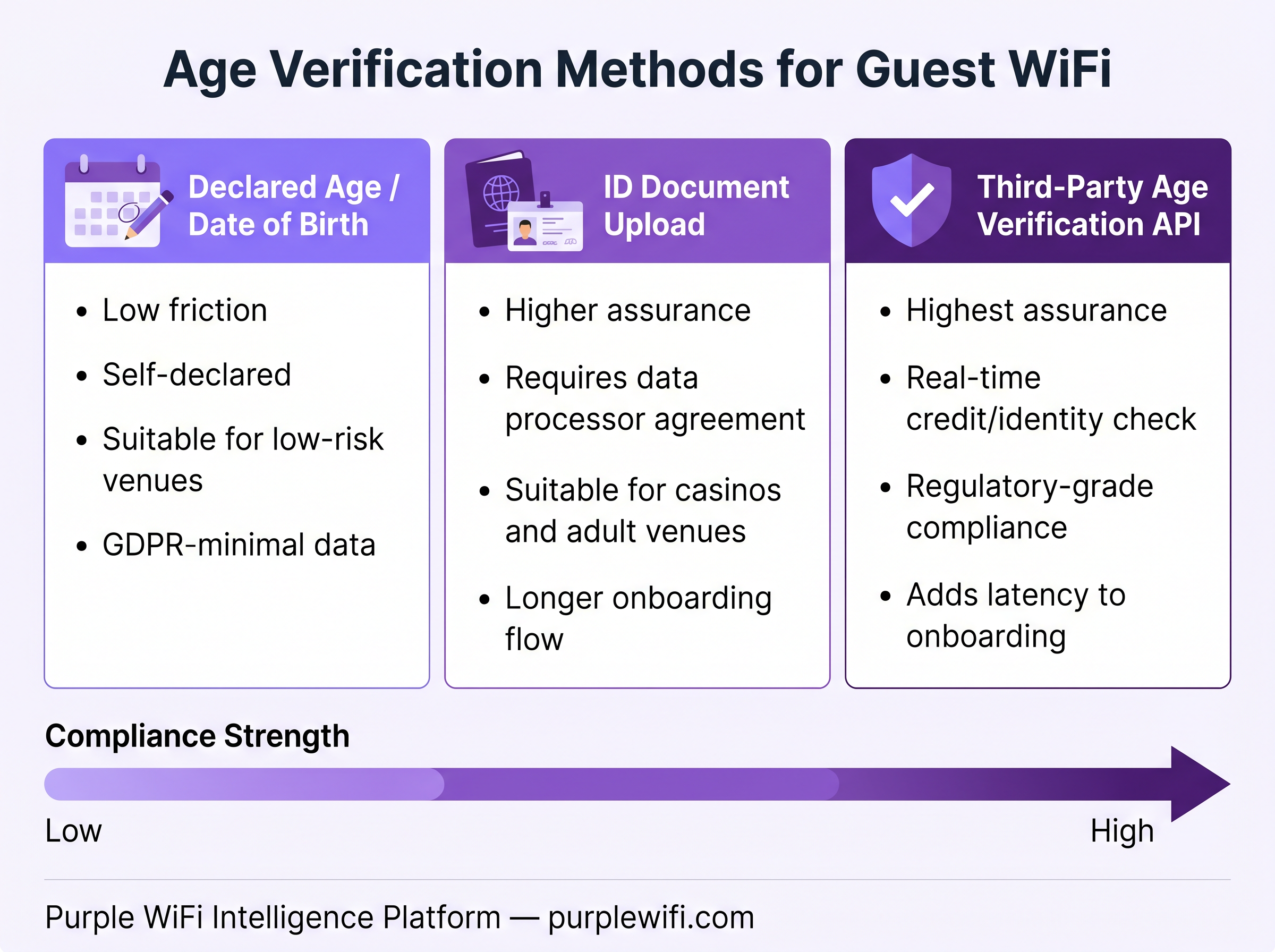
स्तर 1: घोषित उम्र (कम घर्षण, कम आश्वासन) सबसे सरल विधि में उपयोगकर्ता को स्प्लैश पेज पर अपनी उम्र या जन्मतिथि स्वयं घोषित करने के लिए कहना शामिल है। यह डेटा Captive Portal में कस्टम फ़ील्ड के माध्यम से कैप्चर किया जाता है और उपयोगकर्ता प्रोफ़ाइल में संग्रहीत किया जाता है, जैसे कि WiFi Analytics डैशबोर्ड के भीतर। तैनात करना आसान होने के बावजूद, यह पूरी तरह से उपयोगकर्ता की ईमानदारी पर निर्भर करता है और इसे आसानी से बायपास किया जा सकता है। यह मुख्य रूप से कम जोखिम वाले वातावरणों के लिए उपयुक्त है जहां लक्ष्य सख्त प्रवर्तन के बजाय बुनियादी नीति स्वीकृति है।
स्तर 2: थर्ड-पार्टी API सत्यापन (मध्यम घर्षण, उच्च आश्वासन) यह दृष्टिकोण Captive Portal को एक बाहरी पहचान प्रदाता के साथ एकीकृत करता है। उपयोगकर्ता बुनियादी विवरण (नाम, पता, फोन नंबर) दर्ज करता है, और पोर्टल क्रेडिट रेफरेंस एजेंसियों या मोबाइल नेटवर्क ऑपरेटरों के खिलाफ इस डेटा को सत्यापित करने के लिए एक वास्तविक समय API कॉल करता है। यदि API एक सकारात्मक उम्र सत्यापन लौटाता है, तो RADIUS सर्वर को एक Access-Accept संदेश प्राप्त होता है। यह विधि मजबूत अनुपालन प्रदान करती है लेकिन इसके लिए सावधानीपूर्वक वॉल्ड गार्डन कॉन्फ़िगरेशन की आवश्यकता होती है और प्रति-लेनदेन लागत लग सकती है।
स्तर 3: दस्तावेज़ अपलोड और बायोमेट्रिक्स (उच्च घर्षण, उच्चतम आश्वासन) उच्चतम जोखिम वाले स्थलों, जैसे कैसीनो या केवल वयस्कों के लिए रिसॉर्ट्स के लिए आरक्षित, इस विधि में उपयोगकर्ता को सरकार द्वारा जारी आईडी की एक तस्वीर और अक्सर एक लाइव सेल्फी अपलोड करने की आवश्यकता होती है। Captive Portal इन संपत्तियों को एक विशेष सत्यापन सेवा को भेजता है जो पहचान और उम्र की पुष्टि के लिए ऑप्टिकल कैरेक्टर रिकॉग्निशन (OCR) और फेशियल मैचिंग का उपयोग करती है। यह महत्वपूर्ण ऑनबोर्डिंग विलंबता और जटिल डेटा गोपनीयता विचारों को प्रस्तुत करता है।
कार्यान्वयन मार्गदर्शिका: सर्वोत्तम अभ्यास
उम्र सत्यापन को तैनात करने के लिए सुरक्षा और उपयोगकर्ता अनुभव के बीच सावधानीपूर्वक संतुलन की आवश्यकता होती है।
- नियामक आवश्यकताओं का आकलन करें: समाधान को अत्यधिक जटिल न बनाएं। यदि स्थानीय लाइसेंसिंग के लिए केवल दरवाजे पर "21+ प्रवेश के लिए" साइन की आवश्यकता है, तो टियर 3 आईडी अपलोड for WiFi एक्सेस शायद असंगत होगा और अपनाने की दरों पर गंभीर रूप से प्रभाव डालेगा।
- वॉल्ड गार्डन को अनुकूलित करें: अपनी चुनी हुई सत्यापन API के लिए आवश्यक डोमेन की एक अद्यतन सूची बनाए रखें। सुनिश्चित करें कि आपका नेटवर्क हार्डवेयर डोमेन-आधारित वॉल्ड गार्डन प्रविष्टियों का समर्थन करता है, क्योंकि क्लाउड सेवाओं के लिए IP पते अक्सर बदलते रहते हैं।
- MAC रैंडमाइजेशन रणनीतियाँ लागू करें: आधुनिक मोबाइल ऑपरेटिंग सिस्टम ट्रैकिंग को रोकने के लिए MAC पतों को रैंडमाइज करते हैं। यदि आपका सिस्टम बाद की विज़िट पर उम्र गेट को बायपास करने के लिए किसी डिवाइस के MAC पते को याद रखने पर निर्भर करता है, तो उपयोगकर्ताओं को लगातार पुनः सत्यापन का सामना करना पड़ेगा। जहां संभव हो, सत्यापन स्थिति को अधिक स्थायी पहचानकर्ता, जैसे उपयोगकर्ता खाता या लॉयल्टी ऐप इंटीग्रेशन से जोड़ें।
- डेटा न्यूनीकरण लागू करें: API या आईडी अपलोड विधियों का उपयोग करते समय, इंटीग्रेशन को केवल एक बूलियन मान (
is_over_18 = true) वापस करने और संग्रहीत करने के लिए कॉन्फ़िगर करें। अपने स्थानीय RADIUS सर्वर या Captive Portal डेटाबेस पर पहचान दस्तावेजों या पूर्ण क्रेडिट प्रोफाइल की प्रतियां कभी भी संग्रहीत न करें। यह GDPR अनुपालन का एक मौलिक सिद्धांत है।
समस्या निवारण और जोखिम न्यूनीकरण
एक आदर्श आर्किटेक्चर के साथ भी, परिचालन संबंधी समस्याएं उत्पन्न होंगी। नेटवर्क इंजीनियरों को ऑनबोर्डिंग प्रवाह का समस्या निवारण करने के लिए तैयार रहना चाहिए।
- Captive Portal ट्रिगर नहीं हो रहा है: यह अक्सर गलत DNS इंटरसेप्शन या अत्यधिक अनुमेय Walled Garden नियमों के कारण होता है जो उपकरणों को इंटरसेप्शन के बिना कनेक्टिविटी चेक URL (जैसे
captive.apple.com) तक पहुंचने की अनुमति देते हैं। - वेरिफिकेशन API टाइमआउट: Walled Garden कॉन्फ़िगरेशन को सत्यापित करें। वायरलेस कंट्रोलर पर पैकेट कैप्चर का उपयोग करके पुष्टि करें कि API एंडपॉइंट के लिए DNS अनुरोध हल हो रहे हैं और HTTPS ट्रैफ़िक की अनुमति है।
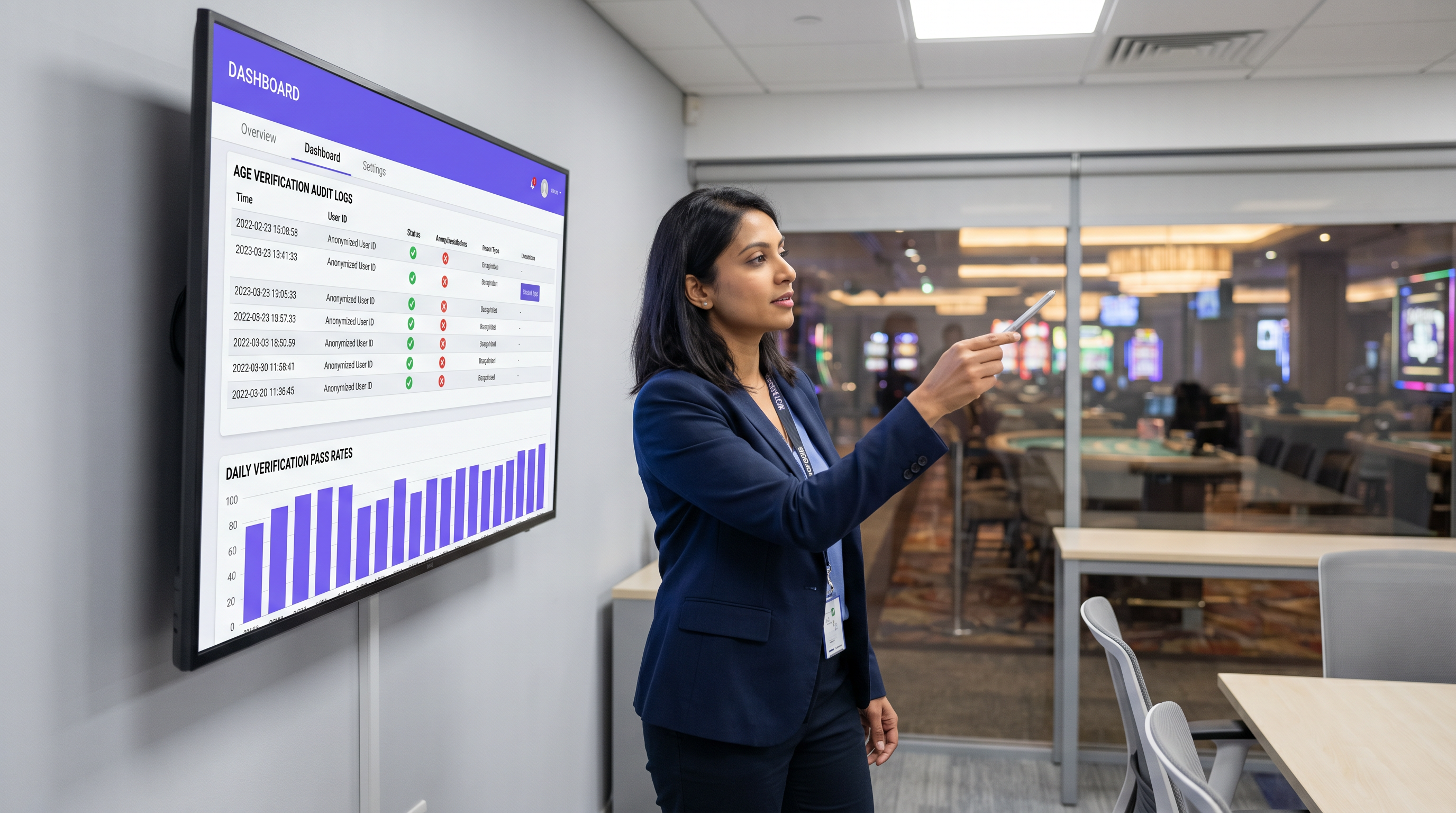
- उच्च ड्रॉप-ऑफ दरें: यदि एनालिटिक्स दिखाते हैं कि उपयोगकर्ता आयु गेट पर प्रक्रिया छोड़ रहे हैं, तो घर्षण बहुत अधिक है। फ़ॉर्म को सरल बनाने, UI में सुधार करने, या यह पुनर्मूल्यांकन करने पर विचार करें कि क्या सत्यापन का निचला स्तर कानूनी रूप से स्वीकार्य है।
सत्यापन के उचित स्तर का सावधानीपूर्वक चयन करके और नेटवर्क इन्फ्रास्ट्रक्चर को सावधानीपूर्वक कॉन्फ़िगर करके, IT टीमें यह सुनिश्चित कर सकती हैं कि उनके स्थान अनुपालन में रहें और साथ ही एक मूल्यवान अतिथि सेवा भी प्रदान करें।
पॉडकास्ट ब्रीफिंग
गेस्ट WiFi पर आयु सत्यापन लागू करने पर हमारी 10 मिनट की तकनीकी ब्रीफिंग सुनें:
Key Terms & Definitions
Captive Portal
A web page that a user of a public access network is obliged to view and interact with before access is granted.
This is the primary interface where age verification workflows are presented to the user.
Walled Garden
A restricted environment that controls the user's access to web content and services, typically allowing access only to specific approved domains before full authentication.
Crucial for allowing pre-authenticated devices to reach third-party identity verification APIs.
RADIUS
Remote Authentication Dial-In User Service; a networking protocol that provides centralized Authentication, Authorization, and Accounting (AAA) management.
The backend system that ultimately grants or denies network access based on the result of the age verification process.
MAC Randomization
A privacy feature in modern operating systems that periodically changes the device's MAC address to prevent tracking across different networks.
Complicates the ability to 'remember' a user's age verification status across multiple visits based solely on their device hardware address.
Data Minimization
A principle in privacy law (like GDPR) stating that data controllers should limit the collection of personal information to what is directly relevant and necessary to accomplish a specified purpose.
Dictates that venues should not store ID documents or detailed personal profiles if a simple 'verified' token is sufficient.
OAuth
An open standard for access delegation, commonly used as a way for Internet users to grant websites or applications access to their information on other websites but without giving them the passwords.
Often used in social login flows, which can sometimes provide age data if the user's profile includes a verified date of birth.
VLAN Assignment
The process of dynamically placing a user's device onto a specific Virtual Local Area Network based on their authentication status or profile.
Used to segregate users who fail age verification onto a restricted network segment with aggressive content filtering.
DNS Filtering
The process of using the Domain Name System to block malicious websites and filter out harmful or inappropriate content.
A necessary secondary control layer; even if a user passes an age gate, the network should still block illegal or highly inappropriate content to protect the venue's liability.
Case Studies
A large regional casino is upgrading its network infrastructure. The compliance team mandates that all guest WiFi users must be verified as 21 or older due to online gambling regulations. They want to implement an ID document upload flow. How should the network architect design the Walled Garden and data flow to ensure compliance without violating privacy laws?
The architect must configure the wireless controller's Walled Garden to permit HTTPS traffic to the specific domains of the chosen identity verification API (e.g., api.verifyservice.com). The captive portal must be designed to securely capture the ID image and transmit it directly to the API, without storing it locally. The API response must be configured to return only a boolean token indicating 'age verified' or 'age not verified'. The RADIUS server should then authorize the session based on this token, logging only the transaction ID and the boolean result, ensuring no PII is retained on the venue's infrastructure.
A family-friendly restaurant chain that serves alcohol wants to offer free WiFi but needs to ensure they are not liable for minors accessing restricted content. They want a low-friction solution. What is the recommended deployment?
The recommended approach is a Tier 1 Declared Age gate combined with robust DNS-based content filtering. The captive portal should require users to enter their Date of Birth. If the calculated age is under the legal limit, the RADIUS server assigns the user to a highly restrictive VLAN or applies a specific filtering policy that blocks adult content and gambling sites. If over the limit, a standard filtering policy is applied.
Scenario Analysis
Q1. A stadium IT director notices a 40% drop-off rate at the captive portal since implementing a new age verification flow that requires users to scan their driver's license. The legal team only requires users to acknowledge they are over 18 to access the network. What is the most appropriate technical recommendation?
💡 Hint:Consider the balance between compliance requirements and onboarding friction.
Show Recommended Approach
The current implementation is over-engineered for the legal requirement, causing unnecessary friction. The recommendation is to downgrade the verification method to a Tier 1 'Declared Age' gate (e.g., a simple checkbox or Date of Birth field). This meets the legal team's requirement for acknowledgement while significantly reducing the barrier to entry, which should improve connection rates.
Q2. During testing of a new third-party API age verification integration, the captive portal loads correctly on a mobile device, but when the user submits their details, the page spins indefinitely and eventually times out. What is the most likely configuration error?
💡 Hint:Think about the state of the user's network access before they are fully authenticated.
Show Recommended Approach
The most likely issue is an incomplete or incorrect Walled Garden configuration on the wireless controller. The device is in a pre-authenticated state and is attempting to reach the third-party API to verify the details. If the API's domain or IP addresses are not explicitly allowed in the Walled Garden, the traffic is blocked by the controller, causing the script to time out.
Q3. A venue wants to implement a system where users only have to verify their age once, and the network will 'remember' them for all future visits. They plan to use the device MAC address as the unique identifier in their database. Why is this approach fundamentally flawed in modern deployments?
💡 Hint:Consider privacy features implemented by modern mobile operating systems (iOS and Android).
Show Recommended Approach
This approach will fail because modern mobile operating systems employ MAC randomization. By default, devices present a different, randomized MAC address to different networks, and often change this address periodically even on the same network. The venue's database will not recognize the returning device, forcing the user to re-verify their age on subsequent visits.




