
Guest WiFi वर वय पडताळणी: गेमिंग, मद्य आणि प्रौढ स्थळांसाठी अनुपालन
हे अधिकृत तांत्रिक संदर्भ मार्गदर्शक कॅसिनो, बार आणि स्टेडियम्ससारख्या उच्च-जोखमीच्या स्थळांसाठी गेस्ट WiFi नेटवर्क्सवर वय पडताळणीच्या अंमलबजावणीचे अन्वेषण करते. हे अनुपालन धोरणे, आर्किटेक्चरल डिप्लॉयमेंट मॉडेल्स आणि नियामक आवश्यकता आणि वापरकर्ता ऑनबोर्डिंग घर्षण यांच्यातील समतोल तपशीलवार सांगते.
कार्यकारी सारांश
Hospitality आणि मनोरंजन स्थळांचे व्यवस्थापन करणाऱ्या आयटी लीडर्स आणि नेटवर्क आर्किटेक्ट्ससाठी, सार्वजनिक इंटरनेट अॅक्सेस प्रदान करणे ही आता केवळ SSID ब्रॉडकास्ट करण्याइतकी सोपी बाब राहिलेली नाही. मद्य पुरवणारी, गेमिंग ऑफर करणारी किंवा वयानुसार प्रवेश प्रतिबंधित करणारी स्थळे कठोर नियामक छाननीला सामोरे जातात. अशा वातावरणात अनफिल्टर्ड, असत्यापित Guest WiFi अॅक्सेस प्रदान केल्याने परवाना उल्लंघन, मोठा दंड आणि प्रतिष्ठेचे नुकसान होऊ शकते.
हे मार्गदर्शक Captive Portal स्तरावर अनुपालन वय पडताळणी लागू करण्यासाठी तांत्रिक धोरणांची रूपरेषा देते. हे मूलभूत सेवा अटी (ToS) चेकबॉक्सेसच्या पलीकडे जाऊन घोषित वय गेट्स, थर्ड-पार्टी आयडेंटिटी API इंटिग्रेशन्स आणि आयडी दस्तऐवज पडताळणीसह मजबूत ऑथेंटिकेशन वर्कफ्लो एक्सप्लोर करते. Purple सारख्या प्लॅटफॉर्मचा फायदा घेऊन, जे कस्टम साइन-अप फील्ड्स आणि एज गेट्सना सपोर्ट करते, स्थळे अतिथींच्या ऑनबोर्डिंग अनुभवाला विनाकारण कमी न करता किंवा GDPR सारख्या डेटा प्रायव्हसी फ्रेमवर्कचे उल्लंघन न करता अनुपालनाची अंमलबजावणी करू शकतात.
तांत्रिक सखोल माहिती: पडताळणी आर्किटेक्चर्स
गेस्ट WiFi वर वय तपासणी लागू करण्यासाठी वापरकर्त्याच्या सुरुवातीच्या कनेक्शन प्रयत्नात व्यत्यय आणणे आणि पूर्ण नेटवर्क अॅक्सेस देण्यापूर्वी ऑथेंटिकेशन फ्लो सक्तीचा करणे आवश्यक आहे. हे मूलभूतपणे एक Captive Portal ऑपरेशन आहे, जे पॉलिसीच्या अंमलबजावणीसाठी अनेकदा RADIUS (रिमोट ऑथेंटिकेशन डायल-इन यूजर सर्व्हिस) वर अवलंबून असते.
वॉल्ड गार्डनचे आव्हान
प्रगत वय पडताळणीमधील सर्वात गंभीर तांत्रिक अडथळा म्हणजे "वॉल्ड गार्डन" (Walled Garden). जेव्हा एखादा वापरकर्ता SSID शी कनेक्ट होतो, तेव्हा त्यांचे डिव्हाइस प्री-ऑथेंटिकेटेड स्थितीत असते. ते व्यापक इंटरनेट अॅक्सेस करू शकत नाहीत. तथापि, जर तुमची वय पडताळणी पद्धत बाह्य API (जसे की आयडेंटिटी पडताळणी सर्व्हिस किंवा OAuth प्रोव्हायडर) वर अवलंबून असेल, तर वापरकर्त्याचे ऑथेंटिकेशन होण्यापूर्वी त्या विशिष्ट IP अॅड्रेस किंवा डोमेन्सवर ट्रॅफिकला परवानगी देण्यासाठी वायरलेस कंट्रोलर किंवा अॅक्सेस पॉईंट स्पष्टपणे कॉन्फिगर केलेले असणे आवश्यक आहे.
वॉल्ड गार्डन अचूकपणे कॉन्फिगर करण्यात अयशस्वी झाल्यास Captive Portal स्प्लॅश पेज लोड होते, परंतु पडताळणी स्क्रिप्ट टाइम आउट होते, ज्यामुळे ऑनबोर्डिंग प्रक्रिया प्रभावीपणे ठप्प होते.
पडताळणीचे स्तर (Verification Tiers)
स्थळ ऑपरेटरनी त्यांच्या नियामक जोखीम प्रोफाइलच्या अनुषंगाने पडताळणी स्तर निवडणे आवश्यक आहे.
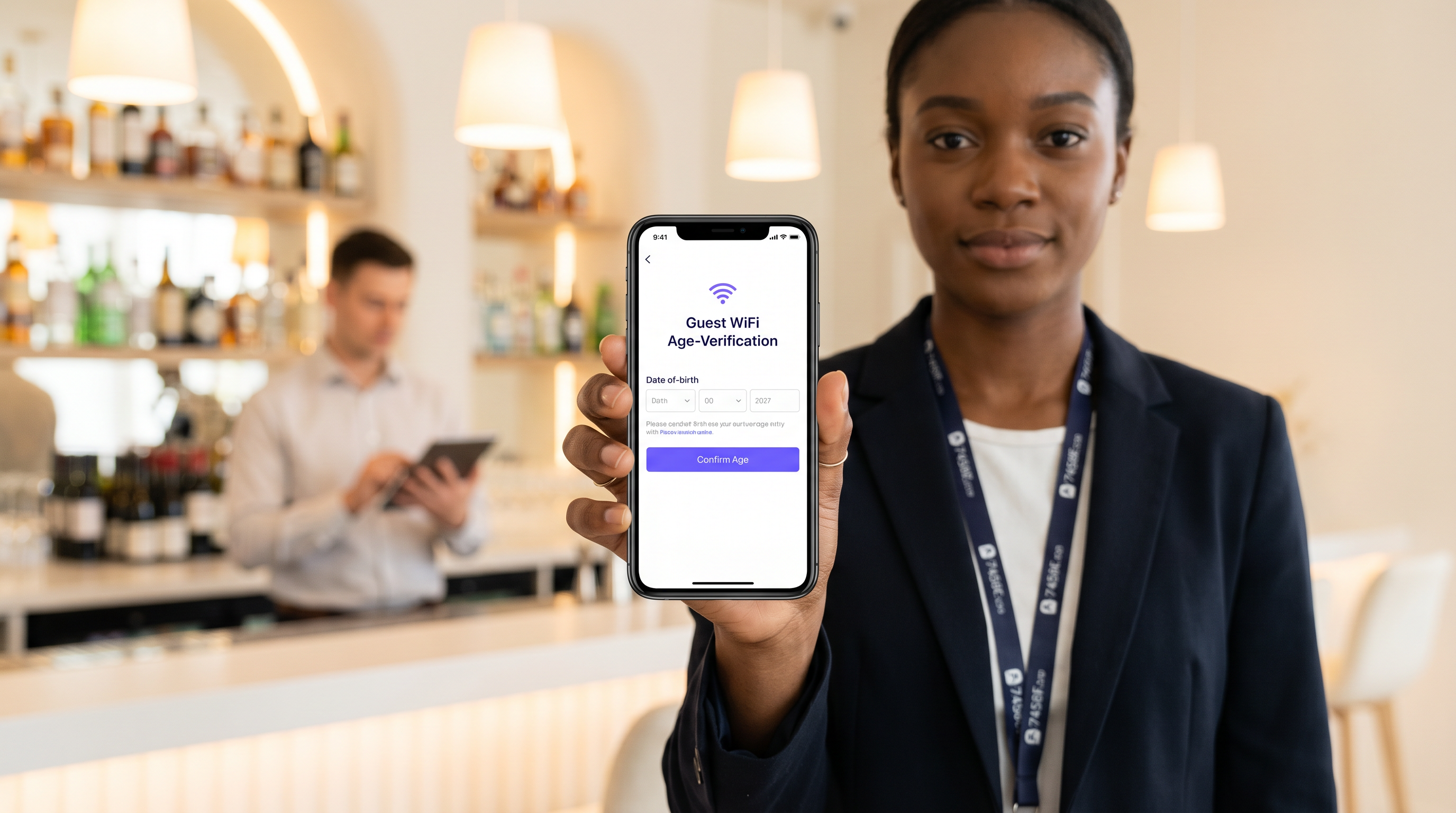
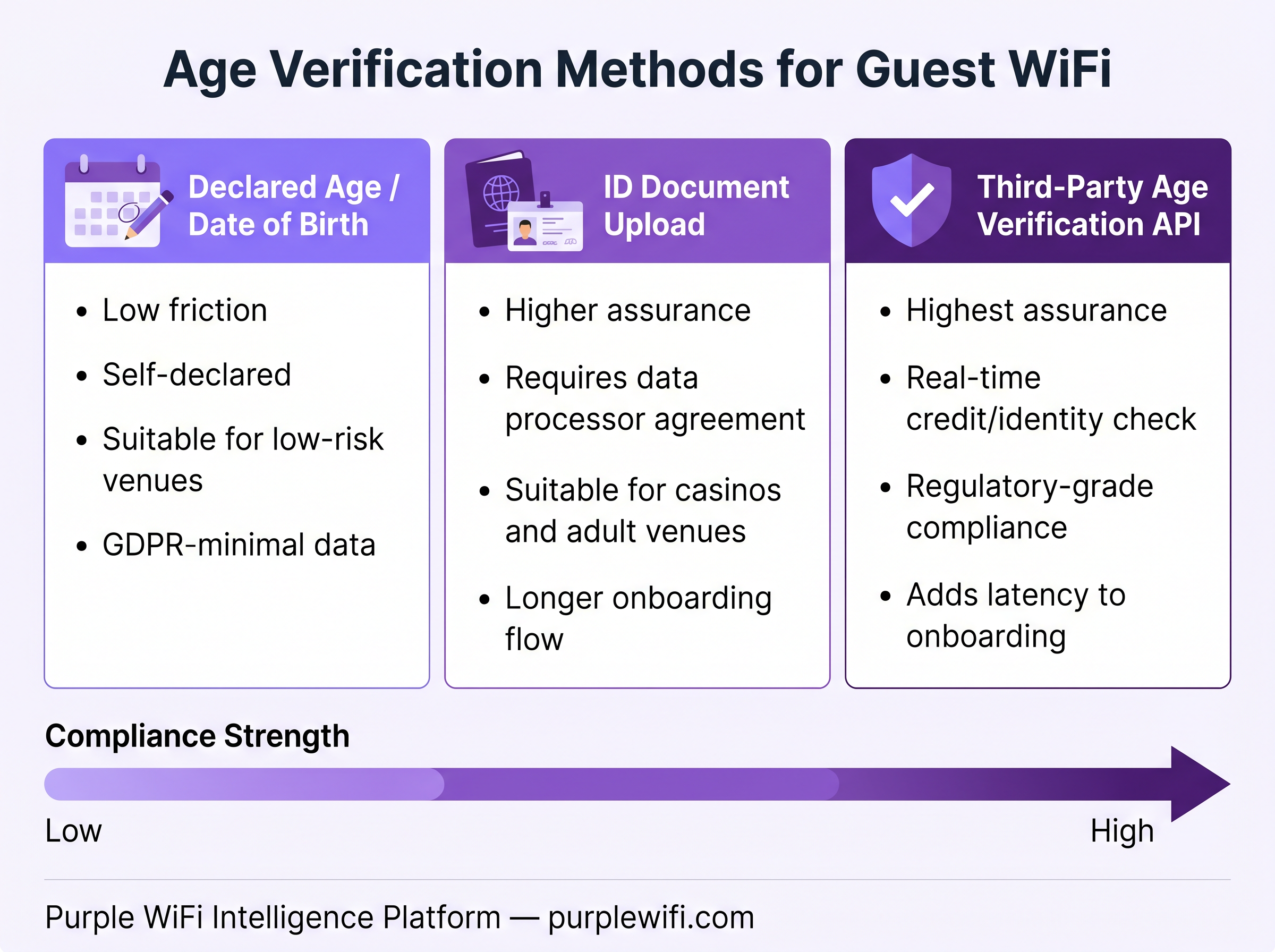
स्तर १: घोषित वय (कमी घर्षण, कमी खात्री) सर्वात सोप्या पद्धतीमध्ये वापरकर्त्याला स्प्लॅश पेजवर त्यांचे वय किंवा जन्मतारीख स्वतः घोषित करण्यास सांगणे समाविष्ट आहे. हा डेटा Captive Portal मधील कस्टम फील्ड्सद्वारे कॅप्चर केला जातो आणि वापरकर्ता प्रोफाइलमध्ये संचयित केला जातो, जसे की WiFi Analytics डॅशबोर्डमध्ये. हे तैनात करणे सोपे असले तरी, ते पूर्णपणे वापरकर्त्याच्या प्रामाणिकपणावर अवलंबून असते आणि सहजपणे बायपास केले जाऊ शकते. हे प्रामुख्याने कमी-जोखमीच्या वातावरणासाठी योग्य आहे जिथे कठोर अंमलबजावणीऐवजी मूलभूत पॉलिसीची पावती घेणे हे ध्येय असते.
स्तर २: थर्ड-पार्टी API पडताळणी (मध्यम घर्षण, उच्च खात्री) हा दृष्टिकोन बाह्य आयडेंटिटी प्रोव्हायडरसोबत Captive Portal ला इंटिग्रेट करतो. वापरकर्ता मूलभूत तपशील (नाव, पत्ता, फोन नंबर) इनपुट करतो आणि क्रेडिट रेफरन्स एजन्सी किंवा मोबाइल नेटवर्क ऑपरेटरच्या डेटाशी या डेटाची पडताळणी करण्यासाठी पोर्टल रिअल-टाइम API कॉल करते. जर API ने सकारात्मक वय पडताळणी परत केली, तर RADIUS सर्व्हरला Access-Accept मेसेज मिळतो. ही पद्धत मजबूत अनुपालन ऑफर करते परंतु यासाठी काळजीपूर्वक वॉल्ड गार्डन कॉन्फिगरेशन आवश्यक आहे आणि प्रति-व्यवहार खर्च लागू शकतो.
स्तर ३: दस्तऐवज अपलोड आणि बायोमेट्रिक्स (उच्च घर्षण, सर्वोच्च खात्री) कॅसिनो किंवा केवळ-प्रौढांसाठी असलेल्या रिसॉर्ट्ससारख्या सर्वाधिक-जोखमीच्या स्थळांसाठी राखीव असलेल्या या पद्धतीमध्ये वापरकर्त्याला सरकार-जारी केलेल्या आयडीचा फोटो आणि अनेकदा लाइव्ह सेल्फी अपलोड करणे आवश्यक असते. Captive Portal या अॅसेट्स एका विशेष पडताळणी सेवेकडे पाठवते जी ओळख आणि वयाची पुष्टी करण्यासाठी ऑप्टिकल कॅरेक्टर रेकग्निशन (OCR) आणि फेशियल मॅचिंग वापरते. यामुळे ऑनबोर्डिंगमध्ये लक्षणीय विलंब होतो आणि गुंतागुंतीच्या डेटा प्रायव्हसी बाबी निर्माण होतात.
अंमलबजावणी मार्गदर्शक: सर्वोत्तम पद्धती
वय पडताळणी तैनात करण्यासाठी सुरक्षा आणि वापरकर्ता अनुभव यांच्यात काळजीपूर्वक संतुलन राखणे आवश्यक आहे.
१. नियामक आवश्यकतांचे मूल्यांकन करा: सोल्यूशनला ओव्हर-इंजिनिअर करू नका. जर स्थानिक परवान्यासाठी फक्त दारावर "प्रवेशासाठी २१+" असा बोर्ड आवश्यक असेल, तर WiFi अॅक्सेससाठी स्तर ३ आयडी अपलोड करणे बहुधा विषम आहे आणि त्याचा अवलंब दरांवर गंभीर परिणाम होईल.
२. वॉल्ड गार्डन ऑप्टिमाइझ करा: तुमच्या निवडलेल्या पडताळणी API साठी आवश्यक डोमेन्सची अद्ययावत यादी ठेवा. तुमचे नेटवर्क हार्डवेअर डोमेन-आधारित वॉल्ड गार्डन एंट्रीजना सपोर्ट करत असल्याची खात्री करा, कारण क्लाउड सेवांचे IP अॅड्रेस वारंवार बदलतात.
३. मॅक रँडमायझेशन धोरणे लागू करा: आधुनिक मोबाइल ऑपरेटिंग सिस्टीम्स ट्रॅकिंग टाळण्यासाठी MAC अॅड्रेस रँडमाइझ करतात. जर तुमची सिस्टीम पुढील भेटींमध्ये एज गेट बायपास करण्यासाठी डिव्हाइसचा MAC अॅड्रेस लक्षात ठेवण्यावर अवलंबून असेल, तर वापरकर्त्यांना सतत पुन्हा पडताळणीला सामोरे जावे लागेल. शक्य असेल तिथे पडताळणी स्थिती अधिक कायमस्वरूपी आयडेंटिफायरशी जोडा, जसे की वापरकर्ता खाते किंवा लॉयल्टी अॅप इंटिग्रेशन.
४. डेटा मिनिमायझेशनची अंमलबजावणी करा: API किंवा आयडी अपलोड पद्धती वापरताना, केवळ बुलियन व्हॅल्यू (is_over_18 = true) परत करण्यासाठी आणि संचयित करण्यासाठी इंटिग्रेशन कॉन्फिगर करा. तुमच्या स्थानिक RADIUS सर्व्हर्स किंवा Captive Portal डेटाबेसवर ओळखपत्रांच्या प्रती किंवा संपूर्ण क्रेडिट प्रोफाइल्स कधीही संचयित करू नका. हे GDPR अनुपालनाचे मूलभूत तत्त्व आहे.
समस्यानिवारण आणि जोखीम निवारण
परिपूर्ण आर्किटेक्चर असूनही, ऑपरेशनल समस्या उद्भवतील. नेटवर्क इंजिनिअर्सनी ऑनबोर्डिंग फ्लोचे समस्यानिवारण करण्यासाठी तयार असले पाहिजे.
- Captive Portal ट्रिगर न होणे: हे अनेकदा चुकीच्या DNS इंटरसेप्शनमुळे किंवा अति-परवानगी देणाऱ्या वॉल्ड गार्डन नियमांमुळे होते जे डिव्हाइसेसना इंटरसेप्शनशिवाय कनेक्टिव्हिटी चेक URLs (जसे की
captive.apple.com) पर्यंत पोहोचू देतात. - पडताळणी API टाइमआउट्स: वॉल्ड गार्डन कॉन्फिगरेशन तपासा. API एंडपॉईंटसाठी DNS विनंत्या रिझॉल्व्ह होत आहेत आणि HTTPS ट्रॅफिकला परवानगी आहे याची पुष्टी करण्यासाठी वायरलेस कंट्रोलरवर पॅकेट कॅप्चर्स वापरा.
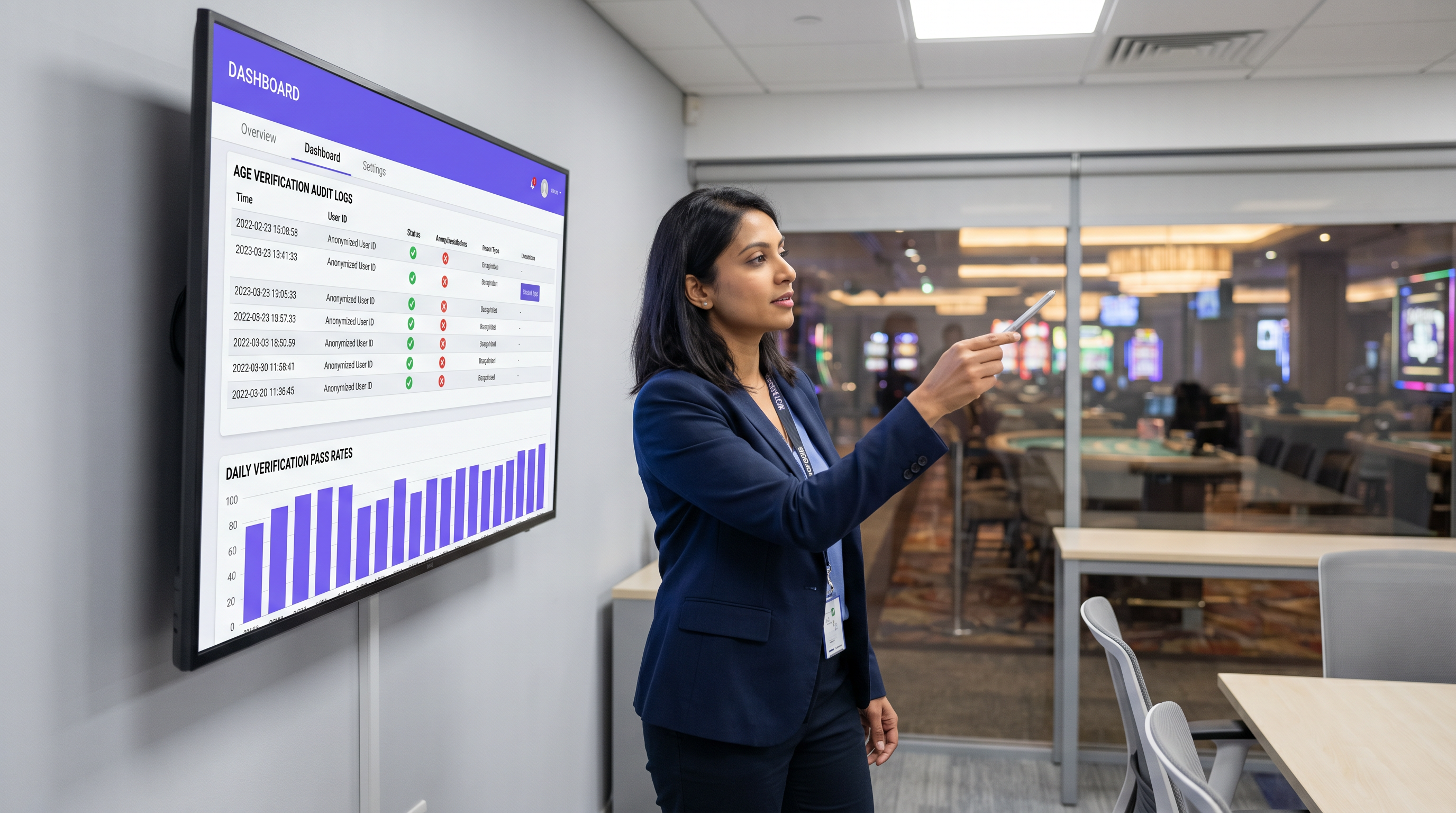
- उच्च ड्रॉप-ऑफ दर: जर अॅनालिटिक्स दर्शवत असतील की वापरकर्ते एज गेटवर प्रक्रिया सोडून देत आहेत, तर घर्षण खूप जास्त आहे. फॉर्म सोपा करण्याचा, UI सुधारण्याचा किंवा पडताळणीचा खालचा स्तर कायदेशीररित्या स्वीकार्य आहे का याचे पुनर्मूल्यांकन करण्याचा विचार करा.
योग्य पडताळणी स्तराची काळजीपूर्वक निवड करून आणि नेटवर्क इन्फ्रास्ट्रक्चर बारकाईने कॉन्फिगर करून, आयटी टीम्स मौल्यवान अतिथी सेवा प्रदान करताना त्यांची स्थळे अनुपालन करत राहतील याची खात्री करू शकतात.
पॉडकास्ट ब्रीफिंग
गेस्ट WiFi वर वय पडताळणी लागू करण्यावरील आमचे १० मिनिटांचे तांत्रिक ब्रीफिंग ऐका:
महत्वाच्या व्याख्या
Captive Portal
एक वेब पेज जे सार्वजनिक अॅक्सेस नेटवर्कच्या वापरकर्त्याला अॅक्सेस मिळण्यापूर्वी पाहणे आणि त्याच्याशी संवाद साधणे बंधनकारक असते.
हा प्राथमिक इंटरफेस आहे जिथे वापरकर्त्याला वय पडताळणी वर्कफ्लो सादर केले जातात.
वॉल्ड गार्डन
एक प्रतिबंधित वातावरण जे वापरकर्त्याच्या वेब आशय आणि सेवांच्या अॅक्सेसवर नियंत्रण ठेवते, सामान्यतः पूर्ण ऑथेंटिकेशनपूर्वी केवळ विशिष्ट मंजूर डोमेन्सना अॅक्सेस करण्याची परवानगी देते.
प्री-ऑथेंटिकेटेड डिव्हाइसेसना थर्ड-पार्टी आयडेंटिटी पडताळणी APIs पर्यंत पोहोचू देण्यासाठी महत्त्वपूर्ण.
RADIUS
रिमोट ऑथेंटिकेशन डायल-इन यूजर सर्व्हिस; एक नेटवर्किंग प्रोटोकॉल जो केंद्रीकृत ऑथेंटिकेशन, ऑथोरायझेशन आणि अकाउंटिंग (AAA) व्यवस्थापन प्रदान करतो.
बॅकएंड सिस्टीम जी शेवटी वय पडताळणी प्रक्रियेच्या निकालावर आधारित नेटवर्क अॅक्सेस मंजूर करते किंवा नाकारते.
मॅक रँडमायझेशन (MAC Randomization)
आधुनिक ऑपरेटिंग सिस्टीम्समधील एक प्रायव्हसी वैशिष्ट्य जे वेगवेगळ्या नेटवर्क्सवर ट्रॅकिंग टाळण्यासाठी डिव्हाइसचा MAC अॅड्रेस वेळोवेळी बदलते.
केवळ त्यांच्या डिव्हाइस हार्डवेअर अॅड्रेसवर आधारित एकाधिक भेटींमध्ये वापरकर्त्याची वय पडताळणी स्थिती 'लक्षात ठेवण्याची' क्षमता गुंतागुंतीची करते.
डेटा मिनिमायझेशन
प्रायव्हसी कायद्यातील (जसे की GDPR) एक तत्त्व जे सांगते की डेटा कंट्रोलर्सनी वैयक्तिक माहितीचे संकलन केवळ निर्दिष्ट उद्देश साध्य करण्यासाठी थेट संबंधित आणि आवश्यक असलेल्या गोष्टींपुरते मर्यादित ठेवले पाहिजे.
जर साधे 'सत्यापित' टोकन पुरेसे असेल तर स्थळांनी आयडी दस्तऐवज किंवा तपशीलवार वैयक्तिक प्रोफाइल्स संचयित करू नयेत असे निर्देश देते.
OAuth
अॅक्सेस डेलिगेशनसाठी एक मुक्त मानक, सामान्यतः इंटरनेट वापरकर्त्यांसाठी वेबसाइट्स किंवा अॅप्लिकेशन्सना इतर वेबसाइट्सवरील त्यांच्या माहितीचा अॅक्सेस देण्यासाठी वापरला जाणारा मार्ग, परंतु त्यांना पासवर्ड न देता.
अनेकदा सोशल लॉगिन फ्लोजमध्ये वापरले जाते, जे वापरकर्त्याच्या प्रोफाइलमध्ये सत्यापित जन्मतारीख समाविष्ट असल्यास काहीवेळा वयाचा डेटा प्रदान करू शकते.
VLAN असाइनमेंट
वापरकर्त्याच्या ऑथेंटिकेशन स्थिती किंवा प्रोफाइलवर आधारित वापरकर्त्याचे डिव्हाइस विशिष्ट व्हर्च्युअल लोकल एरिया नेटवर्कवर डायनॅमिकरित्या ठेवण्याची प्रक्रिया.
वय पडताळणीत अपयशी ठरलेल्या वापरकर्त्यांना आक्रमक कंटेंट फिल्टरिंगसह प्रतिबंधित नेटवर्क सेगमेंटवर वेगळे करण्यासाठी वापरले जाते.
DNS फिल्टरिंग
दुर्भावनायुक्त वेबसाइट्स ब्लॉक करण्यासाठी आणि हानिकारक किंवा अयोग्य आशय फिल्टर करण्यासाठी डोमेन नेम सिस्टीम वापरण्याची प्रक्रिया.
एक आवश्यक दुय्यम नियंत्रण स्तर; जरी वापरकर्ता एज गेट पार करत असला तरी, स्थळाच्या दायित्वाचे संरक्षण करण्यासाठी नेटवर्कने अद्याप बेकायदेशीर किंवा अत्यंत अयोग्य आशय ब्लॉक केला पाहिजे.
सोडवलेली उदाहरणे
एक मोठा प्रादेशिक कॅसिनो त्याचे नेटवर्क इन्फ्रास्ट्रक्चर अपग्रेड करत आहे. ऑनलाइन जुगार नियमांमुळे सर्व गेस्ट WiFi वापरकर्त्यांचे वय २१ किंवा त्याहून अधिक असल्याचे सत्यापित केले जाणे आवश्यक आहे, असा अनुपालन टीमचा आदेश आहे. त्यांना आयडी दस्तऐवज अपलोड फ्लो लागू करायचा आहे. प्रायव्हसी कायद्यांचे उल्लंघन न करता अनुपालन सुनिश्चित करण्यासाठी नेटवर्क आर्किटेक्टने वॉल्ड गार्डन आणि डेटा फ्लोची रचना कशी करावी?
आर्किटेक्टने निवडलेल्या आयडेंटिटी पडताळणी API च्या विशिष्ट डोमेन्सवर (उदा. api.verifyservice.com) HTTPS ट्रॅफिकला परवानगी देण्यासाठी वायरलेस कंट्रोलरचे वॉल्ड गार्डन कॉन्फिगर करणे आवश्यक आहे. आयडी इमेज सुरक्षितपणे कॅप्चर करण्यासाठी आणि ती स्थानिक पातळीवर संचयित न करता थेट API कडे प्रसारित करण्यासाठी Captive Portal डिझाइन केलेले असणे आवश्यक आहे. API रिस्पॉन्स केवळ 'वय सत्यापित' किंवा 'वय सत्यापित नाही' दर्शवणारे बुलियन टोकन परत करण्यासाठी कॉन्फिगर केलेले असणे आवश्यक आहे. त्यानंतर RADIUS सर्व्हरने या टोकनवर आधारित सेशनला अधिकृत केले पाहिजे, केवळ ट्रान्झॅक्शन आयडी आणि बुलियन निकाल लॉग करून, स्थळाच्या इन्फ्रास्ट्रक्चरवर कोणतेही PII (वैयक्तिकरित्या ओळखण्यायोग्य माहिती) राखून ठेवले जाणार नाही याची खात्री केली पाहिजे.
मद्य पुरवणारी एक फॅमिली-फ्रेंडली रेस्टॉरंट चेन मोफत WiFi देऊ इच्छिते परंतु अल्पवयीन मुलांनी प्रतिबंधित आशय अॅक्सेस केल्यास ते जबाबदार राहणार नाहीत याची खात्री त्यांना करायची आहे. त्यांना कमी-घर्षण असलेले सोल्यूशन हवे आहे. शिफारस केलेले डिप्लॉयमेंट काय आहे?
शिफारस केलेला दृष्टिकोन म्हणजे मजबूत DNS-आधारित कंटेंट फिल्टरिंगसह एकत्रित स्तर १ घोषित वय गेट. Captive Portal ने वापरकर्त्यांना त्यांची जन्मतारीख प्रविष्ट करणे आवश्यक केले पाहिजे. जर मोजलेले वय कायदेशीर मर्यादेपेक्षा कमी असेल, तर RADIUS सर्व्हर वापरकर्त्याला अत्यंत प्रतिबंधात्मक VLAN नियुक्त करतो किंवा प्रौढ आशय आणि जुगाराच्या साइट्स ब्लॉक करणारी विशिष्ट फिल्टरिंग पॉलिसी लागू करतो. जर मर्यादेपेक्षा जास्त असेल, तर मानक फिल्टरिंग पॉलिसी लागू केली जाते.
सराव प्रश्न
Q1. ड्रायव्हिंग लायसन्स स्कॅन करणे आवश्यक असलेला नवीन वय पडताळणी फ्लो लागू केल्यापासून स्टेडियमच्या आयटी डायरेक्टरच्या लक्षात आले की Captive Portal वर ४०% ड्रॉप-ऑफ दर आहे. कायदेशीर टीमला नेटवर्क अॅक्सेस करण्यासाठी वापरकर्त्यांनी केवळ ते १८ वर्षांपेक्षा जास्त वयाचे असल्याची पावती देणे आवश्यक आहे. सर्वात योग्य तांत्रिक शिफारस काय आहे?
टीप: अनुपालन आवश्यकता आणि ऑनबोर्डिंग घर्षण यांच्यातील समतोलाचा विचार करा.
नमुना उत्तर पहा
सध्याची अंमलबजावणी कायदेशीर आवश्यकतेसाठी ओव्हर-इंजिनिअर्ड आहे, ज्यामुळे अनावश्यक घर्षण निर्माण होत आहे. पडताळणी पद्धत स्तर १ 'घोषित वय' गेटवर (उदा. एक साधा चेकबॉक्स किंवा जन्मतारीख फील्ड) डाउनग्रेड करण्याची शिफारस आहे. हे कायदेशीर टीमची पावतीची आवश्यकता पूर्ण करते आणि प्रवेशातील अडथळा लक्षणीयरीत्या कमी करते, ज्यामुळे कनेक्शन दरांमध्ये सुधारणा झाली पाहिजे.
Q2. नवीन थर्ड-पार्टी API वय पडताळणी इंटिग्रेशनच्या चाचणीदरम्यान, मोबाइल डिव्हाइसवर Captive Portal योग्यरित्या लोड होते, परंतु जेव्हा वापरकर्ता त्यांचे तपशील सबमिट करतो, तेव्हा पेज अनिश्चित काळासाठी फिरत राहते आणि शेवटी टाइम आउट होते. सर्वात संभाव्य कॉन्फिगरेशन त्रुटी कोणती आहे?
टीप: वापरकर्ते पूर्णपणे ऑथेंटिकेट होण्यापूर्वी त्यांच्या नेटवर्क अॅक्सेसच्या स्थितीबद्दल विचार करा.
नमुना उत्तर पहा
सर्वात संभाव्य समस्या म्हणजे वायरलेस कंट्रोलरवरील अपूर्ण किंवा चुकीचे वॉल्ड गार्डन कॉन्फिगरेशन. डिव्हाइस प्री-ऑथेंटिकेटेड स्थितीत आहे आणि तपशील सत्यापित करण्यासाठी थर्ड-पार्टी API पर्यंत पोहोचण्याचा प्रयत्न करत आहे. जर API चे डोमेन किंवा IP अॅड्रेस वॉल्ड गार्डनमध्ये स्पष्टपणे अनुमत नसतील, तर ट्रॅफिक कंट्रोलरद्वारे ब्लॉक केले जाते, ज्यामुळे स्क्रिप्ट टाइम आउट होते.
Q3. एका स्थळाला अशी सिस्टीम लागू करायची आहे जिथे वापरकर्त्यांना फक्त एकदाच त्यांचे वय सत्यापित करावे लागेल आणि नेटवर्क त्यांना भविष्यातील सर्व भेटींसाठी 'लक्षात ठेवेल'. ते त्यांच्या डेटाबेसमध्ये युनिक आयडेंटिफायर म्हणून डिव्हाइसचा MAC अॅड्रेस वापरण्याची योजना आखत आहेत. आधुनिक डिप्लॉयमेंट्समध्ये हा दृष्टिकोन मूलभूतपणे सदोष का आहे?
टीप: आधुनिक मोबाइल ऑपरेटिंग सिस्टीम्स (iOS आणि Android) द्वारे लागू केलेल्या प्रायव्हसी वैशिष्ट्यांचा विचार करा.
नमुना उत्तर पहा
हा दृष्टिकोन अपयशी ठरेल कारण आधुनिक मोबाइल ऑपरेटिंग सिस्टीम्स मॅक रँडमायझेशन वापरतात. डीफॉल्टनुसार, डिव्हाइसेस वेगवेगळ्या नेटवर्क्सवर भिन्न, रँडमाइज्ड MAC अॅड्रेस सादर करतात आणि अनेकदा एकाच नेटवर्कवरही हा अॅड्रेस वेळोवेळी बदलतात. स्थळाचा डेटाबेस परत येणाऱ्या डिव्हाइसला ओळखणार नाही, ज्यामुळे वापरकर्त्याला पुढील भेटींमध्ये त्यांचे वय पुन्हा सत्यापित करण्यास भाग पाडले जाईल.
या मालिकेमध्ये पुढे वाचा
स्टाफ WiFi Captive Portal: कर्मचाऱ्यांचे ऑनबोर्डिंग आणि प्रमाणीकरण
आयटी नेत्यांसाठी स्टाफ WiFi captive portals डिझाइन आणि तैनात करण्याबाबतचा एक व्यापक तांत्रिक संदर्भ. हा मार्गदर्शक कार्यक्षमता वाढवण्यासाठी आणि सुरक्षा जोखीम कमी करण्यासाठी EAP-TLS प्रमाणीकरण, BYOD ऑनबोर्डिंग, VLAN विभाजन आणि बँडविड्थ व्यवस्थापन कव्हर करतो.
कस्टम Captive Portal: HTML आणि CSS मार्गदर्शिका
ही अधिकृत तांत्रिक संदर्भ मार्गदर्शिका कस्टम Captive Portal लँडिंग पेज डिझाइन आणि कोड करण्यासाठी आवश्यक असलेले डेव्हलपमेंट मानके, CSS आर्किटेक्चर आणि नेटवर्क-स्तरीय मर्यादांची रूपरेषा स्पष्ट करते. हे फ्रंटएंड डेव्हलपर्स आणि नेटवर्क आर्किटेक्ट्सना Apple CNA आणि Android webview वातावरणात नेव्हिगेट करण्यासाठी व्यावहारिक धोरणे प्रदान करते, ज्यामुळे पिक्सेल-परफेक्ट, सुसंगत आणि अत्यंत कार्यक्षम गेस्ट WiFi अनुभवांची खात्री मिळते.
तुमच्या व्यवसायासाठी WiFi हॉटस्पॉट कसे सेट करावे
हे अधिकृत मार्गदर्शक IT लीडर्स, नेटवर्क आर्किटेक्ट्स आणि व्हेन्यू ऑपरेशन्स डायरेक्टर्सना सुरक्षित, कंप्लायंट आणि व्यवसाय वाढवणारे गेस्ट WiFi हॉटस्पॉट्स डिप्लॉय करण्यासाठी एक व्यावहारिक, व्हेंडर-न्यूट्रल ब्ल्यूप्रिंट प्रदान करते. यात VLAN सेगमेंटेशन आणि Captive Portal कॉन्फिगरेशनपासून ते GDPR कंप्लायन्स आणि ट्रॅफिक शेपिंगपर्यंतचे महत्त्वपूर्ण आर्किटेक्चर निर्णय समाविष्ट आहेत आणि Purple च्या गेस्ट WiFi आणि ॲनालिटिक्स क्षमतांचा वापर करून नेटवर्क इन्फ्रास्ट्रक्चरला कॉस्ट सेंटरमधून रेव्हेन्यू-ड्रायव्हिंग ॲनालिटिक्स प्लॅटफॉर्ममध्ये कसे रूपांतरित करायचे हे दर्शविते.