

Captive Portal म्हणजे काय आणि ते कसे काम करते?
A comprehensive technical reference for IT managers and venue operators on the architecture, deployment, and business impact of captive portals. This guide provides actionable insights into device detection, the Captive Network Assistant (CNA), and best practices for implementation in enterprise environments.
🎧 हे मार्गदर्शक ऐका
ट्रान्सक्रिप्ट पहा
कार्यकारी सारांश
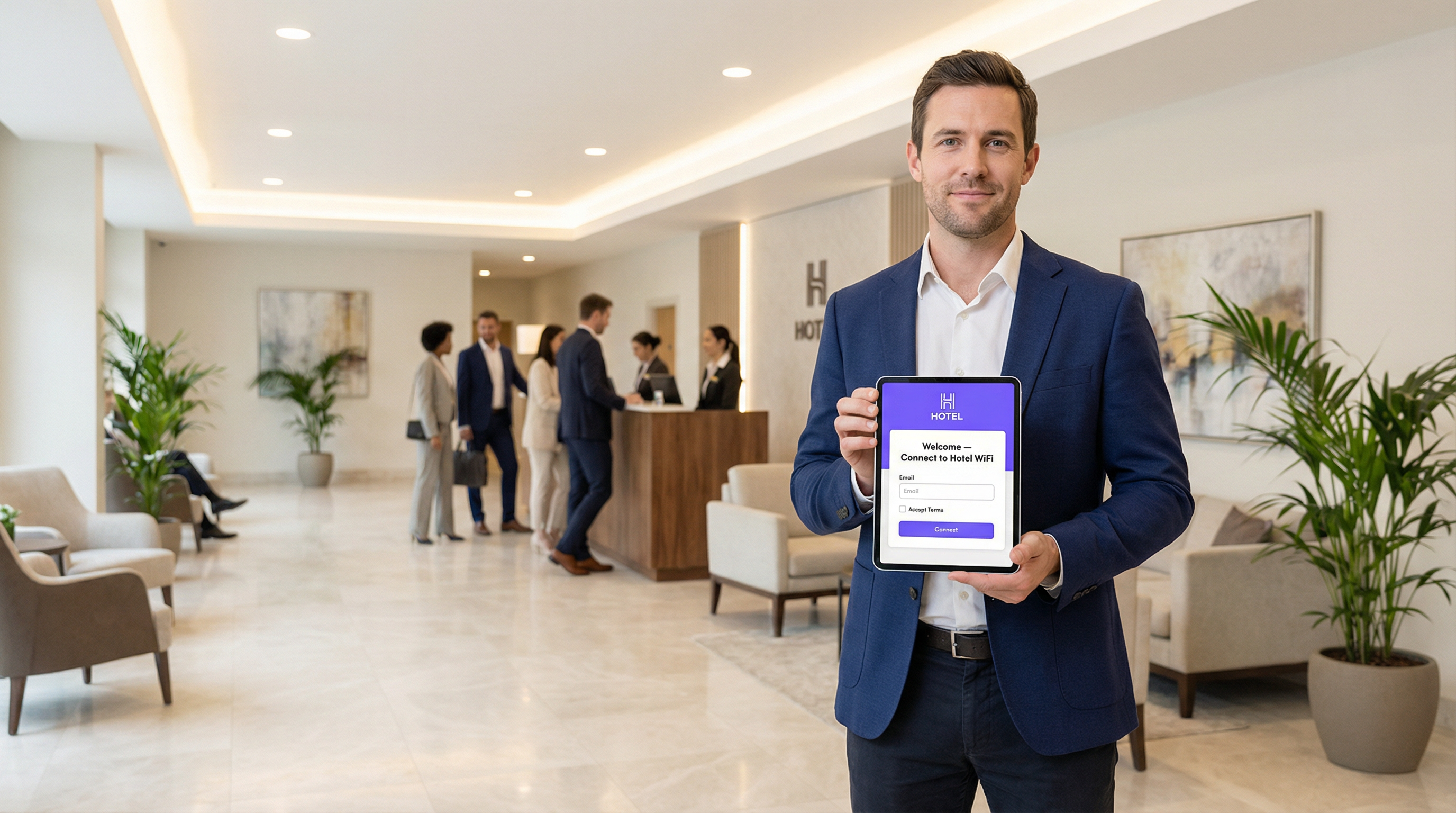
Captive Portal हे एक वेब पेज आहे जे सार्वजनिक किंवा अतिथी WiFi नेटवर्कवरील वापरकर्त्याच्या कनेक्शनला अडवते, आणि त्यांना पूर्ण इंटरनेट अॅक्सेस देण्यापूर्वी एखादी कृती करणे आवश्यक करते—जसे की अटी मान्य करणे, ईमेल प्रविष्ट करणे किंवा सोशल मीडिया खात्याद्वारे प्रमाणीकरण (authentication) करणे. आयटी व्यवस्थापक, नेटवर्क आर्किटेक्ट आणि ठिकाण चालकांसाठी (venue operators), Captive Portal हे नेटवर्क सुरक्षा, कायदेशीर अनुपालन आणि वापरकर्ता प्रतिबद्धतेसाठी (user engagement) एक महत्त्वपूर्ण नियंत्रण बिंदू आहे. योग्यरित्या तैनात केल्यास, ते एका साध्या सुविधेचे रूपांतर बिझनेस इंटेलिजन्स गोळा करण्यासाठी, मार्केटिंग उपक्रमांना चालना देण्यासाठी आणि अभ्यागतांचा अनुभव वाढवण्यासाठी एका शक्तिशाली मालमत्तेत करते. हे मार्गदर्शक Captive Portal च्या मूळ आर्किटेक्चरची सखोल तांत्रिक माहिती प्रदान करते, ज्यामध्ये इंटरसेप्शन यंत्रणा (DNS हायजॅकिंग आणि HTTP रीडायरेक्ट), आधुनिक ऑपरेटिंग सिस्टीममधील Captive Network Assistant (CNA) ची भूमिका आणि प्रमाणीकरण नियंत्रित करणारी मानके (RADIUS, WISPr) यांचा समावेश आहे. हे हॉटेल्स, रिटेल चेन्स आणि स्टेडियम्स यांसारख्या एंटरप्राइझ वातावरणासाठी व्यावहारिक, व्हेंडर-न्यूट्रल अंमलबजावणी मार्गदर्शन देते, जे सुरक्षा सर्वोत्तम पद्धती, जोखीम कमी करणे आणि गुंतवणुकीवरील परतावा (ROI) मोजण्याच्या धोरणांवर लक्ष केंद्रित करते. Captive Portal मधील तांत्रिक बारकावे आणि धोरणात्मक मूल्य समजून घेऊन, आयटी लीडर्स त्यांचे अतिथी WiFi डिप्लॉयमेंट सुरक्षित, अनुपालन करणारे आणि व्यापक व्यावसायिक उद्दिष्टांशी संरेखित असल्याची खात्री करू शकतात.
सखोल तांत्रिक माहिती
कोअर आर्किटेक्चर: द वॉल्ड गार्डन (The Walled Garden)
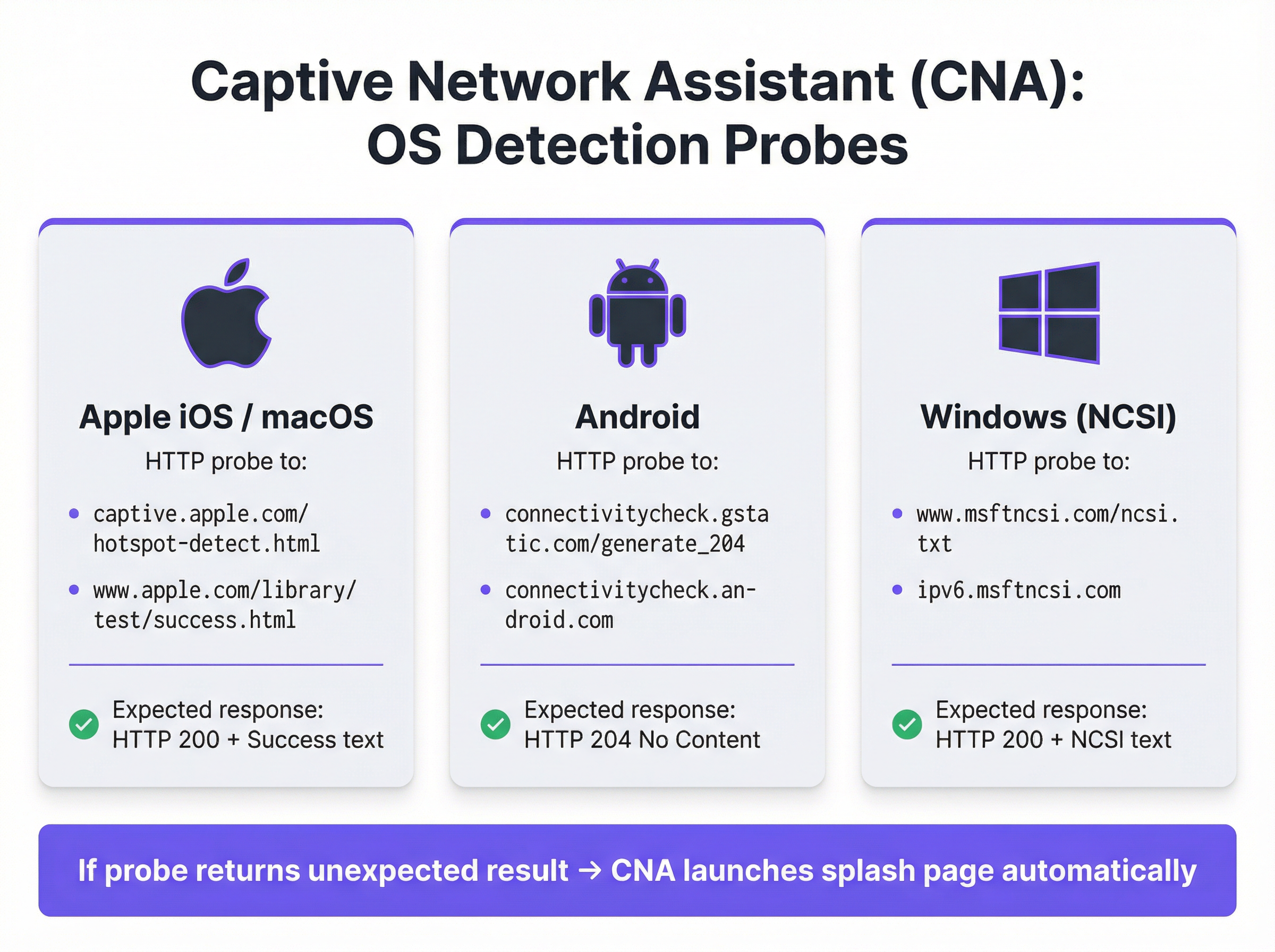
Captive Portal 'वॉल्ड गार्डन' तयार करून कार्य करते, ही एक प्रतिबंधित नेटवर्क स्थिती असते जिथे नव्याने कनेक्ट केलेल्या डिव्हाइसचा इंटरनेट अॅक्सेस प्रमाणीकरण प्रक्रिया पूर्ण होईपर्यंत मर्यादित असतो. हे नेटवर्क गेटवे किंवा वायरलेस कंट्रोलर स्तरावर तैनात केलेल्या दोन प्राथमिक इंटरसेप्शन तंत्रांद्वारे साध्य केले जाते.
DNS हायजॅकिंग (DNS Hijacking): जेव्हा एखादे अप्रमाणित डिव्हाइस डोमेन नाव (उदा.
google.com) रिझॉल्व्ह करण्याचा प्रयत्न करते, तेव्हा नेटवर्क गेटवे DNS क्वेरी अडवतो. योग्य सार्वजनिक IP पत्ता परत करण्याऐवजी, तो Captive Portal सर्व्हरच्या IP पत्त्यासह प्रतिसाद देतो. त्यानंतर डिव्हाइसचा ब्राउझर तेच इच्छित गंतव्यस्थान असल्याचे मानून पोर्टलशी कनेक्शन सुरू करतो. ही सर्वात सामान्य पद्धत आहे कारण ती प्रोटोकॉलची पर्वा न करता प्रभावीपणे ट्रॅफिक अडवते.HTTP रीडायरेक्ट (HTTP Redirect): या मॉडेलमध्ये, गेटवे DNS क्वेरी योग्यरित्या रिझॉल्व्ह होऊ देतो. तथापि, जेव्हा डिव्हाइस त्याची प्रारंभिक HTTP विनंती पाठवते, तेव्हा गेटवे ती अडवतो आणि HTTP 302 'Found' स्टेटस कोडसह प्रतिसाद देतो, ज्यामुळे ब्राउझर Captive Portal च्या URL वर रीडायरेक्ट होतो. या पद्धतीची प्राथमिक मर्यादा म्हणजे HTTPS ट्रॅफिक विरुद्ध तिची अकार्यक्षमता, कारण ब्राउझरचे सुरक्षा प्रोटोकॉल रीडायरेक्ट रोखतील आणि प्रमाणपत्र चेतावणी (certificate warning) दर्शवतील. आधुनिक सिस्टीम हायब्रिड दृष्टिकोन वापरतात, ज्यामध्ये प्राथमिक यंत्रणा म्हणून DNS हायजॅकिंगवर अवलंबून राहतात.
कॅप्टिव्ह नेटवर्क असिस्टंट (CNA)
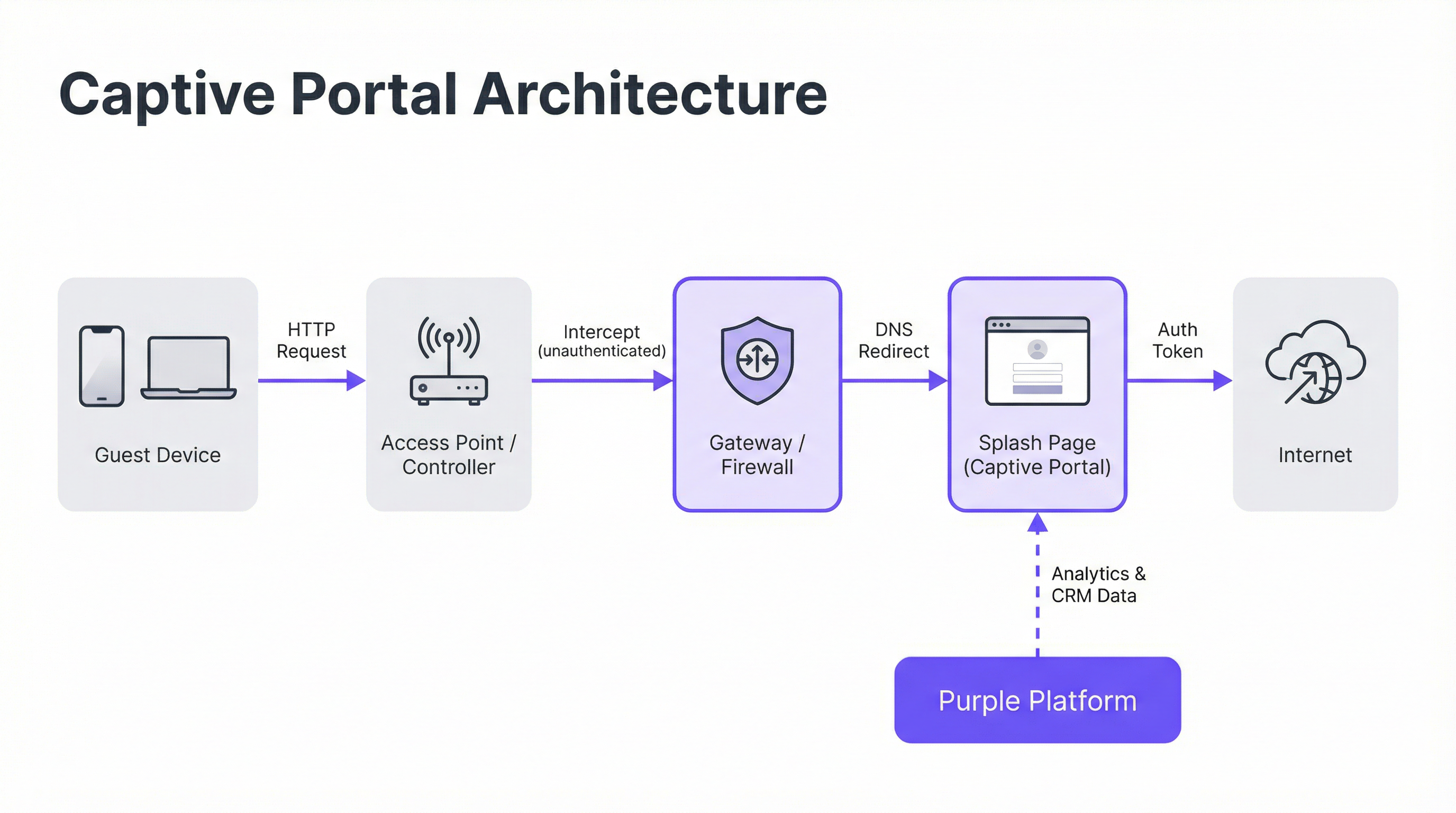
आधुनिक उपकरणांवर स्प्लॅश पेजचे अखंड, स्वयंचलित स्वरूप Captive Network Assistant (CNA) द्वारे व्यवस्थापित केले जाते, जे सर्व प्रमुख ऑपरेटिंग सिस्टीममध्ये अंगभूत असलेले एक वैशिष्ट्य आहे. ज्या क्षणी एखादे डिव्हाइस नवीन WiFi नेटवर्कशी कनेक्ट होते, तेव्हा OS हार्डकोडेड एंडपॉइंटवर HTTP प्रोब पाठवून 'लाइव्हनेस' चाचणी करते.
- Apple (iOS आणि macOS):
captive.apple.com/hotspot-detect.htmlला प्रोब करते आणि 'Success' शब्द असलेल्या HTTP 200 प्रतिसादाची अपेक्षा करते. - Android:
connectivitycheck.gstatic.com/generate_204ला प्रोब करते आणि HTTP 204 'No Content' प्रतिसादाची अपेक्षा करते. - Windows (NCSI): नेटवर्क कनेक्टिव्हिटी स्टेटस इंडिकेटर
www.msftncsi.com/ncsi.txtला प्रोब करते आणि 'Microsoft NCSI' मजकुरासह HTTP 200 प्रतिसादाची अपेक्षा करते.
जर गेटवेने हा प्रोब अडवला आणि अपेक्षित प्रतिसादाव्यतिरिक्त काहीही परत केले, तर OS असा निष्कर्ष काढते की ते Captive Portal च्या मागे आहे आणि स्प्लॅश पेज प्रदर्शित करण्यासाठी स्वयंचलितपणे CNA—एक सँडबॉक्स्ड, हलका 'मिनी-ब्राउझर'—लाँच करते. ही प्रक्रिया वापरकर्त्यांना त्यांचा ब्राउझर मॅन्युअली उघडण्याची गरज दूर करते, ज्यामुळे वापरकर्त्याचा अनुभव लक्षणीयरीत्या सुधारतो.
प्रमाणीकरण आणि अॅक्सेस मंजुरी
एकदा वापरकर्त्याने स्प्लॅश पेजशी संवाद साधला (उदा. फॉर्म सबमिट करून), की डिव्हाइसला अधिकृत करण्यासाठी पोर्टल सर्व्हर नेटवर्क गेटवेशी संवाद साधतो. हे सहसा तीनपैकी एका प्रोटोकॉलद्वारे हाताळले जाते:
- RADIUS (रिमोट ऑथेंटिकेशन डायल-इन युजर सर्व्हिस): सर्वात सामान्य मानक (RFC 2865), जिथे पोर्टल RADIUS क्लायंट म्हणून कार्य करते, आणि गेटवेला (RADIUS सर्व्हर म्हणून कार्य करत असलेल्या) डिव्हाइसच्या MAC पत्त्यासह प्रमाणीकरण विनंती पाठवते.
- WISPr (वायरलेस इंटरनेट सर्व्हिस प्रोव्हायडर रोमिंग): हॉटस्पॉट प्रमाणीकरणासाठी एक XML-आधारित प्रोटोकॉल, जरी त्याचा अवलंब RADIUS पेक्षा कमी प्रमाणात झाला आहे.
- प्रोप्रायटरी APIs: अनेक आधुनिक नेटवर्क हार्डवेअर व्हेंडर्स (जसे की Cisco Meraki, Aruba, आणि Ruckus) RESTful API प्रदान करतात जे डिव्हाइस अधिकृततेवर अधिक लवचिक आणि सूक्ष्म नियंत्रणास अनुमती देतात, जी Purple द्वारे वापरली जाणारी एकत्रीकरण पद्धत आहे.
यशस्वी प्रमाणीकरणानंतर, गेटवे डिव्हाइसचा MAC पत्ता 'अप्रमाणित' वरून 'प्रमाणित' स्थितीत हलवतो, वॉल्ड गार्डन निर्बंध काढून टाकतो आणि पूर्वनिर्धारित सत्र कालावधीसाठी पूर्ण इंटरनेट अॅक्सेस देतो.
अंमलबजावणी मार्गदर्शक
एंटरप्राइझ-ग्रेड Captive Portal तैनात करण्यासाठी काळजीपूर्वक नियोजन आवश्यक आहे जे स्प्लॅश पेज डिझाइनच्या पलीकडे जाते. यशस्वी अंमलबजावणीसाठी या व्हेंडर-न्यूट्रल पायऱ्या फॉलो करा.
अॅक्सेस धोरणे परिभाषित करा: प्रमाणीकरण पद्धती (उदा. सोशल लॉगिन, ईमेल/SMS पडताळणी, व्हाउचर कोड), सत्राचा कालावधी, आयडल टाइमआउट्स आणि बँडविड्थ मर्यादा निश्चित करा. हॉटेलसाठी, 10 Mbps मर्यादेसह 24-तासांचे सत्र योग्य असू शकते. उच्च-घनतेच्या स्टेडियमसाठी, 2 Mbps मर्यादेसह 4-तासांचे सत्र आणि आक्रमक ट्रॅफिक शेपिंग अधिक वास्तववादी आहे.
वॉल्ड गार्डन कॉन्फिगर करा: अप्रमाणित डिव्हाइसला अॅक्सेस करता येणाऱ्या सर्व डोमेन्स आणि IP पत्त्यांची सर्वसमावेशक व्हाइटलिस्ट तयार करा. यामध्ये स्वतः पोर्टल सर्व्हर, मालमत्तेसाठी (इमेजेस, CSS) त्याचे CDN आणि कोणत्याही तृतीय-पक्ष प्रमाणीकरण प्रदात्यांसाठी (उदा. Google आणि Facebook चे OAuth डोमेन्स) एंडपॉइंट्स समाविष्ट आहेत. अपूर्ण वॉल्ड गार्डन हे अयशस्वी पोर्टल डिप्लॉयमेंटचे प्रमुख कारण आहे.
CNA-ऑप्टिमाइझ केलेले स्प्लॅश पेज डिझाइन करा: स्प्लॅश पेज हलके आणि रिस्पॉन्सिव्ह असले पाहिजे. ते सेल्युलर कनेक्शनवर 3 सेकंदांच्या आत लोड झाले पाहिजे आणि सँडबॉक्स्ड CNA वातावरणात अयशस्वी होऊ शकणारे जटिल JavaScript किंवा मोठे फ्रेमवर्क टाळले पाहिजेत. CNA अकाली बंद होण्याच्या समस्या टाळण्यासाठी सर्व वापरकर्ता कृती एकाच पेज व्ह्यूमध्ये साध्य करण्यायोग्य असाव्यात.
नेटवर्क हार्डवेअरसह एकत्रित करा: तुमच्या Captive Portal सर्व्हरकडे निर्देशित करण्यासाठी तुमचा वायरलेस कंट्रोलर किंवा गेटवे कॉन्फिगर करा. यामध्ये पोर्टल URL सेट करणे, RADIUS किंवा API प्रमाणीकरण पॅरामीटर्स परिभाषित करणे आणि रीडायरेक्ट वर्तन निर्दिष्ट करणे समाविष्ट आहे. Purple पूर्व-निर्मित इंटिग्रेशन्स प्रदान करते जे सर्व प्रमुख हार्डवेअर व्हेंडर्ससाठी ही प्रक्रिया स्वयंचलित करतात.
डेटा अनुपालन सुनिश्चित करा: वैयक्तिक डेटा संकलित करत असल्यास, तुमच्या पोर्टल फ्लोमध्ये स्पष्ट, सूक्ष्म संमती यंत्रणा समाविष्ट असणे आवश्यक आहे जे GDPR आणि CCPA सारख्या नियमांचे पालन करतात. मार्केटिंगसाठी संमती ही सेवा अटींच्या स्वीकृतीपेक्षा वेगळी असली पाहिजे. Purple प्लॅटफॉर्ममध्ये ऑडिट करण्यायोग्य लॉगसह पूर्णपणे अनुपालन करणारी संमती व्यवस्थापन फ्रेमवर्क समाविष्ट आहे.
सर्वोत्तम पद्धती
- WPA2/WPA3 सह सुरक्षेला प्राधान्य द्या: तुमचा अतिथी SSID नेहमी किमान WPA2-Personal एन्क्रिप्शनसह चालवा. Captive Portal हे अॅप्लिकेशन-लेयर नियंत्रण आहे आणि ते ओव्हर-द-एअर ट्रॅफिक एन्क्रिप्ट करत नाही. पोर्टलसह एन्क्रिप्शन एकत्र केल्याने स्तरित सुरक्षा मिळते.
- नेटवर्क सेगमेंटेशन लागू करा: तुमच्या अंतर्गत कॉर्पोरेट नेटवर्कवरून अतिथी ट्रॅफिक काटेकोरपणे वेगळे करण्यासाठी VLANs वापरा. Captive Portal तार्किक पृथक्करण प्रदान करते, परंतु PCI DSS सारख्या मानकांची पूर्तता करण्यासाठी भौतिक किंवा आभासी सेगमेंटेशन आवश्यक आहे.
- MAC अॅड्रेस रँडमायझेशन संबोधित करा: आधुनिक मोबाइल ऑपरेटिंग सिस्टीम ट्रॅकिंग टाळण्यासाठी डीफॉल्टनुसार MAC पत्ते रँडमाइझ करतात. परत येणाऱ्या अभ्यागतांच्या ओळखीसाठी केवळ MAC पत्त्यांवर अवलंबून राहणे आता व्यवहार्य नाही. परत येणाऱ्या वापरकर्त्यांना ओळखण्यासाठी अधिक प्रगत डिव्हाइस फिंगरप्रिंटिंग आणि प्रोफाइल-आधारित प्रमाणीकरण वापरणाऱ्या Purple सारख्या प्लॅटफॉर्मचा फायदा घ्या.
- नियमितपणे निरीक्षण आणि चाचणी करा: OS अपडेट्स, विशेषतः Apple कडून, पूर्वसूचनेशिवाय CNA वर्तन बदलू शकतात. iOS, Android आणि Windows च्या नवीनतम आवृत्त्यांवर तुमच्या पोर्टलच्या कार्यक्षमतेचे प्रमाणीकरण करण्यासाठी त्रैमासिक चाचणी प्रोटोकॉल स्थापित करा.
समस्यानिवारण आणि जोखीम कमी करणे
| सामान्य अपयश मोड (Common Failure Mode) | मूळ कारण (Root Cause) | शमन धोरण (Mitigation Strategy) |
|---|---|---|
| स्प्लॅश पेज लोड होत नाही | अपूर्ण वॉल्ड गार्डन पोर्टल मालमत्तेचा (CSS, JS, इमेजेस) अॅक्सेस अवरोधित करत आहे किंवा DNS रिझोल्यूशन अपयश. | वॉल्ड गार्डनसाठी सर्व आवश्यक डोमेन्सची कसून चाचणी आणि प्रमाणीकरण करा. अतिथी VLAN वर DNS योग्यरित्या कॉन्फिगर केले असल्याची खात्री करा. |
| सोशल लॉगिन अयशस्वी | OAuth प्रदाता डोमेन्स (उदा. accounts.google.com) वॉल्ड गार्डनमध्ये समाविष्ट नाहीत. |
वॉल्ड गार्डनमध्ये सर्व आवश्यक तृतीय-पक्ष प्रमाणीकरण डोमेन्स जोडा. लॉगिन फ्लो दरम्यान नेटवर्क विनंत्या ट्रेस करण्यासाठी ब्राउझर डेव्हलपर टूल्स वापरा. |
| CNA विंडो अनपेक्षितपणे बंद होते | स्प्लॅश पेज जटिल रीडायरेक्टचा प्रयत्न करते किंवा नवीन टॅब उघडण्याचा प्रयत्न करते, जे CNA मध्ये समर्थित नाही. | सिंगल-पेज प्रमाणीकरण फ्लो डिझाइन करा. सर्व संवाद प्रारंभिक पोर्टल पेजमध्येच होत असल्याची खात्री करा. |
| वापरकर्ते रीडायरेक्ट होत नाहीत (HTTPS) | गेटवे HTTPS साइटवर HTTP रीडायरेक्ट करण्याचा प्रयत्न करत आहे, ज्यामुळे ब्राउझर सुरक्षा त्रुटी निर्माण होते. | गेटवे DNS हायजॅकिंगसाठी कॉन्फिगर केले असल्याची खात्री करा, जे HTTP आणि HTTPS दोन्ही ट्रॅफिकसाठी प्रभावी आहे. |
| खराब कामगिरी / संथ लॉगिन | स्प्लॅश पेज खूप मोठे आहे (उच्च-रिझोल्यूशन इमेजेस, जड JavaScript फ्रेमवर्क्स). | सर्व मालमत्ता ऑप्टिमाइझ करा आणि एकूण पेजचे वजन 500KB च्या खाली ठेवण्याचे लक्ष्य ठेवा. अनावश्यक स्क्रिप्ट्सचे लोडिंग पुढे ढकला. |
ROI आणि व्यावसायिक प्रभाव
Captive Portal चे व्यावसायिक मूल्य इंटरनेट अॅक्सेस प्रदान करण्याच्या पलीकडे जाते. निनावी अभ्यागतांना ज्ञात ग्राहकांमध्ये रूपांतरित करण्याच्या आणि मूर्त व्यावसायिक परिणाम घडवून आणण्याच्या क्षमतेद्वारे ROI मोजला जातो.
- डेटा संपादन: लॉगिनच्या वेळी ईमेल पत्ते, सोशल प्रोफाइल्स किंवा सर्वेक्षणाचे प्रतिसाद कॅप्चर करून, ठिकाणे समृद्ध CRM प्रोफाइल्स तयार करू शकतात. रिटेल चेन त्यांच्या मार्केटिंग डेटाबेसमध्ये विशिष्ट ग्राहकाला प्रत्यक्ष स्टोअर भेटीचे श्रेय देऊ शकते, ज्यामुळे ऑनलाइन-ऑफलाइन दरी कमी होते.
- वाढलेली प्रतिबद्धता: स्प्लॅश पेज हे उच्च-दृश्यमानता असलेले डिजिटल बिलबोर्ड आहे. हॉटेल्स स्पा सेवा किंवा रेस्टॉरंट बुकिंगची जाहिरात करू शकतात. कॉन्फरन्स सेंटर्स इव्हेंटचे वेळापत्रक आणि प्रायोजकांचे संदेश प्रदर्शित करू शकतात. हे थेट संवाद चॅनेल वाढीव महसूल मिळवून देऊ शकते.
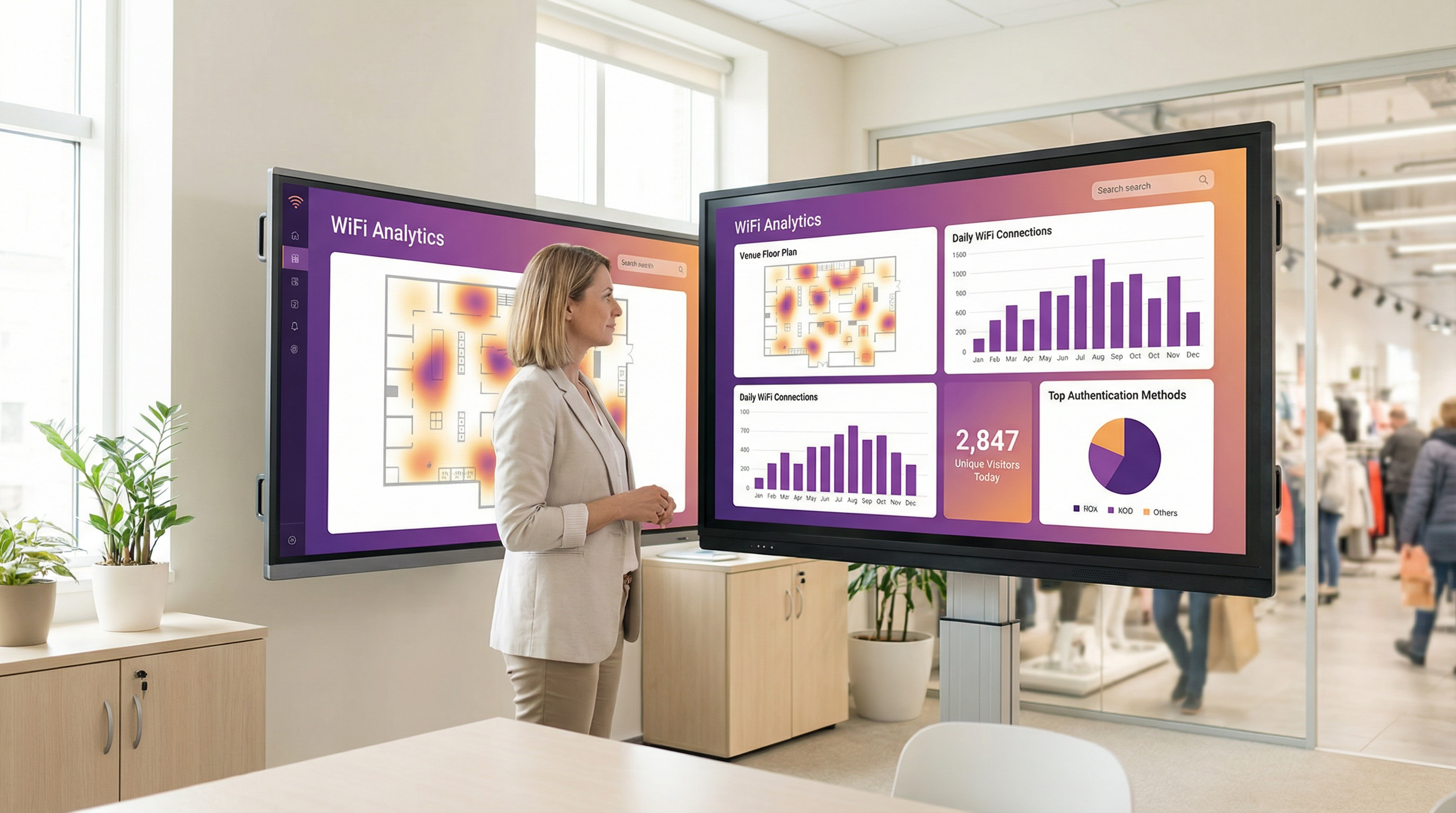
- ऑपरेशनल इंटेलिजन्स: Purple सारखे WiFi अॅनालिटिक्स प्लॅटफॉर्म अभ्यागतांच्या वर्तनाबद्दल सखोल अंतर्दृष्टी प्रदान करण्यासाठी प्रमाणीकरण डेटा वापरतात. हीटमॅप्स फूटफॉल पॅटर्न उघड करतात, ड्वेल टाइम अॅनालिसिस प्रतिबद्धता पातळी दर्शवते आणि रिपीट व्हिजिटर मेट्रिक्स निष्ठा मोजण्यात मदत करतात. स्टेडियम या डेटाचा वापर सवलतीच्या स्टँडवरील कर्मचाऱ्यांची संख्या ऑप्टिमाइझ करण्यासाठी करू शकते, तर संग्रहालय प्रदर्शनाच्या लोकप्रियतेचे विश्लेषण करू शकते.
Purple सारख्या प्लॅटफॉर्मचा फायदा घेऊन, Captive Portal हे ठिकाणाच्या लोकेशन इंटेलिजन्स धोरणाचा पाया बनते, जे मार्केटिंग परिणामकारकता, ऑपरेशनल कार्यक्षमता आणि ग्राहकांच्या समाधानामध्ये मोजता येण्याजोगा परतावा देते.
महत्त्वाच्या संज्ञा आणि व्याख्या
Captive Portal
A web page that intercepts a newly connected user's browser, requiring them to perform a specific action before being granted full internet access.
This is the primary mechanism IT teams use to control access to guest and public WiFi networks, serving as a gateway for authentication, compliance, and user engagement.
Splash Page
The specific web page or user interface that is displayed to the user by the captive portal for authentication.
This is the main user-facing component. Its design and performance are critical for user experience and for achieving business goals like data capture or marketing.
Captive Network Assistant (CNA)
A built-in operating system feature (also known as a 'mini-browser') that automatically detects a captive portal and displays the splash page.
IT teams must design splash pages specifically for the CNA's limited, sandboxed environment, as it behaves differently from a standard web browser and is a common point of failure.
Walled Garden
The list of whitelisted IP addresses and domain names that an unauthenticated user is allowed to access before completing the captive portal authentication.
A misconfigured walled garden is the most common reason for portal failures. Network architects must ensure it includes all necessary endpoints for the portal and any third-party login providers.
DNS Hijacking
An interception technique where a network gateway provides a false IP address (that of the portal server) in response to a DNS query from an unauthenticated device.
This is the core mechanism that makes captive portals work, allowing the network to redirect users to the splash page regardless of the website they are trying to visit.
RADIUS (RFC 2865)
A standard networking protocol for centralized Authentication, Authorization, and Accounting (AAA) management.
In a captive portal context, it's a common way for the portal server to tell the network gateway that a user has been authenticated and should be granted internet access.
MAC Address Randomization
An OS-level privacy feature where a device uses a different, randomly generated MAC address for each WiFi network it connects to.
This feature makes it difficult for IT teams to track unique devices over time using traditional methods. It necessitates a shift towards profile-based authentication for accurate visitor analytics.
IEEE 802.1X
An IEEE standard for port-based Network Access Control (PNAC) that provides authenticated network access to Ethernet networks and WLANs.
This is the enterprise-grade alternative to captive portals, often used for corporate devices. It offers higher security but requires client-side configuration, making it unsuitable for guest access scenarios where simplicity is key.
केस स्टडीज
A 200-room luxury hotel needs to replace its outdated guest WiFi system. The goal is to provide a seamless, branded login experience, offer tiered bandwidth (free for basic access, paid for premium streaming), and promote hotel amenities like the spa and restaurant directly on the splash page. The hotel uses Cisco Meraki access points.
- Deployment with Purple & Meraki: Leverage Purple's native API integration with the Cisco Meraki dashboard. Create a new SSID for guest access (e.g., 'Hotel_Guest_WiFi') and configure it with WPA2-Personal encryption. In the Meraki dashboard, set the 'Splash Page' option to 'Sign-on with' and select 'Purple'.
- Tiered Access Configuration: Within the Purple platform, create two access tiers. The 'Free' tier is configured with a 5 Mbps bandwidth cap and a 24-hour session time. The 'Premium' tier is set to 25 Mbps with no cap and requires payment via an integrated Stripe gateway.
- Splash Page Design: Use Purple's drag-and-drop editor to design the splash page. The initial view presents the 'Free' option (login with email or social media) and a prominent 'Upgrade to Premium' button. Upon successful free login, the user is redirected to a welcome page featuring a carousel of promotions for the hotel's restaurant and spa, with direct links to the booking engine.
- Compliance: Enable Purple's GDPR/CCPA consent module, ensuring separate checkboxes for 'Terms of Service' and 'Marketing Communications'.
A national retail chain with 500 stores wants to offer free guest WiFi to understand in-store customer behavior and build its marketing database. They need a scalable solution that provides centralized management and delivers analytics on footfall, dwell time, and repeat visits. The existing hardware is a mix of Aruba and Ruckus.
- Centralized Management: Deploy Purple across all 500 stores. The platform's hardware-agnostic nature allows for consistent configuration across both Aruba and Ruckus controllers from a single cloud dashboard.
- Authentication & Data Capture: Configure the splash page to require social login (Facebook or Google) or email address submission. This captures valuable demographic data and a marketing contact for every user who connects.
- Analytics & Integration: Leverage Purple's WiFi analytics suite. The platform will automatically generate dashboards for each store and at the corporate level, showing metrics like unique visitors, dwell times by zone (if location services are enabled), and repeat visitor rates. Set up a daily data export via API to feed the captured email addresses and visitor metrics directly into the company's master CRM (e.g., Salesforce).
- Scalable Deployment: Create a single splash page template and apply it to all locations. Any updates to branding or promotions can be pushed to all 500 stores simultaneously from the central dashboard.
परिस्थिती विश्लेषण
Q1. You are deploying a new guest WiFi network in a conference center. A key requirement is that attendees can log in using their LinkedIn profile to facilitate networking. During testing, the LinkedIn login button on the splash page does nothing when clicked on an iPhone. What is the most likely cause and how would you troubleshoot it?
💡 संकेत:Consider the sandboxed environment of the CNA and its network restrictions.
शिफारस केलेला दृष्टिकोन दाखवा
The most likely cause is an incomplete walled garden. The LinkedIn OAuth flow requires the device to access several domains (e.g., linkedin.com, static-exp1.licdn.com) to load its authentication scripts and display the login pop-up. Because the iPhone is in an unauthenticated state, the CNA is blocking these requests. To troubleshoot, I would connect a laptop to the guest SSID, open the browser's developer tools, and monitor the 'Network' tab while attempting to log in. This will reveal all the blocked domains, which must then be added to the gateway's walled garden whitelist.
Q2. A retail client wants to measure the loyalty of their in-store shoppers by tracking how many of them are repeat visitors. Their current captive portal only identifies devices by MAC address. Why is this approach flawed and what alternative strategy should you propose?
💡 संकेत:Think about modern mobile OS privacy features.
शिफारस केलेला दृष्टिकोन दाखवा
This approach is flawed due to MAC address randomization, a default privacy feature in iOS, Android, and Windows that assigns a different MAC address for each WiFi network. A returning customer's phone will appear as a new device on each visit, making MAC-based loyalty tracking highly inaccurate. I would propose a shift to a profile-based authentication strategy using Purple. By requiring a social login or an email/phone number verification, we can create a persistent user profile that is independent of the device's MAC address. This allows for accurate tracking of repeat visits and builds a much richer CRM profile for the client.
Q3. A hotel is receiving complaints that its premium paid WiFi tier, which is supposed to be faster, feels no different from the free tier. The network is configured with a 5 Mbps cap on the 'Free' user profile and a 50 Mbps cap on the 'Premium' profile. Where in the network architecture would you investigate to diagnose this issue?
💡 संकेत:Consider the entire data path from the access point to the internet egress.
शिफारस केलेला दृष्टिकोन दाखवा
The issue is likely not with the captive portal profiles themselves, but with a bottleneck further up the network chain. I would investigate in this order: 1. Wireless Controller/Gateway: Verify that the bandwidth shaping or Quality of Service (QoS) policies are being correctly applied to the user roles associated with the 'Free' and 'Premium' profiles. 2. Firewall: Check the firewall for any global traffic shaping policies that might be overriding the per-user rules from the controller. 3. Internet Circuit: Run a speed test from the gateway's LAN interface to confirm the total available internet bandwidth. It's possible the entire property's internet connection is saturated or performing below its subscribed speed, making the per-user caps irrelevant. 4. Access Point Saturation: In high-density areas, check the client load and channel utilization on the specific APs the complaining users are connected to. RF interference or an overloaded AP can also be a bottleneck.
महत्त्वाचे निष्कर्ष
- ✓A captive portal is a web page that intercepts user traffic on a guest WiFi network to enforce authentication and policy.
- ✓The automatic pop-up is handled by the Captive Network Assistant (CNA), a mini-browser in all major operating systems.
- ✓Core interception works via DNS hijacking or HTTP redirect at the network gateway.
- ✓Splash pages must be designed to be lightweight and functional within the limited, sandboxed CNA environment.
- ✓A correctly configured 'walled garden' is critical for ensuring third-party social logins work correctly.
- ✓Modern OS privacy features like MAC address randomization make profile-based authentication essential for accurate visitor analytics.
- ✓A captive portal platform like Purple transforms a network access tool into a powerful asset for business intelligence, marketing, and compliance.




