

হোটেল WiFi: অভিজাত অতিথিদের প্রত্যাশা এবং চেইন-ব্যাপী ধারাবাহিকতা
এই প্রযুক্তিগত রেফারেন্স গাইডটি বিশদভাবে বর্ণনা করে যে কীভাবে বিশ্বব্যাপী হোটেল ব্র্যান্ডগুলি অভিজাত WiFi অভিজ্ঞতা তৈরি করে এবং সরবরাহ করে যা চেইন-ব্যাপী ধারাবাহিকতা নিশ্চিত করে এবং লয়্যালটি প্রোগ্রামগুলির সাথে একত্রিত হয়। এটি ক্ষমতা পরিকল্পনা, PMS ইন্টিগ্রেশন, কেন্দ্রীভূত নীতি পরিচালনা এবং ব্যান্ডউইথ পার্থক্যের জন্য প্রযুক্তিগত প্রক্রিয়াগুলি কভার করে।
🎧 এই গাইডটি শুনুন
ট্রান্সক্রিপ্ট দেখুন
কার্যনির্বাহী সারসংক্ষেপ
একটি বিশ্বব্যাপী হোটেল ব্র্যান্ড জুড়ে ধারাবাহিকভাবে চমৎকার অতিথি WiFi অভিজ্ঞতা প্রদান করা আর বিলাসিতা নয়—এটি একটি মৌলিক প্রত্যাশা। এমন একটি যুগে যেখানে অতিথিরা একাধিক ডিভাইস নিয়ে আসেন এবং 4K স্ট্রিমিং, রিমোট ওয়ার্কিং এবং ভিডিও কনফারেন্সিংয়ের জন্য নিরবচ্ছিন্ন সংযোগ আশা করেন, সেখানে পুরোনো নেটওয়ার্ক আর্কিটেকচারগুলি কেবল তাল মেলাতে পারে না। প্রধান আতিথেয়তা ব্র্যান্ডগুলির IT পরিচালক এবং নেটওয়ার্ক স্থপতিদের জন্য, চ্যালেঞ্জটি কেবল ইন্টারনেট অ্যাক্সেস সরবরাহ করা নয়; এটি একটি সমন্বিত, ক্লাউড-পরিচালিত নেটওয়ার্ক তৈরি করা যা লন্ডনের একটি ফ্ল্যাগশিপ সম্পত্তি থেকে দুবাইয়ের একটি রিসর্ট পর্যন্ত ধারাবাহিক কর্মক্ষমতা প্রদান করে।
এই প্রযুক্তিগত রেফারেন্স গাইডটি এন্টারপ্রাইজ হোটেল WiFi ডিজাইনের গুরুত্বপূর্ণ উপাদানগুলি অন্বেষণ করে, অভিজাত অতিথিদের প্রত্যাশা, লয়্যালটি স্তরের পার্থক্য এবং চেইন-ব্যাপী ধারাবাহিকতার উপর মনোযোগ কেন্দ্রীভূত করে। আমরা উচ্চ-ব্যান্ডউইথ, সুরক্ষিত এবং স্থিতিস্থাপক সংযোগ সরবরাহের জন্য প্রযুক্তিগত প্রয়োজনীয়তাগুলি পরীক্ষা করব, পাশাপাশি প্রপার্টি ম্যানেজমেন্ট সিস্টেম (PMS) ইন্টিগ্রেশন এবং কেন্দ্রীভূত নীতি পরিচালনার অপারেশনাল প্রয়োজনীয়তাগুলিও দেখব। WiFi-কে একটি ইউটিলিটির পরিবর্তে একটি কৌশলগত পরিষেবা হিসাবে বিবেচনা করে, হোটেল অপারেটররা অতিথিদের সন্তুষ্টি বাড়াতে, লয়্যালটি প্রোগ্রাম এনগেজমেন্ট চালাতে এবং অ্যানালিটিক্সের মাধ্যমে মূল্যবান অপারেশনাল ইন্টেলিজেন্স সংগ্রহ করতে পারে।
প্রযুক্তিগত গভীর বিশ্লেষণ
অতিথিদের প্রত্যাশার পরিবর্তনশীল ভিত্তি
আতিথেয়তা শিল্পের গ্রহণযোগ্য WiFi কর্মক্ষমতার সংজ্ঞা নাটকীয়ভাবে বিকশিত হয়েছে। এক দশক আগে, প্রতি রুমে 10 Mbps সরবরাহ করা সাধারণত মৌলিক ওয়েব ব্রাউজিং এবং ইমেলের জন্য যথেষ্ট ছিল। আজ, ব্যান্ডউইথ-নিবিড় অ্যাপ্লিকেশনগুলির বিস্তার—অতিথিদের গড়ে তিনটি সংযুক্ত ডিভাইস বহন করার সাথে মিলিত হয়ে—ক্ষমতা পরিকল্পনার একটি মৌলিক পুনর্মূল্যায়ন দাবি করে।
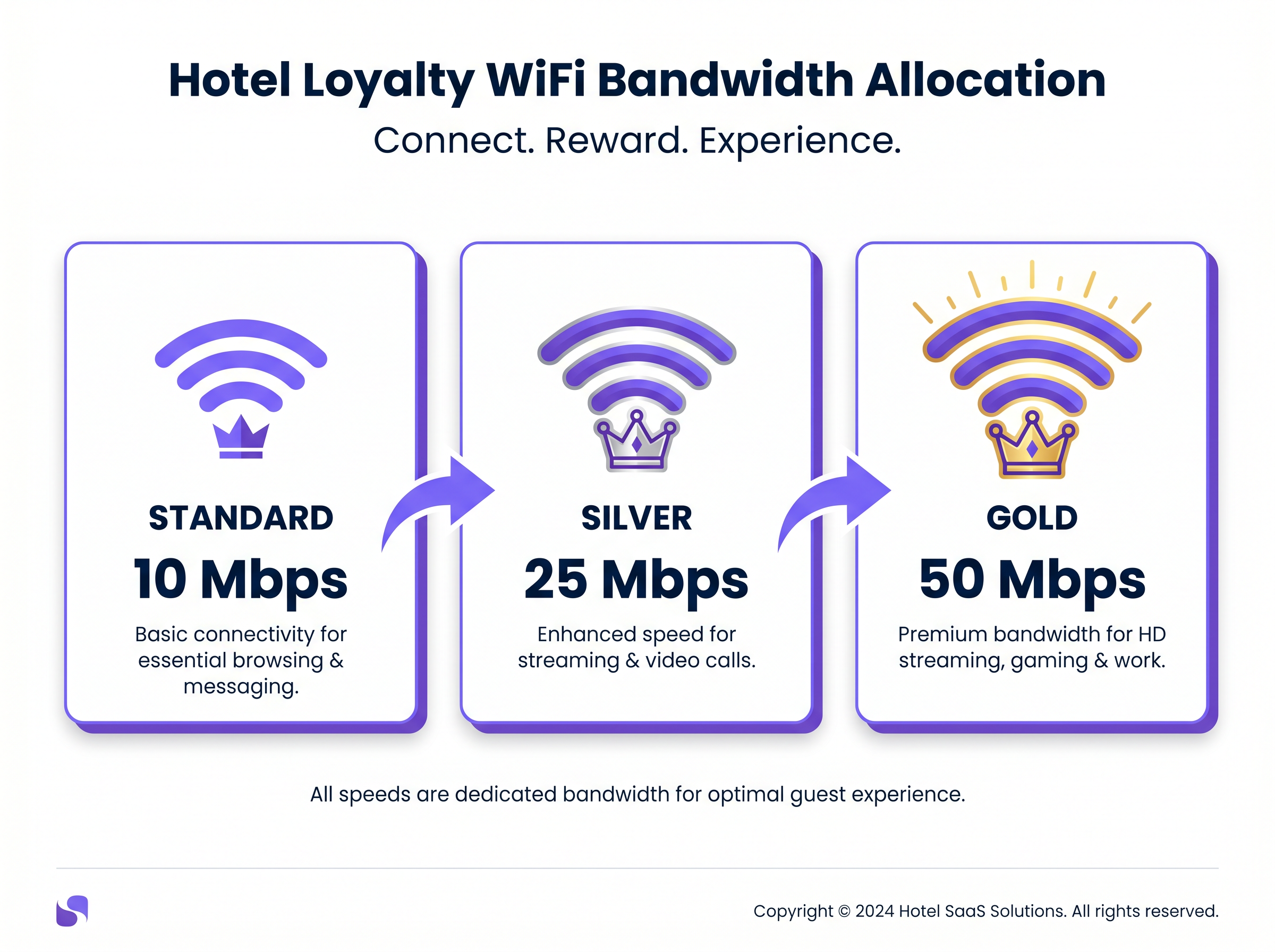
স্ট্যান্ডার্ড সংযোগের জন্য, সম্পত্তিগুলিকে এখন প্রতি রুমে ন্যূনতম 25 Mbps লক্ষ্য করতে হবে। তবে, বিলাসবহুল ব্র্যান্ড এবং প্রিমিয়াম লয়্যালটি স্তরের জন্য, প্রত্যাশাগুলি উল্লেখযোগ্যভাবে বেশি। অভিজাত অতিথিরা তাদের বাড়ি বা কর্পোরেট নেটওয়ার্কের সমতুল্য বা তার চেয়ে ভালো অভিজ্ঞতা আশা করেন। অতএব, প্রতি রুমে 50 Mbps থেকে 100 Mbps এর একটি ডিজাইন লক্ষ্য বিলাসবহুল আবাসনের জন্য ক্রমবর্ধমানভাবে মান হয়ে উঠছে। এটি বোঝা অত্যন্ত গুরুত্বপূর্ণ যে এই মেট্রিকটি "প্রতি রুম", প্রতি অ্যাক্সেস পয়েন্ট (AP) বা প্রতি ফ্লোর নয়। নেটওয়ার্ক ক্ষমতা অবশ্যই প্রান্ত থেকে ভিতরের দিকে গণনা করতে হবে, যাতে সামগ্রিক ব্যাকহল এবং কোর সুইচিং অবকাঠামো অবনতি ছাড়াই সর্বোচ্চ সমসাময়িক ব্যবহার সমর্থন করতে পারে।
ধারাবাহিকতা এবং রোমিংয়ের জন্য আর্কিটেকচার
ওয়্যারলেস ডিস্ট্রিবিউশন স্তর ত্রুটিপূর্ণ হলে একটি উচ্চ-ক্ষমতার ইন্টারনেট সার্কিট অর্থহীন। দুর্বল অ্যাক্সেস পয়েন্ট স্থাপন, সাবঅপ্টিমাল চ্যানেল পরিকল্পনা এবং অদক্ষ রোমিং প্রোটোকলগুলি অতিথিদের অভিযোগের প্রধান কারণ। একটি আধুনিক হোটেল পরিবেশে, নিরবচ্ছিন্ন গতিশীলতা অপরিহার্য। অতিথিরা তাদের স্যুট থেকে লবি বা পুল এলাকায় যাওয়ার সময় কোনো বাধা ছাড়াই একটি ভিডিও কল বা অডিও স্ট্রিম বজায় রাখার আশা করেন।
এটি অর্জনের জন্য, IEEE 802.11r (Fast BSS Transition) বাস্তবায়ন অপরিহার্য। এই স্ট্যান্ডার্ডটি একটি ক্লায়েন্ট ডিভাইসকে বর্তমান অ্যাক্সেস পয়েন্টের সাথে সংযোগ বিচ্ছিন্ন করার আগে একটি নতুন অ্যাক্সেস পয়েন্টের সাথে প্রমাণীকরণ করার অনুমতি দেয়, যা রোমিং ল্যাটেন্সি মিলিসেকেন্ডে কমিয়ে আনে। 802.11r ছাড়া, ডিভাইসগুলিকে হ্যান্ডঅফের সময় একটি সম্পূর্ণ পুনঃপ্রমাণীকরণ চক্রের মধ্য দিয়ে যেতে হয়, যার ফলে লক্ষণীয় সংযোগ বিচ্ছিন্ন হয় এবং ব্যবহারকারীর অভিজ্ঞতা খারাপ হয়। এছাড়াও, সঠিক RF সাইট সার্ভে এবং ভবিষ্যদ্বাণীমূলক মডেলিং AP ঘনত্ব এবং স্থাপন নির্ধারণ করবে, পর্যাপ্ত সংকেত কভারেজ নিশ্চিত করবে এবং কো-চ্যানেল হস্তক্ষেপ কমিয়ে আনবে।
নিরাপত্তা এবং প্রমাণীকরণ মান
আতিথেয়তা WiFi-এ নিরাপত্তা অবশ্যই শক্তিশালী সুরক্ষা এবং ব্যবহারকারীর সুবিধার মধ্যে ভারসাম্য বজায় রাখতে হবে। WPA3 হল নতুন স্থাপনার জন্য বর্তমান মান, যা উন্নত ক্রিপ্টোগ্রাফিক শক্তি এবং অফলাইন ডিকশনারি আক্রমণের বিরুদ্ধে সুরক্ষা প্রদান করে। প্রমাণীকৃত নেটওয়ার্কগুলির জন্য, বিশেষ করে যেগুলি লয়্যালটি স্তরের উপর ভিত্তি করে পরিষেবাগুলিকে আলাদা করে, IEEE 802.1X প্রমাণীকরণ সহ WPA2-Enterprise বা WPA3-Enterprise হল স্বর্ণমান।
802.1X কাঠামো পোর্ট-ভিত্তিক নেটওয়ার্ক অ্যাক্সেস নিয়ন্ত্রণের জন্য একটি প্রক্রিয়া সরবরাহ করে। যখন একজন অতিথি প্রমাণীকরণ করেন, তখন RADIUS সার্ভার ব্যবহারকারীর পরিচয় এবং লয়্যালটি স্ট্যাটাসের উপর ভিত্তি করে VLANs গতিশীলভাবে বরাদ্দ করতে পারে এবং Quality of Service (QoS) নীতি প্রয়োগ করতে পারে। এই গতিশীল নীতি প্রয়োগ হল ভিন্ন ভিন্ন ব্যান্ডউইথ স্তর সরবরাহের প্রযুক্তিগত ভিত্তি, যা নিশ্চিত করে যে প্রিমিয়াম অতিথিরা ম্যানুয়াল হস্তক্ষেপ ছাড়াই অগ্রাধিকার নেটওয়ার্ক সংস্থান পান।
বাস্তবায়ন নির্দেশিকা
লয়্যালটি স্তরের পার্থক্য এবং PMS ইন্টিগ্রেশন
একটি আতিথেয়তা WiFi নেটওয়ার্কের আসল মূল্য তখনই উন্মোচিত হয় যখন এটি প্রপার্টি ম্যানেজমেন্ট সিস্টেম (PMS) এর সাথে নির্বিঘ্নে একত্রিত হয়। PMS হল অতিথির পরিচয়, রুম বরাদ্দ এবং লয়্যালটি স্ট্যাটাসের জন্য সত্যের প্রামাণিক উৎস। এই ইন্টিগ্রেশন ছাড়া, নেটওয়ার্ক বুদ্ধিমত্তার সাথে পরিষেবা স্তরগুলিকে আলাদা করতে পারে না, যা WiFi অভিজ্ঞতাকে একটি জেনেরিক, এক-আকার-ফিট-অল অফার-এ হ্রাস করে।
একটি সেরা-অনুশীলন বাস্তবায়নে WiFi ম্যানেজমেন্ট প্ল্যাটফর্ম এবং PMS (যেমন Oracle OPERA, Mews, বা Agilysys) এর মধ্যে রিয়েল-টাইম API বা ওয়েবহুক ইন্টিগ্রেশন জড়িত। কর্মপ্রবাহটি নিম্নরূপ পরিচালিত হওয়া উচিত:
- প্রি-প্রভিশনিং: চেক-ইন করার পর, PMS অতিথির প্রোফাইল, তাদের লয়্যালটি স্তর সহ, WiFi প্ল্যাটফর্মে প্রেরণ করে।
- প্রমাণীকরণ: অতিথি নেটওয়ার্কে সংযুক্ত হন এবং একটি ব্র্যান্ডেড Captive Portal বা একটি নিরবচ্ছিন্ন প্রোফাইল-ভিত্তিক প্রমাণীকরণ পদ্ধতি (যেমন, Passpoint/OpenRoaming) এর মাধ্যমে প্রমাণীকরণ করেন।
- গতিশীল নীতি প্রয়োগ: নেটওয়ার্ক অতিথিকে চিহ্নিত করে, প্রভিশন করাপ্রোফাইল, এবং উপযুক্ত VLAN ও QoS নীতি প্রয়োগ করে। উদাহরণস্বরূপ, একজন গোল্ড সদস্যকে 50 Mbps ব্যান্ডউইথ সীমা সহ একটি প্রিমিয়াম VLAN-এ বরাদ্দ করা হতে পারে, যখন একজন সাধারণ অতিথিকে 25 Mbps সীমা সহ একটি মৌলিক VLAN-এ বরাদ্দ করা হয়।
- সেশন সমাপ্তি: চেক-আউটের পর, PMS WiFi প্ল্যাটফর্মকে সেশন বন্ধ করতে এবং অস্থায়ী শংসাপত্র মুছে ফেলতে সংকেত দেয়, যা নিরাপত্তা নিশ্চিত করে এবং IP ঠিকানা খালি করে।
চেইন-ব্যাপী সামঞ্জস্যের জন্য কেন্দ্রীভূত শাসন
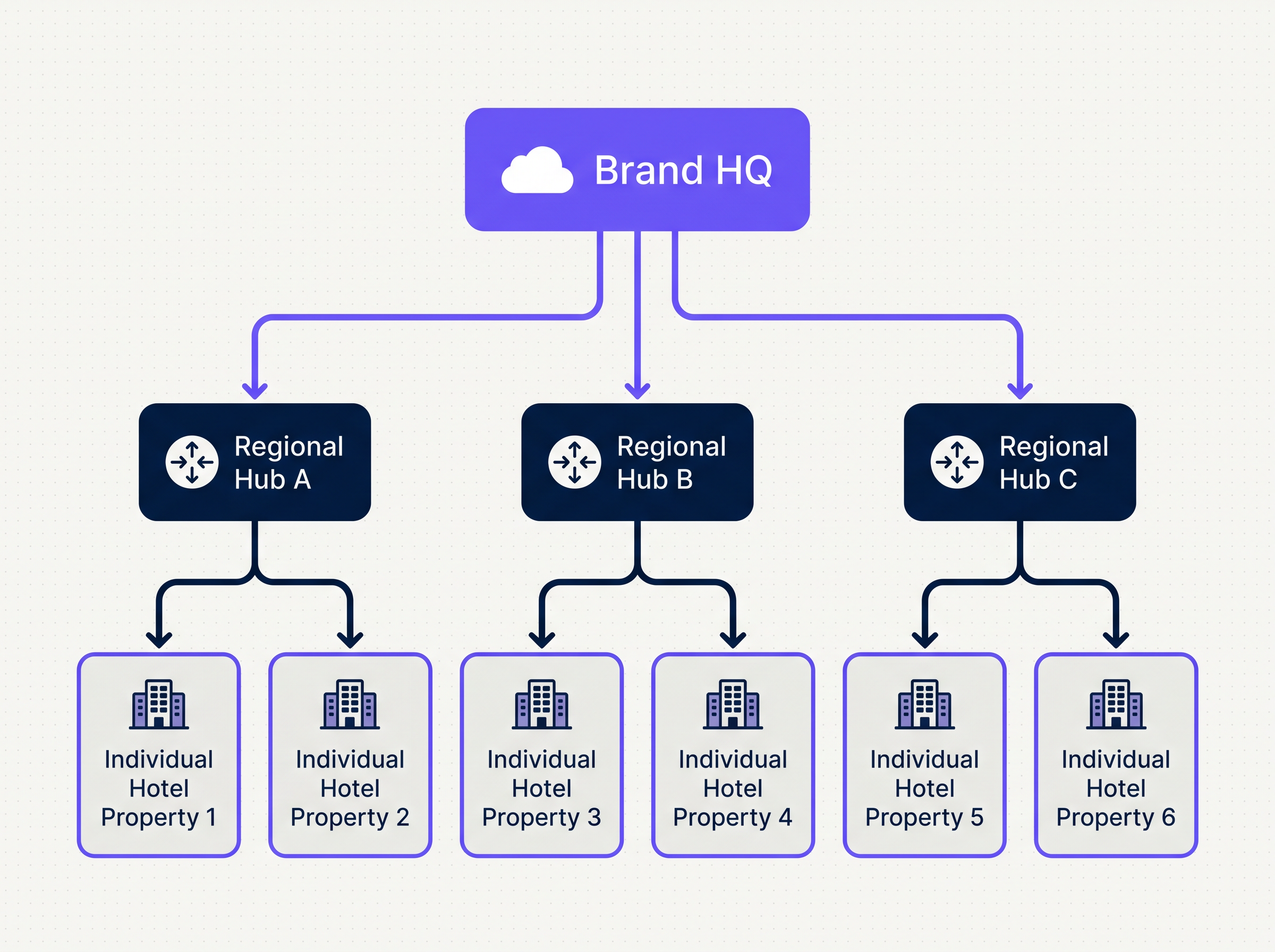
শত শত সম্পত্তি পরিচালনা করা বৈশ্বিক হোটেল ব্র্যান্ডগুলির জন্য, সামঞ্জস্য বজায় রাখতে একটি কেন্দ্রীভূত, ক্লাউড-পরিচালিত নেটওয়ার্ক আর্কিটেকচার প্রয়োজন। ব্র্যান্ডের মান এবং স্থানীয় অপারেশনাল প্রয়োজনীয়তার মধ্যে ভারসাম্য বজায় রাখতে একটি শ্রেণিবদ্ধ নীতি মডেল অপরিহার্য।
- ব্র্যান্ড HQ (গ্লোবাল): মূল নীতি টেমপ্লেটগুলি সংজ্ঞায়িত করে, যার মধ্যে SSID, নিরাপত্তা প্রোটোকল, লয়্যালটি টিয়ার ব্যান্ডউইথ বরাদ্দ, এবং captive portal ব্র্যান্ডিং নির্দেশিকা অন্তর্ভুক্ত।
- আঞ্চলিক হাব: বৈশ্বিক টেমপ্লেটগুলি প্রয়োগ করে যখন আঞ্চলিক বৈচিত্র্যগুলি অন্তর্ভুক্ত করে, যেমন নির্দিষ্ট ISP কনফিগারেশন বা স্থানীয় ডেটা সার্বভৌমত্ব প্রবিধানগুলির সাথে সম্মতি (যেমন, ইউরোপে GDPR)।
- স্বতন্ত্র সম্পত্তি: আঞ্চলিক হাব থেকে কনফিগারেশন উত্তরাধিকার সূত্রে পায়। স্থানীয় IT কর্মীরা দৈনন্দিন কার্যক্রম পরিচালনা করতে এবং কর্মক্ষমতা নিরীক্ষণ করতে পারে তবে মূল ব্র্যান্ডের মানগুলি বাতিল করতে পারে না।
এই "গার্ডরেলস" পদ্ধতি নিশ্চিত করে যে একজন অতিথি একই উচ্চ-মানের সংযোগ এবং ব্র্যান্ডেড প্রমাণীকরণ প্রবাহ অনুভব করেন, তারা নিউ ইয়র্কের একটি Ritz Carlton-এ থাকুন বা সিঙ্গাপুরের একটি W Hotel-এ থাকুন।
সেরা অনুশীলন
- ব্যাপক RF সাইট সার্ভে পরিচালনা করুন: শুধুমাত্র উত্তরাধিকারসূত্রে প্রাপ্ত ক্যাবলিং পরিকল্পনা বা অনুমানের উপর নির্ভর করবেন না। দেয়ালের অ্যাটেন্যুয়েশন, ফ্লোর লেআউট এবং কনফারেন্স সেন্টারের মতো উচ্চ-ঘনত্বের এলাকাগুলি বিবেচনা করে সর্বোত্তম AP প্লেসমেন্ট নির্ধারণের জন্য ভবিষ্যদ্বাণীমূলক মডেলিং এবং সক্রিয় সাইট সার্ভে পরিচালনা করুন।
- নির্বিঘ্ন প্রমাণীকরণ বাস্তবায়ন করুন: captive portal-এ ঘর্ষণ কমান। ফিরে আসা অতিথিদের স্বয়ংক্রিয়ভাবে সংযোগ করতে প্রোফাইল-ভিত্তিক প্রমাণীকরণ বা হোটেলের মোবাইল অ্যাপের সাথে ইন্টিগ্রেশন ব্যবহার করুন। অতিরিক্ত ব্যক্তিগত তথ্য দাবি করে এমন দীর্ঘ ফর্ম এড়িয়ে চলুন।
- অপারেশনাল ইন্টেলিজেন্সের জন্য অ্যানালিটিক্স ব্যবহার করুন: অতিথিদের আচরণ বোঝার জন্য WiFi নেটওয়ার্ক দ্বারা উৎপন্ন ডেটা ব্যবহার করুন। Purple-এর WiFi Analytics -এর মতো প্ল্যাটফর্মগুলি থাকার সময়, জোন ব্যবহার এবং ফুট ট্র্যাফিকের ধরণ সম্পর্কে অন্তর্দৃষ্টি প্রদান করে, যা কর্মী নিয়োগ, বিপণন এবং অবকাঠামো বিনিয়োগের জন্য ডেটা-চালিত সিদ্ধান্ত নিতে সক্ষম করে।
- ক্লাউড-পরিচালিত অবকাঠামো গ্রহণ করুন: অ্যাক্সেস পয়েন্ট এবং সুইচগুলি স্থাপন করুন যা একটি ক্লাউড কন্ট্রোলারের মাধ্যমে কেন্দ্রীয়ভাবে পরিচালিত এবং নিরীক্ষণ করা যায়। এটি পুরো এস্টেট জুড়ে সমস্যা সমাধান, ফার্মওয়্যার আপডেট এবং নীতি প্রয়োগের জন্য একটি সমন্বিত ড্যাশবোর্ড সরবরাহ করে।
- নেটওয়ার্ক স্থিতিস্থাপকতা নিশ্চিত করুন: WAN বিভ্রাট থেকে রক্ষা পেতে নেটওয়ার্ক ডিজাইন করুন। অ্যাক্সেস পয়েন্টগুলিকে স্বায়ত্তশাসিত মোডে কাজ করতে সক্ষম হতে হবে, এমনকি ক্লাউড কন্ট্রোলারের সাথে সংযোগ সাময়িকভাবে হারিয়ে গেলেও শেষ-জানা-ভাল নীতিগুলি প্রয়োগ করতে হবে।
সমস্যা সমাধান ও ঝুঁকি প্রশমন
সাধারণ ব্যর্থতার ধরণ
- অতিরিক্ত-বিভক্ত VLAN আর্কিটেকচার: খুব বেশি VLAN তৈরি করা (যেমন, প্রতিটি লয়্যালটি টিয়ার, IoT ডিভাইস, POS সিস্টেম এবং ব্যাক-অফ-হাউস অপারেশনের জন্য আলাদা VLAN) অপ্রয়োজনীয় জটিলতা তৈরি করে এবং এজ সুইচের রাউটিং ক্ষমতাকে অভিভূত করতে পারে। কার্যকরী গ্রুপগুলিতে একত্রিত করুন: Guest Standard, Guest Premium, Management, IoT, এবং PCI-scoped।
- Captive Portal ল্যাটেন্সি: একটি captive portal যা লোড হতে বা পুনঃনির্দেশ করতে অতিরিক্ত সময় নেয় তা অবিলম্বে অতিথিদের হতাশ করে। নিশ্চিত করুন যে পোর্টালটি একটি উচ্চ-উপলব্ধিযোগ্য কন্টেন্ট ডেলিভারি নেটওয়ার্ক (CDN)-এ হোস্ট করা হয়েছে এবং মোবাইল ডিভাইসের জন্য অপ্টিমাইজ করা হয়েছে।
- অপর্যাপ্ত DHCP স্কোপ: লবি এবং কনফারেন্স সেন্টারের মতো উচ্চ-টার্নওভার পরিবেশগুলি দ্রুত IP ঠিকানা পুলগুলি নিঃশেষ করতে পারে। IP প্রাপ্যতা নিশ্চিত করতে পাবলিক এলাকার জন্য আক্রমণাত্মক DHCP লিজ টাইম (যেমন, 30 মিনিট থেকে 1 ঘন্টা) প্রয়োগ করুন।
ঝুঁকি প্রশমন কৌশল
- IoT সেগমেন্টেশন: হোটেল রুমগুলিতে স্মার্ট টিভি, ভয়েস অ্যাসিস্ট্যান্ট এবং সংযুক্ত থার্মোস্ট্যাটের বিস্তার উল্লেখযোগ্য নিরাপত্তা ঝুঁকি তৈরি করে। এই ডিভাইসগুলিকে কঠোর ইগ্রেস ফিল্টারিং এবং কোনও পার্শ্বীয় চলাচলের ক্ষমতা ছাড়াই একটি ডেডিকেটেড IoT VLAN-এ বিচ্ছিন্ন করতে হবে। এগুলিকে কখনই গেস্ট ডিভাইসের সাথে একটি নেটওয়ার্ক সেগমেন্ট শেয়ার করা উচিত নয়।
- সম্মতি এবং ডেটা গোপনীয়তা: captive portal-এর মাধ্যমে গেস্ট ডেটা ক্যাপচার করার সময়, GDPR-এর মতো প্রবিধানগুলির কঠোর আনুগত্য বাধ্যতামূলক। শুধুমাত্র প্রয়োজনীয় তথ্য সংগ্রহ করুন, উদ্দেশ্যমূলক ব্যবহার স্পষ্টভাবে উল্লেখ করুন, অ্যাক্সেসযোগ্য অপ্ট-আউট প্রক্রিয়া সরবরাহ করুন এবং ডেটা ধারণ নীতিগুলি স্বয়ংক্রিয় করুন। অন্তর্নির্মিত সম্মতি ব্যবস্থাপনা সহ একটি প্ল্যাটফর্ম সম্মতি ঝুঁকি উল্লেখযোগ্যভাবে হ্রাস করে।
ROI এবং ব্যবসায়িক প্রভাব
এন্টারপ্রাইজ-গ্রেড হসপিটালিটি WiFi-এ বিনিয়োগ একাধিক অপারেশনাল ডোমেনে পরিমাপযোগ্য রিটার্ন দেয়।
প্রথমত, এটি সরাসরি অতিথিদের সন্তুষ্টি এবং ব্র্যান্ডের আনুগত্যকে প্রভাবিত করে। আধুনিক আতিথেয়তা ল্যান্ডস্কেপে, দুর্বল WiFi নেতিবাচক পর্যালোচনার একটি প্রাথমিক চালিকা শক্তি। বিপরীতভাবে, একটি নির্বিঘ্ন, উচ্চ-গতির সংযোগ—বিশেষ করে যা আনুগত্যের অবস্থাকে স্বীকৃতি দেয় এবং পুরস্কৃত করে—সামগ্রিক অতিথিদের অভিজ্ঞতা বাড়ায় এবং বারবার বুকিংকে উৎসাহিত করে।
দ্বিতীয়ত, একটি শক্তিশালী WiFi অবকাঠামো উন্নত অপারেশনাল প্রযুক্তি স্থাপনে সক্ষম করে। মোবাইল কীলেস এন্ট্রি এবং স্টাফ কমিউনিকেশন ডিভাইস থেকে শুরু করে লোকেশন-ভিত্তিক পরিষেবা এবং অ্যাসেট ট্র্যাকিং পর্যন্ত, ওয়্যারলেস নেটওয়ার্ক হল সম্পত্তির মধ্যে ডিজিটাল রূপান্তরের মৌলিক স্তর।
অবশেষে, একটি ব্যাপক Guest WiFi প্ল্যাটফর্ম বাস্তবায়ন নেটওয়ার্ককে একটি ব্যয় কেন্দ্র থেকে একটি কৌশলগত সম্পদে রূপান্তরিত করে। ফার্স্ট-পার্টি ডেটা ক্যাপচার করে এবং বিপণন সিস্টেমের সাথে একত্রিত করে, হোটেলগুলি লক্ষ্যযুক্ত প্রচারাভিযান চালাতে পারে, অন-প্রপার্টি সুবিধাগুলি প্রচার করতে পারে এবং আনুষঙ্গিক রাজস্ব বৃদ্ধি করতে পারে। নেটওয়ার্ক ব্যবহার থেকে প্রাপ্ত অ্যানালিটিক্স ভেন্যু লেআউট অপ্টিমাইজ করার এবং অপারেশনাল দক্ষতা উন্নত করার জন্য কার্যকরী বুদ্ধিমত্তা প্রদান করে, যা শেষ পর্যন্ত একটি শক্তিশালী নীচের লাইনে অবদান রাখে।
মূল শব্দ ও সংজ্ঞা
IEEE 802.11r (Fast BSS Transition)
A wireless networking standard that permits continuous connectivity aboard wireless devices in motion, with fast and secure handoffs from one access point to another.
Critical for preventing dropped VoIP calls or video streams when a guest walks through a hotel.
IEEE 802.1X
An IEEE Standard for port-based Network Access Control (PNAC), providing an authentication mechanism to devices wishing to attach to a LAN or WLAN.
Used in enterprise hospitality to securely authenticate guests and dynamically assign them to specific VLANs based on their loyalty tier.
Property Management System (PMS)
A comprehensive software application used to coordinate the operational functions of a hotel, including reservations, guest details, room assignments, and billing.
Integration with the PMS is essential for automating WiFi access and enforcing loyalty-based bandwidth tiers.
Quality of Service (QoS)
The description or measurement of the overall performance of a service, particularly the performance seen by the users of the network, allowing prioritization of specific traffic types or users.
Applied to ensure that premium loyalty guests receive their allocated bandwidth even during peak network congestion.
Captive Portal
A web page that the user of a public-access network is obliged to view and interact with before access is granted.
The primary interface for guest onboarding, data capture, and terms of service acceptance in hospitality environments.
VLAN (Virtual Local Area Network)
A custom network created from one or more existing LANs, enabling groups of devices from multiple networks to be combined into one logical network.
Used to securely segment guest traffic, IoT devices, and back-of-house operations on the same physical infrastructure.
Passpoint (Hotspot 2.0)
An industry-wide solution that streamlines network access, allowing users to automatically and securely connect to WiFi networks without needing to manually authenticate.
Provides a cellular-like roaming experience for guests, eliminating the need for repetitive captive portal logins.
WPA3-Enterprise
The latest generation of Wi-Fi security, providing robust authentication and cryptographic strength for enterprise networks.
The required security standard for new hotel deployments to ensure guest data privacy and protect against advanced wireless attacks.
কেস স্টাডিজ
A global luxury hotel brand with 150 properties needs to implement a tiered WiFi service where Gold loyalty members receive 50 Mbps dedicated bandwidth, while standard guests receive 25 Mbps. Currently, properties use disparate captive portals and local RADIUS servers. How should this be architected?
- Deploy a centralised, cloud-managed WiFi platform with a hierarchical policy engine.
- Establish an API integration between the central WiFi platform and the global Property Management System (PMS).
- Configure the PMS to transmit guest loyalty tier data to the WiFi platform upon check-in.
- Implement 802.1X authentication or a dynamic captive portal that queries the guest profile.
- Define global QoS policies: assign Gold members to a 'Premium' VLAN with a 50 Mbps bandwidth cap, and standard guests to a 'Basic' VLAN with a 25 Mbps cap.
- Push these policy templates from the Brand HQ level to all regional hubs and individual properties.
A newly acquired 300-room property is experiencing frequent guest complaints about WiFi dropouts when walking from their rooms to the conference centre, despite speed tests showing adequate bandwidth. What is the likely technical cause and remediation?
The likely cause is inefficient roaming due to a lack of Fast BSS Transition (IEEE 802.11r) and potentially poor RF overlap. Remediation:
- Verify that 802.11r is enabled on the WLAN configuration to allow seamless handoffs between access points.
- Conduct an active RF site survey to identify coverage gaps or excessive co-channel interference between the rooms and the conference centre.
- Adjust AP transmit power levels to encourage client devices to roam to stronger signals rather than 'sticking' to distant APs.
দৃশ্যপট বিশ্লেষণ
Q1. You are deploying a new WiFi network for a 400-room resort. The business requirement is to offer a 'freemium' model where basic access is free, but high-speed access requires payment OR a specific loyalty tier. What is the most efficient architectural approach to enforce this?
💡 ইঙ্গিত:Consider how the network applies policies to individual users dynamically rather than relying on multiple SSIDs.
প্রস্তাবিত পদ্ধতি দেখুন
Implement a single SSID with dynamic VLAN assignment via 802.1X or a robust captive portal integrated with the PMS and payment gateway. When a user authenticates, the system checks their profile. If they are a premium loyalty member or have paid for an upgrade, the RADIUS server assigns them to a premium VLAN with a high QoS profile. If not, they remain on the default VLAN with a restricted QoS profile. This avoids SSID pollution and centralises policy management.
Q2. A regional IT manager reports that the DHCP pools for the lobby and conference centre subnets are constantly exhausted, preventing new guests from connecting, even though physical occupancy is below capacity. What is the immediate remediation?
💡 ইঙ্গিত:Think about the behavior of modern smartphones and how long network addresses are reserved.
প্রস্তাবিত পদ্ধতি দেখুন
Reduce the DHCP lease time for the public area subnets. Modern devices often randomize MAC addresses and connect briefly while passing through, consuming an IP address. By reducing the lease time from a standard 24 hours to 30-60 minutes, the DHCP server will reclaim and recycle IP addresses from transient devices much faster, ensuring availability for active users.
Q3. The marketing team wants to capture guest email addresses via the captive portal for a new promotional campaign. However, the legal team is concerned about GDPR compliance. How should the captive portal be designed to satisfy both requirements?
💡 ইঙ্গিত:Focus on the principles of consent and data minimization.
প্রস্তাবিত পদ্ধতি দেখুন
The captive portal must be designed with explicit, unbundled consent mechanisms. The request for the email address should be accompanied by a clear statement of purpose (e.g., 'to send promotional offers'). The consent checkbox must not be pre-ticked, and agreeing to marketing communications cannot be a condition for accessing the WiFi. Furthermore, the backend system must support automated data retention policies and provide an easy mechanism for users to request data deletion.
মূল বিষয়সমূহ
- ✓Elite hotel guests expect WiFi performance comparable to corporate networks, necessitating design targets of 50-100 Mbps per room.
- ✓Seamless roaming is non-negotiable; IEEE 802.11r must be implemented to prevent connection drops as guests move through the property.
- ✓PMS integration is the critical enabler for delivering differentiated bandwidth based on loyalty tiers.
- ✓Dynamic VLAN assignment and QoS policies via 802.1X allow automated enforcement of premium service levels.
- ✓Chain-wide consistency requires a cloud-managed architecture with a hierarchical policy model (Brand HQ > Regional > Property).
- ✓IoT devices in guest rooms must be strictly segmented onto dedicated VLANs to mitigate security risks.
- ✓Enterprise-grade WiFi transforms the network from a cost centre into a strategic asset for data capture and operational intelligence.




