
Rogue AP डिटेक्शन: वेन्यू WiFi को इम्पर्सोनेशन हमलों से सुरक्षित रखना
यह गाइड IT प्रबंधकों, नेटवर्क आर्किटेक्ट्स और वेन्यू संचालन निदेशकों के लिए Rogue एक्सेस पॉइंट और ईविल ट्विन हमलों का पता लगाने और उन्हें बेअसर करने के लिए वायरलेस इंट्रूज़न प्रिवेंशन सिस्टम (WIPS) तैनात करने पर एक व्यापक तकनीकी संदर्भ प्रदान करती है। इसमें हॉस्पिटैलिटी, रिटेल और सार्वजनिक-क्षेत्र के वातावरण में डिटेक्शन के तरीके, कानूनी जवाबी उपाय, अनुपालन आवश्यकताएं और वास्तविक दुनिया के कार्यान्वयन परिदृश्य शामिल हैं। जो संगठन यहां उल्लिखित रणनीतियों को लागू करते हैं, वे अपनी वायरलेस सुरक्षा मुद्रा को मजबूत करेंगे, अनुपालन जोखिम को कम करेंगे, और अपने इंफ्रास्ट्रक्चर और अपने उपयोगकर्ताओं दोनों को WiFi इम्पर्सोनेशन खतरों से बचाएंगे।
इस गाइड को सुनें
पॉडकास्ट ट्रांसक्रिप्ट देखें
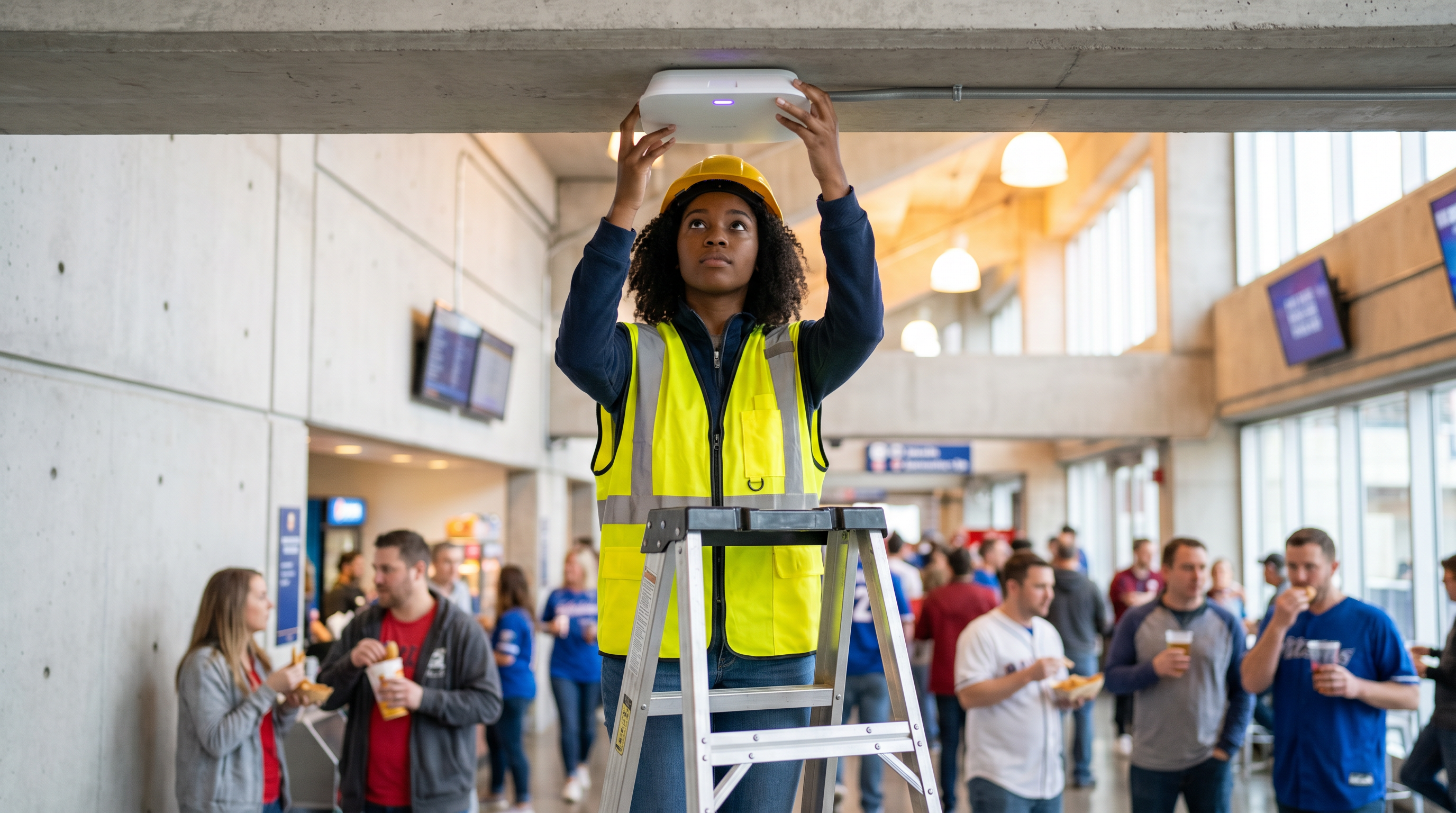
कार्यकारी सारांश
एंटरप्राइज़ वेन्यू के लिए — चाहे वे फैले हुए होटल कॉम्प्लेक्स हों, भारी भीड़-भाड़ वाले रिटेल वातावरण हों, या व्यस्त ट्रांसपोर्ट हब हों — WiFi एक महत्वपूर्ण परिचालन संपत्ति है। हालाँकि, वायरलेस संचार की खुली प्रकृति महत्वपूर्ण सुरक्षा कमजोरियों को पेश करती है, जिनमें सबसे उल्लेखनीय Rogue एक्सेस पॉइंट (Rogue AP) और ईविल ट्विन (evil twin) हमलों का खतरा है। एक Rogue AP एक अनधिकृत वायरलेस डिवाइस है जो बिना प्राधिकरण के कॉर्पोरेट नेटवर्क से जुड़ा होता है, जबकि एक ईविल ट्विन उपयोगकर्ता ट्रैफ़िक को इंटरसेप्ट करने और क्रेडेंशियल्स चुराने के लिए एक वैध SSID का रूप धारण करता है。
यह गाइड IT प्रबंधकों, नेटवर्क आर्किटेक्ट्स और वेन्यू संचालन निदेशकों के लिए इन खतरों का पता लगाने और उन्हें बेअसर करने के लिए वायरलेस इंट्रूज़न प्रिवेंशन सिस्टम (WIPS) तैनात करने पर एक व्यापक तकनीकी संदर्भ प्रदान करती है। मजबूत Rogue AP डिटेक्शन लागू करके, संगठन अपने नेटवर्क इंफ्रास्ट्रक्चर की सुरक्षा कर सकते हैं, उपयोगकर्ता डेटा की रक्षा कर सकते हैं, और PCI DSS, ISO 27001 और GDPR जैसे मानकों के साथ अनुपालन बनाए रख सकते हैं। हम डिटेक्शन के तरीकों, कानूनी जवाबी उपायों, और Guest WiFi तथा WiFi Analytics सहित व्यापक नेटवर्किंग और एनालिटिक्स प्लेटफ़ॉर्म के साथ रणनीतिक एकीकरण का पता लगाते हैं। ROI का मामला सम्मोहक है: एक सफल ईविल ट्विन हमला जिसके परिणामस्वरूप डेटा उल्लंघन होता है, वह ऐसे विनियामक जुर्माने उत्पन्न कर सकता है जो पूर्ण WIPS परिनियोजन की लागत से कहीं अधिक होते हैं।
तकनीकी डीप-डाइव
खतरे के परिदृश्य को समझना
सस्ते, आसानी से तैनात होने वाले वायरलेस हार्डवेयर के प्रसार ने WiFi-आधारित हमलों की बाधा को मौलिक रूप से कम कर दिया है। WiFi पाइनएप्पल (Pineapple) जैसे उपकरण — जो £100 से कम में उपलब्ध हैं — हमलावर को ऐसे SSID प्रसारित करने की अनुमति देते हैं जो Hotel_Guest_Free या Airport_WiFi जैसे वैध वेन्यू नेटवर्क की विश्वसनीय रूप से नकल करते हैं। जब किसी उपयोगकर्ता का डिवाइस स्वचालित रूप से इस मजबूत, नकली सिग्नल से जुड़ जाता है, तो हमलावर मैन-इन-द-मिडिल (MitM) स्थिति प्राप्त कर लेता है, जो क्रेडेंशियल्स, सेशन टोकन और ट्रांज़िट में संवेदनशील डेटा को इंटरसेप्ट करने में सक्षम होता है।
दो प्राथमिक खतरे की श्रेणियों के बीच अंतर करना आवश्यक है, क्योंकि उन्हें अलग-अलग डिटेक्शन और शमन रणनीतियों की आवश्यकता होती है:
| खतरे का प्रकार | परिभाषा | वेन्यू LAN से जुड़ा है? | प्राथमिक जोखिम | शमन विधि |
|---|---|---|---|---|
| Rogue AP | वायर्ड नेटवर्क से भौतिक रूप से जुड़ा एक अनधिकृत डिवाइस | हाँ | कॉर्पोरेट LAN बैकडोर, VLAN बायपास | SNMP के माध्यम से वायर्ड पोर्ट शटडाउन |
| ईविल ट्विन | उपयोगकर्ता ट्रैफ़िक को इंटरसेप्ट करने के लिए स्पूफ किए गए SSID को प्रसारित करने वाला AP | नहीं | क्रेडेंशियल चोरी, मेहमानों पर MitM हमला | लक्षित वायरलेस रोकथाम + भौतिक निष्कासन |
इन दो प्रकार के खतरों के बीच का अंतर केवल सैद्धांतिक नहीं है — यह आपकी प्रतिक्रिया रणनीति निर्धारित करने में सबसे महत्वपूर्ण कारक है। ईविल ट्विन को Rogue AP मानना (और स्विच पोर्ट खोजने में समय बर्बाद करना) या Rogue AP को ईविल ट्विन मानना (और पोर्ट शटडाउन के बजाय वायरलेस रोकथाम का प्रयास करना) दोनों ही परिचालन रूप से महंगी गलतियाँ हैं।
WIPS डिटेक्शन के तरीके
एंटरप्राइज़ WIPS समाधान अनधिकृत प्रसारण उपकरणों की पहचान करने के लिए बहु-स्तरीय दृष्टिकोण अपनाते हैं। प्रत्येक स्तर को समझने से नेटवर्क आर्किटेक्ट्स उचित संवेदनशीलता और सटीकता के साथ डिटेक्शन नीतियों को कॉन्फ़िगर कर सकते हैं।
1. MAC एड्रेस फ़िल्टरिंग और BSSID ट्रैकिंग। WIPS सेंसर लगातार RF वातावरण को स्कैन करते हैं, सभी बेसिक सर्विस सेट आइडेंटिफ़ायर (BSSIDs) को लॉग करते हैं। यदि कोई ज्ञात कॉर्पोरेट SSID किसी अपरिचित MAC एड्रेस द्वारा प्रसारित किया जाता है, तो तुरंत एक अलर्ट ट्रिगर हो जाता है। यह सबसे बुनियादी डिटेक्शन तंत्र है और ईविल ट्विन हमलों के खिलाफ रक्षा की पहली पंक्ति है।
2. सिग्नेचर-आधारित डिटेक्शन। उन्नत सिस्टम विसंगतियों के लिए बीकन फ्रेम और प्रोब रिस्पॉन्स का विश्लेषण करते हैं। एंटरप्राइज़ SSID प्रसारित करने वाला एक उपभोक्ता-ग्रेड राउटर अक्सर आपकी इन्वेंट्री में वैध एंटरप्राइज़ APs की तुलना में अलग-अलग समय विशेषताओं, अलग-अलग वेंडर-विशिष्ट सूचना तत्वों (IEs), या अलग-अलग समर्थित डेटा दरों को प्रदर्शित करता है। ये सिग्नेचर WIPS को स्पूफ किए गए नेटवर्क की पहचान करने की अनुमति देते हैं, भले ही हमलावर ने SSID और चैनल कॉन्फ़िगरेशन को सावधानीपूर्वक क्लोन किया हो।
3. वायर्ड/वायरलेस सहसंबंध (Correlation)। यह वह महत्वपूर्ण क्षमता है जो एंटरप्राइज़ WIPS को बुनियादी वायरलेस स्कैनिंग से अलग करती है। सिस्टम RF वातावरण में देखे गए MAC एड्रेस की तुलना वायर्ड नेटवर्क के स्विच CAM टेबल पर मौजूद MAC एड्रेस से करता है। यदि कोई डिवाइस बिना प्राधिकरण के एयरवेव्स और वायर्ड स्विच पोर्ट दोनों पर पाया जाता है, तो इसे एक महत्वपूर्ण Rogue AP के रूप में वर्गीकृत किया जाता है। यह सहसंबंध ही स्वचालित, लक्षित वायर्ड रोकथाम को सक्षम बनाता है।

एक अस्पताल नेटवर्क इंजीनियर WIPS डैशबोर्ड की निगरानी कर रहा है जो एक विशिष्ट वार्ड में स्थानीयकृत Rogue AP अलर्ट दिखा रहा है। फ़्लोरप्लान ओवरले त्वरित भौतिक हस्तक्षेप को सक्षम बनाता है।
WPA3 और PMF चुनौती
WPA3 की शुरूआत और प्रोटेक्टेड मैनेजमेंट फ्रेम्स (PMF, IEEE 802.11w में परिभाषित) के अनिवार्य प्रवर्तन ने WIPS रोकथाम परिदृश्य को काफी बदल दिया है। PMF मैनेजमेंट फ्रेम को एन्क्रिप्ट करता है — जिसमें डीऑथेंटिकेशन और डिसएसोसिएशन फ्रेम शामिल हैं — जो वह तंत्र है जिसका उपयोग पारंपरिक WIPS सिस्टम वायरलेस रोकथाम के लिए करते हैं। जैसे-जैसे एंटरप्राइज़ वातावरण में WPA3 को अपनाना बढ़ता है, वेन्यू को यह स्वीकार करना होगा कि वायरलेस डीऑथेंटिकेशन रोकथाम आधुनिक क्लाइंट्स के खिलाफ उत्तरोत्तर कम प्रभावी हो जाएगी।
यह WPA3 से बचने का कारण नहीं है — बल्कि इसके विपरीत है। PMF एक सुरक्षा सुधार है जो उपयोगकर्ताओं को डीऑथेंटिकेशन-आधारित हमलों से बचाता है। हालाँकि, इसके लिए एक रणनीतिक बदलाव की आवश्यकता है: व्यापक रक्षा मुद्रा बनाए रखने के लिए वेन्यू को वायर्ड रोकथाम, 802.1X ऑथेंटिकेशन, भौतिक हस्तक्षेप के लिए WIPS लोकेशन एनालिटिक्स, और उपयोगकर्ता शिक्षा पर अधिक निर्भरता रखनी चाहिए।
कार्यान्वयन गाइड
रणनीतिक सेंसर परिनियोजन (Deployment)
प्रभावी Rogue AP डिटेक्शन के लिए पूरे वेन्यू फ़ुटप्रिंट में व्यापक RF दृश्यता की आवश्यकता होती है। वेन्यू को समर्पित WIPS सेंसर या टाइमस्लाइसिंग मोड में मौजूदा APs का उपयोग करने के बीच निर्णय लेना चाहिए, जहाँ AP क्लाइंट्स को सेवा देने और वातावरण को स्कैन करने के बीच वैकल्पिक होता है।
| परिनियोजन मॉडल | इसके लिए सर्वोत्तम | लाभ | सीमाएँ |
|---|---|---|---|
| समर्पित सेंसर | हेल्थकेयर, वित्त, सरकार, उच्च-सुरक्षा रिटेल | निरंतर 24/7 स्कैनिंग, कोई क्लाइंट प्रभाव नहीं | उच्च CapEx, अतिरिक्त इंफ्रास्ट्रक्चर |
| टाइमस्लाइसिंग APs | हॉस्पिटैलिटी, सामान्य रिटेल, सम्मेलन वेन्यू | कम लागत, मौजूदा इंफ्रास्ट्रक्चर का लाभ उठाता है | सर्विसिंग विंडो के दौरान क्षणिक खतरों से चूक सकता है |
Healthcare सुविधाओं और वित्तीय संस्थानों के लिए, समर्पित सेंसर अनुशंसित दृष्टिकोण हैं। Hospitality और Retail परिनियोजन के लिए, टाइमस्लाइसिंग APs एक लागत-प्रभावी आधार रेखा प्रदान करते हैं जो अधिकांश अनुपालन आवश्यकताओं को पूरा करती है। Transport हब — हवाई अड्डे, रेलवे स्टेशन — आमतौर पर क्षणिक उपयोगकर्ताओं की उच्च मात्रा और उच्च जोखिम प्रोफ़ाइल को देखते हुए समर्पित सेंसर की वारंटी देते हैं।
कॉन्फ़िगरेशन चरण
निम्नलिखित क्रम एक नए WIPS परिनियोजन के लिए वेंडर-न्यूट्रल सर्वोत्तम अभ्यास का प्रतिनिधित्व करता है:
चरण 1 — वातावरण को बेसलाइन करें। किसी भी स्वचालित शमन को सक्षम करने से पहले, WIPS को 7–14 दिनों के लिए केवल-निगरानी (monitor-only) मोड में चलाएं। यह पड़ोसी नेटवर्क सहित वैध RF वातावरण की एक व्यापक बेसलाइन स्थापित करता है, और सौम्य उपकरणों के खिलाफ रोकथाम कार्यों को ट्रिगर करने से गलत सकारात्मक (false positives) को रोकता है।
चरण 2 — अधिकृत AP सूची को परिभाषित करें। WIPS को सभी स्वीकृत इंफ्रास्ट्रक्चर के MAC एड्रेस और अपेक्षित BSSIDs के साथ पॉप्युलेट करें। इस सूची को एक जीवंत दस्तावेज़ के रूप में बनाए रखा जाना चाहिए, जब भी APs जोड़े जाते हैं, बदले जाते हैं, या स्थानांतरित किए जाते हैं तो इसे अपडेट किया जाना चाहिए।
चरण 3 — अलर्टिंग थ्रेशोल्ड कॉन्फ़िगर करें। Rogue APs (वायर्ड कनेक्शन की पुष्टि) और इंटरफेयरिंग APs (कोई वायर्ड कनेक्शन नहीं) के लिए अलग-अलग नीतियां सेट करें। सिग्नल की शक्ति और संवेदनशील क्षेत्रों की निकटता के आधार पर अलर्ट को प्राथमिकता दें। -80 dBm से कमजोर अवर्गीकृत उपकरणों के लिए अलर्ट को दबाने के लिए RSSI थ्रेशोल्ड कॉन्फ़िगर करें, क्योंकि ये लगभग निश्चित रूप से वेन्यू की भौतिक परिधि के बाहर हैं।
चरण 4 — नेटवर्क एक्सेस कंट्रोल के साथ एकीकृत करें। सुनिश्चित करें कि WIPS पुष्टि किए गए Rogue उपकरणों से जुड़े स्विच पोर्ट को स्वचालित रूप से अक्षम करने के लिए SNMP या प्रबंधन API के माध्यम से वायर्ड इंफ्रास्ट्रक्चर के साथ संवाद कर सकता है। यह उपलब्ध सबसे प्रभावी और कानूनी रूप से स्पष्ट रोकथाम तंत्र है।
चरण 5 — लक्षित वायरलेस रोकथाम नीतियां सक्षम करें। ईविल ट्विन खतरों के लिए, केवल स्पूफ किए गए नेटवर्क के विशिष्ट BSSID और केवल इसके साथ जुड़ने का सक्रिय रूप से प्रयास करने वाले क्लाइंट्स को लक्षित करने के लिए वायरलेस रोकथाम कॉन्फ़िगर करें। यह सुनिश्चित करने के लिए रोकथाम के भौगोलिक दायरे का दस्तावेजीकरण करें कि यह वेन्यू की सीमाओं से बाहर न फैले।
चरण 6 — लोकेशन एनालिटिक्स को एकीकृत करें। Rogue डिवाइस की स्थिति के ट्राइएंगुलेशन को सक्षम करने के लिए WIPS अलर्ट डेटा को लोकेशन एनालिटिक्स क्षमताओं के साथ कनेक्ट करें — जैसा कि WiFi Analytics के माध्यम से उपलब्ध है। यह भौतिक सुरक्षा टीमों को उपकरणों को कुशलतापूर्वक खोजने और हटाने की अनुमति देता है।
सर्वोत्तम अभ्यास
कानूनी और नैतिक जवाबी उपाय
जब किसी Rogue AP या ईविल ट्विन का पता चलता है, तो तत्काल प्रवृत्ति इसे बेअसर करने की होती है। हालाँकि, अंधाधुंध वायरलेस रोकथाम विनियामक ढांचों का उल्लंघन कर सकती है — जिसमें यूके में Ofcom नियम और संयुक्त राज्य अमेरिका में FCC भाग 15 नियम शामिल हैं — यदि यह पड़ोसी वैध नेटवर्क को बाधित करता है। निम्नलिखित ढांचा कानूनी रूप से अनुपालन करने वाले जवाबी उपायों को नियंत्रित करता है:
> वायर्ड रोकथाम (Wired Containment) पुष्टि किए गए Rogue APs के लिए हमेशा पसंदीदा पहली प्रतिक्रिया है। SNMP के माध्यम से स्विच पोर्ट को अक्षम करना स्पष्ट रूप से वेन्यू ऑपरेटर के अधिकारों के भीतर है और इसमें कोई विनियामक जोखिम नहीं है।
> लक्षित वायरलेस रोकथाम (Targeted Wireless Containment) आपके उपयोगकर्ताओं पर सक्रिय रूप से हमला करने वाले ईविल ट्विन्स के लिए अनुमेय है, बशर्ते यह स्पूफ किए गए BSSID तक सटीक रूप से सीमित हो और पड़ोसी नेटवर्क को प्रभावित न करे। घनी आबादी वाले वातावरण में इस क्षमता को सक्षम करने से पहले कानूनी समीक्षा की सलाह दी जाती है।
अनुपालन एकीकरण
एक सुरक्षित वायरलेस वातावरण बनाए रखना कई अनुपालन ढांचों की मुख्य आवश्यकता है। व्यापक अनुपालन दस्तावेज़ीकरण के साथ WIPS रिपोर्टिंग को एकीकृत करने से मैन्युअल ऑडिट ओवरहेड काफी कम हो जाता है। अनुपालन आवश्यकताओं के विस्तृत विवरण के लिए, ISO 27001 Guest WiFi: A Compliance Primer पर हमारी गाइड देखें।
| मानक | प्रासंगिक आवश्यकता | WIPS योगदान |
|---|---|---|
| PCI DSS 4.0 | आवश्यकता 11.1: त्रैमासिक रूप से अनधिकृत वायरलेस APs के लिए परीक्षण करें | निरंतर स्वचालित स्कैनिंग त्रैमासिक आवश्यकता से अधिक है |
| ISO 27001 | A.8.20: नेटवर्क सुरक्षा नियंत्रण | WIPS प्रलेखित, ऑडिट योग्य वायरलेस सुरक्षा नियंत्रण प्रदान करता है |
| GDPR | अनुच्छेद 32: उचित तकनीकी सुरक्षा उपाय | WIPS सक्रिय डेटा सुरक्षा उपायों को प्रदर्शित करता है |
| Ofcom / FCC | लाइसेंस प्राप्त स्पेक्ट्रम के साथ हस्तक्षेप पर रोक | लक्षित रोकथाम नीतियां विनियामक अनुपालन सुनिश्चित करती हैं |
WIPS के साथ DNS-स्तरीय फ़िल्टरिंग तैनात करने वाले वेन्यू के लिए, DNS Filtering for Guest WiFi: Blocking Malware and Inappropriate Content पर गाइड पूरक कॉन्फ़िगरेशन मार्गदर्शन प्रदान करती है।

दो सुरक्षा विश्लेषक स्विच पोर्ट शटडाउन के माध्यम से एक वायर्ड रोकथाम कार्रवाई निष्पादित करते हैं, जो एक पुष्ट Rogue AP के लिए सबसे सुरक्षित और सबसे कानूनी रूप से स्पष्ट प्रतिक्रिया है।
समस्या निवारण और जोखिम शमन
गलत सकारात्मक (False Positives) का प्रबंधन
अलर्ट थकान (Alert fatigue) WIPS परिनियोजन में सबसे आम और सबसे हानिकारक विफलता मोड है। जब सुरक्षा टीमें गलत सकारात्मक अलर्ट से भर जाती हैं, तो वे सिस्टम को अनदेखा करना सीख जाती हैं — जो कि कोई WIPS न होने से भी बदतर है। निम्नलिखित शमन गलत सकारात्मक के प्राथमिक स्रोतों को संबोधित करते हैं:
सिग्नल स्ट्रेंथ थ्रेशोल्ड। -80 dBm से कमजोर RSSI वाले अवर्गीकृत APs के लिए अलर्ट को दबाने के लिए सिस्टम को कॉन्फ़िगर करें। इस सिग्नल स्तर पर डिवाइस लगभग निश्चित रूप से वेन्यू की भौतिक परिधि के बाहर हैं और कोई विश्वसनीय खतरा पैदा नहीं करते हैं।
SSID अलाउलिस्टिंग। बेसलाइन अवधि के दौरान पहचाने गए ज्ञात, सौम्य पड़ोसी नेटवर्क की एक अद्यतन सूची बनाए रखें। त्रैमासिक रूप से इस सूची की समीक्षा करें और अपडेट करें।
क्लाइंट कनेक्शन स्थिति प्राथमिकता। अलर्ट प्राथमिकता को केवल तभी बढ़ाने के लिए कॉन्फ़िगर करें जब कॉर्पोरेट क्लाइंट सक्रिय रूप से किसी अनधिकृत डिवाइस से जुड़ने का प्रयास कर रहे हों। बिना किसी संबद्ध क्लाइंट वाले Rogue AP की प्राथमिकता सक्रिय रूप से ट्रैफ़िक की सेवा करने वाले की तुलना में कम होती है।
वायर्ड सहसंबंध पुष्टि। स्वचालित रोकथाम को ट्रिगर करने से पहले, Rogue AP वर्गीकरण के लिए वायर्ड सहसंबंध पुष्टि की आवश्यकता होती है। यह केवल RF अवलोकनों के आधार पर स्वचालित पोर्ट शटडाउन को रोकता है।
सामान्य परिनियोजन कमियां
गलत सकारात्मक के अलावा, कई अन्य विफलता मोड आमतौर पर WIPS परिनियोजन को प्रभावित करते हैं:
अपूर्ण AP इन्वेंट्री। यदि अधिकृत AP सूची को बनाए नहीं रखा जाता है, तो वैध इंफ्रास्ट्रक्चर अपग्रेड Rogue AP अलर्ट ट्रिगर करेंगे। एक परिवर्तन प्रबंधन प्रक्रिया स्थापित करें जिसमें किसी भी वायरलेस इंफ्रास्ट्रक्चर परिवर्तन में अनिवार्य कदम के रूप में WIPS इन्वेंट्री अपडेट शामिल हो।
अपर्याप्त सेंसर कवरेज। RF डेड ज़ोन ऐसे ब्लाइंड स्पॉट बनाते हैं जहाँ Rogue डिवाइस बिना पता चले काम कर सकते हैं। कार पार्क, लोडिंग बे और इमारत से सटे बाहरी क्षेत्रों सहित पूरे वेन्यू फ़ुटप्रिंट में सेंसर कवरेज को सत्यापित करने के लिए परिनियोजन के बाद का RF सर्वेक्षण करें।
SNMP एकीकरण विफलताएं। स्वचालित वायर्ड रोकथाम WIPS और नेटवर्क स्विच के बीच विश्वसनीय SNMP संचार पर निर्भर करती है। इस एकीकरण का नियमित रूप से परीक्षण करें और यह सुनिश्चित करने के लिए इसे नेटवर्क मॉनिटरिंग में शामिल करें कि यह फ़र्मवेयर अपडेट या स्विच प्रतिस्थापन के बाद भी कार्यात्मक बना रहे।
ROI और व्यावसायिक प्रभाव
मजबूत Rogue AP डिटेक्शन में निवेश करना सुरक्षा स्वच्छता से परे है — यह वेन्यू की ब्रांड प्रतिष्ठा, परिचालन निरंतरता और विनियामक स्थिति की रक्षा करता है। व्यावसायिक मामला सीधा है:
विनियामक जोखिम में कमी। ईविल ट्विन हमले के परिणामस्वरूप होने वाले एक उल्लेखनीय GDPR उल्लंघन पर वैश्विक वार्षिक कारोबार का 4% तक जुर्माना लग सकता है। एक पूर्ण एंटरप्राइज़ WIPS परिनियोजन, जिसमें समर्पित सेंसर और मौजूदा इंफ्रास्ट्रक्चर के साथ एकीकरण शामिल है, आमतौर पर इस जोखिम के एक अंश की लागत पर आता है।
अनुपालन दक्षता। स्वचालित WIPS रिपोर्टिंग PCI DSS आवश्यकता 11.1 को पूरा करती है और ISO 27001 ऑडिट के लिए साक्ष्य प्रदान करती है, जिससे उन वेन्यू में त्रैमासिक वायरलेस सर्वेक्षणों से जुड़े मैन्युअल प्रयास में अनुमानित 60–80% की कमी आती है जो पहले मैन्युअल स्कैनिंग पर निर्भर थे।
परिचालन निरंतरता। कॉर्पोरेट LAN से जुड़े Rogue APs महत्वपूर्ण नेटवर्क अस्थिरता ला सकते हैं, खासकर यदि वे रूटिंग लूप या DHCP विरोध पैदा करते हैं। स्वचालित डिटेक्शन और रोकथाम इन घटनाओं के समाधान के औसत समय को घंटों से घटाकर मिनटों में कर देती है।
प्लेटफ़ॉर्म एकीकरण मूल्य। Wayfinding और Sensors जैसे प्लेटफ़ॉर्म के साथ WIPS डेटा को एकीकृत करने से वेन्यू के RF वातावरण की एक एकीकृत परिचालन तस्वीर बनती है। सुरक्षा अलर्ट को पैटर्न की पहचान करने के लिए फ़ुट ट्रैफ़िक डेटा के साथ सहसंबंधित किया जा सकता है — उदाहरण के लिए, ईविल ट्विन हमले जो लगातार चरम आगंतुक अवधि के दौरान होते हैं — प्रतिक्रियाशील के बजाय सक्रिय सुरक्षा प्रबंधन को सक्षम करते हैं।
वायरलेस सुरक्षा व्यापक नेटवर्क आर्किटेक्चर निर्णयों के साथ कैसे एकीकृत होती है, इस पर विचार करने वाले वेन्यू के लिए, लेख The Core SD WAN Benefits for Modern Businesses इस बात पर प्रासंगिक संदर्भ प्रदान करता है कि सॉफ़्टवेयर-परिभाषित नेटवर्किंग एक स्तरित वायरलेस सुरक्षा रणनीति को कैसे पूरक कर सकती है。
मुख्य परिभाषाएं
Rogue एक्सेस पॉइंट
एक अनधिकृत वायरलेस एक्सेस पॉइंट जिसे स्थानीय नेटवर्क व्यवस्थापक से स्पष्ट प्राधिकरण के बिना एक सुरक्षित नेटवर्क पर स्थापित किया गया है, जो आमतौर पर वेन्यू के वायर्ड LAN से जुड़ा होता है।
अक्सर बेहतर वायरलेस कवरेज चाहने वाले अच्छे इरादे वाले कर्मचारियों द्वारा तैनात, Rogue APs एंटरप्राइज़ सुरक्षा नियंत्रणों को बायपास करते हैं और कॉर्पोरेट LAN में एक अनियंत्रित बैकडोर बनाते हैं। वे वायर्ड रोकथाम नीतियों का प्राथमिक लक्ष्य हैं।
ईविल ट्विन हमला
एक कपटपूर्ण Wi-Fi एक्सेस पॉइंट जो उपयोगकर्ताओं को कनेक्ट करने के लिए धोखा देने के लिए एक वैध दिखने वाले SSID को प्रसारित करता है, जिससे हमलावर मैन-इन-द-मिडिल स्थिति के माध्यम से ट्रैफ़िक को इंटरसेप्ट करने और क्रेडेंशियल्स चुराने में सक्षम होता है।
ईविल ट्विन्स वेन्यू के वायर्ड नेटवर्क से स्वतंत्र रूप से काम करते हैं, जिससे वे पारंपरिक नेटवर्क मॉनिटरिंग के लिए अदृश्य हो जाते हैं। WIPS उनका पता लगाने के लिए प्राथमिक उपकरण है, और पूर्ण शमन के लिए अंततः भौतिक निष्कासन की आवश्यकता होती है।
WIPS (वायरलेस इंट्रूज़न प्रिवेंशन सिस्टम)
एक समर्पित नेटवर्क डिवाइस या एकीकृत सॉफ़्टवेयर समाधान जो अनधिकृत एक्सेस पॉइंट की उपस्थिति के लिए रेडियो स्पेक्ट्रम की निगरानी करता है और खतरों को बेअसर करने के लिए स्वचालित रूप से जवाबी कार्रवाई कर सकता है।
वेन्यू ऑपरेटरों के लिए RF सुरक्षा बनाए रखने और वायरलेस अनुपालन लागू करने का प्राथमिक उपकरण। WIPS समाधान समर्पित हार्डवेयर सेंसर से लेकर एंटरप्राइज़-ग्रेड एक्सेस पॉइंट में एकीकृत सॉफ़्टवेयर सुविधाओं तक होते हैं।
BSSID (बेसिक सर्विस सेट आइडेंटिफ़ायर)
वायरलेस एक्सेस पॉइंट के रेडियो इंटरफ़ेस का MAC एड्रेस, जिसका उपयोग RF वातावरण में एक विशिष्ट AP की विशिष्ट पहचान करने के लिए किया जाता है।
WIPS वैध एंटरप्राइज़ APs और स्पूफ किए गए नेटवर्क के बीच अंतर करने के लिए BSSIDs का उपयोग करता है। एक ईविल ट्विन एक वैध AP के समान SSID साझा करेगा लेकिन उसका एक अलग, अपरिचित BSSID होगा।
वायर्ड/वायरलेस सहसंबंध
यह निर्धारित करने के लिए कि क्या कोई Rogue वायरलेस डिवाइस कॉर्पोरेट LAN से जुड़ा है, RF वातावरण में देखे गए MAC एड्रेस की तुलना वायर्ड नेटवर्क के स्विच CAM टेबल पर मौजूद MAC एड्रेस से करने की प्रक्रिया।
खतरे के वर्गीकरण के लिए यह सबसे महत्वपूर्ण WIPS क्षमता है। यह निर्धारित करता है कि क्या पाया गया डिवाइस एक सच्चा Rogue AP (वायर्ड) है या एक बाहरी ईविल ट्विन (केवल वायरलेस), जो बदले में उचित रोकथाम रणनीति निर्धारित करता है।
प्रोटेक्टेड मैनेजमेंट फ्रेम्स (PMF)
एक IEEE 802.11w मानक, जो WPA3 में अनिवार्य है, जो डीऑथेंटिकेशन और डिसएसोसिएशन फ्रेम सहित वायरलेस मैनेजमेंट फ्रेम के लिए क्रिप्टोग्राफ़िक सुरक्षा प्रदान करता है।
PMF उपयोगकर्ताओं को डीऑथेंटिकेशन-आधारित हमलों से बचाता है लेकिन WIPS को WPA3 क्लाइंट्स के खिलाफ पारंपरिक वायरलेस रोकथाम का उपयोग करने से भी रोकता है। WPA3 में माइग्रेट करने वाले वेन्यू को तदनुसार अपनी रोकथाम रणनीतियों को अपडेट करना चाहिए।
डीऑथेंटिकेशन फ्रेम
IEEE 802.11 प्रोटोकॉल में एक प्रकार का मैनेजमेंट फ्रेम जिसका उपयोग क्लाइंट और एक्सेस पॉइंट के बीच कनेक्शन को समाप्त करने के लिए किया जाता है।
क्लाइंट एसोसिएशन को प्रबंधित करने के लिए नेटवर्क द्वारा वैध रूप से उपयोग किया जाता है, और वायरलेस रोकथाम के लिए WIPS द्वारा। हमलावरों द्वारा क्लाइंट्स को वैध APs से डिस्कनेक्ट करने और ईविल ट्विन पर रोम करने के लिए मजबूर करने के लिए भी इसे हथियार बनाया जाता है। PMF इन फ्रेमों को WPA3 क्लाइंट्स के खिलाफ हमले या रोकथाम वेक्टर के रूप में अप्रभावी बना देता है।
टाइमस्लाइसिंग
एक WIPS परिनियोजन विधि जहाँ एक एक्सेस पॉइंट क्लाइंट ट्रैफ़िक की सेवा करने और खतरों के लिए RF वातावरण को स्कैन करने के बीच वैकल्पिक होता है, दोनों कार्यों के लिए समान रेडियो हार्डवेयर का उपयोग करता है।
समर्पित सेंसर का एक लागत-प्रभावी विकल्प, जो सामान्य हॉस्पिटैलिटी और रिटेल वातावरण के लिए उपयुक्त है। ट्रेड-ऑफ़ यह है कि AP की क्लाइंट-सर्विंग विंडो के दौरान होने वाले खतरों का पता देरी से लग सकता है।
CAM टेबल (कंटेंट एड्रेसेबल मेमोरी)
नेटवर्क स्विच द्वारा बनाए रखी गई एक तालिका जो MAC एड्रेस को उन भौतिक स्विच पोर्ट पर मैप करती है जिन पर वे डिवाइस देखे गए हैं।
WIPS सिस्टम वायर्ड/वायरलेस सहसंबंध के हिस्से के रूप में स्विच CAM टेबल को क्वेरी करते हैं ताकि यह निर्धारित किया जा सके कि RF वातावरण में देखा गया डिवाइस वायर्ड नेटवर्क से भी जुड़ा है या नहीं।
RSSI (रिसीव्ड सिग्नल स्ट्रेंथ इंडिकेटर)
प्राप्त रेडियो सिग्नल के पावर स्तर का माप, जिसे डेसिबल प्रति मिलीवाट (dBm) में व्यक्त किया जाता है। अधिक नकारात्मक मान कमजोर सिग्नल का संकेत देते हैं।
WIPS दूर के, कम जोखिम वाले उपकरणों को फ़िल्टर करने और वेन्यू के भीतर Rogue उपकरणों के भौतिक स्थान को ट्राइएंगुलेट करने के लिए RSSI थ्रेशोल्ड का उपयोग करता है। वेन्यू परिधि के बाहर के उपकरणों से अलर्ट को दबाने के लिए आमतौर पर -80 dBm के थ्रेशोल्ड का उपयोग किया जाता है।
हल किए गए उदाहरण
घनी आबादी वाले शहरी क्षेत्र में एक 500 कमरों वाले रिसॉर्ट होटल को उन मेहमानों से रिपोर्ट मिल रही है जिन्हें 'Resort_Guest_Free' नामक नेटवर्क पर क्रेडेंशियल्स के लिए प्रेरित किया जा रहा है, जो आधिकारिक Captive Portal अनुभव से थोड़ा अलग है। होटल के IT संचालन निदेशक को ईविल ट्विन हमले का संदेह है। जांच और शमन कैसे किया जाना चाहिए?
चरण 1 — खतरे का सत्यापन। IT निदेशक WIPS प्रबंधन कंसोल तक पहुंचता है और लॉबी ज़ोन के लिए हाल के RF अलर्ट की समीक्षा करता है। सिस्टम ने लगभग -60 dBm के मजबूत सिग्नल के साथ 'Resort_Guest_Free' SSID प्रसारित करने वाले एक अनधिकृत BSSID को फ़्लैग किया है, जो इमारत की परिधि के भीतर है。
चरण 2 — खतरे का वर्गीकरण। WIPS वायर्ड/वायरलेस सहसंबंध करता है, वायर्ड नेटवर्क के स्विच CAM टेबल के विरुद्ध फ़्लैग किए गए BSSID की तुलना करता है। डिवाइस के होटल के LAN पर मौजूद नहीं होने की पुष्टि की जाती है। यह खतरे को Rogue AP के बजाय ईविल ट्विन के रूप में वर्गीकृत करता है, जो प्रतिक्रिया रणनीति निर्धारित करता है。
चरण 3 — तत्काल उपयोगकर्ता सुरक्षा। IT निदेशक लक्षित वायरलेस रोकथाम को सक्षम करता है, WIPS को विशेष रूप से स्पूफ किए गए BSSID और इसके साथ जुड़ने का सक्रिय रूप से प्रयास करने वाले किसी भी क्लाइंट को डीऑथेंटिकेशन फ्रेम भेजने का निर्देश देता है। यह मेहमानों को दुर्भावनापूर्ण नेटवर्क से जुड़ने से बचाता है जबकि भौतिक खतरे का पता लगाया जाता है。
चरण 4 — भौतिक स्थान और निष्कासन। WIPS लोकेशन एनालिटिक्स का उपयोग करके — लॉबी में कई एक्सेस पॉइंट से सिग्नल स्ट्रेंथ रीडिंग को ट्राइएंगुलेट करके — सिस्टम मुख्य प्रवेश द्वार के पास एक विशिष्ट बैठने के क्लस्टर में डिवाइस की स्थिति का अनुमान लगाता है। IT निदेशक भौतिक सुरक्षा के साथ समन्वय करता है, जो लॉबी की कुर्सी के नीचे एक बैग में छिपे WiFi पाइनएप्पल डिवाइस की पहचान करते हैं और उसे जब्त कर लेते हैं。
चरण 5 — घटना के बाद की समीक्षा। घटना का दस्तावेजीकरण किया जाता है, वायरलेस रोकथाम अक्षम कर दी जाती है, और IT टीम समीक्षा करती है कि क्या कोई मेहमान सफलतापूर्वक ईविल ट्विन से जुड़ा था। संभावित कानून प्रवर्तन रेफरल के लिए WIPS लॉग सुरक्षित रखे जाते हैं।
200 स्टोर वाली एक बड़ी रिटेल चेन PCI DSS 4.0 ऑडिट की तैयारी कर रही है। नेटवर्क आर्किटेक्ट को यह सुनिश्चित करने की आवश्यकता है कि पॉइंट-ऑफ़-सेल (PoS) VLAN से जुड़े अनधिकृत एक्सेस पॉइंट का स्वचालित रूप से पता लगाया जाए और उन्हें बेअसर किया जाए, और इस निगरानी के साक्ष्य ऑडिटर्स के लिए उपलब्ध हों। कौन से कॉन्फ़िगरेशन और एकीकरण चरण आवश्यक हैं?
चरण 1 — सेंसर परिनियोजन रणनीति। PoS वातावरण की उच्च-सुरक्षा आवश्यकता को देखते हुए, आर्किटेक्ट टाइमस्लाइसिंग APs पर निर्भर रहने के बजाय प्रत्येक स्टोर में समर्पित WIPS सेंसर तैनात करता है। यह पीक ट्रेडिंग घंटों के दौरान PoS नेटवर्क पर किसी भी प्रदर्शन प्रभाव के बिना निरंतर 24/7 निगरानी सुनिश्चित करता है。
चरण 2 — VLAN-अवेयर वायर्ड सहसंबंध। WIPS को SNMP के माध्यम से स्टोर नेटवर्क स्विच के साथ एकीकृत किया गया है। महत्वपूर्ण रूप से, सहसंबंध नीति को विशेष रूप से PoS VLAN को सौंपे गए स्विच पोर्ट पर पाए गए किसी भी अनधिकृत डिवाइस को फ़्लैग करने के लिए कॉन्फ़िगर किया गया है, न कि केवल सामान्य नेटवर्क पर。
चरण 3 — स्वचालित शमन नीति। एक सख्त स्वचालित प्रतिक्रिया नीति बनाई गई है: यदि कोई अनधिकृत MAC एड्रेस वायरलेस सिग्नल प्रसारित करता हुआ पाया जाता है और साथ ही PoS VLAN को सौंपे गए स्विच पोर्ट पर पाया जाता है, तो WIPS डिटेक्शन के 60 सेकंड के भीतर स्वचालित रूप से एक SNMP 'पोर्ट एडमिनिस्ट्रेटिवली डाउन' कमांड जारी करता है。
चरण 4 — अलर्ट एस्केलेशन। स्वचालित पोर्ट शटडाउन क्षेत्रीय IT प्रबंधक और केंद्रीय सुरक्षा संचालन टीम को एक तत्काल अलर्ट ट्रिगर करता है, जिसमें पूर्ण ईवेंट लॉग संलग्न होते हैं。
चरण 5 — अनुपालन रिपोर्टिंग। सभी पहचाने गए Rogue APs, की गई स्वचालित कार्रवाइयों और वर्तमान अधिकृत AP इन्वेंट्री के त्रैमासिक सारांश उत्पन्न करने के लिए शेड्यूल्ड रिपोर्ट कॉन्फ़िगर की गई हैं। इन रिपोर्टों को सीधे PCI DSS आवश्यकता 11.1 को संबोधित करने के लिए स्वरूपित किया गया है और अनुपालन प्रबंधन सिस्टम में संग्रहीत किया गया है।
अभ्यास प्रश्न
Q1. आप एक व्यस्त अंतरराष्ट्रीय हवाई अड्डे के लिए WiFi इंफ्रास्ट्रक्चर का प्रबंधन कर रहे हैं। WIPS आपको 'Airport_Free_WiFi' — आपका वैध SSID — प्रसारित करने वाले एक डिवाइस के प्रति सचेत करता है जिसका MAC एड्रेस आपकी अधिकृत AP इन्वेंट्री में मौजूद नहीं है। वायर्ड/वायरलेस सहसंबंध पुष्टि करता है कि डिवाइस आपके वायर्ड नेटवर्क पर नहीं है। सिग्नल की शक्ति -58 dBm है, जो दर्शाता है कि डिवाइस टर्मिनल भवन के अंदर है। आपकी तत्काल प्रतिक्रिया क्या है, और इसके बाद कौन से कदम उठाए जाएंगे?
संकेत: अपने LAN पर एक Rogue AP और एक बाहरी ईविल ट्विन के बीच के अंतर, घनी आबादी वाले सार्वजनिक स्थान में वायरलेस रोकथाम के कानूनी निहितार्थ, और प्रतिक्रिया में भौतिक सुरक्षा की भूमिका पर विचार करें।
मॉडल उत्तर देखें
यह एक पुष्ट ईविल ट्विन हमला है। चूंकि डिवाइस वायर्ड नेटवर्क पर नहीं है, इसलिए स्विच पोर्ट शटडाउन लागू नहीं होता है। तत्काल प्रतिक्रिया लक्षित वायरलेस रोकथाम को सक्षम करना है — केवल स्पूफ किए गए BSSID के साथ जुड़ने का सक्रिय रूप से प्रयास करने वाले क्लाइंट्स को डीऑथेंटिकेट करना — ताकि भौतिक खतरे का पता चलने तक उपयोगकर्ताओं की सुरक्षा की जा सके। इसके साथ ही, टर्मिनल के भीतर डिवाइस की स्थिति को ट्राइएंगुलेट करने के लिए WIPS लोकेशन एनालिटिक्स को सक्रिय करें। पहचाने गए स्थान पर कर्मियों को भेजने के लिए हवाई अड्डे की सुरक्षा के साथ समन्वय करें। घटना का पूरी तरह से दस्तावेजीकरण करें और संभावित कानून प्रवर्तन रेफरल के लिए WIPS लॉग सुरक्षित रखें। व्यापक वायरलेस रोकथाम को सक्षम न करें जो पड़ोसी वैध नेटवर्क या एयरलाइन सिस्टम को प्रभावित कर सकता है।
Q2. एक कॉर्पोरेट कार्यालय भवन में नया तैनात WIPS प्रति दिन 200 से अधिक अलर्ट उत्पन्न कर रहा है, जिनमें से अधिकांश आसन्न कॉफी शॉप और पड़ोसी कार्यालयों में मोबाइल हॉटस्पॉट और उपभोक्ता APs से हैं। सुरक्षा टीम ने अलर्ट को पूरी तरह से अनदेखा करना शुरू कर दिया है। परिचालन प्रभावशीलता को बहाल करने के लिए नेटवर्क आर्किटेक्ट को सिस्टम को कैसे पुन: कॉन्फ़िगर करना चाहिए?
संकेत: सिग्नल स्ट्रेंथ थ्रेशोल्ड, SSID अलाउलिस्टिंग, और क्लाइंट कनेक्शन स्थिति और वायर्ड सहसंबंध के आधार पर अलर्ट को प्राथमिकता देने के महत्व पर विचार करें।
मॉडल उत्तर देखें
प्राथमिक सुधार -80 dBm का RSSI थ्रेशोल्ड कॉन्फ़िगर करना है, जो इस स्तर से नीचे के सभी अवर्गीकृत उपकरणों के लिए अलर्ट को दबा देता है। यह तुरंत पड़ोसी कॉफी शॉप और कार्यालयों से अधिकांश अलर्ट को समाप्त कर देगा। इसके अतिरिक्त, बेसलाइन अवधि के दौरान पहचाने गए ज्ञात सौम्य पड़ोसी नेटवर्क की एक SSID अलाउलिस्ट बनाएं। अलर्ट प्राथमिकता को कॉन्फ़िगर करें ताकि केवल पुष्टि किए गए वायर्ड कनेक्शन वाले डिवाइस या सक्रिय रूप से जुड़ने वाले कॉर्पोरेट क्लाइंट वाले डिवाइस ही सुरक्षा टीम तक बढ़ाए जाएं। शेष अलर्ट की वास्तविक समय के बजाय साप्ताहिक समीक्षा की जानी चाहिए। ये परिवर्तन वास्तविक खतरों का पता लगाने को संरक्षित करते हुए अलर्ट की मात्रा को अनुमानित 80–90% तक कम कर देंगे।
Q3. एक नेटवर्क अपग्रेड के दौरान, आपका संगठन 300 कमरों वाले होटल की संपत्ति में सभी कॉर्पोरेट SSIDs के लिए WPA3 अनिवार्य करता है। एक जूनियर नेटवर्क इंजीनियर पूछता है कि क्या मौजूदा WIPS वायरलेस रोकथाम नीतियां WPA3 क्लाइंट्स को लक्षित करने वाले ईविल ट्विन हमलों के खिलाफ प्रभावी रहेंगी। आप कैसे प्रतिक्रिया देते हैं, और आप किन वास्तुशिल्प परिवर्तनों की अनुशंसा करते हैं?
संकेत: डीऑथेंटिकेशन-आधारित रोकथाम पर IEEE 802.11w (प्रोटेक्टेड मैनेजमेंट फ्रेम्स) के प्रभाव को याद करें, और विचार करें कि कौन सी वैकल्पिक शमन रणनीतियां उपलब्ध हैं।
मॉडल उत्तर देखें
पारंपरिक वायरलेस रोकथाम क्लाइंट्स को Rogue BSSID से डिस्कनेक्ट करने के लिए WIPS द्वारा डीऑथेंटिकेशन फ्रेम को स्पूफ करने पर निर्भर करती है। WPA3 प्रोटेक्टेड मैनेजमेंट फ्रेम्स (PMF / 802.11w) को अनिवार्य करता है, जो इन फ्रेमों को क्रिप्टोग्राफ़िक रूप से सुरक्षित करते हैं। एक WIPS PMF-संरक्षित डीऑथ फ्रेम को स्पूफ नहीं कर सकता है, इसलिए वायरलेस रोकथाम WPA3 क्लाइंट्स के खिलाफ अप्रभावी होगी। संगठन को अपनी रोकथाम रणनीति को तीन तरीकों से अपडेट करना चाहिए: पहला, ईविल ट्विन उपकरणों को तेजी से भौतिक रूप से हटाने में सक्षम करने के लिए WIPS लोकेशन एनालिटिक्स में निवेश करें; दूसरा, कॉर्पोरेट SSIDs पर 802.1X ऑथेंटिकेशन लागू करें ताकि यदि कोई क्लाइंट ईविल ट्विन से जुड़ भी जाए, तो वह वैध क्रेडेंशियल्स के बिना प्रमाणित न हो सके; तीसरा, सुनिश्चित करें कि वायर्ड रोकथाम क्षमता मजबूत और परीक्षित है, क्योंकि यह WPA3 को अपनाने की परवाह किए बिना सच्चे Rogue APs के खिलाफ पूरी तरह से प्रभावी बनी हुई है।
Q4. एक सम्मेलन केंद्र प्रति वर्ष 50 कार्यक्रमों की मेजबानी करता है, जिनमें से प्रत्येक में एक अलग आयोजक अस्थायी WiFi इंफ्रास्ट्रक्चर तैनात करता है। वेन्यू के IT प्रबंधक को यह सुनिश्चित करने की आवश्यकता है कि आयोजक द्वारा तैनात APs वेन्यू के कोर नेटवर्क पर सुरक्षा जोखिम पैदा न करें। कौन सी WIPS नीति और परिचालन प्रक्रिया लागू की जानी चाहिए?
संकेत: सुरक्षा बनाए रखते हुए वैध अस्थायी इंफ्रास्ट्रक्चर को कैसे समायोजित किया जाए, और एक गतिशील वातावरण के लिए अधिकृत AP सूची का प्रबंधन कैसे किया जाना चाहिए, इस पर विचार करें।
मॉडल उत्तर देखें
IT प्रबंधक को एक ईवेंट-आधारित AP पंजीकरण प्रक्रिया लागू करनी चाहिए: प्रत्येक आयोजक को ईवेंट से पहले अपने अस्थायी APs के MAC एड्रेस जमा करने होंगे, और इन्हें ईवेंट की अवधि के लिए WIPS अधिकृत सूची में जोड़ा जाता है और उसके तुरंत बाद हटा दिया जाता है। WIPS नीति को वेन्यू के वायर्ड नेटवर्क पर किसी भी अपंजीकृत AP को एक महत्वपूर्ण Rogue AP के रूप में मानने के लिए कॉन्फ़िगर किया जाना चाहिए, जो स्वचालित पोर्ट शटडाउन को ट्रिगर करता है। आयोजक APs को वेन्यू के कोर नेटवर्क तक पहुंच के बिना एक समर्पित, पृथक VLAN पर प्रावधानित किया जाना चाहिए, ताकि यदि कोई आयोजक अपंजीकृत AP तैनात करता है, तो भी ब्लास्ट रेडियस सीमित रहे। ईवेंट के बाद, एक WIPS स्कैन को यह पुष्टि करनी चाहिए कि सभी अस्थायी APs हटा दिए गए हैं और अधिकृत सूची को अपडेट कर दिया गया है।
इस श्रृंखला में आगे पढ़ें
Wi-Fi सुरक्षा का भविष्य: AI-संचालित NAC और थ्रेट डिटेक्शन
यह आधिकारिक गाइड पुरानी WPA2 से AI-संचालित नेटवर्क एक्सेस कंट्रोल (NAC) और थ्रेट डिटेक्शन तक एंटरप्राइज़ Wi-Fi सुरक्षा के विकास की पड़ताल करती है। IT लीडर्स के लिए डिज़ाइन की गई, यह Purple के पहचान-आधारित नेटवर्क का उपयोग करके रिटेल, हॉस्पिटैलिटी और स्टेडियम जैसे उच्च-घनत्व वाले वातावरण को सुरक्षित करने के लिए कार्रवाई योग्य परिनियोजन (deployment) रणनीतियां प्रदान करती है।
NAC और MPSK के साथ IoT डिवाइस सुरक्षा का प्रबंधन
यह तकनीकी मार्गदर्शिका विस्तार से बताती है कि एंटरप्राइज़ स्थान मल्टीपल प्री-शेयर्ड की (MPSK) आर्किटेक्चर और नेटवर्क एक्सेस कंट्रोल (NAC) का उपयोग करके हेडलेस IoT डिवाइसों को कैसे सुरक्षित कर सकते हैं। यह स्केलेबिलिटी से समझौता किए बिना माइक्रो-सेगमेंटेशन प्राप्त करने, सुरक्षा ब्लास्ट रेडियस को सीमित करने और अनुपालन बनाए रखने के लिए कार्रवाई योग्य कार्यान्वयन चरण प्रदान करता है।
RadSec: RADIUS over TLS कैसे WiFi ऑथेंटिकेशन सिक्योरिटी को बेहतर बनाता है
यह आधिकारिक तकनीकी संदर्भ बताता है कि कैसे RadSec (RFC 6614) पारंपरिक RADIUS ट्रैफ़िक को TLS एन्क्रिप्शन में रैप करके एंटरप्राइज़ WiFi ऑथेंटिकेशन को सुरक्षित करता है। IT प्रबंधकों और नेटवर्क आर्किटेक्ट्स के लिए डिज़ाइन किया गया, यह कॉर्पोरेट और गेस्ट नेटवर्क पर अनएन्क्रिप्टेड UDP RADIUS ट्रैफ़िक के जोखिमों को कम करने के लिए आर्किटेक्चर, डिप्लॉयमेंट रणनीतियों और व्यावहारिक कदमों को कवर करता है।