
কীভাবে WiFi ব্যবহার করে রিটেল গ্রাহকদের একটি ব্যক্তিগতকৃত অভিজ্ঞতা প্রদান করবেন
এই প্রযুক্তিগত রেফারেন্স নির্দেশিকাটি রূপরেখা দেয় কীভাবে রিটেল IT এবং অপারেশনস টিমগুলি ব্যক্তিগতকৃত, লোকেশন-অ্যাওয়ার গ্রাহক অভিজ্ঞতা প্রদানের জন্য বিদ্যমান গেস্ট WiFi ইনফ্রাস্ট্রাকচারকে কাজে লাগাতে পারে। এটি আর্কিটেকচার, ডেটা ক্যাপচার, CRM ইন্টিগ্রেশন এবং কমপ্লায়েন্স কভার করে, যা দেখায় কীভাবে বেনামী ফুটফলকে অ্যাকশনেবল ফার্স্ট-পার্টি ডেটাতে রূপান্তর করা যায়।
এই গাইডটি শুনুন
পডকাস্ট ট্রান্সক্রিপ্ট দেখুন
📚 আমাদের মূল সিরিজের অংশ: WiFi Analytics Guide →
কার্যনির্বাহী সারসংক্ষেপ
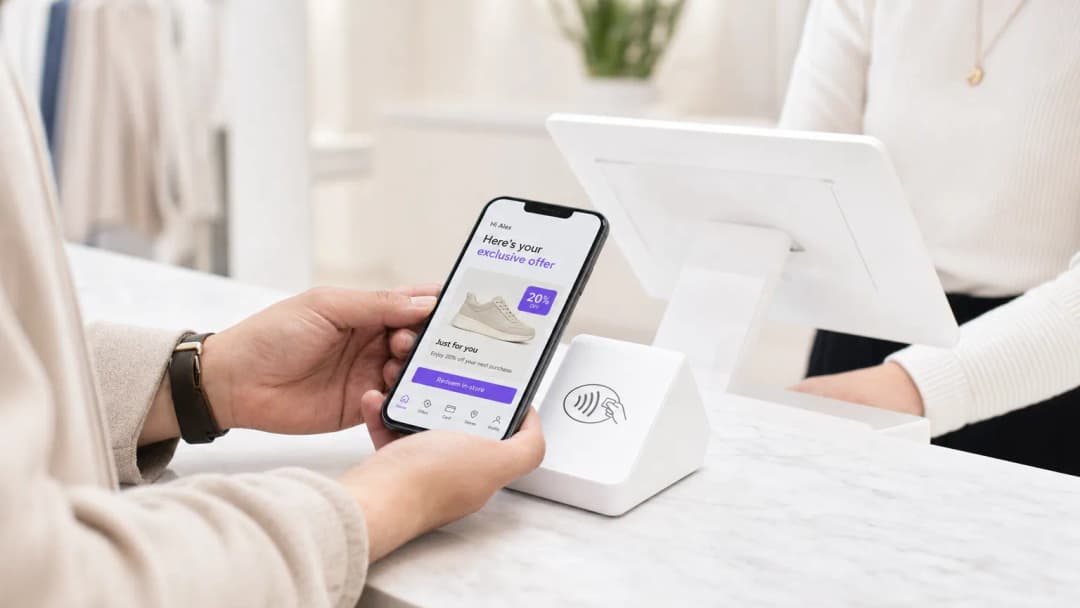
IT ম্যানেজার এবং ভেন্যু অপারেশনস ডিরেক্টরদের জন্য, গ্রাহকদের ব্যক্তিগতকৃত অভিজ্ঞতা প্রদানের নির্দেশটি প্রায়শই জটিল, মাল্টি-ভেন্ডর ইন্টিগ্রেশন প্রজেক্টে পরিণত হয়। তবে, ইন-স্টোর ব্যক্তিগতকরণের সবচেয়ে কার্যকর ভিত্তিটি সম্ভবত আপনার সিলিং টাইলের মধ্যেই ইতিমধ্যে স্থাপন করা রয়েছে: আপনার এন্টারপ্রাইজ গেস্ট WiFi নেটওয়ার্ক।
বিদ্যমান হার্ডওয়্যারের (যেমন Cisco Meraki, Aruba, বা Ruckus) ওপর একটি অত্যাধুনিক অ্যানালিটিক্স এবং অথেন্টিকেশন প্ল্যাটফর্ম লেয়ার যুক্ত করে, রিটেল ব্যবসায়ীরা একটি মৌলিক কানেক্টিভিটি সুবিধাকে ফার্স্ট-পার্টি ডেটা সংগ্রহের একটি শক্তিশালী ইঞ্জিনে রূপান্তর করতে পারেন। এই নির্দেশিকাটি কীভাবে একটি WiFi-চালিত ব্যক্তিগতকরণ কৌশল তৈরি, স্থাপন এবং স্কেল করবেন তা বিস্তারিতভাবে আলোচনা করে। আমরা ক্যাপটিভ পোর্টাল (Captive Portal)-এর মাধ্যমে আইডেন্টিটি রেজোলিউশনের মেকানিক্স, CRM সিস্টেমে ড্বেল টাইম (dwell time) এবং স্পেশাল অ্যানালিটিক্সের একীকরণ এবং প্রাসঙ্গিক অফারগুলির স্বয়ংক্রিয় ট্রিগারিং অন্বেষণ করব—সবকিছুই GDPR এবং PCI-DSS মানদণ্ড কঠোরভাবে মেনে চলে।
আপনি একটি একক ফ্ল্যাগশিপ স্টোর পরিচালনা করুন বা একটি বিশাল রিটেল এস্টেট, লক্ষ্য একই থাকে: বেনামী ফুটফলকে পরিচিত, যোগাযোগযোগ্য গ্রাহকদের মধ্যে রূপান্তর করা, যা মার্কেটিং টিমকে সঠিক মুহূর্তে সঠিক বার্তা দেওয়ার ক্ষমতা প্রদান করে।
প্রযুক্তিগত গভীর বিশ্লেষণ (Technical Deep-Dive)
আর্কিটেকচার এবং ডেটা ফ্লো
WiFi Analytics -এর ভিত্তি একটি শক্তিশালী আর্কেটেকচারের ওপর নির্ভর করে যা গ্রাহকদের ডেটা নিরাপদে সংগ্রহ এবং প্রক্রিয়া করে। একটি সাধারণ ডেপ্লয়মেন্ট মডেলে ক্লাউড বা অন-প্রিমিসেস কন্ট্রোলারের কাছে রিপোর্ট করা থিন অ্যাক্সেস পয়েন্ট (APs) অন্তর্ভুক্ত থাকে। অ্যানালিটিক্স প্ল্যাটফর্ম API বা Syslog ফিডের মাধ্যমে এই কন্ট্রোলার থেকে ডেটা গ্রহণ করে।
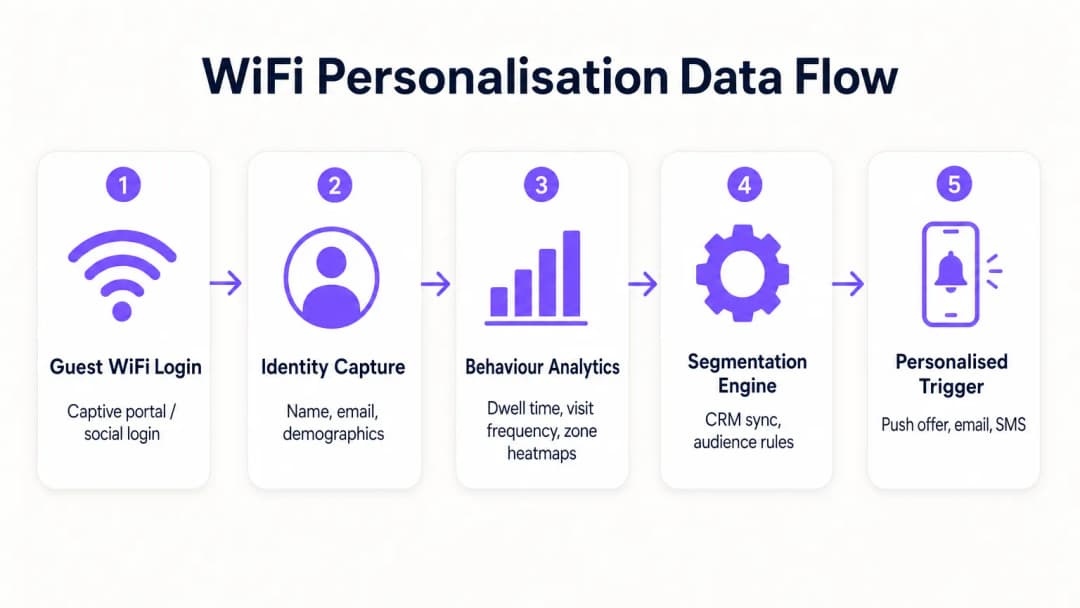
- প্রোব রিকোয়েস্ট এবং অ্যাসোসিয়েশন: অথেন্টিকেশনের আগেও, AP-গুলি মোবাইল ডিভাইস থেকে প্রোব রিকোয়েস্ট সনাক্ত করে, MAC অ্যাড্রেস এবং সিগন্যাল স্ট্রেন্থ (RSSI) সংগ্রহ করে। এটি বেসলাইন ফুটফল এবং জোন ডেটা প্রদান করে।
- অথেন্টিকেশন (ক্যাপটিভ পোর্টাল): যখন কোনো ব্যবহারকারী Guest WiFi SSID-এর সাথে সংযুক্ত হন, তখন তাদের ক্যাপটিভ পোর্টাল-এ রিডাইরেক্ট করা হয়। এটি আইডেন্টিটি সংগ্রহের একটি গুরুত্বপূর্ণ ধাপ। ইমেল, সোশ্যাল মিডিয়া বা SMS-এর মাধ্যমে অথেন্টিকেশনের সুযোগ দিয়ে, সিস্টেমটি পূর্বের বেনামী MAC অ্যাড্রেসকে একটি যাচাইকৃত পরিচয়ের সাথে যুক্ত করে।
- অ্যানালিটিক্স ইঞ্জিন: প্ল্যাটফর্মটি রিয়েল-টাইম লোকেশন ডেটা (ট্রাইলেটারেশন বা RSSI হিটম্যাপিংয়ের মাধ্যমে পরিমাপ করা) যাচাইকৃত পরিচয়ের সাথে যুক্ত করে, ড্বেল টাইম, ভিজিটের ফ্রিকোয়েন্সি এবং জোনের পছন্দের একটি সামগ্রিক প্রোফাইল তৈরি করে।
- ইন্টিগ্রেশন লেয়ার: ওয়েবহুক বা REST API এই সমৃদ্ধ প্রোফাইল ডেটা বাহ্যিক সিস্টেমে (CRM, মার্কেটিং অটোমেশন, লয়্যালটি প্ল্যাটফর্ম) পাঠায়।
আইডেন্টিটি রেজোলিউশন এবং MAC র্যান্ডমাইজেশন
আধুনিক মোবাইল অপারেটিং সিস্টেম (iOS 14+, Android 10+) ক্রমাগত ট্র্যাকিং এড়াতে MAC অ্যাড্রেস র্যান্ডমাইজেশন প্রয়োগ করে। এর ফলে দীর্ঘমেয়াদী অ্যানালিটিক্সের জন্য শুধুমাত্র MAC অ্যাড্রেসের ওপর নির্ভর করা অপ্রচলিত হয়ে পড়েছে। এর সমাধান হলো প্রোফাইল-ভিত্তিক অথেন্টিকেশন। একবার ব্যবহারকারী ক্যাপটিভ পোর্টাল-এর মাধ্যমে অথেন্টিকেট করলে, তাদের ইমেল বা ফোন নম্বর একটি স্থায়ী আইডেন্টিফায়ার হয়ে যায়। পরবর্তী ভিজিটগুলি, নতুন র্যান্ডমাইজড MAC অ্যাড্রেস থাকা সত্ত্বেও, পুনরায় অথেন্টিকেট করার সময় মূল প্রোফাইলের সাথে লিঙ্ক করা যেতে পারে, যা গ্রাহকের রেকর্ডের ধারাবাহিকতা নিশ্চিত করে।
নেটওয়ার্ক সেগমেন্টেশন এবং সিকিউরিটি
নিরাপত্তা সবচেয়ে গুরুত্বপূর্ণ। গেস্ট ট্রাফিক কর্পোরেট নেটওয়ার্ক থেকে কঠোরভাবে আলাদা করা উচিত, বিশেষ করে ডেডিকেটেড VLAN-এর মাধ্যমে। এটি পাবলিক ইন্টারনেট অ্যাক্সেস এবং পয়েন্ট-অফ-সেল (POS) ডেটা পরিবেশের মধ্যে যেকোনো ওভারল্যাপ রোধ করে PCI-DSS মেনে চলা নিশ্চিত করে। গেস্ট SSID-এর আদর্শভাবে WPA3-Personal বা WPA3-Enterprise (যেখানে সমর্থিত) ব্যবহার করা উচিত যাতে ওভার-দ্য-এয়ার ট্রাফিক এনক্রিপ্ট করা যায় এবং ব্যবহারকারীর ডেটা ইন্টারসেপশন থেকে রক্ষা করা যায়।
বাস্তবায়ন নির্দেশিকা (Implementation Guide)
ব্যক্তিগতকরণ কৌশল বাস্তবায়নের জন্য IT এবং মার্কেটিংয়ের মধ্যে সমন্বিত প্রচেষ্টার প্রয়োজন।
ধাপ ১: ইনফ্রাস্ট্রাকচার অ্যাসেসমেন্ট
উন্নত অ্যানালিটিক্স স্থাপনের আগে, অন্তর্নিহিত RF পরিবেশ উপযুক্ত কিনা তা নিশ্চিত করুন। কভারেজ ডেনসিটি যাচাই করতে সাইট সার্ভে করুন, বিশেষ করে উচ্চ-মূল্যের জোনগুলিতে। ড্বেল টাইম অ্যানালিটিক্স ধারাবাহিক সিগন্যাল রিসেপশনের ওপর নির্ভর করে; ডেড জোন ডেটা নষ্ট করবে।
ধাপ २: ক্যাপটিভ পোর্টাল কনফিগারেশন
GDPR মেনে চলা নিশ্চিত করার সাথে সাথে অপ্ট-ইন হার বাড়ানোর জন্য ক্যাপটিভ পোর্টাল ডিজাইন করুন। ভ্যালু এক্সচেঞ্জ স্পষ্ট হওয়া উচিত। সাধারণ লগইনের পরিবর্তে, একটি ইনসেনটিভ দিন: "বিশেষ ইন-স্টোর অফারের জন্য কানেক্ট করুন।" গুরুত্বপূর্ণভাবে, নেটওয়ার্ক অ্যাক্সেসের সম্মতি মার্কেটিং যোগাযোগের সম্মতি থেকে আলাদা (unbundled) হতে হবে। পোর্টালটিতে শর্তাবলী এবং গোপনীয়তা নীতি স্পষ্টভাবে উপস্থাপন করা উচিত।
ধাপ ३: ইন্টিগ্রেশন এবং সেগমেন্টেশন
WiFi প্ল্যাটফর্মটিকে আপনার বিদ্যমান মার্কেটিং স্ট্যাকের সাথে সংযুক্ত করুন। এটি আপনাকে ইন-স্টোর আচরণগত ডেটা (যেমন, "জুতার বিভাগে ২০ মিনিট কাটিয়েছে") ট্রানজ্যাকশনাল ডেটার সাথে (যেমন, "গত মাসে ট্রেইনার কিনেছেন") একত্রিত করার অনুমতি দেয়। অ্যাকশনেবল সেগমেন্ট তৈরি করুন, যেমন "হাই-ভ্যালু চার্ন রিস্ক" (ঘন quen আসা পুরানো ভিজিটর যারা ৬০ দিনের মধ্যে কানেক্ট করেননি)।
ধাপ ४: স্বয়ংক্রিয় ট্রিগার
স্বয়ংক্রিয় ওয়ার্কফ্লো কনফিগার করুন। যখন কোনো নির্দিষ্ট সেগমেন্টের গ্রাহক অথেন্টিকেট করেন, তখন API-এর মাধ্যমে একটি অ্যাকশন ট্রিগার করুন। এটি SMS অফার, রিটেলারের অ্যাপের মাধ্যমে পুশ নোটিফিকেশন বা ইমেল হতে পারে। অথেন্টিকেশন এবং ট্রিগার এক্সিকিউশনের মধ্যে বিলম্ব (latency) ন্যূনতম (৩০ সেকেন্ডের মধ্যে) হওয়া উচিত যাতে গ্রাহক এখনও যুক্ত থাকা অবস্থাতেই বার্তাটি পান।
এই প্রোফাইলগুলি তৈরি করার আরও বিস্তারিত কৌশলের জন্য, আমাদের WiFi in Retail Stores: Building Customer Profiles From Footfall Data নির্দেশিকাটি দেখুন বা ফরাসি সংস্করণ, Le WiFi dans les magasins de détail : Créer des profils clients à partir des données de fréquentation দেখুন।
সেরা অনুশীলন (Best Practices)
- ভ্যালু এক্সচেঞ্জকে অগ্রাধিকার দিন: গ্রাহকরা কেবল তখনই তাদের ডেটা শেয়ার করবেন যদি তারা সুবিধা দেখতে পান। WiFi দ্রুত এবং নির্ভরযোগ্য তা নিশ্চিত করুন এবং ট্রিগার করা যেকোনো অফার সত্যিই মূল্যবান কিনা তা নিশ্চিত করুন।
- ফ্রিকোয়েন্সি ক্যাপকে সম্মান করুন: প্রতিবার কানেক্ট করার সময় গ্রাহকদের নোটিফিকেশনের মাধ্যমে বিরক্ত করবেন না। বিরক্তি এবং অপ্ট-আউট এড়াতে ফ্রিকোয়েন্সি ক্যাপিং (যেমন, সপ্তাহে সর্বোচ্চ একটি বার্তা) প্রয়োগ করুন।
- বিদ্যমান বিনিয়োগের সুবিধা নিন: রিপ-অ্যান্ড-রিপ্লেস (rip-and-replace) পরিস্থিতি এড়িয়ে চলুন। আধুনিক অ্যানালিটিক্স প্ল্যাটফর্মগুলি শীর্ষস্থানীয় হার্ডওয়্যার ভেন্ডরদের সাথে নির্বিঘ্নে একীভূত হয়, যা আপনাকে আপনার বর্তমান ইনফ্রাস্ট্রাকচার থেকে আরও বেশি মূল্য পেতে সাহায্য করে।
- ক্রস-পলিনেট ডেটা: অন্যান্য উৎসের সাথে একত্রিত করা হলে WiFi ডেটা সবচেয়ে শক্তিশালী হয়। ইন-স্টোর আচরণ কীভাবে সামগ্রিক কাস্টমার লাইফটাইম ভ্যালুর সাথে সম্পর্কিত তা বুঝতে আপনার লয়্যালটি প্রোগ্রামের সাথে একীভূত করুন। এই পদ্ধতিটি Retail , Hospitality , এবং এমনকি Healthcare সহ বিভিন্ন ক্ষেত্রে অত্যন্ত প্রাসঙ্গিক।
ট্রাবলশুটিং এবং ঝুঁকি হ্রাস
- কম অপ্ট-ইন হার: যদি ২০%-এর কম ভিজিটর অথেন্টিকেট করেন, তবে ক্যাপটিভ পোর্টাল ডিজাইনটি পর্যালোচনা করুন। লগইন প্রক্রিয়া সহজ করুন, ভ্যালু প্রপোজিশন স্পষ্ট করুন এবং পোর্টালটি মোবাইল-রেসপনসিভ কিনা তা নিশ্চিত করুন।
- ভুল লোকেশন ডেটা: যদি জোন অ্যানালিটিক্স ভুল মনে হয়, তবে AP প্লেসমেন্ট পরীক্ষা করুন এবং একটি নতুন RF সার্ভে করুন। শারীরিক বাধা বা প্রতিবেশী নেটওয়ার্কের হস্তক্ষেপের কারণে RSSI ক্যালকুলেশন প্রভাবিত হতে পারে।
- ইন্টিগ্রেশন ব্যর্থতা: CRM-এর API কানেকশনের জন্য শক্তিশালী এরর হ্যান্ডলিং ব্যবস্থা রয়েছে তা নিশ্চিত করুন। ওয়েবহুক ডেলিভারি সাকসেস রেট পর্যবেক্ষণ করুন এবং ব্যর্থ পেলোডের জন্য রিট্রাই মেকানিজম প্রয়োগ করুন।
- কমপ্লায়েন্স ঝুঁকি: আপনার কনসেন্ট ফ্লো এবং ডেটা রিটেনশন পলিসিগুলি নিয়মিত অডিট করুন। GDPR-এর অধীনে ডেটা সাবজেক্ট অ্যাক্সেস রিকোয়েস্ট (DSARs) পরিচালনা করার জন্য আপনার কাছে একটি সুবিন্যস্ত প্রক্রিয়া রয়েছে তা নিশ্চিত করুন।
ROI এবং ব্যবসায়িক প্রভাব

WiFi-চালিত ব্যক্তিগতকরণের ব্যবসায়িক দিকটি অত্যন্ত আকর্ষণীয়। বেনামী ভিজিটরদের সনাক্ত করে, রিটেল ব্যবসায়ীরা তাদের মার্কেটেবল ডেটাবেস উল্লেখযোগ্যভাবে বৃদ্ধি করতে পারেন। ট্র্যাক করার জন্য প্রধান মেট্রিক্সগুলির মধ্যে রয়েছে:
- ডেটাবেস গ্রোথ রেট: প্রতি মাসে সংগৃহীত নেট-নিউ ভেরিফাইড আইডেন্টিটির পরিমাণ।
- ট্রিগার করা অফারের কনভার্সন রেট: স্টোরে থাকা অবস্থায় পাঠানো অফারটি রিডিম করা গ্রাহকদের শতকরা হার।
- ড্বেল টাইমে বৃদ্ধি: ব্যক্তিগতকৃত এনগেজমেন্টের কারণে স্টোরে ভিজিটের সময়কাল বাড়ছে কিনা তা পরিমাপ করা।
- রিপিট ভিজিট ফ্রিকোয়েন্সি: গ্রাহকের আনুগত্যের ওপর টার্গেটেড রি-এনগেজমেন্ট ক্যাম্পেইনের প্রভাব ট্র্যাক করা।
মৌলিক কানেক্টিভিটির বাইরে গিয়ে, IT টিমগুলি নিজেদের রেভিনিউ এনেবলার হিসেবে প্রতিষ্ঠিত করতে পারে, যা আধুনিক, ডেটা-চালিত রিটেল অপারেশনের জন্য প্রয়োজনীয় ইনফ্রাস্ট্রাকচার প্রদান করে।
মূল সংজ্ঞাসমূহ
ক্যাপটিভ পোর্টাল
একটি ওয়েব পেজ যা কোনো পাবলিক নেটওয়ার্কে অ্যাক্সেস দেওয়ার আগে ব্যবহারকারীকে দেখতে এবং ইন্টারঅ্যাক্ট করতে বাধ্য করা হয়।
ব্যবহারকারীর পরিচয় সংগ্রহ এবং ডেটা প্রক্রিয়াকরণের জন্য সম্মতি প্রতিষ্ঠার প্রাথমিক ইন্টারফেস।
MAC Address Randomisation
একটি গোপনীয়তা বৈশিষ্ট্য যেখানে মোবাইল ডিভাইসগুলি নেটওয়ার্ক স্ক্যান করার সময় বা কানেক্ট করার সময় একটি অস্থায়ী, র্যান্ডমভাবে তৈরি হার্ডওয়্যার অ্যাড্রেস ব্যবহার করে।
দীর্ঘমেয়াদী গ্রাহক ট্র্যাকিংয়ের জন্য হার্ডওয়্যার আইডেন্টিফায়ারের পরিবর্তে IT টিমকে অথেন্টিকেট করা প্রোফাইলের ওপর নির্ভর করতে বাধ্য করে।
Dwell Time
একটি সংযুক্ত বা প্রোবিং ডিভাইস একটি নির্দিষ্ট অ্যাক্সেস পয়েন্ট বা সংজ্ঞায়িত জোনের কভারেজ এলাকার মধ্যে কতক্ষণ থাকে তার সময়কাল।
নির্দিষ্ট ডিসপ্লে, বিভাগ বা সামগ্রিকভাবে স্টোরের সাথে গ্রাহকের এনগেজমেন্ট বোঝার জন্য একটি গুরুত্বপূর্ণ মেট্রিক।
Trilateration
তিন বা ততোধিক অ্যাক্সেস পয়েন্টের সাপেক্ষে ডিভাইসের সিগন্যাল স্ট্রেন্থ (RSSI) পরিমাপ করে তার অবস্থান নির্ধারণের একটি পদ্ধতি।
সঠিক হিটম্যাপ তৈরি করতে এবং গ্রাহকের চলাচলের ধরণ ট্র্যাক করতে স্পেশাল অ্যানালিটিক্স প্ল্যাটফর্ম দ্বারা ব্যবহৃত হয়।
Probe Request
আশেপাশে উপলব্ধ ওয়্যারলেস নেটওয়ার্কগুলি আবিষ্কার করতে একটি ক্লায়েন্ট ডিভাইস দ্বারা প্রেরিত একটি ফ্রেম।
ব্যবহারকারী অথেন্টিকেট না করলেও অ্যানালিটিক্স প্ল্যাটফর্মকে ফুটফল অনুমান করতে এবং বেনামী উপস্থিতির ডেটা সংগ্রহ করতে দেয়।
VLAN (Virtual Local Area Network)
একটি লজিক্যাল সাবনেটওয়ার্ক যা ডিভাইসগুলির একটি সংগ্রহকে গ্রুপ করে, একই ফিজিক্যাল নেটওয়ার্কের অন্যান্য ডিভাইস থেকে তাদের ট্রাফিককে আলাদা করে।
নিরাপত্তা এবং PCI-DSS কমপ্লায়েন্সের জন্য অপরিহার্য, যা নিশ্চিত করে যে গেস্ট WiFi ট্রাফিক কর্পোরেট সিস্টেম থেকে সম্পূর্ণ আলাদা।
Webhook
একটি অ্যাপ্লিকেশনের অন্য অ্যাপ্লিকেশনকে রিয়েল-টাইম তথ্য প্রদানের একটি পদ্ধতি, যা সাধারণত একটি নির্দিষ্ট ইভেন্ট দ্বারা ট্রিগার হয়।
WiFi প্ল্যাটফর্ম থেকে অবিলম্বে একটি CRM-এ অথেন্টিকেশন ইভেন্টগুলি পাঠাতে ব্যবহৃত হয়, যা রিয়েল-টাইম ট্রিগারড মার্কেটিং সক্ষম করে।
RSSI (Received Signal Strength Indicator)
একটি প্রাপ্ত রেডিও সিগন্যালে উপস্থিত শক্তির পরিমাপ।
একটি ক্লায়েন্ট ডিভাইসের দূরত্ব অনুমান করতে অ্যাক্সেস পয়েন্ট দ্বারা ব্যবহৃত মৌলিক মেট্রিক, যা লোকেশন অ্যানালিটিক্স সক্ষম করে।
সমাধানকৃত উদাহরণসমূহ
৫০টি লোকেশন সহ একটি মাঝারি আকারের হাই স্ট্রিট ফ্যাশন রিটেইলার গ্রাহক ঝরতি (churn) কমাতে চায়। তাদের Cisco Meraki AP স্থাপন করা আছে কিন্তু তারা কেবল একটি সাধারণ 'ক্লিক-টু-অ্যাকসেপ্ট' স্প্ল্যাশ পেজ অফার করছে। IT টিমের এটিকে একটি ব্যক্তিগতকরণ ইঞ্জিনে আপগ্রেড করার জন্য কীভাবে অগ্রসর হওয়া উচিত?
১. প্ল্যাটফর্ম ইন্টিগ্রেশন: API-এর মাধ্যমে বিদ্যমান Meraki ড্যাশবোর্ডের সাথে একটি ডেডিকেটেড WiFi অ্যানালিটিক্স প্ল্যাটফর্ম একীভূত করুন। কোনো নতুন হার্ডওয়্যারের প্রয়োজন নেই। ২. পোর্টাল আপগ্রেড: 'ক্লিক-টু-অ্যাকসেপ্ট' পেজটিকে একটি ব্র্যান্ডেড ক্যাপটিভ পোর্টাল দিয়ে প্রতিস্থাপন করুন যা সোশ্যাল লগইন (Facebook/Google) বা ইমেল অথেন্টিকেশন অফার করে, সাথে একটি স্পষ্ট মার্কেটিং অপ্ট-ইন চেকবক্স থাকবে। ৩. CRM সিঙ্ক: নতুন অথেন্টিকেট করা পরিচয় এবং তাদের ভিজিটের ডেটা রিটেইলারের CRM-এ (যেমন, Salesforce) পাঠাতে একটি ওয়েবহুক কনফিগার করুন। ৪. ক্যাম্পেইন এক্সিকিউশন: মার্কেটিং টিম CRM-এ 'যেসব গ্রাহক ৯০ দিনের মধ্যে ভিজিট করেননি' তাদের জন্য একটি সেগমেন্ট তৈরি করে। যখন এই সেগমেন্টের কোনো গ্রাহক WiFi-এর সাথে কানেক্ট করেন, তখন ১৫% ডিসকাউন্ট অফার করে একটি স্বয়ংক্রিয় ইমেল অবিলম্বে ট্রিগার হয়।
একটি বড় শপিং সেন্টার অপারেটরকে ভাড়াটেদের প্লেসমেন্ট এবং ভাড়ার মডেল অপ্টিমাইজ করার জন্য বিভিন্ন অ্যাঙ্কর স্টোরের মধ্যে ভিজিটরদের প্রবাহ বুঝতে হবে। তারা বর্তমানে প্রবেশদ্বারে ম্যানুয়াল ফুটফল গণনার ওপর নির্ভর করে।
১. নেটওয়ার্ক টিউনিং: সঠিক ট্রাইলেটারেশনের জন্য ওভারল্যাপিং কভারেজের ওপর ফোকাস করে সমস্ত কনকোর্স এবং স্টোরের প্রবেশদ্বার জুড়ে ধারাবাহিক কভারেজ নিশ্চিত করতে IT টিম AP ডেনসিটি অপ্টিমাইজ করে। ২. অ্যানালিটিক্স ডেপ্লয়মেন্ট: একটি স্পেশাল অ্যানালিটিক্স প্ল্যাটফর্ম স্থাপন করুন যা AP-গুলি থেকে প্রোব রিকোয়েস্ট ডেটা গ্রহণ করে। ৩. জোন ম্যাপিং: মূল ক্ষেত্রগুলির সাথে সামঞ্জস্য রেখে অ্যানালিটিক্স ড্যাশবোর্ডের মধ্যে নির্দিষ্ট জোনগুলি সংজ্ঞায়িত করুন (যেমন, 'ফুড কোর্ট', 'অ্যাঙ্কর স্টোর A', 'উত্তর প্রবেশদ্বার')। ৪. ডেটা বিশ্লেষণ: ভিজিটরদের নেওয়া সাধারণ পথ এবং নির্দিষ্ট জোনে ড্বেল টাইম বিশ্লেষণ করে হিটম্যাপ এবং ফ্লো ডায়াগ্রাম তৈরি করতে প্ল্যাটফর্মটি ব্যবহার করুন।
অনুশীলনী প্রশ্নসমূহ
Q1. একটি রিটেল ক্লায়েন্ট উচ্চ-মার্জিন ইলেকট্রনিক্স বিভাগে ১৫ মিনিটের বেশি সময় কাটানো যেকোনো গ্রাহককে অবিলম্বে একটি SMS ডিসকাউন্ট ট্রিগার করতে চায়। তাদের বর্তমানে পুরো স্টোর কভার করার জন্য একটি মাত্র অ্যাক্সেস পয়েন্ট রয়েছে। প্রাথমিক প্রযুক্তিগত সীমাবদ্ধতা কী?
ইঙ্গিত: সিস্টেম কীভাবে অবস্থান এবং ড্বেল টাইম নির্ধারণ করে তা বিবেচনা করুন।
মডেল উত্তর দেখুন
প্রাথমিক সীমাবদ্ধতা হলো স্পেশাল রেজোলিউশনের অভাব। কেবল একটি মাত্র অ্যাক্সেস পয়েন্ট থাকলে, সিস্টেমটি নির্ধারণ করতে পারে যে গ্রাহক স্টোরে আছেন (AP-এর সাথে যুক্ত), কিন্তু এটি ইলেকট্রনিক্স বিভাগের মতো একটি নির্দিষ্ট জোনে তাদের অবস্থান চিহ্নিত করতে ট্রাইলেটারেশন ব্যবহার করতে পারে না। সঠিক লোকেশন অ্যানালিটিক্স সক্ষম করতে ওভারল্যাপিং কভারেজ প্রদানের জন্য রিটেইলারকে অতিরিক্ত অ্যাক্সেস পয়েন্ট স্থাপন করতে হবে।
Q2. মার্কেটিং ডিরেক্টর চিন্তিত যে iOS-এ MAC অ্যাড্রেস র্যান্ডমাইজেশন তাদের পুনরাবৃত্ত ভিজিটরদের ট্র্যাক করতে বাধা দেবে। IT আর্কিটেক্টের কীভাবে প্রতিক্রিয়া জানানো উচিত?
ইঙ্গিত: হার্ডওয়্যার-ভিত্তিক ট্র্যাকিং থেকে পরিচয়-ভিত্তিক ট্র্যাকিংয়ে স্থানান্তরের ওপর ফোকাস করুন।
মডেল উত্তর দেখুন
আর্কিটেক্টের ব্যাখ্যা করা উচিত যে MAC র্যান্ডমাইজেশন বেনামী ডিভাইসের প্যাসিভ ট্র্যাকিংকে ব্যাহত করলেও, এটি অথেন্টিকেট করা ব্যবহারকারীদের প্রভাবিত করে না। একটি ক্যাপটিভ পোর্টাল বাস্তবায়নের মাধ্যমে যা ইমেল বা সোশ্যাল লগইন দাবি করে, সিস্টেমটি ব্যবহারকারীর পরিচয়ের ওপর ভিত্তি করে একটি স্থায়ী প্রোফাইল তৈরি করে। যখন ব্যবহারকারী ফিরে আসেন এবং পুনরায় কানেক্ট করেন (এমনকি একটি নতুন MAC অ্যাড্রেস সহ), তারা পুনরায় অথেন্টিকেট করেন এবং নতুন সেশনটি তাদের বিদ্যমান স্থায়ী প্রোফাইলের সাথে লিঙ্ক করা হয়।
Q3. একটি স্টেডিয়াম অপারেটর গেস্ট WiFi স্থাপন করতে চায় কিন্তু PCI-DSS কমপ্লায়েন্স নিয়ে চিন্তিত, কারণ কনসেশনের জন্য POS টার্মিনালগুলি একই ফিজিক্যাল নেটওয়ার্ক সুইচ শেয়ার করে। কোন নেটওয়ার্ক ডিজাইন নীতি প্রয়োগ করতে হবে?
ইঙ্গিত: নেটওয়ার্ক ট্রাফিকের লজিক্যাল পৃথকীকরণ সম্পর্কে চিন্তা করুন।
মডেল উত্তর দেখুন
IT টিমকে অবশ্যই Virtual Local Area Networks (VLANs) ব্যবহার করে কঠোর নেটওয়ার্ক সেগমেন্টেশন প্রয়োগ করতে হবে। গেস্ট WiFi ট্রাফিককে একটি ডেডিকেটেড VLAN-এ রাখতে হবে যা POS টার্মিনাল দ্বারা ব্যবহৃত VLAN থেকে সম্পূর্ণ আলাদা। ফায়ারওয়াল নিয়মগুলি অবশ্যই নিশ্চিত করবে যে গেস্ট VLAN এবং কার্ডহোল্ডার ডেটা এনভায়রনমেন্ট (CDE)-এর মধ্যে কোনো ট্রাফিক রুট করতে না পারে, যার ফলে PCI-DSS কমপ্লায়েন্স বজায় থাকে।
এই সিরিজে পড়া চালিয়ে যান
গেস্ট WiFi आणि লোকেশন অ্যানালিটিক্সের ব্যবসায়िक ROI परिমাপ করা
এই গাইডটি গেস্ট WiFi এবং লোকেশন অ্যানালিটিক্সের ব্যবসায়িক ROI পরিমাপের জন্য একটি প্রযুক্তিগত এবং অপারেশনাল ফ্রেমওয়ার্ক প্রদান করে। এটি রিটেল, হসপিটালিটি এবং পাবলিক ভেন্যু জুড়ে ড্বেল-টাইম বৃদ্ধি, অপারেশনাল দক্ষতা এবং ফার্স্ট-পার্টি ডেটা ক্যাপচারের মাধ্যমে হার্ডওয়্যার বিনিয়োগ থেকে কীভাবে মূল্য গণনা করা যায় তার বিশদ বিবরণ দেয়। IT ম্যানেজার, নেটওয়ার্ক আর্কিটেক্ট, CTO এবং ভেন্যু অপারেশন ডিরেক্টররা তাদের WiFi বিনিয়োগকে যৌক্তিক করতে এবং সর্বাধিক করতে সুনির্দিষ্ট পরিমাপের ফ্রেমওয়ার্ক, বাস্তব-বিশ্বের কেস স্টাডি এবং কমপ্লায়েন্স নির্দেশিকা পাবেন।
Privacy by Design: GDPR কমপ্লায়েন্সের জন্য WiFi ডাটা অ্যানোনিমাইজ করা
এই নির্ভরযোগ্য গাইডটি GDPR কমপ্লায়েন্স নিশ্চিত করতে WiFi ডাটা অ্যানোনিমাইজ করার জন্য টেকনিক্যাল আর্কিটেকচার এবং ইমপ্লিমেন্টেশন স্ট্র্যাটেজি বিস্তারিতভাবে ব্যাখ্যা করে। এটি IT লিডার এবং নেটওয়ার্ক আর্কিটেক্টদের কঠোর ডাটা প্রাইভেসি প্রয়োজনীয়তার সাথে শক্তিশালী ভেন্যু অ্যানালিটিক্সের ভারসাম্য বজায় রাখার জন্য কার্যকর ফ্রেমওয়ার্ক প্রদান করে।
Heatmapping বনাম Presence Analytics: প্রযুক্তিগত পার্থক্য
এই নির্ভরযোগ্য প্রযুক্তিগত নির্দেশিকাটি এন্টারপ্রাইজ ভেন্যু অপারেটরদের জন্য WiFi heatmapping এবং presence analytics এর মধ্যে গুরুত্বপূর্ণ আর্কিটেকচারাল এবং অপারেশনাল পার্থক্যগুলি বিস্তারিতভাবে বর্ণনা করে। এটি IT লিডার, নেটওয়ার্ক স্থপতি এবং অপারেশন ডিরেক্টরদের তাদের বিদ্যমান ওয়্যারলেস অবকাঠামো থেকে সর্বাধিক ROI বের করার জন্য প্রয়োগযোগ্য ডেপ্লয়মেন্ট ফ্রেমওয়ার্ক, বাস্তব জীবনের বাস্তবায়ন পরিস্থিতি এবং বিক্রেতা নিরপেক্ষ সর্বোত্তম অনুশীলন সরবরাহ করে।