
Corporate WLANs-এ Telemetry Data-এর লুকানো খরচ
এই নির্দেশিকাটি corporate WLANs-এ অযাচিত IoT telemetry-র লুকানো ব্যান্ডউইথ এবং কমপ্লায়েন্স খরচের বিশদ বিবরণ দেয়। এটি ঝুঁকি কমাতে এবং গুরুত্বপূর্ণ ব্যবসায়িক পরিষেবাগুলির জন্য থ্রুপুট পুনরুদ্ধার করতে VLAN segmentation এবং DNS edge filtering সহ প্রয়োগযোগ্য আর্কিটেকচার কৌশলগুলি প্রদান করে।
এই গাইডটি শুনুন
পডকাস্ট ট্রান্সক্রিপ্ট দেখুন
আমাদের মূল সিরিজের অংশ: Guest WiFi নির্দেশিকা →
নির্বাহী সারাংশ (Executive Summary)
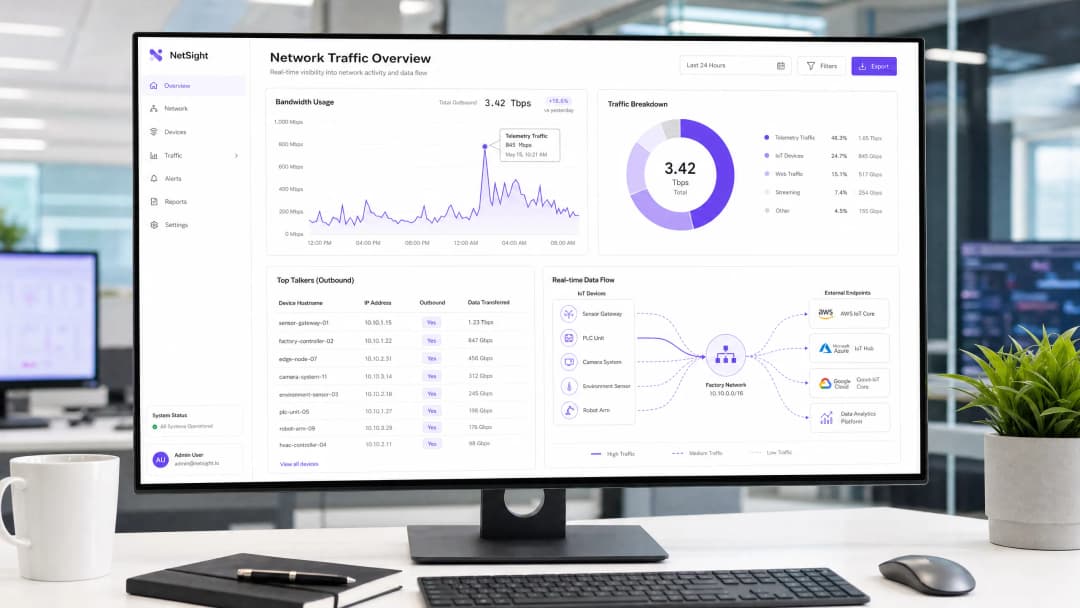
হসপিটালিটি, রিটেইল এবং পাবলিক সেক্টর জুড়ে হাই-ডেনসিটি এনভায়রনমেন্ট পরিচালনাকারী CTO এবং নেটওয়ার্ক আর্কিটেক্টদের জন্য, IoT ডিভাইসের বিস্তার কর্পোরেট WLAN-এর উপর একটি লুকানো কর আরোপ করেছে: অনাকাঙ্ক্ষিত টেলিমেট্রি ডেটা। প্রতিটি স্মার্ট টিভি, HVAC কন্ট্রোলার এবং POS টার্মিনাল ক্রমাগত ভেন্ডর এন্ডপয়েন্টে ডায়াগনস্টিক ডেটা, ব্যবহারের পরিসংখ্যান এবং ফার্মওয়্যার চেক পাঠায়। সামগ্রিকভাবে, এই ট্রাফিক আউটবাউন্ড ব্যান্ডউইথের ৪৮% পর্যন্ত গ্রাস করতে পারে, যা বৈধ Guest WiFi এবং কর্পোরেট ক্রিয়াকলাপকে মারাত্মকভাবে প্রভাবিত করে। থ্রুপুট হ্রাস করার পাশাপাশি, অনিয়ন্ত্রিত টেলিমেট্রি GDPR এবং PCI-DSS-এর অধীনে একটি উল্লেখযোগ্য কমপ্লায়েন্স ঝুঁকি তৈরি করে, যা অনিরীক্ষিত ডেটা এক্সফিল্ট্রেশন ভেক্টর তৈরি করে। এই নির্দেশিকাটি প্রান্তে টেলিমেট্রি ট্রাফিক সনাক্ত, আইসোলেট এবং ফিল্টার করার জন্য একটি প্রযুক্তিগত ব্লুপ্রিন্ট প্রদান করে, যা আইটি টিমকে গুরুত্বপূর্ণ ডিভাইসের কার্যকারিতা ব্যাহত না করে ব্যান্ডউইথ পুনরুদ্ধার করতে, সিকিউরিটি পলিসি প্রয়োগ করতে এবং সামগ্রিক নেটওয়ার্ক ROI উন্নত করতে সহায়তা করে।
প্রযুক্তিগত গভীর বিশ্লেষণ (Technical Deep-Dive)
IoT টেলিমেট্রির মূল চ্যালেঞ্জ হলো এটি স্ট্যান্ডার্ড নেটওয়ার্ক পলিসির বাইরে স্বায়ত্তশাসিতভাবে কাজ করে। ডিভাইসগুলি ভেন্ডর-নিয়ন্ত্রিত এন্ডপয়েন্টগুলির সাথে যোগাযোগ করার জন্য হার্ডকোড করা থাকে এবং সংযোগ ব্যাহত হলে প্রায়শই আক্রমণাত্মক রিট্রাই লজিক প্রয়োগ করে।
টেলিমেট্রি ট্রাফিকের শারীরস্থান (Anatomy of Telemetry Traffic)
টেলিমেট্রি পেলোডগুলি ভেন্ডর ভেদে ভিন্ন হয়, তবে সাধারণত ডিভাইসের হেলথ মেট্রিক্স, এরর লগ এবং ব্যবহারের প্যাটার্ন অন্তর্ভুক্ত থাকে। উদাহরণস্বরূপ, একটি হোটেল রুমের একটি স্মার্ট টিভি প্রতি কয়েক মিনিটে Samsung বা LG সার্ভারগুলিতে পিং করতে পারে। যদিও প্রতিটি একক প্যাকেট ছোট, হাজার হাজার ডিভাইস জুড়ে এর ক্রমবর্ধমান ভলিউম যথেষ্ট পরিমাণে বেশি। আমাদের বিশ্লেষণ দেখায় যে একটি গড় এন্টারপ্রাইজ IoT ডিভাইস প্রতিদিন প্রায় ৩৪০MB আউটবাউন্ড ট্রাফিক তৈরি করে।

নিরাপত্তা এবং কমপ্লায়েন্সের প্রভাব (Security and Compliance Implications)
ফিল্টার না করা টেলিমেট্রি নেটওয়ার্ক সিকিউরিটিতে একটি ব্লাইন্ড স্পট তৈরি করে। যখন ডিভাইসগুলি বাহ্যিকভাবে যোগাযোগ করার জন্য সাংগঠনিক নিয়ন্ত্রণগুলিকে বাইপাস করে, তখন তারা সর্বনিম্ন সুবিধার নীতি (least privilege) লঙ্ঘন করে। এটি বিশেষত সেই সমস্ত পরিবেশের ক্ষেত্রে সমস্যাযুক্ত যা কঠোর নিয়ন্ত্রক কাঠামোর অধীন।
PCI-DSS v4.0-এর অধীনে, Cardholder Data Environment (CDE) এর সাথে নেটওয়ার্ক সেগমেন্ট শেয়ার করা যেকোনো ডিভাইস কমপ্লায়েন্সের আওতাভুক্ত। যদি একটি POS টার্মিনাল আউটবাউন্ড টেলিমেট্রি তৈরি করে, তবে এটিকে কঠোরভাবে আলাদা করতে হবে। একইভাবে, GDPR Article 32 ডেটা সুরক্ষিত করতে উপযুক্ত প্রযুক্তিগত ব্যবস্থা বাস্তবায়নের নির্দেশ দেয়। অনিরীক্ষিত আউটবাউন্ড সংযোগগুলি, এমনকি আপাতদৃষ্টিতে ক্ষতিকর না হলেও, এই মান পূরণ করতে ব্যর্থ হয়। যদিও IEEE 802.1X শক্তিশালী পোর্ট-লেভেল প্রমাণীকরণ প্রদান করে, এটি অনুমোদিত ডিভাইসের পে-লোড পরিদর্শন বা নিয়ন্ত্রণ করে না। WPA3 ওয়্যারলেস ট্রান্সমিশন সুরক্ষিত করে কিন্তু কোনো ডিভাইসকে টেলিমেট্রি সংযোগ শুরু করা থেকে বিরত রাখতে কিছুই করে না।
এজ ফিল্টারিংয়ের প্রয়োজনীয়তা
এটি মোকাবেলা করার জন্য, সংস্থাগুলিকে নেটওয়ার্ক এজে ফিল্টারিং প্রয়োগ করতে হবে। এর মধ্যে একটি বহুমুখী পদ্ধতি জড়িত: পরিচিত টেলিমেট্রি ডোমেনের রেজোলিউশন অনুরোধগুলিকে ইন্টারসেপ্ট করতে DNS সিঙ্কহোলিং, এবং হার্ডকোডেড IP যোগাযোগ শনাক্ত করতে FQDN ব্লকলিস্টের সাথে Deep Packet Inspection (DPI)। এই আর্কিটেকচারটি নিশ্চিত করে যে শুধুমাত্র অনুমোদিত ব্যবসায়িক ট্রাফিক ইন্টারনেট গেটওয়ে অতিক্রম করে, যা আমাদের Improving WiFi Speeds by Blocking Ad Networks at the Edge গাইডে বিস্তারিত আলোচনা করা হয়েছে।

আপনার নির্দিষ্ট সেটআপ নিয়ে কোনো প্রশ্ন আছে?
আমাদের টিম ৮০,০০০ ভেন্যুতে ভেন্যু অপারেটর, IT ম্যানেজার এবং নেটওয়ার্ক ইঞ্জিনিয়ারদের সাথে কাজ করে। একটি ২০ মিনিটের কল বুক করুন এবং আপনার মতো অন্যরা কীভাবে এর সমাধান করেছেন তা আমরা আপনাকে দেখাব।
ইমপ্লিমেন্টেশন গাইড
একটি শক্তিশালী টেলিমেট্রি ফিল্টারিং আর্কিটেকচার মোতায়েন করার জন্য একটি নিয়মতান্ত্রিক পদ্ধতির প্রয়োজন যাতে বৈধ অপারেশনাল ট্রাফিক ব্যাহত না হয়।
ফেজ ১: নেটওয়ার্ক সেগমেন্টেশন
প্রাথমিক ধাপ হলো কঠোর VLAN সেগমেন্টেশন। IoT ডিভাইসগুলি কখনই কর্পোরেট ব্যবহারকারী, গেস্ট নেটওয়ার্ক বা PCI-স্কোপড সিস্টেমের মতো একই সাবনেটে থাকা উচিত নয়। কঠোর Access Control Lists (ACLs) সহ ডেডিকেটেড IoT VLAN তৈরি করুন যা ডিফল্টরূপে ইন্টার-VLAN রাউটিং অস্বীকার করে।
ফেজ ২: ট্রাফিক অডিটিং এবং বেসলাইনিং
ব্লক প্রয়োগ করার আগে, একটি ট্রাফিক বেসলাইন স্থাপন করুন। আউটবাউন্ড সংযোগগুলি পর্যবেক্ষণ করতে ফ্লো অ্যানালাইসিস টুলস (NetFlow/sFlow) মোতায়েন করুন বা একটি ব্যাপক WiFi Analytics প্ল্যাটফর্ম ব্যবহার করুন। সবচেয়ে বেশি যোগাযোগকারী ডিভাইসগুলি সনাক্ত করুন এবং তাদের ডেস্টিনেশন এন্ডপয়েন্টগুলি ম্যাপ করুন। এই অডিট টেলিমেট্রি সমস্যার আসল মাত্রা প্রকাশ করবে।
ফেজ ৩: DNS সিঙ্কহোলিং
একটি অভ্যন্তরীণ, পলিসি-প্রয়োগকারী DNS রিজলভার অ্যাসাইন করতে IoT VLAN-এর জন্য DHCP স্কোপ কনফিগার করুন। পরিচিত টেলিমেট্রি এবং ডায়াগনস্টিক এন্ডপয়েন্টগুলির জন্য ক্যাটাগরি-ভিত্তিক ব্লকিং প্রয়োগ করুন। কমিউনিটি-কিউরেটেড ব্লকলিস্ট বা বাণিজ্যিক থ্রেট ইন্টেলিজেন্স ফিড ব্যবহার করুন। ব্লকগুলি প্রয়োগ করার আগে সম্ভাব্য ফলস পজিটিভগুলি সনাক্ত করতে ৭২ ঘন্টার জন্য 'রিপোর্ট-অনলি' মোডে লগগুলি পর্যবেক্ষণ করুন।
ফেজ ৪: ইগ্রেস ফিল্টারিং এবং DPI
যেসব ডিভাইস হার্ডকোডেড IP অ্যাড্রেস ব্যবহার করে DNS বাইপাস করে, সেগুলোর জন্য পেরিমিটার ফায়ারওয়ালে ইগ্রেস ফিল্টারিং প্রয়োগ করুন। টেলিমেট্রি সিগনেচার সনাক্ত করতে এবং ড্রপ করতে DPI নিয়ম কনফিগার করুন। ভেন্ডর ইনফ্রাস্ট্রাকচারের পরিবর্তনের সাথে তাল মিলিয়ে চলতে এই নিয়মগুলি নিয়মিত আপডেট করা নিশ্চিত করুন।
সেরা অনুশীলনসমূহ (Best Practices)
- IoT-এর জন্য ডিফল্ট-ডেনাই (default-deny) অবস্থান গ্রহণ করুন: ডিফল্টরূপে, IoT VLAN-গুলোর কোনো ইন্টারনেট অ্যাক্সেস থাকা উচিত নয়। ডিভাইসের মূল কার্যকারিতার জন্য প্রয়োজনীয় FQDN এবং পোর্টগুলো (যেমন: NTP, নির্দিষ্ট API এন্ডপয়েন্ট) স্পষ্টভাবে হোয়াইটলিস্ট করুন।
- রেট লিমিটিং (rate limiting) প্রয়োগ করুন: এমনকি অনুমোদিত ট্রাফিকের ক্ষেত্রেও ব্যান্ডউইথ শেপিং প্রয়োগ করা উচিত। IoT সেগমেন্টগুলোর জন্য উপলব্ধ সর্বোচ্চ থ্রুপুট সীমিত করতে QoS পলিসি প্রয়োগ করুন, যাতে ব্যাপক ফার্মওয়্যার আপডেটের সময় আপলিঙ্ক স্যাচুরেট হতে না পারে।
- নিয়মিত ব্লকলিস্ট রক্ষণাবেক্ষণ: টেলিমেট্রি এন্ডপয়েন্ট পরিবর্তিত হয়। কার্যকারিতা বজায় রাখতে আপনার এজ ফিল্টারিং ইঞ্জিনে আপডেটেড FQDN ব্লকলিস্টের ভুক্তি স্বয়ংক্রিয় করুন।
- গেস্ট নেটওয়ার্ক মনিটর করুন: গেস্ট নেটওয়ার্কগুলোতেও একই ধরনের ফিল্টারিং নীতি প্রয়োগ করুন। যদিও আপনি গেস্ট ডিভাইসগুলোকে নিয়ন্ত্রণ করতে পারবেন না, তবে তাদের টেলিমেট্রি যাতে শেয়ার্ড অভিজ্ঞতার মান কমিয়ে না দেয় তা প্রতিরোধ করতে পারেন।
ট্রাবলশুটিং এবং ঝুঁকি প্রশমন (Troubleshooting and Risk Mitigation)
টেলিমেট্রি ফিল্টারিংয়ের সবচেয়ে বড় ঝুঁকি হলো ওভার-ব্লকিং (over-blocking), যা ডিভাইসের কার্যকারিতায় ব্যাঘাত ঘটাতে পারে। উদাহরণস্বরূপ, কোনো ভেন্ডরের CDN ব্লক করলে অসাবধানতাবশত গুরুত্বপূর্ণ নিরাপত্তা আপডেটও ব্লক হয়ে যেতে পারে।
- লক্ষণ: ম্যানেজমেন্ট কনসোলে ডিভাইসগুলো অফলাইন স্ট্যাটাস দেখায়।
- প্রতিকার: ক্ষতিগ্রস্ত ডিভাইসের IP থেকে ব্লক করা কোয়েরিগুলোর জন্য DNS লগ পর্যালোচনা করুন। সাময়িকভাবে ব্লক করা ডোমেনটি হোয়াইটলিস্ট করুন এবং কার্যকারিতা পুনরুদ্ধার হয়েছে কিনা তা যাচাই করুন। প্রায়শই, ভেন্ডররা টেলিমেট্রি এবং ম্যানেজমেন্টের জন্য আলাদা সাবডোমেন ব্যবহার করে (যেমন:
telemetry.vendor.comবনামapi.vendor.com)।
আরেকটি সাধারণ ব্যর্থতার ধরন হলো অসম্পূর্ণ সেগমেন্টেশন, যেখানে একটি ম্যানেজমেন্ট VLAN অসাবধানতাবশত IoT সেগমেন্টকে কর্পোরেট নেটওয়ার্কের সাথে যুক্ত করে ফেলে। আইসোলেশন যাচাই করার জন্য নিয়মিত পেনিট্রেশন টেস্টিং এবং VLAN অডিট করা অপরিহার্য।
ROI এবং ব্যবসায়িক প্রভাব (ROI and Business Impact)
টেলিমেট্রি ফিল্টারিং বাস্তবায়ন করলে তাৎক্ষণিক এবং পরিমাপযোগ্য রিটার্ন পাওয়া যায়।
- ব্যান্ডউইথ পুনরুদ্ধার: সংস্থাগুলো সাধারণত আউটবাউন্ড WAN ব্যবহারের ক্ষেত্রে ১৫-৩০% হ্রাস দেখতে পায়, যা ব্যয়বহুল ব্যান্ডউইথ আপগ্রেডকে বিলম্বিত করে।
- উন্নত ব্যবহারকারী অভিজ্ঞতা: পুনরুদ্ধার করা ব্যান্ডউইথ সরাসরি গেস্ট এবং কর্মচারীদের জন্য দ্রুত এবং আরও নির্ভরযোগ্য সংযোগে রূপান্তরিত হয়, যা Hospitality এবং Retail পরিবেশে সন্তুষ্টির স্কোর উন্নত করে।
- ঝুঁকি প্রশমন: অননুমোদিত আউটবাউন্ড সংযোগগুলো দূর করার মাধ্যমে আক্রমণের ক্ষেত্রটি উল্লেখযোগ্যভাবে হ্রাস পায় এবং কমপ্লায়েন্স অডিট সহজ হয়, যা নিয়ন্ত্রক জরিমানার ঝুঁকি কমিয়ে দেয়।
পাবলিক সেক্টর ডেপ্লয়মেন্টে, যেখানে বাজেট সীমিত এবং তদারকি কঠোর, সেখানে ডিজিটাল অন্তর্ভুক্তি চালনার উদ্যোগের সাথে সামঞ্জস্যপূর্ণ নির্ভরযোগ্য পরিষেবা প্রদানের জন্য এই দক্ষতাগুলো অত্যন্ত গুরুত্বপূর্ণ, যা আমাদের সাম্প্রতিক ঘোষণায় আলোচনা করা হয়েছে: Purple Appoints Iain Fox as VP Growth - Public Sector to Drive Digital Inclusion and Smart City Innovation।
ব্রিফিংটি শুনুন
আর্কিটেকচারাল বিষয়গুলো আরও বিশদভাবে জানতে, আমাদের ১০ মিনিটের প্রযুক্তিগত ব্রিফিংটি শুনুন:
মূল সংজ্ঞাসমূহ
Telemetry Data
একটি সংযুক্ত ডিভাইস থেকে তার প্রস্তুতকারক বা তৃতীয় পক্ষের ক্লাউড পরিষেবাতে অপারেশনাল, ডায়াগনস্টিক বা ব্যবহারের ডেটার স্বয়ংক্রিয় স্থানান্তর।
প্রায়শই স্পষ্ট IT অনুমোদন ছাড়াই স্থানান্তরিত হয়, যা ব্যান্ডউইথ ব্যবহার করে এবং কমপ্লায়েন্সের ক্ষেত্রে অন্ধত্ব তৈরি করে।
DNS Sinkhole
একটি DNS সার্ভার যা নির্দিষ্ট ডোমেইন নামের জন্য ভুল IP ঠিকানা (প্রায়শই 0.0.0.0) দেওয়ার জন্য কনফিগার করা থাকে, যা ডিভাইসগুলিকে কার্যকরভাবে সেই ডোমেইনগুলির সাথে সংযোগ করতে বাধা দেয়।
নেটওয়ার্কের প্রান্তে পরিচিত telemetry এবং ট্র্যাকিং এন্ডপয়েন্টগুলিকে ব্লক করার জন্য একটি হালকা ও অত্যন্ত কার্যকর পদ্ধতি হিসাবে ব্যবহৃত হয়।
Deep Packet Inspection (DPI)
উন্নত নেটওয়ার্ক প্যাকেট ফিল্টারিং যা একটি প্যাকেট একটি ইন্সপেকশন পয়েন্ট অতিক্রম করার সময় প্যাকেটের ডেটা অংশ (এবং সম্ভবত হেডার) পরীক্ষা করে, প্রোটোকল অ-সম্মতি, ভাইরাস, স্প্যাম, অনুপ্রবেশ বা নির্দিষ্ট মানদণ্ড অনুসন্ধান করে।
DNS নিয়ন্ত্রণগুলিকে বাইপাস করে হার্ডকোডেড IP ঠিকানা বা অ-মানক পোর্ট ব্যবহারকারী telemetry ট্রাফিক সনাক্ত এবং ব্লক করার জন্য প্রয়োজনীয়।
FQDN Blocklist
Fully Qualified Domain Names (যেমন telemetry.vendor.com) এর একটি তালিকা যা নেটওয়ার্ক গেটওয়ে বা DNS রিজলভারের মাধ্যমে অ্যাক্সেস স্পষ্টভাবে অস্বীকার করা হয়।
IP ব্লকিংয়ের চেয়ে অনেক বেশি নির্ভুল, কারণ ক্লাউড-হোস্টেড টেলিমেট্রি এন্ডপয়েন্টগুলো প্রায়শই IP ঠিকানা পরিবর্তন করে কিন্তু সামঞ্জস্যপূর্ণ ডোমেন নাম বজায় রাখে।
VLAN Segmentation
ট্রাফিক আলাদা করতে, কার্যক্ষমতা উন্নত করতে এবং নিরাপত্তা বাড়াতে একটি ফিজিক্যাল নেটওয়ার্ককে একাধিক লজিক্যাল নেটওয়ার্কে বিভক্ত করার প্রক্রিয়া।
IoT ডিভাইসগুলো পরিচালনা করার ক্ষেত্রে অত্যন্ত গুরুত্বপূর্ণ প্রথম পদক্ষেপ, যা নিশ্চিত করে যে তাদের টেলিমেট্রি ট্রাফিক কর্পোরেট বা PCI-scoped নেটওয়ার্ক সেগমেন্ট অতিক্রম করতে পারবে না।
Egress Filtering
একটি নেটওয়ার্ক থেকে অন্য নেটওয়ার্কে, সাধারণত ইন্টারনেটে বহির্গামী তথ্যের প্রবাহ পর্যবেক্ষণ এবং সম্ভাব্যভাবে সীমাবদ্ধ করার প্রক্রিয়া।
অননুমোদিত ডেটা এক্সফিল্ট্রেশন প্রতিরোধ করতে এবং IoT সেগমেন্টের জন্য 'Default-Deny' নীতি প্রয়োগ করতে অত্যন্ত গুরুত্বপূর্ণ।
PCI DSS Scope
সমস্ত সিস্টেম উপাদান, ব্যক্তি এবং প্রক্রিয়া যা Cardholder Data Environment (CDE) এর অন্তর্ভুক্ত বা এর সাথে সংযুক্ত।
পেমেন্ট টার্মিনালের মতো একই নেটওয়ার্ক সেগমেন্টে থাকা ডিভাইসগুলো থেকে অনিয়ন্ত্রিত টেলিমেট্রি অসাবধানতাবশত সেই ডিভাইসগুলোকে অডিট স্কোপের আওতায় নিয়ে আসতে পারে।
IEEE 802.1X
পোর্ট-ভিত্তিক নেটওয়ার্ক অ্যাক্সেস কন্ট্রোল (PNAC) এর জন্য একটি IEEE স্ট্যান্ডার্ড, যা একটি LAN বা WLAN-এর সাথে যুক্ত হতে ইচ্ছুক ডিভাইসগুলোকে একটি অথেনটিকেশন মেকানিজম প্রদান করে।
যদিও এটি নেটওয়ার্ক এন্ট্রি সুরক্ষিত করে, এটি অথেনটিকেটেড ডিভাইস দ্বারা প্রেরিত টেলিমেট্রি পেলোডগুলো পরিদর্শন বা নিয়ন্ত্রণ করে না।
সমাধানকৃত উদাহরণসমূহ
একটি ৪০০ রুমের রিসোর্টে প্রতিদিন ভোর ২:০০ টা থেকে ভোর ৪:০০ টার মধ্যে তীব্র নেটওয়ার্ক কনজেশন হচ্ছে, যা খুব ভোরে ওঠা অতিথি এবং ব্যাক-অফিস অপারেশনকে প্রভাবিত করছে। নেটওয়ার্ক টিমের সন্দেহ যে প্রতিটি রুমে সম্প্রতি ইনস্টল করা স্মার্ট টিভিগুলি এর জন্য দায়ী। তাদের কীভাবে এটি নির্ণয় এবং সমাধান করা উচিত?
১. রোগ নির্ণয় (Diagnosis): কনজেশন উইন্ডোর সময় ট্রাফিক বিশ্লেষণ করতে কোর সুইচে একটি NetFlow কালেক্টর স্থাপন করুন। বিশ্লেষণে দেখা গেছে যে সমস্ত ৪০০টি টিভি একই সাথে ফার্মওয়্যার আপডেট ডাউনলোড করছে এবং প্রস্তুতকারকের CDN-এ একত্রিত দৈনিক ব্যবহারের telemetry আপলোড করছে। ২. সমাধান: প্রথমত, টিভিগুলি একটি ডেডিকেটেড IoT VLAN-এ আছে তা নিশ্চিত করুন। দ্বিতীয়ত, IoT VLAN-এর জন্য আউটবাউন্ড এবং ইনবাউন্ড ট্রাফিক মোট WAN লিঙ্ক ক্ষমতার ১০%-এ সীমাবদ্ধ করতে ফায়ারওয়ালে একটি QoS পলিসি প্রয়োগ করুন। তৃতীয়ত, telemetry আপলোডের জন্য ব্যবহৃত নির্দিষ্ট FQDN ব্লক করতে DNS sinkholing প্রয়োগ করুন, এবং ফার্মওয়্যার আপডেটের জন্য ব্যবহৃত FQDN-গুলি অনুমোদিত রাখুন। অবশেষে, ভেন্ডর ম্যানেজমেন্ট কনসোল অনুমতি দিলে আপডেটের সময়গুলি ধাপে ধাপে ভাগ করে দিন।
২০০টি আউটলেট সহ একটি বড় রিটেইল চেইন লিগ্যাসি এবং আধুনিক POS সিস্টেমের মিশ্রণ ব্যবহার করে। একটি PCI DSS অডিটের সময়, অ্যাসেসর লক্ষ্য করেন যে বেশ কয়েকটি আধুনিক POS টার্মিনাল অজানা ক্লাউড এন্ডপয়েন্টে আউটবাউন্ড HTTPS ট্রাফিক তৈরি করছে। নেটওয়ার্ক আর্কিটেক্টের কীভাবে এই সমস্যাটির প্রতিকার করা উচিত?
১. তাত্ক্ষণিক নিয়ন্ত্রণ: POS টার্মিনালগুলি একটি কঠোরভাবে বিচ্ছিন্ন CDE (Cardholder Data Environment) VLAN-এ রয়েছে তা যাচাই করুন। ২. ট্রাফিক বিশ্লেষণ: CDE VLAN-এর জন্য এগ্রেস ইন্টারফেসে প্যাকেট ক্যাপচার (PCAP) সম্পাদন করুন। গন্তব্য IP ঠিকানাগুলি সনাক্ত করুন এবং ভেন্ডর নির্ধারণ করতে রিভার্স DNS লুকআপের চেষ্টা করুন। ৩. পলিসি প্রয়োগ: CDE VLAN-এর জন্য ফায়ারওয়ালে একটি 'Default-Deny' এগ্রেস নিয়ম প্রয়োগ করুন। পেমেন্ট প্রসেসিং এবং অনুমোদিত ম্যানেজমেন্ট ট্রাফিকের জন্য প্রয়োজনীয় IP ঠিকানা এবং পোর্টগুলি কেবল স্পষ্টভাবে হোয়াইটলিস্ট করুন। ৪. নথিপত্র: ফায়ারওয়াল নিয়মের ডেটাবেসে হোয়াইটলিস্ট করা এন্ডপয়েন্ট এবং প্রতিটির ব্যবসায়িক যৌক্তিকতা নথিভুক্ত করুন এবং এই নথিটি PCI অ্যাসেসরকে প্রদান করুন।
অনুশীলনী প্রশ্নসমূহ
Q1. আপনি একটি কর্পোরেট ক্যাম্পাসে নতুন একদল স্মার্ট HVAC কন্ট্রোলার মোতায়েন করছেন। ভেন্ডর জানিয়েছে যে ওয়ারেন্টি সাপোর্টের জন্য তাদের ক্লাউড প্ল্যাটফর্মে ডায়াগনস্টিক ডেটা রিপোর্ট করতে কন্ট্রোলারগুলোর ইন্টারনেট অ্যাক্সেস প্রয়োজন। আপনি কীভাবে এই ডিভাইসগুলোকে সুরক্ষিতভাবে ইন্টিগ্রেট করবেন?
ইঙ্গিত: ন্যূনতম অ্যাক্সেস অধিকারের (least privilege) নীতি এবং কীভাবে নিরাপত্তার নিয়ন্ত্রণের সাথে অপারেশনাল প্রয়োজনীয়তার ভারসাম্য বজায় রাখা যায় তা বিবেচনা করুন।
মডেল উত্তর দেখুন
১. HVAC কন্ট্রোলারগুলোকে একটি ডেডিকেটেড, আইসোলেটেড IoT VLAN-এ রাখুন। ২. ভেন্ডরের কাছ থেকে ডায়াগনস্টিক রিপোর্টিংয়ের জন্য প্রয়োজনীয় নির্দিষ্ট FQDN এবং পোর্টগুলো চেয়ে নিন। ৩. IoT VLAN-এর জন্য একটি default-deny আউটবাউন্ড নিয়ম সহ পেরিমিটার ফায়ারওয়াল কনফিগার করুন। ৪. শুধুমাত্র ভেন্ডর-প্রদত্ত FQDN এবং পোর্টগুলোর জন্য একটি স্পষ্ট অনুমতি (allow) নিয়ম তৈরি করুন। ৫. কন্ট্রোলারগুলো যাতে অতিরিক্ত ব্যান্ডউইথ ব্যবহার করতে না পারে সেজন্য VLAN-এ রেট লিমিটিং প্রয়োগ করুন।
Q2. একটি নিয়মিত লগ পর্যালোচনার সময়, আপনি লক্ষ্য করলেন যে IoT VLAN থেকে প্রচুর পরিমাণে DNS অনুরোধ DNS সিঙ্কহোল দ্বারা ব্লক করা হচ্ছে। তবে, অপারেশন টিম জানিয়েছে যে ডিজিটাল সাইনেজ ডিসপ্লেগুলো আর তাদের কনটেন্ট আপডেট করছে না। এর সম্ভাব্য কারণ এবং প্রতিকার কী?
ইঙ্গিত: ভেন্ডররা কীভাবে তাদের ক্লাউড পরিষেবাগুলো সাজায় এবং অতিরিক্ত ব্লকিংয়ের ঝুঁকিগুলো নিয়ে ভাবুন।
মডেল উত্তর দেখুন
সম্ভাব্য কারণটি হলো অতিরিক্ত ব্লকিং (over-blocking)। ভেন্ডর সম্ভবত টেলিমেট্রি রিপোর্টিং এবং কনটেন্ট ডেলিভারি উভয়ের জন্যই একই ডোমেন (বা কাছাকাছি সম্পর্কিত সাবডোমেন) ব্যবহার করছে। প্রতিকার: ১. DNS লগে নির্দিষ্ট ব্লক করা ডোমেনটি চিহ্নিত করুন। ২. সাময়িকভাবে ডোমেনটিকে হোয়াইটলিস্ট করুন। ৩. সেই ডোমেনের ট্রাফিক বিশ্লেষণ করতে প্যাকেট ক্যাপচার ব্যবহার করুন। ৪. সম্ভব হলে, কনটেন্ট আপডেটের পথগুলো অনুমোদন করার পাশাপাশি নির্দিষ্ট টেলিমেট্রি URI পাথগুলো ব্লক করতে ফায়ারওয়ালে DPI ব্যবহার করুন, অথবা প্রতিটি কাজের জন্য আলাদা FQDN চিহ্নিত করতে ভেন্ডরের সাথে যোগাযোগ করুন।
Q3. একটি স্টেডিয়ামের IT ডিরেক্টর টেলিমেট্রি ফিল্টারিং প্রয়োগ করতে চান কিন্তু খেলার দিনগুলোতে যখন ৫০,০০০ দর্শক সংযুক্ত থাকেন তখন কোর ফায়ারওয়ালের প্রসেসিং ওভারহেড নিয়ে চিন্তিত। কোন আর্কিটেকচার সবচেয়ে কার্যকর ফিল্টারিং প্রদান করে?
ইঙ্গিত: কোন ফিল্টারিং পদ্ধতি ফায়ারওয়ালে সবচেয়ে কম CPU সাইকেল ব্যবহার করে?
মডেল উত্তর দেখুন
সবচেয়ে কার্যকর উপায় হলো ফিল্টারিংয়ের সিংহভাগের জন্য DNS সিঙ্কহোলিংয়ের ওপর ব্যাপকভাবে নির্ভর করা। ক্লায়েন্ট ডিভাইসগুলোকে একটি ইন্টারনাল DNS রিজলভারের দিকে নির্দেশ করতে DHCP সার্ভারগুলো কনফিগার করার মাধ্যমে যা পরিচিত টেলিমেট্রি ডোমেনগুলোকে ব্লক করে, সংযোগের চেষ্টা করার আগেই ট্রাফিক ড্রপ করা হয়, যা ফায়ারওয়াল স্টেট টেবিল এন্ট্রি এবং DPI প্রসেসিং সাইকেল বাঁচায়। ফায়ারওয়াল শুধুমাত্র হার্ডকোডেড IP বা অত্যন্ত সুনির্দিষ্ট ব্লক নিয়মের জন্য একটি সেকেন্ডারি ব্যবস্থা হিসেবে ব্যবহার করা উচিত।
এই সিরিজে পড়া চালিয়ে যান
অপ্টিমাল চ্যানেল প্ল্যানিংয়ের জন্য RSSI এবং সিগন্যালের ক্ষমতা বোঝা
এই নির্দেশিকাটি অপ্টিমাল চ্যানেল প্ল্যানিংয়ের জন্য RSSI, সিগন্যাল-টু-নয়েজ রেশিও (SNR), এবং RF প্রোপাগেশন নীতিগুলির একটি বিস্তৃত প্রযুক্তিগত বিশ্লেষণ প্রদান করে। এটি IT ম্যানেজার, নেটওয়ার্ক আর্কিটেক্ট এবং ভেন্যু অপারেশন ডিরেক্টরদের কো-চ্যানেল এবং অ্যাডজাসেন্ট চ্যানেল ইন্টারফারেন্স হ্রাস করার, AP প্লেসমেন্ট অপ্টিমাইজ করার এবং হসপিটালিটি, রিটেইল এবং পাবলিক-সেক্টর পরিবেশে পরিমাপযোগ্য ব্যবসায়িক প্রভাবের জন্য অ্যানালিটিক্স ব্যবহার করার কার্যকর কৌশল প্রদান করে।
WiFi 6 বনাম WiFi 5: এটি কি চ্যানেল ইন্টারফেয়ারেন্সের সমাধান করে?
এই গাইডটি OFDMA এবং BSS Coloring-এর মাধ্যমে কীভাবে WiFi 6 (802.11ax) উচ্চ-ঘনত্বের এন্টারপ্রাইজ পরিবেশে চ্যানেল ইন্টারফেয়ারেন্সের সমাধান করে সে সম্পর্কে একটি প্রযুক্তিগত বিশ্লেষণ প্রদান করে। এটি IT ম্যানেজার, নেটওয়ার্ক আর্কিটেক্ট এবং CTO-দের কার্যকর ডেপ্লয়মেন্ট কৌশল, হসপিটালিটি ও হেলথকেয়ারের বাস্তব কেস স্টাডি এবং ওয়্যারলেস পারফরম্যান্স ব্যবসায়িকভাবে অত্যন্ত গুরুত্বপূর্ণ এমন ভেন্যুগুলোতে ইনফ্রাস্ট্রাকচার আপগ্রেডের ROI মূল্যায়নের জন্য একটি ফ্রেমওয়ার্ক প্রদান করে।
উচ্চ-ঘনত্বের ভেন্যুর জন্য সেরা WiFi চ্যানেলসমূহ
স্টেডিয়াম, অ্যারেনা এবং বৃহৎ পাবলিক ভেন্যুর মতো উচ্চ-ঘনত্বের পরিবেশে WiFi চ্যানেল নির্বাচন এবং অপ্টিমাইজ করার জন্য একটি চূড়ান্ত প্রযুক্তিগত নির্দেশিকা। এটি RF ফিজিক্স, 5 GHz এবং 6 GHz ব্যান্ড জুড়ে চ্যানেল পুনরায় ব্যবহারের কৌশল এবং IT লিডারদের জন্য কার্যকরী স্থাপনা নির্দেশিকা কভার করে।
আপনার নির্দিষ্ট সেটআপ নিয়ে কোনো প্রশ্ন আছে?
আমাদের টিম ৮০,০০০ ভেন্যুতে ভেন্যু অপারেটর, IT ম্যানেজার এবং নেটওয়ার্ক ইঞ্জিনিয়ারদের সাথে কাজ করে। একটি ২০ মিনিটের কল বুক করুন এবং আপনার মতো অন্যরা কীভাবে এর সমাধান করেছেন তা আমরা আপনাকে দেখাব।