
NAC आणि MDM इंटिग्रेशनद्वारे नेटवर्क व्हिझिबिलिटी सुधारणे
या तांत्रिक संदर्भ मार्गदर्शकामध्ये Network Access Control (NAC) आणि Mobile Device Management (MDM) एकत्र करण्याच्या आर्किटेक्चर, इंटिग्रेशन आणि व्यावसायिक प्रभावाचे तपशील दिले आहेत. हे हॉस्पिटॅलिटी, रिटेल आणि सार्वजनिक ठिकाणांसारख्या गुंतागुंतीच्या बहु-वापर वातावरणात कार्यरत असलेल्या IT व्यवस्थापक आणि नेटवर्क आर्किटेक्ट्ससाठी कृतीयोग्य उपयोजन मार्गदर्शन प्रदान करते.
Video overview
हे मार्गदर्शक ऐका
पॉडकास्ट ट्रान्सक्रिप्ट पहा
आमच्या मुख्य मालिकेचा भाग: एंटरप्राइज WiFi सुरक्षा मार्गदर्शिका →

कार्यकारी सारांश (Executive Summary)
मोठ्या प्रत्यक्ष ठिकाणांचे व्यवस्थापन करणाऱ्या एंटरप्राइझ IT टीम्ससाठी - मग ते ५०० खोल्यांचे हॉटेल असो, मोठे स्टेडियम असो किंवा राष्ट्रीय रिटेल चेन असो - नेटवर्कची सीमा आता संपुष्टात आली आहे. आजच्या प्रत्यक्ष नेटवर्क इन्फ्रास्ट्रक्चरमध्ये कॉर्पोरेट एंडपॉइंट्स, BYOD स्मार्टफोन, व्यवस्थापित न केलेले अतिथींचे डिव्हाइसेस, पेमेंट टर्मिनल्स आणि वेगाने वाढणाऱ्या हेडलेस IoT सेन्सर्सचे अस्थिर मिश्रण समाविष्ट आहे. तपशीलवार, रिअल-टाइम नेटवर्क दृश्यमानतेशिवाय (visibility) हे वातावरण ऑपरेट करणे हा एक गंभीर अनुपालन (compliance) आणि सुरक्षा धोका आहे.
हे मार्गदर्शक NAC आणि MDM इंटिग्रेशनसह नेटवर्क दृश्यमानता सुधारण्यासाठी एक तांत्रिक ब्ल्यूप्रिंट प्रदान करते. ओळख (identity), डिव्हाइसची स्थिती (posture) आणि नेटवर्क ऍक्सेस कंट्रोल यामधील दरी कमी करून, IT आर्किटेक्ट्स स्थिर VLAN असाइनमेंटवरून डायनॅमिक, पोश्चर-आधारित सेगमेंटेशनकडे संक्रमण करू शकतात. हे साध्य करण्यासाठी आवश्यक असलेले तांत्रिक आर्किटेक्चर, Guest WiFi सारख्या अतिथी प्रमाणीकरण प्लॅटफॉर्मसह इंटिग्रेशन पॉइंट्स आणि ऑपरेशन्समध्ये अडथळा न आणता बहु-वापर वातावरण सुरक्षित करण्यासाठी आवश्यक असणारे व्यावहारिक अंमलबजावणीचे टप्पे आम्ही येथे एक्सप्लोर करणार आहोत.
Technical Deep-Dive: Architecture and Standards
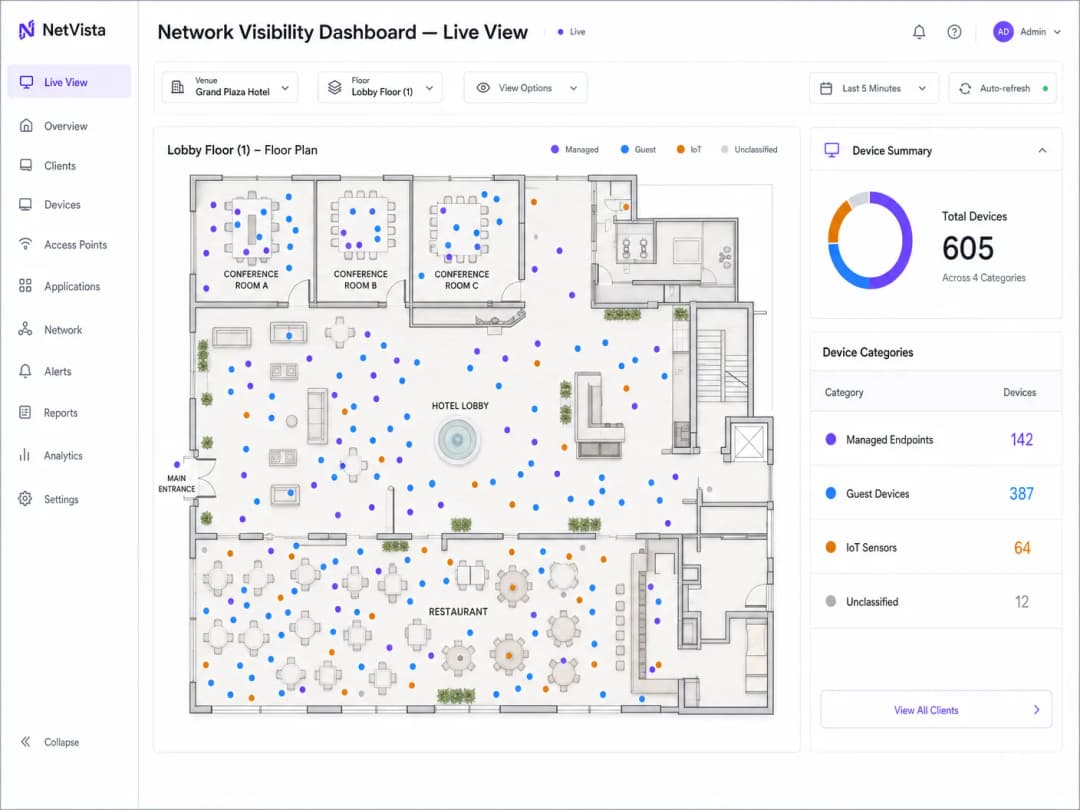
नेटवर्क व्हिजिबिलिटीसाठी मूलभूतपणे रिअल-टाइममध्ये तीन प्रश्नांची उत्तरे मिळणे आवश्यक आहे: काय कनेक्ट होत आहे? याचा मालक कोण आहे? हे सुसंगत आहे का? या प्रश्नांची उत्तरे देण्यासाठी नेटवर्क एज, आयडेंटिटी प्रोव्हाइडर्स आणि डिव्हाइस मॅनेजमेंट प्लॅटफॉर्म्सवर पसरलेल्या एकात्मिक आर्किटेक्चरची आवश्यकता असते.
Enforcement Layer: Network Access Control (NAC)
या आर्किटेक्चरच्या केंद्रस्थानी Network Access Control (NAC) सिस्टम आहे, जी पॉलिसी डिसिजन पॉईंट (PDP) म्हणून काम करते. मजबूत NAC अंमलबजावणीसाठी इंडस्ट्री स्टँडर्ड म्हणून अजूनही IEEE 802.1X चा वापर केला जातो, जे नेटवर्क ॲक्सेस मंजूर करण्यापूर्वी सप्लिकंट्सचे प्रमाणीकरण करण्यासाठी RADIUS सर्व्हरचा वापर करते.
जेव्हा एखादा कॉर्पोरेट एंडपॉइंट ॲक्सेस पॉईंटशी कनेक्ट करण्याचा किंवा स्विच पोर्टवर प्रमाणीकृत करण्याचा प्रयत्न करतो, तेव्हा 802.1X फ्रेमवर्क डिव्हाइसचे क्रेडेंशियल्स (सहसा डिजिटल सर्टिफिकेट्सचा वापर करून EAP-TLS द्वारे) RADIUS सर्व्हरकडे सुरक्षितपणे पाठवते. RADIUS सर्व्हर योग्य नेटवर्क सेगमेंट निश्चित करण्यासाठी परिभाषित पॉलिसी मॅट्रिक्सच्या विरूद्ध या क्रेडेंशियल्सचे मूल्यांकन करतो, आणि RADIUS ॲट्रिब्युट्सद्वारे VLAN डायनॅमिकरित्या नियुक्त करतो.
तथापि, केवळ 802.1X फक्त ओळखीची पडताळणी करते; ते एंडपॉइंटच्या सुरक्षा स्थितीची (security posture) पडताळणी करत नाही. याच ठिकाणी MDM इंटिग्रेशन महत्त्वपूर्ण ठरते.
Visibility Layer: MDM Integration and Posture Assessment
Mobile Device Management (MDM) प्लॅटफॉर्म्स (उदा. Microsoft Intune, Jamf, Workspace ONE) मॅनेज्ड डिव्हाइसेसची सतत इन्व्हेंटरी ठेवतात, ज्यामध्ये OS व्हर्जन, पॅच लेव्हल्स, इन्स्टॉल केलेले ॲप्लिकेशन्स आणि एकंदर अनुपालन (compliance) स्थितीचा मागोवा घेतला जातो.
NAC आणि MDM मधील इंटिग्रेशन सहसा REST APIs द्वारे होते. जेव्हा एखादे डिव्हाइस 802.1X द्वारे प्रमाणीकृत होते, तेव्हा NAC सिस्टम प्रमाणीकरण विनंती अडवते आणि डिव्हाइसचा MAC ॲड्रेस किंवा सर्टिफिकेट आयडेंटिटी वापरून MDM प्लॅटफॉर्मवर क्वेरी करते. MDM प्लॅटफॉर्म डिव्हाइसची रिअल-टाइम अनुपालन स्थिती परत पाठवतो.
जर MDM ने डिव्हाइस सुसंगत असल्याचे घोषित केले, तर NAC सिस्टम कॉर्पोरेट VLAN मध्ये प्रवेश मंजूर करते. डिव्हाइस सुसंगत नसल्यास (उदा. गंभीर OS अपडेट्स नसणे किंवा अनधिकृत सॉफ्टवेअर चालवणे), NAC सिस्टम डायनॅमिकरित्या डिव्हाइसला मर्यादित राउटिंगसह रेमेडिएशन VLAN मध्ये नियुक्त करते, ज्यामुळे डिव्हाइसला स्वतः दुरुस्त होण्यासाठी (self-heal) केवळ MDM सर्व्हर किंवा अपडेट सर्व्हर्समध्ये प्रवेश करण्याची परवानगी मिळते.

Managing the Unmanaged: Guest and IoT Devices
Hospitality आणि Retail यांसारख्या वातावरणातील मुख्य आव्हान म्हणजे अनमॅनेज्ड डिव्हाइसेसची प्रचंड संख्या होय. हे एंडपॉइंट्स 802.1X प्रमाणीकरण किंवा MDM नोंदणीमध्ये भाग घेऊ शकत नाहीत.
पाहुण्यांचे डिव्हाइसेस (Guest Devices): अनमॅनेज्ड पाहुण्यांच्या डिव्हाइसेससाठी, Captive Portal आर्किटेक्चरद्वारे दृश्यमानता प्राप्त केली जाते. Purple च्या WiFi Analytics सारखे प्लॅटफॉर्म्स सुरुवातीच्या HTTP/HTTPS विनंतीला अडवतात आणि वापरकर्त्याला प्रमाणीकरण (authentication) पोर्टलवर रिडायरेक्ट करतात. हा स्तर वापरकर्त्याची ओळख कॅप्चर करतो, सेवा अटी लागू करतो आणि GDPR च्या अनुपालनामध्ये संमती व्यवस्थापित करतो. त्यानंतर पाहुण्याला एका स्वतंत्र गेस्ट VLAN वर ठेवले जाते, जे कॉर्पोरेट ट्रॅफिकपासून भौतिक किंवा तार्किकदृष्ट्या वेगळे केलेले असते.
IoT एंडपॉइंट्स: HVAC कंट्रोलर्स, डिजिटल सायनेज आणि POS टर्मिनल्स यांसारखी हेडलेस डिव्हाइसेस सामान्यतः MAC Authentication Bypass (MAB) वर अवलंबून असतात. MAC पत्ते सहजपणे स्पूफ केले जाऊ शकत असल्याने, MAB ची जोड सखोल डिव्हाइस प्रोफाइलिंगसह दिली पाहिजे. आधुनिक NAC सिस्टीम्स IoT डिव्हाइसेसचे अचूक वर्गीकरण करण्यासाठी आणि त्यांना अत्यंत प्रतिबंधित, मायक्रो-सेगमेंटेड IoT VLANs मध्ये नियुक्त करण्यासाठी DHCP फिंगरप्रिंट्स, HTTP युझर एजंट्स आणि ट्रॅफिकच्या वर्तनाच्या पॅटर्नचे विश्लेषण करतात.
तुमच्या विशिष्ट सेटअपबद्दल काही प्रश्न आहेत का?
आमची टीम ८०,००० हून अधिक वेन्यूजमधील वेन्यू ऑपरेटर्स, IT मॅनेजर्स आणि नेटवर्क इंजिनिअर्ससोबत काम करते. २० मिनिटांचा कॉल बुक करा आणि तुमच्यासारख्या इतरांनी ही समस्या कशी सोडवली हे आम्ही तुम्हाला दाखवू.
अंमलबजावणी मार्गदर्शक (Implementation Guide)
एकात्मिक NAC आणि MDM आर्किटेक्चर उपयोजित करण्यासाठी व्यापक कार्यात्मक व्यत्यय टाळण्यासाठी टप्प्याटप्प्याने, पद्धतशीर दृष्टिकोन आवश्यक आहे.
पायरी १: डिव्हाइस शोध आणि वर्गीकरण (Device Discovery and Taxonomy)
कोणतीही अंमलबजावणी धोरणे कॉन्फिगर करण्यापूर्वी, आपण आपल्या सध्याच्या नेटवर्क स्थितीचा एक व्यापक बेसलाइन स्थापित केला पाहिजे. ट्रॅफिकचे निष्क्रियपणे निरीक्षण करण्यासाठी आणि प्रत्येक कनेक्ट केलेल्या एंडपॉइंटची सूची तयार करण्यासाठी NAC सिस्टीम "मॉनिटर मोड" मध्ये (बऱ्याचदा SPAN पोर्ट्स किंवा NetFlow डेटाचा वापर करून) उपयोजित करा.
एक कठोर डिव्हाइस वर्गीकरण विकसित करा. विशिष्ट श्रेणी परिभाषित करा: कॉर्पोरेट मॅनेज्ड, BYOD, गेस्ट, IoT (कार्यानुसार उप-वर्गीकृत केलेले), आणि कंत्राटदार. प्रत्येक श्रेणी विशिष्ट प्रमाणीकरण पद्धत, पॉलिसी सेट आणि लक्ष्यित VLAN शी मॅप केलेली असणे आवश्यक आहे.
पायरी २: रीड-ओन्ली MDM एकत्रीकरण (Read-Only MDM Integration)
NAC सिस्टीमला MDM API सह समाकलित करा, परंतु क्वारंटाइन लागू न करता अनुपालन अपयश लॉग करण्यासाठी पॉलिसी कॉन्फिगर करा. हा रीड-ओन्ली टप्पा अत्यंत महत्त्वपूर्ण आहे. एंटरप्राइझ उपयोजनांमध्ये, सुरुवातीच्या पोश्चर तपासणीत बऱ्याचदा विलंबित पॅच सायकल किंवा सर्टिफिकेट सिंक समस्यांमुळे मोठ्या प्रमाणात गैर-अनुपालन (non-compliant) डिव्हाइसेस उघडकीस येतात. हा बेसलाइन न समजता पोश्चर तपासणी लागू केल्याने स्वतःहून निर्माण केलेली डिनायल ऑफ सर्व्हिस (denial of service) परिस्थिती उद्भवू शकते. मानक IT प्रक्रियेद्वारे बेसलाइन सुधारण्यासाठी या टप्प्याचा वापर करा.
पायरी ३: पोश्चर-आधारित प्रवेश लागू करणे (Enforcing Posture-Based Access)
एकदा अनुपालन बेसलाइन स्थिर झाल्यानंतर, कॉर्पोरेट धोरणे मॉनिटरवरून एन्फोर्समेंट (अंमलबजावणी) मोडमध्ये स्थानांतरित करा. संपूर्ण संस्थेमध्ये रोल आउट करण्यापूर्वी IT वापरकर्त्यांच्या पायलट ग्रुपसह सुरुवात करा. रिमेडिएशन VLAN कडे MDM प्लॅटफॉर्म आणि आवश्यक अपडेट सर्व्हर्सवर प्रवेश देण्यासाठी योग्य मार्ग (routing) असल्याची खात्री करा, परंतु अंतर्गत संसाधनांपासून त्याला कठोरपणे फायरवॉल केलेले असावे.
पायरी ४: गेस्ट आणि IoT विभाजन (Guest and IoT Segmentation)
IoT साठी गेस्ट ऑथेंटिकेशन पोर्टल आणि MAB प्रोफाइलिंग लागू करा. PCI-DSS च्या अधीन असलेल्या वातावरणासाठी, POS टर्मिनल VLAN गेस्ट आणि कॉर्पोरेट विभागांपासून पूर्णपणे वेगळे असल्याची खात्री करा. क्रॉस-VLAN राउटिंग स्पष्टपणे नाकारले गेले आहे याची पुष्टी करण्यासाठी स्वयंचलित पेनिट्रेशन टेस्टिंग साधनांचा वापर करून या विभाजनाची पडताळणी करा.
सर्वोत्तम पद्धती
१. प्रमाणपत्र-आधारित प्रमाणीकरणाला (EAP-TLS) प्राधान्य द्या: 802.1X (PEAP-MSCHAPv2) साठी युझरनेम आणि पासवर्डवर अवलंबून राहणे क्रेडेंशियल हार्वेस्टिंगच्या दृष्टीने वाढत्या प्रमाणात असुरक्षित आहे. एक मजबूत PKI तैनात करा आणि व्यवस्थापित एंडपॉइंट्सवर मशीन आणि युझर प्रमाणपत्रे स्वयंचलितपणे वितरित करण्यासाठी MDM प्लॅटफॉर्मचा वापर करा. २. WPA3-Enterprise सक्तीचे करा: नवीन वायरलेस इन्फ्रास्ट्रक्चर तैनात करताना, WPA3-Enterprise सक्तीचे करा. १९२-बिट सुरक्षा मोड अशा क्रिप्टोग्राफिक सुधारणा प्रदान करतो ज्या ऑफलाइन डिक्शनरी हल्ल्यांपासून प्रमाणीकरण एक्सचेंजचे रक्षण करतात. आधुनिक वायरलेस मानकांबद्दल अधिक माहितीसाठी, WiFi Frequencies: A Guide to WiFi Frequencies in 2026 वरील आमचे मार्गदर्शक पहा. ३. SIEM मध्ये व्हिझिबिलिटी समाकलित करा: नेटवर्क व्हिझिबिलिटी ही ती केंद्रीकृत असेल तरच कृती करण्यायोग्य ठरते. सर्व NAC प्रमाणीकरण लॉग, MDM अनुपालन इव्हेंट्स आणि गेस्ट WiFi विश्लेषण एका केंद्रीय Security Information and Event Management (SIEM) प्लॅटफॉर्मवर फॉरवर्ड करा. यामुळे नेटवर्क वर्तन, डिव्हाइसची स्थिती आणि भौतिक स्थान यांच्यात परस्परसंबंध स्थापित करणे शक्य होते (यासाठी Indoor WiFi Positioning Systems: How They Work and How to Deploy Them चा वापर करा).
त्रुटी निवारण आणि जोखीम कमी करणे
- अयशस्वी मोड: API दर मर्यादा (Rate Limiting): उच्च-घनता असलेले वातावरण (जसे की सामन्याच्या दिवशीचे स्टेडियम) हजारो एकाच वेळी होणारी प्रमाणीकरणे तयार करू शकतात. जर NAC सिस्टम प्रत्येक विनंतीसाठी MDM API कडे चौकशी करत राहिली, तर ते दर मर्यादा वाढवू शकते, ज्यामुळे प्रमाणीकरण अपयशी ठरू शकते (एकतर फेल ओपन किंवा फेल क्लोज्ड).
- उपाय: MDM स्थितीच्या स्टेटससाठी NAC सिस्टमवर कॅशिंग लागू करा, सामान्यतः १५ ते ३० मिनिटांसाठी निकाल कॅश करा, किंवा रिअल-टाइम स्थितीतील बदलांसाठी MDM कडून NAC ला वेबहुक-आधारित पुश नोटिफिकेशन्सचा वापर करा.
- अयशस्वी मोड: प्रमाणपत्राची मुदत संपणे: मुदत संपलेले रूट किंवा इंटरमीडिएट CA प्रमाणपत्र सर्व EAP-TLS प्रमाणीकरणे त्वरित अवैध करेल, ज्यामुळे सर्व व्यवस्थापित डिव्हाइसेस नेटवर्कच्या बाहेर लॉक होतील.
- उपाय: PKI इन्फ्रास्ट्रक्चरसाठी आक्रमक मॉनिटरिंग आणि अलर्टिंग लागू करा. MDM मधील ऑटो-एनरोलमेंट पॉलिसी कार्यरत आहेत आणि डिव्हाइसेस नियमितपणे चेक-इन करत आहेत याची खात्री करा.
- अयशस्वी मोड: MAB स्पूफिंग: एखादा हल्लाकर्ता अंतर्गत VLAN मध्ये प्रवेश मिळवण्यासाठी अधिकृत प्रिंटरचा MAC ॲड्रेस क्लोन करतो.
- उपाय: केवळ MAB वर अवलंबून राहू नका. एंडपॉइंट प्रोफाइलिंग लागू करा जे डिव्हाइसच्या वर्तनाचे सतत निरीक्षण करते. जर एखाद्या "प्रिंटर" ने अचानक SSH कनेक्शन्स सुरू केले किंवा Nmap स्कॅन चालवले, तर NAC सिस्टमने ही विसंगती शोधली पाहिजे आणि पोर्ट त्वरित क्वारंटाईन केले पाहिजे.
ROI आणि व्यावसायिक प्रभाव
NAC आणि MDM समाकलित करण्याचा व्यावसायिक फायदा केवळ सुरक्षा अनुपालनाच्या पलीकडे जातो. गुंतवणुकीवरील प्राथमिक परतावा (ROI) जोखीम कमी करून आणि ऑपरेशनल कार्यक्षमता वाढवून प्राप्त केला जातो.डिव्हाइस ऑनबोर्डिंग आणि पोश्चर अंमलबजावणी स्वयंचलित करून, IT हेल्पडेस्कला नेटवर्क ऍक्सेस आणि अनुपालन सुधारणांशी संबंधित तिकिटांमध्ये लक्षणीय घट दिसून येते. सुरक्षेच्या दृष्टिकोनातून, डायनॅमिक सेगमेंटेशन तडजोड केलेल्या एंडपॉइंटची व्याप्ती कमालीची कमी करते, ज्यामुळे संभाव्य खर्च आणि उल्लंघनाचा (breach) ऑपरेशनल प्रभाव कमी होतो.
शिवाय, Transport हब किंवा रिटेल सेंटर्स सारख्या सार्वजनिक ठिकाणी, अतिथींच्या अनुभवापासून क्लिष्ट कॉर्पोरेट आणि IoT इन्फ्रास्ट्रक्चर वेगळे केल्याने अतिथी सेवा अत्यंत उपलब्ध आणि कार्यक्षम राहतात, ज्या ग्राहक प्रतिबद्धता आणि डेटा कॅप्चरच्या व्यापक व्यावसायिक उद्दिष्टांना देखील पाठबळ देतात.
महत्वाच्या व्याख्या
Network Access Control (NAC)
एक सुरक्षा उपाय जो नेटवर्कमध्ये प्रवेश करण्याचा प्रयत्न करणाऱ्या डिव्हाइसेसवर धोरण लागू करतो, केवळ अधिकृत आणि सुसंगत डिव्हाइसेस कनेक्ट होतील याची खात्री करण्यासाठी गेटकीपर म्हणून काम करतो.
अनधिकृत डिव्हाइसेसना स्विच पोर्टमध्ये प्लग इन करण्यापासून किंवा कॉर्पोरेट SSIDs शी कनेक्ट होण्यापासून रोखण्यासाठी IT टीम्स NAC उपयोजित करतात.
Mobile Device Management (MDM)
मल्टीपल ऑपरेटिंग सिस्टीम्सवर कर्मचाऱ्यांचे मोबाईल डिव्हाइसेस, लॅपटॉप आणि टॅब्लेटचे निरीक्षण, व्यवस्थापन आणि सुरक्षित करण्यासाठी IT विभागांद्वारे वापरले जाणारे सॉफ्टवेअर.
MDM हे डिव्हाइस सुसंगततेसाठी सत्याचे मुख्य स्त्रोत आहे, जे डिव्हाइस पॅच केलेले आणि सुरक्षित आहे की नाही हे नेटवर्कला सांगते.
IEEE 802.1X
पोर्ट-आधारित Network Access Control साठी एक IEEE मानक, जे LAN किंवा WLAN ला जोडण्याची इच्छा असलेल्या डिव्हाइसेसना ऑथेंटिकेशन यंत्रणा प्रदान करते.
हा अंतर्निहित प्रोटोकॉल आहे जो लॅपटॉपला नेटवर्क इन्फ्रास्ट्रक्चरसमोर आपले प्रमाणपत्र सुरक्षितपणे सादर करण्यास अनुमती देतो.
MAC Authentication Bypass (MAB)
802.1X ला सपोर्ट न करणाऱ्या डिव्हाइसेससाठी (जसे की प्रिंटर किंवा IoT सेन्सर्स) एक फॉलबॅक ऑथेंटिकेशन पद्धत, जी डिव्हाइसच्या MAC ॲड्रेसचा त्याची ओळख म्हणून वापर करते.
अशा ठिकाणच्या ऑपरेशन्ससाठी अत्यंत महत्त्वाचे आहे जिथे हेडलेस IoT डिव्हाइसेस वापरकर्त्याच्या हस्तक्षेपाशिवाय नेटवर्कशी कनेक्ट झाले पाहिजेत.
डिव्हाइस प्रोफाइलिंग
अनमॅनेज्ड डिव्हाइसचा प्रकार आणि ऑपरेटिंग सिस्टम अचूकपणे ओळखण्यासाठी नेटवर्क ट्रॅफिक, DHCP विनंत्या आणि वर्तणुकीच्या पॅटर्नचे विश्लेषण करण्याची प्रक्रिया.
प्रिन्टर असल्याचा दावा करणारे डिव्हाइस खरोखर प्रिन्टरसारखेच वागत असल्याची खात्री करण्यासाठी MAB सोबत वापरले जाते, ज्यामुळे MAC स्पूफिंग हल्ले कमी होतात.
Dynamic VLAN Assignment
डिव्हाइस ज्या फिजिकल पोर्टला जोडते त्याऐवजी त्याच्या ऑथेंटिकेशन क्रेडेंशियल्स आणि पोश्चरवर आधारित विशिष्ट Virtual LAN मध्ये डिव्हाइस नियुक्त करण्याची नेटवर्क इन्फ्रास्ट्रक्चरची क्षमता.
एकाच फिजिकल स्विच किंवा ॲक्सेस पॉइंटला कॉर्पोरेट, अतिथी आणि IoT डिव्हाइसेसना एकाच वेळी सुरक्षितपणे सेवा देण्याची परवानगी देते.
Captive Portal
एक वेब पेज जे सार्वजनिक - ॲक्सेस नेटवर्कच्या वापरकर्त्याला ॲक्सेस मिळण्यापूर्वी पाहणे आणि त्यावर संवाद साधणे बंधनकारक असते.
अतिथी WiFi ॲक्सेस व्यवस्थापित करण्यासाठी, मार्केटिंग डेटा गोळा करण्यासाठी आणि सेवा शर्ती लागू करण्यासाठी मुख्य यंत्रणा.
Posture-Based Access Control
एक ॲक्सेस मॉडेल जेथे कनेक्ट होणाऱ्या डिव्हाइसच्या रिअल - टाइम सुरक्षा स्थितीवर (पोश्चर) आधारित नेटवर्क विशेषाधिकार डायनॅमिकरित्या समायोजित केले जातात.
NAC आणि MDM इंटिग्रेशनचे अंतिम ध्येय, ज्याद्वारे तडजोड केलेली डिव्हाइसेस स्वयंचलितपणे क्वारंटाईन केली जातात याची खात्री होते.
सोडवलेली उदाहरणे
एका 400 खोल्यांच्या हॉटेलला त्याच्या नेटवर्क इन्फ्रास्ट्रक्चर सुरक्षित करण्याची आवश्यकता आहे. सध्याच्या सेटअपमध्ये कर्मचार्यांचे लॅपटॉप, अतिथींच्या खोल्यांमधील स्मार्ट टीव्ही, रेस्टॉरंटमधील पॉईंट-ऑफ-सेल (POS) टर्मिनल्स आणि अतिथी WiFi साठी एकच फ्लॅट नेटवर्क वापरले जाते. IT आर्किटेक्टने NAC आणि MDM इंटिग्रेशन वापरून याची पुन्हा रचना कशी करावी?
- एक NAC अप्लायन्स उपयोजित करा आणि ते कॉर्पोरेट MDM सह एकत्रित करा. 2. स्वतंत्र VLANs तयार करा: Corporate, Guest, IoT (स्मार्ट टीव्ही) आणि PCI (POS). 3. MDM द्वारे कर्मचाऱ्यांच्या लॅपटॉपवर EAP-TLS प्रमाणपत्रे पुश करा; जर MDM ने त्यांना सुसंगत (compliant) म्हणून घोषित केले तरच त्यांना Corporate VLAN वर नियुक्त करण्यासाठी NAC कॉन्फिगर करा. 4. स्मार्ट टीव्हीसाठी डिव्हाइस प्रोफाइलिंगसह MAB कॉन्फिगर करा, त्यांना इंटरनेट प्रवेशास प्रतिबंध करणाऱ्या कडक ACLs सह IoT VLAN वर नियुक्त करा. 5. हार्डकोडेड MAC ॲक्सेस लिस्ट आणि मायक्रो-सेगमेंटेशनसह PCI VLAN वर POS टर्मिनल्स वेगळे करा. 6. सार्वजनिक SSID साठी Purple Guest WiFi उपयोजित करा, वापरकर्त्याची संमती मिळवा आणि त्यांना वेगळ्या Guest VLAN वर नियुक्त करा.
एक राष्ट्रीय रिटेल साखळी 500 स्टोअर्समध्ये नवीन हँडहेल्ड इन्व्हेंटरी स्कॅनर्स उपयोजित करत आहे. हे स्कॅनर्स Android-आधारित आहेत आणि MDM द्वारे व्यवस्थापित केले जातात. स्टोअर व्यवस्थापक तक्रार करतात की स्टॉक रूम आणि शॉप फ्लोअर दरम्यान फिरताना स्कॅनर्स वारंवार नेटवर्कवरून डिस्कनेक्ट होतात.
- कॉर्पोरेट SSID साठी 802.11r (फास्ट ट्रान्झिशन) सक्षम असल्याचे सुनिश्चित करण्यासाठी वायरलेस LAN कंट्रोलर (WLC) वरील रोमिंग कॉन्फिगरेशनचे पुनरावलोकन करा. 2. NAC पॉलिसी तपासा: MDM API क्वेरी रोमिंग दरम्यान लेटन्सी (latency) आणत नसल्याची खात्री करा. 3. NAC सिस्टमवर पोश्चर कॅशिंग लागू करा जेणेकरून MDM सुसंगतता तपासणी केवळ सुरुवातीच्या जोडणी दरम्यान केली जाईल, प्रत्येक AP ट्रान्झिशन दरम्यान नाही. 4. MDM स्कॅनर्सना योग्य WPA3-Enterprise प्रोफाइल पुश करत असल्याचे सत्यापित करा.
सराव प्रश्न
Q1. तुमची संस्था एक नवीन MDM प्लॅटफॉर्म रोल आउट करत आहे आणि पुढील सोमवारपासून NAC सिस्टमद्वारे कठोर पोश्चर तपासणी (उदा. ३० दिवसांच्या आत OS पॅच केलेले असणे) लागू करू इच्छित आहे. या दृष्टिकोनाचा मुख्य धोका कोणता आहे?
टीप: एका मोठ्या एंटरप्राइझमधील सैद्धांतिक अनुपालन आणि प्रत्यक्ष डिव्हाइसची स्थिती यामधील फरकाचा विचार करा.
नमुना उत्तर पहा
याचा मुख्य धोका म्हणजे वैध वापरकर्त्यांसाठी मोठ्या प्रमाणावर सेवा नाकारली जाणे (डिनायल ऑफ सर्व्हिस). हे अत्यंत शक्य आहे की अपडेट चक्रातील उशीर किंवा ऑफलाइन डिव्हाइसेसमुळे ताफ्यातील मोठा हिस्सा सध्या गैर-अनुपालन (नॉन - कंप्लायंट) असेल. योग्य दृष्टिकोन म्हणजे बेसलाइन स्थापित करण्यासाठी आधी 'मॉनिटर मोड' मध्ये इंटिग्रेशन चालवणे, मानक IT प्रक्रियेद्वारे गैर-अनुपालन डिव्हाइसेस दुरुस्त करणे आणि अनुपालन दर स्वीकार्य झाल्यानंतरच पोश्चर तपासणी लागू करणे.
Q2. स्टेडियमचे IT संचालक सुरक्षा वाढवण्यासाठी डिजिटल सायनेज आणि POS टर्मिनल्ससह नेटवर्कशी कनेक्ट होणाऱ्या सर्व डिव्हाइसेससाठी 802.1X वापरू इच्छितात. हे आर्किटेक्चरली चुकीचे का आहे?
टीप: हेडलेस डिव्हाइसेसच्या क्षमतेबद्दल विचार करा.
नमुना उत्तर पहा
हे चुकीचे आहे कारण बहुतेक IoT डिव्हाइसेस, डिजिटल सायनेज आणि अनेक जुने POS टर्मिनल्स 'हेडलेस' असतात आणि त्यांच्याकडे 802.1X सप्लिकंट नसतो; ते क्रेडेंशियल्स किंवा सर्टिफिकेट्स सादर करू शकत नाहीत. जबरदस्तीने 802.1X लागू करण्याचा प्रयत्न केल्यास हे डिव्हाइसेस कनेक्ट होण्यास अपयशी ठरतील. आर्किटेक्टने या एंडपॉइंट्सना समर्पित, प्रतिबंधित VLANs वर सुरक्षित ठेवण्यासाठी MAC Authentication Bypass (MAB) आणि सखोल डिव्हाइस प्रोफाइलिंगचे संयोजन वापरणे आवश्यक आहे.
Q3. PCI DSS ऑडिट दरम्यान, QSA तुम्हाला हे सिद्ध करण्यास सांगतो की अतिथी WiFi नेटवर्क रिटेल स्टोअर्समधील POS टर्मिनल्सशी संवाद साधू शकत नाही. तुमचे NAC आर्किटेक्चर हे कसे दर्शवते?
टीप: ऑथेंटिकेशन प्रक्रियेच्या निकालावर लक्ष केंद्रित करा.
नमुना उत्तर पहा
NAC आर्किटेक्चर डायनॅमिक VLAN असाइनमेंटद्वारे हे दर्शवते. जेव्हा एखादा अतिथी कनेक्ट होतो, तेव्हा त्यांना captive portal द्वारे रूट केले जाते आणि वेगळ्या अतिथी VLAN मध्ये नियुक्त केले जाते. जेव्हा एखादे POS टर्मिनल कनेक्ट होते, तेव्हा त्याचे MAB द्वारे प्रोफाइलिंग केले जाते आणि समर्पित PCI VLAN मध्ये नियुक्त केले जाते. कोअर नेटवर्क स्विचेस आणि फायरवाल्स Access Control Lists (ACLs) सह कॉन्फिगर केलेले असतात जे अतिथी VLAN आणि PCI VLAN दरम्यानच्या राउटिंगला स्पष्टपणे नकार देतात, ज्यामुळे पृथक्करणाची (सेगमेंटेशन) आवश्यकता पूर्ण होते.
या मालिकेमध्ये पुढे वाचा
PPSK WPA3: वैशिष्ट्ये आणि उपयोजन मॉडेल्सची तुलना
हे तांत्रिक संदर्भ मार्गदर्शक PPSK आणि WPA3-SAE ची तुलना करते, मल्टी-टेनंट वातावरणासाठी त्यांचे आर्किटेक्चरल फरक आणि उपयोजन मॉडेल्स स्पष्ट करते. हे IT व्यवस्थापक आणि मालमत्ता विकासकांसाठी Purple च्या ओळख-आधारित उपायांचा वापर करून सुरक्षित, स्वतंत्र WiFi नेटवर्क मिळवण्याबाबत व्यावहारिक मार्गदर्शन प्रदान करते.
कर्मचारी WiFi साठी बँडविड्थ व्यवस्थापित करणे: शेपिंग, QoS आणि ट्रॅफिक कमी करणे
हे मार्गदर्शक व्यावसायिक ठिकाणी कर्मचारी WiFi साठी बँडविड्थ व्यवस्थापित करण्याच्या व्यावहारिक पद्धतींचे तपशील देते. यामध्ये ट्रॅफिक शेपिंग, QoS अंमलबजावणी आणि पायाभूत सुविधांमध्ये सुधारणा न करता Purple Shield तैनात केल्याने नेटवर्क लोड कसा कमी होतो याचा समावेश आहे.
Per-Device PSK (iPSK, DPSK, MPSK) चा वापर करून WiFi SSID ची संख्या कशी कमी करावी
हा अधिकृत तांत्रिक संदर्भ मार्गदर्शक स्पष्ट करतो की IT टीम्स प्रति-डिव्हाइस PSK (xPSK) चा वापर करून एकाच SSID मध्ये एकाधिक विशिष्ट उद्देशांसाठी तयार केलेले नेटवर्क्स एकत्र करून SSID बीकन ओव्हरहेडमुळे होणारी WiFi परफॉर्मन्सची घसरण कशी दूर करू शकतात. यामध्ये Cisco iPSK, HPE Aruba MPSK, Ruckus DPSK, Juniper Mist PPSK, आणि Ubiquiti UniFi PPSK मधील व्हेंडर लँडस्केपचा समावेश आहे, ज्यामध्ये डायनॅमिक VLAN असाइनमेंट, IoT ऑनबोर्डिंग आणि PCI DSS अनुपालनावर व्यावहारिक अंमलबजावणीचे मार्गदर्शन आहे. हॉस्पिटॅलिटी, रिटेल, स्टेडियम आणि सार्वजनिक क्षेत्रातील संस्थांमधील वेन्यू ऑपरेटर्सना यामध्ये कृतीयोग्य आर्किटेक्चर मार्गदर्शन आणि वास्तविक जगातील व्यावहारिक उदाहरणे मिळतील.
तुमच्या विशिष्ट सेटअपबद्दल काही प्रश्न आहेत का?
आमची टीम ८०,००० हून अधिक वेन्यूजमधील वेन्यू ऑपरेटर्स, IT मॅनेजर्स आणि नेटवर्क इंजिनिअर्ससोबत काम करते. २० मिनिटांचा कॉल बुक करा आणि तुमच्यासारख्या इतरांनी ही समस्या कशी सोडवली हे आम्ही तुम्हाला दाखवू.