
डिझाइननुसार गोपनीयता: GDPR अनुपालनासाठी WiFi डेटा अनामिक करणे
हे अधिकृत मार्गदर्शक GDPR अनुपालन सुनिश्चित करण्यासाठी WiFi डेटा अनामिक करण्याच्या तांत्रिक रचना आणि अंमलबजावणी धोरणांचे तपशीलवार वर्णन करते. हे IT नेते आणि नेटवर्क आर्किटेक्टना कठोर डेटा गोपनीयता आवश्यकतांसह मजबूत ठिकाण विश्लेषणाचे संतुलन साधण्यासाठी कृतीयोग्य फ्रेमवर्क प्रदान करते.
हे मार्गदर्शक ऐका
पॉडकास्ट ट्रान्सक्रिप्ट पहा
कार्यकारी सारांश
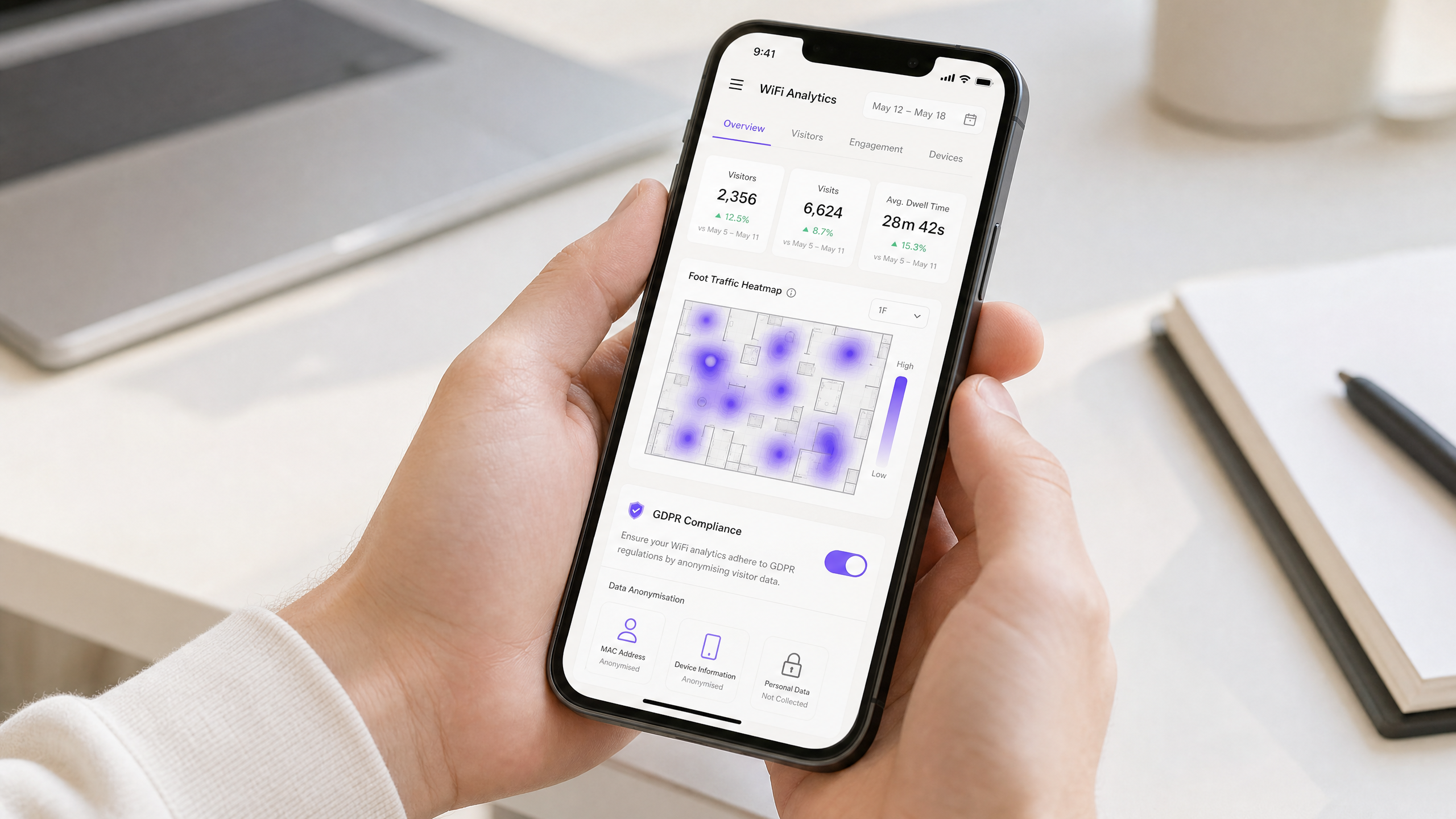
मोठ्या प्रमाणावर ठिकाणे व्यवस्थापित करणाऱ्या एंटरप्राइझ IT संचालक आणि नेटवर्क आर्किटेक्टसाठी, व्यवसाय बुद्धिमत्ता आणि नियामक अनुपालन यांच्यातील ताण ही दैनंदिन वास्तविकता आहे. ऑपरेशन्स टीम्सना पादचारी संख्या, थांबण्याचा वेळ आणि रूपांतरण दर समजून घेण्यासाठी तपशीलवार WiFi Analytics आवश्यक आहे. त्याच वेळी, अनुपालन अधिकाऱ्यांना जनरल डेटा प्रोटेक्शन रेग्युलेशन (GDPR) आणि तत्सम गोपनीयता फ्रेमवर्कचे कठोर पालन करणे आवश्यक आहे.
हे मार्गदर्शक वायरलेस इन्फ्रास्ट्रक्चरमध्ये डिझाइननुसार गोपनीयतेच्या तांत्रिक अंमलबजावणीचे अन्वेषण करते. आम्ही कच्च्या प्रोब विनंत्या आणि MAC ॲड्रेस अनामिक करण्यासाठी आवश्यक असलेल्या आर्किटेक्चरचे विश्लेषण करू, ज्यामुळे संस्थेला नियामक जोखमीशिवाय कृतीयोग्य अंतर्दृष्टी काढता येतील याची खात्री होईल. गोपनीयतेला आर्किटेक्चरल स्तरावर समाविष्ट करून—त्याला नंतरचा विचार मानण्याऐवजी—ठिकाणे त्यांची Guest WiFi नेटवर्क ROI वाढवण्यासाठी वापरू शकतात, त्याच वेळी पूर्ण डेटा अखंडता राखू शकतात.
तांत्रिक सखोल अभ्यास: WiFi डेटाची रचना
अनुपालनाचे आव्हान समजून घेण्यासाठी, आपण प्रथम वायरलेस ॲक्सेस पॉइंट्स (APs) द्वारे व्युत्पन्न केलेला कच्चा डेटा तपासला पाहिजे.
MAC ॲड्रेसची समस्या
जेव्हा मोबाइल डिव्हाइसमध्ये WiFi सक्षम असते, तेव्हा ते जवळपासची नेटवर्क शोधण्यासाठी वेळोवेळी "प्रोब विनंत्या" प्रसारित करते. या विनंत्यांमध्ये डिव्हाइसचा मीडिया ॲक्सेस कंट्रोल (MAC) ॲड्रेस असतो. GDPR (Recital 30) अंतर्गत, MAC ॲड्रेस स्पष्टपणे वैयक्तिक डेटा म्हणून वर्गीकृत केले जातात कारण त्यांचा वापर एखाद्या व्यक्तीला ओळखण्यासाठी आणि ट्रॅक करण्यासाठी केला जाऊ शकतो, जरी त्यांची वास्तविक जगातील ओळख अज्ञात असली तरी.
अनामिकीकरण पाइपलाइन
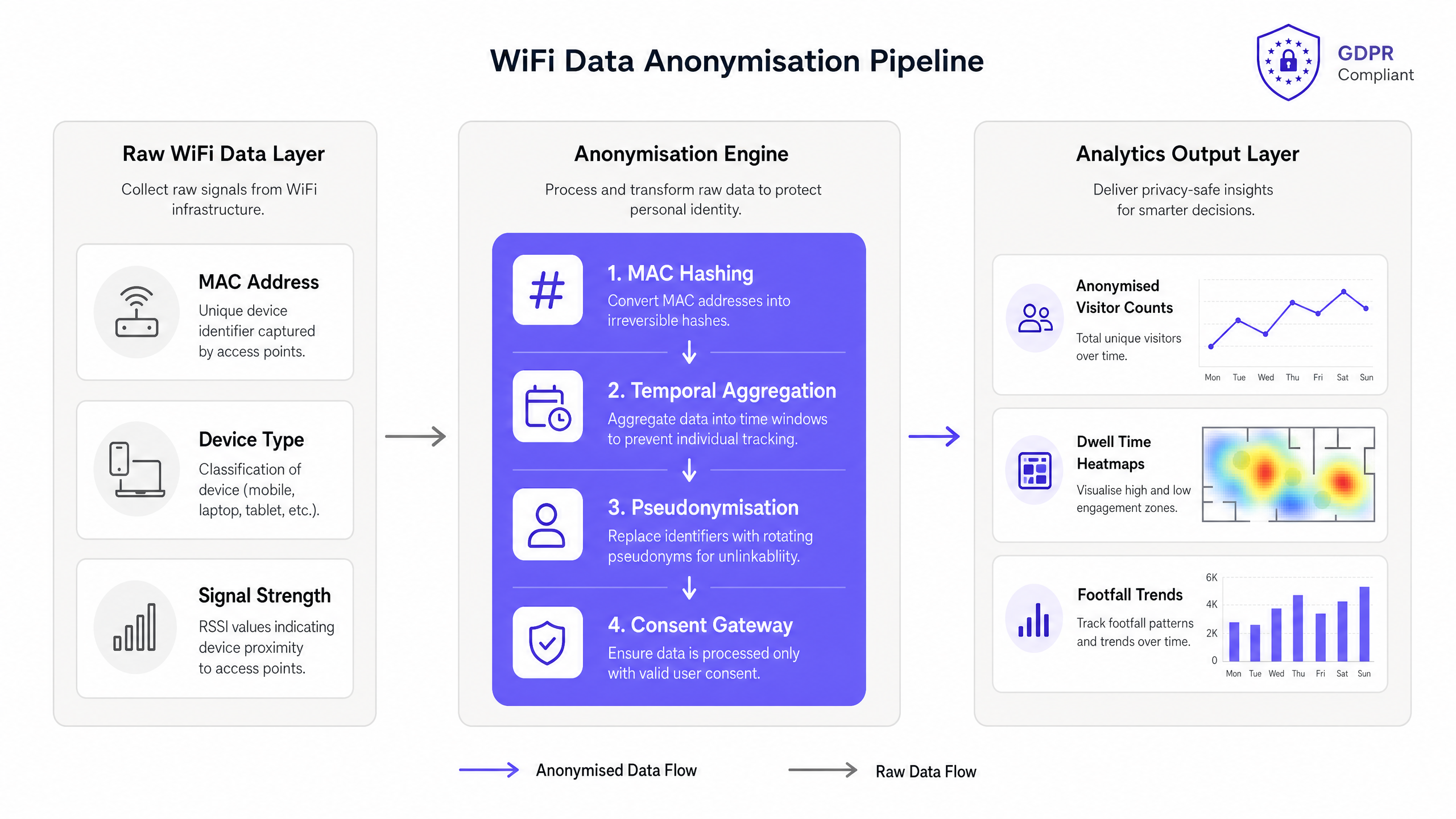
विश्लेषणासाठी हा डेटा कायदेशीररित्या प्रक्रिया करण्यासाठी, स्पष्ट संमतीशिवाय, तो अपरिवर्तनीयपणे अनामिक केला पाहिजे. स्यूडोनायमायझेशन (MAC ला स्थिर ओळखकर्त्याने बदलणे) अपुरे आहे, कारण डेटा GDPR च्या अधीन राहतो. खऱ्या अनामिकीकरणासाठी बहु-स्तरीय पाइपलाइन आवश्यक आहे:
- क्रिप्टोग्राफिक हॅशिंग: कच्च्या MAC ॲड्रेसना मजबूत अल्गोरिदम (उदा. SHA-256) वापरून एजवर किंवा कंट्रोलरद्वारे तात्काळ इनजेस्ट केल्यावर हॅश केले पाहिजे.
- डायनॅमिक सॉल्टिंग: डिक्शनरी हल्ले किंवा रेनबो टेबल लुकअप टाळण्यासाठी, हॅशमध्ये "सॉल्ट" (यादृच्छिक डेटा) जोडणे आवश्यक आहे. महत्त्वाचे म्हणजे, हे सॉल्ट वारंवार (उदा. दररोज) फिरवले पाहिजे. एकदा सॉल्ट टाकून दिल्यावर, हॅशना दिवसांनुसार जोडता येत नाही, ज्यामुळे तात्पुरते अनामिकीकरण सुनिश्चित होते.
- डेटा एकत्रीकरण: विश्लेषणाने वैयक्तिक डिव्हाइसच्या मार्गांऐवजी एकत्रित मेट्रिक्सवर (उदा. "झोन A मध्ये 10:00 ते 10:15 दरम्यान 50 डिव्हाइस") अवलंबून राहिले पाहिजे.
अंमलबजावणी मार्गदर्शक: अनुपालनासाठी आर्किटेक्चर
अनुपालक विश्लेषण समाधान तैनात करण्यासाठी विक्रेता-निरपेक्ष दृष्टिकोन आवश्यक आहे जो विद्यमान पायाभूत सुविधांसह अखंडपणे समाकलित होतो.
पायरी 1: एजवर डेटा कमी करणे
विश्लेषण इंजिनमध्ये प्रसारित करण्यापूर्वी अनावश्यक डेटा फील्ड वगळण्यासाठी आपले WLAN कंट्रोलर किंवा APs कॉन्फिगर करा. जर तुम्हाला केवळ उपस्थिती डेटा हवा असेल, तर अत्यंत आवश्यक असल्याशिवाय डीप पॅकेट इन्स्पेक्शन (DPI) पेलोड किंवा अचूक RSSI ट्रायलेटरेशन लॉग फॉरवर्ड करू नका.
पायरी 2: संमती गेटवे
जेव्हा वापरकर्ते Captive Portal द्वारे नेटवर्कशी सक्रियपणे कनेक्ट होतात, तेव्हा तुम्ही निष्क्रिय विश्लेषणातून सक्रिय सहभागाकडे संक्रमण करता. येथे, स्पष्ट संमती अत्यंत महत्त्वाची आहे. पोर्टलने मार्केटिंग आणि ट्रॅकिंगसाठी स्पष्ट, अनबंडल्ड ऑप्ट-इन्स सादर करणे आवश्यक आहे. आधुनिक सोल्यूशन्स, जसे की wi fi assistant चा लाभ घेणारे, अनुपालन राखताना ही प्रक्रिया सुव्यवस्थित करू शकतात.
पायरी 3: सुरक्षित डेटा प्रसारण
APs वरून विश्लेषण प्लॅटफॉर्मवर प्रसारित केलेला सर्व डेटा TLS 1.2 किंवा त्याहून अधिक वापरून प्रवासात एन्क्रिप्टेड असल्याची खात्री करा, जे लागू असेल तेथे IEEE 802.1X आणि PCI DSS सारख्या मानकांशी जुळते.
सर्वोत्तम पद्धती: डिझाइननुसार गोपनीयतेची 7 तत्त्वे
डॉ. ॲन कॅव्होकियन यांनी विकसित केलेले, डिझाइननुसार गोपनीयतेचे फ्रेमवर्क आता GDPR (अनुच्छेद 25) साठी मूलभूत आहे.
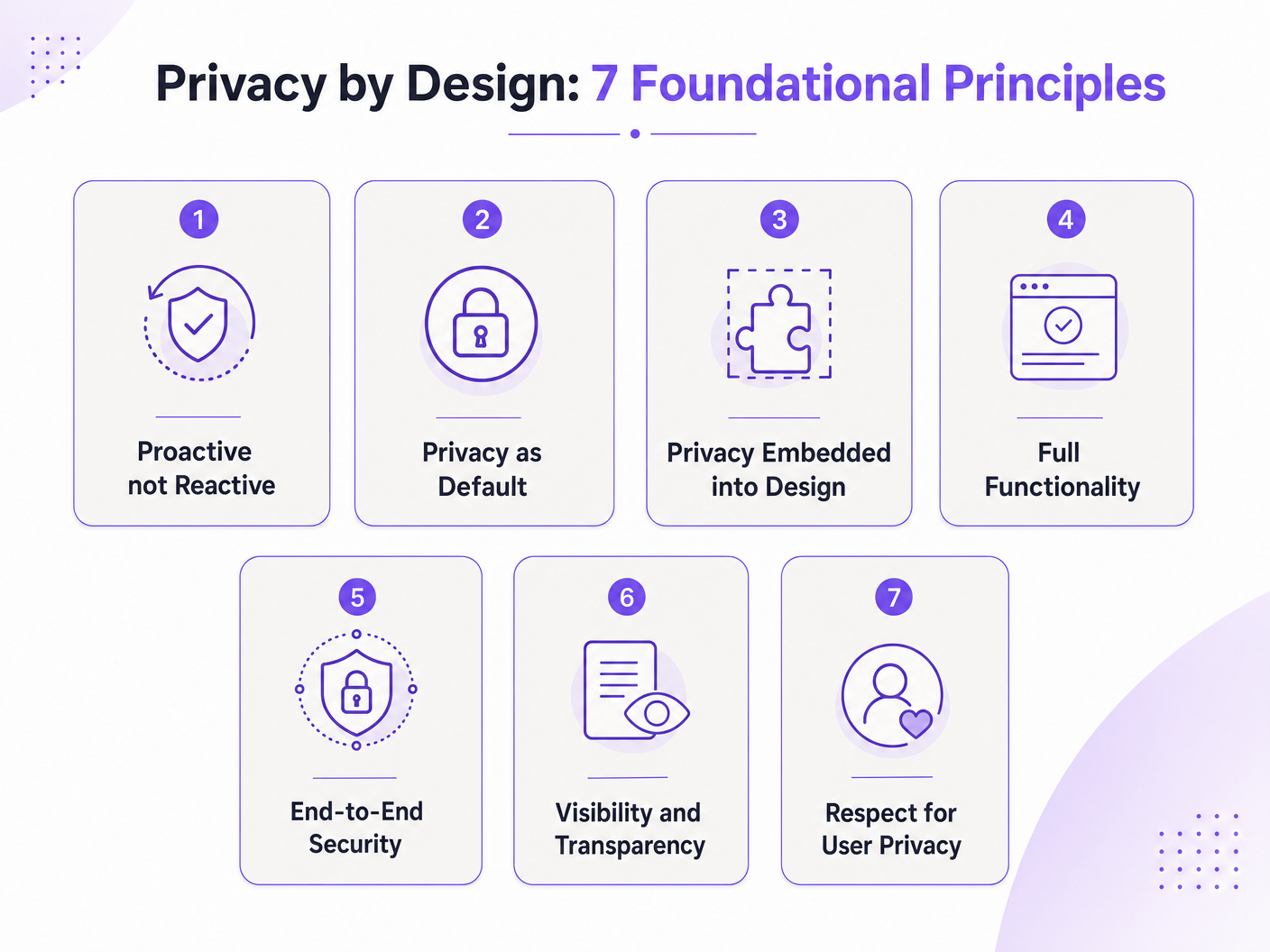
- सक्रिय, प्रतिक्रियात्मक नाही: गोपनीयतेचे धोके प्रत्यक्षात येण्यापूर्वीच त्यांचा अंदाज घ्या. डेटा संग्रहित करण्यापूर्वी अनामिकीकरण पाइपलाइन लागू करा.
- डीफॉल्टनुसार गोपनीयता: डीफॉल्ट सेटिंग नेहमी सर्वात गोपनीयता-संरक्षक असले पाहिजे. वापरकर्त्यांना त्यांचा डेटा संरक्षित करण्यासाठी कोणतीही कृती करण्याची आवश्यकता नसावी.
- डिझाइनमध्ये समाविष्ट गोपनीयता: गोपनीयता नेटवर्क आर्किटेक्चरचा एक मुख्य घटक असणे आवश्यक आहे, केवळ एक जोडलेला मॉड्यूल नाही.
- पूर्ण कार्यक्षमता (सकारात्मक-बेरीज): तुमच्याकडे गोपनीयता आणि विश्लेषण दोन्ही असू शकतात. हा शून्य-बेरीज खेळ नाही.
- एंड-टू-एंड सुरक्षा: डेटा त्याच्या जीवनचक्रात, संकलनापासून ते नष्ट करण्यापर्यंत संरक्षित असणे आवश्यक आहे.
- दृश्यमानता आणि पारदर्शकता: ऑपरेशन्स पडताळण्यायोग्य असणे आवश्यक आहे. वापरकर्त्यांना कोणता डेटा गोळा केला जातो आणि का, हे माहित असणे आवश्यक आहे.
- वापरकर्ता गोपनीयतेचा आदर: वापरकर्त्यांच्या हितांना सर्वोच्च ठेवा, मजबूत डीफॉल्ट आणि स्पष्ट सूचना प्रदान करा.
समस्यानिवारण आणि जोखीम कमी करणे
MAC रँडमायझेशन आव्हान
आधुनिक ऑपरेटिंग सिस्टम (iOS 14+, Android 10+) ट्रॅकिंग टाळण्यासाठी MAC रँडमायझेशन वापरतात. हे वापरकर्ता गोपनीयता वाढवते, परंतु ते विश्लेषणास गुंतागुंतीचे करते.
जोखीम: फिरत्या MAC ॲड्रेसमुळे अद्वितीय अभ्यागतांची जास्त गणना. शमन: अचूक लॉयल्टी मेट्रिक्ससाठी प्रमाणीकृत सत्रांवर अवलंबून रहा. निष्क्रिय विश्लेषणासाठी, त्रुटीची मर्यादा स्वीकारा आणि निरपेक्ष अद्वितीय डिव्हाइस संख्यांऐवजी सापेक्ष ट्रेंडवर लक्ष केंद्रित करा. तुमचे चॅनेल नियोजन इष्टतम असल्याची खात्री करा; खराब RF वातावरण ट्रॅकिंग समस्या वाढवते. 20MHz vs 40MHz vs 80MHz: Which Channel Width Should You Use? कनेक्शनची गुणवत्ता स्थिर करण्यास मदत करू शकते.
ROI आणि व्यवसायावर परिणाम
मजबूत, नियमांनुसार विश्लेषण लागू केल्याने विविध क्षेत्रांमध्ये मोजता येण्याजोगा व्यावसायिक मूल्य वाढते:
- किरकोळ विक्री: रूपांतरण दर (येणारे-जाणारे विरुद्ध प्रवेश करणारे) समजून घेतल्याने विंडो डिस्प्ले आणि कर्मचाऱ्यांच्या स्तरांमध्ये डेटा-आधारित समायोजन करण्यास मदत होते.
- आतिथ्य: F&B क्षेत्रांमधील थांबण्याच्या वेळेचे विश्लेषण केल्याने सेवेचा वेग आणि टेबल टर्नओव्हर ऑप्टिमाइझ करण्यास मदत होते, ज्यामुळे महसूलावर थेट परिणाम होतो. अधिक धोरणांसाठी, अतिथी समाधान कसे सुधारावे: अंतिम प्लेबुक पहा.
- वाहतूक: प्रवाशांच्या प्रवाहाचे निरीक्षण केल्याने अडथळे टाळता येतात आणि गर्दीच्या वेळी संसाधनांच्या वाटपाची माहिती मिळते.
हे अंतर्दृष्टी नियमांनुसार गोळा केले जातील याची खात्री करून, संस्था त्यांची ब्रँड प्रतिष्ठा जपतात आणि दंडात्मक GDPR दंडांपासून वाचतात, ज्यामुळे त्यांच्या वायरलेस इन्फ्रास्ट्रक्चरचा दीर्घकालीन ROI सुरक्षित होतो.
महत्वाच्या व्याख्या
Probe Request
A frame broadcast by a WiFi-enabled device to discover nearby wireless networks.
This is the primary source of data for passive analytics and contains the device's MAC address.
MAC Address
Media Access Control address; a unique identifier assigned to a network interface controller.
Classified as personal data under GDPR, requiring protection and anonymisation.
Cryptographic Hashing
A one-way mathematical function that converts data (like a MAC address) into a fixed-size string of characters.
Used to obscure the original MAC address, though insufficient on its own without salting.
Salting
Adding random data to the input of a hash function to guarantee a unique output.
Prevents attackers from using pre-computed tables (rainbow tables) to reverse-engineer hashed MAC addresses.
Pseudonymisation
Replacing identifying data with artificial identifiers.
Useful for security, but pseudonymised data remains subject to GDPR as it can potentially be re-identified.
Anonymisation
Processing data in such a way that the data subject can no longer be identified, irreversibly.
The ultimate goal for passive analytics, removing the data from the scope of GDPR.
RSSI
Received Signal Strength Indicator; a measurement of the power present in a received radio signal.
Used in analytics to estimate the distance of a device from an access point, determining if a user is inside or outside a venue.
Data Minimisation
The principle that personal data should be adequate, relevant, and limited to what is necessary.
A core GDPR requirement dictating that venues should not collect or store more WiFi data than strictly required for their stated purpose.
सोडवलेली उदाहरणे
A 500-store retail chain needs to measure window conversion rates (passers-by vs. store entrants) using passive WiFi analytics without violating GDPR.
- Deploy sensors/APs configured to capture probe requests.
- Implement an edge-based hashing agent. The agent applies a SHA-256 hash to the MAC address, combined with a daily rotating salt.
- The agent forwards only the hashed identifier, RSSI (signal strength), and timestamp to the central analytics platform.
- The platform uses RSSI thresholds to distinguish between 'passers-by' (weak signal) and 'entrants' (strong signal).
- At midnight, the salt is discarded. Hashes from Monday cannot be linked to hashes from Tuesday.
A large exhibition centre wants to track repeat visitor attendance across a multi-day event, requiring data linkage beyond a 24-hour period.
Passive analytics with daily salt rotation cannot link days. The venue must transition to active analytics.
- Deploy a captive portal offering high-speed WiFi.
- Present a clear, unbundled consent request for tracking and analytics during the login process.
- Once consent is granted, the system generates a persistent pseudonym linked to the user's authenticated profile.
- This pseudonym is used to track the user across the multi-day event.
सराव प्रश्न
Q1. A hospital IT director wants to track patient flow through outpatient clinics using WiFi. They plan to hash the MAC addresses but use a static salt so they can track individuals across multiple visits over a month. Is this compliant?
टीप: Consider the difference between anonymisation and pseudonymisation, and the requirement for consent.
नमुना उत्तर पहा
No, this is not compliant for passive tracking. Using a static salt means the data is pseudonymised, not anonymised, because the individual can still be singled out over time. To track individuals over a month, the hospital must obtain explicit consent (e.g., via a captive portal). Without consent, the salt must be rotated frequently (e.g., daily) to ensure true anonymisation.
Q2. Your network architecture team proposes sending raw MAC addresses to a cloud analytics provider, arguing that the provider's terms of service state they will anonymise the data upon receipt. Should you approve this architecture?
टीप: Apply the 'Privacy Embedded into Design' and 'End-to-End Security' principles.
नमुना उत्तर पहा
No, you should not approve this. Transmitting raw MAC addresses across the internet, even to a trusted processor, introduces unnecessary risk and violates the principle of Privacy Embedded into Design. The anonymisation pipeline (hashing and salting) should occur at the edge (on the controller or AP) before the data leaves the corporate network.
Q3. Following an iOS update that increases MAC randomisation frequency, your marketing team notices a 30% drop in 'repeat visitor' metrics from passive analytics. They ask IT to find a technical workaround to identify these devices. What is the appropriate response?
टीप: Focus on the intent of MAC randomisation and the boundaries of passive vs. active analytics.
नमुना उत्तर पहा
The appropriate response is to explain that circumventing MAC randomisation to identify individuals without their knowledge violates privacy principles and GDPR. The solution is not a technical workaround for passive tracking, but a strategic shift to active tracking. IT should work with marketing to implement a compelling Guest WiFi portal that incentivises users to authenticate and provide consent, thereby providing accurate loyalty metrics.