
UK-তে পাবলিক WiFi নেটওয়ার্কের জন্য IWF কমপ্লায়েন্স
এই নির্ভরযোগ্য গাইডটি UK জুড়ে বিভিন্ন ভেন্যুতে IWF-কমপ্লায়েন্ট পাবলিক WiFi নেটওয়ার্ক বাস্তবায়নের জন্য কারিগরি প্রয়োজনীয়তা, আর্কিটেকচার এবং ডিপ্লয়মেন্ট কৌশল বিস্তারিতভাবে বর্ণনা করে। এটি আইটি লিডারদের উচ্চ-কার্যক্ষমতার নেটওয়ার্ক অ্যাক্সেস বজায় রেখে আইনি ঝুঁকি হ্রাস করার জন্য কার্যকর ফ্রেমওয়ার্ক প্রদান করে।
Video overview
এই গাইডটি শুনুন
পডকাস্ট ট্রান্সক্রিপ্ট দেখুন
আমাদের মূল সিরিজের অংশ: Enterprise WiFi Security Guide →
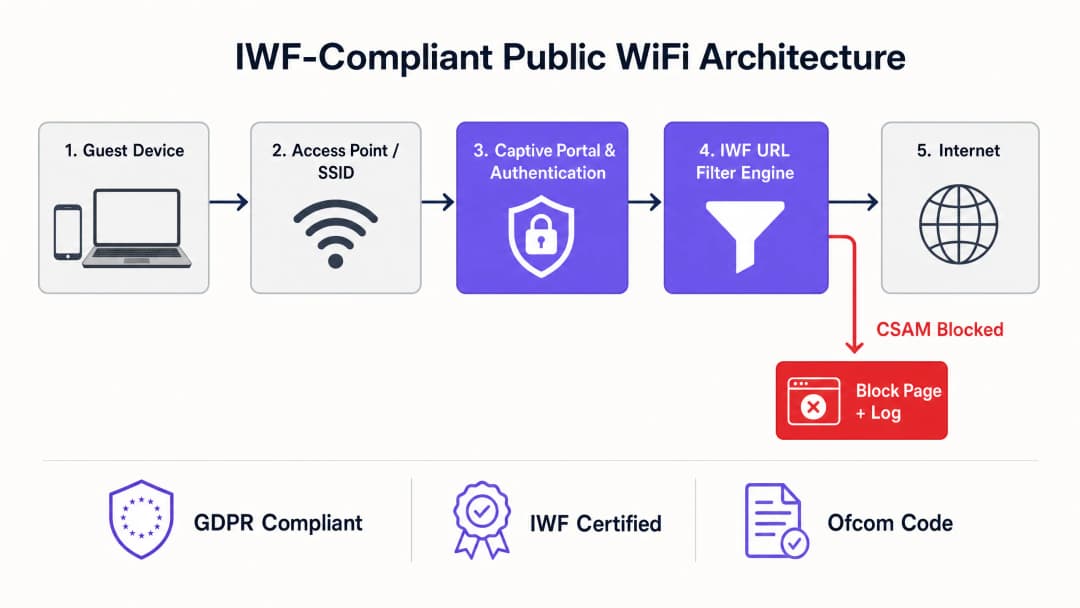
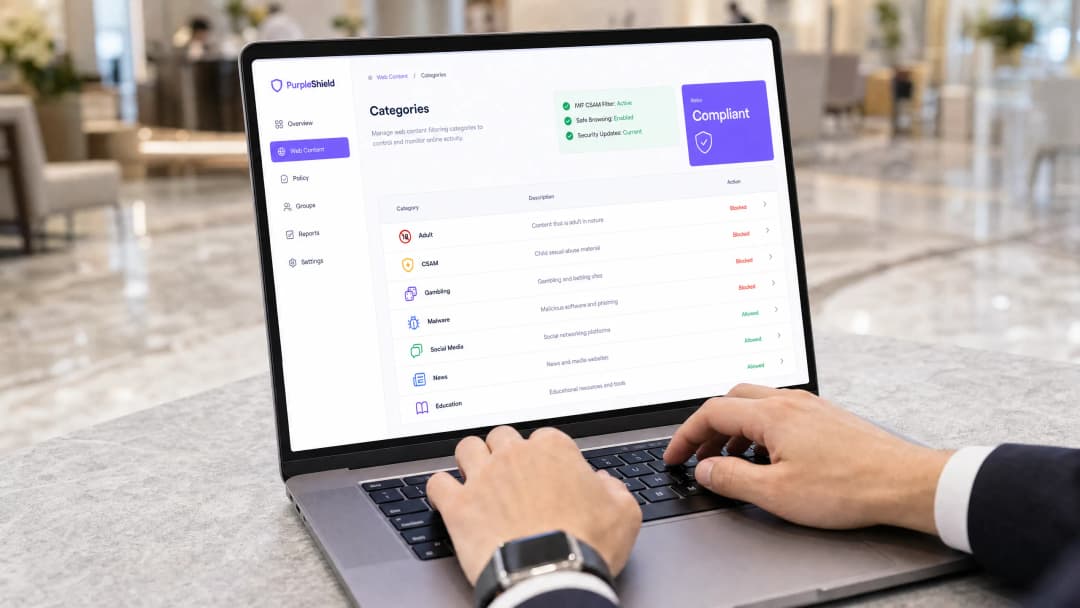 \n\n## এক্সিকিউটিভ সামারি\n\nযুক্তরাজ্যে public WiFi প্রদান করা এখন আর কেবল অতিথিদের একটি সুবিধা নয়, এটি একটি অত্যন্ত গুরুত্বপূর্ণ কমপ্লায়েন্স বা সম্মতি সংক্রান্ত বাধ্যবাধকতা হয়ে দাঁড়িয়েছে। Retail, Hospitality, এবং পাবলিক সেক্টর পরিবেশ পরিচালনাকারী IT পরিচালক এবং CTO-দের জন্য, শক্তিশালী কনটেন্ট ফিল্টারিং ছাড়া ওপেন নেটওয়ার্ক স্থাপন করা প্রতিষ্ঠানকে বড় ধরনের আইনি এবং সুনামগত ঝুঁকির মুখে ফেলে দেয়। ইন্টারনেট ওয়াচ ফাউন্ডেশন (IWF) চাইল্ড সেক্সুয়াল অ্যাবিউজ মেটেরিয়াল (CSAM) ব্লক করার জন্য একটি চূড়ান্ত তালিকা বা ব্লকলিস্ট রক্ষণাবেক্ষণ করে। নেটওয়ার্কের শেষ প্রান্তে এই তালিকাটি একীভূত করা কেবল একটি সর্বোত্তম অনুশীলনই নয়; এটি একটি দায়িত্বশীল ভেন্যু পরিচালনার জন্য একটি মৌলিক প্রয়োজনীয়তা।\n\nএই গাইডটি IWF সম্মতি অর্জনের জন্য প্রয়োজনীয় টেকনিক্যাল আর্কিটেকচারের রূপরেখা প্রদান করে, যেখানে DNS এবং HTTP স্তরে স্থাপনার কৌশলগুলি বিস্তারিতভাবে আলোচনা করা হয়েছে। এটি নেটওয়ার্কের থ্রুপুট বা ব্যবহারকারীর অভিজ্ঞতা হ্রাস না করে কীভাবে প্রত্যয়িত ওয়েব ফিল্টারিং বাস্তবায়ন করা যায় সে সম্পর্কে কার্যকর, ভেন্ডর-নিরপেক্ষ পরামর্শ প্রদান করে। Guest WiFi সুরক্ষিত করা থেকে শুরু করে IEEE 802.1X এবং OpenRoaming-এর মতো আধুনিক প্রমাণীকরণ স্ট্যান্ডার্ডের সাথে একীভূতকরণ পর্যন্ত, আমরা আলোচনা করব কীভাবে একটি কমপ্লায়েন্ট এবং উচ্চ-ক্ষমতাসম্পন্ন নেটওয়ার্ক তৈরি করা যায়।\n\n## টেকনিক্যাল ডিপ-ডাইভ: IWF কমপ্লায়েন্স আর্কিটেকচার\n\nIWF সম্মতি বাস্তবায়নের জন্য নেটওয়ার্ক সুরক্ষায় একটি বহুমুখী পদ্ধতির প্রয়োজন। এর মূল প্রয়োজনীয়তা হলো ভেন্যুর ওয়েব ফিল্টারিং ইঞ্জিনের সাথে IWF URL তালিকার ডাইনামিক ইন্টিগ্রেশন। এটি কোনো স্ট্যাটিক বা ম্যানুয়ালি আপডেট করা তালিকা হতে পারে না; এর জন্য IWF ডাটাবেসের সাথে রিয়েল-টাইম বা কাছাকাছি রিয়েল-টাইম সিঙ্ক্রোনাইজেশন প্রয়োজন।\n\n### লেয়ার ১: DNS ফিল্টারিং\nসবচেয়ে মৌলিক স্তরে, DNS ফিল্টারিং পরিচিত CSAM ডোমেনের অনুরোধগুলিকে আটকে দেয় এবং সেগুলিকে একটি ব্লক পেজ বা একটি নাল রুটে পাঠিয়ে দেয়। অত্যন্ত সাশ্রয়ী এবং কম বিলম্বিত বা লো-ল্যাটেন্সি হওয়া সত্ত্বেও, কেবল DNS ফিল্টারিং একা যথেষ্ট নয় কারণ এটি ডোমেন স্তরে কাজ করে, যেখানে IWF তালিকা প্রায়শই নির্দিষ্ট URL-গুলি চিহ্নিত করে। শুধুমাত্র DNS-এর উপর নির্ভর করলে ওভার-ব্লকিং (একটি মাত্র ক্ষতিকারক URL-এর কারণে সম্পূর্ণ বৈধ ডোমেন ব্লক করা) অথবা আন্ডার-ব্লকিং (IP-ভিত্তিক অ্যাক্সেস ব্লক করতে ব্যর্থ হওয়া) হতে পারে।\n\n### লেয়ার ২: HTTP/HTTPS ডিপ প্যাকেট ইন্সপেকশন (DPI)\nসঠিকভাবে IWF URL তালিকা প্রয়োগ করতে, ফিল্টারিং ইঞ্জিনকে সম্পূর্ণ HTTP অনুরোধের পথটি পরীক্ষা করতে হবে। এনক্রিপ্ট করা HTTPS ট্রাফিকের জন্য এটি একটি চ্যালেঞ্জ তৈরি করে। আধুনিক পদ্ধতির মধ্যে Server Name Indication (SNI) পরীক্ষা করার পাশাপাশি নির্দিষ্ট, উচ্চ-ঝুঁকিপূর্ণ ক্যাটাগরির জন্য লক্ষ্যযুক্ত SSL ডিক্রিপশন অন্তর্ভুক্ত রয়েছে। তবে, পাবলিক নেটওয়ার্কে SSL ডিক্রিপশন স্থাপন করা গুরুতর গোপনীয়তা এবং সার্টিফিকেট ট্রাস্টের সমস্যা তৈরি করে। তাই, পাবলিক ভেন্যুর জন্য আদর্শ ডিপ্লয়মেন্ট মডেলটি উন্নত SNI ফিল্টারিং এবং ডাইনামিক IP ক্যাটাগরাইজেশনের উপর নির্ভর করে, যা IWF URL ডাটাবেসের সাথে ক্রস-রেফারেন্স করা হয়।\n\n
 \n\n### Integration with Authentication and Analytics
কমপ্লায়েন্স কেবল ব্লক করার মধ্যেই সীমাবদ্ধ নয়; এর জন্য জবাবদিহিতার প্রয়োজন। একটি Captive Portal-এর সাথে ফিল্টারিং ইঞ্জিনকে ইন্টিগ্রেট করলে ব্যবহারকারীরা অ্যাক্সেস পাওয়ার আগে একটি Acceptable Use Policy (AUP) গ্রহণ করে তা নিশ্চিত করা যায়। তাছাড়া, নেটওয়ার্ক অ্যাক্সেসকে শক্তিশালী WiFi Analytics-এর সাথে সংযুক্ত করলে IT টিমগুলি ব্লকের ঘটনাগুলি পর্যবেক্ষণ করতে, সম্ভাব্য নিরাপত্তা সংক্রান্ত ঘটনাগুলি সনাক্ত করতে এবং অডিটের সময় কমপ্লায়েন্স প্রদর্শন করতে পারে। WiFi Frequencies: A Guide to WiFi Frequencies in 2026 বোঝা অত্যন্ত গুরুত্বপূর্ণ, কারণ গভীর প্যাকেট পরীক্ষার দ্বারা প্রবর্তিত সামান্য লেটেন্সি পরিচালনা করতে বিভিন্ন ব্যান্ডের জন্য নির্দিষ্ট QoS কনফিগারেশনের প্রয়োজন হয়।
\n\n### Integration with Authentication and Analytics
কমপ্লায়েন্স কেবল ব্লক করার মধ্যেই সীমাবদ্ধ নয়; এর জন্য জবাবদিহিতার প্রয়োজন। একটি Captive Portal-এর সাথে ফিল্টারিং ইঞ্জিনকে ইন্টিগ্রেট করলে ব্যবহারকারীরা অ্যাক্সেস পাওয়ার আগে একটি Acceptable Use Policy (AUP) গ্রহণ করে তা নিশ্চিত করা যায়। তাছাড়া, নেটওয়ার্ক অ্যাক্সেসকে শক্তিশালী WiFi Analytics-এর সাথে সংযুক্ত করলে IT টিমগুলি ব্লকের ঘটনাগুলি পর্যবেক্ষণ করতে, সম্ভাব্য নিরাপত্তা সংক্রান্ত ঘটনাগুলি সনাক্ত করতে এবং অডিটের সময় কমপ্লায়েন্স প্রদর্শন করতে পারে। WiFi Frequencies: A Guide to WiFi Frequencies in 2026 বোঝা অত্যন্ত গুরুত্বপূর্ণ, কারণ গভীর প্যাকেট পরীক্ষার দ্বারা প্রবর্তিত সামান্য লেটেন্সি পরিচালনা করতে বিভিন্ন ব্যান্ডের জন্য নির্দিষ্ট QoS কনফিগারেশনের প্রয়োজন হয়।
আপনার নির্দিষ্ট সেটআপ নিয়ে কোনো প্রশ্ন আছে?
আমাদের টিম ৮০,০০০ ভেন্যুতে ভেন্যু অপারেটর, IT ম্যানেজার এবং নেটওয়ার্ক ইঞ্জিনিয়ারদের সাথে কাজ করে। একটি ২০ মিনিটের কল বুক করুন এবং আপনার মতো অন্যরা কীভাবে এর সমাধান করেছেন তা আমরা আপনাকে দেখাব।
Implementation Guide: Deploying IWF Filtering
একটি জাতীয় Transport হাব বা Healthcare পরিষেবাগুলির মতো বিতরণ করা পরিবেশগুলিতে IWF-সম্মত ফিল্টারিং স্থাপন করার জন্য একটি কাঠামোগত পদ্ধতির প্রয়োজন।
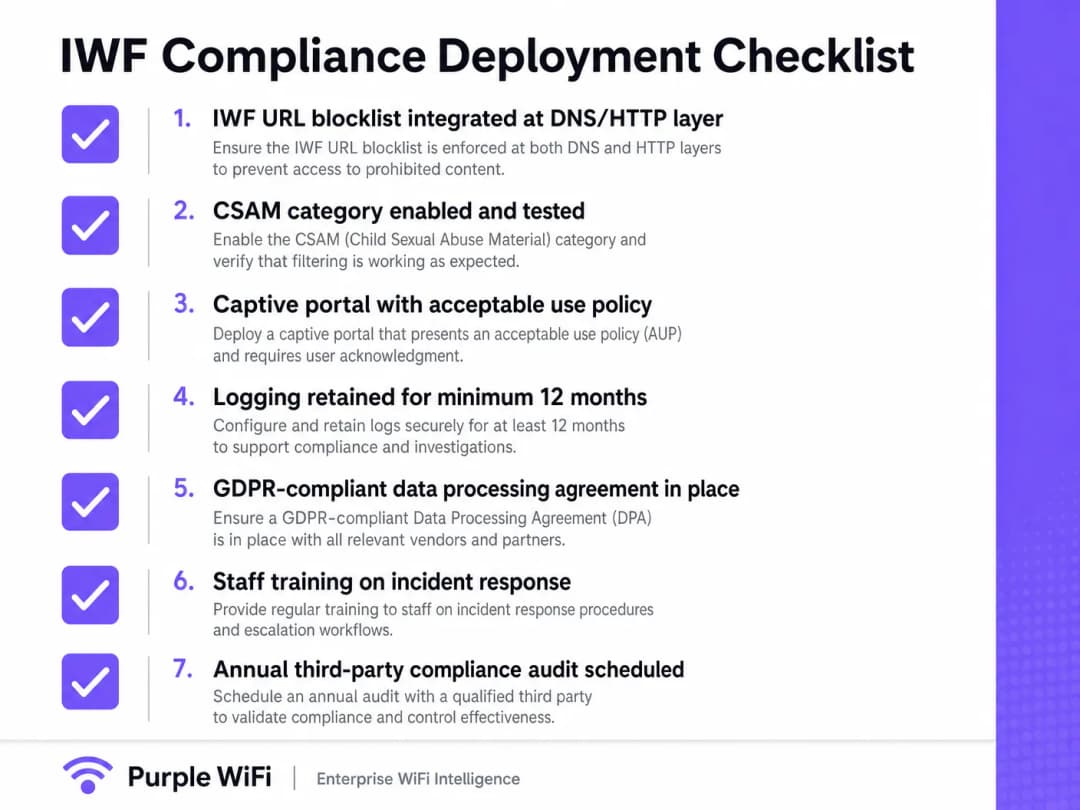
- সার্টিফাইড ভেন্ডর নির্বাচন করুন: নিশ্চিত করুন যে আপনার ওয়েব ফিল্টারিং প্রদানকারী একজন অফিসিয়াল IWF সদস্য এবং তাদের ডাইনামিক ফিড ব্যবহার করে। কাস্টম ইন্টিগ্রেশন তৈরি করার চেষ্টা করবেন না।
- নেটওয়ার্ক এজ কনফিগারেশন: সমস্ত গেস্ট DNS ট্রাফিককে সম্মত ফিল্টারিং পরিষেবাতে পাঠাতে ভেন্যু রাউটার বা অ্যাক্সেস পয়েন্টগুলি কনফিগার করুন। ব্যবহারকারীরা যাতে কাস্টম DNS সার্ভার ব্যবহার করে ফিল্টারটি বাইপাস করতে না পারে তার জন্য আউটবাউন্ড পোর্ট 53 এবং 853 (DoT) ব্লক করুন।
- Captive Portal সমন্বয়: বিষয়বস্তু ফিল্টারিং চালু আছে এবং অবৈধ সামগ্রীর অ্যাক্সেস পর্যবেক্ষণ ও ব্লক করা হয়েছে তা স্পষ্টভাবে উল্লেখ করতে Captive Portal AUP আপডেট করুন।
- পরীক্ষা এবং যাচাইকরণ: পরীক্ষার জন্য আসল IWF URL ব্যবহার করবেন না। ফিল্টারিং ইঞ্জিনটি সঠিকভাবে সীমাবদ্ধ সামগ্রী ইন্টারসেপ্ট এবং ব্লক করছে কিনা তা যাচাই করতে IWF নির্দিষ্ট, নিরাপদ টেস্ট URL প্রদান করে।
- লগিং এবং ধরে রাখা: GDPR এবং স্থানীয় আইন প্রয়োগকারী প্রয়োজনীয়তার সাথে সামঞ্জস্য রেখে অন্তত 12 মাসের জন্য ব্লক করা অ্যাক্সেসের চেষ্টার লগ বজায় রাখতে ফায়ারওয়াল বা ফিল্টারিং পরিষেবাটি কনফিগার করুন।
Best Practices for Public Venues
নেটওয়ার্ক আর্কিটেকচার ডিজাইন করার সময়, IT লিডারদের অবশ্যই নিরাপত্তা এবং ব্যবহারকারীর অভিজ্ঞতার মধ্যে ভারসাম্য বজায় রাখতে হবে।
- অতিরিক্ত ব্লক করা এড়িয়ে চলুন: নিশ্চিত করুন যে ফিল্টারিং নীতি কঠোরভাবে অবৈধ বিষয়বস্তু (CSAM) এবং অত্যন্ত ক্ষতিকারক ক্যাটাগরিগুলির (ম্যালওয়্যার, ফিশিং) উপর লক্ষ্যযুক্ত। অতিরিক্ত আক্রমণাত্মক ফিল্টারিং (যেমন, বৈধ সোশ্যাল মিডিয়া বা স্ট্রিমিং ব্লক করা) ব্যবহারকারীদের হতাশা এবং সহায়তা টিকিটের বৃদ্ধির দিকে পরিচালিত করে।
- এনক্রিপ্ট করা DNS পরিচালনা করুন: DNS over HTTPS (DoH) বৃদ্ধির সাথে, ব্যবহারকারীদের ব্রাউজারগুলি স্থানীয় DNS ফিল্টারগুলিকে বাইপাস করার চেষ্টা করতে পারে। ফায়ারওয়াল স্তরে পরিচিত DoH রিসলভারগুলি (যেমন 8.8.8.8 বা 1.1.1.1) ব্লক করার জন্য নেটওয়ার্ক নীতিগুলি প্রয়োগ করুন, যা ভেন্যুর সুরক্ষিত DNS-এ ফিরে যেতে বাধ্য করে।
- নির্বিঘ্ন প্রমাণীকরণ: উন্মুক্ত নেটওয়ার্ক থেকে নিরাপদ প্রমাণীকরণ ফ্রেমওয়ার্কে রূপান্তর করার কথা বিবেচনা করুন। যদিও Passpoint/OpenRoaming ভবিষ্যৎ, তবুও এই নেটওয়ার্কগুলিতে শক্তিশালী ফিল্টারিং নিশ্চিত করা অত্যন্ত গুরুত্বপূর্ণ। জটিল এন্টারপ্রাইজ সেটআপ পরিচালনার তথ্যের জন্য, Resolving Roaming Issues in Corporate WLANs দেখুন।
সমস্যা সমাধান এবং ঝুঁকি হ্রাস
পাবলিক WiFi কমপ্লায়েন্সের ক্ষেত্রে সবচেয়ে সাধারণ ব্যর্থতার ধরন হলো "বাইপাস"। ব্যবহারকারীরা, ইচ্ছাকৃত বা অনিচ্ছাকৃতভাবে, ফিল্টারিং নিয়ন্ত্রণকে এড়িয়ে যান।
- Rogue Access Points (Rogue APs): অননুমোদিত অ্যাক্সেস পয়েন্টগুলির জন্য নিয়মিত পরীক্ষা করা অপরিহার্য। একজন কর্মচারী যদি একটি আনম্যানেজড, আনফিল্টারড কনজিউমার রাউটার প্লাগ ইন করেন, তবে একটি কমপ্লায়েন্ট তারযুক্ত নেটওয়ার্কও অকেজো হয়ে পড়ে।
- VPN ব্যবহার: যদিও হোটেলগুলির মতো জায়গায় সমস্ত VPN ট্রাফিক ব্লক করা প্রায়শই অবাস্তব যেখানে ব্যবসায়িক ভ্রমণকারীদের কর্পোরেট অ্যাক্সেসের প্রয়োজন হয়, তবুও আইটি টিমগুলির অতিরিক্ত এবং অবিরাম এনক্রিপ্টেড টানেলগুলি পর্যবেক্ষণ করা উচিত যা অপব্যবহারের ইঙ্গিত দিতে পারে।
- ল্যাটেন্সি স্পাইক: ফিল্টারিং ইঞ্জিনটি ক্লাউড-ভিত্তিক হলে, রিজিওনাল POP ব্যবহার করা হচ্ছে কিনা তা নিশ্চিত করুন। লন্ডনের কোনো হোটেল থেকে ইউএস-ভিত্তিক ফিল্টারিং সার্ভারে ট্রাফিক রাউট করলে তা অনাকাঙ্ক্ষিত ল্যাটেন্সি তৈরি করবে। নির্বিঘ্ন অভিজ্ঞতা বজায় রাখতে রাউটিং অপ্টিমাইজ করুন, ঠিক যেভাবে কেউ Office WiFi: Optimise Your Modern Office WiFi Network এর জন্য করবেন।
ROI এবং ব্যবসায়িক প্রভাব
যদিও কমপ্লায়েন্সকে প্রায়শই একটি কস্ট সেন্টার হিসেবে দেখা হয়, তবুও শক্তিশালী IWF ফিল্টারিং ব্র্যান্ডকে সুরক্ষিত রাখে। অবৈধ ডাউনলোড বা CSAM বিতরণের সাথে যুক্ত থাকার কারণে একটি ভেন্যুর সুনামের যে ক্ষতি হতে পারে, তা স্থাপনের খরচের চেয়ে অনেক বেশি। তদুপরি, লোকেশন-ভিত্তিক পরিষেবাগুলির জন্য BLE Low Energy Explained for Enterprise এর মতো উন্নত প্রযুক্তি ব্যবহারের জন্য একটি নিরাপদ, কমপ্লায়েন্ট নেটওয়ার্ক হলো পূর্বশর্ত, কারণ ট্র্যাকিং এবং অ্যানালিটিক্স বেছে নেওয়ার আগে ব্যবহারকারীদের অবশ্যই অন্তর্নিহিত পরিকাঠামোর উপর বিশ্বাস রাখতে হবে। শূন্য কমপ্লায়েন্স লঙ্ঘন, ন্যূনতম ফলস-পজিটিভ সাপোর্ট টিকিট এবং নির্বিঘ্ন নেটওয়ার্ক কার্যক্ষমতার মাধ্যমে এর সাফল্য পরিমাপ করা হয়।
মূল সংজ্ঞাসমূহ
Internet Watch Foundation (IWF)
একটি UK-ভিত্তিক সংস্থা যা চাইল্ড সেক্সুয়াল অ্যাবিউজ মেটেরিয়াল (CSAM) ধারণকারী URL-গুলির একটি ডাইনামিক তালিকা তৈরি করে।
UK-তে পাবলিক WiFi কমপ্লায়েন্সের জন্য IWF তালিকার সাথে ইন্টিগ্রেশন হল একটি বেসলাইন স্ট্যান্ডার্ড।
Server Name Indication (SNI)
TLS প্রোটোকলের একটি এক্সটেনশন যা নির্দেশ করে যে হ্যান্ডশেকিং প্রক্রিয়ার শুরুতে ক্লায়েন্ট কোন হোস্টনামের সাথে সংযোগ করার চেষ্টা করছে।
SNI ইন্সপেকশন আইটি টিমকে সম্পূর্ণ ট্রাফিক স্ট্রিম ডিক্রিপ্ট করার প্রয়োজন ছাড়াই HTTPS সংযোগে নির্দিষ্ট ক্ষতিকারক ওয়েবসাইটগুলি ব্লক করার অনুমতি দেয়।
DNS over HTTPS (DoH)
HTTPS প্রোটোকলের মাধ্যমে রিমোট ডোমেন নেম সিস্টেম রেজোলিউশন সম্পাদন করার জন্য একটি প্রোটোকল, যা DNS কুয়েরিগুলিকে এনক্রিপ্ট করে।
DoH প্রথাগত DNS-ভিত্তিক ওয়েব ফিল্টারগুলিকে বাইপাস করতে পারে, যার ফলে কমপ্লায়েন্স কার্যকর করতে নেটওয়ার্ক প্রশাসকদের পরিচিত DoH এন্ডপয়েন্টগুলি ব্লক করতে হয়।
Captive Portal
একটি ওয়েব পেজ যা একটি পাবলিক-অ্যাক্সেস নেটওয়ার্কের ব্যবহারকারীকে অ্যাক্সেস দেওয়ার আগে দেখতে এবং ইন্টারঅ্যাক্ট করতে হয়।
অ্যাক্সেপ্টেবল ইউজ পলিসি (AUP) প্রয়োগ করার জন্য এবং নেটওয়ার্ক ব্যবহারের জন্য আইনি কাঠামো প্রতিষ্ঠার জন্য অত্যন্ত গুরুত্বপূর্ণ।
Acceptable Use Policy (AUP)
একটি ডকুমেন্ট যা কোনো কর্পোরেট নেটওয়ার্ক বা ইন্টারনেট অ্যাক্সেসের জন্য একজন ব্যবহারকারীকে অবশ্যই মেনে চলতে হবে এমন শর্তাবলী এবং নিয়মাবলী নির্ধারণ করে।
ভেন্যু অপারেটরদের কন্টেন্ট ব্লক করার এবং অ-কমপ্লায়েন্ট ব্যবহারকারীদের জন্য সেশন বন্ধ করার আইনি সুরক্ষা প্রদান করে।
VLAN Segmentation
একটি ফিজিক্যাল নেটওয়ার্ককে একাধিক লজিক্যাল নেটওয়ার্কে বিভক্ত করার প্রক্রিয়া।
অবিশ্বস্ত গেস্ট ট্রাফিক (যার জন্য IWF ফিল্টারিং প্রয়োজন) থেকে বিশ্বস্ত কর্পোরেট বা POS ট্রাফিক আলাদা করার জন্য এটি অপরিহার্য।
Deep Packet Inspection (DPI)
কম্পিউটার নেটওয়ার্ক প্যাকেট ফিল্টারিংয়ের একটি রূপ যা একটি প্যাকেট কোনো ইন্সপেকশন পয়েন্ট অতিক্রম করার সময় সেটির ডেটা অংশ পরীক্ষা করে।
নির্দিষ্ট অ্যাপ্লিকেশন বা প্রোটোকল (যেমন BitTorrent বা VPN) সনাক্ত এবং ব্লক করতে ব্যবহৃত হয় যা সাধারণ ফিল্টার বাইপাস করতে ব্যবহার করা যেতে পারে।
False Positive
যখন কোনো বৈধ ওয়েবসাইট ভুলভাবে শ্রেণীবদ্ধ করা হয় এবং ফিল্টারিং ইঞ্জিন দ্বারা ব্লক করা হয়।
উচ্চ ফলস-পজিটিভ রেট ব্যবহারকারীর অভিযোগ এবং আইটি সাপোর্টের ঝামেলা বাড়ায়; একটি অত্যন্ত নির্ভুল, IWF-প্রত্যয়িত ভেন্ডর নির্বাচন করা এটি হ্রাস করে।
সমাধানকৃত উদাহরণসমূহ
একটি ২০০-রুমের হোটেলের IWF ফিল্টারিং প্রয়োগ করা প্রয়োজন কিন্তু দেখা গেছে যে প্রচুর সংখ্যক অতিথি আধুনিক ব্রাউজারের মাধ্যমে DNS over HTTPS (DoH) ব্যবহার করছেন, যা বর্তমান DNS-ভিত্তিক ফিল্টারকে বাইপাস করছে।
আইটি টিমকে একটি দ্বৈত-স্তরীয় পদ্ধতি প্রয়োগ করতে হবে। প্রথমত, পরিচিত DoH প্রদানকারীদের (যেমন- Cloudflare, Google এবং Quad9 DoH এন্ডপয়েন্টের IP-গুলি ব্লক করা) বহির্গামী ট্রাফিক ব্লক করতে এজ ফায়ারওয়াল কনফিগার করুন। দ্বিতীয়ত, এনক্রিপ্ট করা সেশনটি প্রতিষ্ঠিত হওয়ার আগেই IWF-তালিকাভুক্ত URL-গুলি ব্লক করতে এবং প্রাথমিক TLS হ্যান্ডশেক ইন্টারসেপ্ট করতে ফায়ারওয়ালে SNI (Server Name Indication) ইন্সপেকশন ব্যবহার করুন।
একটি বড় রিটেল চেইন ৫০০টি স্টোর জুড়ে বিনামূল্যে গেস্ট WiFi চালু করছে এবং এটি পয়েন্ট অব সেল (POS) এ ল্যাটেন্সি কমিয়ে কমপ্লায়েন্স নিশ্চিত করতে চায়।
নেটওয়ার্ক আর্কিটেক্ট VLAN গুলি বিভক্ত করেন। ল্যাটেন্সি কমাতে রিডান্ড্যান্ট আঞ্চলিক POP ব্যবহার করে একটি ক্লাউড-ভিত্তিক IWF-প্রত্যয়িত ওয়েব ফিল্টারের মাধ্যমে গেস্ট VLAN রাউট করা হয়। POS VLAN কঠোরভাবে আলাদা রাখা হয়, পেমেন্ট গেটওয়ে এবং ইনভেন্টরি সিস্টেমের জন্য একটি স্পষ্ট অনুমতি-তালিকা (allow-list) ব্যবহার করা হয়, লেনদেনের উপর কোনো ল্যাটেন্সি প্রভাব এড়াতে ওয়েব ফিল্টার সম্পূর্ণরূপে বাইপাস করা হয়।
অনুশীলনী প্রশ্নসমূহ
Q1. আপনি একটি বড় কনফারেন্স সেন্টারে গেস্ট WiFi স্থাপন করছেন। মার্কেটিং টিম 'ঝামেলা' কমাতে কোনো Captive Portal ছাড়া একটি সাধারণ, ওপেন SSID ব্যবহার করতে চায়। কমপ্লায়েন্সের দৃষ্টিকোণ থেকে আপনি কীভাবে সাড়া দেবেন?
ইঙ্গিত: ব্যবহারকারীর সম্মতি এবং জবাবদিহিতার জন্য আইনি প্রয়োজনীয়তা বিবেচনা করুন।
মডেল উত্তর দেখুন
আমি একটি ওপেন, ঝামেলাহীন SSID ব্যবহারের বিরুদ্ধে পরামর্শ দেব। Captive Portal ছাড়া ব্যবহারকারীরা Acceptable Use Policy (AUP)-তে সম্মত হতে পারবেন না। এর ফলে নেটওয়ার্কে কোনো অবৈধ কার্যকলাপ ঘটলে ভেন্যুটি আইনি ঝুঁকির মুখে পড়বে। পরিষেবার শর্তাবলী কার্যকর করার জন্য এবং সম্মত সেশনগুলির বিপরীতে MAC অ্যাড্রেস লগ করার জন্য একটি Captive Portal হলো একটি বাধ্যতামূলক নিয়ন্ত্রণ গেট, যা কোনো ঘটনার প্রতিক্রিয়া জানানোর জন্য অত্যন্ত গুরুত্বপূর্ণ।
Q2. একটি নেটওয়ার্ক অডিটের সময় আপনি দেখতে পেলেন যে ১৫% গেস্ট ট্রাফিক তাদের ডিভাইসে কনফিগার করা কাস্টম DNS সার্ভার ব্যবহার করে সফলভাবে ওয়েব ফিল্টার বাইপাস করছে। এর তাত্ক্ষণিক প্রযুক্তিগত সমাধান কী?
ইঙ্গিত: এজ ফায়ারওয়াল পোর্ট কনফিগারেশন দেখুন।
মডেল উত্তর দেখুন
তাত্ক্ষণিক সমাধান হলো গেস্ট VLAN থেকে যেকোনো বাহ্যিক IP অ্যাড্রেসে UDP/TCP পোর্ট ৫৩ এবং TCP পোর্ট ৮৫৩ (DNS over TLS)-এর আউটবাউন্ড ট্রাফিক ব্লক করার জন্য এজ ফায়ারওয়াল কনফিগার করা। সমস্ত DNS অনুরোধ ভেন্যুর সুরক্ষিত, IWF-ইন্টিগ্রেটেড DNS সার্ভারগুলিতে পাঠাতে বাধ্য করতে হবে (অথবা স্বচ্ছভাবে প্রক্সি করতে হবে)।
Q3. একটি হোটেলের IT ম্যানেজার IWF কমপ্লায়েন্সের জন্য HTTPS ট্রাফিকের শতভাগ দৃশ্যমানতা নিশ্চিত করতে গেস্ট নেটওয়ার্কে সম্পূর্ণ SSL ডিক্রিপশন (SSL Inspection/Termination) ব্যবহারের পরামর্শ দিচ্ছেন। পাবলিক WiFi-এর জন্য এটি কেন একটি ত্রুটিপূর্ণ পদ্ধতি?
ইঙ্গিত: ডিভাইসের নির্ভরযোগ্যতা এবং ব্যবহারকারীর গোপনীয়তা বিবেচনা করুন।
মডেল উত্তর দেখুন
সম্পূর্ণ SSL ডিক্রিপশনের জন্য প্রতিটি গেস্ট ডিভাইসে একটি কাস্টম রুট সার্টিফিকেট ইনস্টল করা প্রয়োজন। একটি পাবলিক WiFi সিনারিওতে এটি কার্যকর করা অসম্ভব, এটি সমস্ত ব্যবহারকারীর জন্য গুরুতর ব্রাউজার সার্টিফিকেট ত্রুটি তৈরি করবে এবং এটি গোপনীয়তার একটি বিশাল লঙ্ঘন। সঠিক পদ্ধতি হলো SNI (Server Name Indication) ইন্সপেকশনের সাথে যুক্ত DNS ফিল্টারিংয়ের ওপর নির্ভর করা, যা TLS টানেল না ভেঙেই এনক্রিপ্ট করা ট্রাফিকের শ্রেণীবিভাগ করতে দেয়।
এই সিরিজে পড়া চালিয়ে যান
DNS Over HTTPS (DoH): পাবলিক WiFi ফিল্টারিংয়ের জন্য এর প্রভাব
এই টেকনিক্যাল রেফারেন্স গাইডটি ব্যাখ্যা করে যে কীভাবে DNS over HTTPS (DoH) পাবলিক WiFi নেটওয়ার্কগুলোতে প্রথাগত পোর্ট 53 কন্টেন্ট ফিল্টারিং বাইপাস করে। এটি নেটওয়ার্ক আর্কিটেক্ট এবং আইটি ম্যানেজারদের ভিজিবিলিটি পুনরুদ্ধার করতে, কমপ্লায়েন্স প্রয়োগ করতে এবং এন্টারপ্রাইজ পরিবেশে গেস্ট অ্যাক্সেস সুরক্ষিত করার জন্য কার্যকর, ভেন্ডর-নিউট্রাল মিটিগেশন স্ট্র্যাটেজি প্রদান করে।
Public WiFi Liability: কেন কনটেন্ট ফিল্টারিং বাধ্যতামূলক
এই টেকনিক্যাল রেফারেন্স নির্দেশিকাটি ফিল্টারবিহীন পাবলিক WiFi প্রদানের আইনি এবং অপারেশনাল ঝুঁকিগুলির রূপরেখা প্রদান করে, যেখানে ভেন্যু অপারেটরদের জন্য কনটেন্ট ফিল্টারিং কেন একটি বাধ্যতামূলক ডেপ্লয়মেন্টের প্রয়োজনীয়তা তা বিস্তারিতভাবে ব্যাখ্যা করা হয়েছে। এটি নেটওয়ার্ককে অবৈধ কার্যকলাপ, কপিরাইট লঙ্ঘন এবং নিয়ন্ত্রক নন-কমপ্লায়েন্স থেকে রক্ষা করার জন্য অ্যাকশনেবল আর্কিটেকচার কৌশল, বাস্তবায়ন পদক্ষেপ এবং ঝুঁকি প্রশমন কৌশল প্রদান করে। ভেন্যু অপারেটর এবং CTO-গণ একটি সুরক্ষিত, কমপ্লায়েন্ট Guest WiFi পরিবেশ বাস্তবায়নের জন্য সুনির্দিষ্ট কেস স্টাডি, সিদ্ধান্ত নেওয়ার ফ্রেমওয়ার্ক এবং কনফিগারেশন নির্দেশিকা পাবেন।
Network Edge-এ Malware এবং Phishing ব্লক করা
এই টেকনিক্যাল রেফারেন্স গাইডে আনম্যানেজড গেস্ট এবং IoT ডিভাইসগুলোকে সুরক্ষিত করতে network-level থ্রেট প্রোটেকশন বাস্তবায়নের আর্কিটেকচার, ডেপ্লয়মেন্ট এবং ব্যবসায়িক প্রভাব সম্পর্কে আলোচনা করা হয়েছে। এটি IT লিডারদের জন্য প্রোঅ্যাক্টিভ উপায়ে malware এবং phishing ব্লক করার কার্যকর নির্দেশনা প্রদান করে।
আপনার নির্দিষ্ট সেটআপ নিয়ে কোনো প্রশ্ন আছে?
আমাদের টিম ৮০,০০০ ভেন্যুতে ভেন্যু অপারেটর, IT ম্যানেজার এবং নেটওয়ার্ক ইঞ্জিনিয়ারদের সাথে কাজ করে। একটি ২০ মিনিটের কল বুক করুন এবং আপনার মতো অন্যরা কীভাবে এর সমাধান করেছেন তা আমরা আপনাকে দেখাব।