

Captive Portal लॉगिन सुरक्षित आहे का? सुरक्षा धोके आणि ते कसे कमी करावे.
हे तांत्रिक संदर्भ मार्गदर्शक IT व्यवस्थापक, नेटवर्क आर्किटेक्ट आणि ठिकाण संचालन संचालकांना Captive Portal सुरक्षा धोक्यांचे सर्वसमावेशक विश्लेषण प्रदान करते — ज्यात Man-in-the-Middle हल्ले, Evil Twin रोग ॲक्सेस पॉइंट आणि GDPR अनुपालन एक्सपोजर यांचा समावेश आहे. हे IEEE 802.1X, WPA3 आणि PCI DSS मानकांशी जुळलेल्या कृतीयोग्य, विक्रेता-तटस्थ शमन धोरणे प्रदान करते, आणि Purple च्या गेस्ट WiFi प्लॅटफॉर्ममुळे मोठ्या प्रमाणावर सुरक्षित, अनुरूप आणि व्यावसायिकदृष्ट्या मौल्यवान गेस्ट नेटवर्क कसे तैनात करता येते हे स्पष्ट करते.
🎧 हे मार्गदर्शक ऐका
ट्रान्सक्रिप्ट पहा
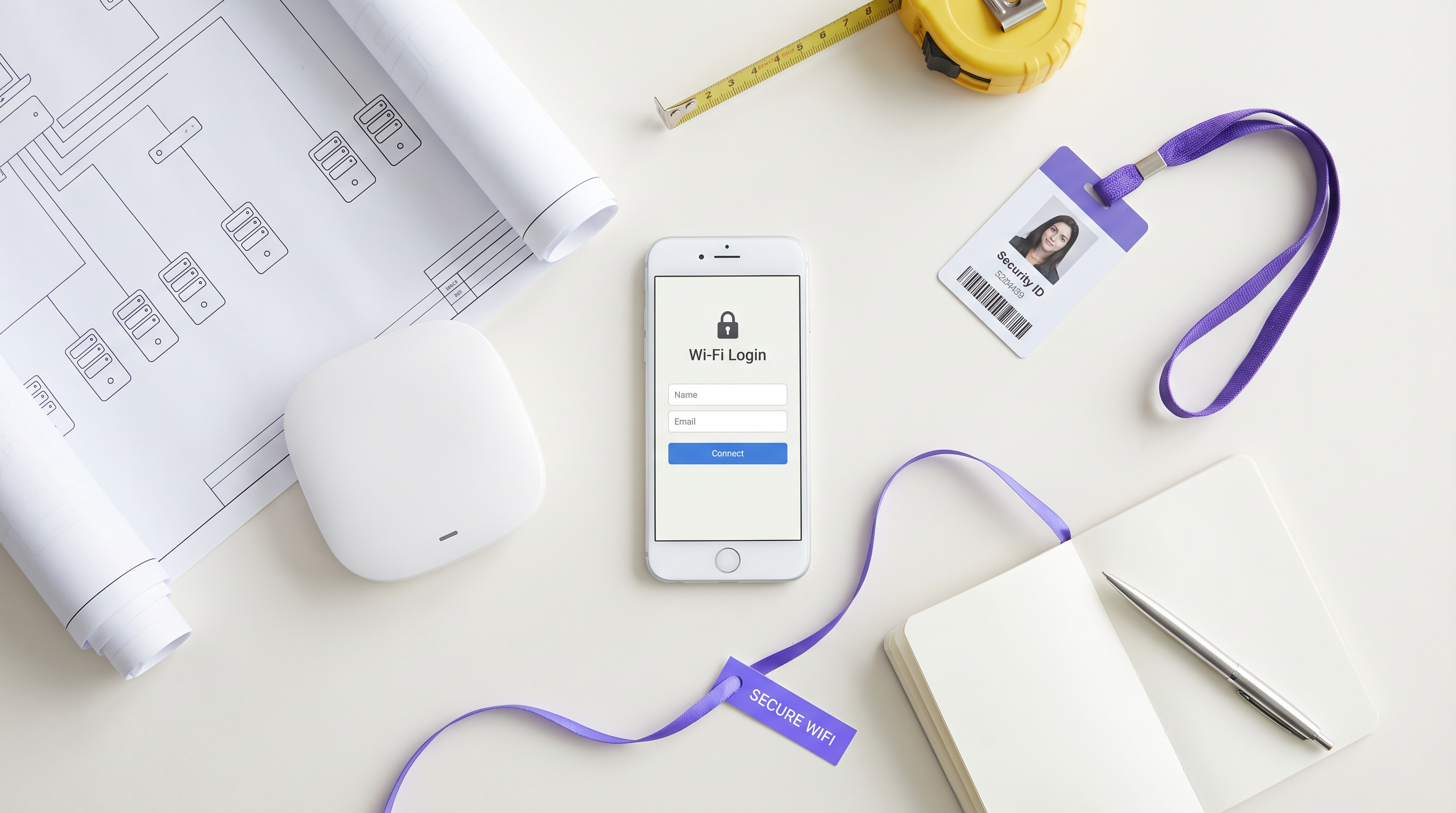
कार्यकारी सारांश
IT व्यवस्थापक, नेटवर्क आर्किटेक्ट आणि ठिकाण संचालन संचालकांसाठी, Captive Portal लॉगिन सुरक्षित आहे की नाही हा प्रश्न केवळ शैक्षणिक नाही — ही एक गंभीर कार्यात्मक आणि व्यावसायिक चिंता आहे. सार्वजनिक आणि गेस्ट WiFi नेटवर्क Retail , Hospitality , Healthcare आणि Transport क्षेत्रांमध्ये आवश्यक पायाभूत सुविधा बनत असताना, प्रारंभिक कनेक्शन पॉइंटची सुरक्षा — Captive Portal — नेटवर्कची एकूण अखंडता आणि वापरकर्ता डेटाची सुरक्षितता ठरवते.
मूलभूत Captive Portal सह पारंपारिक खुले नेटवर्क वापरकर्त्यांना महत्त्वपूर्ण धोक्यांमध्ये आणतात, ज्यात Man-in-the-Middle (MitM) हल्ले, रोग ॲक्सेस पॉइंट (Evil Twins), MAC स्पूफिंग आणि एनक्रिप्ट न केलेला डेटा इंटरसेप्शन यांचा समावेश आहे. हे मार्गदर्शक या भेद्यतांमध्ये तांत्रिक सखोल माहिती प्रदान करते आणि कृतीयोग्य, विक्रेता-तटस्थ शमन धोरणे स्पष्ट करते. WPA3, IEEE 802.1X प्रमाणीकरण आणि कठोर HTTPS अंमलबजावणी यांसारख्या आधुनिक मानकांची अंमलबजावणी करून — आणि Purple च्या Guest WiFi सारखे प्लॅटफॉर्म तैनात करून — संस्था त्यांचे गेस्ट नेटवर्क सुरक्षित करू शकतात, GDPR आणि PCI DSS चे अनुपालन सुनिश्चित करू शकतात आणि ब्रँडची प्रतिष्ठा जपताना गेस्ट WiFi कनेक्शनला एक धोरणात्मक डेटा आणि मार्केटिंग मालमत्तेत रूपांतरित करू शकतात.
तांत्रिक सखोल माहिती
Captive Portal ची रचना
Captive Portal हे एक वेब पेज आहे जे सार्वजनिक ॲक्सेस नेटवर्कच्या वापरकर्त्याला इंटरनेट ॲक्सेस मिळण्यापूर्वी पाहणे आणि त्याच्याशी संवाद साधणे बंधनकारक असते. विशिष्ट प्रमाणीकरण प्रक्रियेमध्ये वापरकर्ता SSID शी संलग्न होतो, DHCP द्वारे IP ॲड्रेस प्राप्त करतो आणि त्याच्या प्रारंभिक HTTP किंवा HTTPS विनंत्या अडवून प्रमाणीकरण किंवा स्प्लॅश पेज सर्व्हरवर पुनर्निर्देशित केल्या जातात. नेटवर्क कंट्रोलर किंवा ॲक्सेस पॉइंट (AP) अप्रमाणित क्लायंटला प्रतिबंधित नेटवर्क स्थितीत ठेवून हे पुनर्निर्देशन लागू करतो, ज्यामुळे केवळ DNS रिझोल्यूशन आणि पोर्टल सर्व्हरकडे ट्रॅफिकला परवानगी मिळते.
ही यंत्रणा ॲक्सेस कंट्रोल, सेवा अटींची अंमलबजावणी आणि फर्स्ट-पार्टी डेटा संकलनासाठी प्रभावी असली तरी, मूळ आर्किटेक्चर ऐतिहासिकदृष्ट्या खुल्या, एनक्रिप्ट न केलेल्या 802.11 कनेक्शनवर अवलंबून आहे. लेयर 2 एन्क्रिप्शनची ही मूलभूत कमतरता सर्वात गंभीर Captive Portal सुरक्षा भेद्यतांचे मूळ कारण आहे.
मुख्य सुरक्षा धोके
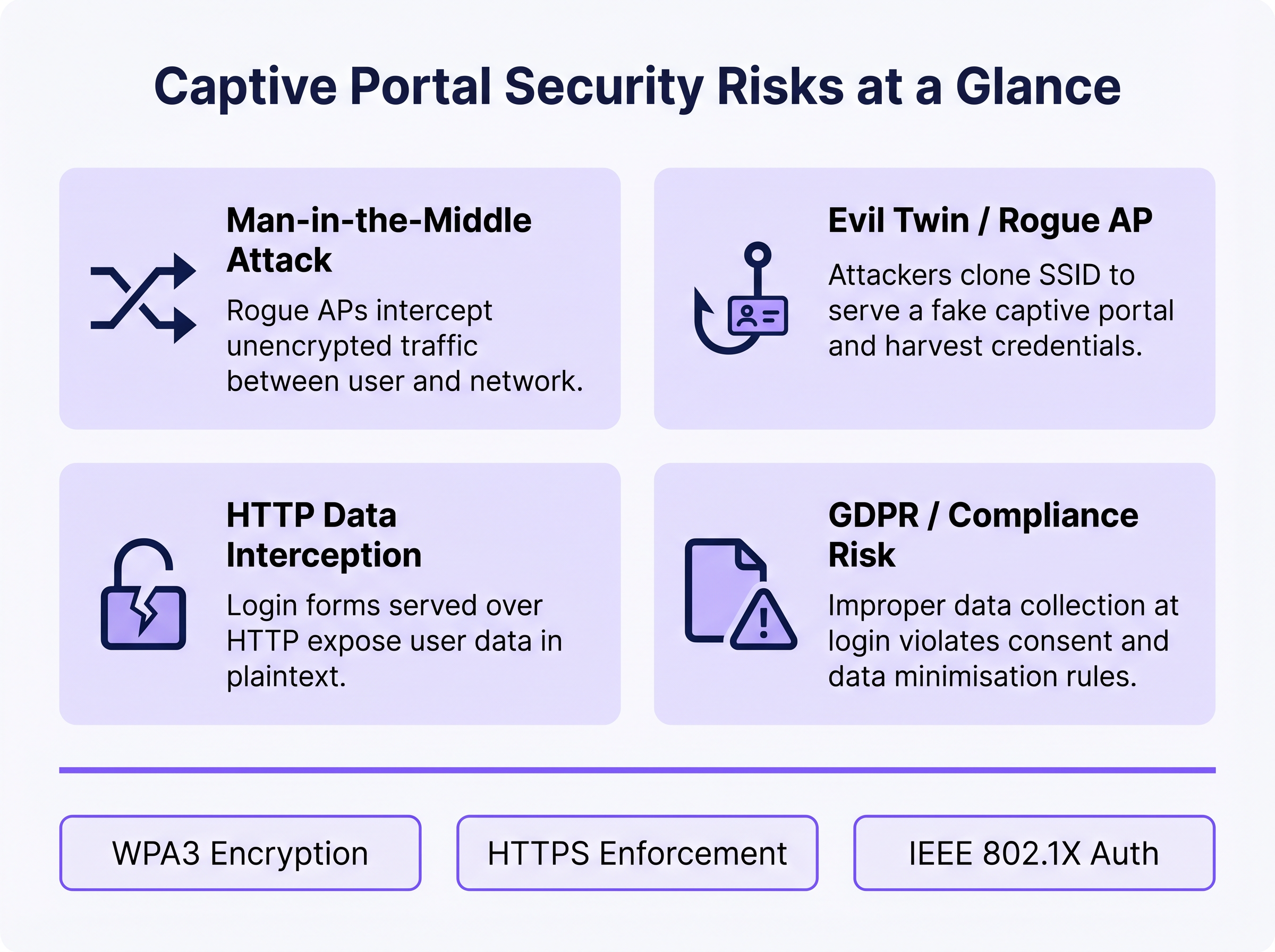
1. Man-in-the-Middle (MitM) हल्ले
खुल्ल्या WiFi वातावरणात, वापरकर्त्याच्या डिव्हाइस आणि ॲक्सेस पॉइंटमधील सर्व ट्रॅफिक रेडिओ फ्रिक्वेन्सी लेयरवर प्लेनटेक्स्टमध्ये प्रसारित केले जाते. रेडिओ रेंजमधील कोणतेही डिव्हाइस विनामूल्य उपलब्ध पॅकेट कॅप्चर साधनांचा वापर करून हे फ्रेम्स निष्क्रियपणे कॅप्चर करू शकते. जर Captive Portal लॉगिन पेज HTTPS ऐवजी HTTP वरून दिले गेले असेल, तर वापरकर्त्याने प्रविष्ट केलेली कोणतीही क्रेडेन्शियल्स, ईमेल ॲड्रेस किंवा वैयक्तिक डेटा नेटवर्कवरील कोणत्याही निष्क्रिय निरीक्षकाला दिसू शकतो. प्रमाणीकरणानंतरही, जर नेटवर्क खुले राहिले (WPA2/WPA3 एन्क्रिप्शन नाही), तर त्यानंतरचे सर्व ब्राउझिंग ट्रॅफिक तितकेच उघड होते.
2. Evil Twin आणि रोग ॲक्सेस पॉइंट
एक हल्लेखोर कायदेशीर नेटवर्कसारखेच SSID प्रसारित करणारा एक दुर्भावनापूर्ण AP सेट करतो, बऱ्याचदा कनेक्शन आकर्षित करण्यासाठी उच्च ट्रान्समिट पॉवरसह. डिव्हाइसेस आपोआप रोग AP शी संलग्न होऊ शकतात. हल्लेखोर नंतर क्लोन केलेले Captive Portal पेज प्रदान करतो, क्रेडेन्शियल्स, सोशल मीडिया OAuth टोकन किंवा पेमेंट माहिती गोळा करतो. हा हल्ला अशा वातावरणात विशेषतः प्रभावी आहे जिथे वापरकर्ते पोर्टल दिसण्याची अपेक्षा करतात — वाहतूक केंद्रे, किरकोळ दुकाने आणि कॉन्फरन्स स्थळे. शोध घेण्यासाठी सक्रिय वायरलेस इंट्रूजन प्रिव्हेंशन सिस्टम (WIPS) मॉनिटरिंग आवश्यक आहे.
3. MAC स्पूफिंग आणि सेशन हायजॅकिंग
एकदा कायदेशीर वापरकर्ता Captive Portal द्वारे प्रमाणीकृत झाल्यावर, नेटवर्क सामान्यतः त्यांच्या डिव्हाइसच्या MAC ॲड्रेसचा वापर करून त्यांचे सेशन ट्रॅक करते. नेटवर्कचे निष्क्रियपणे निरीक्षण करणारा हल्लेखोर प्रमाणीकृत MAC ॲड्रेस ओळखू शकतो आणि पोर्टलला बायपास करण्यासाठी त्यांना स्पूफ करू शकतो, ज्यामुळे अनधिकृत नेटवर्क ॲक्सेस मिळवतो. ही MAC-आधारित सेशन ट्रॅकिंगची एक संरचनात्मक कमजोरी आहे आणि केवळ क्रिप्टोग्राफिक प्रमाणीकरण पद्धतींकडे वळल्यानेच ती कमी केली जाऊ शकते.
4. GDPR आणि डेटा अनुपालन एक्सपोजर
Captive Portal जे लॉगिनच्या वेळी वैयक्तिक डेटा — नावे, ईमेल ॲड्रेस, सोशल मीडिया प्रोफाइल — गोळा करतात, जर तो डेटा असुरक्षितपणे, स्पष्ट संमतीशिवाय किंवा त्याच्या नमूद केलेल्या उद्देशापलीकडे ठेवला गेला तर महत्त्वपूर्ण नियामक एक्सपोजर निर्माण करतात. GDPR अंतर्गत, डेटा कंट्रोलर (ठिकाण संचालक) प्रक्रियेच्या कायदेशीरपणा आणि सुरक्षिततेसाठी जबाबदार असतो. पोर्टल स्तरावर अयोग्य डेटा संकलन हे कलम 5 अंतर्गत डेटा कमी करणे आणि अखंडता तत्त्वांचे उल्लंघन मानले जाऊ शकते.
अंमलबजावणी मार्गदर्शक
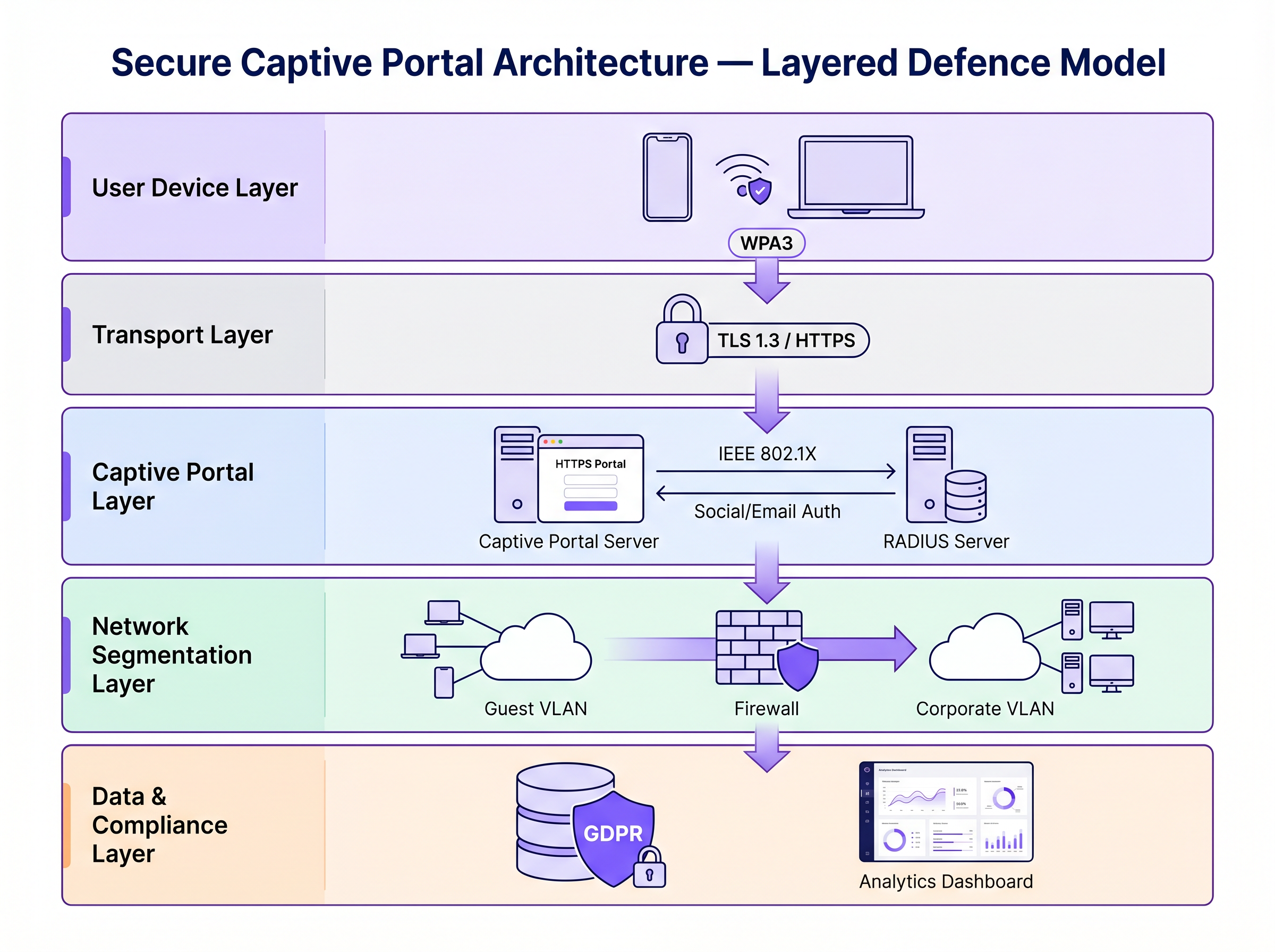
Captive Portal सुरक्षित करण्यासाठी स्तरित संरक्षण धोरण आवश्यक आहे. पुढील पायऱ्या किमान व्यवहार्य सुरक्षिततेपासून एंटरप्राइझ-ग्रेड आर्किटेक्चरकडे जातात.
पायरी 1: पोर्टलवर HTTPS आणि HSTS लागू करा
विश्वसनीय प्रमाणपत्र प्राधिकरणाकडून (CA) वैध SSL/TLS प्रमाणपत्रासह HTTPS वर Captive Portal प्रदान करणे ही मूलभूत आवश्यकता आहे. हे पोर्टल फॉर्मद्वारे सबमिट केलेला डेटा एनक्रिप्ट करते आणि क्रेडेन्शियल्सचे निष्क्रिय इंटरसेप्शन प्रतिबंधित करते. HTTP स्ट्रिक्ट ट्रान्सपोर्ट सिक्युरिटी (HSTS) लागू केल्याने ब्राउझर केवळ सुरक्षित कनेक्शनवर पोर्टलशी संवाद साधतात, ज्यामुळे डाउनग्रेड हल्ले कमी होतात. प्रमाणपत्र कालबाह्यता टाळण्यासाठी ACME प्रोटोकॉल एकत्रीकरणासह Let's Encrypt सारख्या स्वयंचलित प्रमाणपत्र व्यवस्थापन साधनांचा वापर करा.
पायरी 2: WPA3 आणि संधीसाधू वायरलेस एन्क्रिप्शन (OWE) लागू करा
WPA3-पर्सनल प्री-शेअर्ड की (PSK) वापरणाऱ्या नेटवर्कसाठी मजबूत एन्क्रिप्शन प्रदान करते. सार्वजनिक गेस्ट नेटवर्कसाठी जिथे PSK अव्यवहार्य आहे, RFC 8110 मध्ये परिभाषित केलेले संधीसाधू वायरलेस एन्क्रिप्शन (OWE) आणि IEEE 802.11-2020, वापरकर्ता प्रमाणीकरण न मागता खुल्या नेटवर्क्ससाठी वैयक्तिकृत एन्क्रिप्शन प्रदान करते. OWE असोसिएशन प्रक्रियेदरम्यान Diffie-Hellman की एक्सचेंज करते, प्रत्येक क्लायंटसाठी एक अद्वितीय सत्र की स्थापित करते. यामुळे वापरकर्त्याच्या अनुभवात बदल न करता निष्क्रिय ऐकण्यापासून संरक्षण मिळते.
पायरी 3: IEEE 802.1X आणि Passpoint (Hotspot 2.0) मध्ये संक्रमण
एंटरप्राइझ-ग्रेड सुरक्षिततेसाठी, पारंपारिक वेब-आधारित Captive Portal वरून IEEE 802.1X पोर्ट-आधारित नेटवर्क ॲक्सेस कंट्रोलमध्ये संक्रमण करणे हे सुवर्ण मानक आहे. Passpoint (Wi-Fi CERTIFIED Passpoint, IEEE 802.11u वर आधारित) सारख्या तंत्रज्ञानामुळे SIM कार्ड्स (EAP-SIM/AKA), एंटरप्राइझ प्रमाणपत्रे (EAP-TLS), किंवा वापरकर्तानाव/पासवर्ड (EAP-TTLS/PEAP) यांसारख्या क्रेडेन्शियल्स वापरून डिव्हाइसेस आपोआप आणि सुरक्षितपणे प्रमाणीकरण करू शकतात. Purple Connect licence अंतर्गत OpenRoaming सारख्या सेवांसाठी एक विनामूल्य ओळख प्रदाता म्हणून कार्य करते, ज्यामुळे पारंपारिक Captive Portal च्या अडचणीशिवाय अखंड, सुरक्षित ऑनबोर्डिंग सुलभ होते.
पायरी 4: नेटवर्क सेगमेंटेशन आणि क्लायंट आयसोलेशन
VLANs आणि कठोर स्टेटफुल फायरवॉल नियमांचा वापर करून कॉर्पोरेट नेटवर्क्सपासून गेस्ट WiFi ट्रॅफिक नेहमी वेगळे ठेवा. गेस्ट VLAN ने केवळ इंटरनेट-बाउंड ट्रॅफिकला परवानगी दिली पाहिजे, RFC 1918 ॲड्रेस स्पेस आणि सर्व अंतर्गत संसाधनांना ॲक्सेस ब्लॉक केला पाहिजे. गेस्ट नेटवर्कवरील डिव्हाइसेसना एकमेकांशी थेट संवाद साधण्यापासून रोखण्यासाठी वायरलेस कंट्रोलरवर क्लायंट आयसोलेशन (ज्याला AP isolation किंवा peer-to-peer blocking असेही म्हणतात) सक्षम करा. यामुळे कोणत्याही तडजोड केलेल्या डिव्हाइसचा प्रभाव मर्यादित होतो.
सर्वोत्तम पद्धती
पुढील सारणी प्रमुख सुरक्षा नियंत्रणे, ते कोणत्या मानकांशी जुळतात आणि त्यांच्या अंमलबजावणीची प्राथमिकता यांचा सारांश देते.
| नियंत्रण | मानक / फ्रेमवर्क | प्राथमिकता | परिणाम |
|---|---|---|---|
| पोर्टलवर HTTPS अंमलबजावणी | TLS 1.3, HSTS | गंभीर | लॉगिन क्रेडेन्शियल्स एन्क्रिप्ट करते |
| SSID वर WPA3 किंवा OWE | IEEE 802.11-2020 | उच्च | सर्व ओव्हर-द-एअर ट्रॅफिक एन्क्रिप्ट करते |
| क्लायंट आयसोलेशन | विक्रेता-विशिष्ट | गंभीर | लॅटरल हालचाल प्रतिबंधित करते |
| VLAN सेगमेंटेशन | IEEE 802.1Q | गंभीर | गेस्टला कॉर्पोरेटपासून वेगळे करते |
| RADIUS प्रमाणीकरण | IEEE 802.1X | उच्च | MAC-आधारित ट्रॅकिंगची जागा घेते |
| Rogue AP detection (WIPS) | विक्रेता-विशिष्ट | उच्च | Evil Twin हल्ले शोधते |
| पोर्टलवर डेटा कमी करणे | GDPR Article 5 | उच्च | अनुपालन एक्सपोजर कमी करते |
| प्रमाणपत्र ऑटोमेशन | ACME / Let's Encrypt | मध्यम | प्रमाणपत्राची मुदत संपणे प्रतिबंधित करते |
पोर्टल सोल्यूशन्सच्या सर्वसमावेशक तुलनेसाठी, The Best Captive Portal Software in 2026: A Comparison Guide पहा.
समस्यानिवारण आणि जोखीम कमी करणे
सामान्य अपयश पद्धती
Captive Portal दिसत नाही: आधुनिक ऑपरेटिंग सिस्टम Captive Network Assistants (CNA) वापरतात — विशिष्ट एंडपॉइंट्सवर (उदा. Apple's captive.apple.com, Google's connectivitycheck.gstatic.com) हलके HTTP प्रोब — Captive Portal शोधण्यासाठी. जर DNS रिझोल्यूशन ब्लॉक केले असेल, तर प्रोब अयशस्वी होते आणि CNA ट्रिगर होऊ शकत नाही. गेस्ट नेटवर्क DNS क्वेरींना परवानगी देते आणि पोर्टल रीडायरेक्ट यंत्रणा CNA प्रोबला योग्यरित्या इंटरसेप्ट करते याची खात्री करा.
प्रमाणपत्र त्रुटी ॲक्सेस ब्लॉक करत आहेत: मुदतवाढ झालेले, सेल्फ-साईन केलेले किंवा डोमेन-मिसमॅच केलेले SSL प्रमाणपत्र ब्राउझरमध्ये सुरक्षा चेतावणी प्रदर्शित करेल. या चेतावणींवर क्लिक करणारे वापरकर्ते सुरक्षा अलर्टकडे दुर्लक्ष करण्यास प्रशिक्षित होत आहेत — एक धोकादायक उदाहरण. स्वयंचलित प्रमाणपत्र नूतनीकरण लागू करा आणि अलर्टिंगसह मुदतवाढीच्या तारखांचे निरीक्षण करा.
स्केलवर कार्यप्रदर्शन अडथळे: स्टेडियम किंवा कॉन्फरन्स सेंटर्ससारख्या उच्च-घनतेच्या वातावरणात, पीक असोसिएशन इव्हेंट्स (उदा. इव्हेंट सुरू होण्याची वेळ) दरम्यान RADIUS सर्व्हर आणि पोर्टल इन्फ्रास्ट्रक्चर अडथळे बनू शकतात. लोड बॅलन्सिंगसह उच्च-उपलब्धता क्लस्टरमध्ये RADIUS तैनात करा आणि Passpoint प्रोफाईल्स वापरून तिकिटांच्या इव्हेंट्ससाठी सत्रांची पूर्व-तरतूद करण्याचा विचार करा.
MAC Randomisation मुळे सत्र ट्रॅकिंगमध्ये अडथळा: आधुनिक iOS आणि Android डिव्हाइसेस प्रत्येक SSID साठी त्यांचे MAC ॲड्रेस रँडमाईज करतात, ज्यामुळे MAC-आधारित सत्र सातत्य खंडित होऊ शकते. हे 802.1X मध्ये स्थलांतरित होण्याचे आणखी एक कारण आहे, जिथे प्रमाणीकरण हार्डवेअर ॲड्रेसऐवजी क्रिप्टोग्राफिक ओळखीशी जोडलेले असते.
ROI आणि व्यवसायावर परिणाम
सुरक्षित Captive Portal इन्फ्रास्ट्रक्चरमध्ये गुंतवणूक करणे हे केवळ जोखीम कमी करण्याचा व्यायाम नाही — हे एक मोजता येण्याजोगे व्यवसाय सक्षम करणारे आहे.
ब्रँड संरक्षण आणि ग्राहक विश्वास: सार्वजनिक नेटवर्कवरील सुरक्षा उल्लंघनामुळे गंभीर प्रतिष्ठेला हानी पोहोचते आणि गेस्ट WiFi ने निर्माण केलेला ग्राहक विश्वास कमी होतो. सुरक्षित WiFi हा एक ब्रँड डिफरेंशिएटर आहे, विशेषतः Hospitality आणि Retail मध्ये जिथे गेस्ट अनुभव एक स्पर्धात्मक फायदा आहे.
नियामक अनुपालन: डेटा उल्लंघनासाठी GDPR दंड जागतिक वार्षिक उलाढालीच्या 4% पर्यंत पोहोचू शकतो. PCI DSS चे पालन न केल्यास कार्ड स्कीम दंड आणि पेमेंट प्रोसेसिंग क्षमता गमावू शकते. सुरक्षित, अनुरूप गेस्ट WiFi आर्किटेक्चर हे एक्सपोजर दूर करते.
ऑपरेशनल कार्यक्षमता: Passpoint सारख्या आधुनिक प्रमाणीकरण पद्धती Captive Portal लॉगिन समस्यांशी संबंधित सपोर्टचा भार कमी करतात — प्रमाणपत्र चेतावणी, पोर्टल लोड न होणे, सत्र ड्रॉप्स — जे सर्वात सामान्य गेस्ट WiFi सपोर्ट तिकिटांपैकी आहेत.
डेटा मूल्य आणि ॲनालिटिक्स: पोर्टलवर सुरक्षित, अनुरूप फर्स्ट-पार्टी डेटा संकलन शक्तिशाली WiFi Analytics मध्ये फीड होते, ज्यामुळे ठिकाण ऑपरेटरना थांबण्याचा वेळ, वारंवार भेट देण्याची वारंवारता आणि ग्राहक वर्तन पद्धती समजून घेता येतात. हा डेटा मोजता येण्याजोग्या ROI सह लक्ष्यित मार्केटिंग मोहिमा आणि ऑपरेशनल निर्णयांना चालना देतो. नेटवर्क आधुनिकीकरण WAN मध्ये कार्यक्षमता कशी वाढवते यासारखेच (पहा The Core SD WAN Benefits for Modern Businesses ), गेस्ट WiFi इन्फ्रास्ट्रक्चर अपग्रेड केल्याने सुरक्षा, अनुपालन आणि सहव्यावसायिक परिणाम.
Captive Portal प्लॅटफॉर्म निवडीबद्दल अधिक मार्गदर्शनासाठी, पहा 2026 मधील सर्वोत्तम Captive Portal Software: एक तुलनात्मक मार्गदर्शक .
महत्त्वाच्या संज्ञा आणि व्याख्या
Man-in-the-Middle (MitM) Attack
An attack in which a malicious actor secretly intercepts and potentially alters communications between two parties who believe they are communicating directly with each other.
The primary risk on open guest networks where Layer 2 traffic is unencrypted, allowing attackers to steal credentials, inject malware into HTTP responses, or alter data in transit.
Evil Twin
A rogue wireless access point that masquerades as a legitimate hotspot by broadcasting the same SSID, designed to deceive users into connecting and submitting credentials to a fake captive portal.
Particularly dangerous in public venues where users expect a captive portal to appear. Mitigated by WIPS deployment and Passpoint authentication.
Opportunistic Wireless Encryption (OWE)
An IEEE 802.11 standard (RFC 8110) that provides individualised data encryption for open WiFi networks using a Diffie-Hellman key exchange during the association process, without requiring user authentication or a pre-shared key.
The recommended replacement for legacy open networks. Protects against passive eavesdropping without changing the user experience or requiring a password.
Passpoint (Hotspot 2.0)
A Wi-Fi Alliance certification programme based on IEEE 802.11u that enables devices to automatically discover, select, and authenticate to WiFi networks using existing credentials (SIM, certificate, username/password) without manual intervention.
The modern architectural replacement for traditional captive portals in enterprise deployments. Eliminates the open network vulnerability and provides a seamless user experience.
IEEE 802.1X
An IEEE standard for port-based Network Access Control (PNAC) that provides an authentication mechanism for devices wishing to attach to a LAN or WLAN, using the Extensible Authentication Protocol (EAP) framework.
The authentication backbone of enterprise WiFi security. Requires a RADIUS server and replaces MAC-based session tracking with cryptographic identity verification.
Client Isolation
A wireless network security feature that prevents devices connected to the same SSID from communicating directly with each other at Layer 2, routing all traffic through the AP or gateway instead.
Essential for guest networks to prevent a compromised or malicious device from scanning, attacking, or infecting other users' devices on the same network.
HTTP Strict Transport Security (HSTS)
A web security policy mechanism (RFC 6797) that instructs browsers to only interact with a web server over HTTPS, preventing protocol downgrade attacks and cookie hijacking.
Must be implemented on captive portal servers to prevent attackers from forcing the browser to connect over insecure HTTP.
MAC Spoofing
The technique of altering the Media Access Control (MAC) address of a network interface controller to impersonate another device on the network.
Used by attackers to bypass captive portal authentication by cloning the MAC address of a legitimately authenticated user, gaining unauthorised network access.
Wireless Intrusion Prevention System (WIPS)
A network security system that monitors the radio frequency spectrum for the presence of unauthorised access points and takes automated countermeasures to contain them.
The primary operational control for detecting and containing Evil Twin attacks and rogue AP deployments.
केस स्टडीज
A 200-room hotel is experiencing guest complaints about WiFi security warnings and frequent disconnections. They currently operate an open SSID with a basic HTTP captive portal. The IT manager needs to remediate the security posture without replacing the existing AP infrastructure.
Phase 1 (Immediate — within 2 weeks): Migrate the captive portal to HTTPS by provisioning a valid TLS certificate from a trusted CA. Enable HSTS. Enable client isolation on the wireless controller. Verify VLAN segmentation between guest and corporate networks. Phase 2 (Short-term — within 3 months): Enable WPA3 Transition Mode on the SSID to support both WPA2 and WPA3 clients simultaneously. Enable OWE on a separate SSID for devices that support it. Phase 3 (Medium-term — within 12 months): Deploy Passpoint (Hotspot 2.0) profiles, allowing returning guests to authenticate automatically using a profile downloaded during their first visit. Integrate with Purple's platform for compliant data collection and analytics.
A national retail chain with 300 stores wants to deploy a guest WiFi captive portal to collect email addresses for marketing. The legal team has flagged GDPR compliance concerns, and the security team is worried about data interception and rogue AP attacks.
Architecture: Deploy Purple's guest WiFi platform with HTTPS-enforced portals across all sites. The portal collects only email address and explicit consent (separate checkboxes for terms of service and marketing consent — not bundled). Data is transmitted over TLS 1.3 and stored encrypted at rest. Network: Enable WPA3 or OWE on the guest SSID. Enable client isolation. Segment guest traffic into a dedicated VLAN with no access to the corporate network or POS systems. Security Operations: Deploy WIPS on all APs to detect rogue devices broadcasting the store's SSID. Configure automated alerts for Evil Twin detection. Compliance: Implement data retention policies aligned to GDPR — purge inactive records after 24 months. Provide users with a clear, accessible privacy policy linked from the portal. Conduct annual penetration testing of the wireless environment.
परिस्थिती विश्लेषण
Q1. You are deploying a guest WiFi network in a large conference centre hosting 5,000 attendees. The marketing team requires a customised captive portal to collect email addresses. The security team is concerned about data interception and rogue AP attacks. What architecture do you recommend, and what is the minimum security baseline?
💡 संकेत:Consider both the portal-level security (how data is transmitted) and the network-level security (how the wireless connection is encrypted). Also consider the scale of the deployment and peak association events.
शिफारस केलेला दृष्टिकोन दाखवा
Minimum baseline: HTTPS-enforced captive portal with a valid CA certificate, client isolation enabled, guest traffic segmented into a dedicated VLAN, and WPA3 or OWE enabled on the SSID. For the rogue AP threat at this scale, deploy WIPS on all APs with automated alerting. For performance at 5,000 concurrent users, deploy RADIUS in a high-availability cluster. Longer-term, consider Passpoint profiles for returning attendees to eliminate the open network vulnerability entirely.
Q2. During a wireless penetration test at a retail site, the auditor successfully bypasses the captive portal by spoofing the MAC address of an authenticated device. The site manager asks what architectural change would prevent this. What is your recommendation?
💡 संकेत:Consider what property of the authenticated session the attacker is exploiting, and what alternative authentication mechanisms do not rely on that property.
शिफारस केलेला दृष्टिकोन दाखवा
The vulnerability is that MAC-based session tracking uses a hardware identifier that can be trivially cloned. The fix is to migrate to IEEE 802.1X authentication, which establishes a cryptographic identity binding using EAP. The session is tied to a certificate or credential, not a MAC address. Passpoint (Hotspot 2.0) implements this transparently for end users. As an interim measure, reducing session timeout values and implementing per-session re-authentication reduces the window of opportunity for MAC spoofing attacks.
Q3. A hotel's IT manager reports that guests are seeing 'Your connection is not private' errors when trying to access the captive portal. The portal was working correctly last month. What is the most likely cause, and how do you resolve it?
💡 संकेत:Think about what changes over time that affects the validity of an HTTPS connection.
शिफारस केलेला दृष्टिकोन दाखवा
The most likely cause is an expired SSL/TLS certificate on the captive portal server. Certificates have a fixed validity period (typically 90 days for Let's Encrypt, up to 1 year for commercial CAs). Resolution: renew the certificate immediately. Prevention: implement automated certificate renewal using the ACME protocol (Let's Encrypt) with monitoring and alerting for certificates expiring within 30 days. A secondary cause could be a domain name mismatch if the portal URL was recently changed.
Q4. A retail client wants to collect email addresses via their captive portal for marketing purposes. Their legal team has raised GDPR concerns. What specific design decisions must be made at the portal level to ensure compliance?
💡 संकेत:Consider the GDPR principles of lawfulness, data minimisation, and transparency. Think about how consent must be structured.
शिफारस केलेला दृष्टिकोन दाखवा
Key design decisions: (1) Separate consent checkboxes — terms of service acceptance must be separate from marketing consent; bundling them is non-compliant. (2) Marketing consent must be opt-in, not pre-ticked. (3) The portal must link to a clear, accessible privacy policy explaining what data is collected, how it is used, and how long it is retained. (4) Collect only the data necessary for the stated purpose (data minimisation) — do not request date of birth or phone number if only email is needed for marketing. (5) Provide a mechanism for users to withdraw consent and request deletion of their data.




