
Restaurant WiFi Marketing: मोफत WiFi चे रुपांतर पुन्हा येणाऱ्या ग्राहकांमध्ये कसे करावे
हे अधिकृत तांत्रिक संदर्भ मार्गदर्शक रेस्टॉरंट WiFi marketing च्या आर्किटेक्चर आणि अंमलबजावणीचा शोध घेते — ज्यामध्ये गेस्ट नेटवर्क ॲक्सेसचा वापर स्ट्रक्चर्ड डेटा संपादन आणि मार्केटिंग ऑटोमेशन चॅनेल म्हणून केला जातो. हे आयटी मॅनेजर्स, नेटवर्क आर्किटेक्ट्स आणि व्हेन्यू ऑपरेशन्स डायरेक्टर्सना कॅप्टिव्ह पोर्टल्स तैनात करण्यासाठी, CRM प्लॅटफॉर्मसह समाकलित करण्यासाठी आणि पुन्हा येणाऱ्या व्यवसायाला चालना देणारे स्वयंचलित कॅंपेन्स सुरू करण्यासाठी एक धोरणात्मक ब्ल्यूप्रिंट प्रदान करते. GDPR सुसंगत डेटा कॅप्चरपासून ते इव्हेंट-चालित ईमेल वर्कफ्लोपर्यंत, हे मार्गदर्शक ठोस ROI मेट्रिक्ससह संपूर्ण डिप्लॉयमेंट लाइफसायकल कव्हर करते.
हे मार्गदर्शक ऐका
पॉडकास्ट ट्रान्सक्रिप्ट पहा
आमच्या मुख्य मालिकेचा भाग: WiFi Marketing मार्गदर्शक →

मुख्य सारांश (Executive Summary)
हॉस्पिटॅलिटी, रिटेल आणि सार्वजनिक क्षेत्रातील वातावरणात कार्यरत असणाऱ्या IT व्यवस्थापक, नेटवर्क आर्किटेक्ट्स आणि CTOs साठी, पाहुण्यांना नेटवर्क ॲक्सेस देणे ही एक मूलभूत सुविधा असण्यापासून बदलून आता एक महत्त्वपूर्ण डेटा संपादन चॅनेल बनली आहे. नेटवर्क इन्फ्रास्ट्रक्चर गुंतवणुकीमधून चांगला ROI मिळवण्यासाठी, restaurant WiFi marketing म्हणजे काय हे समजून घेणे अत्यंत आवश्यक आहे. हा मार्गदर्शक एक खर्च केंद्र - मोफत गेस्ट WiFi - चे रूपांतर पुन्हा येणाऱ्या व्यवसायाच्या आणि ग्राहकांच्या निष्ठेच्या मोजता येण्याजोग्या ड्रायव्हरमध्ये करण्यासाठी आवश्यक असणारे तांत्रिक आर्किटेक्चर, उपयोजन धोरणे आणि जोखीम कमी करण्याचे प्रोटोकॉल स्पष्ट करतो.
एंटरप्राइझ-ग्रेड Guest WiFi सोल्यूशन तैनात करण्यासाठी केवळ SSID ब्रॉडकास्ट करण्यापेक्षा खूप जास्त गोष्टींची आवश्यकता असते. यासाठी एक मजबूत आर्किटेक्चर आवश्यक आहे जे CRM प्लॅटफॉर्म, मार्केटिंग ऑटोमेशन टूल्स आणि ॲनालिटिक्स इंजिनसह अखंडपणे समाकलित होते, तसेच GDPR आणि PCI DSS सह कठोर अनुपालन मानकांचे पालन करते. Captive Portals च्या माध्यमातून संरचित डेटा कॅप्चर लागू करून, ठिकाणे युजर्सचे वर्गीकरण करू शकतात, स्वयंचलित विपणन मोहिमा (भेटीनंतरचे ईमेल, वाढदिवसाच्या ऑफर आणि इव्हेंट प्रमोशन्स) ट्रिगर करू शकतात आणि मौल्यवान पुनरावलोकने (reviews) तयार करू शकतात. हा मार्गदर्शक थ्रुपुट वाढवण्यासाठी, सुरक्षितता सुनिश्चित करण्यासाठी आणि मोजता येण्याजोगा व्यवसाय प्रभाव निर्माण करण्यासाठी WiFi marketing वर्कफ्लो कॉन्फिगर आणि ऑप्टिमाइझ करण्यासाठी एक धोरणात्मक ब्ल्यूप्रिंट प्रदान करतो.
तांत्रिक सखोल विश्लेषण: आर्किटेक्चर आणि मानके
प्रभावी guest WiFi marketing चा पाया एका स्केलेबल आणि सुरक्षित नेटवर्क आर्किटेक्चरवर विसावलेला आहे. मूळतः, ही प्रणाली एका Captive Portal यंत्रणेवर अवलंबून असते जी अनधिकृत डिव्हाइसेसकडून येणाऱ्या HTTP/HTTPS विनंत्या अडवते आणि त्यांना होस्ट केलेल्या ऑथेंटिकेशन पेजवर रिडायरेक्ट करते. या प्रक्रियेत सामान्यतः केंद्रीकृत ऑथेंटिकेशन, ऑथोरायझेशन आणि अकाउंटिंग (AAA) साठी RADIUS (Remote Authentication Dial-In User Service) चा वापर केला जातो.
ऑथेंटिकेशन वर्कफ्लो आणि डेटा कॅप्चर
जेव्हा एखादे डिव्हाइस गेस्ट SSID ला कनेक्ट होते, तेव्हा वायरलेस LAN कंट्रोलर (WLC) किंवा ॲक्सेस पॉइंट नेटवर्क ॲक्सेस प्रतिबंधित करतो, आणि डिव्हाइसला Walled Garden मध्ये ठेवतो. युजरला Captive Portal दाखवले जाते, जे प्राथमिक डेटा संपादन इंटरफेस म्हणून काम करते. कन्व्हर्जन रेट ऑप्टिमाइझ करण्यासाठी, पोर्टलने एकाधिक ऑथेंटिकेशन पद्धतींना सपोर्ट केला पाहिजे:
| ऑथेंटिकेशन पद्धत | घर्षण पातळी (Friction Level) | डेटा गुणवत्ता | अंमलबजावणीची गुंतागुंत |
|---|---|---|---|
| सोशल लॉगिन (OAuth 2.0) | कमी | उच्च (लोकसंख्याशास्त्र-समृद्ध) | मध्यम |
| फॉर्म-आधारित (ईमेल + ऑप्ट-इन) | मध्यम | नियंत्रित | कमी |
| SMS पडताळणी | मध्यम-उच्च | उच्च (व्हेरिफाइड मोबाईल) | मध्यम |
| Passpoint / Hotspot 2.0 | अत्यंत कमी | मध्यम | उच्च |
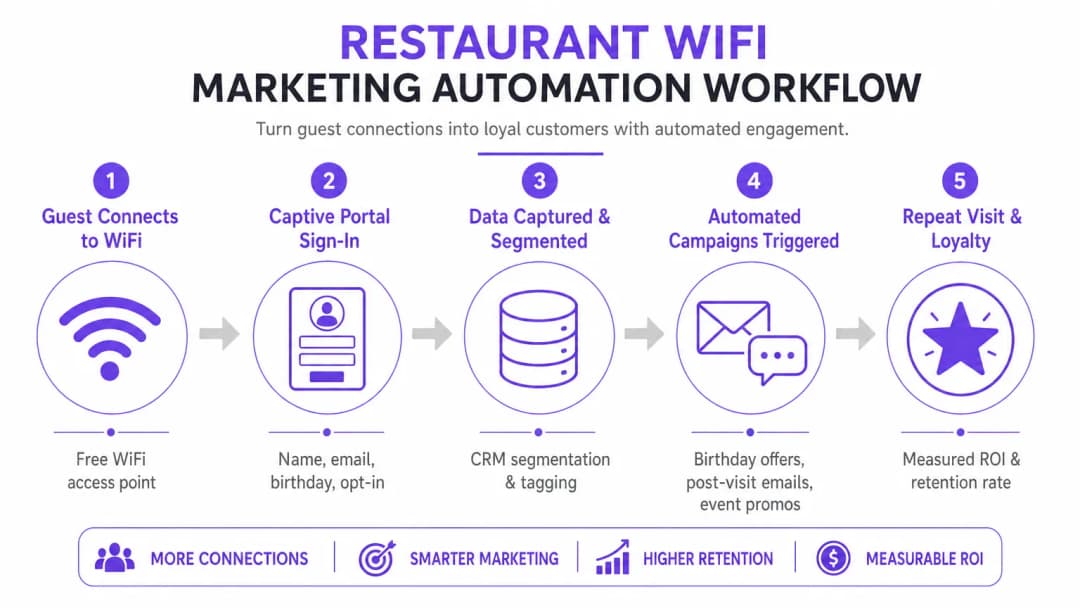
Google किंवा Facebook सह Social Login (OAuth 2.0) इंटिग्रेशन्स समृद्ध डेमोग्राफिक डेटा गोळा करतानाच कमी-अडथळ्याचा ऍक्सेस प्रदान करतात. ही पद्धत सुरक्षित टोकन एक्सचेंजवर अवलंबून असते, ज्यामुळे वापरकर्त्यांना नवीन क्रेडेंशियल्स तयार करण्याची आवश्यकता उरत नाही. Form-based authentication वापरकर्त्यांना त्यांचे नाव, ईमेल पत्ता आणि ऐच्छिकपणे, जन्मतारीख किंवा फोन नंबर प्रदान करण्याची अनुमती देते. हा डेटा प्रमाणित केला जातो आणि केंद्रीकृत डेटाबेसमध्ये सुरक्षितपणे पाठवला जातो. Seamless re-authentication (MAC Caching) डिव्हाइसचा MAC ॲड्रेस एका कॉन्फिगर करण्यायोग्य कालावधीसाठी (उदा. 30 दिवस) कॅश करतो, ज्यामुळे पुढील भेटींवर विना-अडथळा ऍक्सेस मिळतो आणि अचूक फ्रिक्वेन्सी ट्रॅकिंग शक्य होते.
सुरक्षा आणि अनुपालन प्रोटोकॉल्स
मार्केटिंगसाठी WiFi तैनात करण्यासाठी सुरक्षा आणि गोपनीयता मानकांचे काटेकोरपणे पालन करणे आवश्यक आहे. लॅटरल मुव्हमेंट रोखण्यासाठी आर्किटेक्चरने VLANs चा वापर करून कॉर्पोरेट नेटवर्कपासून गेस्ट ट्रॅफिक वेगळे केले पाहिजे. अंमलबजावणीने खालील गोष्टींचे पालन केले पाहिजे:
- GDPR / CCPA: Captive Portal मध्ये स्पष्ट, अनबंडल संमती यंत्रणा समाकलित केलेली असणे आवश्यक आहे. वापरकर्त्यांनी मार्केटिंग संवादांसाठी सक्रियपणे ऑप्ट-इन केले पाहिजे, आणि प्लॅटफॉर्मने मजबूत डेटा सब्जेक्ट ऍक्सेस रिक्वेस्ट (DSAR) क्षमता प्रदान केल्या पाहिजेत. मार्केटिंग संमती नेटवर्क ऍक्सेस सेवा शर्तींसोबत एकत्रित केली जाऊ शकत नाही.
- PCI-DSS: जर ठिकाण त्याच फिजिकल इन्फ्रास्ट्रक्चरवर पेमेंट प्रक्रियेचे काम करत असेल, तर नेटवर्क सेगमेंटेशन आणि फायरवॉल नियमांनी कार्डधारक डेटा एन्व्हायर्नमेंट (CDE) ला गेस्ट नेटवर्कपासून वेगळे केले पाहिजे.
- WPA3-Enhanced Open (OWE): सुरक्षित ऑनबोर्डिंग प्रोटोकॉलवर संक्रमण केल्याने अन-ऑथेंटिकेटेड ट्रॅफिकसाठी संधीसाधू एन्क्रिप्शन मिळते, ज्यामुळे वापरकर्त्याच्या क्रेडेंशियल्सची आवश्यकता नसताना खुल्या नेटवर्कवर चोरून ऐकण्याचा (eavesdropping) धोका कमी होतो.
तुमच्या विशिष्ट सेटअपबद्दल काही प्रश्न आहेत का?
आमची टीम ८०,००० हून अधिक वेन्यूजमधील वेन्यू ऑपरेटर्स, IT मॅनेजर्स आणि नेटवर्क इंजिनिअर्ससोबत काम करते. २० मिनिटांचा कॉल बुक करा आणि तुमच्यासारख्या इतरांनी ही समस्या कशी सोडवली हे आम्ही तुम्हाला दाखवू.
अंमलबजावणी मार्गदर्शक: उपयोजन धोरणे
यशस्वी उपयोजनासाठी इंटिग्रेशन आणि ऑटोमेशनवर लक्ष केंद्रित करून टप्प्याटप्प्याने दृष्टिकोन आवश्यक आहे. ऍक्सेस पॉईंट्सपासून मार्केटिंग ऑटोमेशन प्लॅटफॉर्मपर्यंत अखंड डेटा प्रवाह स्थापित करणे हे याचे ध्येय आहे.
पायरी 1: इन्फ्रास्ट्रक्चर मूल्यांकन आणि सायझिंग
Captive Portal तैनात करण्यापूर्वी, अंतर्निहित RF इन्फ्रास्ट्रक्चर अंदाजित क्लायंट डेन्सिटी हाताळू शकते याची खात्री करा. कव्हरेजमधील त्रुटी ओळखण्यासाठी आणि AP प्लेसमेंट ऑप्टिमाइझ करण्यासाठी प्रेडिक्टिव्ह आणि ऍक्टिव्ह साईट सर्व्हे करा. चॅनेल युटिलायझेशन, को-चॅनेल इंटरफेरियन्स आणि प्रति डिव्हाइस आवश्यक थ्रूपुट विचारात घ्या. एंटरप्राइझ उपयोजनांसाठी, समर्पित बिझनेस इंटरनेट कनेक्शन - जसे की लीज्ड लाईन - चा वापर केल्यास गॅरंटीड बँडविड्थ आणि सिमेट्रिकल स्पीडची खात्री मिळते, ज्यामुळे गेस्ट ट्रॅफिकचा महत्त्वपूर्ण ऑपरेशनल सिस्टमवर परिणाम होत नाही.
पायरी 2: Captive Portal कॉन्फिगरेशन
रूपांतरण ऑप्टिमायझेशनवर लक्ष केंद्रित करून Captive Portal डिझाइन करा. UI रिस्पॉन्सिव्ह असणे आणि मोबाईल डिव्हाइसवर वेगाने लोड होणे आवश्यक आहे, कारण बहुतांश कनेक्शन्स स्मार्टफोनवरून सुरू होतील. प्रोग्रेसिव्ह प्रोफाइलिंग लागू करा: सुरुवातीच्या भेटीदरम्यान मूलभूत माहिती (ईमेल पत्ता, ऑप्ट-इन) विचारा आणि त्यानंतरच्या कनेक्शन्सवर पूरक डेटा (वाढदिवस, फोन नंबर) विचारा. हे घर्षण कमी करते आणि काळानुसार ग्राहकांचे प्रोफाइल समृद्ध करते.
पायरी ३: CRM आणि ऑटोमेशन एकत्रीकरण
WiFi Analytics प्लॅटफॉर्मचे खरे मूल्य एकत्रीकरणाद्वारे लक्षात येते. कॅप्चर केलेला डेटा वेन्यूच्या CRM (उदा. Salesforce, HubSpot) आणि मार्केटिंग ऑटोमेशन साधनांसह सिंक्रोनाइझ करण्यासाठी API वेबहुक्स किंवा नेटिव्ह कनेक्टर्स कॉन्फिगर करा. प्रत्येक ऑथेंटिकेशन इव्हेंटवर Last Visit Date आणि Total Visits यासारखे फील्ड रिअल टाइममध्ये अपडेट होतील याची खात्री करण्यासाठी स्पष्ट डेटा मॅपिंग नियम स्थापित करा.
पायरी ४: मोहीम ऑटोमेशन सेटअप
विशिष्ट नेटवर्क इव्हेंटद्वारे ट्रिगर होणारे स्वयंचलित वर्कफ्लो कॉन्फिगर करा. प्रत्येक उपयोजनात समाविष्ट केल्या जाणाऱ्या तीन मुख्य मोहिमा खालीलप्रमाणे आहेत:
- स्वागत मोहीम (The Welcome Campaign): पहिल्या यशस्वी ऑथेंटिकेशननंतर लगेच ट्रिगर होते. एका ठराविक वेळेत पुन्हा भेट देण्यास प्रोत्साहित करण्यासाठी स्वागत संदेश आणि कमी-थ्रेशोल्ड ऑफर पाठवते.
- आम्ही तुम्हाला मिस करत आहोत मोहीम (The We Miss You Campaign): जेव्हा एखादे डिव्हाइस एका विशिष्ट कालावधीसाठी (उदा. ४५ दिवस) नेटवर्कवर दिसले नसेल तेव्हा ट्रिगर होते. निष्क्रिय ग्राहकांना योग्य वेळी पुन्हा जोडण्यासाठी लक्ष्यित प्रोत्साहन ऑफर पाठवते.
- पुनरावलोकन जनरेशन मोहीम (The Review Generation Campaign): वापरकर्त्याने नेटवर्कवरून डिस्कनेक्ट केल्यानंतर २ तासांनी ट्रिगर होते, ज्यासाठी RADIUS Accounting-Stop इव्हेंट्स किंवा लोकेशन API वेबहुक्सचा वापर केला जातो. अनुभव ताजा असतानाच TripAdvisor किंवा Google My Business द्वारे फीडबॅकची विनंती करते.
एंटरप्राइझ वेन्यूजसाठी सर्वोत्तम पद्धती
WiFi मार्केटिंगद्वारे रेस्टॉरंटमध्ये ग्राहकांचा अनुभव कसा सुधारायचा याची कार्यक्षमता वाढवण्यासाठी, खालील व्हेंडर-तटस्थ सर्वोत्तम पद्धती hospitality, retail, आणि transport वातावरणात लागू होतात.
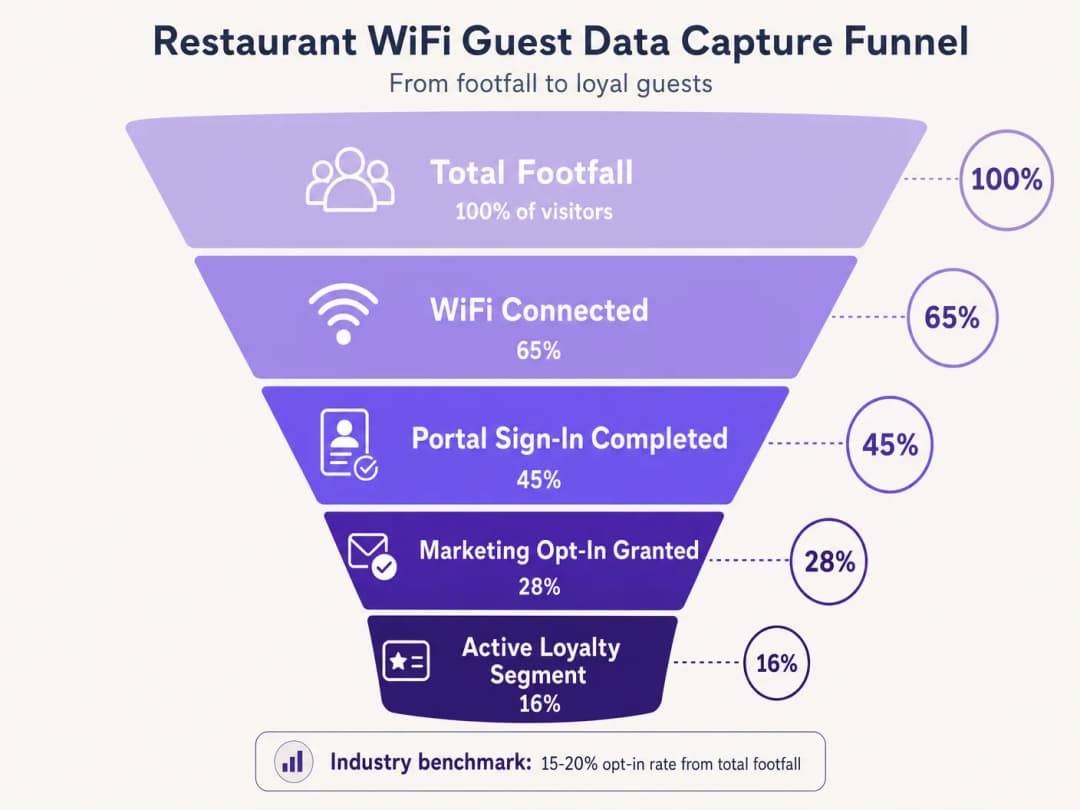
ऑप्ट-इनला प्राधान्य द्या. Captive Portal चे मुख्य उद्दिष्ट मार्केटिंग संमती मिळवणे हे आहे. मूल्य प्रस्ताव - उदाहरणार्थ, 'विशेष ऑफर्स आणि वाढदिवसाच्या भेटवस्तूंसाठी आमच्या WiFi मध्ये सामील व्हा' - ठळकपणे प्रदर्शित केल्याची खात्री करा. उद्योगाचे बेंचमार्क दर्शवतात की ऑप्टिमाइझ केलेल्या पोर्टल्ससह एकूण पाऊलखुणांपैकी १५-२०% ऑप्ट-इन दर प्राप्त केला जाऊ शकतो. खराब डिझाइन केलेल्या पोर्टल्स असलेल्या वेन्यूजमध्ये अनेकदा हे दर ५% पेक्षा कमी दिसतात.लोकेशन ॲनालिटिक्सचा लाभ घ्या. रहिवासाचा वेळ (dwell times) आणि हालचालींचे पॅटर्न समजून घेण्यासाठी वायरलेस इन्फ्रास्ट्रक्चरच्या लोकेशन सर्व्हिसेसचा (RSSI ट्रायअँग्युलेशन) वापर करा. हा डेटा केवळ मार्केटिंग ॲप्लिकेशन्सच्या पलीकडे जाऊन ऑपरेशनल निर्णय - कर्मचाऱ्यांची संख्या, लेआउट ऑप्टिमायझेशन, पीक-अवर मॅनेजमेंट - घेण्यासाठी उपयुक्त ठरतो. एक WiFi Analytics प्लॅटफॉर्म या इंटेलिजन्ससाठी डॅशबोर्ड आणि रिपोर्टिंग लेयर प्रदान करतो.
बँडविड्थ थ्रॉटलिंग लागू करा. प्रति-डिव्हाइस बँडविड्थ मर्यादा आणि सेशन टाईमआउट्स लागू करून काही मोजक्या युजर्सना नेटवर्क रिसोर्सेसवर मक्तेदारी मिळवण्यापासून रोखा. हे सर्व पाहुण्यांसाठी सातत्यपूर्ण Quality of Experience (QoE) सुनिश्चित करते आणि ऑपरेशनल सिस्टिम्सचे बँडविड्थ सॅचुरेशनपासून संरक्षण करते.
क्रॉस-व्हर्टिकल ॲप्लिकेशन. WiFi मार्केटिंगची तत्त्वे थेट संबंधित क्षेत्रांमध्ये देखील लागू होतात. परवानाधारक आवारांचे व्यवस्थापन करणाऱ्या ऑपरेटरसाठी, Bar and Pub WiFi: A Complete Setup and Marketing Guide एक समांतर टॅक्टिकल संदर्भ प्रदान करते. हेल्थकेअर आणि पब्लिक सेक्टरमधील डिप्लॉयमेंटसाठी, कम्प्लायन्सच्या आवश्यकता अधिक कडक असतात परंतु डेटा कॅप्चर आर्किटेक्चर मूलभूतपणे सारखेच राहते.
ट्रबलशूटिंग आणि जोखीम निवारण
गेस्ट WiFi डिप्लॉय करण्यामध्ये काही विशिष्ट जोखीम असतात ज्यांचे गो-लाइव्ह होण्यापूर्वी सक्रियपणे व्यवस्थापन केले पाहिजे.
सामान्य बिघाड प्रकार आणि त्यांचे उपाय
| बिघाड प्रकार | मूळ कारण | उपाय |
|---|---|---|
| Captive Portal दिसत नाही | Walled Garden चे चुकीचे कॉन्फिगरेशन, SSL सर्टिफिकेट त्रुटी | व्हाइटलिस्ट केलेल्या डोमेन्सचे ऑडिट करा; पोर्टलवर वैध SSL सर्टिफिकेट डिप्लॉय करा |
| सोशल लॉगिन न सांगता अयशस्वी होते | OAuth प्रोव्हाइडर डोमेन्स Walled Garden मध्ये नाहीत | Walled Garden मध्ये प्रोव्हाइडर ऑथेंटिकेशन डोमेन्स जोडा |
| परत येणाऱ्या पाहुण्यांना पुन्हा ऑथेंटिकेट करण्यास सांगितले जाते | MAC रँडमायझेशन (iOS 14+, Android 10+) | Passpoint प्रोफाईल्स किंवा व्हेन्यू ॲप लागू करा |
| CRM डेटा सिंक होण्यास विलंब | API रेट मर्यादा किंवा वेबहुक बिघाड | एक्स्पोनेन्शियल बॅकऑफ, डेड-लेटर क्यूज लागू करा |
| कमी ऑप्ट-इन दर | खूप जास्त फॉर्म फील्ड्स, निकृष्ट व्हॅल्यू प्रपोझिशन | केवळ ईमेल + ऑप्ट-इन पुरते मर्यादित ठेवा; पोर्टल कॉपी सुधारा |
MAC Address Randomisation वर विशेष लक्ष देणे आवश्यक आहे. आधुनिक मोबाईल ऑपरेटिंग सिस्टिम्स गोपनीयता वाढवण्यासाठी रँडमाइज्ड MAC ॲड्रेसेस जनरेट करतात, ज्यामुळे थेट MAC कॅशिंग आणि फ्रिक्वेन्सी ट्रॅकिंगमध्ये अडथळा येतो. परत येणाऱ्या पाहुण्यांना नवीन व्हिजिटर म्हणून मानले जाऊ शकते, ज्यामुळे ॲनालिटिक्स चुकू शकते आणि चुकीचे कॅम्पेन सिक्वेन्स ट्रिगर होऊ शकतात. यावरील दीर्घकालीन उपाय म्हणजे Passpoint (Hotspot 2.0) कडे स्थलांतरित होणे, जे MAC ॲड्रेसेसपासून स्वतंत्र असणारे सातत्यपूर्ण डिव्हाइस प्रोफाईल्स वापरते. Purple च्या विस्तारवादी प्लॅटफॉर्म धोरणाद्वारे दर्शविल्याप्रमाणे - ज्यामध्ये Purple signals Higher Education ambitions with appointment of VP Education Tim Peers मध्ये चर्चा केलेल्या प्रगतीचा समावेश आहे - सर्व व्हर्टिकल्समध्ये शाश्वत डेटा धोरणासाठी बदलत्या गोपनीयता मानकांशी जुळवून घेणे अत्यंत महत्त्वाचे आहे.
ROI आणि व्यावसायिक प्रभाव
WiFi मार्केटिंग सोल्यूशन तैनात करण्याचे अंतिम ध्येय म्हणजे गुंतवणुकीवर मोजता येण्याजोगा परतावा (ROI) मिळवणे होय. पहिल्या दिवसापासून ट्रॅक केलेल्या KPIs च्या निश्चित संचाचा वापर करून यशाचे मोजमाप केले पाहिजे.
| KPI | व्याख्या | उद्योग बेंचमार्क |
|---|---|---|
| डेटा कॅप्चर दर | प्रमाणीकरण करणाऱ्या एकूण पादचाऱ्यांची % | 40-65% |
| मार्केटिंग ऑप्ट-इन दर | संमती देणाऱ्या प्रमाणित वापरकर्त्यांची % | 15-28% |
| मोहीम ओपन दर | उघडलेल्या मोहीम ईमेलची % | 35-45% |
| मोहीम रूपांतरण दर | ऑफरचा लाभ घेणाऱ्या प्राप्तकर्त्यांची % | 8-15% |
| वारंवार भेटींमधील वाढ | नियंत्रण गटाच्या तुलनेत परत येणाऱ्या भेटींमध्ये झालेली वाढ | 12-22% |
पद्धतशीरपणे डेटा कॅप्चर करून, प्रेक्षकांचे वर्गीकरण करून आणि लक्ष्यित मोहिमा स्वयंचलित करून, IT आणि मार्केटिंग टीम्स त्यांच्या वायरलेस इन्फ्रास्ट्रक्चरला एका आवश्यक खर्चातून धोरणात्मक मालमत्तेमध्ये रूपांतरित करू शकतात. वाहन आणि ठिकाणच्या WiFi धोरणांच्या एकत्रीकरणासह, 2026 मध्ये ठिकाणच्या ऑपरेशन्सवर परिणाम करणाऱ्या विस्तृत कनेक्टिव्हिटी ट्रेंड्सच्या माहितीसाठी, WiFi in Auto: The Complete 2026 Enterprise Guide पहा.
ऑडिओ ब्रीफिंग: मार्केटिंग ROI साठी WiFi चे आर्किटेक्चर तयार करण्यावर एक 10 मिनिटांचे सल्लागार ब्रीफिंग - ज्यामध्ये आर्किटेक्चर, इंटिग्रेशन, जोखीम कमी करणे आणि जलद प्रश्नोत्तरे समाविष्ट आहेत.
महत्वाच्या व्याख्या
Captive Portal
एक वेब पृष्ठ जे सार्वजनिक-अॅक्सेस नेटवर्कच्या वापरकर्त्याला इंटरनेट अॅक्सेस मिळण्यापूर्वी पाहणे आणि त्यावर प्रक्रिया करणे बंधनकारक असते. हे गेस्ट WiFi डिप्लॉयमेंटमध्ये प्राथमिक डेटा संपादन आणि संमती इंटरफेस म्हणून काम करते.
एक WiFi मार्केटिंग आर्किटेक्चरमधील Captive Portal हा सर्वात महत्त्वाचा घटक आहे. त्याची रचना थेट डेटा कॅप्चर दर आणि मार्केटिंग ऑप्ट-इन दर निर्धारित करते.
MAC Caching
प्रारंभिक ऑथेंटिकेशननंतर डेटाबेसमध्ये डिव्हाइसचा Media Access Control (MAC) पत्ता संग्रहित करण्याची प्रक्रिया, ज्यामुळे पुढील भेटींदरम्यान पुन्हा Captive Portal न दाखवता स्वयंचलित नेटवर्क अॅक्सेस मिळतो.
पुन्हा येणाऱ्या ग्राहकांसाठी घर्षण कमी करण्यासाठी आणि त्यांच्या येण्याच्या वारंवारतेचा अचूक मागोवा घेण्यासाठी आवश्यक आहे. आधुनिक मोबाईल ऑपरेटिंग सिस्टममधील MAC अॅड्रेस रँडमायझेशनमुळे याला वाढत्या आव्हानांना तोंड द्यावे लागत आहे.
Walled Garden
एक मर्यादित नेटवर्क वातावरण जे ऑथेंटिकेशन पूर्ण करण्यापूर्वी डिव्हाइस कोणत्या IP पत्त्यांवर किंवा डोमेनवर अॅक्सेस करू शकते हे नियंत्रित करते. गेस्ट WiFi मध्ये, हे Captive Portal साइन-इन करण्यापूर्वी वापरता येणारे रिसोर्सेस परिभाषित करते.
डिव्हाइसेसना Captive Portal, सोशल लॉगिन प्रदाते आणि आवश्यक बॅकएंड सेवांपर्यंत पूर्ण इंटरनेट अॅक्सेस मिळण्यापूर्वी पोहोचू देण्यासाठी अत्यंत आवश्यक असणारे कॉन्फिगरेशन. चुकीचे कॉन्फिगरेशन हे पोर्टल न दिसण्याचे मुख्य कारण आहे.
Progressive Profiling
ग्राहकाची सर्व माहिती एकाच वेळी पहिल्या भेटीत विचारण्याऐवजी, अनेक भेटींमधून किंवा संवादांमधून हळूहळू माहिती गोळा करण्याचे तंत्र.
पहिली Captive Portal प्रक्रिया लहान ठेवून (केवळ ईमेल + ऑप्ट-इन) प्रारंभिक ऑप्ट-इन दर वाढवण्यासाठी आणि नंतरच्या भेटींदरम्यान ग्राहकांची अधिक माहिती गोळा करून त्यांची समृद्ध प्रोफाईल तयार करण्यासाठी याचा वापर केला जातो.
RADIUS (Remote Authentication Dial-In User Service)
नेटवर्क सेवेशी कनेक्ट होणाऱ्या वापरकर्त्यांसाठी केंद्रीकृत ऑथेंटिकेशन, ऑथोरायझेशन आणि अकाउंटिंग (AAA) व्यवस्थापन प्रदान करणारा एक नेटवर्किंग प्रोटोकॉल.
गेस्ट अॅक्सेस व्यवस्थापित करणाऱ्या केंद्रीय डेटाबेसशी संप्रेषण साधण्यासाठी बहुतेक एंटरप्राइझ WLC इन्फ्रास्ट्रक्चरद्वारे वापरला जाणारा मूळ प्रोटोकॉल. इव्हेंट-ड्रिव्हन कॅंपेन ट्रिगर करण्यासाठी गेस्टचे प्रस्थान शोधण्यासाठी RADIUS Accounting-Stop संदेश वापरले जातात.
OAuth 2.0
एक उद्योग-मानक ऑथरायझेशन प्रोटोकॉल जो युझर पासवर्ड शेअर न करता, सुरक्षित टोकन एक्सचेंजद्वारे थर्ड-पार्टी ॲप्लिकेशन्सना HTTP सेवेमध्ये मर्यादित ॲक्सेस देण्याची अनुमती देतो.
Social Login पर्यायांचा (Log in with Google, Log in with Facebook) आधार असलेला प्रोटोकॉल. आयडेंटिटी प्रोव्हाइडरकडून सत्यापित डेमोग्राफिक डेटा मिळवताना captive portals साठी कमी अडथळ्यांचे ऑथेंटिकेशन प्रदान करतो.
Passpoint (Hotspot 2.0)
एक Wi-Fi Alliance मानक जे मॅन्युअल captive portal परस्परसंवादाची आवश्यकता नसताना, WPA2/WPA3 एंटरप्राइझ-ग्रेड एन्क्रिप्शन वापरून स्वयंचलित, सुरक्षित नेटवर्क शोध आणि कनेक्शन सक्षम करते.
ओपन captive portals साठी एक धोरणात्मक दीर्घकालीन पर्याय, जो MAC address randomisation मुळे प्रभावित न होणारी सातत्यपूर्ण डिव्हाइस ओळख प्रदान करतो. अंमलबजावणीमध्ये अधिक गुंतागुंत परंतु उत्कृष्ट युझर अनुभव आणि अचूक डेटा प्रदान करतो.
MAC Address Randomization
आधुनिक मोबाईल ऑपरेटिंग सिस्टीममधील (iOS 14+, Android 10+) एक प्रायव्हसी वैशिष्ट्य जे प्रत्येक नेटवर्क कनेक्शनसाठी एक युनिक, रँडमाइज्ड MAC address तयार करते किंवा ते वेळोवेळी बदलते.
WiFi मार्केटिंग उपयोजनांमध्ये थेट MAC कॅशिंग आणि वारंवारतेच्या ट्रॅकिंगमध्ये अडथळा आणतो. परत येणाऱ्या पाहुण्यांना नवीन अभ्यागत म्हणून मानले जाऊ शकते, ज्यामुळे ॲनालिटिक्स चुकू शकते आणि चुकीचे मोहीम अनुक्रम सुरू होऊ शकतात. उपाय योजना म्हणून Passpoint किंवा ॲप-आधारित ओळखीची आवश्यकता असते.
सोडवलेली उदाहरणे
१५० ठिकाणे असलेल्या एका राष्ट्रीय रेस्टॉरंट साखळीला त्यांच्या सध्याच्या गेस्ट WiFi नेटवर्कवर कमी डेटा कॅप्चर दर - एकूण पाऊलखुणांच्या ५% पेक्षा कमी - अनुभवायला मिळत आहे. सध्याच्या सेटअपमध्ये युजर्सना प्रवेश मिळण्यापूर्वी ६-फील्डचा मोठा फॉर्म भरावा लागतो. आयटी टीमला मूळ WLC इन्फ्रास्ट्रक्चर न बदलता हा कॅप्चर दर किमान २०% पर्यंत सुधारण्यास सांगितले गेले आहे. आर्किटेक्चरची पुनर्रचना कशी करावी?
या अंमलबजावणीसाठी प्रोग्रेसिव्ह प्रोफाइलिंग आणि कमी-अडथळ्याच्या ऑथेंटिकेशनकडे जाणे आवश्यक आहे, जे WLC हार्डवेअर न बदलता साध्य केले जाऊ शकते. पायरी १: मुख्य ऑथेंटिकेशन पर्याय म्हणून OAuth २.० सोशल लॉगिन बटणे (Google, Facebook) सादर करण्यासाठी Captive Portal ॲप्लिकेशन लेयरची पुनर्रचना करा. यासाठी WLC वरील वॉल्ड गार्डन व्हाईटलिस्टमध्ये OAuth प्रोव्हाइडर ऑथेंटिकेशन डोमेन जोडणे आवश्यक आहे. पायरी २: जे युजर्स फॉर्म-आधारित ऑथेंटिकेशन पसंत करतात, त्यांच्यासाठी सुरुवातीचा फॉर्म फक्त दोन फील्ड्सवर मर्यादित करा: ईमेल पत्ता आणि स्पष्टपणे लेबल केलेला Marketing Opt-In चेकबॉक्स. सुरुवातीच्या संवादातून इतर सर्व फील्ड्स काढून टाका. पायरी ३: पोर्टल बॅकएंडवर ३० दिवसांच्या समाप्तीसह MAC कॅशिंग लागू करा. ऑथेंटिकेट केलेले MAC पत्ते पोर्टल डेटाबेसमध्ये साठवले जातात; WLC पोर्टल सादर करण्यापूर्वी ही सूची तपासतो. पायरी ४: विश्वास प्रस्थापित झाल्यानंतर, दुसऱ्या किंवा तिसऱ्या भेटीदरम्यान दुय्यम डेटा कॅप्चर प्रॉम्प्ट (वाढदिवस, फोन नंबर) सादर करण्यासाठी पोर्टल कॉन्फिगर करा. पायरी ५: REST API वेबहुक्सद्वारे पोर्टल डेटाबेसला मध्यवर्ती CRM शी समाकलित करा, ज्यामुळे प्रोग्रेसिव्ह प्रोफाइलिंग लॉजिक चालवण्यासाठी प्रत्येक ऑथेंटिकेशन इव्हेंटवर 'Visit Count' फील्ड वाढवले जाईल याची खात्री होते.
दरवर्षी २०० हून अधिक इव्हेंट्स आयोजित करणारे एक मोठे कॉन्फरन्स सेंटर स्वयंचलित Review Generation कॅंपेन लागू करू इच्छिते. डेलीगेट्सनी व्हेन्यू सोडल्यानंतर बरोबर २ तासांनी त्यांना एक ईमेल पाठवणारी यंत्रणा त्यांना हवी आहे, ज्यामध्ये ईमेल मजकूर त्यांनी उपस्थित राहिलेल्या विशिष्ट इव्हेंटनुसार वैयक्तिकृत केलेला असेल. यासाठी कोणते तांत्रिक घटक आणि कॉन्फिगरेशन्स आवश्यक आहेत?
यासाठी WLC, Location Analytics इंजिन, इव्हेंट मॅनेजमेंट सिस्टम आणि Marketing Automation प्लॅटफॉर्म दरम्यान एकत्रीकरण (integration) आवश्यक आहे. पायरी १: जेव्हा एखादे क्लायंट डिव्हाइस डिस्कनेक्ट होते तेव्हा RADIUS Accounting-Stop संदेश तयार करण्यासाठी WLC कॉन्फिगर करा. पर्यायी म्हणून, जेव्हा एखाद्या डिव्हाइसची RSSI ठराविक कालावधीसाठी (उदा. ५ मिनिटे) वेन्यूच्या जिओफेन्स मर्यादेच्या खाली जाते, तेव्हा 'departure' इव्हेंट ट्रिगर करण्यासाठी location analytics इंजिन कॉन्फिगर करा. पायरी २: WiFi Analytics प्लॅटफॉर्ममध्ये एक webhook कॉन्फिगर करा जो departure इव्हेंट मिळाल्यावर सक्रिय होईल. Webhook च्या पेलोडमध्ये वापरकर्त्याचा ईमेल पत्ता, वेन्यू झोन ID आणि टाइमस्टॅम्प समाविष्ट असणे आवश्यक आहे. पायरी ३: इव्हेंट मॅनेजमेंट सिस्टममध्ये, वेन्यू झोन ID आणि टाइम विंडो यांना विशिष्ट इव्हेंट नावांसह मॅप करणारा एक लुकअप टेबल तयार ठेवा. webhook पेलोडमध्ये इव्हेंटचे नाव जोडून ते अधिक समृद्ध करण्यासाठी marketing automation प्लॅटफॉर्म या टेबलवरून डेटा मिळवतो. पायरी ४: Marketing Automation प्लॅटफॉर्ममध्ये, एक वर्कफ्लो तयार करा जो हा समृद्ध केलेला webhook प्राप्त करतो, २ तासांचा डिले टाइमर सुरू करतो आणि नंतर इव्हेंटचे नाव डायनॅमिक कंटेंट व्हेरिएबल म्हणून वापरून एक वैयक्तिकृत पुनरावलोकन (review) विनंती ईमेल पाठवतो. पायरी ५: जर प्रतिनिधीने आधीच पुनरावलोकन सबमिट केले असेल किंवा वैयक्तिक फॉलो-अप आवश्यक असलेला VIP म्हणून त्यांना चिन्हांकित केले असेल, तर ईमेल पाठवणे रोखण्यासाठी सप्रेशन लिस्ट्स (suppression lists) कॉन्फिगर करा.
सराव प्रश्न
Q1. एक ठिकाण अहवाल देते की ३० दिवसांच्या मुदतीसह MAC कॅशिंग सक्षम असूनही, iOS युझर्सना प्रत्येक वेळी भेट देताना वारंवार साइन इन करण्यास सांगितले जाते. Android युझर्सना या समस्येचा तितकासा सामना करावा लागत नाही. WLC लॉग एकाच फिजिकल डिव्हाइसवरून प्रत्येक iOS कनेक्शनसाठी नवीन MAC addresses दाखवतात. याचे मूळ कारण काय आहे आणि उपलब्ध उपाय योजना काय आहेत?
टीप: प्रत्येक नेटवर्कच्या आधारावर असणाऱ्या हार्डवेअर आयडेंटिफायर्सबाबत iOS 14 आणि त्यानंतरच्या आवृत्त्यांमध्ये समाविष्ट केलेल्या प्रायव्हसी वैशिष्ट्यांचा विचार करा.
नमुना उत्तर पहा
याचे मूळ कारण MAC Address Randomisation (iOS 14+ मधील Private Wi-Fi Address वैशिष्ट्य) हे आहे. iOS डिव्हाइसेस प्रत्येक SSID साठी एक युनिक, रँडमाइज्ड MAC address तयार करतात आणि ते वेळोवेळी बदलू शकतात. कॅश केलेला MAC address आता डिव्हाइसच्या सध्याच्या रँडमाइज्ड ॲड्रेसशी जुळत नसल्यामुळे, WLC प्रत्येक कनेक्शनला नवीन डिव्हाइस म्हणून गृहीत धरतो आणि captive portal सादर करतो. अल्पकालीन उपाय: युझर्सना त्यांच्या iOS नेटवर्क सेटिंग्जमध्ये त्या ठिकाणाच्या विशिष्ट SSID साठी Private Wi-Fi Address निष्क्रिय करण्यास सांगा. दीर्घकालीन उपाय: Passpoint (Hotspot 2.0) प्रोफाइल्स तैनात करा जे MAC address वर अवलंबून न राहता सातत्यपूर्ण, प्रमाणपत्र-आधारित डिव्हाइस ओळख प्रदान करतात, किंवा विशिष्ट ठिकाणासाठी मोबाईल ॲप विकसित करा जे सातत्यपूर्ण युझर सेशन आयडेंटिफायर राखून ठेवते.
Q2. तुम्ही अशा नवीन captive portal उपयोजनासाठी वॉर्डन गार्डन कॉन्फिगरेशन डिझाइन करत आहात जे सोशल लॉगिनसाठी Facebook आणि Google चा वापर करते आणि पोर्टल UI ला CDN वर होस्ट करते. हे पोर्टल एका बाह्य फॉन्ट लायब्ररीचा देखील वापर करते. ऑथेंटिकेशन प्रक्रिया यशस्वीरित्या पूर्ण होईल याची खात्री करण्यासाठी कोणत्या विशिष्ट श्रेणीतील संसाधनांना व्हाइटलिस्ट करणे आवश्यक आहे?
टीप: क्लायंट डिव्हाइस SSID शी कनेक्ट झाल्यापासून ते त्याला OAuth कॉलबॅक टोकन मिळेपर्यंतच्या संपूर्ण HTTP रिक्वेस्ट्सचा क्रम तयार करा.
नमुना उत्तर पहा
वॉर्डन गार्डनमध्ये खालील संसाधनांच्या श्रेणींना व्हाइटलिस्ट करणे आवश्यक आहे: १. captive portal सर्व्हरची स्वतःची IP श्रेणी किंवा डोमेन. २. पोर्टलचे HTML, CSS आणि JavaScript ॲसेट्स होस्ट करणारे CDN डोमेन्स. ३. बाह्य फॉन्ट लायब्ररी डोमेन (उदा. fonts.googleapis.com). ४. Facebook (उदा. graph.facebook.com, www.facebook.com) आणि Google (उदा. accounts.google.com, oauth2.googleapis.com) साठीचे OAuth ऑथेंटिकेशन डोमेन्स. ५. OAuth प्रोव्हाइडरच्या लॉगिन बटणांद्वारे वापरले जाणारे कोणतेही इमेज किंवा ॲसेट CDNs. ६. क्लायंट डिव्हाइसला पोर्टलचे SSL प्रमाणपत्र सत्यापित करण्याची परवानगी देण्यासाठी Certificate Revocation List (CRL) किंवा OCSP एंडपॉइंट्स. यापैकी कोणतीही श्रेणी गहाळ झाल्यास ऑथेंटिकेशन फ्लो मूकपणे अयशस्वी होईल किंवा विस्कळीत UI सादर करेल.
Q3. एक मार्केटिंग टीम पाहुणे जेव्हा रेस्टॉरंटमधील एका विशिष्ट मिष्टान्न (डेझर्ट) काउंटरवरून जातील, अगदी त्याच वेळी त्यांच्यासाठी SMS मोहीम सुरू करू इच्छिते. सध्याच्या पायाभूत सुविधांमध्ये RSSI-आधारित स्थान विश्लेषणासह (location analytics) मानक 802.11ac ॲक्सेस पॉइंट्स वापरले जातात. आवश्यक अचूकता आणि विलंबाचा (latency) विचार करता हे शक्य आहे का? पायाभूत सुविधांमध्ये काही बदल करावे लागतील का, आणि असल्यास कोणते?
टीप: काउंटर-लेव्हल ट्रिगरसाठी आवश्यक असलेल्या अचूकतेच्या तुलनेत मानक RSSI-आधारित ट्रायअँगुलेशनच्या स्पेसियल रिझोल्यूशन आणि अपडेट लॅटन्सीचे मूल्यांकन करा.
नमुना उत्तर पहा
नाही, मानक RSSI-आधारित स्थान विश्लेषणासह हे शक्य नाही. RSSI ट्रायअँगुलेशन सहसा ५ ते १० मीटरची अचूकता प्रदान करते, जी रेस्टॉरंटमधील विशिष्ट काउंटर ओळखण्यासाठी पुरेशी नाही. शिवाय, RSSI अपडेट्ससाठी लागणाऱ्या वेळामुळे काही सेकंदांचा विलंब होतो, ज्याचा अर्थ असा की ट्रिगर सुरू होण्यापूर्वी पाहुणा आधीच त्या ठिकाणाहून पुढे निघून गेला असावा. कमी विलंबासह काउंटर-पातळीवरील अचूकता मिळवण्यासाठी, पायाभूत सुविधांमध्ये मिष्टान्न काउंटरवर BLE (Bluetooth Low Energy) बीकन्स किंवा अल्ट्रा-वाइडबँड (UWB) तंत्रज्ञान जोडावे लागेल. ठिकाणाचे ॲप किंवा BLE-सक्षम डिव्हाइस बीकनचे सान्निध्य सिग्नल (proximity signal) शोधेल आणि मार्केटिंग ऑटोमेशन प्लॅटफॉर्मद्वारे SMS ट्रिगर करेल. यासाठी ठिकाण-विशिष्ट मोबाईल ॲप्लिकेशन आणि BLE बीकन व्यवस्थापन प्रणालीची आवश्यकता असते, ज्यामुळे अंमलबजावणीची गुंतागुंत आणि खर्च मोठ्या प्रमाणात वाढतो.
या मालिकेमध्ये पुढे वाचा
ग्राहकांशी कसे कनेक्ट व्हावे: भौतिक व्यवसायांसाठी डिजिटल धोरणे
हे अधिकृत तांत्रिक संदर्भ मार्गदर्शक स्पष्ट करते की भौतिक-स्थान असलेले व्यवसाय - हॉटेल्स, रिटेल साखळ्या, स्टेडियम आणि सार्वजनिक-क्षेत्रातील ठिकाणे - पहिल्या-पक्षाचा डेटा मिळवण्यासाठी आणि ग्राहक संवादाचे इंजिन म्हणून एंटरप्राइझ WiFi पायाभूत सुविधा कशा तैनात करू शकतात. यामध्ये Captive Portal डिझाइन आणि अखंड प्रमाणीकरण (IEEE 802.11u/Passpoint) पासून ते CRM एकत्रीकरण, GDPR अनुपालन आणि मोजता येण्याजोगा ROI पर्यंत संपूर्ण आर्किटेक्चर समाविष्ट आहे. IT लीडर्स आणि ठिकाण संचालकांना यामध्ये कृतीयोग्य तैनाती मार्गदर्शन, वास्तविक-जगातील केस स्टडीज आणि अनुपालनाला प्राधान्य देणारी जोखीम कमी करणारी फ्रेमवर्क मिळेल.
मार्केटिंग मोहिमांमध्ये फर्स्ट-पार्टी डेटा कसा वापरावा
हे अधिकृत मार्गदर्शक एंटरप्राइज आयटी आणि मार्केटिंग टीम्स त्यांच्या अतिथी WiFi इन्फ्रास्ट्रक्चरचे एका शक्तिशाली फर्स्ट-पार्टी डेटा इंजिनमध्ये कसे रूपांतर करू शकतात याचा तपशील देते. यात डेटा कॅप्चरसाठी तांत्रिक आर्किटेक्चर, GDPR-सुसंगत संमती व्यवस्थापन, सेगमेंटेशन धोरणे आणि ईमेल, एसएमएस, सोशल ॲडव्हर्टायझिंग आणि प्रोग्रॅमॅटिक डिस्प्लेवर वास्तविक-जगातील ॲक्टिव्हेशन समाविष्ट आहे. ठिकाण ऑपरेटर आणि आयटी टीम्सना ठोस अंमलबजावणी मार्गदर्शन, हॉस्पिटॅलिटी आणि रिटेलमधील सोडवलेली उदाहरणे आणि मोजता येण्याजोगे ROI फ्रेमवर्क्स मिळतील.
Social WiFi: ते काय आहे आणि ते ग्राहक प्रतिबद्धता कशी वाढवते
हे अधिकृत तांत्रिक संदर्भ मार्गदर्शक Social WiFi चे आर्किटेक्चर, डिप्लॉयमेंट आणि व्यावसायिक मूल्य कव्हर करते - Captive Portal वर OAuth 2.0 सोशल लॉगिनद्वारे गेस्ट नेटवर्क वापरकर्त्यांना ऑथेंटिकेट करण्याची पद्धत. हे IT मॅनेजर्स, नेटवर्क आर्किटेक्ट्स आणि व्हेन्यू ऑपरेशन्स डायरेक्टर्सना तांत्रिक अंमलबजावणी, GDPR कंप्लायन्स आणि टार्गेटेड कस्टमर एंगेजमेंटसाठी कॅप्चर केलेल्या फर्स्ट-पार्टी डेटाचा लाभ घेण्याबाबत कृती करण्यायोग्य मार्गदर्शन प्रदान करते. हॉस्पिटॅलिटी, रिटेल आणि इव्हेंट्स क्षेत्रातील व्हेन्यू ऑपरेटर्सना ठोस डिप्लॉयमेंट फ्रेमवर्क्स आणि वास्तविक-जगातील परिस्थिती सापडतील जे मोजता येण्याजोगे ROI प्रदर्शित करतात.
तुमच्या विशिष्ट सेटअपबद्दल काही प्रश्न आहेत का?
आमची टीम ८०,००० हून अधिक वेन्यूजमधील वेन्यू ऑपरेटर्स, IT मॅनेजर्स आणि नेटवर्क इंजिनिअर्ससोबत काम करते. २० मिनिटांचा कॉल बुक करा आणि तुमच्यासारख्या इतरांनी ही समस्या कशी सोडवली हे आम्ही तुम्हाला दाखवू.