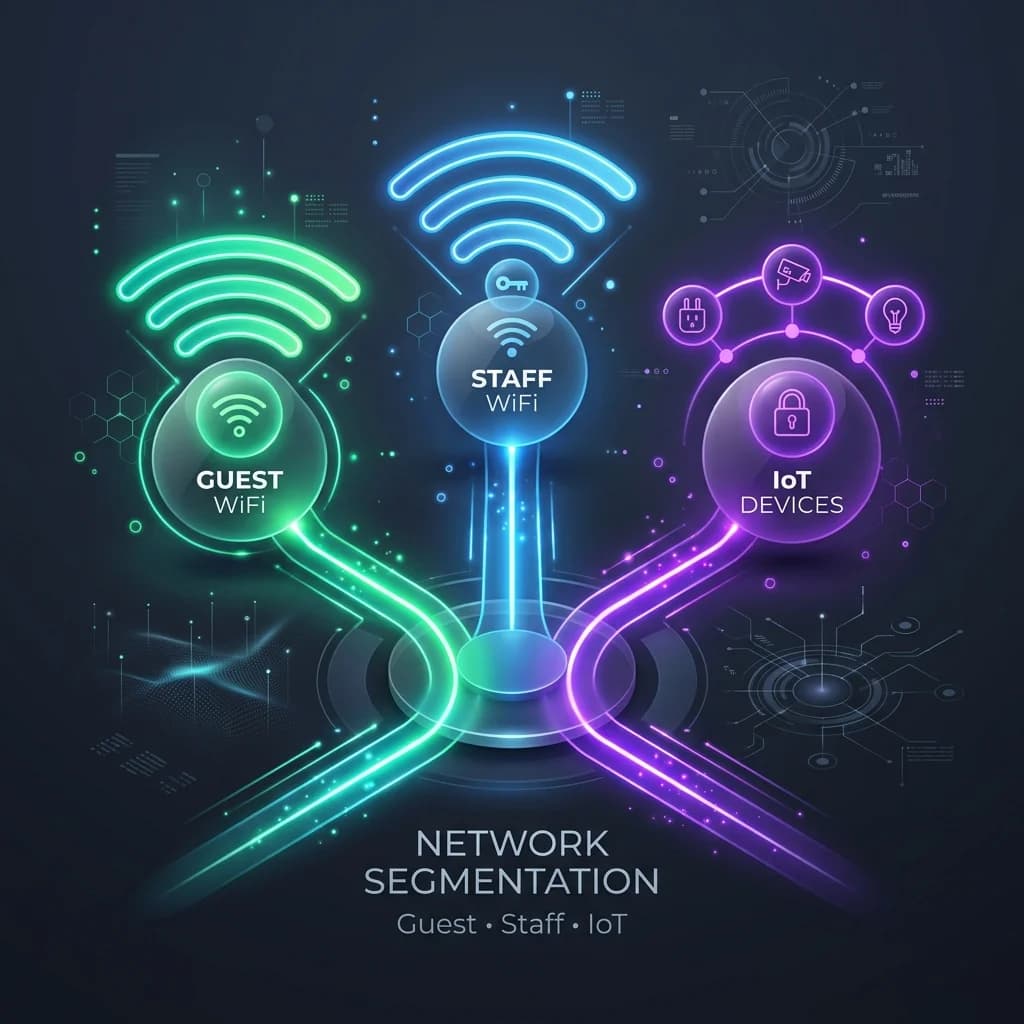
A maioria das respostas sobre quem inventou o WiFi é simples demais. Elas escolhem um nome, um laboratório e uma descoberta, transformando uma longa história de engenharia em um fato de curiosidade.
Esse conselho é popular porque é fácil de lembrar. Mas também é enganoso.
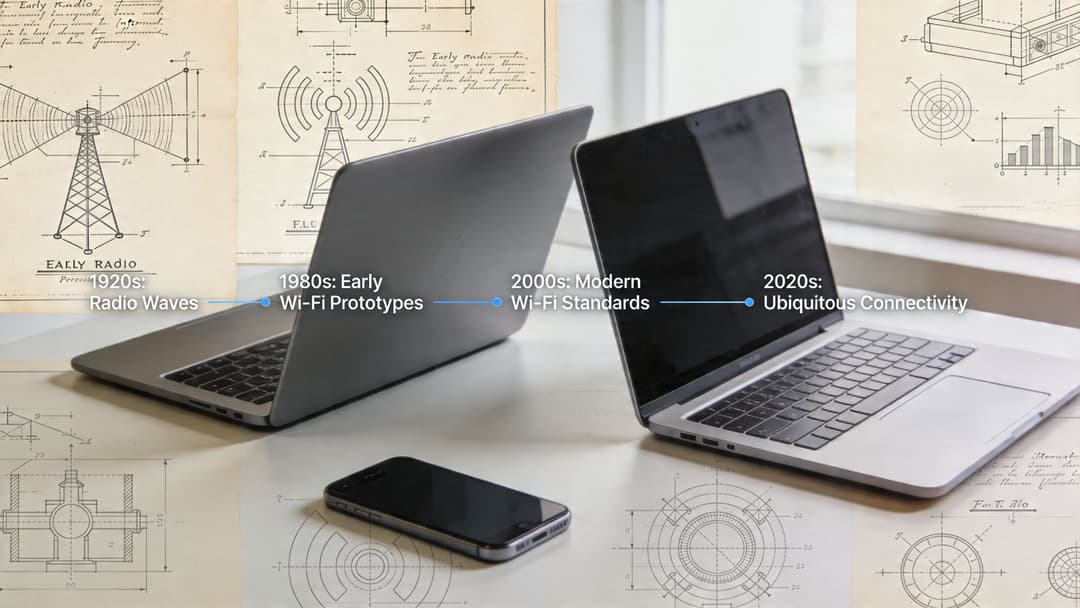
O WiFi não nasceu em um único momento. Ele surgiu de pesquisas de rádio em tempos de guerra, experimentos de redes de pacotes, trabalho de padronização e engenharia comercial que resolveram diferentes partes do mesmo problema. Um grupo ajudou a tornar os sinais sem fio mais difíceis de bloquear. Outro ajudou várias máquinas a compartilhar o ar. Outro fez com que dispositivos de diferentes fornecedores funcionassem juntos. Outro resolveu problemas práticos de rádio em ambientes internos que tornaram possível a adoção em massa.
Essa história complexa importa mais do que parece. A mesma fragmentação que moldou a invenção do WiFi ainda aparece nas redes empresariais hoje. Segurança, interoperabilidade, roaming, compatibilidade de fornecedores e experiência do usuário ainda são as partes difíceis.
O Mito do Inventor Único do WiFi
Explicações comuns sobre quem inventou o WiFi reduzem uma longa história de engenharia a um único nome. Isso serve para uma curiosidade rápida. Mas dá aos leitores o modelo mental errado.
O WiFi se formou da mesma forma que um sistema de transporte urbano. Um grupo de pessoas resolve a movimentação, outro escreve as regras, outro faz veículos de diferentes fabricantes funcionarem nas mesmas estradas e outro cuida das passagens e da segurança. As redes sem fio seguiram esse mesmo padrão. Diferentes colaboradores resolveram diferentes gargalos, em momentos diferentes, por motivos diferentes.
Por que a resposta simples falha
A palavra inventou esconde várias conquistas distintas.
Em uma versão, significa as primeiras técnicas de rádio que tornaram os sinais sem fio mais difíceis de interromper ou interceptar. Em outra, significa o trabalho de engenharia que tornou viável o uso prático de redes sem fio de alta velocidade em ambientes internos. Em outra, significa o processo de padronização que permitiu que dispositivos de diferentes fornecedores se conectassem com segurança. As empresas ainda lidam com essas mesmas camadas hoje. Uma rede pode ter uma cobertura de rádio forte, mas ainda assim falhar na autenticação, roaming ou controle de políticas.
É por isso que a história do WiFi é melhor compreendida como quatro problemas interligados, e não como uma única descoberta isolada:
- Resiliência e proteção de sinal: como os dados sem fio podem viajar pelo ar sem que sejam fáceis de bloquear, corromper ou interceptar
- Acesso compartilhado: como vários dispositivos se revezam no mesmo canal de rádio sem colisões constantes
- Padronização: como telefones, laptops, pontos de acesso e controladores seguem regras comuns
- Operação no mundo real: como tudo isso funciona dentro de escritórios, hotéis, hospitais e campi com paredes, interferências e grande número de usuários
Para uma equipe de rede empresarial, essa distinção é prática, não acadêmica.
Uma empresa pode comprar pontos de acesso que operam no mesmo padrão e ainda assim enfrentar dificuldades com a integração de convidados, verificações de identidade, processamento de certificados e segurança baseada em senhas. Essa é uma das razões pelas quais a história de origem do WiFi aponta diretamente para ferramentas e serviços posteriores. A visão original era de conectividade sem fio utilizável em escala. Plataformas modernas estendem essa ideia facilitando o gerenciamento do controle de acesso e da integração, especialmente à medida que as expectativas de segurança evoluem de proteções mais antigas para outras mais novas, tais como os padrões de segurança sem fio WPA2 e WPA3 .
Uma resposta melhor
Uma resposta mais precisa é simples. Nenhuma pessoa inventou o WiFi sozinha.
Várias figuras estão associadas a ele porque contribuíram para diferentes camadas do sistema. Hedy Lamarr está ligada às primeiras ideias de espalhamento espectral. John O'Sullivan e seus colegas da CSIRO estão ligados a técnicas que ajudaram a tornar viável a conectividade sem fio interna rápida. Vic Hayes é associado ao trabalho de padronização que ajudou equipamentos a interoperarem entre países e fabricantes.
Essa história fragmentada também explica por que os debates sobre os créditos se tornaram tão intensos. O WiFi gerou um enorme valor comercial, de modo que questões sobre patentes, influência em padrões e propriedade nunca permaneceram puramente históricas. O setor de tecnologia estava discutindo exatamente o que os engenheiros vinham resolvendo o tempo todo. Quem controla o acesso, quais regras todos devem seguir e como um sistema compartilhado funciona sem atrito para o usuário.
Depois de ver o WiFi dessa forma, a história fica mais clara. Nunca foi um único lampejo de genialidade. Foi uma cadeia de soluções que transformou a teoria de rádio em uma ferramenta de negócios na qual as pessoas podiam confiar e usar todos os dias.
A improvável madrinha da segurança sem fio
Uma das partes mais importantes da história de origem do WiFi veio de uma fonte inesperada. Não começou em um laboratório de redes. Começou com Hedy Lamarr e George Antheil pensando em controle de rádio em tempos de guerra.

A ideia do piano que mudou o pensamento sem fio
Em 11 de agosto de 1942, Lamarr e Antheil receberam a Patente dos EUA 2.292.387 para um sistema de comunicações secreto projetado para ajudar a Marinha dos EUA a guiar torpedos sem interferências ou interceptações fáceis, conforme descrito no relato da Telefónica sobre quem inventou o WiFi .
A ideia central era o salto de frequência em espectro ensanchado.
Essa frase parece mais intimidadora do que realmente é. Pense em duas pessoas tentando conversar mudando rapidamente entre canais de rádio em sincronia. Qualquer pessoa que tente bloquear ou escutar a conversa tem um trabalho muito mais difícil porque o sinal não fica no mesmo lugar por muito tempo.
A experiência de Antheil como compositor moldou o mecanismo. O sistema utilizava 88 frequências, correspondentes às teclas de um piano, e sincronizava o transmissor e o receptor para que eles alternassem juntos. Essa analogia com o piano não é apenas uma bela história. Ela ajuda a explicar o problema de engenharia com clareza. Ambas as extremidades precisavam mudar de canal no momento certo, na ordem certa, ou a mensagem seria perdida.
Por que isso importava muito antes do WiFi corporativo
Lamarr e Antheil não estavam tentando inventar a internet de cafeteria. Eles estavam resolvendo um problema militar: como manter o controle sem fio confiável sob interferência e ataque.
Essa preocupação ainda está no centro das redes sem fio. Uma rede empresarial em um hotel, hospital ou shopping center não enfrenta interferências de torpedos em tempos de guerra, mas enfrenta congestionamento, ruído e espaço aéreo saturado. Os sistemas sem fio ainda precisam manter uma conexão estável quando o ambiente se torna hostil.
Regra prática: Quando você vir discussões modernas sobre segurança WiFi, lembre-se de que a confiabilidade e a segurança estiveram interligadas desde o início. Um sistema sem fio não é seguro se a interferência romper a conexão no momento exato em que os usuários tentam se autenticar.
A mesma família de ideias influenciou mais tarde os padrões sem fio usados em tecnologias como Bluetooth e as primeiras versões de WiFi. Se você quiser uma comparação de segurança moderna, o guia da Purple sobre as diferenças entre WPA2 e WPA3 mostra como as camadas de proteção atuais se baseiam em uma ambição muito mais antiga: comunicação segura via rádio, sem confiar que o ambiente irá se comportar bem.
O ângulo do Reino Unido que as pessoas costumam esquecer
Esta história também tem uma conexão útil com o Reino Unido. O trabalho de radar e rádio da Grã-Bretanha em tempos de guerra criou uma cultura de experimentação séria em torno de detecção, uso de frequência e sinalização segura. Mesmo quando a patente de Lamarr não estava impulsionando diretamente as redes de consumo, o ambiente mais amplo de guerra em ambos os lados do Atlântico estava empurrando a engenharia de rádio na mesma direção estratégica.
Essa é uma das razões pelas quais a história de quem inventou o WiFi não pode ser reduzida a um único passaporte ou patente. As ideias subjacentes moveram-se através de pesquisas militares, programas nacionais e, posteriormente, redes civis.
Das Ilhas Havaianas a um Padrão Global
Um sinal de rádio confiável era apenas metade do quebra-cabeça. O WiFi também precisava de uma maneira para que muitos dispositivos usassem o mesmo espaço aéreo compartilhado sem a necessidade de um despachante dizendo a cada um quando falar.
Esse problema transformou a engenharia de rádio em engenharia de rede.
O que o ALOHAnet mudou
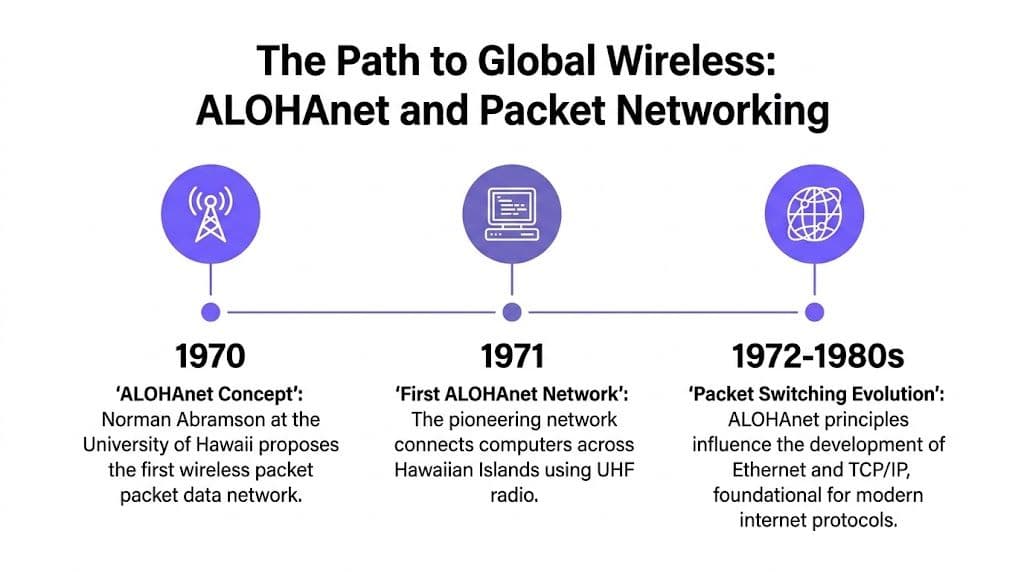
No Havaí, pesquisadores construíram o ALOHAnet, uma rede de pacotes sem fio pioneira que interligava computadores por rádio através das ilhas. Sua importância veio do método, não da geografia.
O ALOHAnet tratava o rádio como um meio de dados compartilhado. Em vez de manter o canal aberto para uma única troca rigidamente gerenciada, ele dividia as informações em pacotes. Os dispositivos podiam enviar um pacote, aguardar, detectar uma colisão e tentar novamente. Isso parece comum agora porque as redes modernas absorveram a ideia por completo, mas foi uma grande mudança na época.
Essa mudança é importante porque escritórios, campi, hospitais e estabelecimentos comerciais criam a mesma condição básica. Muitos usuários querem acesso ao mesmo tempo, em um meio que ninguém controla totalmente.
Por que a rede de pacotes importava tanto
Um sistema de rádio controlado centralmente funciona como uma porta vigiada, com uma pessoa passando por vez. A rede de pacotes se comporta mais como um saguão de estação movimentado com regras claras. As pessoas se movem, pausam, ajustam e tentam novamente quando os caminhos se cruzam.
A rede local sem fio precisava do modelo de saguão.
Isso é muito próximo do desafio que as empresas ainda enfrentam no WiFi de convidados e funcionários. Dezenas ou centenas de dispositivos competem por tempo de transmissão enquanto tentam autenticar, reconectar, fazer roaming e permanecer seguros. O problema original não era apenas "os dados podem viajar por rádio?" Era "múltiplos dispositivos independentes podem compartilhar o rádio de forma previsível o suficiente para o trabalho real?"
As duas ideias de que o WiFi precisava
| Problema | Contribuição inicial | Por que importou mais tarde |
|---|---|---|
| Manter a comunicação de rádio resiliente | Conceito de espectro disperso (Spread spectrum) | Ajudou a tornar a transmissão sem fio mais confiável em condições ruidosas |
| Permitir que muitos dispositivos usem o meio | Conceitos de redes de pacotes, como o ALOHAnet | Tornou as redes de dados práticas por rádio muito mais realistas |
Por que a Ethernet faz parte da história
O ALOHAnet é importante em parte porque o progresso do sem fio não aconteceu de forma isolada. As mesmas perguntas amplas também surgiram nas redes cabeadas. Como os dispositivos devem compartilhar um meio comum? O que acontece quando duas transmissões se sobrepõem? Como você se recupera sem quebrar todo o sistema?
A Ethernet respondeu a essas perguntas para os cabos. Os pesquisadores de sem fio estavam trabalhando em problemas comparáveis de acesso e colisão para o rádio. Os meios eram diferentes, mas a disciplina era semelhante. Uma rede precisava de regras de tempo, tentativas e coordenação.
Esse histórico ajuda a explicar um problema moderno das empresas. A conectividade só é útil quando o controle de acesso acompanha seu ritmo. Uma rede pode transmitir pacotes perfeitamente e, mesmo assim, frustrar os usuários se o login, as verificações de identidade ou o onboarding de convidados criarem gargalos no exato momento em que muitos dispositivos se conectam ao mesmo tempo. Plataformas como a Purple atuam nessa camada posterior da história. Elas se baseiam na visão original de acesso sem fio compartilhado, adicionando a experiência de autenticação controlada e pronta para os negócios que os primeiros pioneiros sem fio ainda não precisavam resolver.
O WiFi tornou-se possível quando o rádio deixou de ser tratado como um canal de sinalização de um para um e passou a ser tratado como um meio de rede compartilhado com regras. Esse foi o passo que levou o sem fio de experimentos isolados a um padrão global.
O Avanço Australiano e as Guerras de Patentes
O WiFi não se tornou útil em escritórios, hotéis, lojas e residências apenas porque os engenheiros aprenderam a enviar dados por rádio. Eles também tiveram que fazê-lo funcionar em ambientes cheios de ecos.
O problema em ambientes internos que os laboratórios precisavam resolver
A tecnologia sem fio em ambientes internos é difícil por um motivo simples. Um sinal raramente viaja por um único caminho limpo. Ele ricocheteia em paredes, tetos, vidros, mesas e estruturas metálicas, fazendo com que o receptor receba várias cópias ligeiramente atrasadas da mesma transmissão.
Esse efeito é chamado de interferência multiponto.
A maneira mais fácil de visualizar isso é como um eco em um grande salão. Se um eco chega uma fração de segundo após a frase original, você ainda consegue entender o palestrante. Se muitos ecos se sobrepõem, as palavras se confundem. Os receptores sem fio enfrentam o mesmo problema. Eles precisam separar o sinal desejado de suas próprias reflexões.
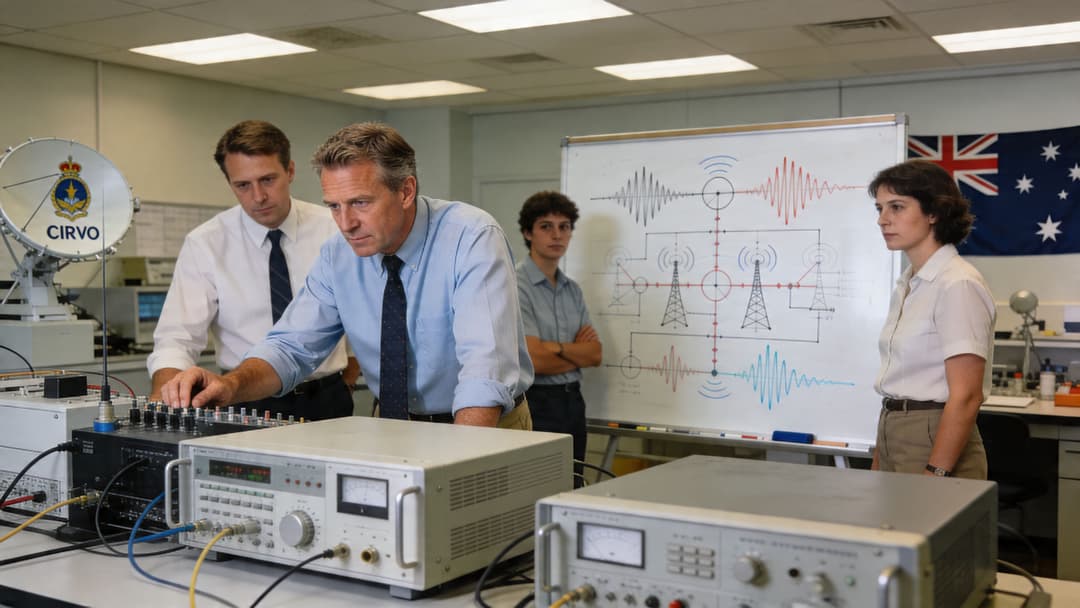
Este é o ponto em que John O'Sullivan e a CSIRO da Austrália entram na história de forma significativa. O trabalho deles é frequentemente apresentado como se fosse toda a invenção do WiFi. Uma descrição melhor é mais restrita e precisa. A CSIRO ajudou a resolver um problema difícil de processamento de rádio que tornou as redes sem fio de alta velocidade muito mais práticas em ambientes internos, onde as empresas precisavam.
Isso é importante porque a confiabilidade em ambientes internos muda tudo. Uma conexão sem fio em uma demonstração de laboratório é interessante. Uma conexão sem fio que ainda funciona em salas de reunião, paredes de concreto, chãos de fábrica e saguões movimentados torna-se uma categoria de produto.
Por que as disputas de patentes se tornaram tão intensas
Assim que a tecnologia de rede local sem fio começou a se transformar em infraestrutura de mercado de massa, as patentes deixaram de ser um detalhe acadêmico. Elas moldaram custos de licenciamento, acordos de chipsets e o poder dos fornecedores.
Os patentes da CSIRO tornaram-se centrais nessa disputa comercial, e a disputa sobre quem "inventou o WiFi" cresceu porque diferentes grupos estavam falando, na verdade, de diferentes camadas do sistema. Alguns se referiam ao espectro disperso. Alguns se referiam a redes de pacotes por rádio. Alguns se referiam às técnicas de processamento de sinal em ambientes internos que tornaram as redes LAN sem fio confiáveis o suficiente para o uso diário. Como observado anteriormente, países e empresas destacaram diferentes marcos para apoiar suas reivindicações.
Uma linha do tempo do WiFi, do ALOHAnet ao WiFi 7 e além , torna essa fragmentação mais fácil de ver. A história do WiFi parece menos com o momento de uma lâmpada acendendo e mais com uma corrida de revezamento, com cada grupo resolvendo um gargalo antes que o próximo grupo pudesse aproximar a tecnologia de sua implementação.
Por que as empresas devem se importar com uma antiga batalha de patentes
As guerras de patentes podem parecer distantes do trabalho diário de gerenciamento de uma rede. Elas não são. Elas revelam quão complexa se torna uma infraestrutura de sucesso uma vez que muitos fornecedores, órgãos de padrões e interesses comerciais se acumulam.
Essa lição ainda se aplica ao WiFi corporativo:
- A interoperabilidade reduz o risco operacional. As empresas precisam que pontos de acesso, dispositivos de clientes e ferramentas de gerenciamento funcionem juntos de forma previsível, não apenas que sigam o mesmo rótulo de marketing.
- O controle comercial afeta as escolhas técnicas. A propriedade de patentes e a pressão de licenciamento podem moldar quais chipsets, recursos e implementações se espalham pelo mercado.
- Conectividade confiável é apenas metade do trabalho. Uma vez que a tecnologia sem fio se tornou comum em ambientes internos, o próximo problema foi controlar quem acessa a rede, como eles se autenticam e como o acesso de visitantes permanece fácil sem enfraquecer a segurança.
Esse último ponto conecta a história da invenção às implantações modernas. Os primeiros pioneiros estavam tentando fazer a rede de rádio funcionar de qualquer maneira. As equipes corporativas de hoje herdam um desafio diferente. Elas devem tornar o acesso rápido, controlado, auditável e seguro para funcionários, visitantes, prestadores de serviços e dispositivos pessoais. Em outras palavras, o problema do rádio foi apenas a primeira camada. A identidade tornou-se o próximo gargalo.
O que os leitores frequentemente esquecem sobre o papel da CSIRO
A CSIRO merece um crédito real. O erro é tratar esse crédito como exclusivo.
Um resumo justo seria mais parecido com este:
- Lamarr e Antheil contribuíram com um conceito inicial de espectro disperso ligado à resistência contra interferências e interceptação.
- Pesquisadores de rádio por pacotes mostraram que dispositivos sem fio podiam compartilhar um meio e trocar dados como parte de uma rede.
- A CSIRO ajudou a resolver o problema de múltiplos caminhos em ambientes internos que existia entre a teoria e o uso prático de redes LAN sem fio.
- Grupos de padrões e alianças do setor transformaram esses avanços em produtos que podiam interoperar em escala.
Essa história é confusa, mas explica o WiFi moderno melhor do que o mito do inventor único. As redes corporativas ainda refletem o mesmo padrão. Engenharia de rádio, trabalho de padrões, controles de segurança e autenticação de usuários precisam estar alinhados. Plataformas como a Purple existem porque disponibilizar o WiFi nunca foi o objetivo final. Torná-lo fácil de acessar, seguro de usar e gerenciável para as empresas é o arco mais longo da mesma história.
Forjando um Padrão com o IEEE 802.11
Mesmo após todo o trabalho inteligente de rádio, o WiFi ainda poderia ter permanecido uma colcha de retalhos de produtos incompatíveis. Esse era o obstáculo final. Os engenheiros precisavam de um livro de regras comum.
É aí que o IEEE 802.11 entra na história.
Por que os padrões importam mais do que a maioria das pessoas imagina
Um padrão não descreve apenas uma tecnologia. Ele define como os dispositivos se identificam, compartilham tempo de transmissão, lidam com frames e mantêm a compatibilidade. Sem essa estrutura compartilhada, o ponto de acesso de um fabricante e o laptop de outro fabricante poderiam ambos afirmar ser sem fio, mas falhariam em se comunicar adequadamente.
É por isso que muitos engenheiros de rede tratam o trabalho de padrões como o ponto em que uma invenção se torna utilizável em escala.
De acordo com o relato da Telefónica citado anteriormente, Vic Hayes presidiu o comitê IEEE 802.11 em 1997, quando o primeiro padrão de rede local sem fio foi formalizado a 2 Mbps. Esse papel no comitê é a razão pela qual muitas pessoas o chamam de "Pai do WiFi". O apelido faz sentido, desde que você se lembre de que ele se refere à liderança em padronização, não à invenção exclusiva.
O que o 802.11 realmente fez
O padrão reuniu ideias anteriores e as transformou em regras interoperáveis.
Ele deu aos fabricantes uma base comum para criar produtos que pudessem funcionar juntos. Também trouxe técnicas de espalhamento espectral para o mundo prático das redes locais sem fio. Como a Netgear explica em sua discussão sobre o legado de espalhamento espectral de Hedy Lamarr , o espalhamento espectral codifica mensagens através de uma ampla área do espectro sem fio para que a comunicação possa continuar se uma banda enfrentar bloqueio ou interferência. Essa lógica de salto de frequência aparece no Bluetooth e em implementações iniciais de WiFi e ajuda a explicar por que os links sem fio podem manter a conectividade criptografada desde o primeiro pacote em ambientes difíceis.
A lição corporativa
Para uma equipe de TI, os padrões são a diferença entre uma demonstração e uma infraestrutura que você pode gerenciar.
Uma maneira útil de pensar sobre isso é esta:
- A invenção cria a possibilidade
- A engenharia cria o desempenho
- Os padrões criam ecossistemas
Se você tem interesse em saber como esses marcos se desenrolaram ao longo de décadas de redes, a linha do tempo do WiFi da Purple, da ALOHAnet ao WiFi 7 e além , oferece uma visão mais ampla da era dos produtos.
O ponto histórico fundamental é simples. O WiFi se tornou WiFi quando ideias independentes deixaram de ser avanços isolados e começaram a operar sob uma linguagem compartilhada.
Por que a História Desordenada do WiFi Importa Hoje
A história importa quando explica os pontos de dor atuais. No caso do WiFi, ela explica.
As redes empresariais modernas ainda lutam com as mesmas categorias de problemas que moldaram a tecnologia em primeiro lugar. A segurança precisa se manter firme em condições hostis ou ruidosas. Diferentes fornecedores e dispositivos precisam interoperar. Os usuários esperam que o acesso seja imediato, não complicado.
O velho problema que ainda não desapareceu
Um detalhe da história de Lamarr é especialmente relevante. O registro sobre a história da invenção de Hedy Lamarr na Wikipédia observa que a patente de Lamarr e Antheil expirou três anos antes de sua primeira implantação militar durante a Crise dos Mísseis de Cuba. Em outras palavras, a ideia existia muito antes de as instituições estarem prontas para usá-la.
Esse padrão deve soar familiar para qualquer pessoa que gerencie WiFi corporativo.
As empresas têm tido as bases para um acesso sem fio mais forte e suave há anos. No entanto, muitas ainda dependem de senhas compartilhadas, Captive Portals complicados e jornadas de integração fragmentadas. A tecnologia para fazer melhor não é o único desafio. A adoção, a integração e a simplicidade operacional desaceleram tudo.
Uma segurança sem fio robusta geralmente falha por motivos banais. O design é muito desajeitado, a integração demora muito ou a experiência do convidado é ruim o suficiente para que as pessoas encontrem alternativas para contorná-la.
Por que origens fragmentadas levam a experiências fragmentadas
O WiFi herdou uma história em camadas, e isso significa que as implantações modernas herdam uma complexidade em camadas.
Considere com o que as organizações lidam hoje:
- Identidade e acesso: Visitantes, funcionários, prestadores de serviços e inquilinos não devem se autenticar todos da mesma forma.
- Mobilidade: As pessoas esperam se conectar uma vez e permanecer conectadas enquanto se movem pelos locais e quando retornam mais tarde.
- Diversidade de fornecedores: Os ativos imobiliários usam uma mistura de hardware de rede, dispositivos legados e ferramentas de políticas.
- Postura de segurança: Credenciais compartilhadas são fáceis de distribuir e difíceis de controlar.
Esses não são aborrecimentos modernos aleatórios. Eles são os descendentes diretos do antigo desafio da engenharia. As redes sem fio tiveram que unir resiliência de sinal, coordenação de acesso e interoperabilidade. As plataformas empresariais de hoje estão fazendo a mesma coisa na camada de identidade.
Por que as plataformas de autenticação modernas são o próximo passo lógico
A visão original por trás da comunicação sem fio não era "fazer os usuários digitarem uma senha a cada visita". Era uma comunicação segura e confiável pelo ar.
É por isso que o acesso baseado em identidade, a integração liderada por certificados e o roaming contínuo parecem menos como extras opcionais e mais como a continuação natural da história. As empresas não precisam apenas de cobertura de rádio. Elas precisam de acesso WiFi que seja seguro desde o primeiro pacote, conveniente para o usuário e gerenciável para o operador em muitos locais.
Se você deseja uma perspectiva mais ampla sobre como a tecnologia sem fio mudou a vida diária e o comportamento empresarial, o artigo da Purple sobre como o WiFi mudou o mundo é uma leitura complementar útil.
A versão mais curta é esta. A história fragmentada de quem inventou o WiFi ajuda a explicar por que o acesso sem fio ainda falha no limite do usuário. O próximo estágio de progresso não é apenas rádios mais rápidos. É uma melhor identidade, melhor confiança e menos atrito.
Perguntas Frequentes Sobre as Origens do WiFi
Hedy Lamarr inventou o WiFi sozinha
Não. Ela fez uma contribuição fundamental através do espectro de difusão por salto de frequência com George Antheil, mas o WiFi moderno também depende de redes de pacotes, engenharia de rádio prática e trabalho de padrões. Chamá-la de única inventora ignora muitos outros colaboradores.
Por que algumas pessoas dizem que John O'Sullivan inventou o WiFi
Porque o trabalho da CSIRO resolveu um problema prático vital de transmissão sem fio e se tornou comercialmente significativo. Essa é uma razão justa para destacar O'Sullivan e sua equipe. Não é uma razão justa para apagar as contribuições anteriores e paralelas que tornaram o WiFi possível.
Por que Vic Hayes é chamado de o Pai do WiFi
Porque a liderança em padrões é importante. Hayes presidiu o comitê IEEE 802.11 que formalizou o padrão inicial de LAN sem fio, o que ajudou dispositivos de diferentes fabricantes a interoperarem. Ele não inventou sozinho toda a tecnologia subjacente.
O WiFi é o mesmo que a tecnologia de rádio subjacente
Não exatamente. O WiFi geralmente se refere a produtos construídos em torno da família de padrões 802.11 e do ecossistema ao redor deles. Os conceitos de rádio por trás do WiFi, incluindo ideias de espectro de difusão, são mais antigos do que a marca que as pessoas reconhecem hoje.
Por que existem tantas alegações de invenção diferentes
Porque diferentes países e organizações contribuíram com diferentes peças do quebra-cabeça. A lei de patentes, o trabalho de padronização e a comercialização de produtos recompensam diferentes tipos de conquistas. É por isso que a história inclui alegações concorrentes, em vez de uma resposta incontestável.
A invenção original de Lamarr tornou-se útil imediatamente
Não. Sua patente estava à frente de seu tempo. A lacuna entre a invenção e a implantação real é uma das razões pelas quais a história ainda ressoa entre os engenheiros de rede. Boas ideias costumam surgir antes que o restante do ecossistema esteja pronto para usá-las adequadamente.
Por que as empresas ainda enfrentam dificuldades com o WiFi se a tecnologia principal é madura
Porque a conectividade de rádio é apenas parte do problema. Autenticação, identidade, roaming, políticas e experiência do usuário são agora as partes difíceis. Em muitos ambientes, o gargalo não é o sinal. É o design de acesso.
Se a sua organização deseja que o acesso WiFi pareça tão fluido quanto a tecnologia subjacente sempre prometeu, a Purple ajuda a substituir senhas compartilhadas e Captive Portals complicados por um acesso seguro, sem senha e baseado em identidade para visitantes, funcionários e ambientes multi-tenant. Isso proporciona aos locais uma experiência de usuário mais confiável e oferece às equipes de TI um controle mais rígido em grandes propriedades sem adicionar mais atritos.