
কীভাবে WiFi হাসপাতালে রোগীদের অভিজ্ঞতা উন্নত করতে পারে
এই নির্ভরযোগ্য প্রযুক্তিগত গাইডটি ব্যাখ্যা করে যে কীভাবে হাসপাতালগুলো ইনপেশেন্টদের অভিজ্ঞতা পরিমাপযোগ্যভাবে উন্নত করতে এন্টারপ্রাইজ গেস্ট WiFi অবকাঠামো এবং অ্যানালিটিক্স ব্যবহার করতে পারে। এতে নেটওয়ার্ক আর্কিটেকচার, কমপ্লায়েন্সের প্রয়োজনীয়তা (HIPAA, DSPT, GDPR), ক্যাপটিভ পোর্টাল ডিজাইন, ওয়েফাইন্ডিং ইন্টিগ্রেশন এবং ROI ফ্রেমওয়ার্ক অন্তর্ভুক্ত রয়েছে - যা আইটি সিদ্ধান্ত গ্রহণকারীদের একটি শক্তিশালী অভ্যন্তরীণ ব্যবসায়িক কেস তৈরি করতে এবং সফলভাবে স্থাপনা সম্পন্ন করার সরঞ্জাম সরবরাহ করে।
এই গাইডটি শুনুন
পডকাস্ট ট্রান্সক্রিপ্ট দেখুন
আমাদের মূল সিরিজের অংশ: WiFi Analytics Guide →
এক্সিকিউটিভ সামারি
আধুনিক স্বাস্থ্যসেবা কেন্দ্রগুলোর জন্য, হাসপাতালে বিনামূল্যে WiFi একটি সাধারণ সুযোগ-সুবিধা থেকে রোগীদের অভিজ্ঞতা এবং অপারেশনাল অবকাঠামোর একটি গুরুত্বপূর্ণ স্তরে পরিণত হয়েছে। যেহেতু হাসপাতালগুলো রোগীর রেকর্ড ডিজিটাইজ করছে, টেলিমেডিসিন চালু করছে এবং সংযুক্ত চিকিৎসা সরঞ্জামগুলোর ওপর নির্ভর করছে, তাই মূল নেটওয়ার্ক আর্কিটেকচারকে একই সাথে ক্লিনিকাল চাহিদা এবং রোগীদের ক্রমবর্ধমান প্রত্যাশা পূরণ করতে হবে। এই গাইডটি আইটি ডিরেক্টর, নেটওয়ার্ক আর্কিটেক্ট এবং অপারেশনস লিডারদের জন্য তৈরি করা হয়েছে যাদের একটি Guest WiFi সমাধান ডিজাইন, স্থাপন এবং অপ্টিমাইজ করতে হবে যা ইনপেশেন্টদের অভিজ্ঞতায় পরিমাপযোগ্য উন্নতি প্রদান করে — বিনোদন এবং ওয়েফাইন্ডিং থেকে শুরু করে রিয়েল-টাইম ফিডব্যাক সংগ্রহ পর্যন্ত।
মূল যুক্তিটি সহজ: একটি সঠিকভাবে স্থাপন করা পেশেন্ট WiFi নেটওয়ার্ক, যা একটি WiFi Analytics প্ল্যাটফর্মের সাথে একীভূত, নেটওয়ার্কটিকে একটি নিষ্ক্রিয় ইউটিলিটি থেকে একটি সক্রিয় ইন্টেলিজেন্স স্তরে রূপান্তরিত করে। এটি ইনডোর নেভিগেশনের মাধ্যমে মিসড অ্যাপয়েন্টমেন্টের সংখ্যা কমায়, স্বয়ংক্রিয় ফিডব্যাকের মাধ্যমে HCAHPS সন্তুষ্টির স্কোর উন্নত করে এবং অপারেশন টিমকে স্টাফিং ও রিসোর্স বরাদ্দ অপ্টিমাইজ করার জন্য প্রয়োজনীয় ফুটফল ডেটা সরবরাহ করে। অভ্যন্তরীণভাবে এই বিষয়টি উপস্থাপন করতে এবং এটি সফলভাবে বাস্তবায়ন করতে এই গাইডে আর্কিটেকচার, কমপ্লায়েন্সের প্রয়োজনীয়তা, বাস্তবায়নের পদক্ষেপ এবং ROI ফ্রেমওয়ার্ক আলোচনা করা হয়েছে।
টেকনিক্যাল ডিপ-ডাইভ
স্বাস্থ্যসেবা পরিবেশের জন্য নেটওয়ার্ক আর্কিটেকচার
একটি হাসপাতালে এন্টারপ্রাইজ-গ্রেড Guest WiFi স্থাপন করার জন্য একটি সাধারণ বাণিজ্যিক স্থাপনার চেয়ে সম্পূর্ণ ভিন্ন পদ্ধতির প্রয়োজন। প্রধান সীমাবদ্ধতা হলো একই ফিজিক্যাল অবকাঠামোতে ক্লিনিকাল এবং গেস্ট ট্রাফিকের সহাবস্থান, যার জন্য কঠোর লজিক্যাল পৃথকীকরণ প্রয়োজন। স্ট্যান্ডার্ড আর্কিটেকচার ট্রাফিককে অন্তত তিনটি স্তরে বিভক্ত করতে 802.1Q VLANs ব্যবহার করে: ক্লিনিকাল সিস্টেম (EHR, PACS, টেলিমেট্রি), স্টাফ অ্যাডমিনিস্ট্রেটিভ নেটওয়ার্ক এবং রোগী/দর্শনার্থীদের গেস্ট SSID।
গেস্ট VLAN-কে সরাসরি একটি ডেডিকেটেড ইন্টারনেট আপলিঙ্কে রাউট করতে হবে — আদর্শভাবে একটি পৃথক leased line — যার সাথে ক্লিনিকাল VLAN-গুলোর কোনো রাউটিং পাথ থাকবে না। ফায়ারওয়াল ACL-এর মাধ্যমে এটি শুধুমাত্র পেরিমিটারে নয়, ডিস্ট্রিবিউশন লেয়ারেও প্রয়োগ করা উচিত। এটি HIPAA এবং NHS DSPT ফ্রেমওয়ার্ক উভয়ের অধীনেই একটি অ-আলোচনাযোগ্য আর্কিটেকচারাল প্রয়োজনীয়তা। কমপ্লায়েন্সের বাধ্যবাধকতাগুলোর বিস্তারিত বিবরণের জন্য, Healthcare WiFi: HIPAA, DSPT and WiFi Compliance Explained দেখুন।
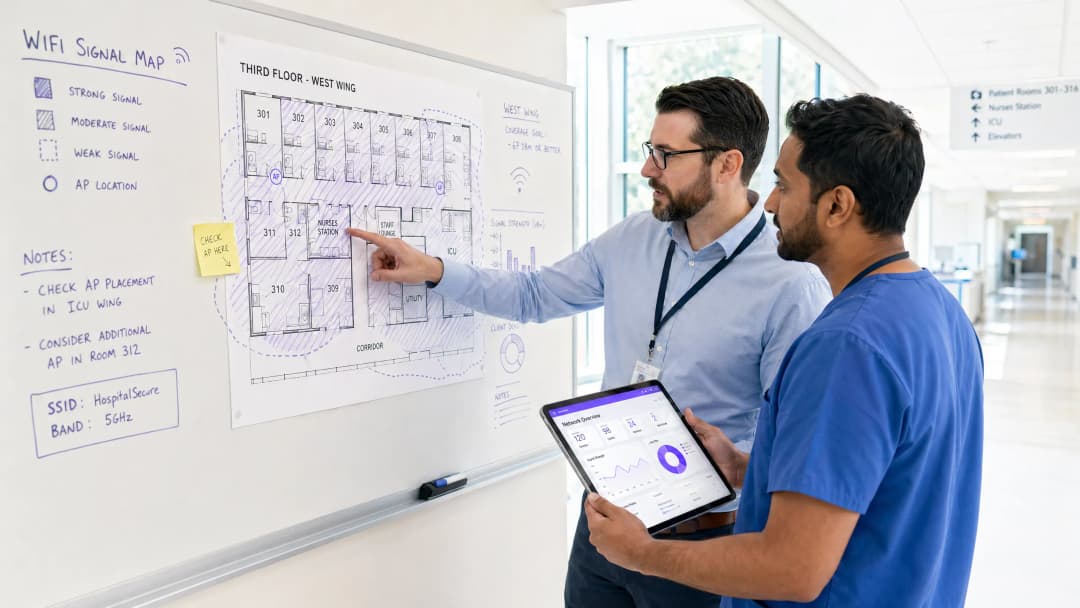
হাসপাতালে Access Point স্থাপন অনন্য RF চ্যালেঞ্জ তৈরি করে। সীসা-আবৃত রেডিওলজি স্যুট, ওয়ার্ডগুলোর মাঝখানের রিইনফোর্সড কংক্রিটের মেঝে এবং উচ্চ-ঘনত্বের রোগীর ঘরের ক্লাস্টারগুলো এমন অ্যাটেন্যুয়েশন প্রোফাইল তৈরি করে যা অফিসের পরিবেশ থেকে উল্লেখযোগ্যভাবে আলাদা। রোগীদের এলাকার জন্য ডিজাইনের লক্ষ্য হওয়া উচিত ন্যূনতম RSSI -67 dBm এবং কমপক্ষে ২০ dB সিগন্যাল-টু-নয়েজ রেশিও। গুরুত্বপূর্ণ বিষয় হলো, শুধুমাত্র কভারেজের জন্য নয়, ক্যাপাসিটি বা ধারণক্ষমতার জন্য ডিজাইন করুন। ৩০টি বেড বিশিষ্ট একটি ওয়ার্ডে ভিজিটিং আওয়ারের ব্যস্ততম সময়ে ৬০-৯০টি সক্রিয় ডিভাইস থাকতে পারে — যার প্রতিটি হয়তো ভিডিও স্ট্রিম করছে। এই ঘনত্ব দক্ষতার সাথে পরিচালনা করতে AP নির্বাচনের ক্ষেত্রে WiFi 6 (802.11ax) বা WiFi 6E সমর্থনকারী ডিভাইসগুলোকে লক্ষ্য করা উচিত।
স্পেকট্রাম ম্যানেজমেন্টও সমানভাবে গুরুত্বপূর্ণ। হাসপাতালের পরিবেশে ২.৪ GHz ব্যান্ডটি লিগ্যাসি টেলিমেট্রি সরঞ্জাম, নার্স কল সিস্টেম এবং ব্লুটুথ ডিভাইস দ্বারা ব্যাপকভাবে প্রভাবিত হয়। সক্ষম ডিভাইসগুলোকে ৫ GHz বা ৬ GHz ব্যান্ডে পাঠাতে Band steering কনফিগার করা উচিত। স্থাপনের পর স্বয়ংক্রিয় চ্যানেল সিলেকশন অ্যালগরিদমগুলো ম্যানুয়ালি পর্যালোচনা করা উচিত — উচ্চ-হস্তক্ষেপযুক্ত স্বাস্থ্যসেবা পরিবেশে এগুলো খুব কমই সেরা ফলাফল দেয়।
ক্যাপটিভ পোর্টাল আর্কিটেকচার এবং আইডেন্টিটি ম্যানেজমেন্ট
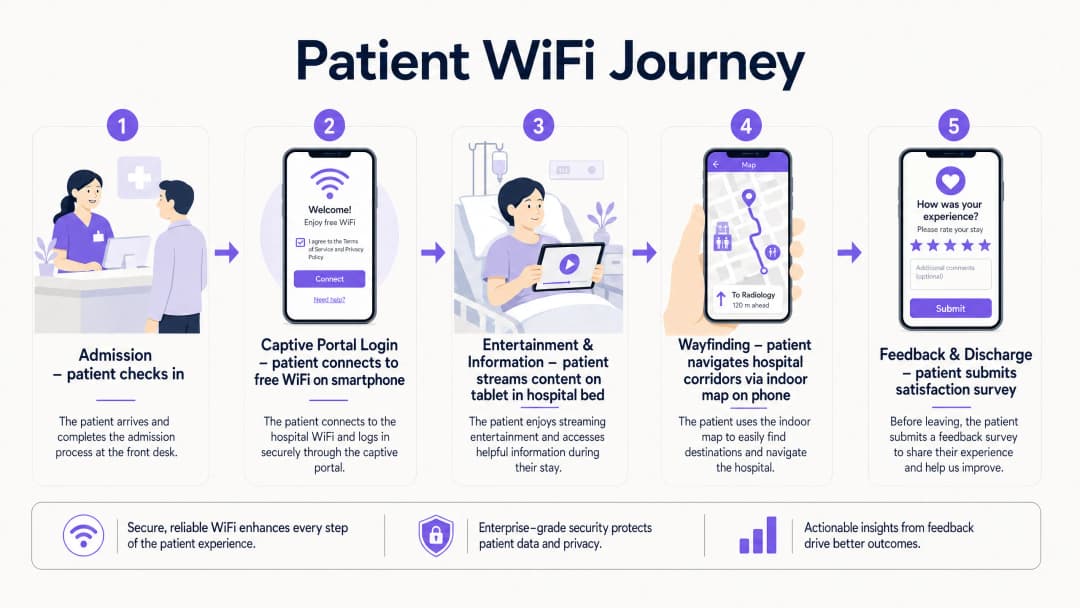
ক্যাপটিভ পোর্টাল হলো হাসপাতালের ডিজিটাল পরিষেবা স্তরের সাথে রোগীর প্রথম যোগাযোগ। এটি দ্রুত, নির্ভরযোগ্য এবং সর্বশেষ iPhone থেকে শুরু করে লিগ্যাসি ব্রাউজার চালিত পাঁচ বছরের পুরোনো Android ট্যাবলেট পর্যন্ত বিস্তৃত ডিভাইসে অ্যাক্সেসযোগ্য হতে হবে। একটি দুর্বলভাবে ডিজাইন করা পোর্টাল যা নির্দিষ্ট কিছু ডিভাইসে সঠিকভাবে রিডাইরেক্ট করতে ব্যর্থ হয়, তা তাৎক্ষণিক অভিযোগ এবং সাপোর্ট টিকিট তৈরি করবে।
আধুনিক স্থাপনাগুলো প্রি-শেয়ার্ড কী (pre-shared keys) থেকে সম্পূর্ণরূপে সরে এসেছে। প্রস্তাবিত পদ্ধতিটি হলো একটি সোশ্যাল লগইন বা ইমেল-ভিত্তিক ক্যাপটিভ পোর্টাল যা হাসপাতালের টার্মস অফ সার্ভিস এবং প্রাইভেসি নোটিশ প্রদর্শন করে, মার্কেটিং যোগাযোগের জন্য স্পষ্ট সম্মতি সংগ্রহ করে (GDPR Article 7 অনুযায়ী নেটওয়ার্ক অ্যাক্সেসের সম্মতি থেকে আলাদাভাবে) এবং সেশনটি অথেন্টিকেট করে। এই ফ্লোটি যখন Purple-এর Guest WiFi সমাধানের মতো প্ল্যাটফর্মের সাথে একীভূত হয়, তখন এটি একই সাথে রোগীকে একটি CRM-সামঞ্জস্যপূর্ণ ডেটা স্তরে যুক্ত করে, যা ডিসচার্জ-পরবর্তী যোগাযোগ এবং ফিডব্যাক সার্ভে সক্ষম করে।
রিজলভার স্তরে সমস্ত গেস্ট ট্রাফিকের জন্য DNS-লেভেল সিকিউরিটি ফিল্টারিং প্রয়োগ করা উচিত। এটি পরিচিত ক্ষতিকারক ডোমেনগুলোতে অ্যাক্সেস রোধ করে, অনুপযুক্ত কন্টেন্টের ক্যাটাগরিগুলো ব্লক করে এবং কমপ্লায়েন্সের উদ্দেশ্যে একটি অডিট ট্রেইল প্রদান করে। গেস্ট নেটওয়ার্কের প্রেক্ষাপটে DNS ফিল্টারিং বাস্তবায়নের নির্দেশনার জন্য Protect Your Network with Strong DNS and Security দেখুন।
যেকোনো নতুন SSID স্থাপনের জন্য WPA3-SAE (Simultaneous Authentication of Equals) লক্ষ্যযুক্ত এনক্রিপশন স্ট্যান্ডার্ড হওয়া উচিত। লিগ্যাসি ডিভাইসের সামঞ্জস্যতার জন্য, স্বল্প মেয়াদে একটি WPA2/WPA3 ট্রানজিশন মোড গ্রহণযোগ্য, তবে শুধুমাত্র WPA3-তে স্থানান্তরের একটি সময়সীমা পরিকল্পনা করা উচিত। গেস্ট SSID-তে Client Isolation অবশ্যই সক্রিয় করতে হবে — এটি একই নেটওয়ার্ক সেগমেন্টে ডিভাইস-টু-ডিভাইস যোগাযোগ রোধ করে, যা নিরাপত্তা এবং GDPR কমপ্লায়েন্স উভয়ের জন্যই অত্যন্ত গুরুত্বপূর্ণ।
WiFi Analytics এবং লোকেশন ইন্টেলিজেন্স
অ্যানালিটিক্স স্তরটি হলো এমন একটি জায়গা যেখানে পেশেন্ট WiFi একটি কস্ট সেন্টার থেকে একটি কৌশলগত সম্পদে রূপান্তরিত হয়। একটি সঠিকভাবে সজ্জিত নেটওয়ার্ক, যা Purple-এর WiFi Analytics-এর মতো প্ল্যাটফর্মে ডেটা পাঠায়, তা তিন ধরনের কার্যকর ইন্টেলিজেন্স প্রদান করে।
নেটওয়ার্ক পারফরম্যান্স মনিটরিং AP-এর স্বাস্থ্য, চ্যানেল ব্যবহার, ক্লায়েন্ট অ্যাসোসিয়েশন রেট এবং প্রতি SSID-তে থ্রুপুটের রিয়েল-টাইম ভিজিবিলিটি প্রদান করে। এটি রোগীদের পরিষেবা ব্যাহত হওয়ার আগেই সক্রিয়ভাবে ত্রুটি সমাধান করতে সক্ষম করে। RSSI ড্রপ বা AP ডিসঅ্যাসোসিয়েশন ইভেন্টের ওপর থ্রেশহোল্ড-ভিত্তিক অ্যালার্ট দেওয়া একটি স্ট্যান্ডার্ড প্র্যাকটিস।
ফুটফল এবং ডোয়েল অ্যানালিটিক্স প্রোব রিকোয়েস্ট ডেটা এবং অ্যাসোসিয়েশন প্যাটার্ন বিশ্লেষণ করে কাজ করে, যা হাসপাতালের ভেতর রোগী এবং দর্শনার্থীদের চলাচল প্রদর্শনকারী ফুটফল হিটম্যাপ তৈরি করে। এই ডেটা সরাসরি স্টাফিং সংক্রান্ত সিদ্ধান্তে প্রয়োগ করা যেতে পারে — যদি অ্যানালিটিক্স দেখায় যে সকাল ১০:০০ থেকে ১১:৩০ এর মধ্যে আউটপেশেন্ট ওয়েটিং এরিয়াতে ক্রমাগত ৪৫ মিনিটের একটি লাইন তৈরি হচ্ছে, তবে এটি একটি অপারেশনাল ইনসাইট যা সরাসরি স্টাফিংয়ের মাধ্যমে সমাধান করা সম্ভব।
ফিডব্যাক এবং স্যাটিসফ্যাকশন লুপ ক্যাপটিভ পোর্টাল লগইনের সময় সংগৃহীত ইমেল ঠিকানার মাধ্যমে পাঠানো স্বয়ংক্রিয় ডিসচার্জ-পরবর্তী সার্ভে ট্রিগারের মাধ্যমে সক্রিয় করা হয়, যা রিয়েল-টাইম HCAHPS-সম্পর্কিত ডেটা সরবরাহ করে। WiFi-ট্রিগারড সার্ভেগুলোর রেসপন্স রেট ক্রমাগতভাবে কাগজ-ভিত্তিক বিকল্পগুলোর চেয়ে ভালো হয় কারণ যোগাযোগটি সময়োপযোগী হয় এবং চ্যানেলটি ইতিমধ্যেই প্রতিষ্ঠিত থাকে।

আপনার নির্দিষ্ট সেটআপ নিয়ে কোনো প্রশ্ন আছে?
আমাদের টিম ৮০,০০০ ভেন্যুতে ভেন্যু অপারেটর, IT ম্যানেজার এবং নেটওয়ার্ক ইঞ্জিনিয়ারদের সাথে কাজ করে। একটি ২০ মিনিটের কল বুক করুন এবং আপনার মতো অন্যরা কীভাবে এর সমাধান করেছেন তা আমরা আপনাকে দেখাব।
বাস্তবায়ন গাইড
ধাপে ধাপে স্থাপনের পদ্ধতি ঝুঁকি কমায় এবং বারবার অপ্টিমাইজ করার সুযোগ দেয়।
ধাপ ১ — ডিসকভারি এবং ডিজাইন (সপ্তাহ ১-৪)
হাসপাতালের আর্কিটেকচারাল ড্রয়িং ব্যবহার করে একটি পেশাদার প্রেডিক্টিভ RF ডিজাইন তৈরি করুন, তারপরে বিদ্যমান যেকোনো অবকাঠামোর একটি অ্যাক্টিভ সাইট সার্ভে করুন। RF হস্তক্ষেপের সমস্ত উৎস নথিবদ্ধ করুন। VLAN আর্কিটেকচার, ফায়ারওয়াল পলিসি এবং ইন্টারনেট আপলিঙ্ক কৌশল নির্ধারণ করুন। ক্যাপটিভ পোর্টাল ডেটা সংগ্রহকে GDPR এবং DSPT প্রয়োজনীয়তার সাথে সামঞ্জস্যপূর্ণ করতে ইনফরমেশন গভর্ন্যান্স টিমের সাথে শুরুতেই যোগাযোগ করুন।
ধাপ ২ — অবকাঠামো স্থাপন (সপ্তাহ ৫-১০)
সুইচিং অবকাঠামো স্থাপন এবং কনফিগার করুন, নিশ্চিত করুন যে PoE++ বাজেট উচ্চ-ঘনত্বের AP-গুলোর জন্য পর্যাপ্ত। যাচাইকৃত RF ডিজাইন অনুযায়ী AP-গুলো ইনস্টল করুন। SSID, VLAN ট্যাগিং এবং QoS পলিসি কনফিগার করুন। বেস্ট-এফোর্ট বাল্ক ডেটার চেয়ে ভয়েস (DSCP EF) এবং ভিডিও (DSCP AF41) ট্রাফিককে অগ্রাধিকার দিতে QoS মার্কিং প্রয়োগ করুন। এটি নিশ্চিত করে যে নেটওয়ার্ক লোডের মধ্যেও টেলিমেডিসিন সেশন এবং ভিডিও কলগুলো স্থিতিশীল থাকবে।
ধাপ ৩ — ক্যাপটিভ পোর্টাল এবং অ্যানালিটিক্স ইন্টিগ্রেশন (সপ্তাহ ৯-১২)
ক্যাপটিভ পোর্টাল স্থাপন এবং ব্র্যান্ডিং করুন। হাসপাতালের CRM বা পেশেন্ট এনগেজমেন্ট প্ল্যাটফর্মের সাথে একীভূত করুন। কাস্টম ভেন্যু ম্যাপ সহ অ্যানালিটিক্স প্ল্যাটফর্মটি কনফিগার করুন। বেসলাইন মেট্রিক্স স্থাপন করুন: দৈনিক সক্রিয় ব্যবহারকারী, গড় সেশনের সময়কাল, পিক কনকারেন্ট কানেকশন এবং পোর্টাল কমপ্লিশন রেট। আইটি এবং অপারেশন টিমের জন্য স্বয়ংক্রিয় রিপোর্টিং ড্যাশবোর্ড সেট আপ করুন।
ধাপ ৪ — ওয়েফাইন্ডিং ইন্টিগ্রেশন (সপ্তাহ ১২-১৬)
WiFi অবকাঠামোর সাথে ইনডোর পজিশনিং একীভূত করুন। হাসপাতালের ইনডোর ম্যাপটি গেস্ট পোর্টাল বা একটি ডেডিকেটেড পেশেন্ট অ্যাপে প্রকাশ করুন। পয়েন্টস অফ ইন্টারেস্ট (ওয়ার্ড, বিভাগ, ক্যাফেটেরিয়া, কার পার্ক) কনফিগার করুন। ওয়েফাইন্ডিং গ্রহণের হার পরিমাপ করুন এবং মিসড অ্যাপয়েন্টমেন্ট ডেটার সাথে সম্পর্কযুক্ত করুন।
বেস্ট প্র্যাকটিস
| প্র্যাকটিস | যৌক্তিকতা | স্ট্যান্ডার্ড রেফারেন্স |
|---|---|---|
| কঠোর VLAN সেগমেন্টেশন (ক্লিনিকাল বনাম গেস্ট) | আপোসকৃত গেস্ট ডিভাইস থেকে ল্যাটারাল মুভমেন্ট রোধ করে | HIPAA Security Rule, NHS DSPT |
| WPA3-SAE এনক্রিপশন | গেস্ট ক্রেডেনশিয়ালের ওপর অফলাইন ডিকশনারি অ্যাটাক থেকে রক্ষা করে | IEEE 802.11-2020 |
| গেস্ট SSID-তে Client Isolation | ডিভাইসগুলোর মধ্যে যোগাযোগ এবং ডেটা এক্সপোজার রোধ করে | GDPR Article 25 (Privacy by Design) |
| 5/6 GHz-এ Band Steering | লিগ্যাসি ২.৪ GHz ডিভাইস থেকে কনজেশন এবং হস্তক্ষেপ কমায় | WiFi Alliance best practices |
| ভয়েস এবং ভিডিওর জন্য QoS | নেটওয়ার্ক লোডের মধ্যেও কলের গুণমান বজায় রাখে | IEEE 802.11e / WMM |
| গেস্ট ট্রাফিকের ওপর DNS ফিল্টারিং | ক্ষতিকারক ডোমেন এবং অনুপযুক্ত কন্টেন্ট ব্লক করে | NCSC নেটওয়ার্ক সিকিউরিটি গাইডেন্স |
| গেস্ট ট্রাফিকের জন্য ডেডিকেটেড ইন্টারনেট আপলিঙ্ক | ক্লিনিকাল নেটওয়ার্কের পারফরম্যান্স যাতে প্রভাবিত না হয় তা নিশ্চিত করে | NHS DSPT, HIPAA |
| স্বয়ংক্রিয় ডিসচার্জ-পরবর্তী ফিডব্যাক সার্ভে | সময়োপযোগী, কার্যকর HCAHPS-সম্পর্কিত ডেটা সরবরাহ করে | NHS Friends and Family Test গাইডেন্স |
ট্রাবলশুটিং এবং ঝুঁকি প্রশমন
চিকিৎসা সরঞ্জাম থেকে RF হস্তক্ষেপ: একটি ডেডিকেটেড স্পেকট্রাম অ্যানালাইজার টুল ব্যবহার করে নিয়মিত স্পেকট্রাম বিশ্লেষণ করুন। ২.৪ GHz-এ চালিত লিগ্যাসি নার্স কল সিস্টেম এবং পেশেন্ট মনিটরিং সরঞ্জামগুলো সাধারণত এর জন্য দায়ী। এর সমাধান হলো সাধারণত আক্রান্ত AP-গুলোতে চ্যানেল পুনরায় বরাদ্দ করা এবং পাওয়ার কমানো, সেই সাথে হস্তক্ষেপকারী সরঞ্জামগুলোর জন্য একটি মাইগ্রেশন পরিকল্পনা করা।
ক্যাপটিভ পোর্টাল রিডাইরেক্ট ব্যর্থতা: আধুনিক অপারেটিং সিস্টেমগুলো ক্যাপটিভ পোর্টাল সনাক্ত করতে Captive Network Assistant (CNA) প্রোব ব্যবহার করে। নিশ্চিত করুন যে পোর্টাল সার্ভারটি পরিচিত প্রোব URL-গুলোতে (যেমন, connectivitycheck.gstatic.com, captive.apple.com) HTTP অনুরোধের সঠিক উত্তর দিচ্ছে। শুধুমাত্র HTTPS পোর্টাল কনফিগারেশনগুলো প্রায়শই CNA সনাক্তকরণকে ব্যাহত করে — পোর্টালটি নিজে HTTPS-এর মাধ্যমে পরিবেশিত হলেও একটি HTTP রিডাইরেক্ট পাথ বজায় রাখুন।
শিল্ডেড এলাকায় কভারেজ গ্যাপ: রেডিওলজি স্যুট, MRI রুম এবং কিছু অপারেশন থিয়েটারে RF শিল্ডিং ব্যবহার করা হয় যা সম্পূর্ণ সিগন্যাল ব্ল্যাকআউট তৈরি করে। একমাত্র সমাধান হলো শিল্ডেড স্পেসের ভেতরে AP স্থাপন করা, যা একটি পেনিট্রেটিং কেবল এন্ট্রি পয়েন্টের মাধ্যমে সংযুক্ত থাকবে। এই এলাকায় যেকোনো ক্যাবলিংয়ের কাজ করার আগে মেডিকেল ফিজিক্স টিমের সাথে সমন্বয় করুন।
GDPR কমপ্লায়েন্স ঝুঁকি: সবচেয়ে সাধারণ কমপ্লায়েন্স ব্যর্থতা হলো একটি পৃথক, স্পষ্ট অপ্ট-ইনের পরিবর্তে টার্মস অফ সার্ভিস গ্রহণের অংশ হিসেবে মার্কেটিং সম্মতি সংগ্রহ করা। এটি একটি স্পষ্ট GDPR লঙ্ঘন। নেটওয়ার্ক অ্যাক্সেসের সম্মতি এবং মার্কেটিং যোগাযোগের সম্মতি যাতে পৃথক, স্বাধীন পছন্দ হিসেবে উপস্থাপিত হয় তা নিশ্চিত করতে আপনার ক্যাপটিভ পোর্টাল ফ্লো অডিট করুন।
ব্যান্ডউইথ দ্বন্দ্ব (Bandwidth Contention): প্রতি-ব্যবহারকারী ব্যান্ডউইথ পলিসি না থাকলে, অল্প সংখ্যক ভারী ব্যবহারকারী সবার অভিজ্ঞতা নষ্ট করতে পারে। গেস্ট SSID-তে প্রতি ডিভাইসে ৫-১০ Mbps-এর রেট লিমিট প্রয়োগ করুন। এটি HD স্ট্রিমিংয়ের জন্য পর্যাপ্ত এবং একই সাথে যেকোনো একটি ডিভাইসকে সম্পূর্ণ ক্যাপাসিটি একচেটিয়াভাবে ব্যবহার করা থেকে বিরত রাখে।
ROI এবং ব্যবসায়িক প্রভাব
পেশেন্ট WiFi অবকাঠামোতে বিনিয়োগের ব্যবসায়িক যৌক্তিকতা চারটি পরিমাপযোগ্য স্তম্ভের ওপর ভিত্তি করে দাঁড়িয়ে আছে।
HCAHPS স্কোর উন্নতি: ভ্যালু-ভিত্তিক কেয়ার মডেলের অধীনে রোগীর সন্তুষ্টির স্কোর সরাসরি হাসপাতালের রিইম্বার্সমেন্ট রেটকে প্রভাবিত করে। যেসব হাসপাতাল স্বয়ংক্রিয় WiFi-ট্রিগারড ফিডব্যাক সার্ভে বাস্তবায়ন করেছে তারা কাগজ-ভিত্তিক পদ্ধতির তুলনায় ৩-৫ গুণ রেসপন্স রেট উন্নতির রিপোর্ট করেছে, যা মান উন্নয়ন কর্মসূচির জন্য একটি পরিসংখ্যানগতভাবে গুরুত্বপূর্ণ ডেটা সেট প্রদান করে।
মিসড অ্যাপয়েন্টমেন্ট হ্রাস: ইনডোর ওয়েফাইন্ডিং নেভিগেশন সমস্যার কারণে রোগীদের দেরিতে পৌঁছানো বা অ্যাপয়েন্টমেন্ট মিস করার হার কমায়। একটি সাধারণ ৫০০-বেডের হাসপাতালে যদি ১০% আউটপেশেন্ট অ্যাপয়েন্টমেন্ট নেভিগেশন সমস্যার কারণে প্রভাবিত হয়, যেখানে প্রতি অ্যাপয়েন্টমেন্টের গড় খরচ £১৫০, তবে এটি একটি উল্লেখযোগ্য পুনরুদ্ধারযোগ্য রাজস্বের সুযোগ উপস্থাপন করে।
অপারেশনাল দক্ষতা: WiFi নেটওয়ার্ক থেকে প্রাপ্ত ফুটফল অ্যানালিটিক্স ডেটা-চালিত স্টাফিং সিদ্ধান্ত নিতে সক্ষম করে। ওয়েটিং এরিয়ার ডোয়েল টাইমের সাথে স্টাফিং লেভেলের সম্পর্ক স্থাপন করে অপারেশন ম্যানেজাররা কর্মী সংখ্যা না বাড়িয়েই গড় অপেক্ষার সময় কমাতে পারেন — শুধুমাত্র প্রকৃত চাহিদার ডেটা অনুযায়ী শিফট প্যাটার্ন অপ্টিমাইজ করার মাধ্যমে।
ফার্স্ট-পার্টি ডেটা সম্পদ: যে সমস্ত রোগী গেস্ট WiFi-তে সংযুক্ত হন এবং ক্যাপটিভ পোর্টাল ফ্লো সম্পন্ন করেন, তারা প্রত্যেকে একটি সম্মতিপ্রাপ্ত ফার্স্ট-পার্টি ডেটা রেকর্ডের প্রতিনিধিত্ব করেন। গড়ে ৪ দিন অবস্থানের সময়কাল সহ একটি ৫০০-বেডের হাসপাতালের জন্য, এটি প্রতি মাসে হাজার হাজার নতুন, কমপ্লায়েন্ট ডেটা রেকর্ড তৈরি করে — যা পেশেন্ট এনগেজমেন্ট, স্বাস্থ্য সচেতনতামূলক যোগাযোগ এবং পরিষেবা উন্নয়ন গবেষণার জন্য একটি মূল্যবান সম্পদ।
Healthcare খাত দিন দিন এটি স্বীকার করছে যে নেটওয়ার্ক কেবল আইটি অবকাঠামো নয় — এটি একটি পেশেন্ট এক্সপেরিয়েন্স প্ল্যাটফর্ম। যেসব প্রতিষ্ঠান এটিকে সেভাবে বিবেচনা করে, তারা ক্রমাগতভাবে সন্তুষ্টির মেট্রিক্স এবং অপারেশনাল দক্ষতার দিক থেকে অন্যদের চেয়ে এগিয়ে থাকছে।
মূল সংজ্ঞাসমূহ
ক্যাপটিভ পোর্টাল
একটি পাবলিক WiFi নেটওয়ার্কে অ্যাক্সেস দেওয়ার আগে ব্যবহারকারীর সামনে প্রদর্শিত একটি ওয়েব পেজ, যা টার্মস অফ সার্ভিস প্রদর্শন করতে, অথেন্টিকেশন ক্রেডেনশিয়াল বা সম্মতি সংগ্রহ করতে এবং ইন্টারনেটে রিডাইরেক্ট করতে ব্যবহৃত হয়।
হাসপাতালের গেস্ট WiFi নেটওয়ার্কে রোগীর প্রাথমিক টাচপয়েন্ট। ডিজাইনের গুণমান সরাসরি পোর্টাল কমপ্লিশন রেট এবং ডেটা ক্যাপচারের গুণমানকে প্রভাবিত করে। সমস্ত প্রধান মোবাইল অপারেটিং সিস্টেমে এটি পরীক্ষা করা আবশ্যক।
VLAN (Virtual Local Area Network)
৮০২.১Q ট্যাগিং ব্যবহার করে একটি ফিজিক্যাল সুইচড অবকাঠামোর মধ্যে তৈরি একটি লজিক্যাল নেটওয়ার্ক সেগমেন্ট, যা পৃথক ফিজিক্যাল ক্যাবলিংয়ের প্রয়োজন ছাড়াই লেয়ার ২-এ বিভিন্ন ব্যবহারকারী গ্রুপের ট্রাফিককে আলাদা করতে দেয়।
ক্লিনিকাল EHR এবং প্রশাসনিক নেটওয়ার্ক থেকে রোগীর গেস্ট ট্রাফিক আলাদা করার জন্য অপরিহার্য। সঠিক VLAN সেগমেন্টেশনের অনুপস্থিতি স্বাস্থ্যসেবা আইটি অডিটে সবচেয়ে সাধারণ নেটওয়ার্ক নিরাপত্তা ত্রুটি হিসেবে পাওয়া যায়।
Band Steering
একটি ওয়্যারলেস নেটওয়ার্ক ম্যানেজমেন্ট কৌশল যা ডুয়াল-ব্যান্ড সক্ষম ক্লায়েন্ট ডিভাইসগুলোকে ২.৪ GHz ব্যান্ডের পরিবর্তে কম কনজেস্টেড ৫ GHz বা ৬ GHz রেডিও ব্যান্ডের সাথে যুক্ত হতে উৎসাহিত করে।
হাসপাতালের পরিবেশে বিশেষভাবে মূল্যবান যেখানে লিগ্যাসি চিকিৎসা সরঞ্জামগুলো উল্লেখযোগ্য ২.৪ GHz হস্তক্ষেপ তৈরি করে। এটি কনজেশন কমায় এবং স্ট্রিমিং অ্যাপ্লিকেশনের জন্য থ্রুপুট উন্নত করে।
Client Isolation
একটি ওয়্যারলেস নেটওয়ার্ক সিকিউরিটি ফিচার যা একই SSID-র সাথে যুক্ত ডিভাইসগুলোকে লেয়ার ২-এ একে অপরের সাথে সরাসরি যোগাযোগ করতে বাধা দেয়, এবং সমস্ত ট্রাফিককে গেটওয়ের মাধ্যমে যেতে বাধ্য করে।
স্বাস্থ্যসেবা গেস্ট SSID-তে বাধ্যতামূলক। এটি একজন রোগীর ডিভাইসের ম্যালওয়্যারকে একই নেটওয়ার্ক সেগমেন্টের অন্যান্য ডিভাইস স্ক্যান বা আক্রমণ করা থেকে বিরত রাখে। ডেটা এক্সপোজারের ক্ষেত্রে এর GDPR প্রভাবও রয়েছে।
WPA3-SAE (Simultaneous Authentication of Equals)
WPA3-প্রত্যয়িত ওয়্যারলেস নেটওয়ার্কগুলোতে ব্যবহৃত অথেন্টিকেশন প্রোটোকল, যা WPA2-এর Pre-Shared Key হ্যান্ডশেককে একটি Dragonfly কী এক্সচেঞ্জ দ্বারা প্রতিস্থাপন করে যা অফলাইন ডিকশনারি অ্যাটাক প্রতিরোধী।
নতুন SSID স্থাপনের জন্য বর্তমানে প্রস্তাবিত এনক্রিপশন স্ট্যান্ডার্ড। এমনকি ওপেন বা কম সুরক্ষিত নেটওয়ার্কেও রোগীর ক্রেডেনশিয়াল এবং সেশন ডেটাকে ইন্টারসেপশন থেকে রক্ষা করে।
RSSI (Received Signal Strength Indicator)
একটি প্রাপ্ত রেডিও সিগন্যালের পাওয়ার লেভেলের পরিমাপ, যা dBm (এক মিলিওয়াটের সাপেক্ষে ডেসিবেল) এ প্রকাশ করা হয়। মান যত বেশি নেতিবাচক হবে, সিগন্যাল তত দুর্বল নির্দেশ করবে।
AP স্থাপন যাচাই করতে সাইট সার্ভের সময় ব্যবহৃত হয়। রোগীদের এলাকার জন্য লক্ষ্য হলো -৬৭ dBm বা তার চেয়ে ভালো। -৭৫ dBm-এর নিচের মানগুলো সাধারণত সংযোগের অস্থিরতা এবং দুর্বল স্ট্রিমিং পারফরম্যান্সের কারণ হয়।
QoS (Quality of Service)
নেটওয়ার্ক ট্রাফিক ম্যানেজমেন্ট পলিসি যা বিভিন্ন ধরণের ডেটা প্যাকেটকে শ্রেণীবদ্ধ এবং অগ্রাধিকার দেয় যাতে ল্যাটেন্সি-সংবেদনশীল অ্যাপ্লিকেশনগুলো (ভয়েস, ভিডিও) বেস্ট-এফোর্ট ট্রাফিকের চেয়ে অগ্রাধিকার পায়।
উচ্চ নেটওয়ার্ক ব্যবহারের সময় টেলিমেডিসিন কলের গুণমান এবং রোগীর ভিডিও কলের স্থিতিশীলতা বজায় রাখার জন্য অত্যন্ত গুরুত্বপূর্ণ। DSCP মার্কিং ব্যবহার করে বাস্তবায়িত হয়: ভয়েসের জন্য EF, ভিডিওর জন্য AF41।
Location Analytics
মোবাইল ডিভাইসগুলো কোনো ভেন্যুর মধ্য দিয়ে যাওয়ার সময় উৎপন্ন WiFi প্রোব রিকোয়েস্ট এবং অ্যাসোসিয়েশন ইভেন্ট থেকে চলাচল, ডোয়েল টাইম এবং ফুটফল ডেটা আহরণ করার প্রক্রিয়া।
হাসপাতালের অপারেশন টিমকে ফুটফল হিটম্যাপ তৈরি করতে, রোগীর প্রবাহের বাধাগুলো সনাক্ত করতে এবং নির্ধারিত অনুমানের পরিবর্তে প্রকৃত চাহিদার ডেটার ওপর ভিত্তি করে স্টাফিং লেভেল অপ্টিমাইজ করতে সক্ষম করে।
HCAHPS (Hospital Consumer Assessment of Healthcare Providers and Systems)
হাসপাতালের যত্নের বিষয়ে রোগীদের দৃষ্টিভঙ্গির একটি মানসম্মত, জনসমক্ষে রিপোর্ট করা সার্ভে, যা স্বাস্থ্যসেবা প্রদানকারীদের মধ্যে রোগীর অভিজ্ঞতা পরিমাপ এবং তুলনা করতে ব্যবহৃত হয়।
WiFi-এর গুণমান এবং ডিজিটাল পরিষেবার প্রাপ্যতা দিন দিন HCAHPS যোগাযোগ এবং রেসপন্সিভনেস স্কোরের সাথে সম্পর্কিত হচ্ছে। স্বয়ংক্রিয় WiFi-ট্রিগারড সার্ভেগুলো রেসপন্স রেট এবং ডেটার সময়োপযোগিতা উন্নত করে।
DNS Filtering
একটি সিকিউরিটি کنترل যা DNS রেজোলিউশন অনুরোধগুলোকে বাধা দেয় এবং সংযোগ স্থাপনের আগেই ক্ষতিকারক, অনুপযুক্ত বা নীতি-লঙ্ঘনকারী হিসেবে শ্রেণীবদ্ধ ডোমেনগুলোর কোয়েরি ব্লক করে।
সমস্ত গেস্ট WiFi ট্রাফিকের জন্য রিজলভার স্তরে প্রয়োগ করা হয়। রোগীর নেটওয়ার্কে ম্যালওয়্যার বিতরণ, ফিশিং এবং অনুপযুক্ত কন্টেন্ট অ্যাক্সেসের বিরুদ্ধে সুরক্ষার একটি হালকা কিন্তু কার্যকর স্তর প্রদান করে।
সমাধানকৃত উদাহরণসমূহ
একটি ৫০০-বেডের আঞ্চলিক NHS হাসপাতাল সন্ধ্যার ভিজিটিং আওয়ারে (১৮:০০-২০:০০) তাদের পেশেন্ট WiFi-তে তীব্র নেটওয়ার্ক কনজেশনের সম্মুখীন হচ্ছে, যার ফলে ভিডিও স্ট্রিম বাফারিং এবং পরিবারের সদস্যদের সাথে ভিডিও কল কেটে যাওয়ার বিষয়ে অভিযোগ আসছে।
১. পিক আওয়ারে একটি স্পেকট্রাম বিশ্লেষণ চালান যাতে নিশ্চিত হওয়া যায় যে সমস্যাটি RF কনজেশন নাকি ব্যাকহল স্যাচুরেশন। ২. যদি RF হয়: ৫ GHz-সক্ষম ডিভাইসগুলোকে ২.৪ GHz ব্যান্ড থেকে সরিয়ে নিতে band steering সক্রিয় করুন; সেল বাউন্ডারি আরও সুনির্দিষ্ট করতে এবং কো-চ্যানেল হস্তক্ষেপ কমাতে AP চ্যানেল অ্যাসাইনমেন্ট পর্যালোচনা করুন এবং ট্রান্সমিট পাওয়ার হ্রাস করুন। ৩. যদি ব্যাকহল হয়: পিক আওয়ারে ইন্টারনেট আপলিঙ্ক ব্যবহার পর্যালোচনা করুন - যদি একটি শেয়ার্ড কানেকশন স্যাচুরেটেড হয়ে থাকে, তবে বাল্ক ডাউনলোডের চেয়ে রিয়েল-টাইম ট্রাফিককে (ভয়েসের জন্য DSCP EF, ভিডিওর জন্য DSCP AF41) অগ্রাধিকার দিতে ট্রাফিক শেপিং প্রয়োগ করুন। ৪. ন্যায্য অ্যাক্সেস নিশ্চিত করতে গেস্ট SSID-তে প্রতি ডিভাইসে ৮ Mbps-এর ব্যান্ডউইথ ক্যাপ প্রয়োগ করুন। ৫. পিক আওয়ারে প্রতি AP-তে ক্লায়েন্ট সংখ্যা ৩০ অতিক্রম করলে সর্বোচ্চ ঘনত্বের ওয়ার্ডগুলোতে অতিরিক্ত AP স্থাপন করুন। ৬. সবচেয়ে বেশি অভিযোগ আসা নির্দিষ্ট ওয়ার্ডগুলোর জন্য অ্যানালিটিক্স ড্যাশবোর্ড পর্যালোচনা করুন - সমস্যাটি পুরো হাসপাতাল জুড়ে সাধারণত একই রকম হয় না।
একটি বেসরকারি হাসপাতাল গ্রুপ একটি নতুন আউটপেশেন্ট ক্লিনিক স্থাপন করছে এবং ভিজিট-পরবর্তী ফিডব্যাক সার্ভে এবং মার্কেটিং যোগাযোগের জন্য রোগীর ডেটা সংগ্রহ করতে গেস্ট WiFi ক্যাপটিভ পোর্টাল ব্যবহার করতে চায়, একই সাথে EHR ডেটা সম্বলিত ক্লিনিকাল নেটওয়ার্ক থেকে কঠোর পৃথকীকরণ নিশ্চিত করতে চায়।
১. গেস্ট SSID-এর জন্য একটি ডেডিকেটেড VLAN (যেমন, VLAN ১০০) তৈরি করুন, যার একটি পৃথক DHCP স্কোপ থাকবে এবং ক্লিনিকাল VLAN-গুলোর সাথে কোনো রাউটিং অ্যাডজাসেন্সি থাকবে না। ২. একটি পৃথক ফায়ারওয়াল জোনের মাধ্যমে সমস্ত গেস্ট ট্রাফিককে একটি ডেডিকেটেড ইন্টারনেট আপলিঙ্কে রাউট করুন - ক্লিনিকাল সিস্টেমগুলোকে রক্ষা করে এমন একই পেরিমিটার ফায়ারওয়াল ব্যবহার করবেন না। ৩. গেস্ট SSID-তে client isolation সক্রিয় করুন। ৪. দুটি পৃথক সম্মতি চেকবক্স সহ ক্যাপটিভ পোর্টাল ডিজাইন করুন: একটি নেটওয়ার্ক টার্মস অফ সার্ভিস গ্রহণের জন্য (অ্যাক্সেসের জন্য প্রয়োজনীয়), এবং অন্যটি মার্কেটিং যোগাযোগে অপ্ট-ইন করার জন্য (ঐচ্ছিক, স্পষ্টভাবে লেবেলযুক্ত)। এটি একটি GDPR Article 7-এর প্রয়োজনীয়তা - মার্কেটিংয়ের জন্য সম্মতি অবশ্যই স্বেচ্ছায় এবং পরিষেবার শর্ত থেকে আলাদা হতে হবে। ৫. সম্মতিপ্রাপ্ত ডেটা একটি CRM-সামঞ্জস্যপূর্ণ ফরম্যাটে ক্যাপচার করতে পোর্টালটিকে Purple-এর Guest WiFi প্ল্যাটফর্মের সাথে একীভূত করুন। ৬. রোগীর সেশন শেষ হওয়ার ২৪ ঘণ্টা পর স্বয়ংক্রিয় ভিজিট-পরবর্তী সার্ভে ট্রিগার কনফিগার করুন। ৭. ক্ষতিকারক ডোমেন ব্লক করতে গেস্ট VLAN-এ DNS ফিল্টারিং প্রয়োগ করুন।
অনুশীলনী প্রশ্নসমূহ
Q1. একজন হাসপাতাল প্রশাসক মূল্যবান মোবাইল চিকিৎসা সরঞ্জাম (ইনফিউশন পাম্প, পোর্টেবল ECG মনিটর) এর রিয়েল-টাইম অবস্থান ট্র্যাক করতে গেস্ট WiFi নেটওয়ার্ক ব্যবহার করার প্রস্তাব দিয়েছেন। আইটি ডিরেক্টর হিসেবে আপনি কীভাবে সাড়া দেবেন এবং কী বিকল্প সুপারিশ করবেন?
ইঙ্গিত: গেস্ট এবং ক্লিনিকাল অবকাঠামোর মধ্যে আর্কিটেকচারাল পৃথকীকরণ এবং ক্লিনিকাল প্রেক্ষাপটে অ্যাসেট ট্র্যাকিংয়ের নির্ভরযোগ্যতার প্রয়োজনীয়তা বিবেচনা করুন।
মডেল উত্তর দেখুন
আমি দুটি কারণে ক্লিনিকাল অ্যাসেট ট্র্যাকিংয়ের জন্য গেস্ট WiFi নেটওয়ার্ক ব্যবহার না করার পরামর্শ দেব। প্রথমত, গেস্ট SSID ক্লিনিকাল সিস্টেম থেকে আর্কিটেকচারালভাবে আলাদা - যেকোনো অ্যাসেট ট্র্যাকিং ডেটাকে ক্লিনিকাল ম্যানেজমেন্ট সিস্টেমে পৌঁছানোর জন্য একটি ফায়ারওয়াল সীমানা অতিক্রম করতে হবে, যা অপ্রয়োজনীয় জটিলতা এবং সম্ভাব্য নিরাপত্তা ঝুঁকি তৈরি করবে। দ্বিতীয়ত, ক্লিনিকাল পরিবেশে নির্ভরযোগ্য রুম-লেভেল অ্যাসেট ট্র্যাকিংয়ের জন্য গেস্ট WiFi-এর লোকেশন সঠিকতা (সাধারণত RSSI ট্রায়াঙ্গুলেশন ব্যবহার করে ৫-১৫ মিটার) পর্যাপ্ত নয়। প্রস্তাবিত বিকল্পটি হলো সরঞ্জামগুলোতে অ্যাক্টিভ BLE ট্যাগ ব্যবহার করে একটি ডেডিকেটেড RTLS, যেখানে প্রতিটি রুমে ডেডিকেটেড BLE রিডার ইনস্টল করা থাকবে। এটি সাব-মিটার সঠিকতা প্রদান করে, গেস্ট নেটওয়ার্ক থেকে স্বাধীনভাবে কাজ করে এবং সরাসরি ক্লিনিকাল অ্যাসেট ম্যানেজমেন্ট সিস্টেমের সাথে একীভূত হয়। BLE অবকাঠামো প্রায়শই WiFi AP-গুলোর মতো একই ফিজিক্যাল ক্যাবলিং শেয়ার করতে পারে, যা স্থাপনের খরচ কমায়।
Q2. স্থাপনা-পরবর্তী অডিটের সময় আপনি দেখতে পেলেন যে হাসপাতালের ক্যাপটিভ পোর্টালে একটি মাত্র চেকবক্স রয়েছে যা বলছে: 'আমি টার্মস অফ সার্ভিস গ্রহণ করছি এবং হাসপাতালের কাছ থেকে যোগাযোগ পেতে সম্মত হচ্ছি।' এখানে কমপ্লায়েন্স ঝুঁকি কী এবং এর প্রতিকার কী?
ইঙ্গিত: বৈধ সম্মতির জন্য GDPR Article 7-এর প্রয়োজনীয়তাগুলো বিবেচনা করুন, বিশেষ করে যে শর্তগুলোর অধীনে সম্মতি স্বেচ্ছায় দেওয়া হয়েছে বলে গণ্য করা হয়।
মডেল উত্তর দেখুন
এটি একটি স্পষ্ট GDPR Article 7 লঙ্ঘন। মার্কেটিং যোগাযোগের সম্মতি অবশ্যই স্বেচ্ছায় দিতে হবে, যার অর্থ এটি পরিষেবার শর্ত হিসেবে নেটওয়ার্ক অ্যাক্সেসের সম্মতির সাথে যুক্ত করা যাবে না। এর প্রতিকার হলো ক্যাপটিভ পোর্টালটিকে দুটি পৃথক সম্মতি প্রক্রিয়ায় বিভক্ত করা: (১) নেটওয়ার্ক টার্মস অফ সার্ভিসের একটি বাধ্যতামূলক গ্রহণযোগ্যতা (অ্যাক্সেসের জন্য প্রয়োজনীয়), এবং (২) মার্কেটিং যোগাযোগের জন্য একটি পৃথক, ঐচ্ছিক অপ্ট-ইন চেকবক্স, যা স্পষ্টভাবে লেবেলযুক্ত থাকবে এবং ডিফল্টভাবে আনচেক করা থাকবে। এই যুক্ত সম্মতির অধীনে সংগৃহীত যেকোনো বিদ্যমান রেকর্ড DPO-এর সাথে পর্যালোচনা করা উচিত - পুনরায় সম্মতি না পাওয়া পর্যন্ত মার্কেটিংয়ের উদ্দেশ্যে এগুলোকে সম্মতিহীন হিসেবে গণ্য করতে হতে পারে।
Q3. একটি বিদ্যমান হাসপাতালে একটি নতুন ২০০-বেডের অনকোলজি উইং যুক্ত করা হচ্ছে। প্রজেক্ট ম্যানেজার জিজ্ঞাসা করেছেন যে নতুন উইংটি কভার করার জন্য বিদ্যমান গেস্ট WiFi অবকাঠামোটি কেবল প্রসারিত করা যেতে পারে কিনা। একটি সুপারিশ করার আগে আপনি কী কী প্রশ্ন জিজ্ঞাসা করবেন?
ইঙ্গিত: বিদ্যমান অবকাঠামো স্কেল করা যাবে বলে ধরে নেওয়ার আগে ক্যাপাসিটি প্ল্যানিং, ব্যাকহল এবং একটি নতুন বিল্ডিং কাঠামোর নির্দিষ্ট RF চ্যালেঞ্জগুলো সম্পর্কে চিন্তা করুন।
মডেল উত্তর দেখুন
যেকোনো সুপারিশ করার আগে, আমি জিজ্ঞাসা করব: (১) পিক আওয়ারে বিদ্যমান ব্যাকহল আপলিঙ্কের বর্তমান ব্যবহার কেমন? এটি যদি ইতিমধ্যেই ৭০%-এর ওপরে থাকে, তবে ২০০টি বেড যুক্ত করলে কনজেশন তৈরি হবে। (২) নতুন উইংয়ের নির্মাণ স্পেসিফিকেশন কী - বিশেষ করে, এমন কোনো সীসা-আবৃত রুম বা রিইনফোর্সড কংক্রিটের মেঝে আছে কি যার জন্য শিল্ডেড স্পেসের ভেতরে AP-র প্রয়োজন হবে? (৩) পিক আওয়ারে বিদ্যমান অবকাঠামোতে প্রতি AP-তে ক্লায়েন্ট সংখ্যা কত? বিদ্যমান AP-গুলো যদি ইতিমধ্যেই ৪০+ ক্লায়েন্ট পরিচালনা করে থাকে, তবে অতিরিক্ত ইউনিট যুক্ত করলেও বিদ্যমান AP হার্ডওয়্যার পর্যাপ্ত নাও হতে পারে। (৪) বিদ্যমান সুইচিং অবকাঠামো কি PoE++ সক্ষম, নাকি নতুন সুইচের প্রয়োজন হবে? (৫) নতুন উইংয়ের আর্কিটেকচারাল ড্রয়িংয়ের বিপরীতে কি কোনো প্রেডিক্টিভ RF ডিজাইন চালানো হয়েছে? একটি আনুষ্ঠানিক ক্যাপাসিটি মূল্যায়ন এবং প্রেডিক্টিভ ডিজাইন ছাড়া আমি কেবল বিদ্যমান অবকাঠামো প্রসারিত করার সুপারিশ করব না।
এই সিরিজে পড়া চালিয়ে যান
Guest WiFi এবং লোকেশন অ্যানালিটিক্স-এর ব্যবসায়িক ROI পরিমাপ করা
এই টেকনিক্যাল রেফারেন্সটি IT এবং ভেন্যু টিমকে দেখায় কীভাবে নেটওয়ার্কের কার্যক্ষমতা এবং সম্মতিপ্রাপ্ত ডেটা থেকে শুরু করে যাচাইকৃত অপারেশনাল বা ব্যবসায়িক ফলাফল পর্যন্ত একটি যুক্তিযুক্ত চেইনের মাধ্যমে Guest WiFi-এর ROI পরিমাপ করা যায়। এটি পরিমাপযোগ্য প্রমাণকে অনুমান থেকে আলাদা করে, Purple Connect, Capture এবং Engage-কে সঠিক পরিমাপ স্তরের সাথে ম্যাপ করে এবং হোটেল, রিটেল এস্টেট ও ইভেন্ট ভেন্যুগুলির জন্য পরিকল্পনা সিনারিও প্রদান করে।
Privacy by Design: GDPR কমপ্লায়েন্সের জন্য WiFi ডাটা অ্যানোনিমাইজ করা
এই নির্ভরযোগ্য গাইডটি GDPR কমপ্লায়েন্স নিশ্চিত করতে WiFi ডাটা অ্যানোনিমাইজ করার জন্য টেকনিক্যাল আর্কিটেকচার এবং ইমপ্লিমেন্টেশন স্ট্র্যাটেজি বিস্তারিতভাবে ব্যাখ্যা করে। এটি IT লিডার এবং নেটওয়ার্ক আর্কিটেক্টদের কঠোর ডাটা প্রাইভেসি প্রয়োজনীয়তার সাথে শক্তিশালী ভেন্যু অ্যানালিটিক্সের ভারসাম্য বজায় রাখার জন্য কার্যকর ফ্রেমওয়ার্ক প্রদান করে।
Heatmapping বনাম Presence Analytics: প্রযুক্তিগত পার্থক্য
এই নির্ভরযোগ্য প্রযুক্তিগত নির্দেশিকাটি এন্টারপ্রাইজ ভেন্যু অপারেটরদের জন্য WiFi heatmapping এবং presence analytics এর মধ্যে গুরুত্বপূর্ণ আর্কিটেকচারাল এবং অপারেশনাল পার্থক্যগুলি বিস্তারিতভাবে বর্ণনা করে। এটি IT লিডার, নেটওয়ার্ক স্থপতি এবং অপারেশন ডিরেক্টরদের তাদের বিদ্যমান ওয়্যারলেস অবকাঠামো থেকে সর্বাধিক ROI বের করার জন্য প্রয়োগযোগ্য ডেপ্লয়মেন্ট ফ্রেমওয়ার্ক, বাস্তব জীবনের বাস্তবায়ন পরিস্থিতি এবং বিক্রেতা নিরপেক্ষ সর্বোত্তম অনুশীলন সরবরাহ করে।
আপনার নির্দিষ্ট সেটআপ নিয়ে কোনো প্রশ্ন আছে?
আমাদের টিম ৮০,০০০ ভেন্যুতে ভেন্যু অপারেটর, IT ম্যানেজার এবং নেটওয়ার্ক ইঞ্জিনিয়ারদের সাথে কাজ করে। একটি ২০ মিনিটের কল বুক করুন এবং আপনার মতো অন্যরা কীভাবে এর সমাধান করেছেন তা আমরা আপনাকে দেখাব।