

ग्राहक अनुभव को बेहतर बनाने के लिए WiFi का उपयोग कैसे करें
यह आधिकारिक मार्गदर्शिका बताती है कि एंटरप्राइज़ IT टीमें प्रथम-पक्ष डेटा कैप्चर करने, मार्केटिंग ऑटोमेशन को बढ़ावा देने और ग्राहक अनुभव (CX) को मापने योग्य रूप से बेहतर बनाने के लिए अतिथि WiFi आर्किटेक्चर का लाभ कैसे उठा सकती हैं। इसमें खुदरा, आतिथ्य और बड़े सार्वजनिक स्थानों पर तकनीकी परिनियोजन रणनीतियाँ, अनुपालन मानक और वास्तविक दुनिया का ROI शामिल है।
🎧 इस गाइड को सुनें
ट्रांसक्रिप्ट देखें
कार्यकारी सारांश
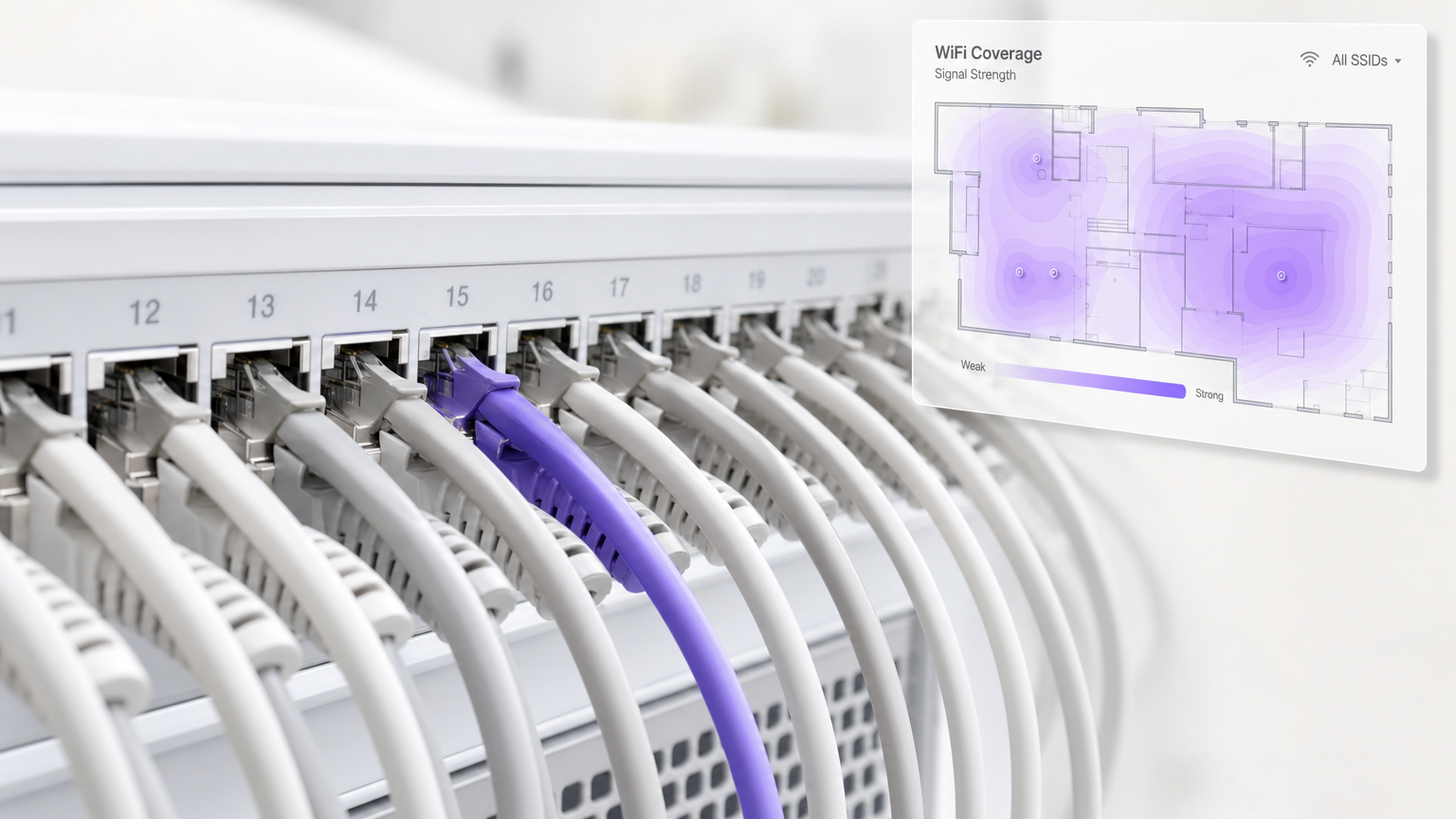
एंटरप्राइज़ IT लीडर्स और वेन्यू ऑपरेशंस डायरेक्टर्स के लिए, अतिथि WiFi अब केवल एक लागत केंद्र या एक बुनियादी उपयोगिता नहीं है। यह एक रणनीतिक डेटा अधिग्रहण चैनल के रूप में विकसित हुआ है जो सीधे ग्राहक संतुष्टि (CSAT), परिचालन दक्षता और राजस्व सृजन को प्रभावित करता है। जब आर्किटेक्ट्स एक एनालिटिक्स लेयर के साथ एकीकृत मजबूत वायरलेस इंफ्रास्ट्रक्चर को तैनात करते हैं, तो वेन्यू बुनियादी कनेक्टिविटी प्रदान करने से लेकर अत्यधिक व्यक्तिगत ग्राहक अनुभव प्रदान करने तक सहजता से संक्रमण कर सकते हैं। यह मार्गदर्शिका ग्राहक अनुभव को बेहतर बनाने के लिए WiFi का उपयोग करने के पीछे की तकनीकी कार्यप्रणाली की पड़ताल करती है, जिसमें यह बताया गया है कि Purple जैसे प्लेटफ़ॉर्म नेटवर्क हार्डवेयर और कार्रवाई योग्य व्यावसायिक बुद्धिमत्ता के बीच के अंतर को कैसे पाटते हैं।
सुरक्षित, स्केलेबल प्रमाणीकरण विधियों को लागू करके और स्पष्ट उपयोगकर्ता सहमति प्राप्त करके, संगठन आगंतुक व्यवहार में गहरी अंतर्दृष्टि प्राप्त कर सकते हैं। इसमें ठहरने के समय को ट्रैक करना, भौतिक यात्राओं का मानचित्रण करना और स्वचालित, संदर्भ-जागरूक मार्केटिंग अभियानों को ट्रिगर करना शामिल है। IT टीमों के लिए, चुनौती सहज पहुंच को GDPR और PCI DSS जैसे कड़े सुरक्षा और अनुपालन आदेशों के साथ संतुलित करने में है। यह संदर्भ इन समाधानों को प्रभावी ढंग से तैनात करने पर कार्रवाई योग्य मार्गदर्शन प्रदान करता है, यह सुनिश्चित करता है कि नेटवर्क निवेश से मापने योग्य व्यावसायिक परिणाम प्राप्त हों।
तकनीकी गहन-अध्ययन: वास्तुकला और डेटा अधिग्रहण
ग्राहक-केंद्रित WiFi परिनियोजन की नींव एक डिकपल्ड आर्किटेक्चर पर निर्भर करती है जहाँ भौतिक एक्सेस पॉइंट (APs) और वायरलेस LAN कंट्रोलर (WLCs) को Captive Portal और एनालिटिक्स इंजन से अलग किया जाता है। यह अलगाव IT टीमों को विषम हार्डवेयर वातावरण में उपयोगकर्ता अनुभव को मानकीकृत करने की अनुमति देता है, जो विलय के बाद या फ्रेंचाइजी संचालन में विशेष रूप से आम है।
प्रमाणीकरण प्रवाह और डेटा कैप्चर
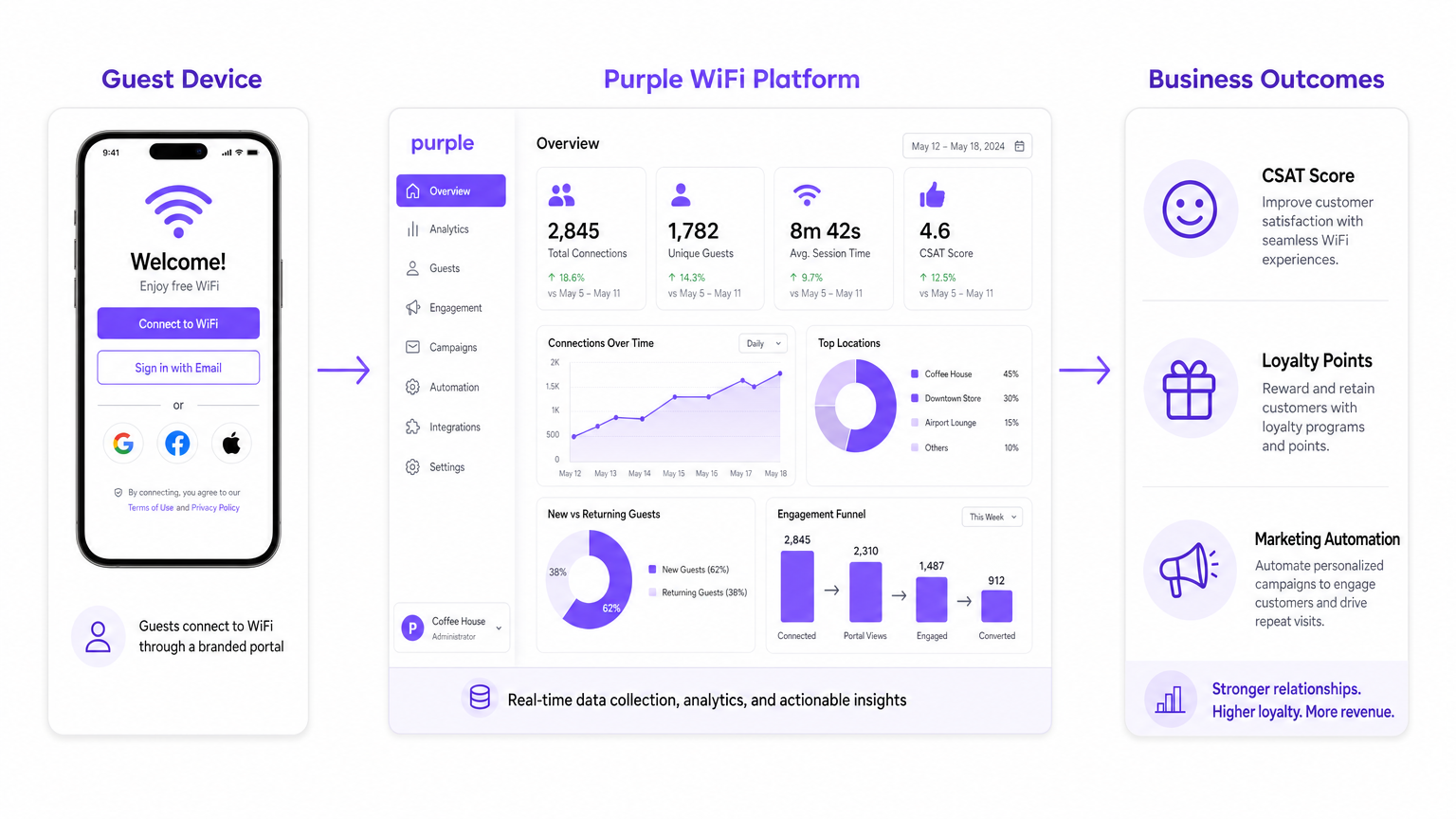
जब कोई उपयोगकर्ता अतिथि SSID से जुड़ता है, तो नेटवर्क इंफ्रास्ट्रक्चर उनके HTTP/HTTPS अनुरोधों को एक बाहरी Captive Portal पर रीडायरेक्ट करता है। यह रीडायरेक्शन आमतौर पर RADIUS (रिमोट ऑथेंटिकेशन डायल-इन यूजर सर्विस) या क्लाउड-प्रबंधित नेटवर्किंग विक्रेताओं के साथ आधुनिक API-आधारित एकीकरण के माध्यम से नियंत्रित किया जाता है। Captive Portal प्राथमिक डेटा अधिग्रहण इंटरफ़ेस के रूप में कार्य करता है। स्थिर पासवर्ड पर निर्भर रहने के बजाय, आधुनिक परिनियोजन सोशल लॉगिन (OAuth), SMS सत्यापन, या OpenRoaming जैसे सहज ऑनबोर्डिंग प्रोटोकॉल का उपयोग करते हैं।
Purple कनेक्ट लाइसेंस के तहत OpenRoaming जैसी सेवाओं के लिए एक मुफ्त पहचान प्रदाता के रूप में संचालित होता है, जिससे उपयोगकर्ता एक बार प्रमाणित हो सकते हैं और दुनिया भर के भाग लेने वाले स्थानों पर स्वचालित रूप से कनेक्ट हो सकते हैं। यह बार-बार लॉगिन की परेशानी को समाप्त करता है, ग्राहक अनुभव को सीधे बेहतर बनाता है जबकि सुरक्षित, एन्क्रिप्टेड कनेक्शन (WPA2/WPA3 एंटरप्राइज़ और IEEE 802.1X का उपयोग करके) सुनिश्चित करता है।
प्रमाणीकरण प्रक्रिया के दौरान, प्लेटफ़ॉर्म क्षेत्रीय गोपनीयता ढाँचों के अनुपालन में स्पष्ट सहमति प्राप्त करता है। यह ऑप्ट-इन तंत्र गुमनाम MAC पतों को समृद्ध, प्रथम-पक्ष ग्राहक प्रोफाइल में बदलने के लिए महत्वपूर्ण है। परिणामी डेटासेट में आमतौर पर जनसांख्यिकीय जानकारी, संपर्क विवरण और प्रमाणीकरण टाइमस्टैम्प शामिल होते हैं, जो बाद के WiFi Analytics का आधार बनते हैं।
स्थान विश्लेषण और व्यवहार मानचित्रण
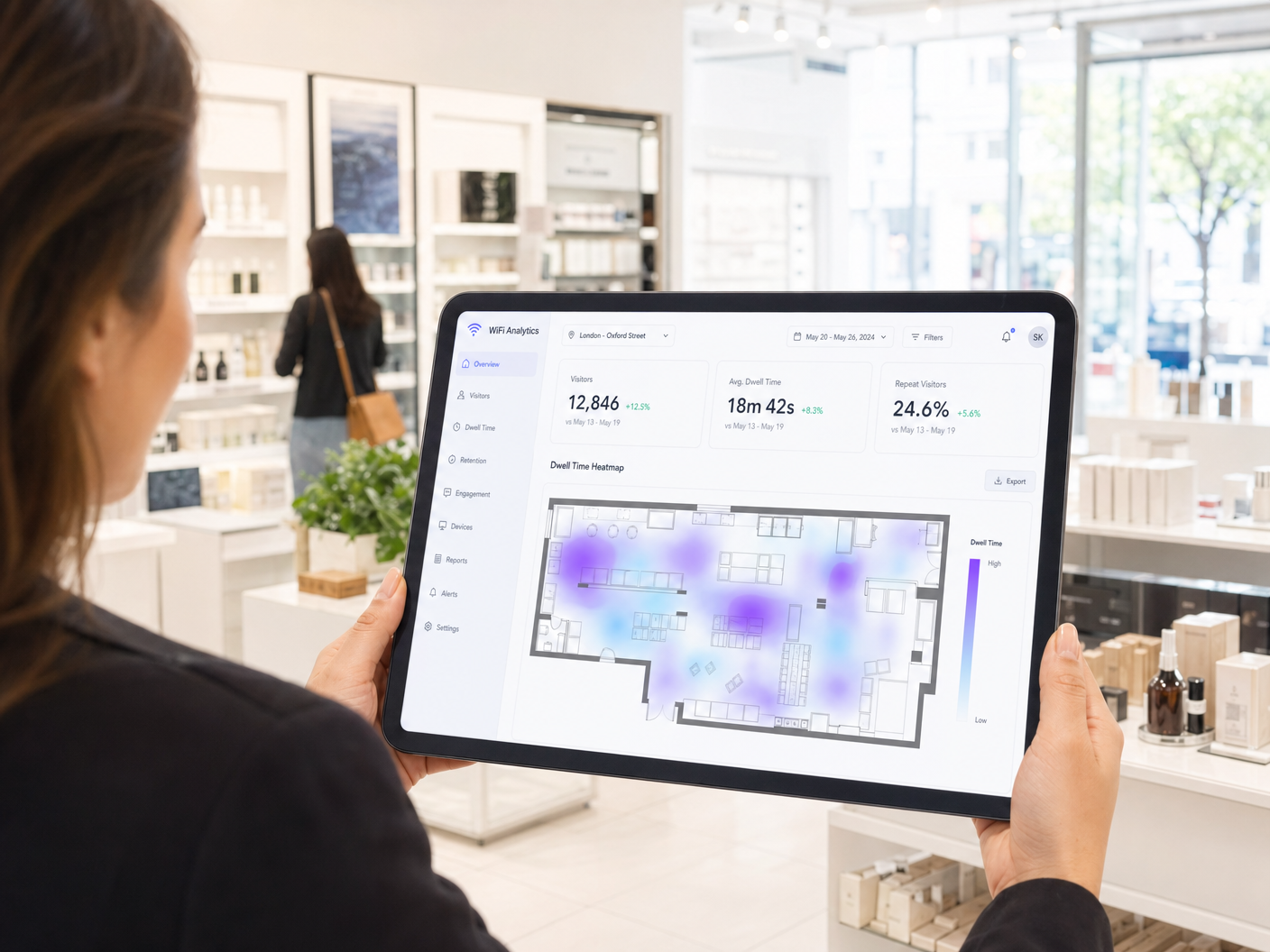
प्रारंभिक प्रमाणीकरण से परे, नेटवर्क इंफ्रास्ट्रक्चर स्थान विश्लेषण उत्पन्न करने के लिए कनेक्टेड और प्रोबिंग उपकरणों की लगातार निगरानी करता है। कई APs में प्राप्त सिग्नल शक्ति संकेतक (RSSI) को मापकर, सिस्टम डिवाइस की स्थिति को ट्रायंगुलेट कर सकता है। यह क्षमता वेन्यू ऑपरेटरों को फुटफॉल को मापने, औसत ठहरने के समय की गणना करने और उच्च-यातायात क्षेत्रों की पहचान करने में सक्षम बनाती है।
अधिक विस्तृत सटीकता के लिए, IT टीमें मानक WiFi स्थान सेवाओं को ब्लूटूथ लो एनर्जी (BLE) बीकन या अल्ट्रा-वाइडबैंड (UWB) प्रौद्योगिकियों के साथ बढ़ा सकती हैं। इन परिनियोजन विकल्पों को समझना आर्किटेक्ट्स के लिए एक इनडोर पोजिशनिंग सिस्टम: UWB, BLE, और WiFi गाइड डिजाइन करते समय आवश्यक है। परिणामी स्थानिक डेटा संचालन टीमों को स्टाफिंग स्तरों को अनुकूलित करने, स्टोर लेआउट में सुधार करने और परिचालन बाधाओं की पहचान करने की अनुमति देता है जो ग्राहक अनुभव को नकारात्मक रूप से प्रभावित करते हैं।
कार्यान्वयन मार्गदर्शिका: परिनियोजन रणनीतियाँ
एक मजबूत अतिथि WiFi समाधान को तैनात करने के लिए नेटवर्क प्रदर्शन और सहज उपयोगकर्ता ऑनबोर्डिंग दोनों को सुनिश्चित करने के लिए सावधानीपूर्वक योजना की आवश्यकता होती है। निम्नलिखित चरण एंटरप्राइज़ वातावरण के लिए एक मानक परिनियोजन पद्धति की रूपरेखा तैयार करते हैं।
चरण 1: इंफ्रास्ट्रक्चर मूल्यांकन और RF डिज़ाइन
एनालिटिक्स ओवरले लागू करने से पहले, अंतर्निहित RF (रेडियो फ्रीक्वेंसी) वातावरण को उच्च घनत्व और सहज रोमिंग के लिए अनुकूलित किया जाना चाहिए। इसमें पर्याप्त सिग्नल कवरेज (आमतौर पर प्राथमिक कवरेज क्षेत्रों में -65 dBm या बेहतर को लक्षित करना) सुनिश्चित करने और सह-चैनल हस्तक्षेप को कम करने के लिए भविष्य कहनेवाला और सक्रिय साइट सर्वेक्षण करना शामिल है। IT प्रबंधकों को यह भी सुनिश्चित करना चाहिए कि नेटवर्क इंफ्रास्ट्रक्चर एनालिटिक्स प्लेटफ़ॉर्म के साथ संचार करने के लिए आवश्यक एकीकरण प्रोटोकॉल, जैसे RADIUS, Syslog, या विक्रेता-विशिष्ट API का समर्थन करता है।
चरण 2: Captive Portal डिज़ाइन और उपयोगकर्ता यात्रा मानचित्रण
Captive Portal वेन्यू का डिजिटल फ्रंट डोर है। इसका डिज़ाइन उत्तरदायी होना चाहिए, सभी मोबाइल उपकरणों पर तेज़ी से लोड होना चाहिए, और ब्रांड की दृश्य पहचान के साथ संरेखित होना चाहिए। IT और मार्केटिंग टीमों को प्रमाणीकरण यात्रा को परिभाषित करने के लिए सहयोग करना चाहिए। उदाहरण के लिए, एक खुदरा वातावरण प्राथमिकता दे सकता हैCRM एकीकरण के लिए ईमेल कैप्चर को अनुकूलित करें, जबकि एक स्टेडियम चरम प्रवेश समय के दौरान थ्रूपुट को तेज करने के लिए सोशल लॉगिन का लाभ उठा सकता है।
इस चरण के दौरान घर्षण को कम करना महत्वपूर्ण है। प्रगतिशील प्रोफाइलिंग को लागू करना—जहां लौटने वाले उपयोगकर्ताओं से पहली बार आने वाले आगंतुकों की तुलना में अलग जानकारी मांगी जाती है—एक ही सत्र के दौरान उपयोगकर्ता को अभिभूत किए बिना समय के साथ डेटा प्रोफाइल को समृद्ध कर सकता है।
चरण 3: एकीकरण और स्वचालन
WiFi एनालिटिक्स का वास्तविक मूल्य तब महसूस होता है जब डेटा को मौजूदा व्यावसायिक प्रणालियों के साथ एकीकृत किया जाता है। IT टीमों को APIs और Webhooks का लाभ उठाना चाहिए ताकि प्रमाणीकरण घटनाओं और जनसांख्यिकीय डेटा को CRM प्लेटफॉर्म, मार्केटिंग ऑटोमेशन टूल और ऑपरेशनल डैशबोर्ड में स्ट्रीम किया जा सके। यह वास्तविक समय के ट्रिगर्स को सक्षम बनाता है, जैसे कि जब कोई ग्राहक लॉग इन करता है तो छूट कोड के साथ एक स्वागत ईमेल भेजना, या जब कोई VIP ग्राहक परिसर में प्रवेश करता है तो कर्मचारियों को सचेत करना। इन स्वचालित वर्कफ़्लो को मैप करने के लिए How Does WiFi Marketing Work? को समझना आवश्यक है।
एंटरप्राइज़ परिनियोजन के लिए सर्वोत्तम अभ्यास
ग्राहक अनुभव पर WiFi के प्रभाव को अधिकतम करने के लिए, IT आर्किटेक्ट्स को कई उद्योग-मानक सर्वोत्तम प्रथाओं का पालन करना चाहिए।
सबसे पहले, बैंडविड्थ प्रबंधन महत्वपूर्ण है। कुछ उपयोगकर्ताओं को दूसरों के लिए अनुभव को खराब करने से रोकने के लिए प्रति-उपयोगकर्ता बैंडविड्थ सीमाएं और एप्लिकेशन-स्तरीय ट्रैफ़िक शेपिंग लागू करें। पीयर-टू-पीयर फ़ाइल साझाकरण या बड़े OS अपडेट को थ्रॉटल करते हुए विलंबता-संवेदनशील अनुप्रयोगों (जैसे वॉयस या वीडियो कॉल) को प्राथमिकता दें।
दूसरे, पूरे स्थान पर निर्बाध रोमिंग सुनिश्चित करें। APs को 802.11k, 802.11v, और 802.11r जैसे प्रोटोकॉल का समर्थन करने के लिए कॉन्फ़िगर करें, जो क्लाइंट उपकरणों को तेज़ और अधिक बुद्धिमान रोमिंग निर्णय लेने में सहायता करते हैं। यह Hospitality स्थानों या अस्पतालों जैसे बड़े वातावरण में विशेष रूप से महत्वपूर्ण है, जहां उपयोगकर्ता स्थानों के बीच चलते समय निर्बाध कनेक्टिविटी की उम्मीद करते हैं। नैदानिक वातावरण के लिए, विशिष्ट विचार लागू होते हैं; विस्तृत मार्गदर्शन के लिए WiFi in Hospitals: A Guide to Secure Clinical Networks देखें।
अंत में, डेटा गोपनीयता नियमों का कड़ाई से पालन करें। सुनिश्चित करें कि Captive Portal सेवा की शर्तों और गोपनीयता नीति को स्पष्ट रूप से व्यक्त करता है, और यह कि प्लेटफ़ॉर्म GDPR या CCPA के अनुपालन में डेटा विषय एक्सेस अनुरोधों (DSARs) और डेटा विलोपन के प्रबंधन के लिए मजबूत उपकरण प्रदान करता है।
समस्या निवारण और जोखिम शमन
यहां तक कि अच्छी तरह से डिज़ाइन किए गए नेटवर्क में भी समस्याएँ आती हैं। IT टीमों को उन जोखिमों को कम करने के लिए बुनियादी ढांचे की सक्रिय रूप से निगरानी करनी चाहिए जो ग्राहक अनुभव को नकारात्मक रूप से प्रभावित कर सकते हैं।
सामान्य विफलता मोड
- Captive Portal प्रदर्शित न होना: यह अक्सर आक्रामक क्लाइंट-साइड सुरक्षा सेटिंग्स, DNS गलत कॉन्फ़िगरेशन, या वॉल गार्डन समस्याओं के कारण होता है। सुनिश्चित करें कि WLC के वॉल गार्डन में Captive Portal, पहचान प्रदाताओं (जैसे Facebook, Google), और प्रमाणीकरण से पहले सही ढंग से कार्य करने के लिए किसी भी एकीकृत सेवाओं के लिए सभी आवश्यक डोमेन शामिल हैं।
- प्रमाणीकरण टाइमआउट: WLC और RADIUS सर्वर के बीच उच्च विलंबता प्रमाणीकरण अनुरोधों को टाइम आउट कर सकती है, जिससे कनेक्शन विफलताएं हो सकती हैं। RADIUS प्रतिक्रिया समय की निगरानी करें और यदि क्लाउड विलंबता अस्वीकार्य रूप से अधिक है तो स्थानीय प्रमाणीकरण प्रॉक्सी तैनात करने पर विचार करें।
- खराब रोमिंग प्रदर्शन: स्टिकी क्लाइंट—ऐसे उपकरण जो एक मजबूत AP पर रोम करने से इनकार करते हैं—नेटवर्क प्रदर्शन को खराब कर सकते हैं। सुनिश्चित करें कि क्लाइंट को कमजोर कनेक्शन छोड़ने और करीब के APs से जुड़ने के लिए प्रोत्साहित करने हेतु न्यूनतम मूल दरें उचित रूप से कॉन्फ़िगर की गई हैं।
ROI और व्यावसायिक प्रभाव
अतिथि WiFi परिनियोजन की सफलता को मापने के लिए पारंपरिक IT मेट्रिक्स (अपटाइम, थ्रूपुट) से व्यावसायिक परिणामों पर ध्यान केंद्रित करने की आवश्यकता है। Purple जैसे प्लेटफॉर्म का लाभ उठाकर, स्थान अपने वायरलेस इंफ्रास्ट्रक्चर के ROI को निर्धारित कर सकते हैं।
प्रमुख प्रदर्शन संकेतकों (KPIs) में कैप्चर दर (प्रमाणीकृत होने वाले आगंतुकों का प्रतिशत), विपणन योग्य CRM डेटाबेस की वृद्धि, और ट्रिगर किए गए मार्केटिंग अभियानों की रूपांतरण दर शामिल होनी चाहिए। इसके अलावा, स्थान एनालिटिक्स के माध्यम से प्राप्त परिचालन दक्षता—जैसे कि फुटफॉल रुझानों के आधार पर अनुकूलित स्टाफिंग—कुल ROI में महत्वपूर्ण योगदान देती है।
अंततः, एक रणनीतिक रूप से तैनात WiFi नेटवर्क एक निष्क्रिय उपयोगिता को एक सक्रिय जुड़ाव चैनल में बदल देता है। तेज़, सुरक्षित कनेक्टिविटी प्रदान करके और इंटरैक्शन को वैयक्तिकृत करने के लिए परिणामी डेटा का लाभ उठाकर, स्थान सीधे ग्राहक संतुष्टि में सुधार कर सकते हैं, वफादारी को बढ़ावा दे सकते हैं और मापने योग्य व्यावसायिक विकास को बढ़ावा दे सकते हैं।
मुख्य शब्द और परिभाषाएं
Captive Portal
A web page that a user is required to view and interact with before access is granted to a public network.
This is the primary interface for data capture and brand engagement; IT must ensure it loads quickly and reliably.
OpenRoaming
A federation of networks and identity providers that enables automatic, secure roaming between Wi-Fi networks without requiring repeated logins.
Crucial for reducing friction in the customer journey and providing a cellular-like connectivity experience.
Walled Garden
A restricted network environment that allows access to specific websites or IP addresses prior to full authentication.
Essential for allowing social logins or API calls to function before the user is fully authorised on the network.
RSSI (Received Signal Strength Indicator)
A measurement of the power present in a received radio signal.
Used by analytics platforms to estimate the distance between a client device and an access point for location tracking.
MAC Address Randomization
A privacy feature where devices use a temporary, random MAC address when probing for networks.
Impacts the ability to track unauthenticated users over long periods; highlights the importance of driving users to authenticate.
RADIUS
A networking protocol that provides centralised Authentication, Authorization, and Accounting (AAA) management.
The standard protocol used to communicate between the wireless controller and the external analytics/authentication platform.
Dwell Time
The amount of time a visitor spends within a specific physical location or zone.
A key metric for retail and hospitality to measure engagement and optimise operational layouts.
Progressive Profiling
A method of gradually gathering information about a user across multiple interactions rather than all at once.
Improves the customer experience by reducing the initial barrier to entry while still building a rich CRM profile over time.
केस स्टडीज
A national retail chain with 500 locations wants to understand how long customers spend in specific departments to optimise store layouts and staffing. They currently have basic guest WiFi but no analytics. How should the IT team approach this deployment?
The IT team should implement a cloud-managed analytics overlay, such as Purple, integrated with their existing WLC infrastructure via RADIUS and Syslog/API. They must configure the network to capture both authenticated user data (via a branded captive portal) and unauthenticated device location data (via AP probing). The deployment requires defining specific 'zones' within the analytics platform corresponding to store departments. By mapping AP locations and calibrating signal strength, the platform can track dwell times per zone. This data is then aggregated into a central dashboard, providing operations teams with heatmaps and footfall trends.
A large hotel resort is experiencing low CSAT scores due to a frustrating WiFi login process. Guests complain about having to repeatedly enter long passwords on different devices. How can the network architecture be redesigned to solve this?
The IT architect should transition from a static WPA2-PSK (Pre-Shared Key) model to a seamless authentication framework. Implementing OpenRoaming, with Purple acting as the identity provider, allows guests to authenticate securely once using their existing credentials (e.g., a loyalty app or participating identity provider). The device is then provisioned with a secure profile (Passpoint/Hotspot 2.0), enabling automatic, encrypted connection to the network whenever the guest is on-site, across all resort areas.
परिदृश्य विश्लेषण
Q1. A stadium IT director wants to implement a new guest WiFi portal but is concerned about the impact on network throughput during the 30-minute pre-game rush when 20,000 fans attempt to connect simultaneously. What is the most appropriate authentication strategy?
💡 संकेत:Consider the processing overhead of different authentication methods and the primary goal of rapid onboarding.
अनुशंसित दृष्टिकोण दिखाएं
The most appropriate strategy is to implement a highly streamlined captive portal using social login (e.g., Apple, Google) or a 'Click to Connect' option with minimal data entry fields. Crucially, the IT team should explore implementing Passpoint/OpenRoaming for returning fans, which eliminates the captive portal entirely for subsequent visits, drastically reducing RADIUS load and improving throughput during peak ingress.
Q2. During a pilot deployment of WiFi analytics in a retail environment, the operations team notes that the recorded 'dwell times' for customers seem unusually long, sometimes spanning overnight when the store is closed. What is the likely technical cause, and how should it be resolved?
💡 संकेत:Think about what devices might be present in a store other than customer smartphones.
अनुशंसित दृष्टिकोण दिखाएं
The likely cause is that the analytics platform is tracking static, non-human devices (such as smart TVs, point-of-sale systems, or employee devices left on-site). The IT team must resolve this by implementing MAC address filtering within the analytics platform to exclude known static devices and employee networks, ensuring the data reflects genuine customer behaviour.
Q3. A hotel chain is deploying a new captive portal across 50 locations. They want to ensure compliance with GDPR. What specific features must the IT architecture support to achieve this?
💡 संकेत:Consider the lifecycle of user data from initial capture to potential deletion requests.
अनुशंसित दृष्टिकोण दिखाएं
The architecture must support explicit, unbundled consent mechanisms on the captive portal (no pre-ticked boxes for marketing). Furthermore, the backend platform must provide robust Data Subject Access Request (DSAR) capabilities, allowing administrators to easily locate, export, and permanently delete a user's profile and associated location history upon request.




