Technical WiFi guides
Deep, expert-led technical guides on guest WiFi, analytics, captive portals, and venue technology.
Ready to move from research to rollout? See how Purple's captive portal software handles branded guest sign-in, analytics, and compliance in one platform.
31 guides in WiFi Optimization
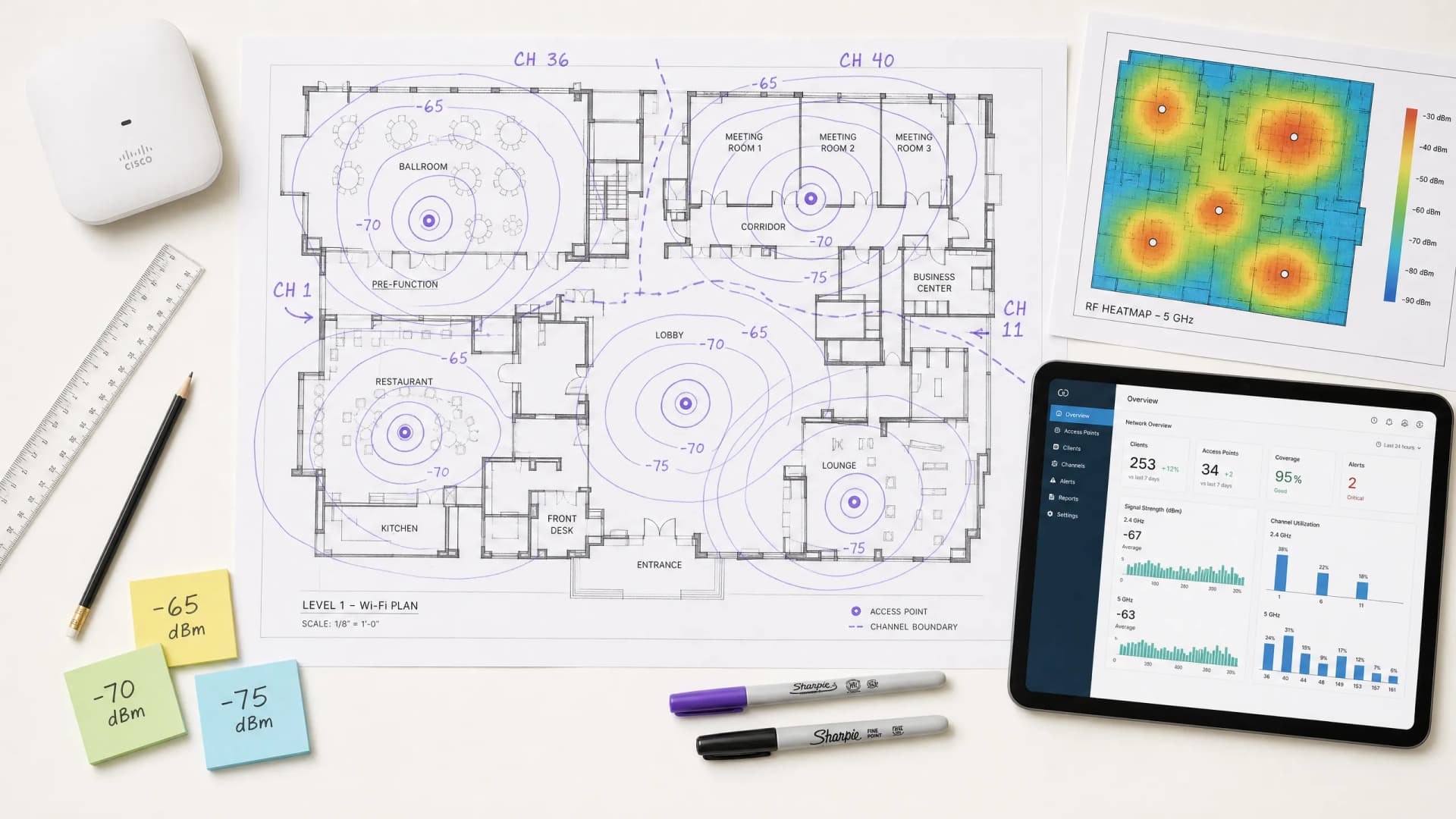
Understanding RSSI and Signal Strength for Optimal Channel Planning
This guide provides a comprehensive technical deep-dive into RSSI, Signal-to-Noise Ratio (SNR), and RF propagation principles for optimal channel planning. It equips IT managers, network architects, and venue operations directors with actionable strategies to mitigate Co-Channel and Adjacent Channel Interference, optimise AP placement, and leverage analytics for measurable business impact across hospitality, retail, and public-sector environments.
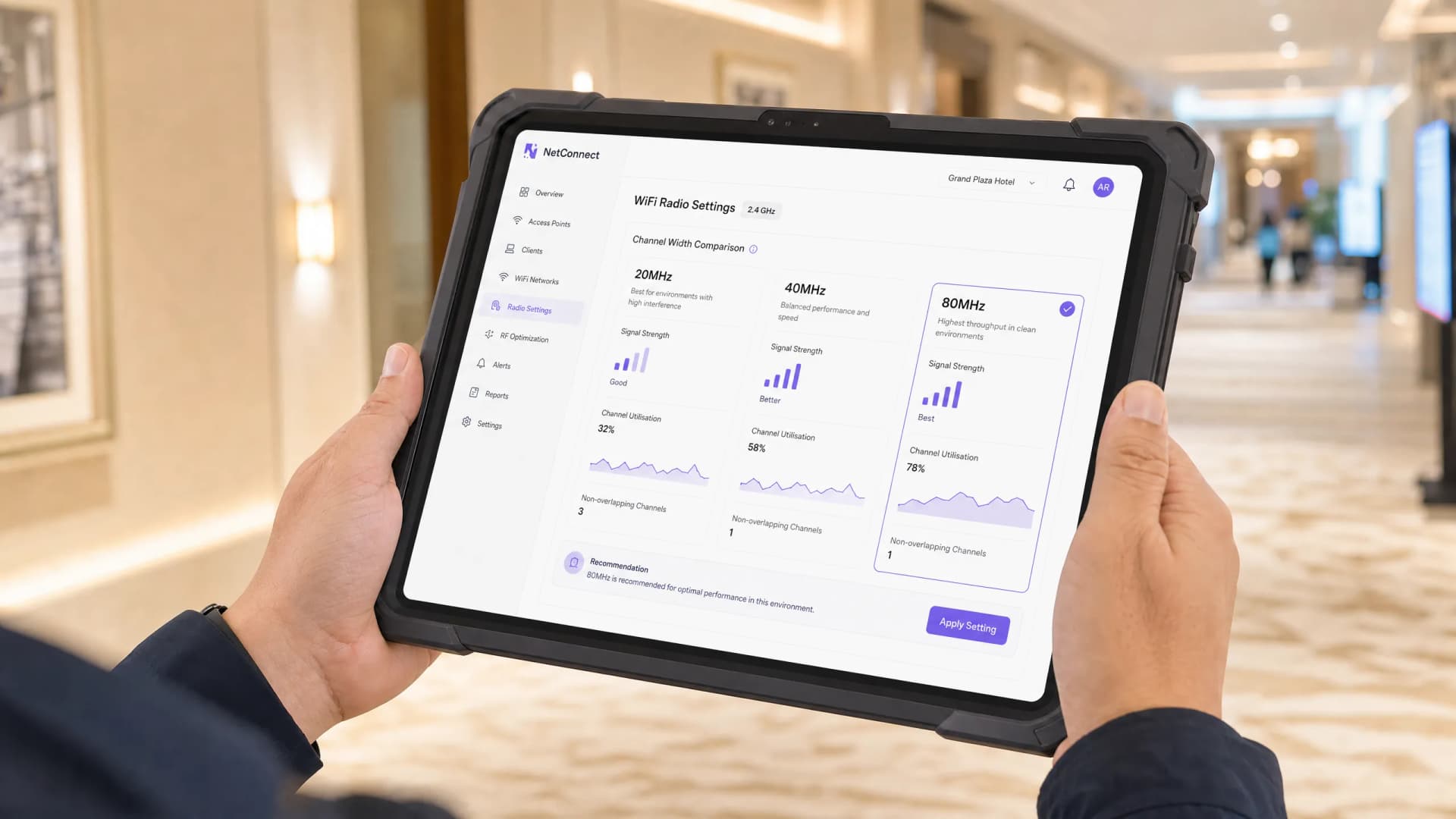
20MHz vs 40MHz vs 80MHz: Which Channel Width Should You Use?
This guide provides a definitive, vendor-neutral technical reference for IT managers, network architects, and venue operations directors on selecting the correct WiFi channel width - 20MHz, 40MHz, or 80MHz - across enterprise deployments in hospitality, retail, events, and public-sector environments. It covers the underlying IEEE 802.11 mechanics, real-world capacity trade-offs, and step-by-step deployment guidance to help teams make the right call this quarter. Understanding channel width selection is one of the highest-leverage decisions in any wireless LAN design, directly impacting throughput, interference, client density support, and the reliability of guest-facing services.
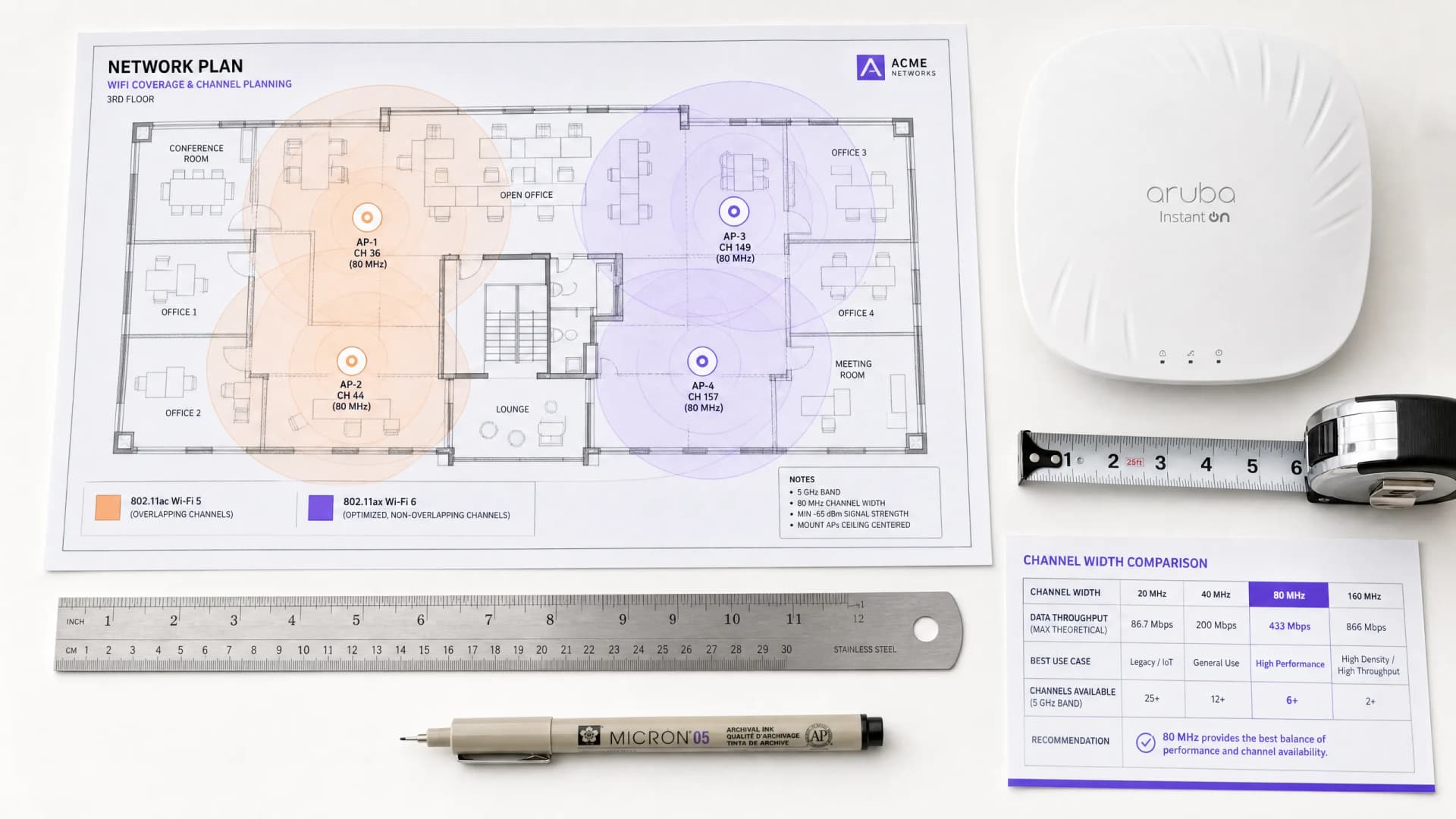
WiFi 6 vs WiFi 5: Does it Solve Channel Interference?
This guide provides a technical deep-dive into how WiFi 6 (802.11ax) addresses channel interference in high-density enterprise environments through OFDMA and BSS Coloring. It equips IT managers, network architects, and CTOs with actionable deployment strategies, real-world case studies from hospitality and healthcare, and a framework for evaluating the ROI of infrastructure upgrades in venues where wireless performance is business-critical.
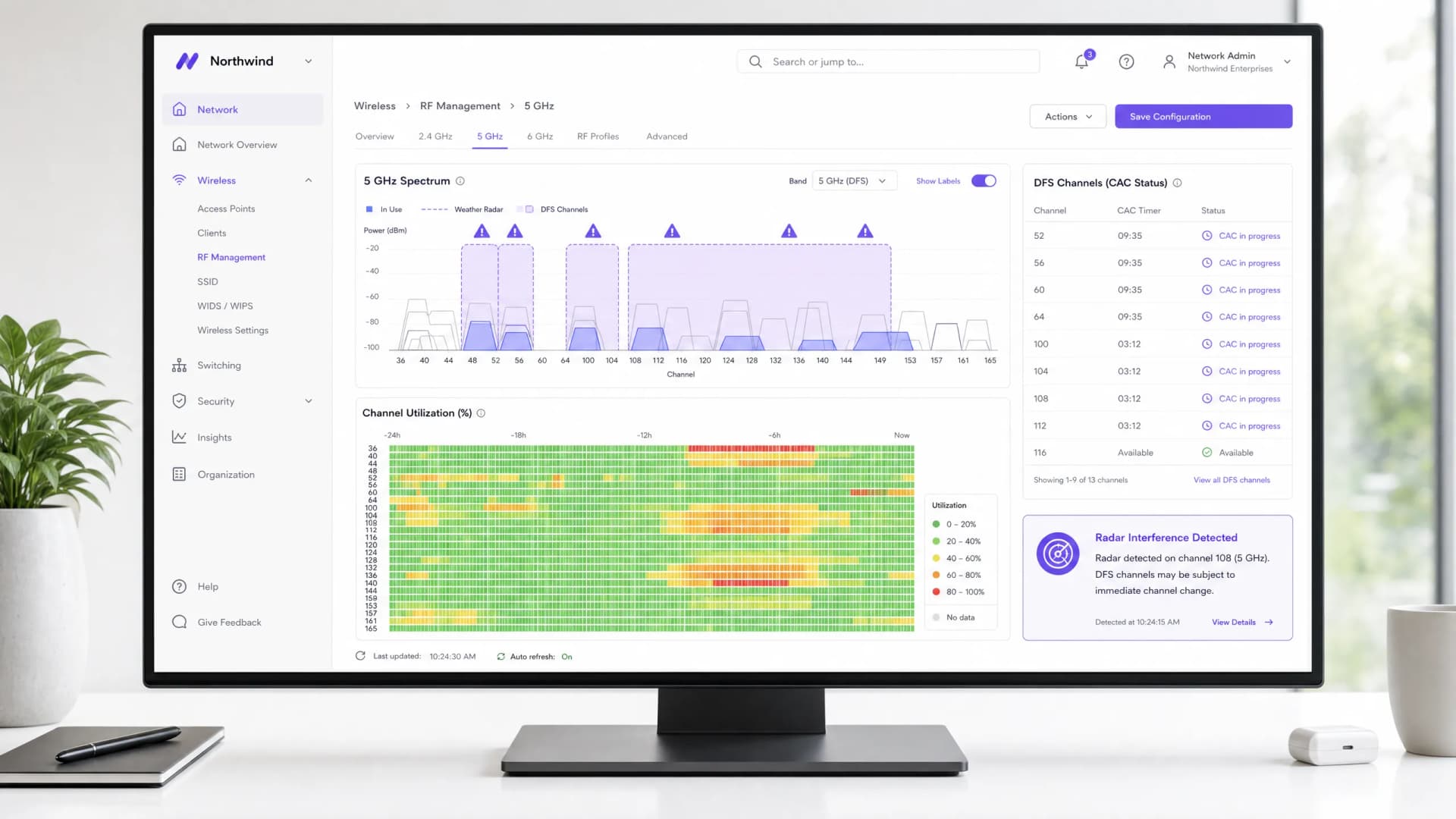
5GHz DFS WiFi Channels: When to Use & Avoid in Enterprise
Learn how 5GHz DFS WiFi channels work, radar interference risks, CAC wait times, weather radar channels, and enterprise channel planning best practices.
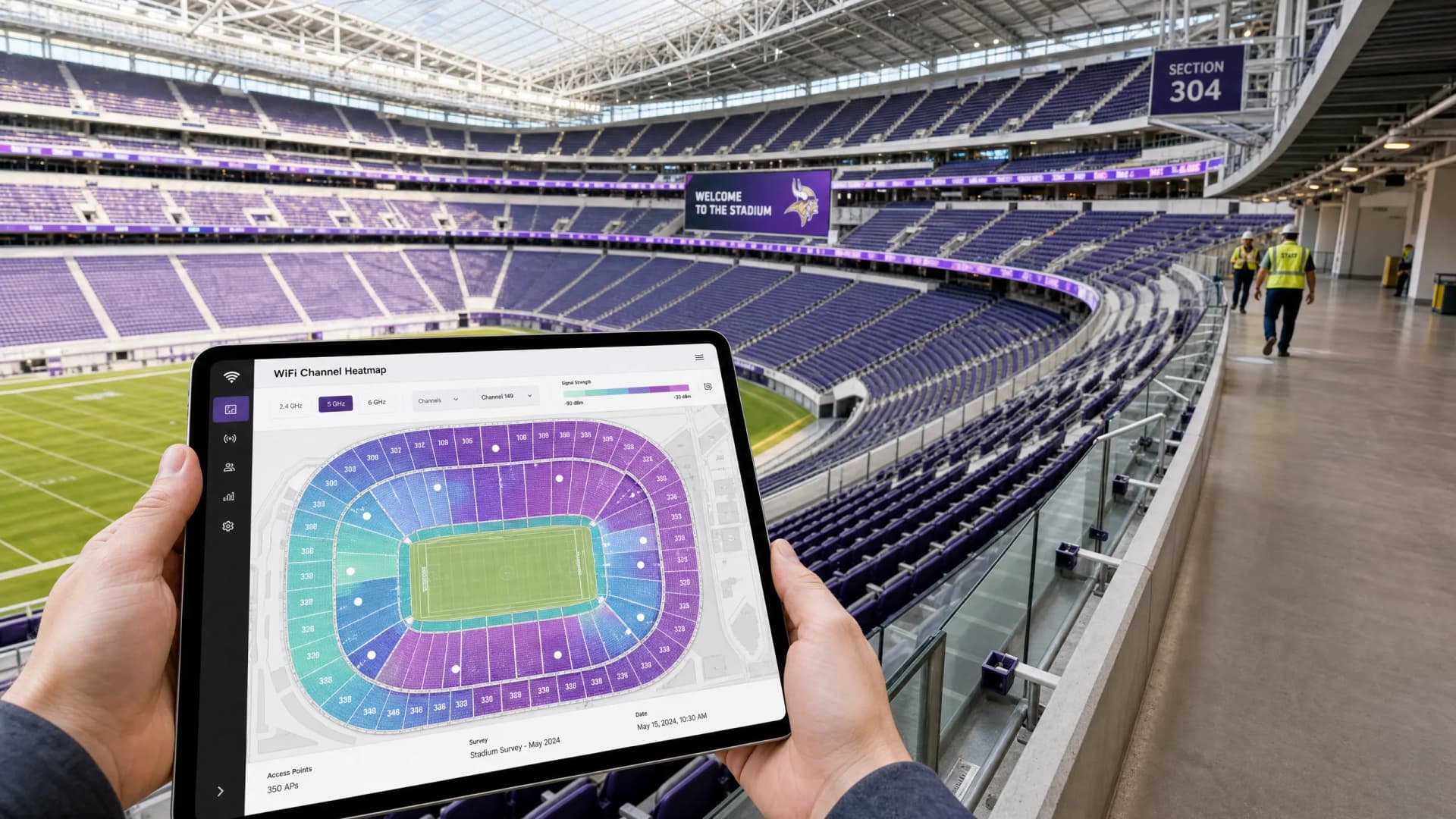
Best WiFi Channels for High-Density Venues
A definitive technical reference for selecting and optimising WiFi channels in high-density environments like stadiums, arenas, and large public venues. It covers RF physics, channel reuse strategies across 5 GHz and 6 GHz bands, and actionable deployment guidance for IT leaders.
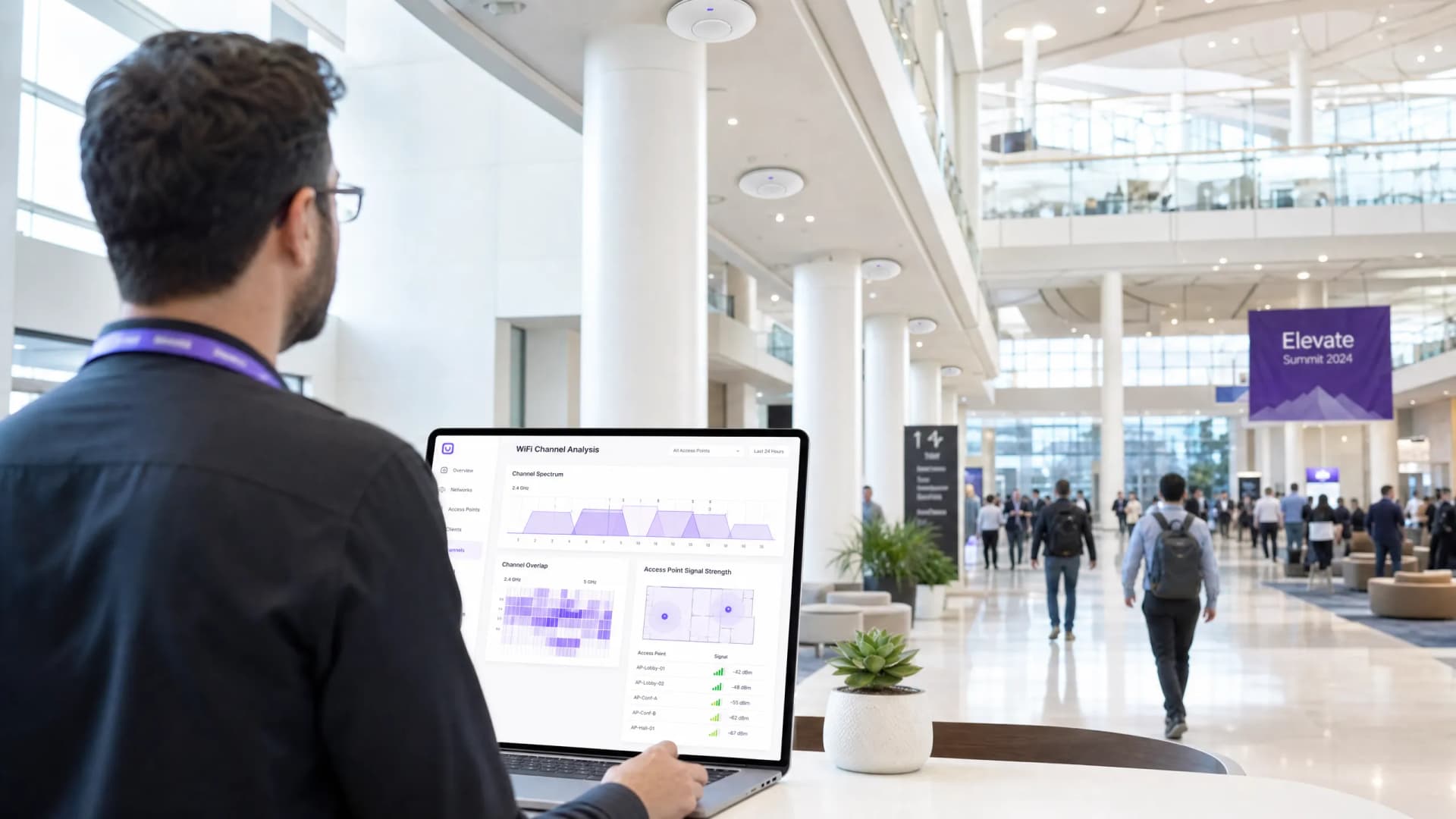
The Best WiFi Analyzer Tools for Troubleshooting Channel Overlap
This comprehensive guide provides IT managers and network architects with actionable strategies for identifying and resolving WiFi channel overlap in high-density environments. It evaluates the best WiFi analyzer tools and outlines a proven methodology for optimising RF performance to ensure a seamless guest experience and maximise infrastructure ROI.
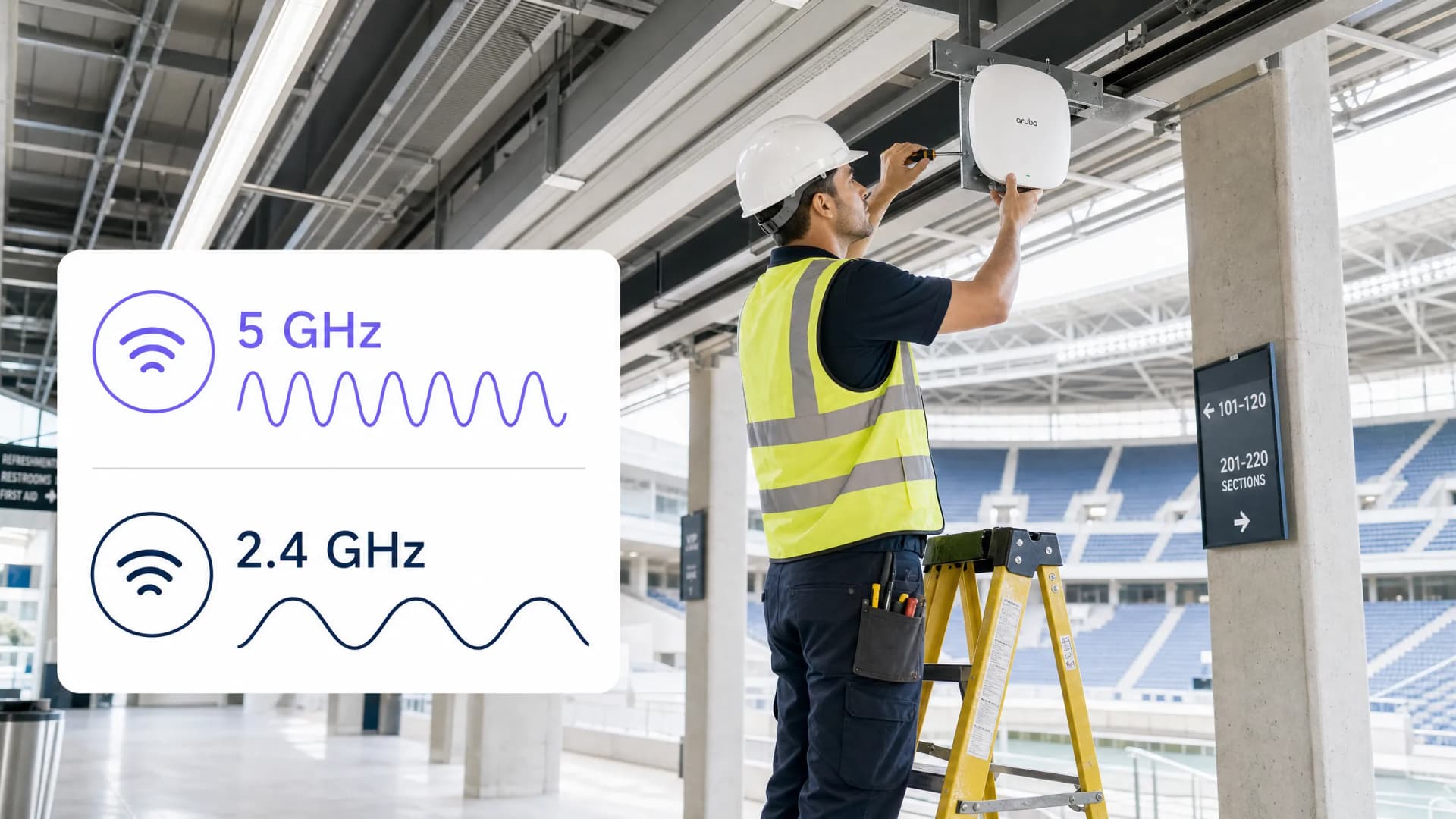
Why 5GHz is Faster but 2.4GHz is More Reliable
This comprehensive technical guide explores the architectural trade-offs between 2.4GHz and 5GHz wireless frequencies, providing actionable deployment strategies for IT managers and network architects. It covers the physics of frequency propagation, channel planning, band steering, and real-world implementation scenarios across hospitality, retail, and public-sector environments. Venue operators and CTOs will find concrete guidance on optimising coverage, mitigating interference, and measuring ROI from their wireless infrastructure investments.
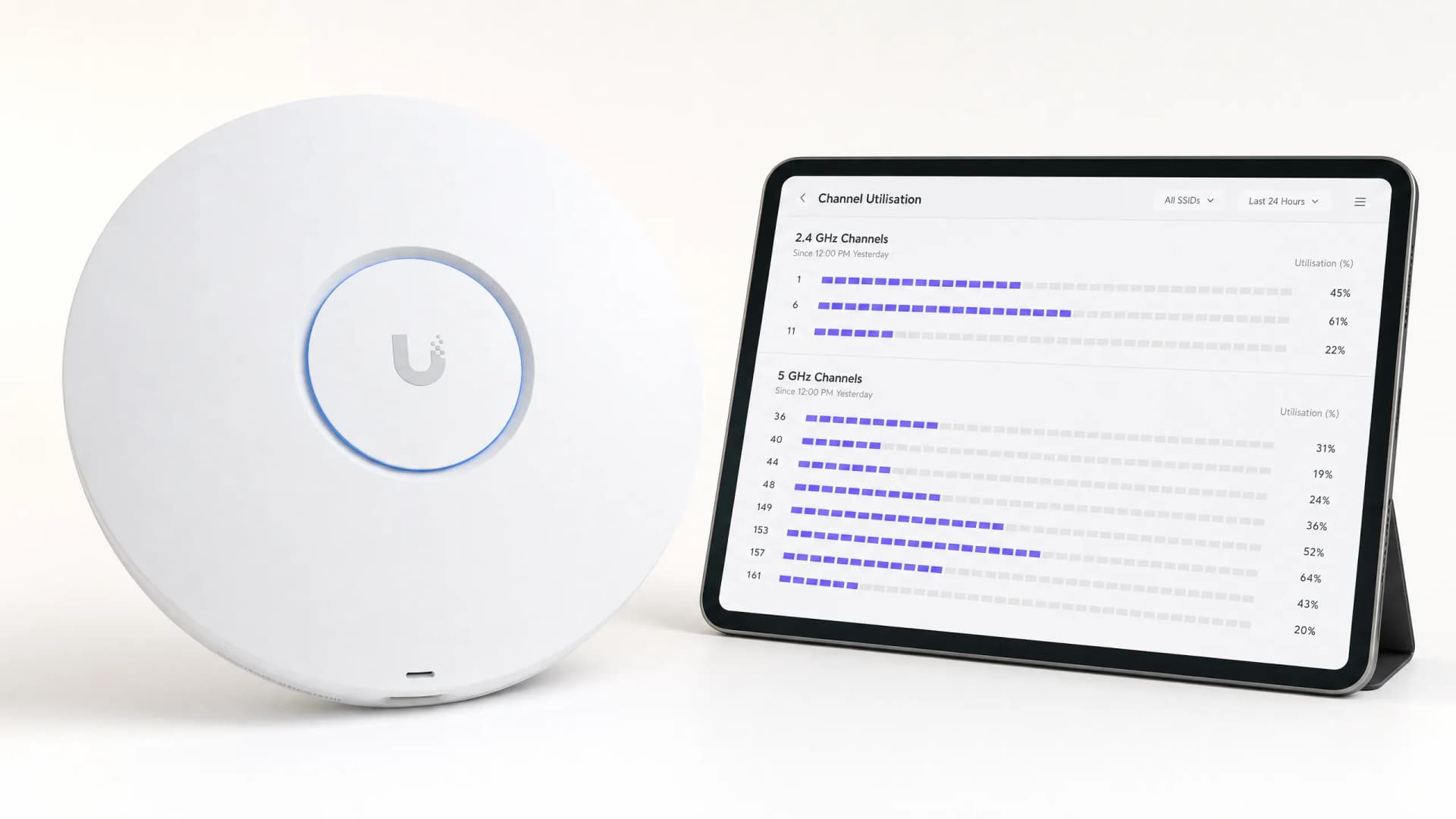
How to Scan for WiFi Interference and Find the Best Channel
This comprehensive technical guide provides enterprise IT leaders with actionable methodologies for identifying RF interference and selecting the optimal 5GHz channels. It covers spectrum analysis, DFS considerations, and practical deployment strategies to maximise throughput and reduce latency without requiring new hardware investments.
How to Improve WiFi Speed Without Buying New Access Points
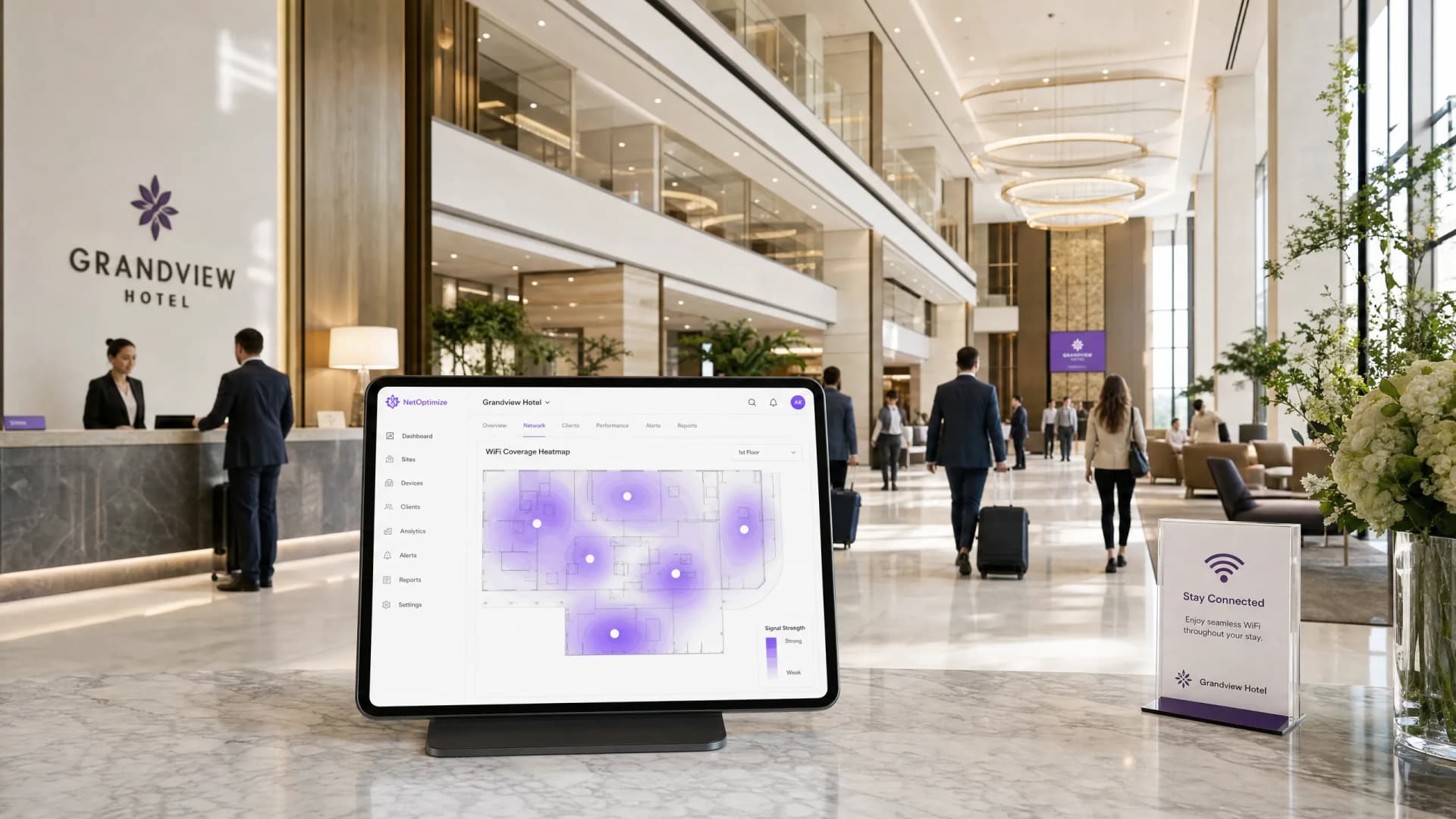
This guide details how enterprise venues can reclaim 30%+ of their WiFi bandwidth without purchasing new access points. By implementing DNS filtering, band steering, and QoS policies, IT teams can extend hardware lifespans, reduce CapEx, and improve network performance and security.
Reducing Latency on High-Density WiFi Networks
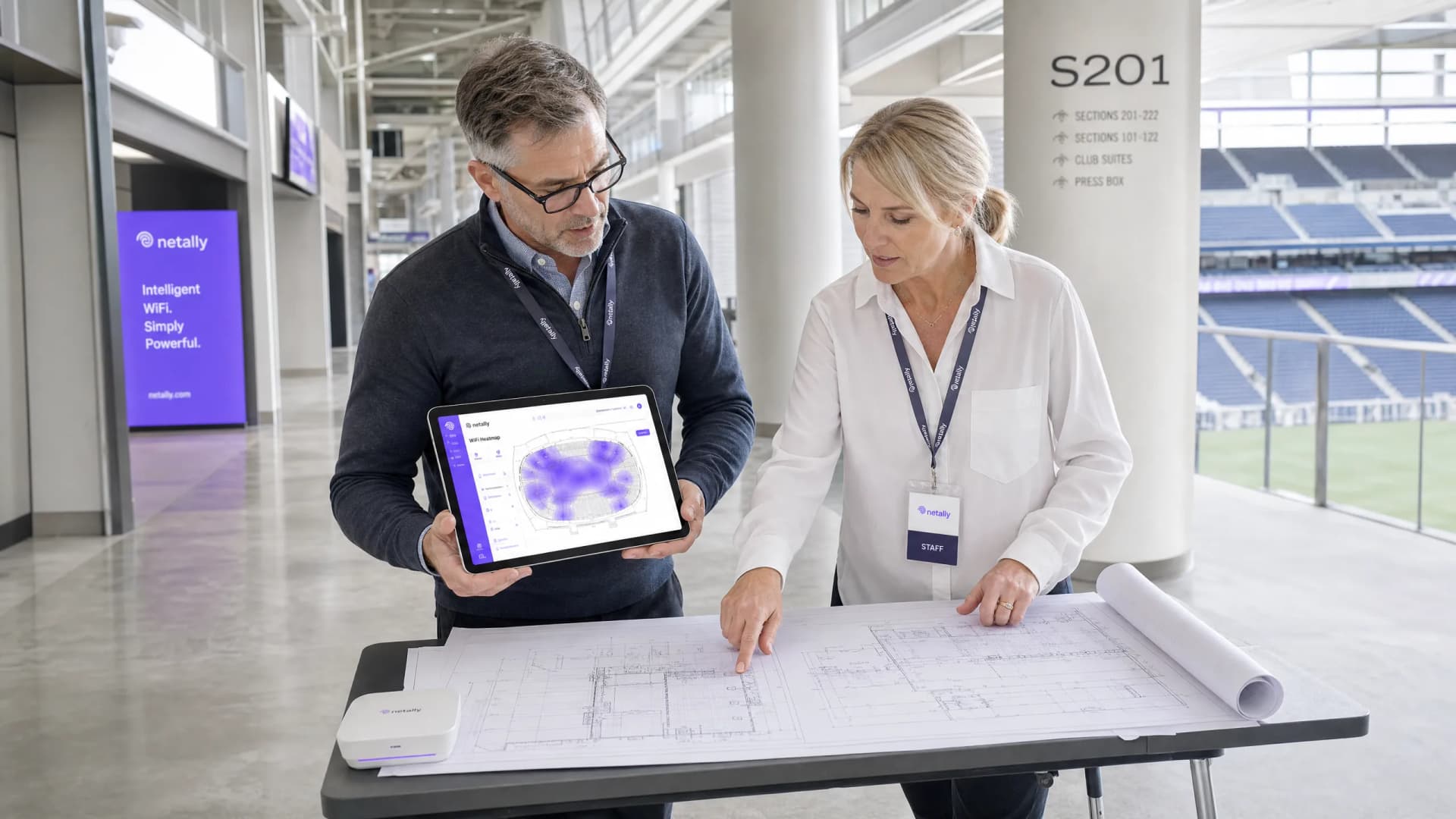
This guide details how eliminating unnecessary DNS lookups for tracking domains drastically lowers latency on high-density WiFi networks. It provides actionable architecture, implementation, and ROI guidance for IT leaders managing congested venue environments.
How to Measure WiFi Signal Strength and Coverage
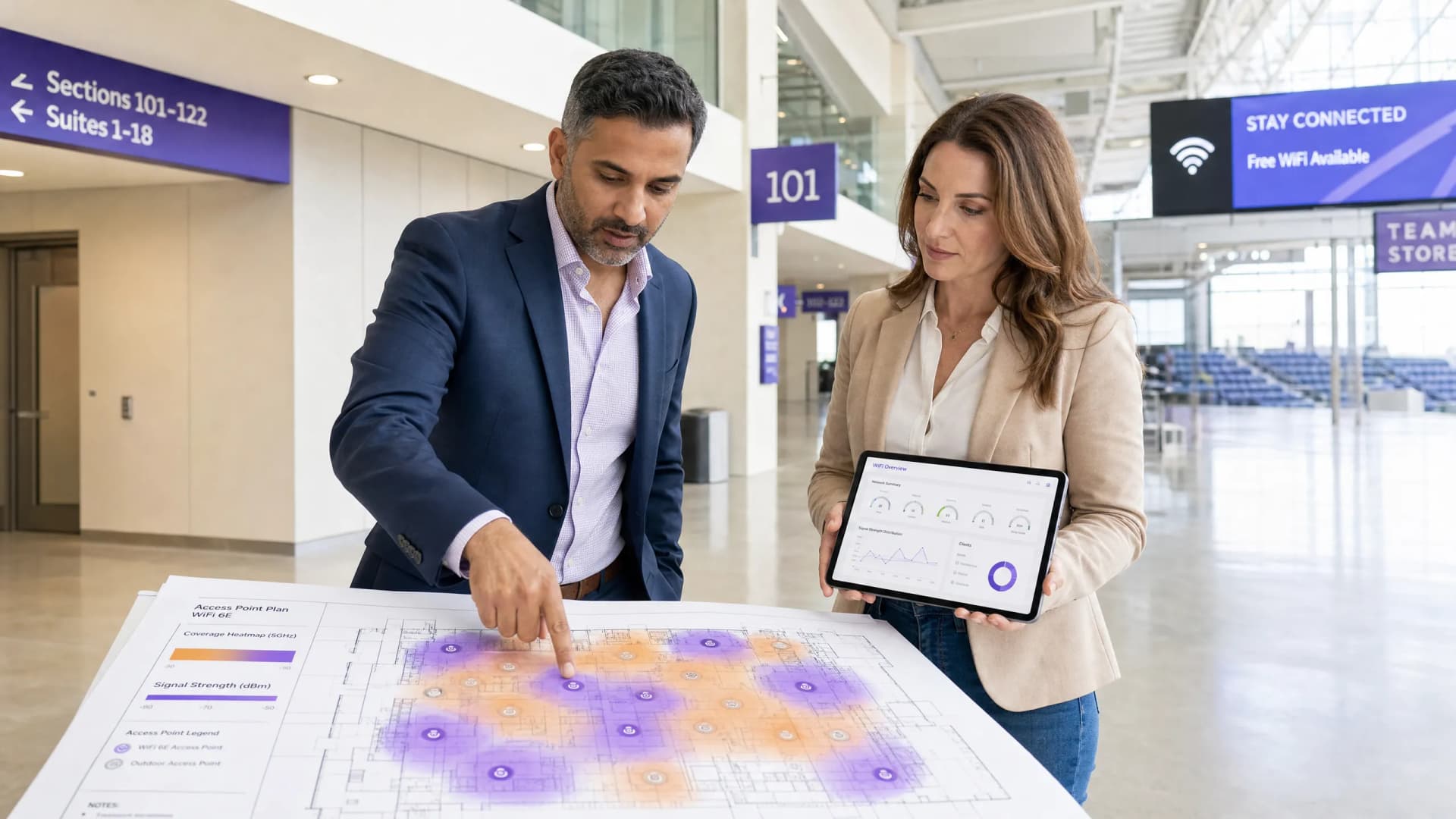
This technical reference guide equips network technicians and IT managers with a practical, vendor-neutral framework for auditing WiFi signal strength and coverage using RSSI, SNR, and heatmapping tools. It covers the physics of RF propagation, step-by-step survey methodology, and real-world remediation scenarios drawn from hospitality and logistics environments. Optimising coverage directly reduces helpdesk overhead, supports compliance requirements, and unlocks the telemetry data needed to drive operational intelligence across enterprise venues.

Understanding WiFi Speed Meaning: Throughput vs Bandwidth
This authoritative technical reference guide demystifies WiFi speed metrics for enterprise IT leaders, clearly distinguishing between link speed, bandwidth, and throughput. It provides actionable methodologies for measuring real-world performance, mitigating RF congestion, and optimising WLAN infrastructure across high-density venue deployments. IT managers, network architects, and venue operations directors will leave with concrete frameworks for aligning infrastructure investments with measurable business outcomes.

2.4GHz vs 5GHz in the Enterprise: When to Use Which
A comprehensive technical reference guide for IT directors and network architects on optimising enterprise WLANs. It details the physical characteristics of 2.4GHz and 5GHz bands, best practices for SSID segmentation, and how to configure band steering to maximise throughput while supporting legacy devices.
The Hidden Cost of Telemetry Data on Corporate WLANs
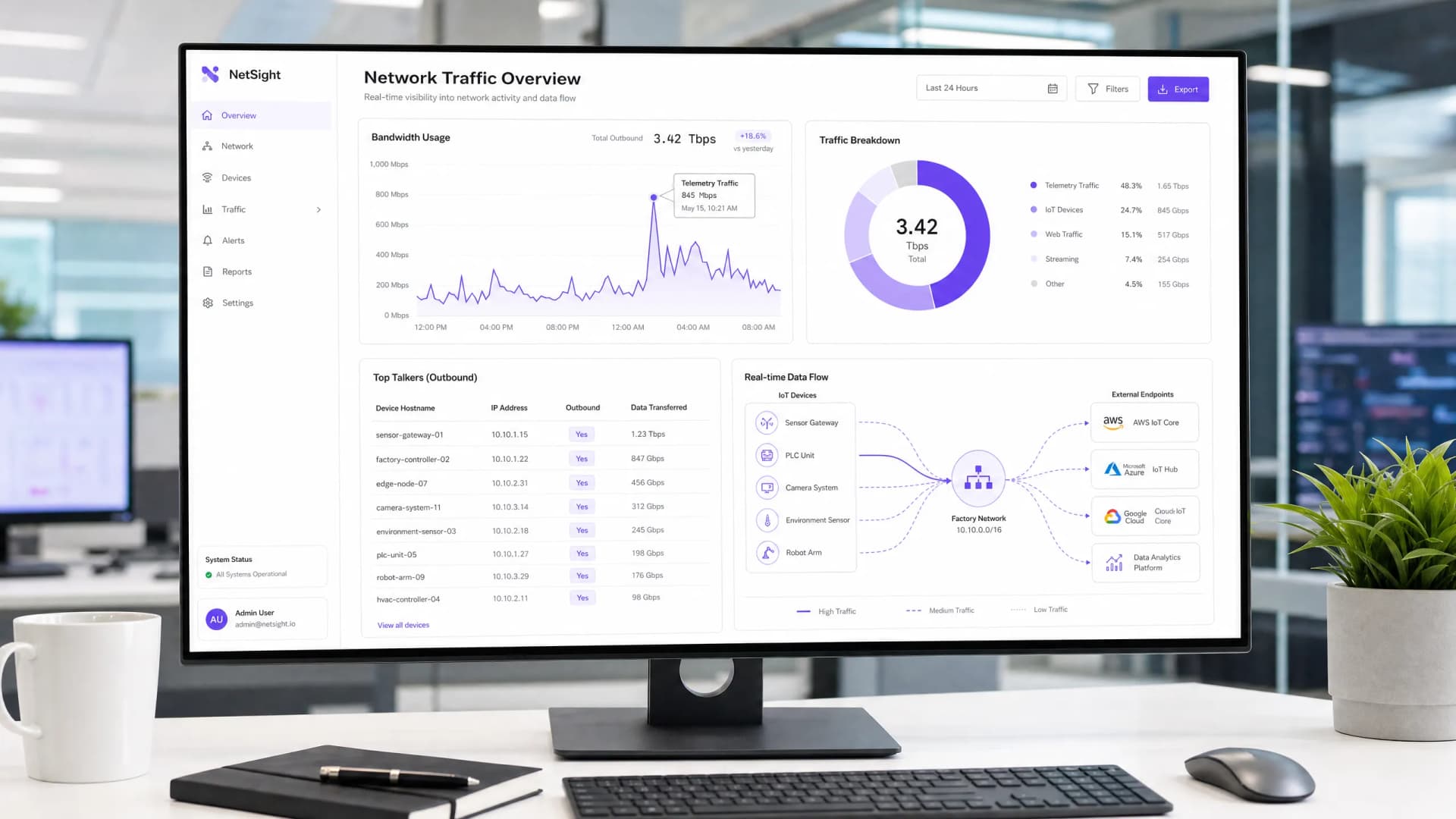
This guide details the hidden bandwidth and compliance costs of unsolicited IoT telemetry on corporate WLANs. It provides actionable architecture strategies, including VLAN segmentation and DNS edge filtering, to mitigate risks and reclaim throughput for critical business services.
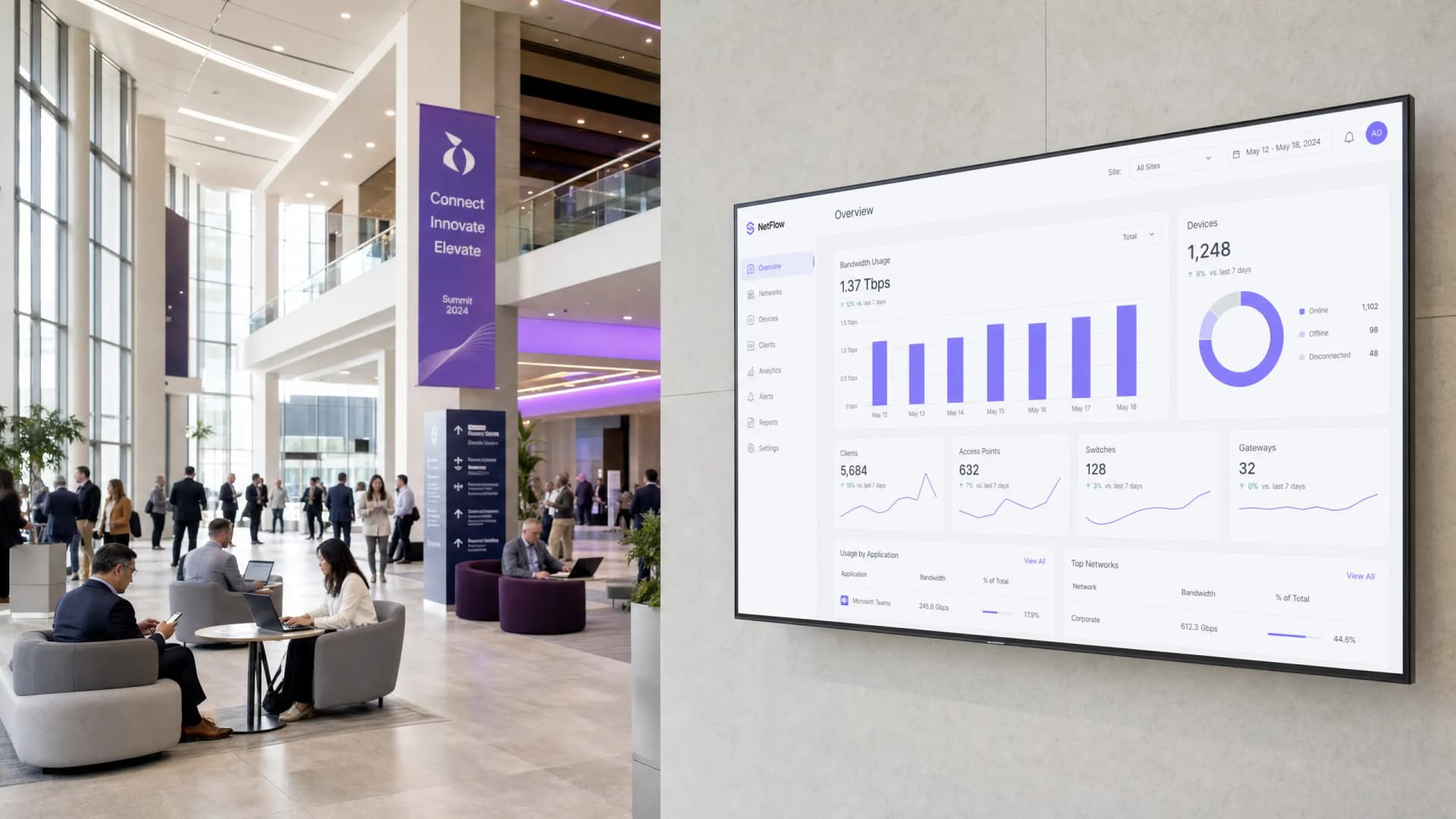
How to Stop Bandwidth Hogging on Public WiFi
This guide provides a technical blueprint for IT leaders to implement intelligent DNS filtering on public WiFi networks. By blocking ad networks and telemetry at the edge, venues can reclaim up to 40% of wasted bandwidth and improve the guest experience without relying on blunt rate-limiting.
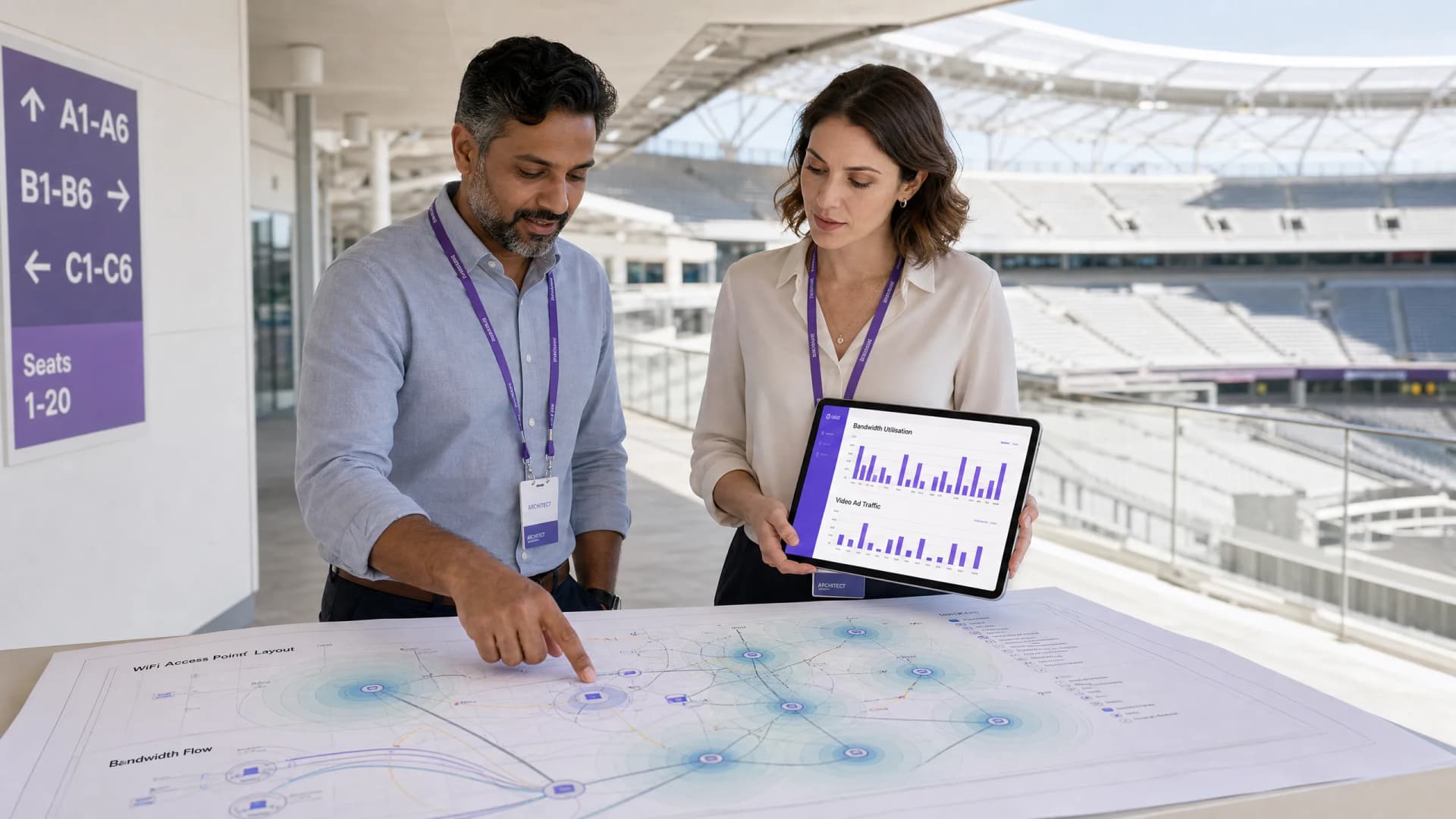
The Impact of Video Ads on Guest Network Throughput
This guide explores how auto-playing video ads silently consume guest network throughput in high-density environments. It provides actionable, vendor-neutral strategies for IT managers and network architects to reclaim bandwidth using edge DNS filtering.
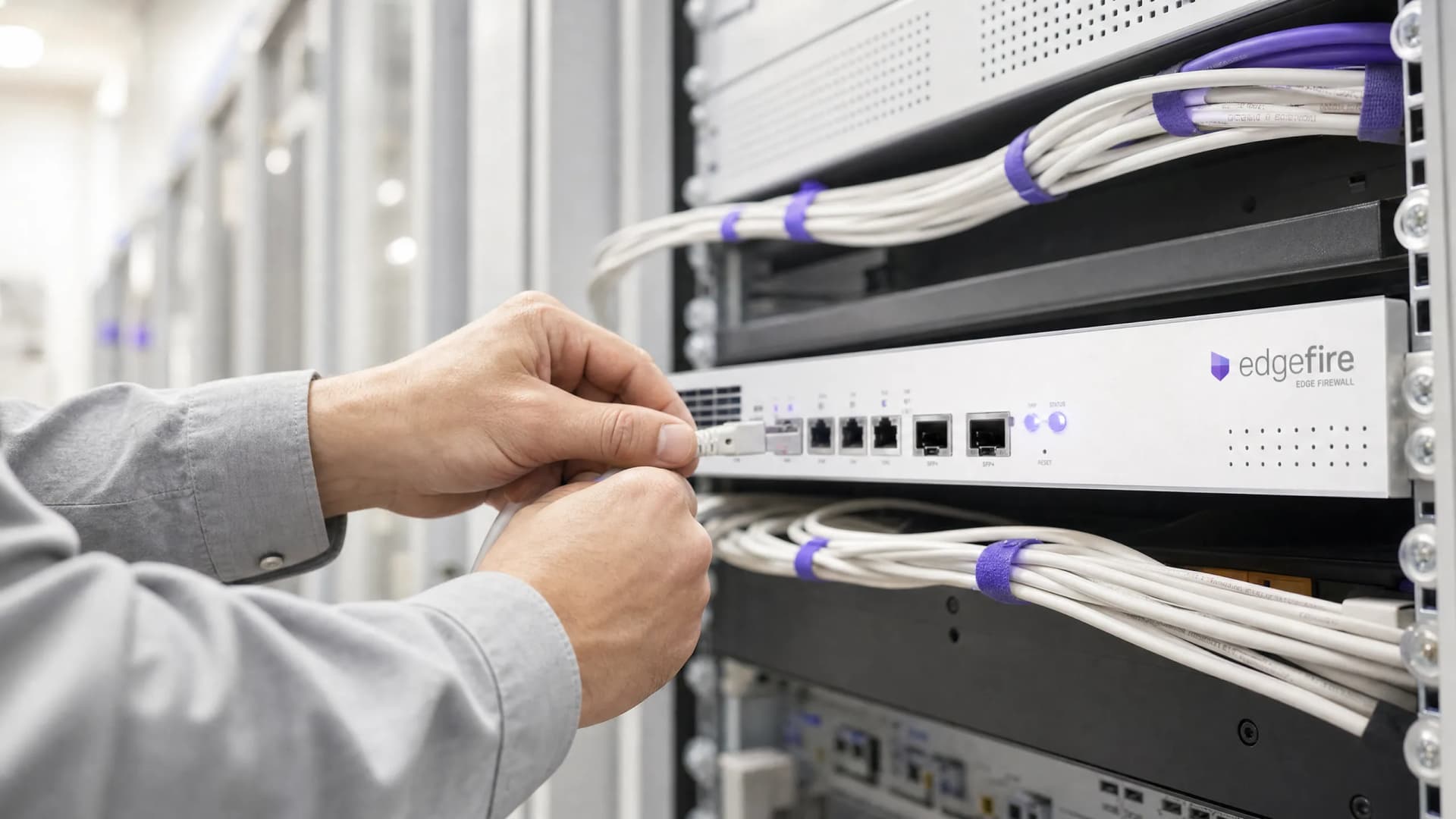
Improving WiFi Speeds by Blocking Ad Networks at the Edge
This guide provides IT managers, network architects, and CTOs with a practical, architecture-level strategy for deploying edge-level ad blocking on venue WiFi networks. It explains the technical relationship between programmatic advertising, DNS query volume, and perceived network latency, and details how intercepting ad-related DNS requests at the edge gateway can reclaim significant bandwidth and improve guest experience. From hotel deployments to stadium events and distributed retail estates, the guide covers implementation steps, risk mitigation, compliance considerations, and measurable ROI.
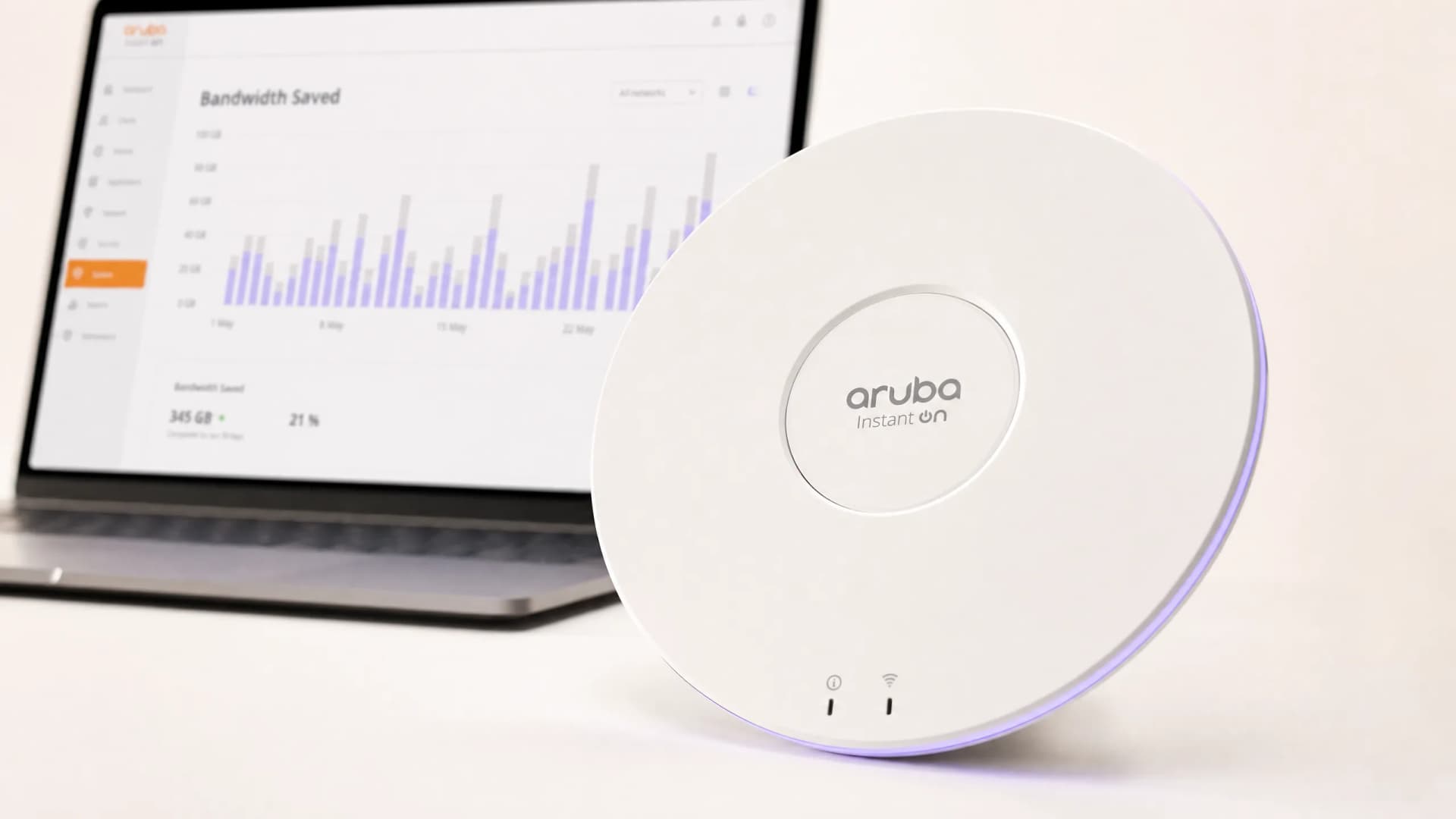
How DNS Filtering Reduces Network Bandwidth Consumption
This guide details how implementing DNS filtering on enterprise WiFi networks blocks advertising, tracking, and telemetry traffic before it consumes bandwidth. For IT managers and venue operators, this translates to immediate reductions in ISP costs, improved network performance, and enhanced security posture.
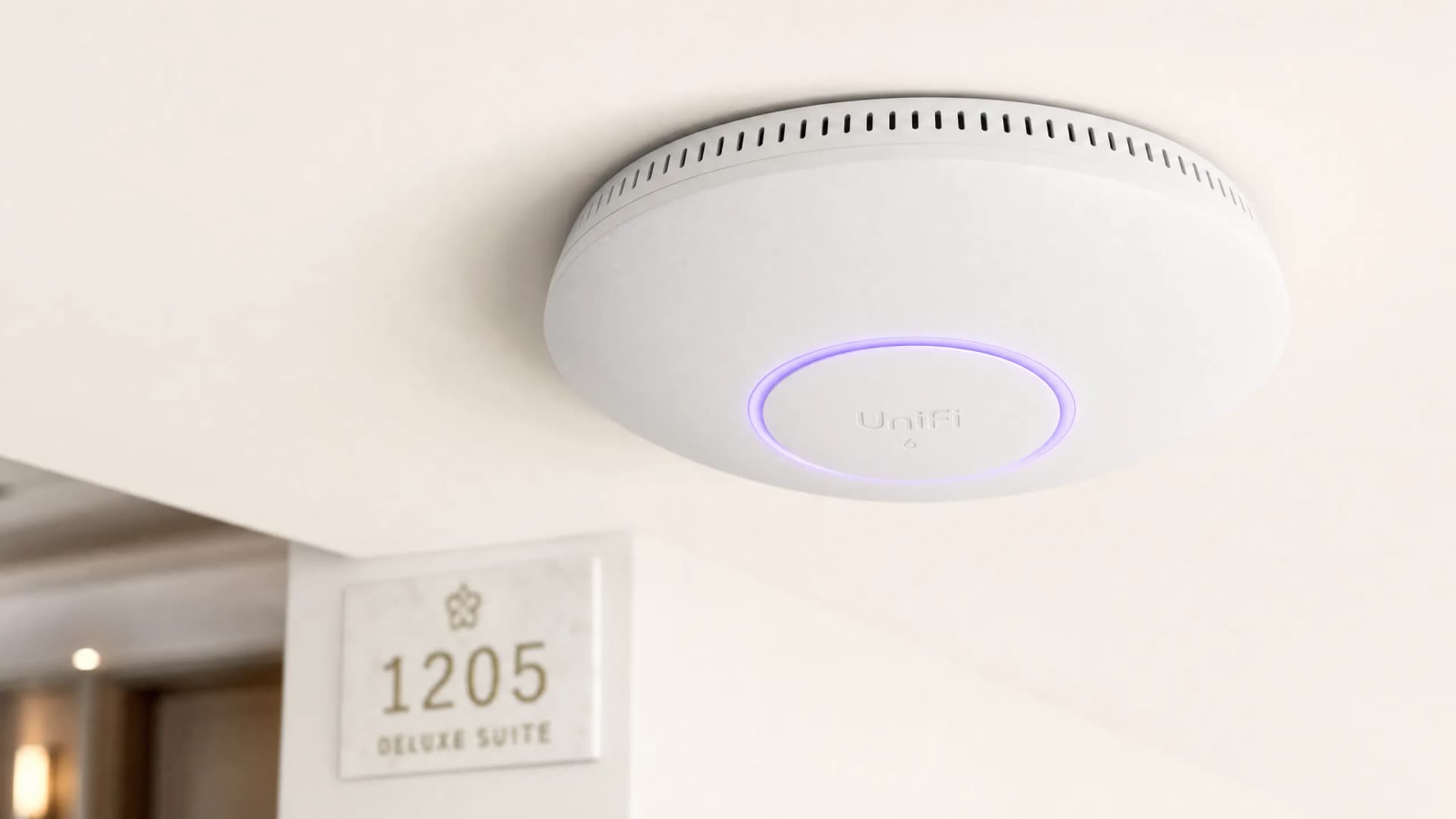
Optimising Hotel WiFi for Business Travellers
This guide provides actionable, vendor-neutral strategies for hospitality IT leaders to optimise hotel WiFi for business travellers by combining DNS-level ad blocking with end-to-end Quality of Service (QoS) policies. It covers the technical architecture, VLAN segmentation, security compliance, and real-world case studies demonstrating how eliminating background noise can reclaim up to 35% of wasted bandwidth. Venue operations directors and network architects will find concrete implementation steps, decision frameworks, and measurable ROI benchmarks to justify and execute the deployment this quarter.
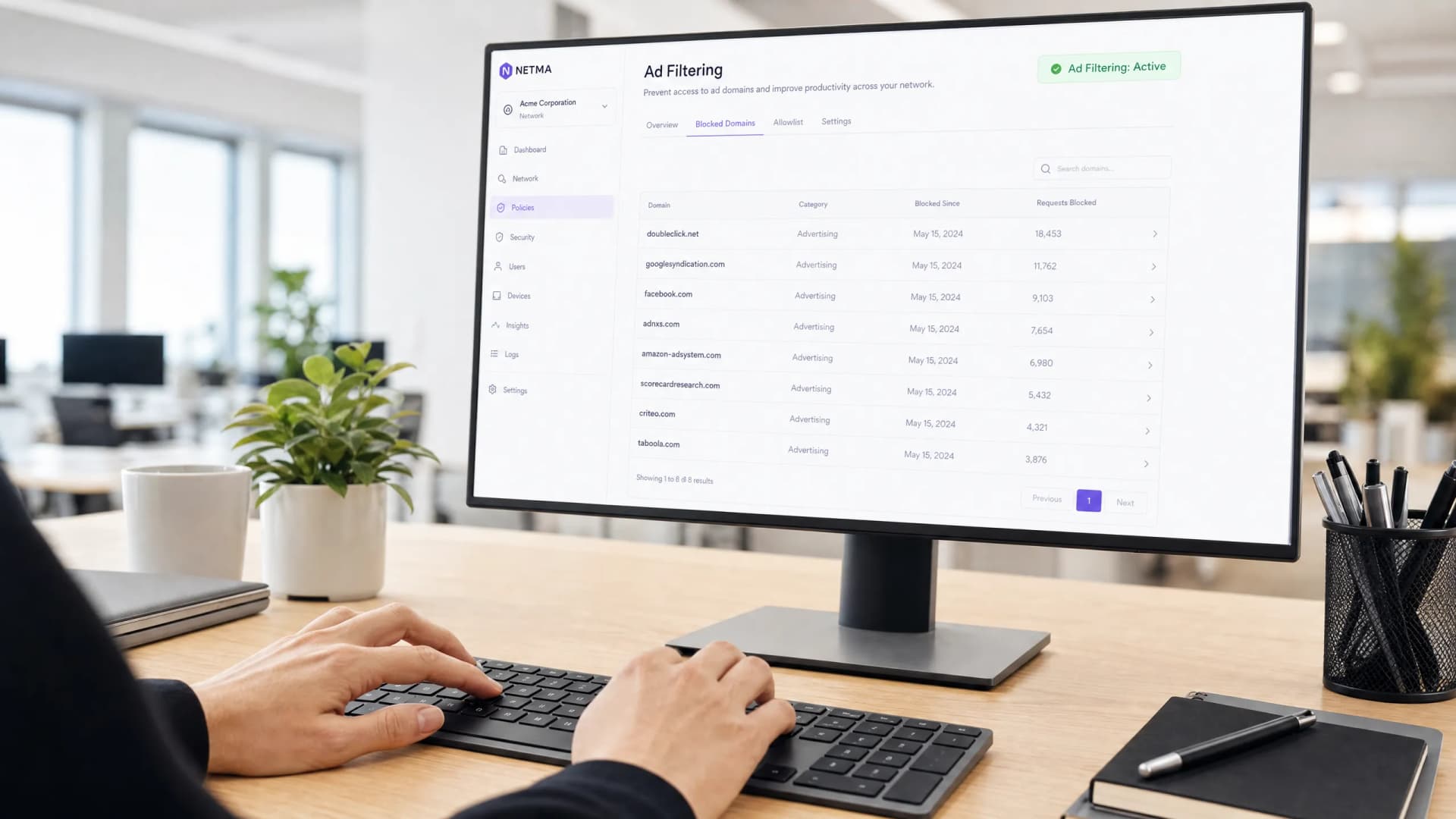
Boosting Staff Productivity by Filtering Intrusive Ads and Trackers
This technical reference guide provides actionable strategies for IT managers and network architects to deploy DNS-level filtering on corporate networks. It explores how blocking intrusive ads and trackers mitigates security risks like malvertising while significantly reclaiming bandwidth and boosting staff productivity.
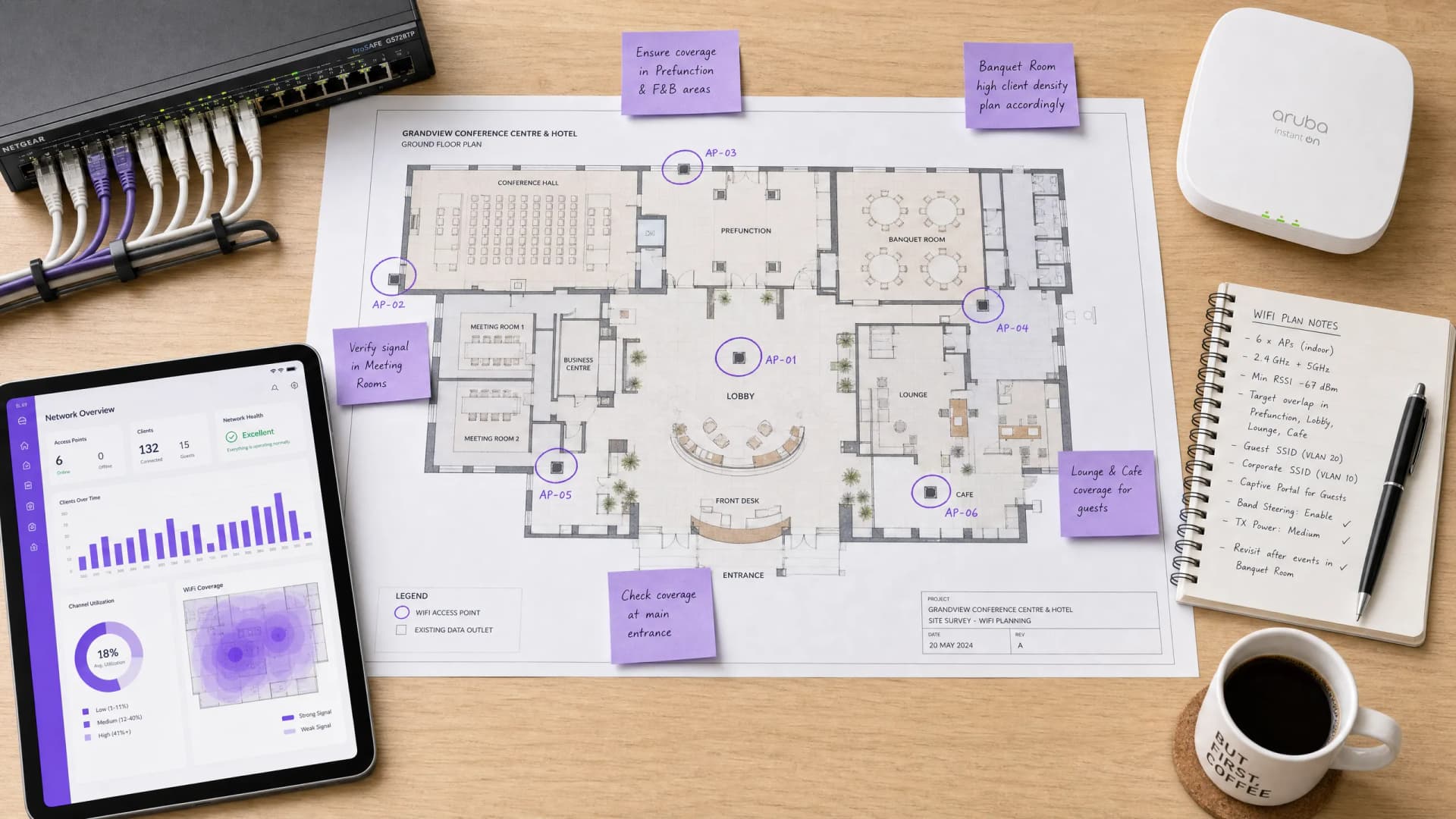
How Background App Refresh Kills Public WiFi Performance
This technical guide examines the severe impact of background app refresh on public WiFi capacity and performance. It provides actionable, network-level mitigation strategies for IT managers to reclaim air time and improve the guest experience.
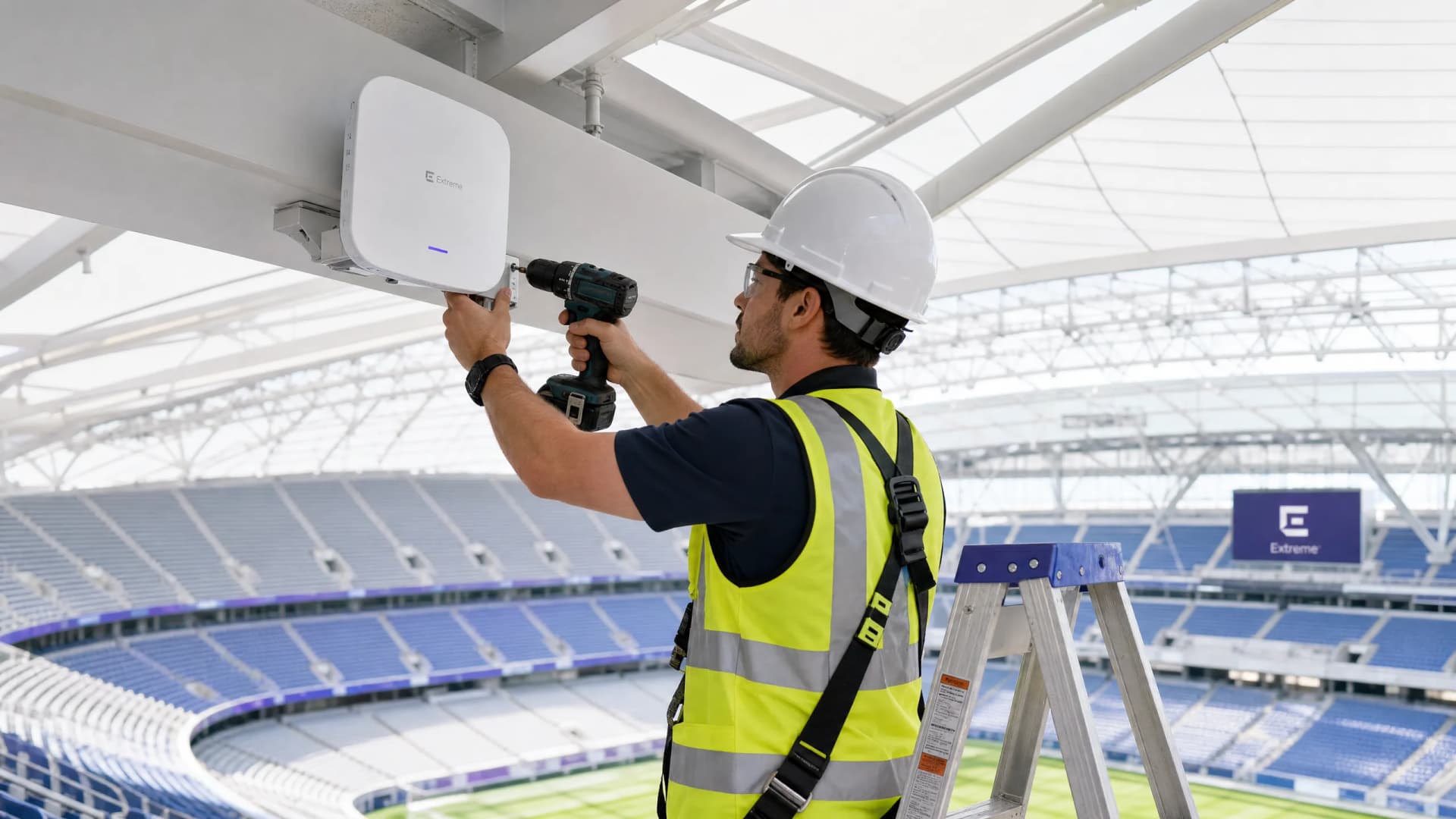
Fixing High Latency and Jitter on Staff WiFi
This authoritative technical reference guide examines the root causes of high latency and jitter on enterprise staff WiFi networks, providing network architects and IT directors with actionable strategies to diagnose and resolve performance degradation affecting real-time applications such as Microsoft Teams and Zoom. It covers RF environment optimisation, end-to-end QoS implementation, roaming mechanics, and client management techniques. Venue operators and IT teams will find concrete implementation guidance, real-world case studies, and measurable benchmarks to ensure their wireless infrastructure supports seamless staff mobility and collaboration.
Resolving Roaming Issues in Corporate WLANs
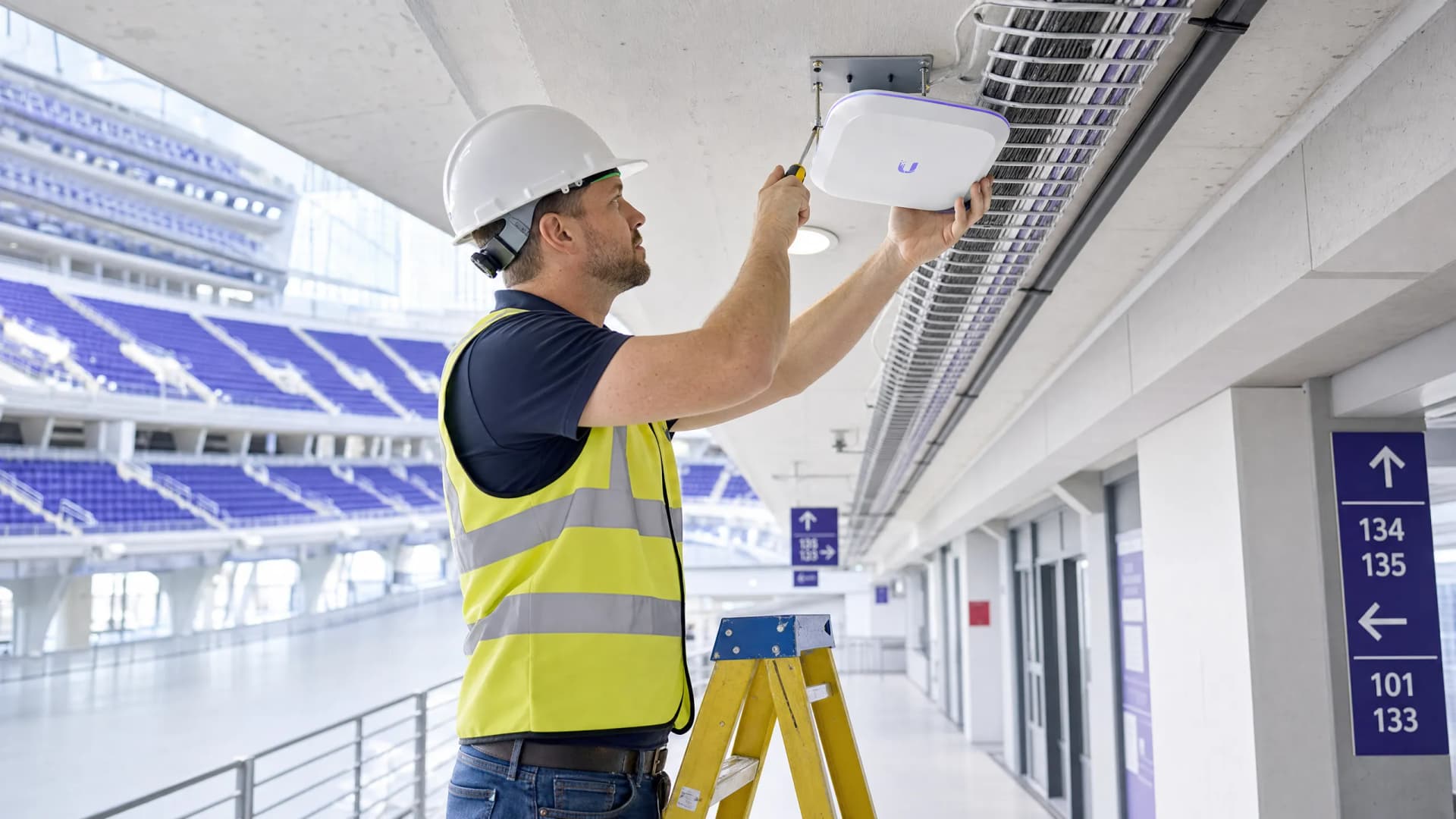
This guide provides network architects and IT managers with a definitive technical reference for diagnosing and resolving WiFi roaming issues in corporate WLANs. It covers the mechanics of IEEE 802.11r Fast BSS Transition, 802.11k Radio Resource Measurement, and 802.11v BSS Transition Management, with vendor-neutral configuration guidance for VoIP and mobile workforce deployments. Real-world implementation scenarios from hospitality, retail, and public-sector environments demonstrate measurable outcomes and the business case for investing in fast roaming infrastructure.
How to fix WiFi channel overlap: 2.4GHz & 5GHz guide
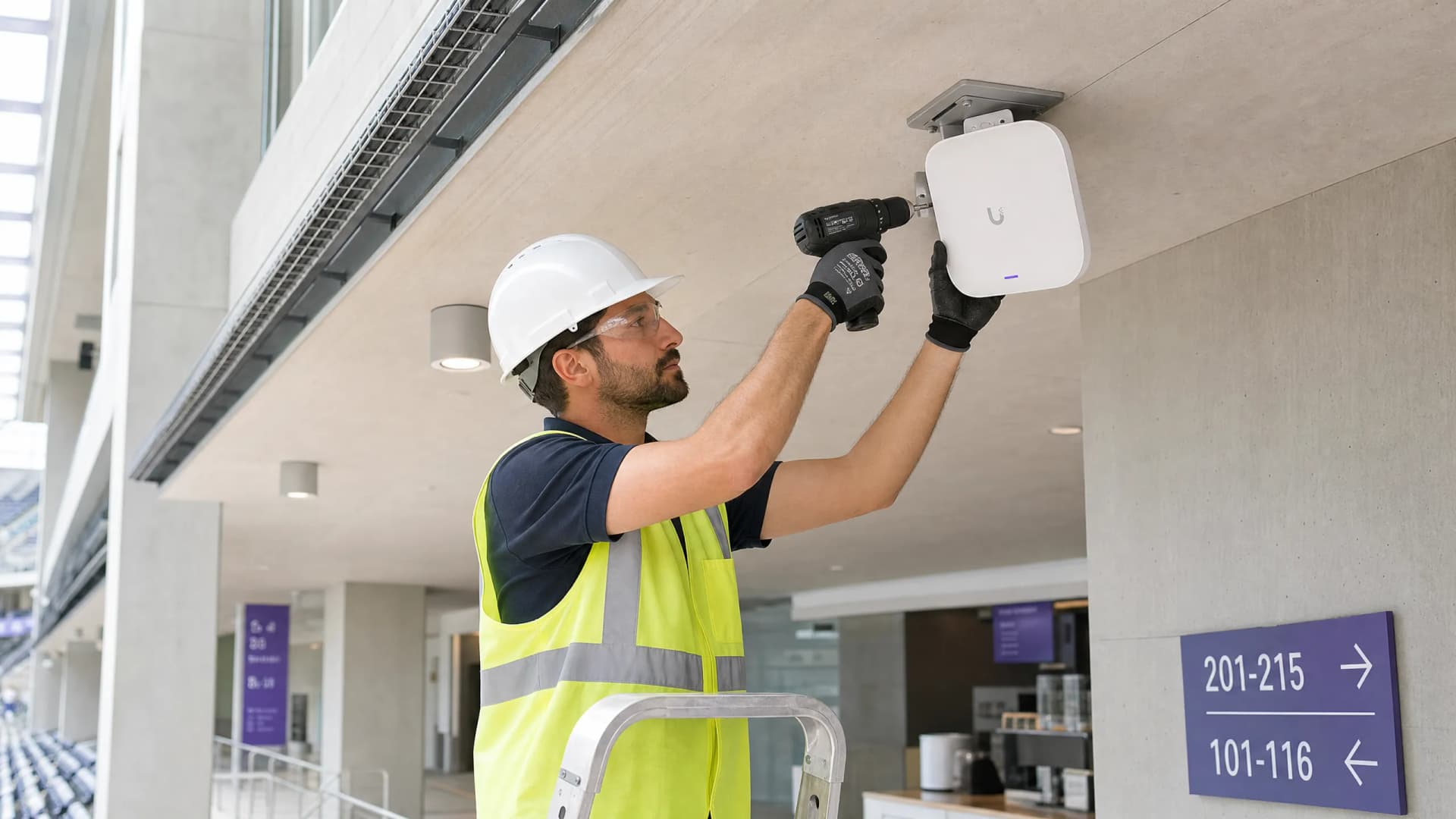
Diagnose and fix WiFi channel overlap, co-channel interference (CCI), and adjacent channel interference across 2.4GHz, 5GHz, and 6GHz enterprise networks.
Got questions about your specific setup?
Our team works with venue operators, IT managers, and network engineers across 80,000 venues. Book a 20-minute call and we will show you how others like you solved it.