Most advice on how to improve guest satisfaction starts in the wrong place. It tells operators to add a nicer welcome drink, refresh soft furnishings, or script friendlier greetings at the front desk. None of that is useless. It's just rarely where the core friction lives.
Guests usually remember the moments where the stay became harder than it needed to be. They couldn't get online. They waited too long for a reply. They reported a problem and heard nothing back. They had to repeat themselves to three different staff members. Those failures sit underneath the visible experience, but they shape reviews far more than many operators admit.
Beyond Fluffy Pillows and Welcome Drinks
The industry still talks about guest satisfaction as if it's mainly a frontline service issue. Smile more. Personalize more. Add small touches. The problem is that surface-level hospitality can't compensate for broken basics.
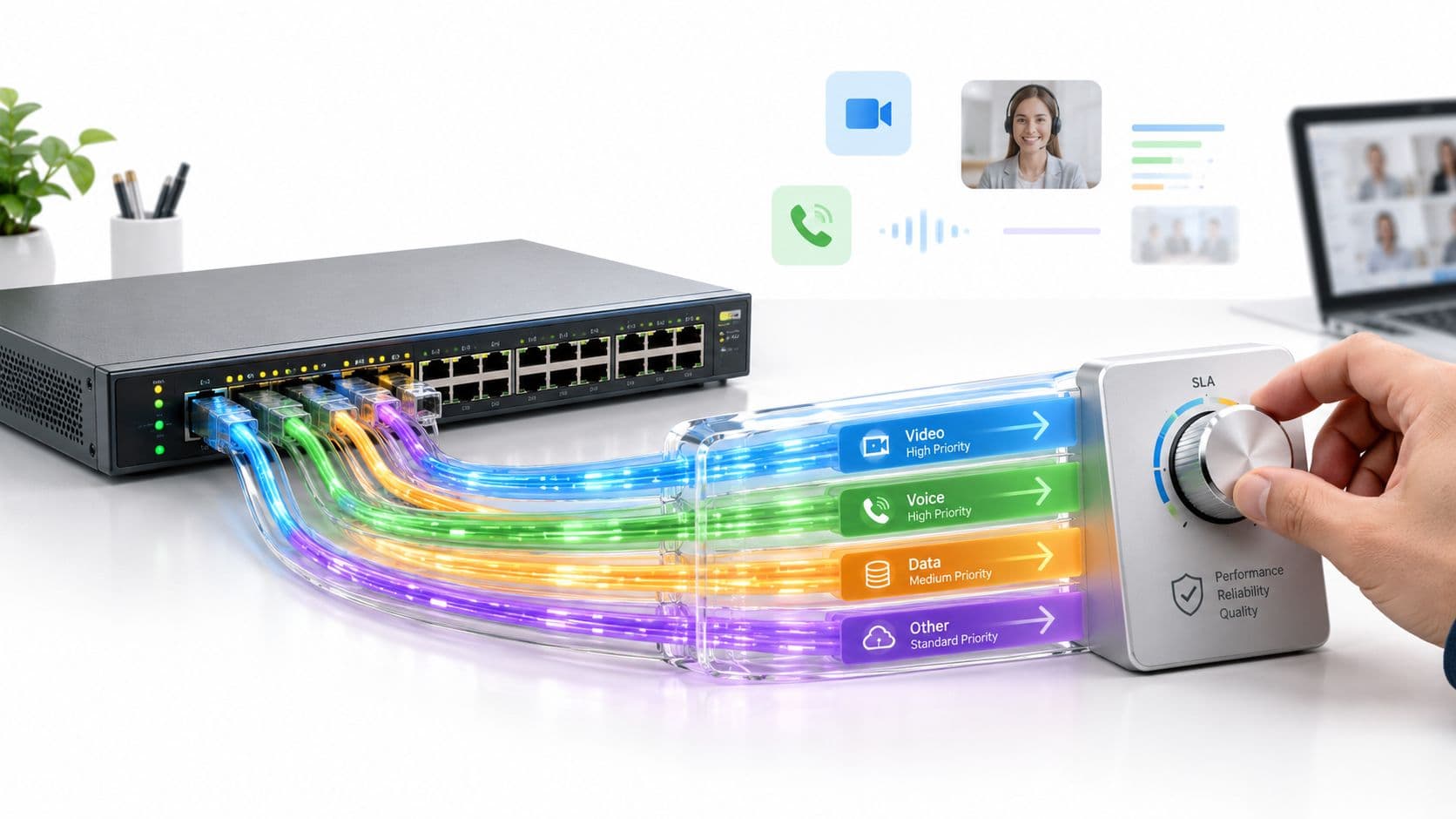
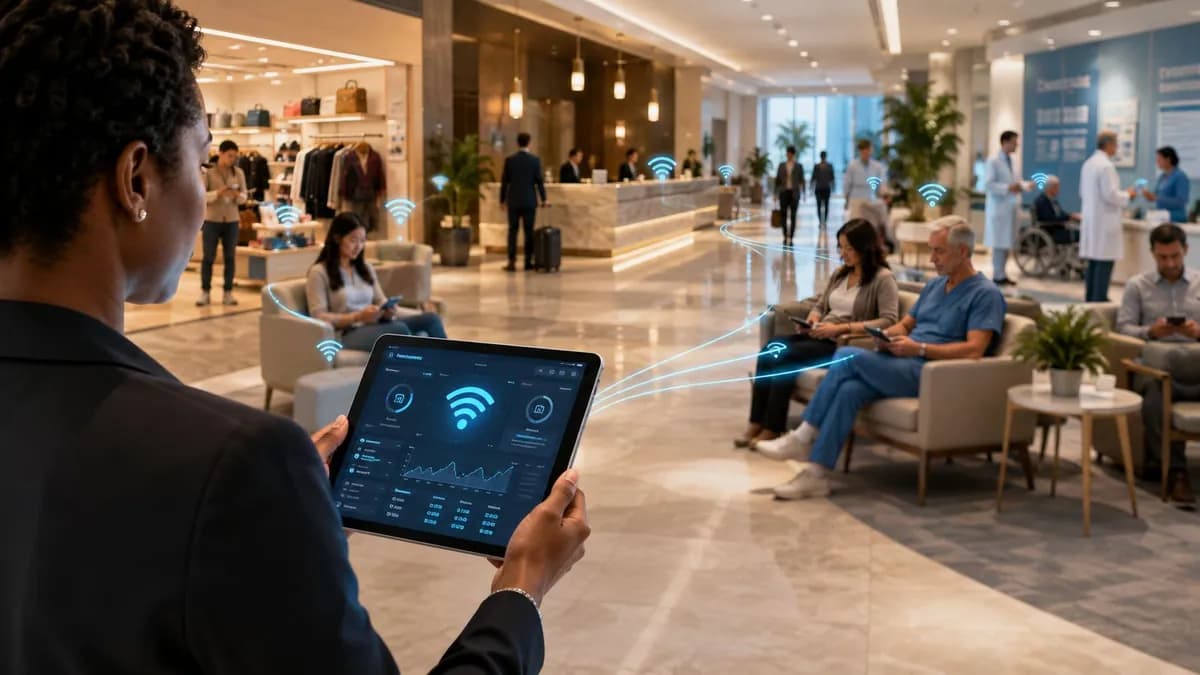
That matters because many guides still overlook digital friction, even though US guests increasingly expect fast, secure connectivity and many operators still rely on shared passwords or clunky captive portals, creating avoidable frustration. Guidance for vacation rental operators also notes that digital experience is tied to review quality and repeat visits, which is exactly why connectivity now belongs in any serious satisfaction strategy, not as an IT afterthought but as part of operations design, as discussed in Breezeway's analysis of guest experience gaps.
A property can have strong décor and still lose goodwill in the first ten minutes. If the line is slow, the WiFi login is painful, and the pre-arrival message failed to answer obvious questions, the guest starts the stay in recovery mode. Once that happens, staff spend the rest of the visit trying to claw back confidence.
Practical rule: Fix the first points of friction before you fund the next aesthetic upgrade.
That doesn't mean physical standards don't matter. They do. Cleanliness, upkeep, and room design still shape how people feel in a space. For operators reviewing the housekeeping side of the experience, this guide on enhancing the guest experience through cleanliness is worth reading because it focuses on a basic truth many teams forget: guests notice consistency more than embellishment.
The operators that improve satisfaction fastest usually do three things well. They remove avoidable effort, they communicate early, and they recover problems before checkout. That's a different mindset from “add more touches”. It's closer to service engineering.
Diagnose Your Current Guest Journey
Guest satisfaction problems rarely start as satisfaction problems. They start as process failures. A guest cannot see your departmental chart, but they feel every handoff, delay, and dead end in it.

That is why diagnosis has to happen at touchpoint level. A post-stay score can tell you that something went wrong. It cannot tell you whether the damage came from unclear pre-arrival messaging, a slow check-in line, poor WiFi onboarding, room readiness, or slow service recovery. For that, you need to map the journey the way a guest lives it, minute by minute, channel by channel.
Map the journey in operating terms
Start with the actual journey, not the ideal one written into SOPs or brand standards.
Break it into stages:
Research and booking
Can guests find parking details, check-in times, cancellation terms, WiFi expectations, and room information without calling the property?Pre-arrival
Do confirmation and reminder messages answer obvious questions at the right time, or do they create more inbound traffic for the front desk?Arrival and access
How long does it take to get from entrance to room, table, or seat with IDs checked, payments handled, keys issued, and access working?In-stay service
How do guests ask for help, how fast does someone acknowledge the request, and who owns it until it is closed?Departure and post-stay
Are you collecting useful feedback while problems can still be fixed, or only after the guest has gone public?
Assign an operational owner to each stage. Satisfaction drops fast when ownership is vague. Pre-arrival clarity often sits between marketing, reservations, and front desk. WiFi onboarding often sits between IT, operations, and reception. If nobody owns the experience end to end, the guest ends up doing the coordination for you.
Audit with evidence, not internal opinion
A useful diagnosis combines four inputs.
Guest comments by touchpoint
Sort reviews, surveys, and complaint logs into specific categories such as booking, arrival, room readiness, connectivity, cleanliness, food and beverage, and issue resolution.Staff feedback
Ask front desk, housekeeping, maintenance, and restaurant teams where they see repeat friction. They usually know the top five problems before management does.Observed journey testing
Book your own property through the public channel, arrive as a first-time guest, connect to WiFi, make a request, and record every point of confusion or delay.System data
Review response times, repeat requests, ticket closure rates, message volumes, and common failure points across PMS, service, and network systems.
The trade-off is simple. Top-line sentiment is easy to report. Touchpoint diagnosis is harder to run, but it gives operators something they can effectively fix.
Short in-stay feedback helps here because it catches issues while the stay is still recoverable. Tools such as guest WiFi surveys that capture feedback at live touchpoints give teams a better read on arrival friction, connectivity problems, and service gaps than a generic checkout form sent two days later.
If feedback only arrives after departure, operations teams lose the chance to recover the stay.
Walk the property like a first-time guest
Senior teams often inspect for compliance when they should be testing for effort. The guest experience is shaped by what feels unclear, slow, repetitive, or broken.
Check for things dashboards rarely capture well:
| Touchpoint | What to test |
|---|---|
| Arrival | Signage, parking instructions, entrance visibility, line management |
| Reception | Greeting speed, ID and payment flow, repeated questions, handoff clarity |
| Room or unit entry | Wayfinding, key or code reliability, first-use instructions |
| Connectivity | SSID naming, login steps, captive portal friction, reconnect behavior |
| Service request | How easy it is to ask for help, whether acknowledgment is fast, and whether updates are clear |
I usually tell operators to watch for repeated guest effort. If guests have to ask the same question twice, re-enter details, reconnect devices, or chase an unanswered request, the process is carrying too much friction. That friction increases workload for staff as well. Front desk lines get longer, call volume rises, and service teams spend more time recovering avoidable failures.
The goal is not to produce a polished journey map for a workshop deck. The goal is to identify where digital friction, operational gaps, and human touchpoints are breaking the stay. That is the diagnostic work that gives both IT and operations teams a clear starting point.
Prioritize Your Improvement Efforts
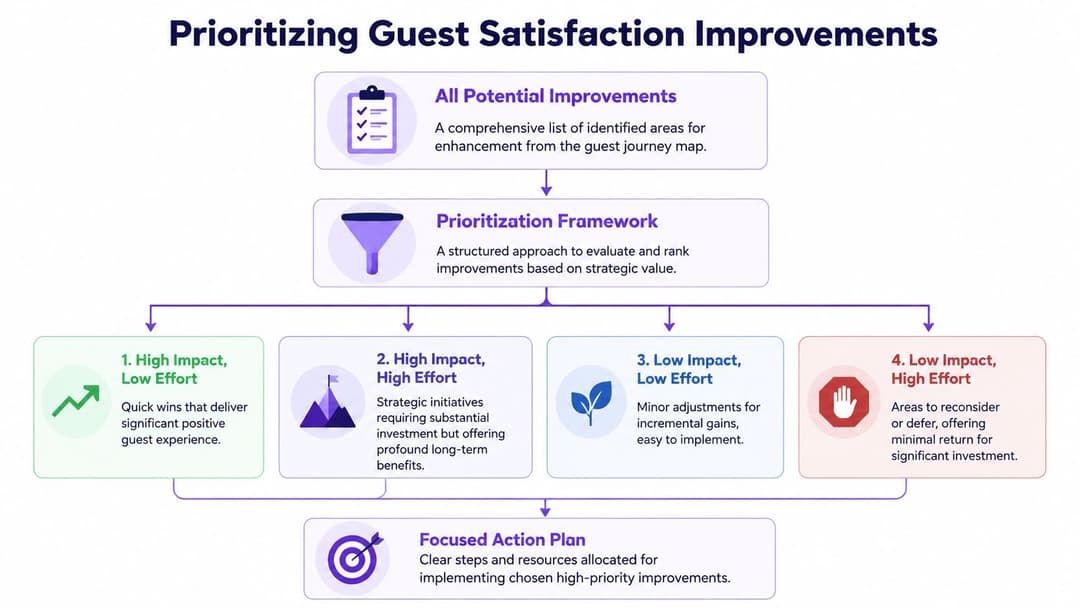
Once teams map the journey properly, they usually uncover too many issues at once. That's where projects stall. Every department can make a case for why its problem is urgent. The answer isn't to debate harder. It's to rank issues by guest impact and delivery effort.
Use a simple impact versus effort filter
Most guest experience issues fit into four groups:
| Category | What belongs here | What to do |
|---|---|---|
| High impact, low effort | Better pre-arrival messages, clearer signage, in-stay feedback prompts, faster complaint routing | Do these first |
| High impact, high effort | Reworking check-in flow, upgrading network access, redesigning room layouts | Plan deliberately |
| Low impact, low effort | Minor copy edits, small amenity tweaks | Batch into routine updates |
| Low impact, high effort | Cosmetic changes with weak effect on guest effort or service reliability | Defer or reject |
The trap is treating visible projects as higher value than invisible ones. A lobby refresh is easy to defend internally because everyone can see it. A better authentication flow or maintenance triage process is less glamorous, but often more effective because it removes friction guests feel immediately.
Put first-touchpoint issues at the top
If you want measurable movement, start where confidence is won or lost early. Delays at inquiry stage, unclear arrival instructions, clumsy check-in, and poor WiFi access damage the stay before the team has a chance to recover it.
That pattern shows up in the US housing market. A Knight Frank student housing survey found that 65% of first-time college applicants said housing availability influenced where they chose to study, and Knight Frank also reported on a multi-family portfolio that raised its average total score from 77% to 95% in three months after focusing on prompt inquiry management and clearer communication of value, an 18-point improvement in a short period, according to the Knight Frank student housing survey and related industry reporting.
The lesson for operators is straightforward. Response speed and clarity outperform vague “service culture” initiatives when the basics are still rough.
Spend first on friction the guest meets early and often. Leave decorative projects until the operating model is stable.
Modernize the Digital Guest Experience
Many teams still separate “guest experience” from “network experience”. Guests don't. To them, WiFi access, digital check-in, service messaging, and issue reporting are part of the same stay. If one element is clumsy, the whole property feels less organized.

Why legacy access creates avoidable complaints
Shared WiFi passwords, generic captive portals, and inconsistent SSIDs create three problems at once. They slow down access, they feel insecure, and they generate repetitive support requests for staff.
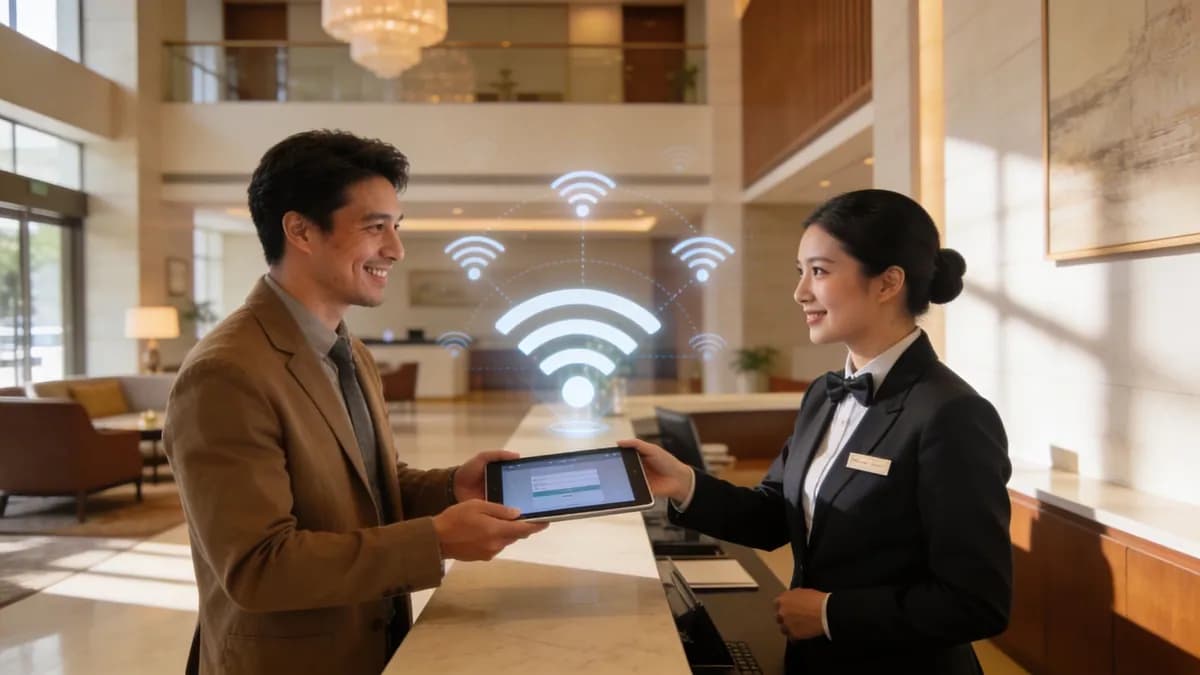
That cost is larger than many operators realize because the problem happens at a sensitive moment. Guests are arriving, orienting themselves, messaging colleagues or family, and trying to settle in. If they're fighting the network in those first minutes, the property feels dated.
A better model is identity-based, passwordless access. The operational method is simple: capture identity once, provide encrypted access, trigger a welcome or service message, monitor usage and feedback, then escalate unresolved issues while the guest is still onsite. For US venues, removing friction and solving issues quickly matters because one benchmark cited in hospitality guidance says customers are 2.4 times more likely to stick with a brand that solves problems quickly, as noted in Edume's overview of satisfaction and service speed.
What good looks like in practice
A modern digital guest flow should feel almost invisible.
Use this checklist:
Single identity capture
Don't make guests re-enter the same details across booking, portal login, and follow-up messages.Encrypted access from the start
Security matters to guests even if they never describe it technically. They notice when a network feels untrustworthy.Automatic return recognition
Returning guests shouldn't have to repeat onboarding if the environment supports a secure remembered experience.Mid-stay service prompts
Ask short, specific questions during the stay so teams can recover issues before checkout.Behavior-linked communication
Trigger useful messages based on stay stage or visit context, not blanket promotions.
One option in this space is hotel WiFi solutions, including platforms such as Purple that support identity-based access, analytics, and follow-up workflows rather than a basic internet login page. The important point isn't the brand. It's the architecture. If your network only authenticates, but doesn't support service recovery, consented data capture, and repeat-visit recognition, you're underusing a key guest touchpoint.
Automation should remove effort, not add distance
Operators sometimes resist digital improvements because they worry technology will make the experience colder. That only happens when automation is used as a shield.
Good automation does the opposite. It removes admin so staff can focus on moments where a person is needed. A self-serve arrival flow is useful. Forcing guests through a brittle process with no staff backup is not. Automated messaging is useful. Sending generic campaigns while ignoring active complaints is not.
Compare the two approaches:
| Weak digital design | Strong digital design |
|---|---|
| Shared password on a key sleeve | Secure access tied to guest identity |
| Long captive portal form | Fast, low-friction onboarding |
| No mid-stay feedback | Short in-stay prompts with action routing |
| Generic marketing blast | Contextual service and recovery messaging |
| IT-owned utility mindset | Joint IT and operations ownership |
The best digital experience is the one guests barely notice because it simply works.
When operators ask how to improve guest satisfaction quickly, this is often the highest-impact answer. Not because WiFi is glamorous, but because digital friction sits at the intersection of arrival, trust, convenience, and service recovery.
Elevate Human and Operational Touchpoints
Technology can reduce effort. It can't compensate for poor housekeeping, vague accountability, or slow maintenance. The human side still decides whether a property feels dependable.
The mistake is treating “human touch” as constant interaction. Guests rarely want more interruptions. They want staff to be available, informed, and quick when it matters.
Focus staff time where it changes the stay
A useful operating principle is to automate low-value repetition and protect high-value intervention.
That means:
- automate routine arrival instructions
- automate simple service confirmations
- route maintenance tickets automatically
- let staff spend their energy on exceptions, complaints, accessibility needs, and service recovery
This matters even more when teams are stretched. In practical terms, the strongest model is not high-tech or high-touch. It's well-judged. Guests get autonomy for simple tasks and real attention when the situation needs judgment.
What guests actually respond to
A residential satisfaction study based in Stockholm found that the strongest predictors of satisfaction were kitchen facilities, cleanliness, and public transportation access, and residents in studio rooms were more satisfied than those in corridor rooms. The same study also found that shorter residential duration correlated with higher satisfaction. The operational takeaway is clear: living quality, privacy, daily convenience, and strong first impressions matter more than branding rhetoric, according to the residential satisfaction study hosted on DiVA.
That finding translates well beyond housing. In hotels, serviced apartments, and Student Housing, guests respond to basics they use constantly. Is the kitchen area usable? Are shared spaces clean? Does maintenance get sorted quickly? Is the layout restful or intrusive? These aren't glamorous topics, but they drive sentiment.
Guests forgive fewer imperfections when the problem interrupts a routine they repeat every day.
Cleanliness and maintenance need hard standards
Operators often say cleanliness is important, then manage it informally. That's not enough. If you want better satisfaction, define the standard and the response time.
A practical approach looks like this:
| Area | Standard to define |
|---|---|
| Communal areas | Cleaning frequency, visible inspection points, escalation path |
| Guest rooms or units | Room-ready checklist, issue logging, reinspection rules |
| Maintenance | Acknowledgment target, triage owner, closure confirmation |
| Consumables and essentials | Replenishment trigger, stock visibility, backup process |
For short-term rental teams or mixed-use operators handling frequent turnovers, operational discipline matters just as much as friendliness. This resource on improving AirBnb guest turnover cleaning is useful because it translates cleanliness into a repeatable checklist rather than a vague expectation.
Service consistency beats heroic recovery
Many teams still celebrate firefighting. A receptionist saves a difficult arrival. A duty manager rescues a complaint. That's good work, but it shouldn't be the operating model.
The better model is boring in the best sense. Requests are acknowledged quickly. Housekeeping issues are visible to the right people. Maintenance isn't hidden in text messages. Staff can see context without asking the guest to repeat everything.
When operators improve those systems, frontline hospitality gets better because staff have headroom. They can greet properly, use judgment, and solve issues calmly. That's the human side of good operations. Not forced warmth, but dependable competence.
Measure and Iterate for Continuous Improvement
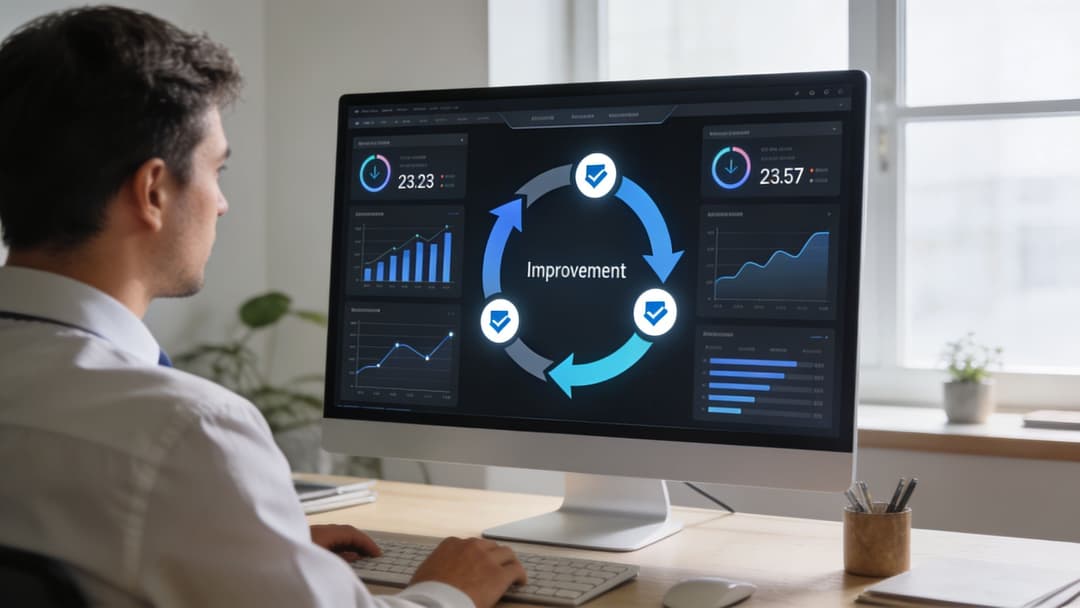
Guest satisfaction work fails when it gets reduced to a monthly score review. Operators need a feedback system that shows where friction happened, who owns the fix, and whether the problem stopped happening.
Build a dashboard around touchpoints
A useful dashboard connects sentiment, behavior, and service performance. One overall rating is too blunt to guide action, especially when the actual issue sits inside a specific stage such as arrival, WiFi login, room readiness, or issue resolution.
Track a small set of measures that operators can act on:
Touchpoint-level satisfaction
Split feedback across arrival, room condition, connectivity, food and beverage, cleanliness, and service recovery.In-stay issue reporting
Check whether problems are being raised early enough for staff to fix them before checkout.Comment themes by department
Tag written feedback by topic and sentiment so recurring failures are visible to housekeeping, front office, maintenance, and F&B.Repeat visit and onsite behavior
Where consent allows, use guest WiFi analytics to track visit frequency, dwell patterns, and engagement by segment. That helps IT and operations teams connect digital behavior to service decisions instead of relying on anecdote.
Keep the dashboard tight. If a metric does not lead to a clear owner or an operational change, remove it.
Turn comments into tasks
Open-text feedback is only useful if someone can act on it. “Poor check-in” means very different things from “line too long,” “staff could not find reservation,” or “WiFi details were not explained.” Good teams code those differences, assign them, and review them at the journey stage where they occurred.
A simple workflow works well:
- Capture feedback during and after the stay
- Tag it by touchpoint and issue type
- Assign an owner
- Set a response or correction SLA
- Review recurring themes each week
- Confirm the root cause was fixed
Many properties stall at this stage. They answer the review, apologize, and move on. The guest may feel heard, but the same failure keeps showing up because nobody changed the process, the system, or the handoff between teams.
Measure learning, not just sentiment
A true measure is whether guest effort goes down over time. If fewer guests need help connecting to WiFi, fewer arrivals get stuck in a line, or fewer maintenance issues need chasing, the operation is improving.
Scores can rise for the wrong reasons. Staff may be working harder to recover preventable problems. That is expensive, and it does not scale.
Track whether the issue disappeared, not whether the apology was well received.
Review the pattern weekly. Pick a small number of recurring pain points. Fix the underlying cause, then check whether complaint volume, recovery time, and repeat mentions fall in the following weeks. That is how guest satisfaction becomes an operating discipline instead of a reporting exercise.
Purple helps operators connect guest WiFi, identity, surveys, and analytics into one workflow so IT and operations teams can remove friction, capture first-party insight, and resolve issues while guests are still onsite. If you're reviewing how to improve guest satisfaction through better connectivity and cleaner feedback loops, it's worth exploring Purple.