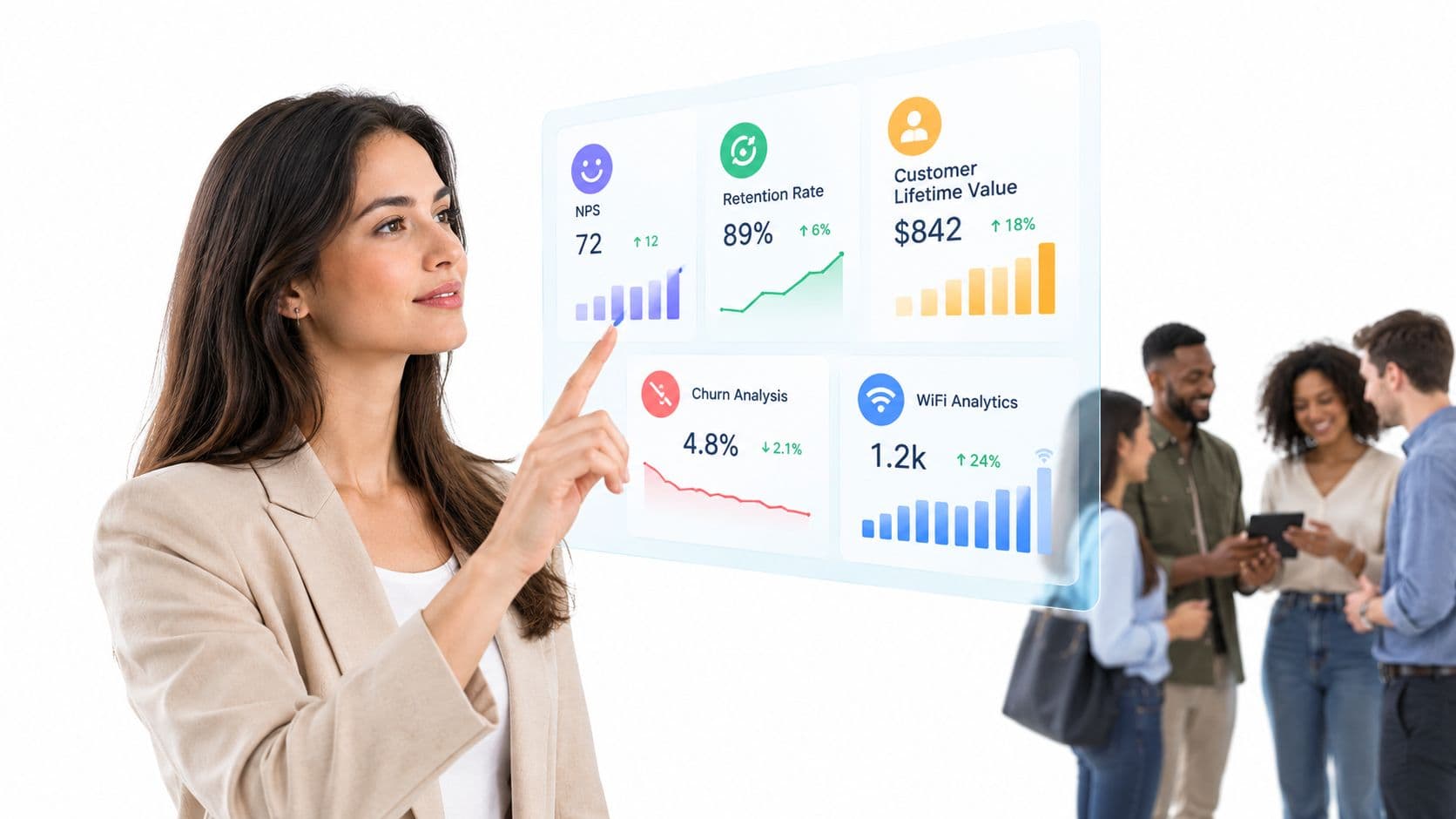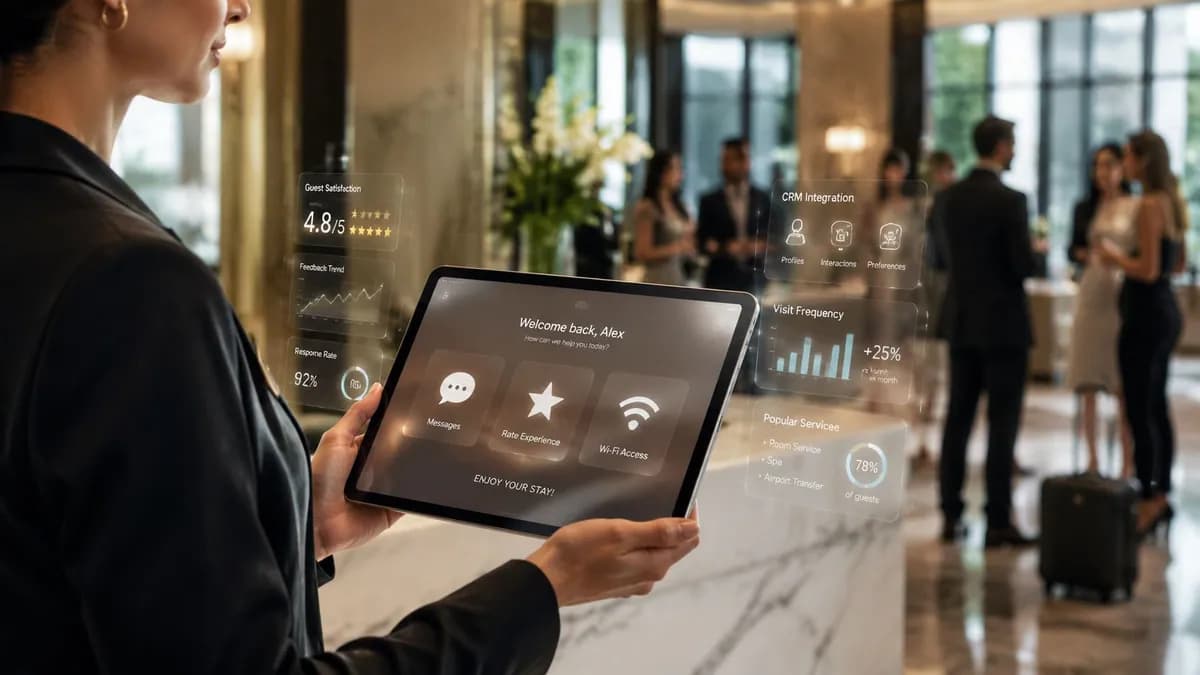
Viele Teams vor Ort befinden sich derzeit in der gleichen Situation. Gäste kommen an, verbinden sich, stöbern, kaufen, bitten um Hilfe, warten in Schlangen, gehen und kommen vielleicht wieder. Mitarbeiter spüren, ob eine Schicht gut oder schlecht lief. Aber ein Gefühl ist nicht dasselbe, wie zu wissen, was passiert ist, wo Probleme begannen oder welches Problem zuerst gelöst werden muss.
An dieser Lücke scheitern die meisten Feedback-Programme. Sie sammeln gelegentliche Kommentare oder vielleicht eine Umfrage nach dem Besuch und häufen die Antworten dann in einem Dashboard an, das niemand in die Praxis umsetzt. In physischen Standorten ist das eine verpasste Chance. Die effektivsten Systeme zur Feedback-Erfassung laufen nicht nebenbei. Sie lassen sich direkt in das Gäste-WiFi, in Point-of-Sale-Momente, in Prozesse zur Service-Wiederherstellung, in CRM-Workflows und in die Routinen der operativen Teams integrieren, damit Mitarbeiter Kunden-Feedback genau dann erhalten, wenn das Erlebnis noch frisch und konkret ist.
Warum das meiste Feedback unsichtbar ist und wie Sie es sehen können
Ein Venue-Manager im Gastgewerbe kennt dieses Muster meistens. Der Freitag wirkte geschäftig. Das Barpersonal arbeitete schnell. Ein Tisch musste zu lange warten. Zwei Gäste gingen ohne Dessert. Die Schlange beim Check-in fühlte sich einen Teil des Abends lang zäh an. Nichts ist eskaliert, also wird der Abend als „größtenteils in Ordnung“ verbucht.
Dann bricht der Umsatz ein, wiederholte Besuche bleiben aus oder Online-Bewertungen erwähnen plötzlich Probleme, die das Personal für Einzelfälle hielt.
Das Problem ist nicht, dass Kunden Ihnen nie sagen, was schiefgeläuft. Es ist vielmehr, dass die meisten es Ihnen nicht direkt sagen. Kundenuntersuchungen aus Großbritannien zeigen, dass nur 1 von 26 Kunden sich über eine negative Erfahrung beschwert, was bedeutet, dass rund 96 % der unzufriedenen Kunden stillschweigend verloren gehen, wenn Unternehmen keine strukturierten Feedback-Kanäle nutzen. In einem physischen Betrieb ist dieser stillschweigende Verlust fatal, da die Warnsignale oft schon lange im Verhalten sichtbar sind, bevor sie in formellen Beschwerden auftauchen.
Wie unsichtbares Feedback an echten Standorten aussieht
Im Gastgewerbe sieht unsichtbares Feedback oft so aus:
- Der Gast, der nicht nachbestellt: Sie trinken ein Getränk aus, schauen sich nach Service um und zahlen dann die Rechnung.
- Der Käufer, der den Besuch abbricht: Sie kamen mit einer klaren Absicht, gingen aber wieder, weil es schwieriger als nötig war, Hilfe zu finden.
- Der Business-Besucher, der am Empfang schweigt: Sie haben es zwar ins Gebäude geschafft, aber der Anmeldeprozess ließ das Unternehmen unorganisiert wirken.
- Der Event-Teilnehmer, der nie wiederkommt: Das WiFi funktionierte zwar, aber die Anmeldung war umständlich und sie konnten wichtige Informationen nicht schnell finden.
Das sind Feedback-Signale. Sie sind nur noch nicht aufgeschrieben.
Praktische Regel: Wenn Ihr Team Feedback nur dann zählt, wenn es sich um eine Beschwerde handelt, betreiben Sie keine aktive Feedback-Erfassung. Sie warten lediglich darauf, dass sich ein Schaden bemerkbar macht.
Die betriebliche Lösung ist im Prinzip einfach, in der Umsetzung jedoch schwieriger. Sie benötigen geplante Feedback-Punkte entlang der gesamten Customer Journey, nicht nur einen generischen Umfrage-Link in einer E-Mail-Signatur. Erfolgreiche Teams vor Ort behandeln Feedback eher wie eine Buchführung als eine Meinungsumfrage. Jeder Touchpoint benötigt eine klare Methode, einen klaren Verantwortlichen und einen klaren Grund für die Messung. Selbst etwas so Strukturiertes wie Best Practices für Golf-Scorecards ist hier eine nützliche Erinnerung daran, dass das Format von Anfang an konsistent sein muss, wenn man verwertbare Daten erhalten möchte.
Der Wandel, auf den es ankommt
Die Erfassung von Feedback wird erst dann wertvoll, wenn sie nicht mehr als gelegentliche Marketingaufgabe betrachtet wird, sondern wie Business Intelligence funktioniert. Für ein Hotel kann das bedeuten, Probleme beim Check-in zu erkennen, bevor sie die Bewertungen verschlechtern. Für den Einzelhandel bedeutet es zu verstehen, ob Verzögerungen an den Umkleidekabinen oder Verwirrung beim Bezahlen Conversions kosten. Für die Lobby eines Unternehmens kann es bedeuten, einen schlechten ersten Eindruck zu korrigieren, bevor er die Zufriedenheit der Mieter beeinträchtigt.
Wenn Sie diese Momente nicht systematisch sehen k'nnen, k'nnen Sie sie auch nicht systematisch verbessern.
Definieren Sie Ihre Feedback-Strategie, bevor Sie fragen
Die meisten schwachen Umfrageprogramme scheitern nicht an der Software. Sie scheitern, weil niemand entschieden hat, was das Unternehmen eigentlich erfahren muss.
Wer Gästen vage Fragen stellt, erhält vage Antworten. „Wie war Ihr Aufenthalt?“ klingt harmlos, führt aber meist zu Lob, das zu ungenau ist, um es zu wiederholen, oder zu Kritik, die zu verschwommen ist, um sie zu beheben. Eine nützliche Feedback-Strategie beginnt mit einer präziseren Frage im Unternehmen: Welche Entscheidung wollen wir verbessern?
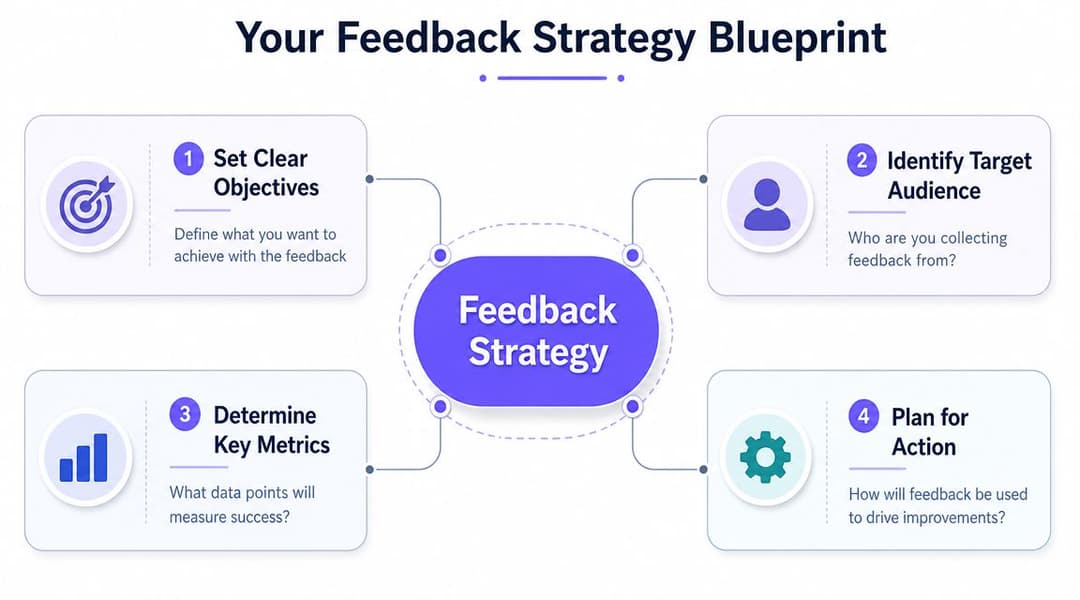
Starten Sie mit Entscheidungen, nicht mit Umfragen
In Standorten liegt die Entscheidung in der Regel an einer von wenigen Stellen:
Servicequalität Mitarbeiterschulung, Schnelligkeit des Service, Reklamationsbearbeitung, Übergabequalität zwischen Teams.
Umgebung und Layout Wegeleitung, Warteschlangenmanagement, Tischabstände, Beschilderung, Einlassfluss, Reibungspunkte bei der Verweildauer.
Kommerzielle Leistung Wiederholungsbesuche, Upselling-Möglichkeiten, abgebrochene Transaktionen, Treueverhalten.
Gestaltung des Erlebnisses Buchung, Ankunft, Authentifizierung, Bestellung, Support, Abreise, Nachbereitung.
Ein Hotel sollte nicht genau dieselben Fragen stellen wie ein Einkaufszentrum. Ein Stadion sollte Feedback nicht auf dieselbe Weise erfassen wie ein Firmenbüro. Die Strategie muss die tatsächlichen operativen Entscheidungen an dem jeweiligen Standort widerspiegeln.
Die Journey skizzieren, bevor man die Kennzahl wählt
Der einfachste Weg, die Feedback-Erfassung nützlich zu machen, besteht darin, sie mit Momenten zu verknüpfen, die das Team direkt beeinflussen kann.
| Phase der Journey | Operative Frage | Nützlicher Listening-Point |
|---|---|---|
| Vor der Ankunft | Haben die Anweisungen die Unsicherheit verringert? | Buchung oder Follow-up zur Kommunikation vor dem Besuch |
| Ankunft | War der Zutritt oder die Anmeldung reibungslos? | Rezeption, QR, Kiosk oder Gäste-WiFi-Aufforderung |
| Vor Ort | Entsprach das Erlebnis den Erwartungen? | Tisch, Halle, App, Beleg, Interaktion mit Mitarbeitern |
| Verlassen des Ortes | Würden sie wiederkommen oder uns empfehlen? | Sofortige Umfrage nach dem Besuch |
| Laufende Beziehung | Besteht ein Risiko vor der Verlängerung oder einem erneuten Ausbleiben? | CRM-ausgelöstes Follow-up |
Eine routinemäßige Erfassung ist unerlässlich. Eine einmalige Umfrage liefert Ihnen eine Momentaufnahme. Eine wiederholte Methode liefert Ihnen Trendlinien. Ein starkes öffentliches Beispiel ist der NHS Friends and Family Test. Ein wichtiger, UK-spezifischer Meilenstein bei der Erfassung von Feedback war die Einführung des National Health Service Friends and Family Test im Jahr 2013. Im Jahr 2023 erhielt der NHS allein in England rund 2,1 Millionen FFT-Antworten. Dies zeigt, wie eine routinemäßige Erfassung in großem Maßstab einen kontinuierlichen nationalen Datensatz generieren kann, wie in der Zusammenfassung der American Statistical Association zum Feedback von Nutzern von Bundesstatistiken dargelegt.
Auf Kontinuität ausrichten
Das bessere Modell ist kontinuierlich, unaufdringlich und operativ verankert. Das bedeutet, dass jeder Feedback-Punkt drei Fragen beantworten sollte:
- Warum fragen wir genau jetzt?
- Wer ist für das Ergebnis verantwortlich?
- Welche Maßnahme ändert sich, wenn diese Antwort positiv, neutral oder negativ ausfällt?
Dieselbe Disziplin ist auch für die umfassendere Standortplanung von zentraler Bedeutung. Das modern venues playbook for fan engagement excellence ist eine nützliche Referenz, da es Standortdaten als Teil eines fortlaufenden Interaktionssystems und nicht als isolierte Kampagne behandelt.
Starten Sie kein Feedback-Programm, bevor Sie nicht das Meeting benennen können, in dem die Ergebnisse genutzt werden.
Wählen Sie Ihre Kanäle für eine maximale Rücklaufquote
Die Wahl des Kanals ist der Punkt, an dem Theorie auf die Realität am Standort trifft. Teams greifen oft standardmäßig auf E-Mail zurück, weil es vertraut ist. Physische Standorte erhalten jedoch selten die besten Erkenntnisse über einen einzigen, zeitverzögerten Kanal. Der bessere Ansatz besteht darin, die Erfassungsmethode auf den Moment, das Publikum und die Art der benötigten Antwort abzustimmen.
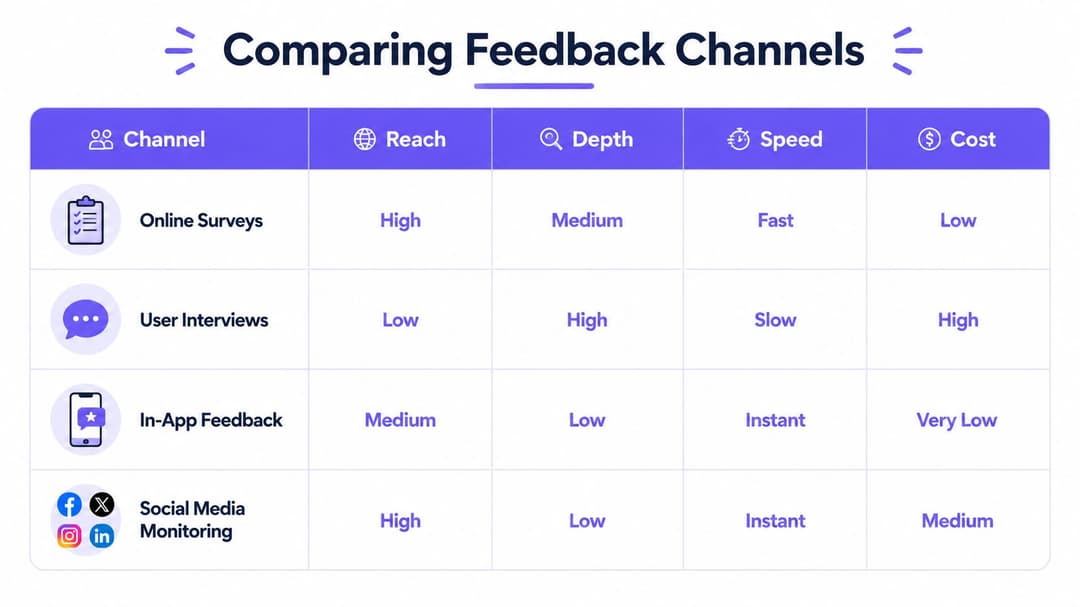
Was die einzelnen Kanäle besonders gut können
Hier ist der praktische Vergleich, den die meisten Standortbetreiber benötigen:
| Kanal | Beste Nutzung | Stärke | Einschränkung |
|---|---|---|---|
| E-Mail-Follow-up | Umfassendere Reflexion nach einem Besuch | Gut für durchdachtere Antworten | Leicht zu ignorieren, der Kontext verblasst |
| SMS-Aufforderung | Kurzes Check-in nach dem Besuch | Schnell und direkt | Erfordert sorgfältige Einwilligung und Zurückhaltung |
| QR-Code vor Ort | Tisch, Beleg, Regalkante, Event-Beschilderung | Geringe Hürde im richtigen Moment | Hängt von Sichtbarkeit und Motivation ab |
| Gäste-WiFi-Umfrage | Feedback im Moment oder ausgelöst durch die Trennung der Verbindung | Kontextreich und an einen echten Besuch gebunden | Erfordert die richtige Einrichtung und eine klare Logik |
| Mitarbeitergeführtes Gespräch | Sensible oder komplexe Service-Probleme | Reiches qualitatives Detail | Schwer zu standardisieren |
| Call-Center- oder Rezeptions-Follow-up | Wertvolle Kundenkonten oder Eskalationen | Nützlich für die Kundenrückgewinnung | Arbeitsintensiv |
Viele Teams fragen sich, welcher Kanal die meisten Antworten bringt. Das ist meistens die falsche Frage. Die richtige Frage ist, welcher Kanal die nützlichsten Antworten von den Menschen liefert, von denen Sie hören müssen.
Warum In-Moment-Kanäle in physischen Räumen besser funktionieren
Für Veranstaltungsorte liegt der größte Vorteil der Echtzeit-Erfassung im Kontext. Wenn ein Gast bereits in Ihrem WiFi ist, an einem Tisch sitzt, einen Kauf abschließt oder einen Besprechungsraum verlässt, ist das Erlebnis noch ganz frisch. Das Feedback ist an ein reales Ereignis geknüpft und wird nicht erst später mühsam rekonstruiert.
Aus diesem Grund sind WiFi-authentifizierte Umfragen im Betrieb so effektiv. Sie können einem verifizierten Gast an einem natürlichen Punkt der Customer Journey eine sehr kurze Frage stellen und das Ergebnis dann nach Standort, Zeit oder Kohorte weiterleiten. Ein Tool wie Gäste-WiFi-Umfragen unterstützt dieses Modell, indem es die Umfrageaufforderung direkt mit dem Anmeldevorgang verknüpft, anstatt sich nur auf eine spätere E-Mail zu verlassen.
QR-Codes sind immer noch nützlich, insbesondere dort, wo die Umgebung ein schnelles Scannen begünstigt. In Event- und Gastronomie-Umgebungen lassen sich die Erkenntnisse von Wedding-QR-Codes allgemeiner anwenden. Menschen scannen, wenn der Code offensichtlich und relevant ist und mit einem klaren Ergebnis verknüpft ist - wie dem Einsehen von Details, dem Teilen eines Moments oder der Abgabe von direktem Feedback. Beliebige laminierte QR-Schilder ohne Kontext funktionieren nicht gut.
Bauen Sie kein digital eingeschränktes System auf
Einer der häufigsten Fehler bei der Feedback-Erfassung ist die Annahme, dass rein digitale Kanäle repräsentativ sind. Das sind sie nicht. Eine oft vernachlässigte Lücke ist die Frage, wie man Feedback von Menschen einholt, die digital ausgeschlossen sind. Richtlinien des öffentlichen Sektors empfehlen eine Kombination aus Web-Umfragen, Call-Centern, E-Mails und direkten Gesprächen, um einen breiteren Querschnitt der Nutzer zu erfassen, nicht nur die lautesten oder digital aktivsten, wie in diesem Leitfaden zur Erfassung und Analyse von Bürger-Feedback beschrieben.
Das ist an physischen Standorten wichtig, da sich der Publikumsmix je nach Umgebung ändert:
- Gesundheitseinrichtungen benötigen möglicherweise eine vom Empfang geführte Erfassung und anschließende Anrufe.
- Fachmarktzentren können von QR-Codes und Kassenbon-Aufforderungen profitieren, aber auch von der direkten Ansprache durch das Personal.
- Unternehmensumgebungen erfordern möglicherweise Notizen des Empfangs, Kontaktwege für Mieter und regelmäßige Kundenbewertungen.
- Gastronomiebetriebe benötigen oft sowohl digitale Erfassung als auch klärende Gespräche durch den Manager direkt vor Ort.
Ein einzelner Kanal reduziert nicht nur das Volumen. Er kann das Gesamtbild verzerren, indem er die am einfachsten zu erreichenden Personen überrepräsentiert.
Faustregel für die Kanalauswahl
Nutzen Sie mehr als einen Kanal, aber stellen Sie nicht überall gleichzeitig dieselbe Frage. Ein gutes Betriebsmodell ist:
- Mikro-Feedback in Echtzeit direkt am Veranstaltungsort
- Follow-up-Umfragen nach dem Besuch, wenn detaillierte Informationen nützlich sind
- Persönliche Kontaktaufnahme bei niedrigen Bewertungen oder für besonders wichtige Kundenbeziehungen
- Inklusiver Offline-Weg für Personen, die den digitalen Pfad nicht nutzen möchten
Dieser Mix bietet Ihnen Schnelligkeit, Tiefe und eine bessere Repräsentanz.
Fragen formulieren, die Erkenntnisse statt Rauschen liefern
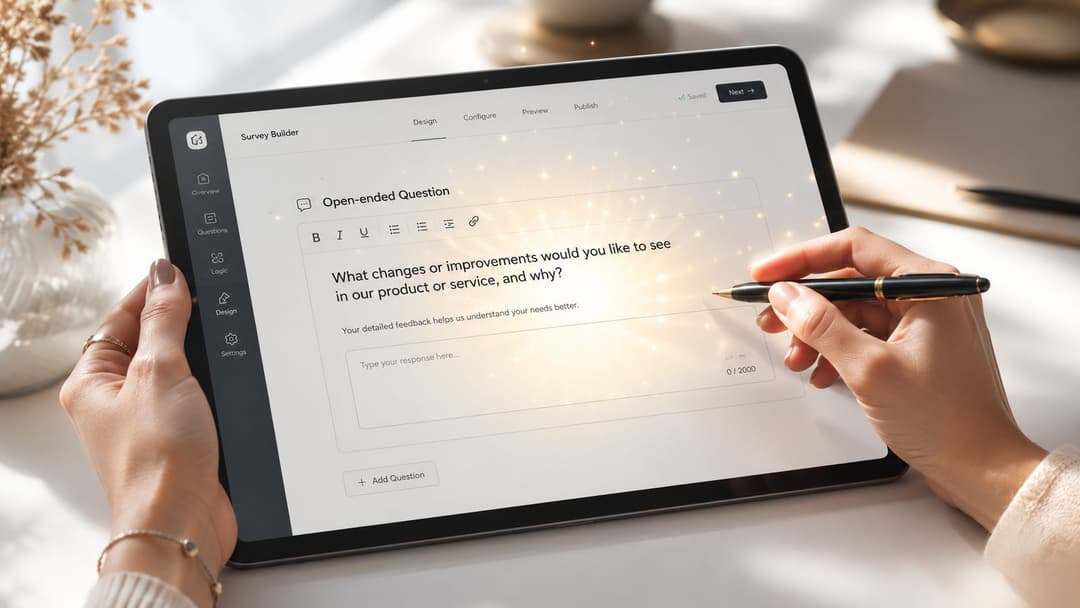
Schlechte Fragen erzeugen schlechte Daten in beeindruckendem Design. Deshalb verdient die Umfrage selbst genauso viel gestalterische Aufmerksamkeit wie das Erlebnis vor Ort, das Sie verbessern möchten.
Halten Sie das Instrument kurz und verknüpfen Sie es mit einem Ereignis
Für die Erfassung von Feedback in UK ist ein defensibler Ansatz ein Post-Touchpoint-Design im Mixed-Mode. Branchenrichtlinien empfehlen, innerhalb von 24 Stunden nach einem Demo-Feedback zu fragen und nach dem Kauf nach 3 - 5 Tagen, unter Verwendung von Instrumenten mit 3 - 5 Fragen, die an bestimmte Ereignisse gebunden sind, wie in diesem Leitfaden über Methoden zur Erfassung von Kundenfeedback beschrieben.
Dieser Ratschlag lässt sich nahtlos auf Veranstaltungsorte übertragen. Fragen Sie zeitnah genug nach dem Event, sodass der Gast sich noch gut erinnert, aber nicht so aufdringlich, dass jeder Kontaktpunkt als Unterbrechung empfunden wird.
Die richtige Kennzahl für den richtigen Moment nutzen
Die gängigen Frameworks beantworten jeweils eine andere Frage:
- NPS eignet sich, wenn Sie ein allgemeines Beziehungs-Signal erhalten möchten. Es passt nach dem gesamten Besuch oder nach einem abgeschlossenen Aufenthalt, einem Mitgliedschaftszyklus oder einem Event-Erlebnis.
- CSAT ist stärker für transaktionale Momente. Check-in, WiFi-Onboarding, Bar-Service, Unterstützung in der Umkleidekabine oder Einrichtung von Besprechungsräumen.
- CES ist nützlich, wenn Reibungspunkte das Problem sind. Denken Sie an Anmeldung, Bestellung, Navigation, Zahlung oder Support-Klärung.
Wenn Sie alle drei nutzen, trennen Sie diese nach ihrem Zweck. Packen Sie sie nicht in eine einzige Umfrage, nur weil das Dashboard sie technisch darstellen kann.
Beispiele für Fragen, die besser funktionieren
Eine schwache Standort-Frage:
- ‒Wie war Ihr heutiges Erlebnis?‒
Eine stärkere Formulierung:
- „Wie zufrieden waren Sie heute mit der Schnelligkeit des Service an der Bar?“
- „Wie einfach war es, sich beim ersten Versuch mit dem Gäste-WiFi zu verbinden?“
- „Hat die Rezeption Ihnen geholfen, ohne Verzögerung dorthin zu gelangen, wo Sie hinmussten?“
- „Was hätte Sie heute fast davon abgehalten, Ihren Kauf abzuschließen?“
Spezifische Formulierungen führen zu spezifischen Antworten.
Bessere Struktur nach Standorttyp
Gastgewerbe
- Zufriedenheit bei Ankunft und Check-in
- Geschwindigkeit des ersten Service
- Offener Kommentar zu allem, was den Aufenthalt oder das Essen gestört hat
Einzelhandel
- Produktverfügbarkeit
- Suchen und Finden von Hilfe
- Aufwand beim Bezahlvorgang
- Optionales Textfeld dazu, was den Kauf fast verhindert hätte
Großunternehmen oder verwaltetes Objekt
- Einfachheit der Anmeldung
- Klarheit der Orientierung
- Zuverlässigkeit der Konnektivität
- Ob das Personal das Problem beim ersten Kontakt gelöst hat
Fragen Sie immer nur nach einer einzelnen Erfahrung. „Alles“ ist für einen Kunden zu umfassend, um es präzise zu bewerten, und für ein Team zu vage, um es zu verbessern.
Nutzen Sie Logik-Sprünge, um die Abschlussquote zu sichern
Verzweigungslogik ist wichtig, weil nicht jeder Gast jede Frage beantworten sollte. Wenn jemand eine reibungslose WiFi Erfahrung meldet, fahren Sie fort. Wenn Probleme gemeldet werden, öffnen Sie eine kurze Folgefrage wie „Was lief schief?“ mit einer kleinen Auswahl an Kategorien und einem optionalen Textfeld.
Das hält die Umfrage kurz und vereinfacht die spätere Datenanalyse. Zudem reduziert es Ermüdungseffekte, die die Antwortqualität mit am schnellsten beeinträchtigen.
Signal von Rauschen trennen
Wenn ich mir Umfragen von Standorten ansehe, haben die unruhigsten meistens drei Probleme:
| Problem | Wie es aussieht | Besserer Ansatz |
|---|---|---|
| Zu viele Ziele | Service, Produkt, Personal, Preisgestaltung und Marke in einem Formular | Eine Umfrage, ein operativer Zweck |
| Suggestive Sprache | „Wie sehr hat Ihnen unser reibungsloser Check-in gefallen?“ | Neutrale Formulierung |
| Kein Pfad zur Umsetzung | Freitext ohne Routing-Plan | Vordefinierte Themen und Zuständigkeiten |
Ein praktischer Rhythmus funktioniert oft am besten als Kombination. Nutzen Sie eine schnelle CSAT-Abfrage vor Ort über WiFi oder QR für unmittelbare Eindrücke, und später ein etwas ausführlicheres Follow-up, wenn der Besuch es rechtfertigt. Auf diese Weise erfassen Sie die Stimmung im entscheidenden Moment, ohne den Gast zu einem langen Fragebogen zu drängen, während er noch versucht, den Aufenthalt vor Ort zu genießen.
Rohdaten-Feedback in umsetzbare Erkenntnisse verwandeln
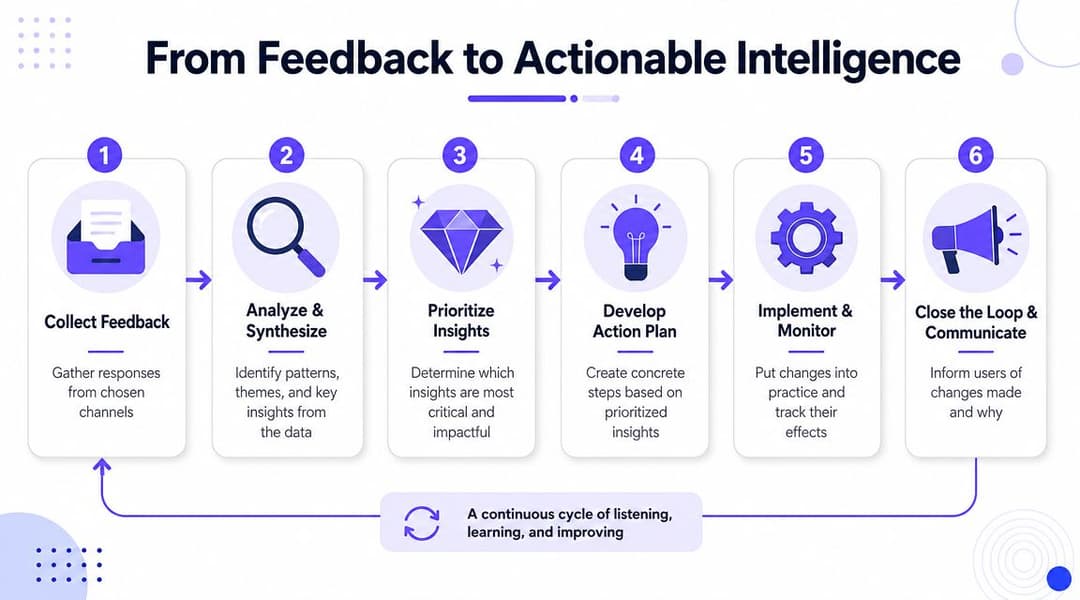
Antworten zu sammeln, ist der einfache Teil. Schwieriger ist es, dafür zu sorgen, dass die Antwort noch am selben Tag, in derselben Woche oder im nächsten Betriebszyklus etwas verändert.
Antworten an die Personen weiterleiten, die handeln können
Ein Feedback-System für Veranstaltungsorte sollte niemals bei einem Dashboard enden. Es sollte niedrige Bewertungen, wiederkehrende Themen und kritische Kommentare direkt an namentlich zugewiesene Verantwortliche weiterleiten.
In der Praxis bedeutet das oft:
- Frontline-Benachrichtigungen für dringende Serviceausfälle während derselben Schicht
- Tägliche Management-Bewertung für operative Themen wie Warteschlangen, Sauberkeit oder Konnektivität
- Wöchentliche funktionsübergreifende Überprüfung für wiederkehrende Probleme, die eine Prozessänderung erfordern
- CRM- oder Account-Nachverfolgung für Unternehmenskunden, Mitglieder oder VIP-Gäste
Wenn ein Gast meldet, dass die WiFi Anmeldung an einem Standort verwirrend war, ist das operative Team vielleicht für die Beschilderung zuständig, die IT für den Onboarding-Prozess und das Marketing für die Formulierung der Folge-E-Mails. Das funktioniert nur, wenn das Feedback richtig kategorisiert und an das passende Team weitergeleitet wird.
Taggen, kategorisieren und Gleiches mit Gleichem vergleichen
Freitext ist wertvoll, aber nur, wenn man ihn strukturieren kann. Die meisten Standorte benötigen eine einfache Klassifizierung, die die realen Betriebsbedingungen widerspiegelt. Typische Tags sind Servicegeschwindigkeit, Hilfsbereitschaft des Personals, Sauberkeit, Warteschlangen, Qualität der Speisen, Orientierung vor Ort, WiFi-Onboarding, Zahlungsprobleme und Umgebung.
Vergleichen Sie von dort aus ähnliche Kohorten. Der Einzelhandelsverkehr am Wochenende sollte nicht mit Geschäftsbesuchern unter der Woche analysiert werden, als ob sie dieselbe Zielgruppe wären. Eine Premium-Lounge im Stadion sollte nicht direkt mit dem allgemeinen Einlass verglichen werden. Tools, die guest WiFi analytics unterstützen, können helfen, indem sie Feedback-Signale mit dem Standort, dem Kontext des Besuchs und dem Wiederholungsverhalten verknüpfen, aber die operative Disziplin ist immer noch wichtiger als die Software.
Der teuerste Feedback-Workflow ist derjenige, der alles erfasst und nichts zuweist.
Den Kreis im operativen Betrieb schließen
Die besten Standort-Teams betrachten Feedback als Teil einer kontinuierlichen Verbesserung, nicht als nachträglichen Bericht. Das bedeutet, dass Manager Themen analysieren, Ursachen bestätigen, Schulungen aktualisieren und dem Personal mitteilen, was sich geändert hat.
Eine einfache operative Schleife sieht so aus:
- Antwort erfassen
- Thema kategorisieren
- Entscheiden, ob es eine Fehlerbehebung, Trendverfolgung oder sofortige Eskalation erfordert
- Verantwortlichen zuweisen
- Prozess anpassen
- Dem Kunden oder dem Team mitteilen, was als Nächstes passiert ist
Dieser letzte Schritt ist entscheidend. Wenn Gäste niemals Beweise dafür sehen, dass Feedback etwas bewirkt, sinkt die zukünftige Beteiligung und die Mitarbeiter nehmen das Programm nicht mehr ernst.
Datenschutz muss von Anfang an eingeplant werden
An Veranstaltungsorten und Standorten ist Feedback oft mit Identität, Besuchsverlauf und Kommunikationspräferenzen verknüpft. Daher benötigt das System eine klare Einwilligungserklärung, vernünftige Aufbewahrungsregeln und eine transparente Formulierung darüber, warum Daten erhoben werden. Die Einhaltung der GDPR ist keine rechtliche Randnotiz. Sie entscheidet darüber, ob Kunden dem Programm genug vertrauen, um offen zu antworten.
Der praktische Standard ist unkompliziert. Erfassen Sie nur das, was Sie wirklich benötigen, verknüpfen Sie es mit einem legitimen operativen Zweck, kontrollieren Sie den Zugriff und vermeiden Sie es, mehr persönliche Daten zu erfassen, als für die Maßnahme erforderlich sind.
Messen, was zählt, um den Wert von Feedback zu beweisen
Ein Feedback-Programm rechtfertigt sein Budget, wenn es zwei Dinge beweist: Erstens, dass die Menschen so antworten, dass Sie nutzbare Erkenntnisse gewinnen. Zweitens, dass diese Erkenntnisse die Geschäftsergebnisse verbessern und nicht nur Berichte erzeugen.
Der erste Satz von Kennzahlen ist operativ. Der zweite Satz ist kommerziell.
Starten Sie mit dem Zustand des Programms
Die offiziellen UK-Leitlinien für Kundenumfragen deuten darauf hin, dass die typischen Antwortquoten bei E-Mail-Umfragen nur etwa 8 % betragen, mit einer breiteren Spanne von 5 % - 30 %. Aus diesem Grund sollten Stichprobenpläne um niedrige Basisraten herum konzipiert werden, unter Verwendung von triggerbasierter Erfassung und vordefinierten Stichprobengrößen für die Analyse, wie in diesem Artikel über Antwortquoten bei Kundenfeedback und Umfragedisziplin erklärt.
Dieser Richtwert ist wichtig, weil er Teams davor bewahrt, Schweigen falsch zu interpretieren. Wenn Sie nach jeder Veranstaltung eine E-Mail-Umfrage versenden und nur sehr wenige Personen antworten, liegt das möglicherweise eher am Kanal und am Timing als am tatsächlichen Erlebnis der Gäste vor Ort.
Verfolgen Sie zuerst die Grundlagen:
- Antwortquote: Nach Kanal, Standort und Touchpoint
- Abschlussquote: An welcher Stelle Nutzer das Formular abbrechen
- Zeit bis zur Überprüfung: Wie schnell Manager die Antworten sehen
- Aktionsquote: Welche Themen tatsächlich zu Änderungen führen
- Disziplin beim Schließen des Kreislaufs: Ob unzufriedene Befragte bei Bedarf eine Rückmeldung erhalten
Messen Sie anschließend die geschäftliche Entwicklung
Viele Teams werden nachlässig. Sie starten Umfragen und feiern dann die Aktivitäten auf dem Dashboard, anstatt operative Verbesserungen voranzutreiben.
Messen Sie, ob durch Feedback angestoßene Änderungen Ergebnisse verbessern, wie zum Beispiel:
| Geschäftsfrage | Zu verfolgende Nachweise |
|---|---|
| Hat sich der Check-in verbessert? | Veränderung des Zufriedenheitstrends bei der Ankunft im Laufe der Zeit |
| Hat eine Änderung des Layouts Reibungspunkte verringert? | Entwicklung des aufwandbezogenen Feedbacks für diese Zone |
| Hat das Coaching der Mitarbeiter geholfen? | Verbesserung der servicebezogenen Werte für vergleichbare Zeiträume |
| Hat eine Behebung vor Ort ein bekanntes Problem seltener wiederholt? | Reduzierung wiederkehrender markierter Kommentare |
Trendlinien sind wichtiger als isolierte Momentaufnahmen. Wenn Wochenendbesucher an einem Standort nach einer personellen Änderung einen besseren Service melden, ist das nützlich. Wenn ein einzelner Tag eine Handvoll starker Meinungen hervorbringt, reicht das als alleinige Grundlage nicht aus.
Vermeiden Sie die häufigsten Interpretationsfehler
Drei Fehler treten immer wieder auf:
- Kleine Stichproben als Gewissheit behandelt: Ein winziges Segment kann auf ein Problem hinweisen, liefert aber selten allein den Beweis dafür.
- Unterschiedliche Kanäle unvorsichtig zusammengeworfen: Antworten über QR, WiFi und E-Mail spiegeln oft verschiedene Momente und unterschiedliche Nutzertypen wider.
- Keine Kohortendisziplin: Vergleichen Sie Gleiches mit Gleichem. Derselbe Touchpoint, ähnliche Zielgruppe, ähnlicher Zeitraum.
Das ist dieselbe Logik, die Event-Teams anwenden, wenn sie den geschäftlichen Wert Ihres Events nachweisen. Das Argument greift nur, wenn das Messmodell die Aktivität mit einem aussagekräftigen Ergebnis verknüpft, anstatt sich auf reine Prestige-Kennzahlen zu verlassen.
Im Betrieb vor Ort sind die stärksten Belege meist unaufgeregter, operativer Natur. Eine wiederkehrende Beschwerde verschwindet. Ein Prozess mit schlechten Bewertungen stabilisiert sich. Ein Team an vorderster Front löst Probleme schneller, weil die Information sie erreicht, solange sie noch handlungsfähig sind. Genau das macht die Erfassung von Feedback so wertvoll.
Purple kann diese Art von Programm unterstützen, wenn Gäste-WiFi Teil des Erlebnisses vor Ort ist. Die Plattform kombiniert passwortfreien WiFi-Zugang mit identitätsbasiertem Networking sowie optionalen Umfrage- und Analysefunktionen, mit denen Teams Feedback-Anfragen direkt nach echten Besuchen auslösen können, anstatt sich nur auf verzögerte Kontaktaufnahmen zu verlassen. Wenn Sie die Erfassung von Feedback in den Bereichen Gastgewerbe, Einzelhandel, Gesundheitswesen, Transportwesen, Veranstaltungen oder Immobilien aufbauen möchten, lohnt es sich zu prüfen, wie sich Purple in Ihren breiteren operativen Stack einfügt.