Healthcare RTLS architecture & clinical ROI planner
Model nurse search time recovery, biomedical asset shrinkage reduction, and existing enterprise WiFi readiness.
Projected annual clinical impact & financial ROI
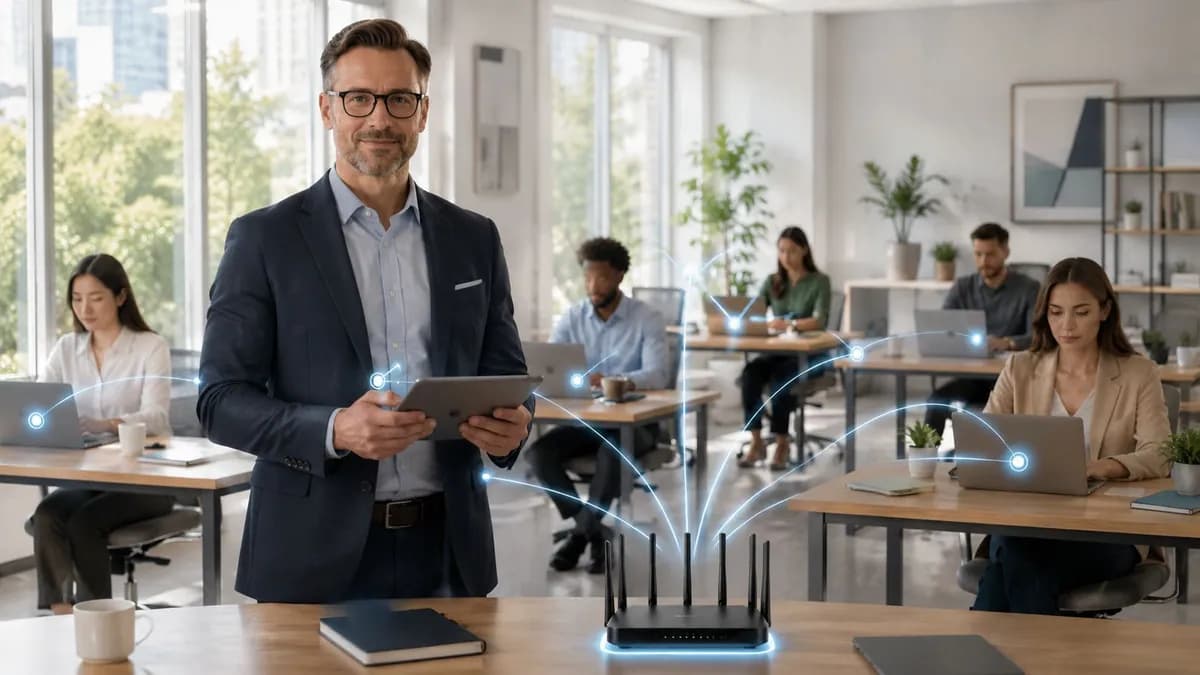
A real-time location system (RTLS) in healthcare operates by attaching active wireless tags or badges to high-value medical assets, patients, and clinical personnel. These tags communicate continuously with a facility's wireless network infrastructure - sending location, telemetry, and status data to a central location intelligence platform.
Key takeaways: Healthcare real-time location systems (RTLS)
- Automated medical asset tracking: Locates mobile X-ray units, IV infusion pumps, and telemetry monitors instantly, reducing staff search time by up to 40% (saving 1.5 hours per nurse shift).
- Patient flow & dwell time optimization: Monitors waiting room congestion, tracks department transfer velocity, and identifies emergency room bottlenecks without manual check-ins.
- Staff safety & duress protection: Equips clinical staff with wearable RTLS panic badges that transmit precise floor and room coordinates during security incidents.
- Multi-technology location engine: Combines WiFi RSSI/RTT (802.11az), Bluetooth Low Energy (BLE) beacons, and Ultra-Wideband (UWB) for sub-meter indoor positioning.
- Cloud overlay architecture: Integrates seamlessly with existing Cisco Meraki, HPE Aruba, Ruckus, Juniper Mist, and Extreme Networks access points without costly hardware overhauls.
What is a healthcare real-time location system (RTLS)?
In modern hospitals, medical centers, and outpatient clinics, clinical staff spend an average of 40 minutes per shift searching for misplaced medical equipment - such as IV pumps, mobile ultrasound units, crash carts, and telemetry monitors. Healthcare RTLS transforms wireless network infrastructure into an automated positioning engine that tracks asset coordinates, measures patient movement, and alerts staff during emergencies.
By leveraging existing enterprise WiFi access points alongside Bluetooth Low Energy (BLE) gateways and Ultra-Wideband (UWB) sensors, RTLS platforms deliver room-level and bed-level visibility across complex hospital campuses.
For foundational insights on securing hospital networks, consult our master enterprise WiFi security guide.
Primary operational use cases for hospital RTLS
1. Medical asset tracking and loss prevention
Hospitals routinely experience asset hoarding, equipment loss, and unnecessary rental expenses due to poor visibility. RTLS asset tags broadcast location data to central dashboards, allowing nursing and biomed teams to locate devices instantly. Key benefits include:
- Reduced search times: Nursing staff spend less time searching for equipment, freeing up to 1.5 hours per shift for direct patient care.
- Preventative maintenance compliance: Biomedical engineers track asset usage hours and locate equipment due for calibration or infection control cleaning.
- Capital expenditure savings: Eliminates duplicate equipment purchasing by increasing existing asset utilization rates from 35% to over 70%.
2. Patient flow monitoring and dwell time reduction
Tracking patient movement from admissions to triage, treatment rooms, and discharge provides healthcare administrators with actionable operational metrics. Without manual data entry, RTLS monitors waiting room dwell times, identifies bottlenecks in radiology or lab services, and triggers automated room-cleaning notifications upon patient transfer.
To explore how spatial intelligence improves facility performance, read our WiFi analytics guide.
3. Staff safety and duress protection
Healthcare workers face elevated workplace safety risks in emergency departments and psychiatric units. Wearable RTLS panic badges allow nurses and physicians to trigger instant duress alerts with a single button press - broadcasting their exact floor, room, and location to hospital security teams.
4. Environmental and cold-chain storage monitoring
Wireless RTLS temperature sensors continuously monitor vaccine fridges, blood banks, and tissue storage units. Automated alerts notify facility managers immediately if temperatures drift outside compliance thresholds, preventing costly spoilage and regulatory non-compliance.
Comparing healthcare RTLS technologies: WiFi, BLE, UWB, and RFID
Selecting the appropriate wireless positioning technology depends on required precision, coverage area, and budget. Review the technical comparison table below:
| RTLS Technology | Location Precision | Infrastructure Requirement | Primary Healthcare Use Cases |
|---|---|---|---|
| WiFi RSSI / WiFi RTT (802.11az) | 1 to 3 meters (zone level) | Zero additional hardware (uses existing APs) | General asset tracking, visitor wayfinding, patient flow analytics |
| Bluetooth Low Energy (BLE) Beacons | 1 meter (room level) | Low-cost battery beacons & BLE AP gateways | Staff panic badges, high-density asset tagging, temperature monitoring |
| Ultra-Wideband (UWB) | 10 to 30 centimeters (sub-meter) | Dedicated UWB sensors & high-power anchors | Surgical instrument tracking, acute care isolation, pediatric safety |
| Active RFID / Infrared (IR) | Exact room / bed level | Ceiling receivers & Line-of-Sight sensors | Bed-level patient tracking, clean vs dirty equipment bay monitoring |
How WiFi RTLS integrates with hospital wireless networks
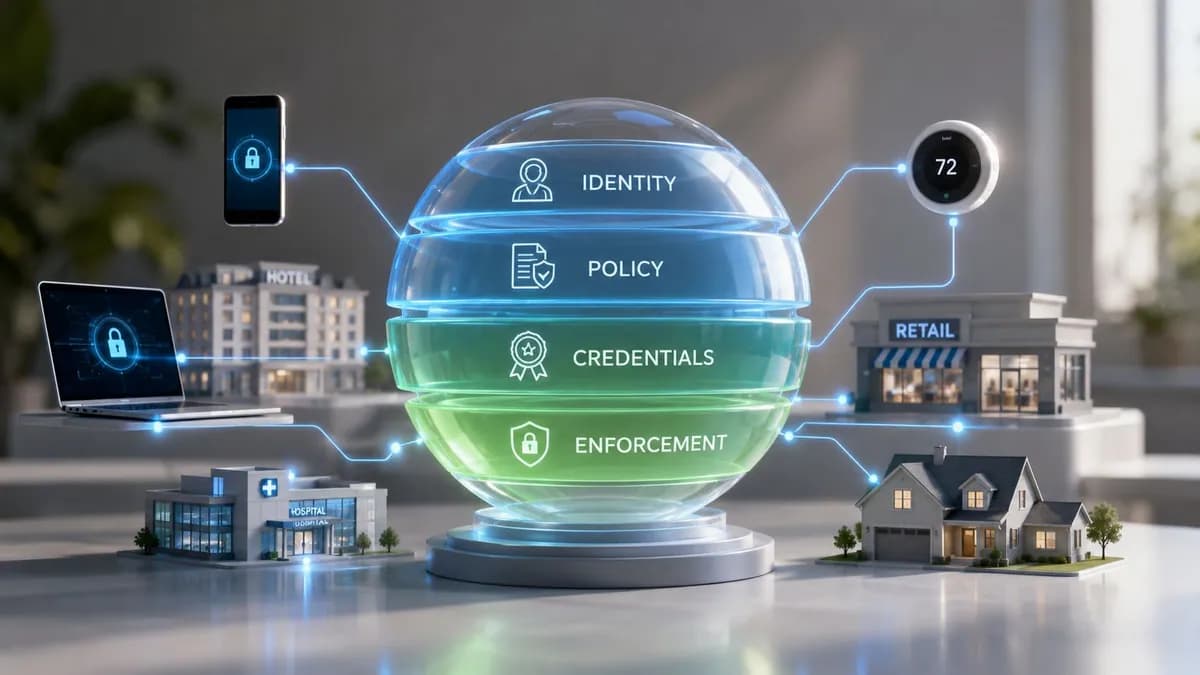
Modern RTLS solutions function as a cloud-managed overlay on top of existing enterprise wireless networks. Utilizing standardized WiFi Location APIs (such as WiFi RTT 802.11az and RSSI fingerprinting), hospitals avoid deploying redundant cabling or dedicated sensor networks.
1. Hardware overlay compatibility
Purple integrates natively with leading enterprise access point vendors - including Cisco Meraki, HPE Aruba, Ruckus, Juniper Mist, and Extreme Networks. Location telemetry is aggregated securely in the cloud without impacting clinical WiFi bandwidth or network throughput.
2. Data privacy and regulatory compliance
Healthcare location tracking must adhere to stringent data protection standards:
- HIPAA & HITECH compliance: All location telemetry and patient movement logs are encrypted in transit via AES-256 and stored in compliant cloud repositories.
- NHS Digital Information Governance: Complies with UK health trust data sovereignty and security directives.
- ISO 27001 & SOC 2 Type II: Validates rigorous organizational security controls and continuous threat monitoring.
Pairing location tracking with cloud-managed guest WiFi solutions and captive portal software enables hospitals to deliver branded patient connectivity while capturing compliance consent seamlessly.
Best practices for deploying RTLS in healthcare facilities
To maximize return on investment when implementing location services in hospitals, follow these engineering guidelines:
- Conduct a comprehensive RF site survey: Map access point density, wall attenuation, and multipath interference in clinical zones before tagging assets.
- Start with high-value mobile equipment: Phase your deployment by tagging high-demand items (such as IV pumps and telemetry monitors) before expanding to general facility wayfinding.
- Integrate RTLS with EHR and CMMS software: Connect location data directly into your Computerized Maintenance Management System (CMMS) and Electronic Health Records (EHR) platform via REST APIs.
- Establish clear asset tagging protocols: Train clinical staff on tag placement, battery maintenance, and reporting lost tags.
Interactive tools for hospital network & operations teams
Planning a healthcare WiFi or RTLS deployment? Use our interactive engineering tools:
- Network Multi-Tool: Calculate subnet ranges, wireless throughput, and signal attenuation for hospital zones.
- Captive Portal ROI Calculator: Model operational savings, patient satisfaction gains, and network efficiency.
Frequently asked questions about healthcare RTLS
How does a real-time location system (RTLS) work in healthcare?
A healthcare RTLS works by attaching wireless tags (WiFi, BLE, or UWB) to equipment, staff badges, or patient wristbands. These tags communicate continuous location signals to nearby wireless access points or sensors, which process the data on a central dashboard to show real-time indoor positions on floor plans.
What is the difference between WiFi RTLS, BLE, and UWB in hospitals?
WiFi RTLS uses existing hospital access points to provide 1 to 3 meter zone-level accuracy without extra hardware. BLE uses low-cost battery beacons to deliver 1 meter room-level accuracy. UWB offers sub-meter precision (10 to 30 centimeters) ideal for surgical instrument tracking, though it requires dedicated sensor hardware.
How does healthcare RTLS improve hospital asset tracking and patient safety?
RTLS eliminates equipment search time by showing nurses exactly where IV pumps and mobile monitors are located. For patient safety, RTLS monitors waiting room dwell times, prevents infant abduction in maternity wards, and provides wearable panic buttons for staff duress alerts.
Does Purple RTLS integrate with existing hospital WiFi infrastructure?
Yes, Purple operates as a cloud overlay platform that integrates natively with existing wireless networks from Cisco Meraki, HPE Aruba, Ruckus, Juniper Mist, and Extreme Networks, requiring no costly hardware replacements.