## Executive summary
A
walled garden login is an access control mechanism used in guest WiFi networks to isolate unauthenticated devices within a restricted network state - often termed a
captive portal - until the user completes specific login requirements, accepts terms of service, or submits contact details.
While walled gardens provide venue operators with network access control and initial data capture, traditional landing page portals create user friction. According to 2023 Ofcom research in the UK hospitality sector, 68% of visitors report frustration with complex guest WiFi logins, leading to a 25% drop in connection rates.
This guide explains how walled garden logins operate at the DNS and HTTP layer, details key security and compliance considerations under GDPR, and highlights how modern venues transition from clunky portal forms to seamless, passwordless
Passpoint and
OpenRoaming guest WiFi access.
## What is a walled garden login?
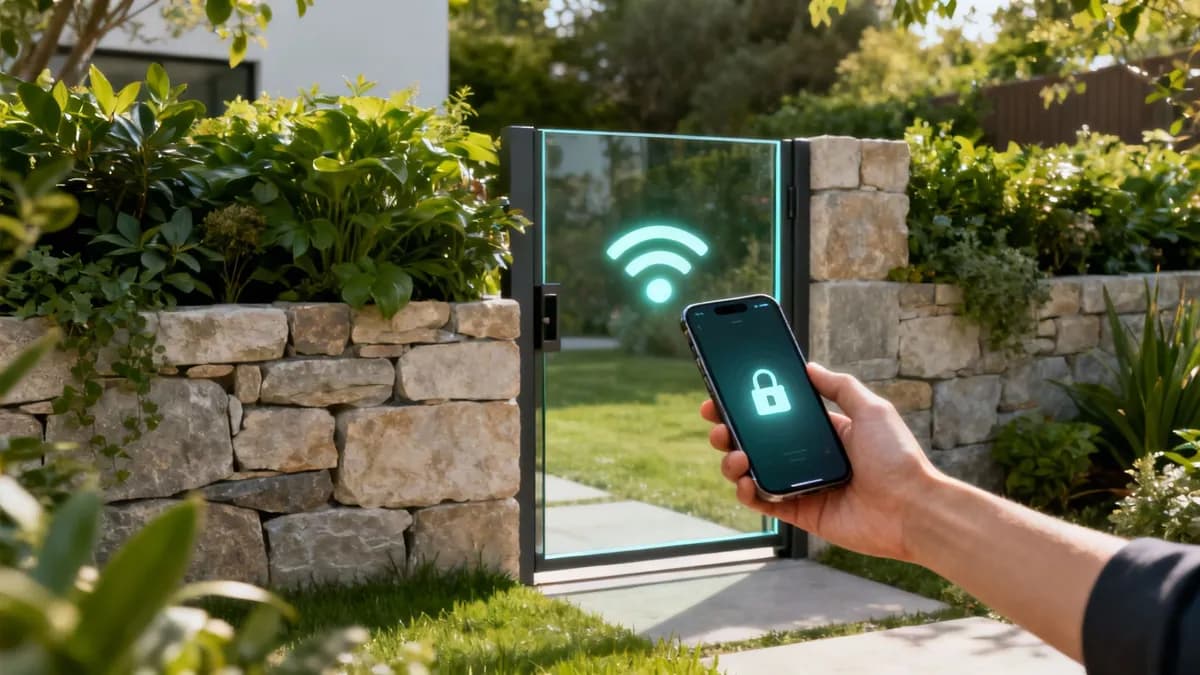
A walled garden login is a restricted network environment that intercepts guest devices attempting to access the internet. Before authentication, the network controller blocks outbound IP traffic and redirects all web browser requests to a dedicated landing page.
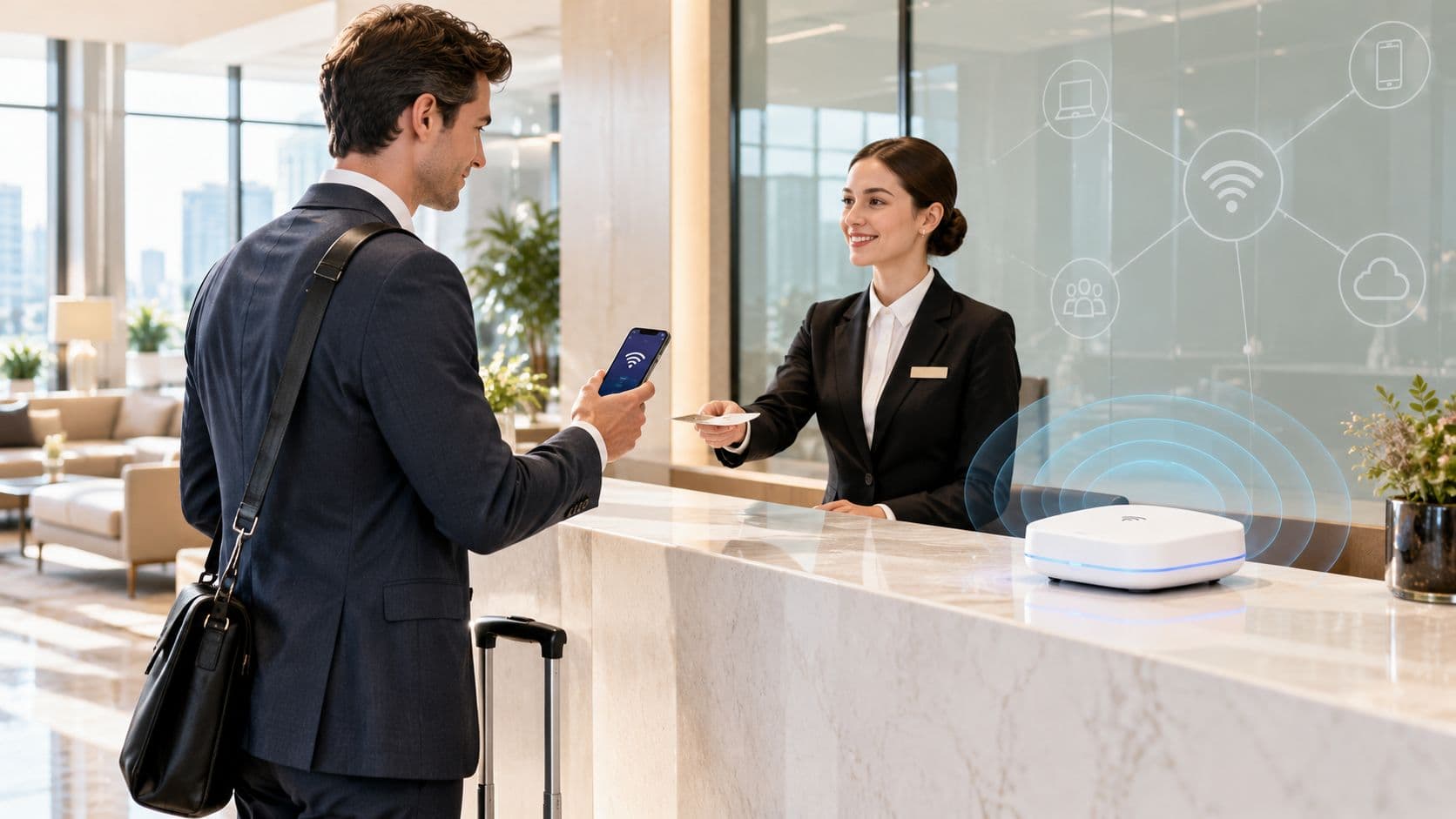
In network architecture, the "walled garden" refers to the specific IP addresses, domain names, and web resources that an unauthenticated user is permitted to reach before completing authentication. For example, a hotel guest WiFi network might allow access to the hotel payment gateway or social authentication endpoints while blocking general internet access.
### Core components of captive portal redirection
1. **DNS redirection:** When an unauthenticated device attempts to resolve an external website URL, the local DNS server redirects the request to the captive portal web server IP.
2. **HTTP/HTTPS interception:** The access point or network gateway intercepts web traffic on ports 80 and 443, returning an HTTP 302 redirect to the login page URL.
3. **Walled garden allow-list (ACL):** A set of Access Control Lists on the gateway that allows traffic to pass to approved external domains (such as OAuth providers or credit card processing servers) before full user authentication.
4. **Session MAC binding:** Once authentication succeeds, the gateway binds the device's MAC address to an active session timer and grants full internet access.
## Walled garden login versus passwordless guest access
Understanding how legacy walled gardens compare with modern
passwordless WiFi standards helps venue operators select the right guest access architecture.
| Feature & Capability | Legacy Walled Garden Portal | Social Auth Captive Portal | Passpoint / OpenRoaming |
| :--- | :--- | :--- | :--- |
| **Authentication Method** | Form filling (Email/Name) | OAuth 2.0 (Google/Facebook) |
WPA3-Enterprise / Hotspot 2.0 |
| **User Connection Friction** | High (Requires manual entry) | Medium (Requires login prompt) | Zero (Automatic background connect) |
| **Airspace Encryption** | Open / Unencrypted (OWE optional) | Open / Unencrypted (OWE optional) | Enterprise WPA2/WPA3 AES Encryption |
| **Returning Visitor Experience** | Requires re-authentication | Cookie-based session auto-pass | Instant automatic handshake |
| **Data Capture Capability** | First-party marketing profile | Social profile metadata | Verified device identity & analytics |
| **Primary Use Cases** | Retail, Restaurants, Events | Hospitality, Venues | Airports, Stadiums, Enterprises |
For detailed guidance on choosing captive portal architectures, review our [
Captive Portal Guide](/captive-portal-guide) and [Guest WiFi Guide](/guest-wifi-guide).
## Hidden costs of traditional captive portal logins
While walled garden logins allow operators to manage network usage, legacy implementations introduce hidden operational costs and security vulnerabilities.
### High login abandonment rates
Complex form fields, mandatory surveys, or slow page redirects cause friction. When visitors encounter cumbersome login screens, many disconnect from venue WiFi and rely on cellular data. This abandonment deprives operators of valuable footfall analytics and marketing opt-ins.
### Security and privacy vulnerabilities
Traditional
captive portals operate on open, unencrypted wireless networks. Unencrypted HTTP login forms expose credentials to local eavesdropping and man-in-the-middle attacks. Furthermore, collecting personal data through unencrypted web forms increases GDPR compliance risks if data is not processed securely.
### Operational drag on venue IT resources
Legacy portal setups frequently trigger support tickets for hotel front desks or IT helpdesks due to browser certificate warnings, MAC address randomization issues on iOS and Android devices, or pop-up blocker conflicts.
## How modern venues eliminate walled garden friction
Forward-thinking venues are moving beyond legacy portal pages to deliver frictionless, secure guest connectivity.
### 1-click passwordless guest access
Modern captive portal platforms like Purple streamline authentication into a single tap. Guests accept terms or verify their profile instantly, reducing connection times to under three seconds while ensuring full privacy compliance.
### Passpoint and OpenRoaming integration
By implementing WiFi Alliance Passpoint (Hotspot 2.0) and OpenRoaming standards, venues allow guest devices to authenticate automatically using secure digital certificates. Once a visitor completes initial onboarding, their device connects seamlessly across participating locations worldwide without ever seeing a login screen again.
### Automated CRM and location analytics
Integrating guest WiFi with enterprise CRM platforms allows venues to sync demographic data, visit frequency, and dwell times automatically into marketing workflows. Explore our [WiFi Marketing Guide](/wifi-marketing-guide) to learn how venue analytics drive guest retention.
## Step-by-step implementation guide for venue IT teams
Transitioning from an outdated walled garden to a modern guest WiFi architecture requires structured network planning.
1. **Audit controller capabilities:** Verify that your Wireless LAN Controllers (WLC) or cloud access points support Passpoint (IEEE 802.11u), RADIUS accounting, and OWE (Opportunistic Wireless Encryption).
2. **Configure walled garden ACLs:** Define precise domain allow-lists for essential external APIs, payment gateways, and content delivery networks (CDNs) required for portal rendering.
3. **Implement isolated guest VLANs:** Route guest traffic through dedicated VLANs with client isolation enabled to prevent peer-to-peer device probing.
4. **Deploy identity-first authentication:** Connect access points to
Cloud RADIUS infrastructure for enterprise-grade 802.1X certificate authentication. Read our [
Enterprise WiFi Security Guide](/enterprise-wifi-security-guide) for architecture blueprints.
5. **Connect marketing integrations:** Link captive portal data collection directly with CRM tools such as HubSpot or Salesforce to automate follow-up communications.
## Frequently asked questions about walled garden logins
### What is a walled garden login?
A walled garden login is a captive portal setup that restricts a user's internet access to a specific landing page or approved set of websites until they authenticate or agree to terms.
### Why is a domain added to a walled garden allow-list?
Domains are added to a walled garden access control list (ACL) so that unauthenticated users can load necessary external assets - such as CSS files, logos, terms of service pages, or OAuth login APIs - before gaining full internet access.
### Are traditional walled garden logins secure?
Legacy walled gardens running on open, unencrypted WiFi networks carry security risks, including unencrypted data transmission and susceptibility to rogue access point spoofing. Modern implementations use Opportunistic Wireless Encryption (OWE) or WPA3-Enterprise to secure the connection.
### How does Passpoint replace traditional captive portals?
Passpoint (Hotspot 2.0) uses enterprise WPA2/WPA3 encryption and digital certificates to authenticate devices automatically in the background, eliminating the need for manual web browser portal logins.
## Transform your venue guest WiFi with Purple
Upgrading your guest access architecture turns basic WiFi into a secure, high-performing engagement channel. Purple provides cloud RADIUS authentication, custom captive portal design, and real-time location analytics for enterprise venues worldwide.
To learn how Purple can enhance your guest WiFi infrastructure, explore our [Captive Portal Solutions](/captive-portal) or [speak with a WiFi specialist](/speak-to-an-expert).