In-venue app download & acquisition savings calculator
Estimate how many verified mobile app downloads your physical venues can generate each month using guest WiFi captive portals, App Clips, and instant onboarding, and what the same installs would cost through paid app-install advertising.
Total visitors entering your venues
22,750 portal logins/mo
Portal visitors who install app
Typical Meta / Google App ad CAC
3,185
Users on site when they install
38,220
No paid media behind these installs
$11,148
Compared to $3.50 paid CAC
$133,776
Equivalent paid media value
Turn store shoppers into registered mobile loyalty members with in-store exclusive perks and instant scan-and-go access.
4.90% of total footfall converted
Ready to turn footfall into mobile app downloads?
Deploy Purple's captive portal app onboarding flow across your Cisco Meraki, HPE Aruba, Ruckus, Juniper Mist, Ubiquiti UniFi, Cambium, Extreme or Fortinet WiFi network.
In-venue app acquisition is the strategy of converting physical visitors inside retail stores, stadiums, airports, hotels, and healthcare venues into registered mobile app users by utilizing on-premise digital touchpoints such as guest WiFi captive portals, QR codes, and Apple App Clips.
Digital marketing teams face mounting headwinds in mobile app acquisition. Paid app install campaigns on ad networks like Meta and Google now average $3.00 to $6.50 per download. Worse, up to 70% of users acquired through digital ad clicks uninstall the application within thirty days because they lacked immediate context or immediate utility.
In contrast, physical venues hold a decisive advantage: captive audience attention. When customers are physically present in your store, stadium concourse, or departure lounge, their intent is at its peak. By integrating mobile app onboarding into your guest WiFi captive portal and on-premise digital journey, you eliminate paid media costs and acquire users with over 2.4x higher long-term retention.
Why in-venue mobile acquisition outperforms paid digital ads
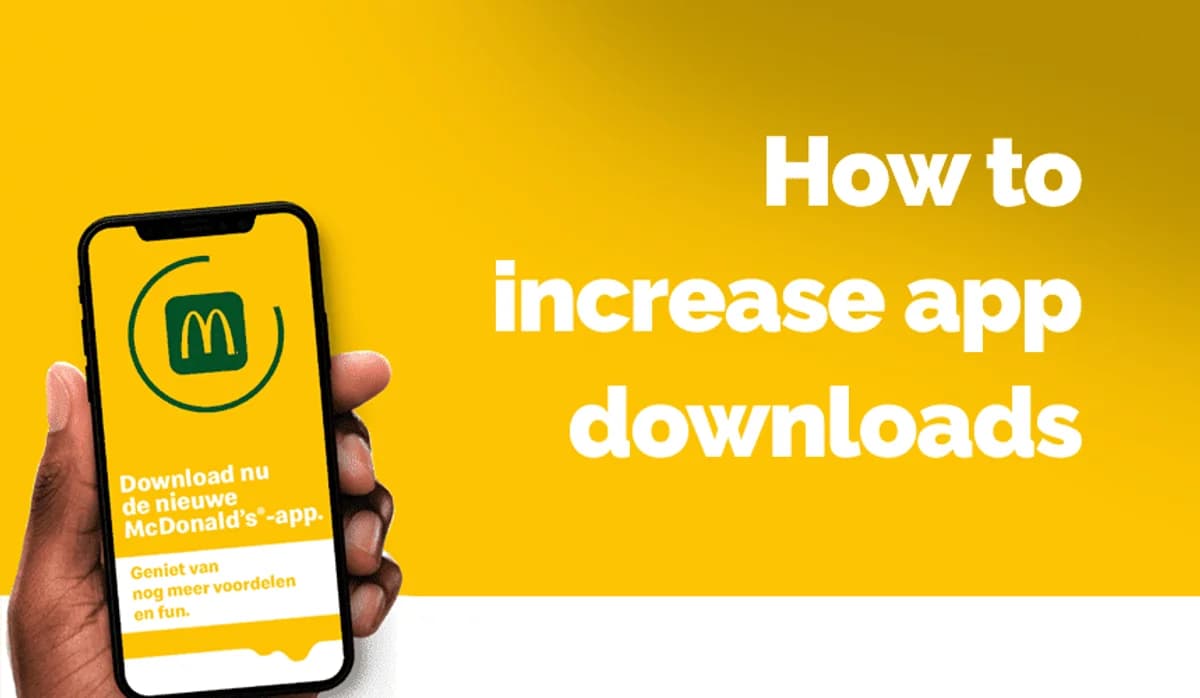
Physical visitors already have an established relationship with your brand. Offering them a native mobile experience while they are standing in your aisle or seated at their gate delivers immediate utility. McDonald's demonstrated this power by doubling its mobile app download rate during an in-venue acquisition campaign, outperforming traditional digital ad channels by focusing directly on customer touchpoints inside restaurants.
| Acquisition Dimension | Paid Ad Networks (Meta / Google) | In-Venue Guest WiFi Onboarding |
|---|---|---|
| Cost per install (CPI) | $2.50 to $5.00+ per install | $0.00 (Existing footfall) |
| Conversion rate from impression | 1.2% to 2.8% CTR to store | 8.0% to 22.0% in-portal install rate |
| User intent & context | Low (Casual browser) | High (Active physical visitor) |
| 90-day active retention | 12% to 18% | 38% to 54% |
| CRM data enrichment | Anonymous device ID | Verified email, name & visit history |
Five proven strategies to drive in-venue app downloads
1. Embed high-converting app CTAs into the guest WiFi splash screen
When visitors connect to your guest WiFi, the captive portal browser is the single most visible digital surface in your building. Rather than presenting a generic login screen, configure a dynamic landing page that highlights an instant, exclusive perk for downloading the app.
Best practices for captive portal app integration include:
- Instant value exchange: Offer $5 off the current retail transaction, a complimentary drink voucher, or fast-track line access upon app verification.
- Single-tap app store redirects: Detect the mobile operating system (iOS or Android) dynamically to route users straight to the App Store or Google Play listing.
- Post-login redirect: After the user authenticates, use the captive portal success landing screen to trigger an app install prompt rather than sending them to a blank search engine page.
2. Deploy Apple App Clips and Google Play Instant Apps
A major barrier to app downloads is installation friction. If a customer is standing in a busy line, downloading a 120MB application over cellular data creates hesitation.
Apple App Clips and Google Play Instant Apps solve this by delivering a lightweight (under 15MB) slice of your app instantly without visiting the App Store. Visitors can tap a captive portal banner or scan an on-premise NFC / QR tag to complete mobile food ordering, pay for parking, or view an indoor terminal map in seconds. Once they experience the value, the App Clip provides a persistent prompt to save the full application.
3. Utilize interactive indoor wayfinding as the core incentive
In complex physical environments such as shopping malls, international airports, healthcare complexes, and university campuses, visitor anxiety centers on navigation. Finding specific boarding gates, outpatient clinics, or retail stores is a universal need.
By positioning your mobile app as the venue's official digital indoor map, you provide immediate, undeniable utility. Through WiFi marketing and location analytics, venues can guide visitors from their current location directly to points of interest with turn-by-turn routing.
4. Automate post-visit SMS and email nurture sequences
Not every visitor will download your mobile app during their initial WiFi login. However, by capturing their verified email or cell phone number during captive portal authentication, you create a direct marketing communication channel.
Set up an automated logic flow that identifies visitors who logged into WiFi but have not yet registered an in-app account:
- 1 hour post-visit: Send a friendly SMS or email with a single-click app download link and a welcome incentive.
- 48 hours post-visit: Highlight exclusive features such as digital loyalty stamps, personalized recommendations, and upcoming event ticket presales.
- 7 days post-visit: Deliver a bounce-back promotional offer valid exclusively inside the native app for their next visit.
5. Gamify on-premise loyalty and exclusive in-seat perks
In entertainment arenas, sports stadiums, and theme parks, mobile applications unlock premium live experiences. Promote app-exclusive features that cannot be accessed through standard mobile websites, such as:
- In-seat food and beverage delivery with express pickup lockers.
- Live instant replay video feeds and multi-camera stadium views.
- Halftime trivia games and interactive venue competitions with merchandise prizes.
Measuring in-venue app acquisition ROI
To accurately track the performance of your in-venue mobile onboarding channels, establish clear conversion funnels across your wireless and marketing stack:
- Portal engagement rate: Total physical footfall vs captive portal login volume (benchmark: 30% to 55%).
- App click-through rate (CTR): Percentage of portal visitors who click the App Store or App Clip CTA (benchmark: 12% to 25%).
- Install completion rate: Percentage of clicks that translate to verified first-time app opens (benchmark: 65% to 80%).
- 90-day customer retention: Repeat venue visits and in-app transactions from users acquired on-premise vs paid digital ads.
Summary: build sustainable app growth on physical foot traffic
Increasing mobile app downloads does not require escalating digital ad spend. By treating your physical venues and guest WiFi networks as an integrated customer acquisition channel, you can turn daily foot traffic into registered, high-retention app users. Explore Purple's WiFi marketing platform and captive portal solutions to turn every visitor connection into long-term brand loyalty.