Passpoint planner
Hotspot 2.0 offload and capacity planner
Estimate how much traffic Passpoint moves off cellular at your venue, the peak load on your APs and RADIUS, and the 802.11u settings to configure.
2Visitors and usage
250,000 visits
30%
Carrier SIM profiles, OpenRoaming and app-installed profiles you accept. Public venues typically start at 15-35%.
2.0 h
150 MB/h
Browsing and messaging sit around 50 MB/h; HD video streaming is 1-3 GB/h.
Your venue, per month
Data moved off cellular
22.5 TB
22,500 GB a month
Passpoint visits
75,000
Connected with no splash page
Busiest hour
Concurrent clients
500
Passpoint devices on air
EAP authentications
6/min
Size RADIUS / RadSec for this
Average throughput
167 Mbps
Across the venue
ANQP queries
1/s
Answered by the APs
Cisco Meraki and Catalyst 9800: Meraki: Hotspot 2.0 settings on the SSID access control page. Catalyst 9800: an ANQP server profile mapped to the WLAN.
How this is worked out
- Passpoint visits = footfall × profile share. Data = visits × dwell × MB per hour (1 GB = 1,000 MB).
- Busiest hour = 10% of daily arrivals (footfall ÷ 30). Concurrent clients = peak Passpoint arrivals × dwell (Little's law), capped at one day's Passpoint arrivals.
- EAP load = one full authentication per arrival plus 50% for roams without 802.11r fast transition. ANQP assumes three APs queried per arrival.
Want a Passpoint plan for your Cisco Meraki and Catalyst 9800 network?
A Purple wireless specialist can check these numbers against your site, confirm Passpoint and OpenRoaming support on your APs and walk through the identity provider set-up.
Talk to a Passpoint specialist
Useful? Link to this tool
## 执行摘要
Hotspot 2.0 (也称为 Passpoint 或 IEEE 802.11u) 是由 WiFi Alliance 开发的公共与企业 WiFi 标准。它使移动设备能够自动发现、验证并连接到安全的 WiFi 网络,无需用户干预或手动进行弹出页面登录。通过利用 WPA2/3-Enterprise 加密和基于 EAP 的身份验证,Hotspot 2.0 将开放式场馆 WiFi 转化为零点击的运营商级网络体验。
## 什么是 Hotspot 2.0 (IEEE 802.11u Passpoint)?
Hotspot 2.0 确立了在蜂窝网络与 WiFi 接入点之间进行无缝漫游的技术框架。基于 IEEE 802.11u 修正案,Hotspot 2.0 允许移动设备在发起连接之前,向可用的接入点查询网络服务、域能力和漫游协议。
与需要手动选择 SSID 和进行网页门户验证的传统开放式访客 WiFi 网络不同,Hotspot 2.0 直接在客户端设备上配置安全的数字配置文件。当用户进入支持的场馆时,其设备会通过企业级 RADIUS 服务器自动进行身份验证。
### Hotspot 2.0 的核心技术支柱
* **接入网络查询协议 (ANQP):** 允许客户端设备在关联之前发现网络能力、运营商漫游合作伙伴以及互联网连接状态。
* **WPA2/3-Enterprise 安全性:** 强制使用 AES 加密代替开放、未加密的 WiFi 网络,从而消除窃听和中间人攻击。
* **EAP-TLS / EAP-TTLS 身份验证:** 利用数字证书或 SIM 卡凭据验证设备身份,无需预共享密钥或密码。
* **蜂窝数据分流:** 允许移动网络运营商 (MNO) 将数据流量从拥挤的 LTE/5G 基站分流到高速场馆 WiFi。
## Hotspot 2.0 与传统公共 WiFi 网络的对比
从无加密的传统热点过渡到 Hotspot 2.0,不仅消除了登录摩擦,同时极大地增强了整个场馆区域的安全防御能力。
| 功能与能力 | 传统开放式公共 WiFi | Hotspot 2.0 (Passpoint) 网络 |
| :--- | :--- | :--- |
| **身份验证方式** | 手动网页 Captive Portal 登录 | 自动后台 802.1X 握手 |
| **空中加密** | 无 (未加密开放式 / OWE 可选) | WPA2-Enterprise / WPA3-Enterprise (AES) |
| **用户体验** | 繁琐 (重定向、表单、重新登录) | 零点击 (即时自动连接) |
| **再次访问连接** | 需要门户网站重新验证 | 跨位置无缝自动漫游 |
| **蜂窝分流支持** | 不支持 | 原生基于 SIM 卡的 EAP-SIM / EAP-AKA 分流 |
| **流氓 AP 防范** | 易受邪恶双胞胎 AP 攻击 | 通过双向证书验证进行保护 |
## Hotspot 2.0 为企业场馆带来的核心优势
### 1. 无摩擦的访客体验
访客不再需要寻找网络名称、向员工询问密码,或填写重复的网页表单。设备在进入场所时会自动连接,提供即时互联网连接。
### 2. 企业级无线安全
公共开放 WiFi 网络会使客户端流量面临数据包嗅探和会话劫持的风险。Hotspot 2.0 使用 WPA2/3-Enterprise 协议为每个连接会话强制执行独立的加密密钥,即使在公共网络上也能保障用户数据安全。
### 3. 跨场所地产的多站点漫游
对于连锁企业、零售商场、酒店集团和交通枢纽,单个 Hotspot 2.0 配置文件可让设备在数百个物理位置之间漫游,无需重新验证。
### 4. 针对电信运营商的基于 SIM 卡的蜂窝数据分流
移动运营商部署 Passpoint 配置文件,旨在将体育场馆、机场和购物中心等高密度场所内饱和的蜂窝基站数据流量分流出去。场所可以与运营商合作,将基础设施变现并改善室内覆盖。
## Hotspot 2.0 技术架构:IEEE 802.11u 和 ANQP
Hotspot 2.0 的技术基础依赖于关联前发现。标准 WiFi 要求设备在发现网络服务之前与 AP 建立关联。Hotspot 2.0 使用接入网络查询协议 (ANQP) 帧在设备仍处于探测状态时交换能力信息。
### ANQP 信息元素交换
* **域名:** 识别网络运营商和领域信息。
* **漫游联盟唯一标识符 (OI):** 匹配运营商漫游协议,以验证用户的订阅是否允许免费访问。
* **NAI 领域列表:** 指定支持的身份验证方法(例如 EAP-TLS、EAP-TTLS、EAP-SIM)。
* **IP 地址类型可用性:** 确认连接时分配的是 IPv4 还是 IPv6 地址。
## 如何部署 Hotspot 2.0 和 Passpoint 网络
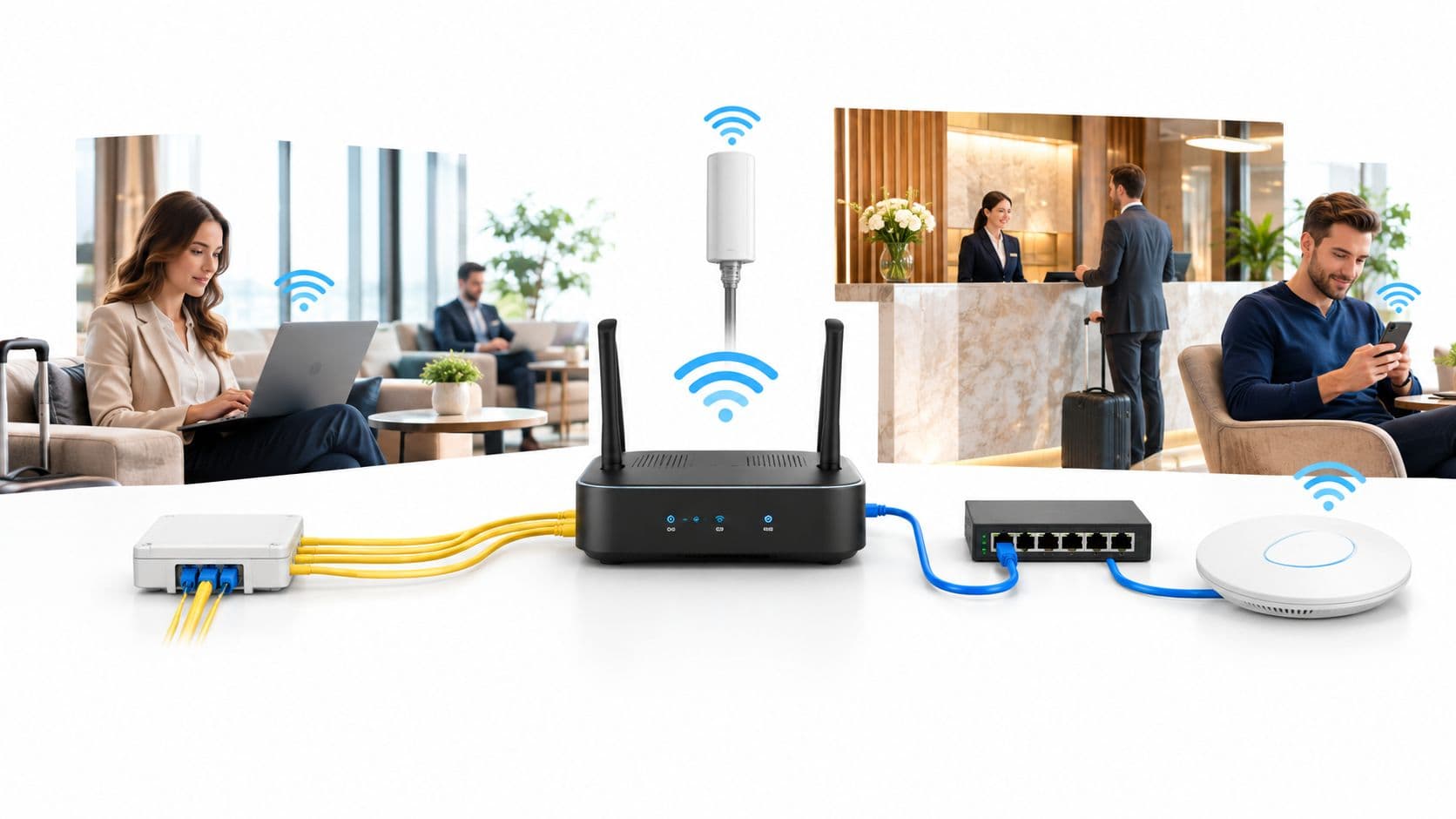
在企业级接入点资产中部署 Hotspot 2.0 需要兼容的无线基础设施和云 RADIUS 身份验证服务。
### 1. 验证硬件和固件兼容性
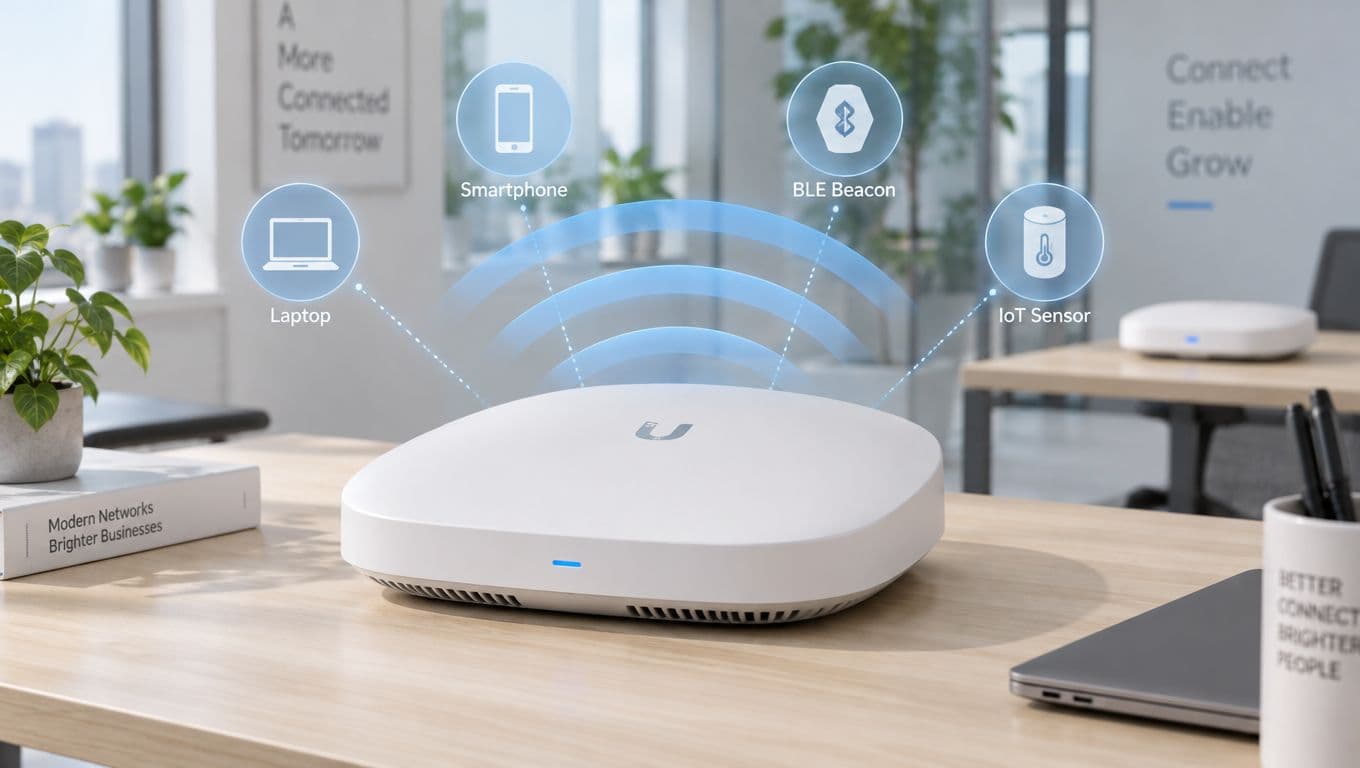
确保您的无线接入点和 WLAN 控制器支持 Hotspot 2.0 Release 2 或 Release 3。包括 Cisco Meraki、HPE Aruba、Ruckus 无线、Juniper Mist、Ubiquiti UniFi 和 Fortinet 在内的领先企业级 AP 厂商均提供原生 Passpoint 配置模块。
### 2. 配置 RADIUS 身份和 EAP 服务器
Hotspot 2.0 需要 802.1X RADIUS 服务器来验证设备证书或身份令牌。像 Purple 这样的云原生平台可以直接与现有的身份提供商(Entra ID、Okta、Google Workspace)以及 RADIUS 集群集成,无需本地服务器硬件。
### 3. 发布 OSU (在线签约) 和 Passpoint 配置文件
在线签约(OSU)服务器允许新用户通过 Web 门户、二维码或移动应用程序下载安全的 Passpoint WiFi 配置。安装后,该配置将保持激活状态,以便将来自动连接。
## 检查设备的 Hotspot 2.0 兼容性
现代移动操作系统提供了内置的 Passpoint 支持:
* **iOS 和 iPadOS:**自 iOS 7 以来,Apple 设备已原生支持 Hotspot 2.0。可以通过 MDM 或 Web 下载部署 Passpoint 配置。
* **Android:**运行 Android 6.0+ 的 Android 设备在高级 WiFi 首选项下包含原生 Passpoint (HS2.0) 设置。
* **Windows 和 macOS:**Windows 10/11 和 macOS Monterey+ 支持 802.11u 关联前发现和企业配置管理。
## 关于 Hotspot 2.0 的常见问题
### Hotspot 2.0 与 Passpoint 有什么区别?
Hotspot 2.0 是 WiFi 联盟基于 IEEE 802.11u 开发的底层技术标准。Passpoint 是 WiFi 联盟管理的官方品牌和认证计划,用于验证跨厂商的硬件互操作性。
### Hotspot 2.0 比开放式访客 WiFi 更安全吗?
是的。传统开放式访客 WiFi 在空中传输未加密的数据。Hotspot 2.0 强制执行 WPA2/WPA3 企业级加密,为每个设备生成唯一的加密密钥以防止窃听。
### Hotspot 2.0 需要更换硬件吗?
在大多数情况下,不需要。来自 Cisco、Aruba、Ruckus、Mist 和 UniFi 的企业级接入点通过标准固件更新即可支持 Hotspot 2.0。像 Purple 这样的云管理平台可以在现有硬件上管理 Passpoint RADIUS 配置。
## 利用 Purple 加快 Hotspot 2.0 部署
Purple 提供了一个云原生访客 WiFi 和 Passpoint 平台,用零点击、身份驱动的 802.1X 认证取代了繁琐的欢迎页面。Purple 与所有主要企业级 WLC 和接入点厂商兼容,使场所能够部署 Passpoint、安全访客接入以及位置分析。