Technical WiFi guides
Deep, expert-led technical guides on guest WiFi, analytics, captive portals, and venue technology.
Ready to move from research to rollout? See how Purple's captive portal software handles branded guest sign-in, analytics, and compliance in one platform.
431 guides

WPA2 Personal vs Enterprise: what is the difference and which should you use?
This technical reference guide provides a comprehensive comparison of WPA2 Personal and WPA2 Enterprise security protocols within enterprise WiFi environments. It outlines the architectural differences, deployment methodologies, and security implications of each standard to help network architects and IT leaders make informed deployment decisions.

Mikrotik RouterOS and guest WiFi: captive portal setup with Purple
How Purple's cloud guest WiFi sits on top of MikroTik devices running RouterOS, using the built-in Hotspot and RADIUS, and where to find the exact setup steps.
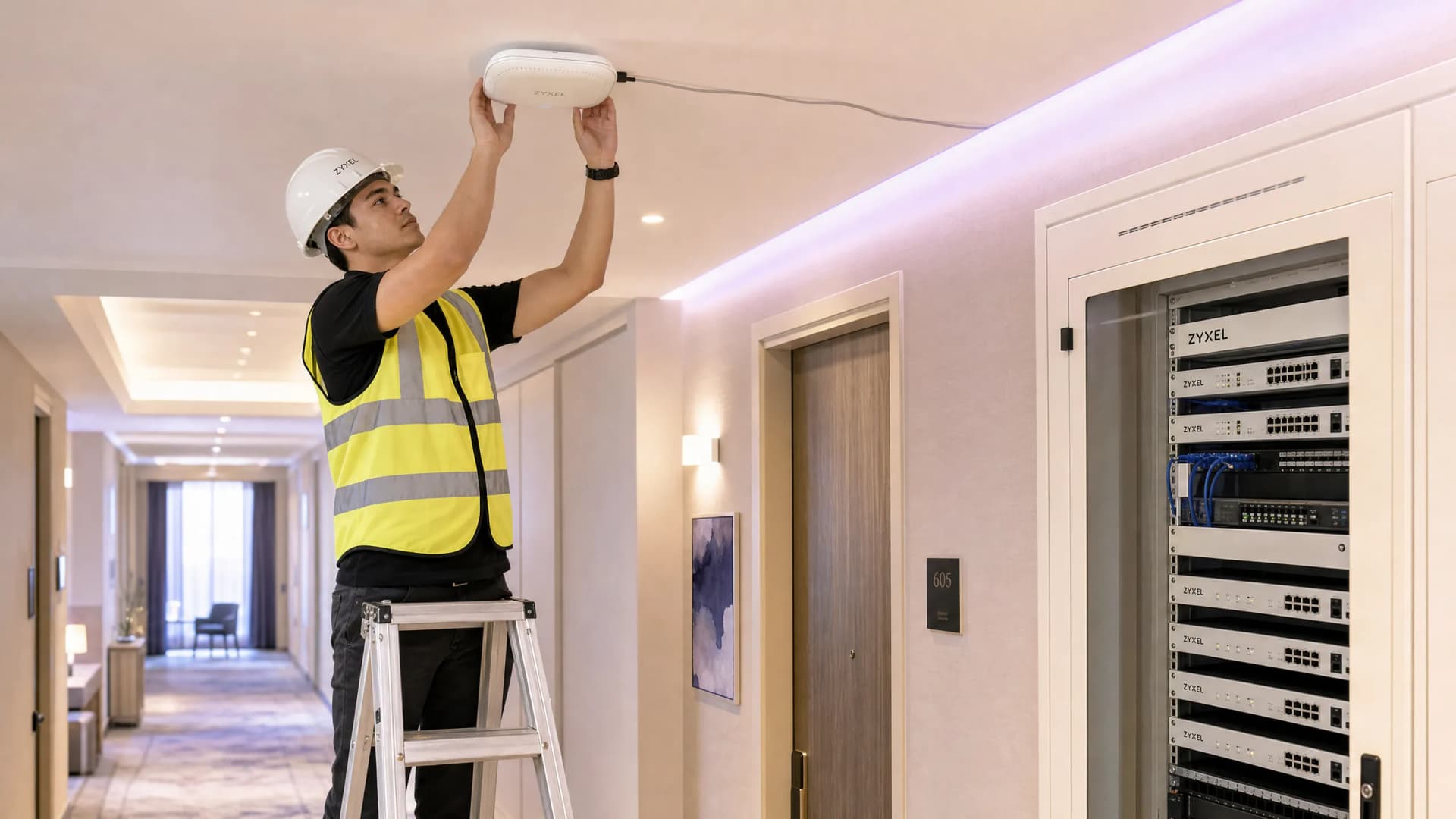
Zyxel Nebula and guest WiFi: captive portal setup with Purple
How Zyxel Nebula Cloud access points work with Purple guest WiFi: an external captive portal, RADIUS and a walled garden, with a link to Purple's step-by-step setup guide for the exact configuration.
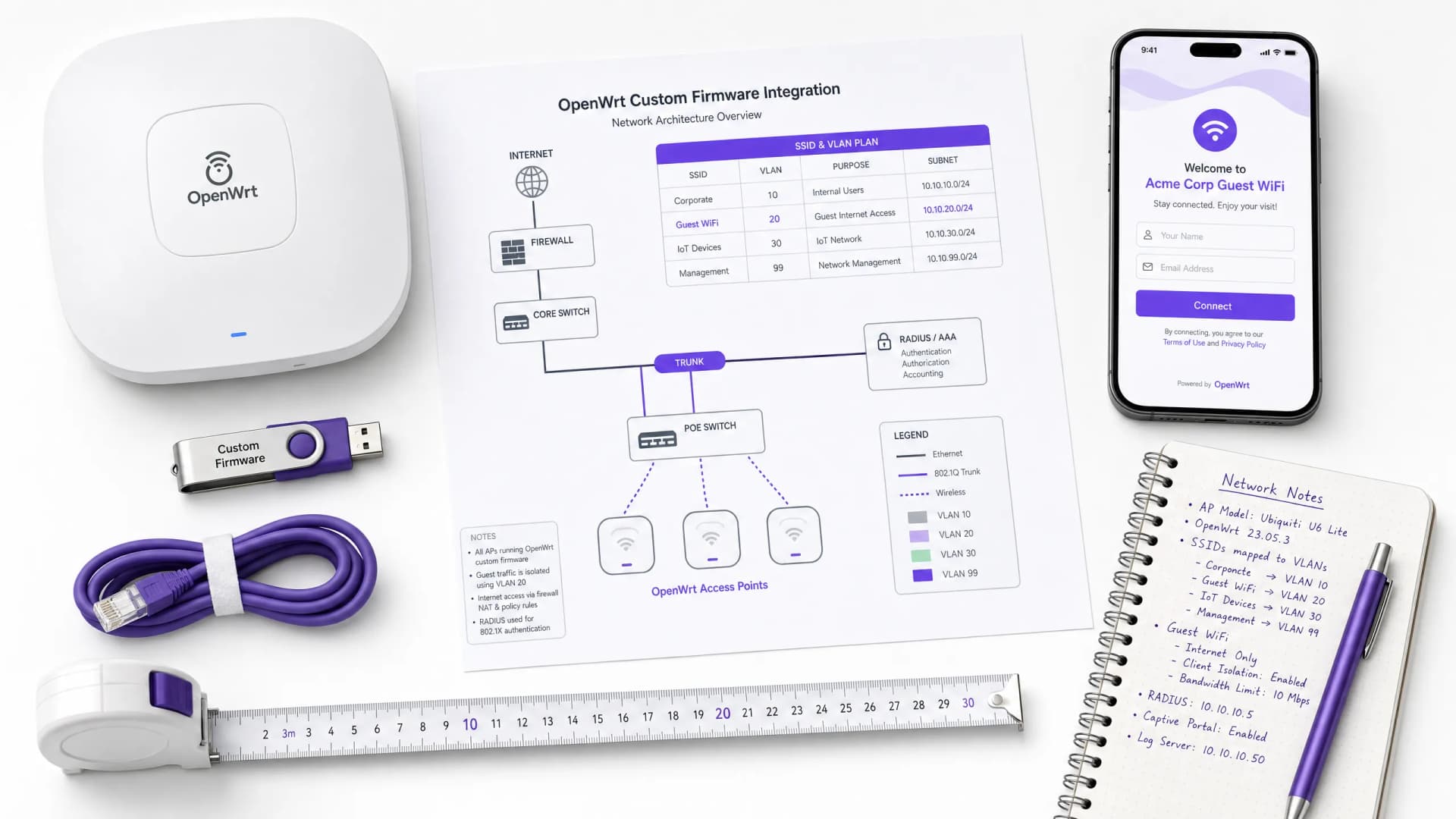
OpenWrt and guest WiFi: captive portal setup with Purple
How Purple's cloud guest WiFi works with OpenWrt devices through a standard external captive portal and RADIUS, and where to check support and find the steps.
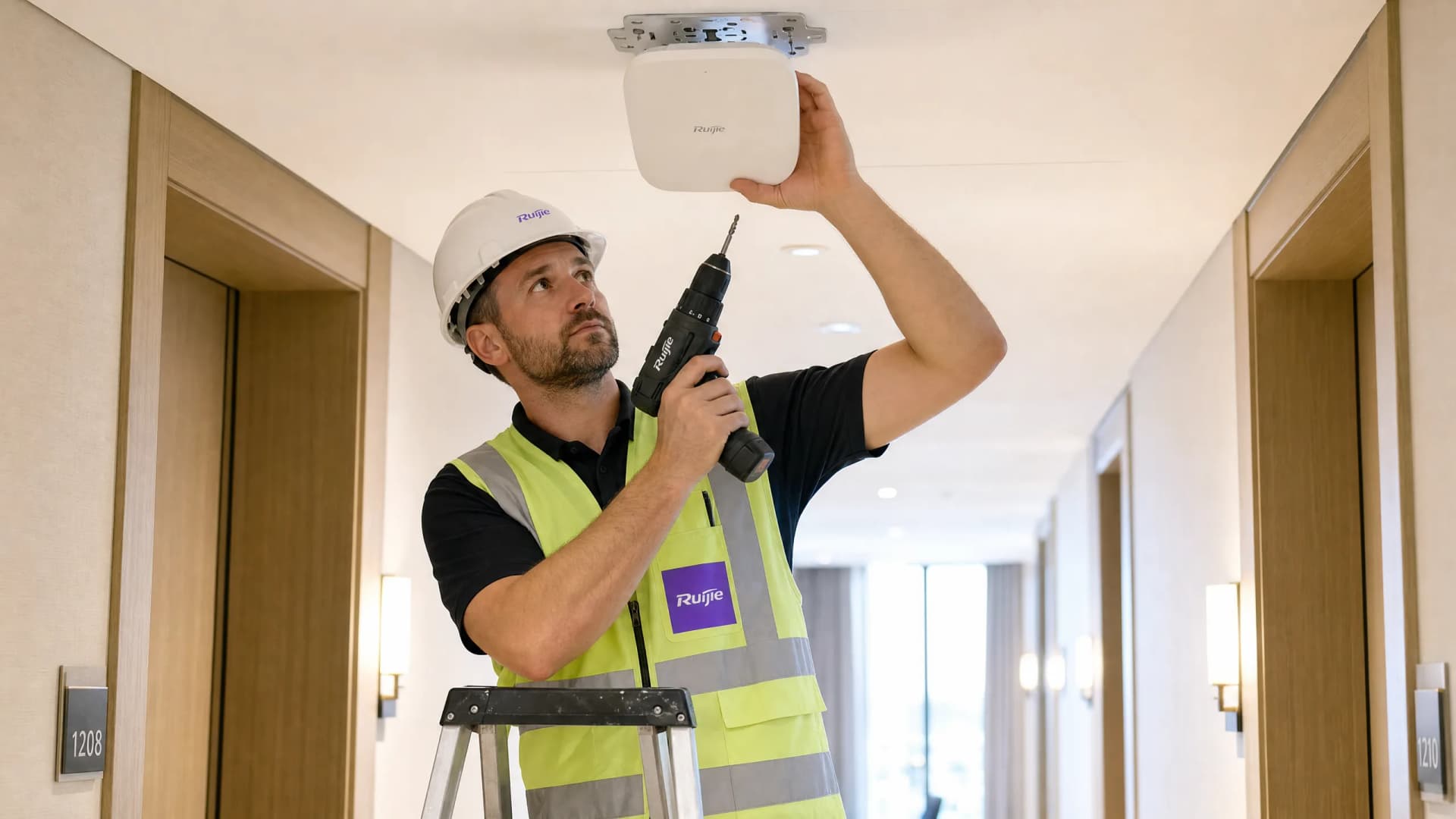
Captive portal for Ruijie: set it up with Purple guest WiFi
How Purple's cloud guest WiFi sits on top of Ruijie RG Series access points using web authentication and RADIUS, configured from the command line, and where to find the exact setup steps.

Ubiquiti UniFi and guest WiFi: captive portal setup with Purple
How Ubiquiti UniFi Network works with Purple guest WiFi: an external portal server, controller authorisation and a walled garden, with a link to Purple's step-by-step setup guide for the exact configuration.
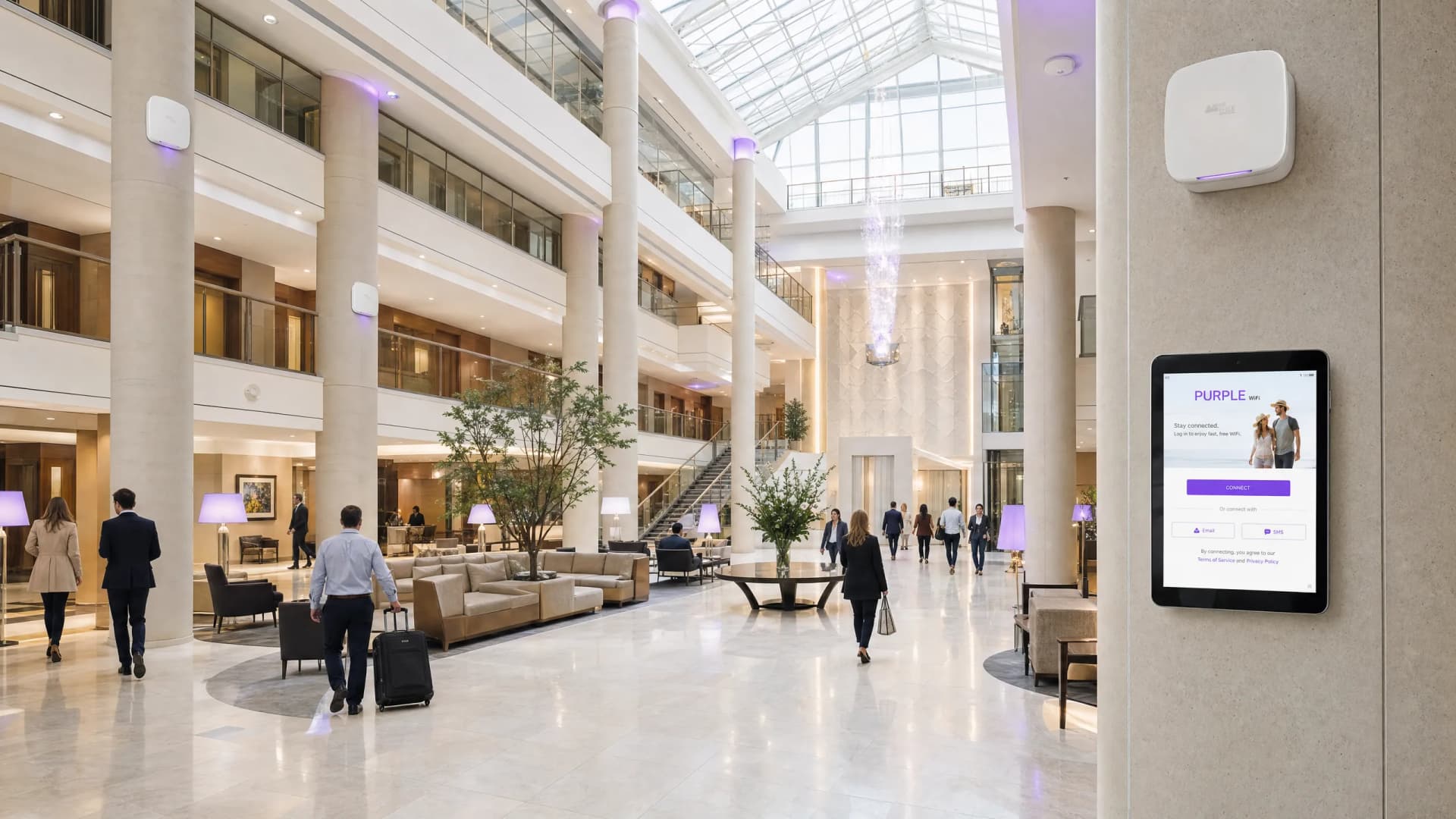
Allied Telesis TQ Series AP and guest WiFi: captive portal setup with Purple
How Allied Telesis TQ Series access points work with Purple guest WiFi: an external page redirect, RADIUS and a walled garden, with a link to Purple's step-by-step setup guide for the exact configuration.
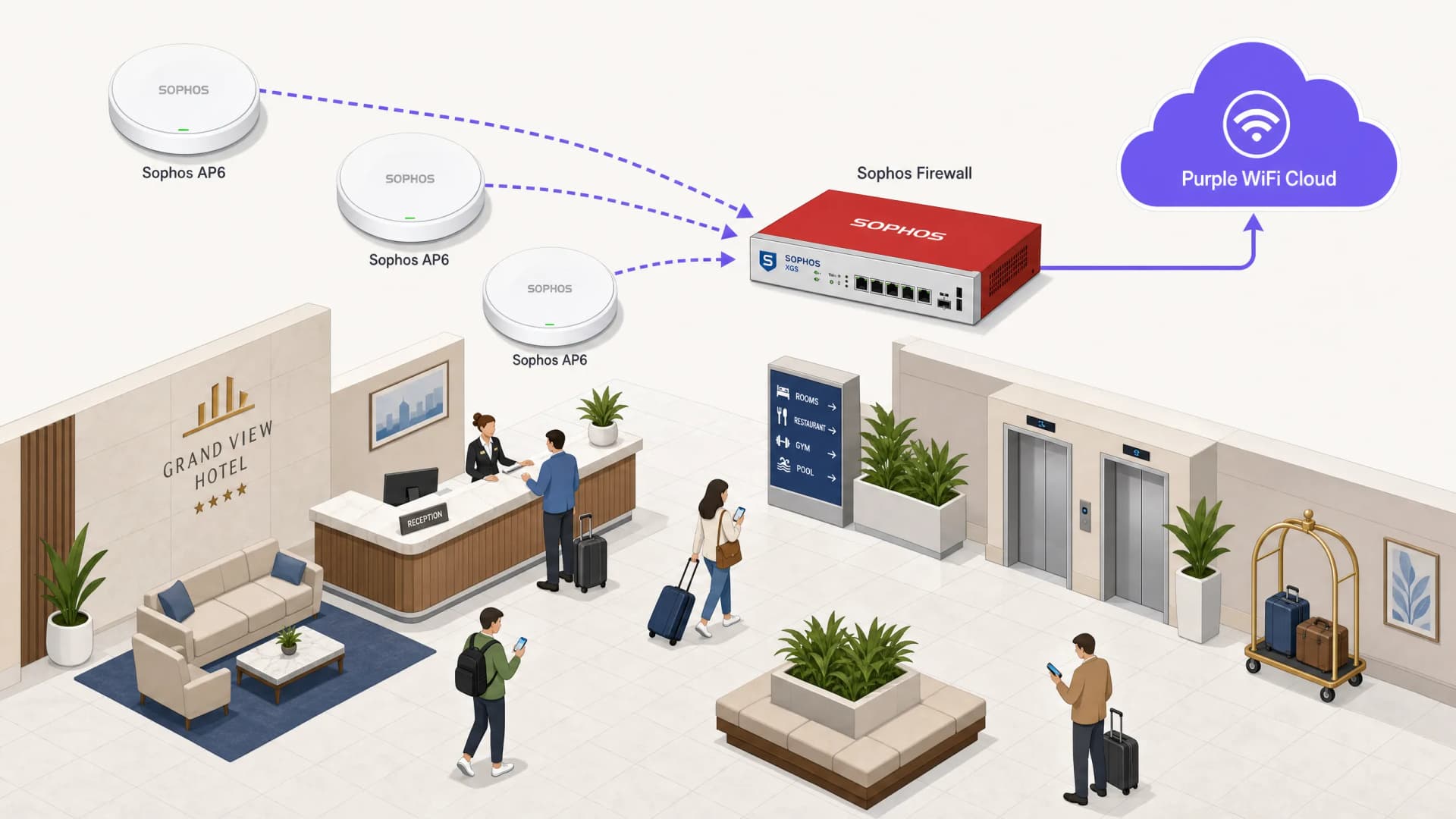
Sophos Firewall and guest WiFi: captive portal setup with Purple
How Purple's cloud guest WiFi works with Sophos Firewall and its access points through a standard external captive portal and RADIUS, and where to check support and find the steps.
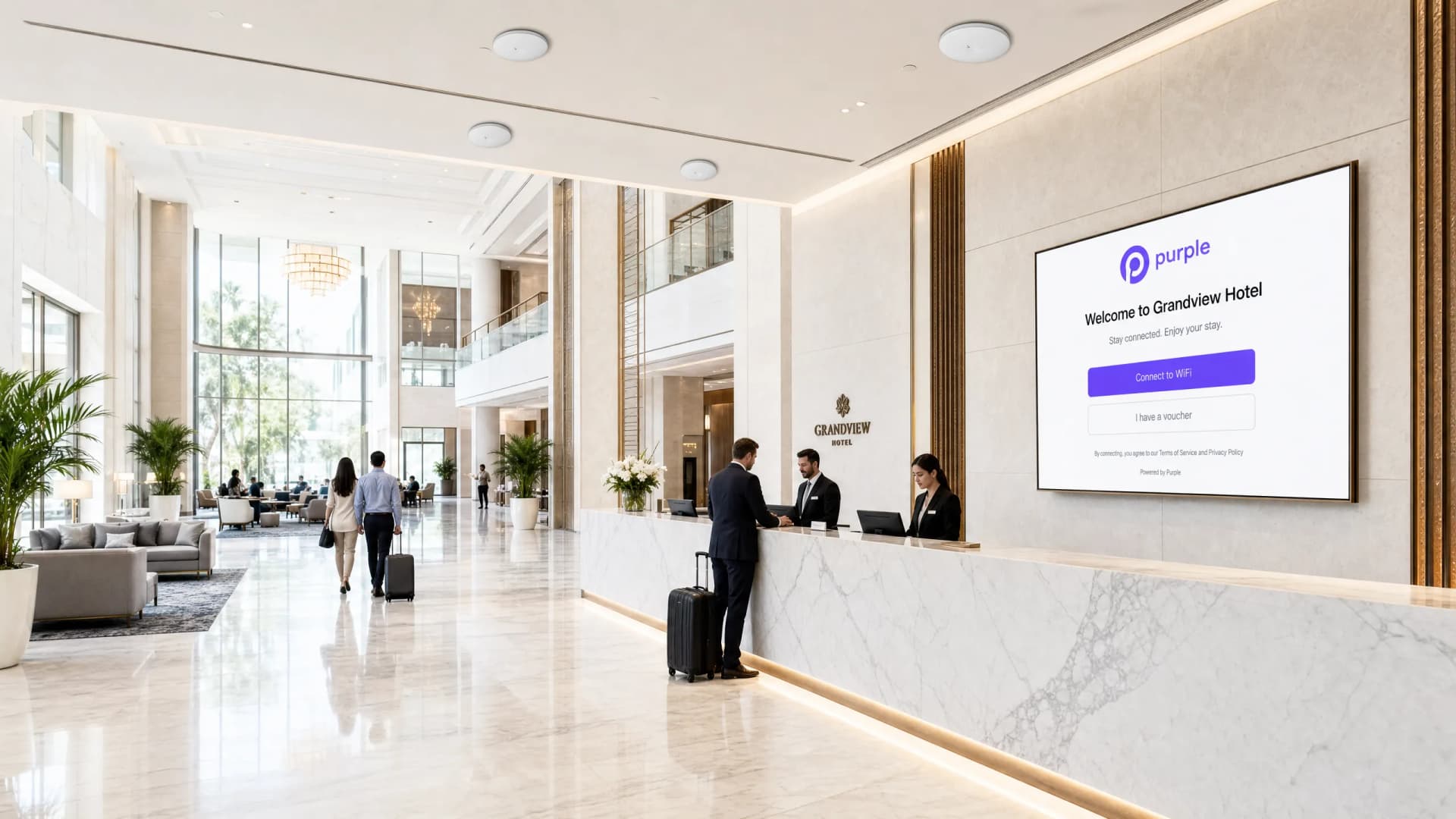
NETGEAR Enterprise AP and guest WiFi: captive portal setup with Purple
How NETGEAR Enterprise access points, managed through NETGEAR Insight, work with Purple guest WiFi: external web authentication, RADIUS and a walled garden, with a link to Purple's setup guide for the exact configuration.
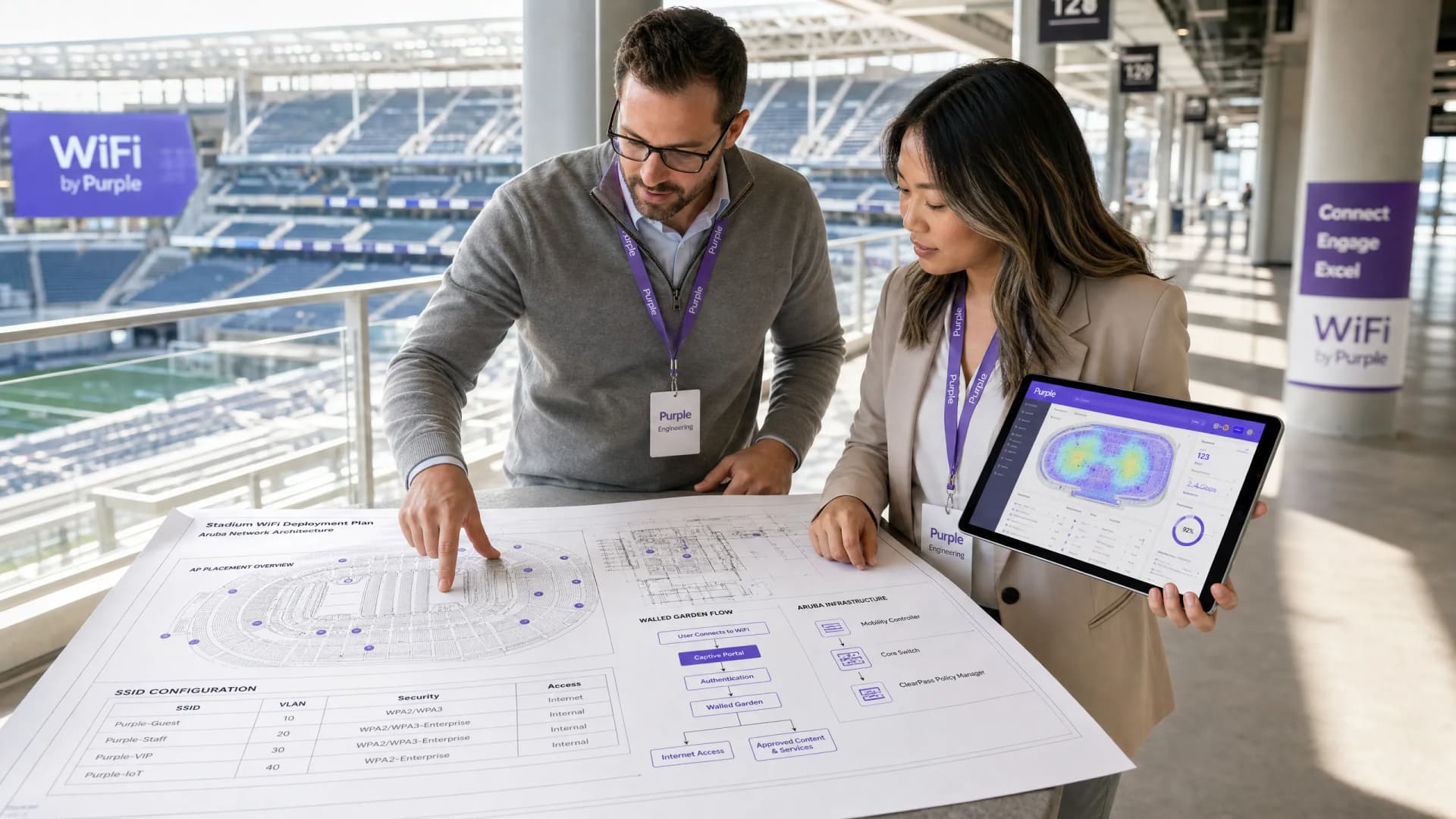
Captive portal for HPE Aruba: set it up with Purple guest WiFi
Setting up a guest captive portal on HPE Aruba Instant access points with Purple, using an external captive portal, RADIUS and an allowlist, through Aruba Central or the Virtual Controller.
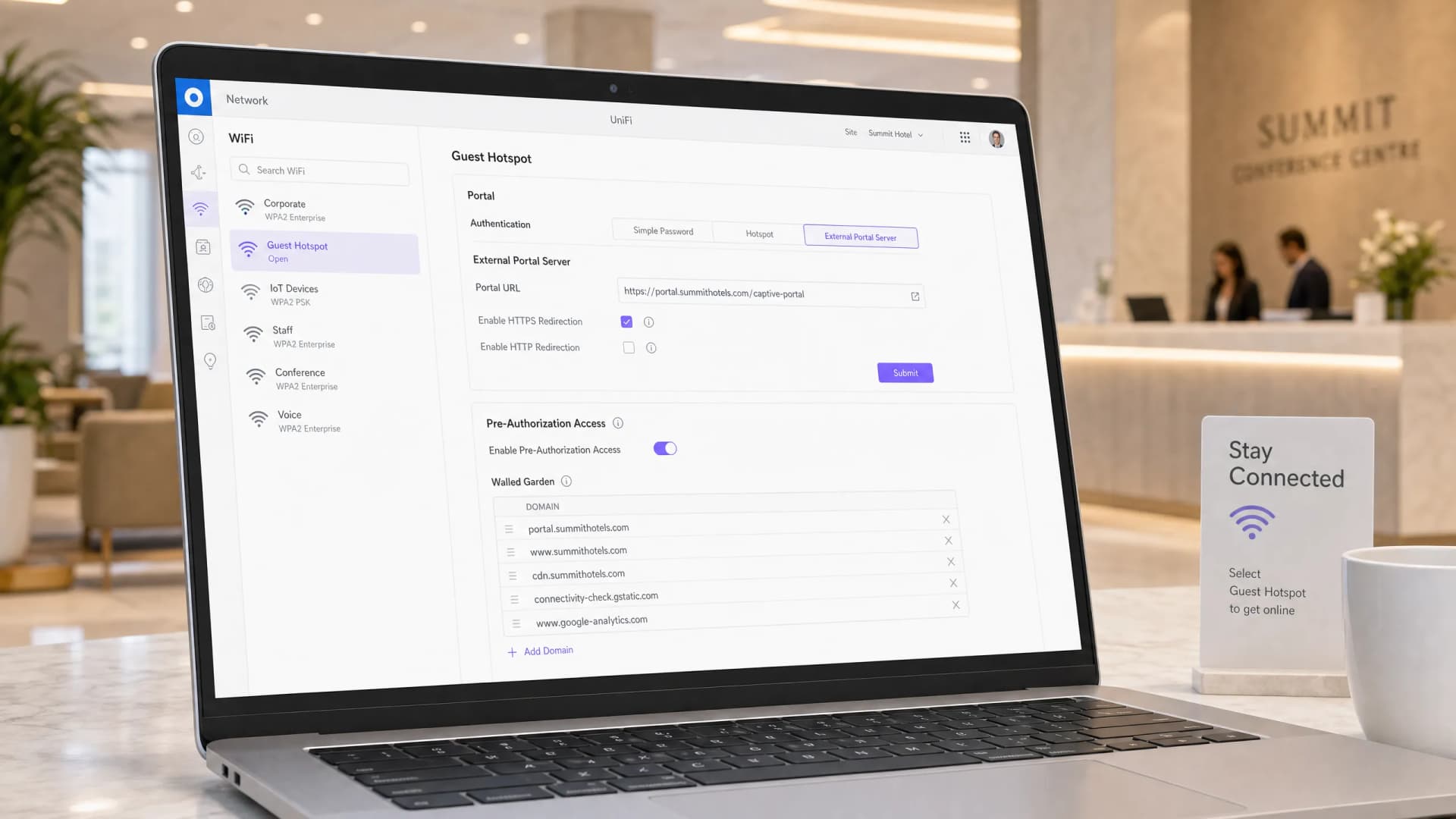
Captive portal for Ubiquiti UniFi: set it up with Purple guest WiFi
How to add a Purple captive portal to Ubiquiti UniFi: an external portal server, controller authorization and a walled garden, with a link to Purple's step-by-step setup guide for the exact configuration.
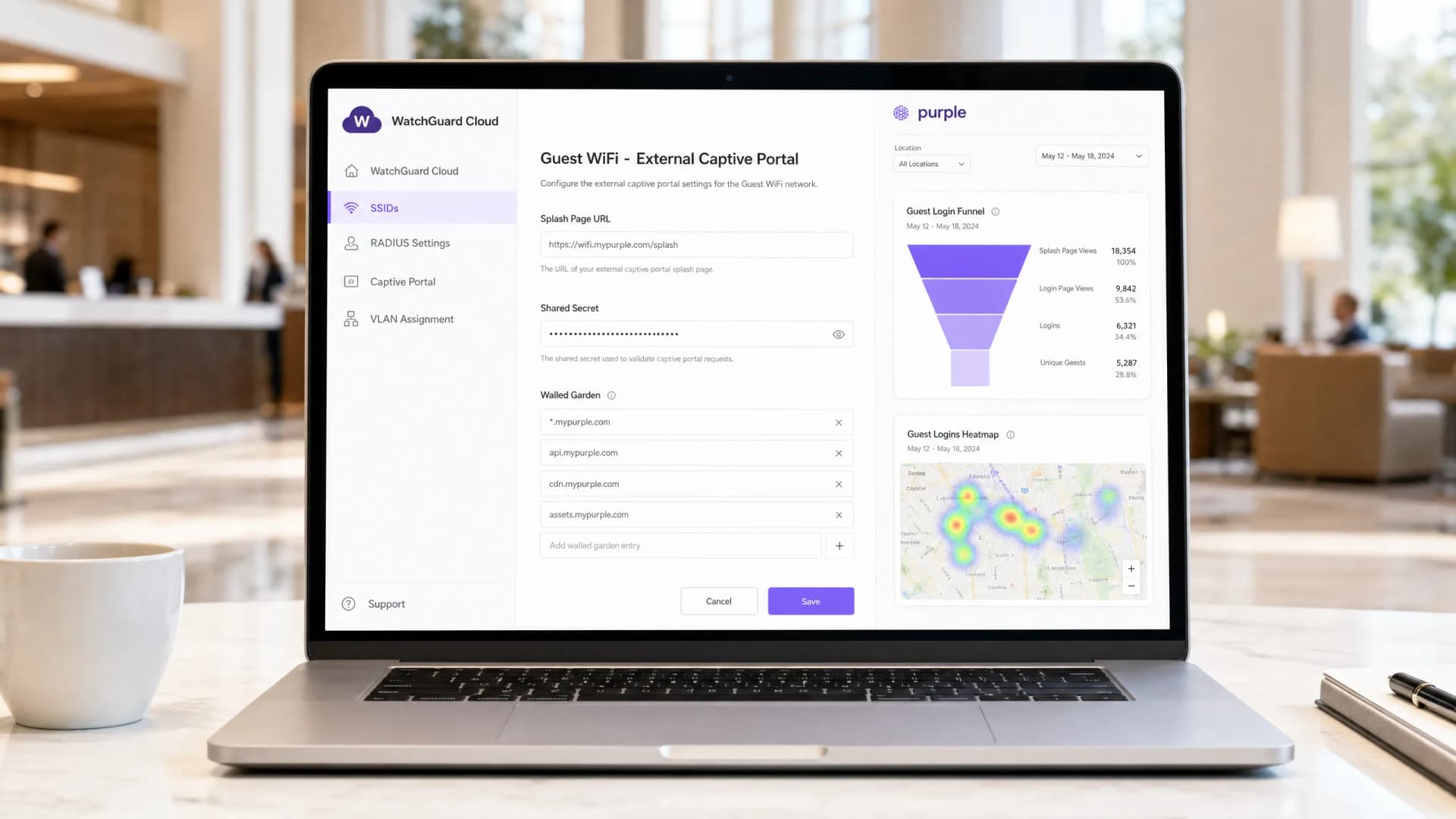
WatchGuard WiFi Cloud AP and guest WiFi: captive portal setup with Purple
How WatchGuard WiFi Cloud access points, managed from WatchGuard Cloud, work with Purple guest WiFi: an external splash page with RADIUS authentication and a walled garden, with a link to Purple's step-by-step setup guide for the exact configuration.

Cisco Meraki and guest WiFi: captive portal setup with Purple
How Cisco Meraki access points and MX and Z-series appliances work with Purple guest WiFi: external web authentication, RADIUS and a walled garden, with a link to Purple's step-by-step setup guide for the exact configuration.
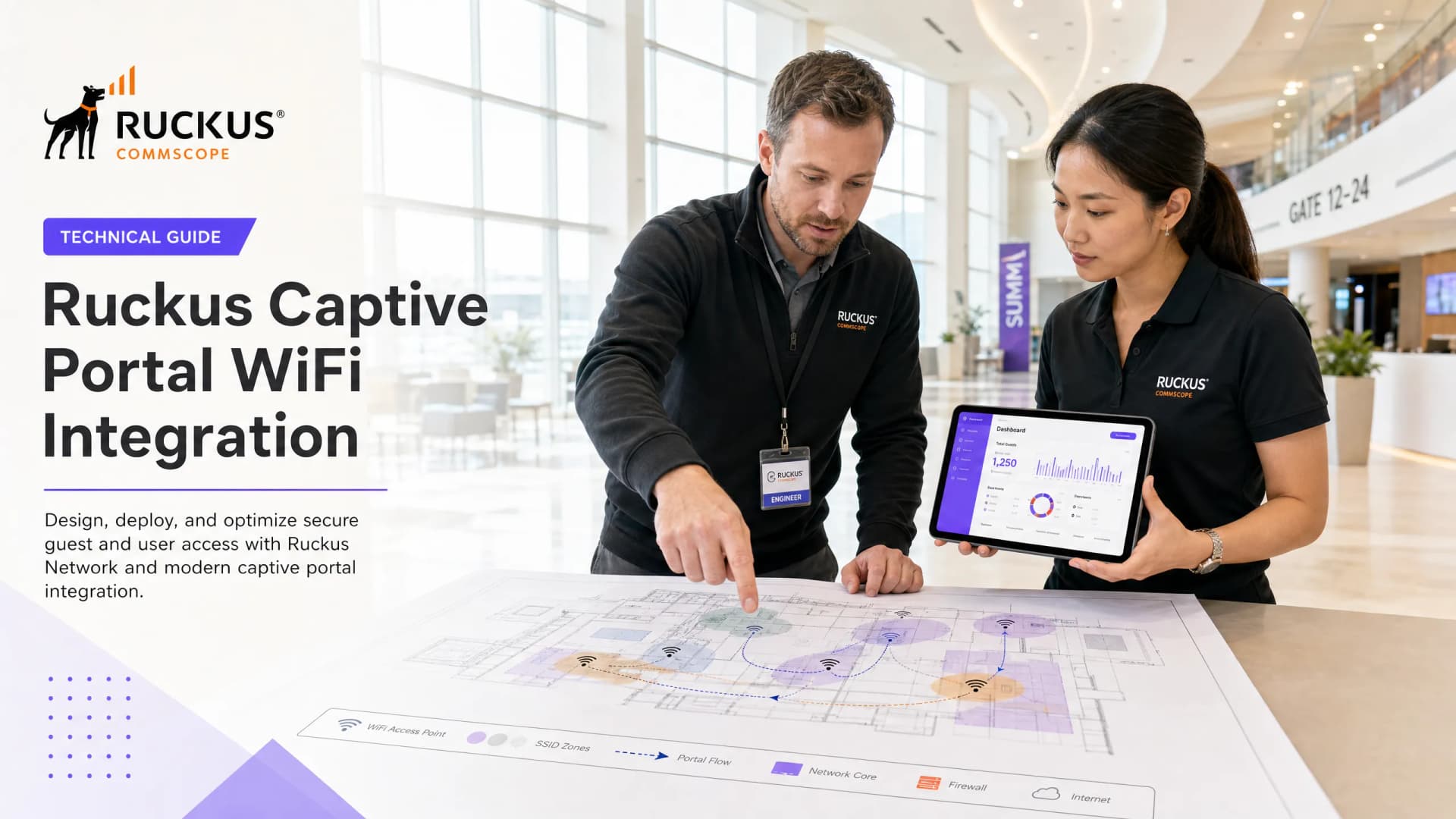
Captive portal for Ruckus Cloud: set it up with Purple guest WiFi
How to run a Purple captive portal on Ruckus Cloud (Ruckus One): a third-party WISPr captive portal, an integration key and a walled garden, with a link to Purple's step-by-step setup guide for the exact configuration.

Captive portal for Cisco Meraki: set it up with Purple guest WiFi
How to run a Purple captive portal on Cisco Meraki: external web authentication, RADIUS and a walled garden, with a link to Purple's step-by-step setup guide for the exact configuration.
Cambium cnPilot and guest WiFi: captive portal setup with Purple
How Cambium cnPilot Enterprise access points work with Purple guest WiFi using an external captive portal, RADIUS and a white list, without replacing your kit.

Alcatel-Lucent OmniAccess Stellar and guest WiFi: captive portal setup with Purple
How Alcatel-Lucent OmniAccess Stellar access points, managed from OmniVista Cirrus, work with Purple guest WiFi: an external captive portal, RADIUS and a walled garden, with a link to Purple's step-by-step setup guide for the exact configuration.
Huawei iMaster NCE (CloudCampus) and guest WiFi: captive portal setup with Purple
How Purple's cloud guest WiFi sits on top of Huawei AirEngine access points managed in iMaster NCE, using portal authentication and RADIUS relay, and where to find the exact setup steps.

Juniper Mist and guest WiFi: captive portal setup with Purple
How Juniper Mist access points work with Purple guest WiFi using an external portal and the Mist API secret, including what differs because Mist does not use RADIUS for the captive portal.
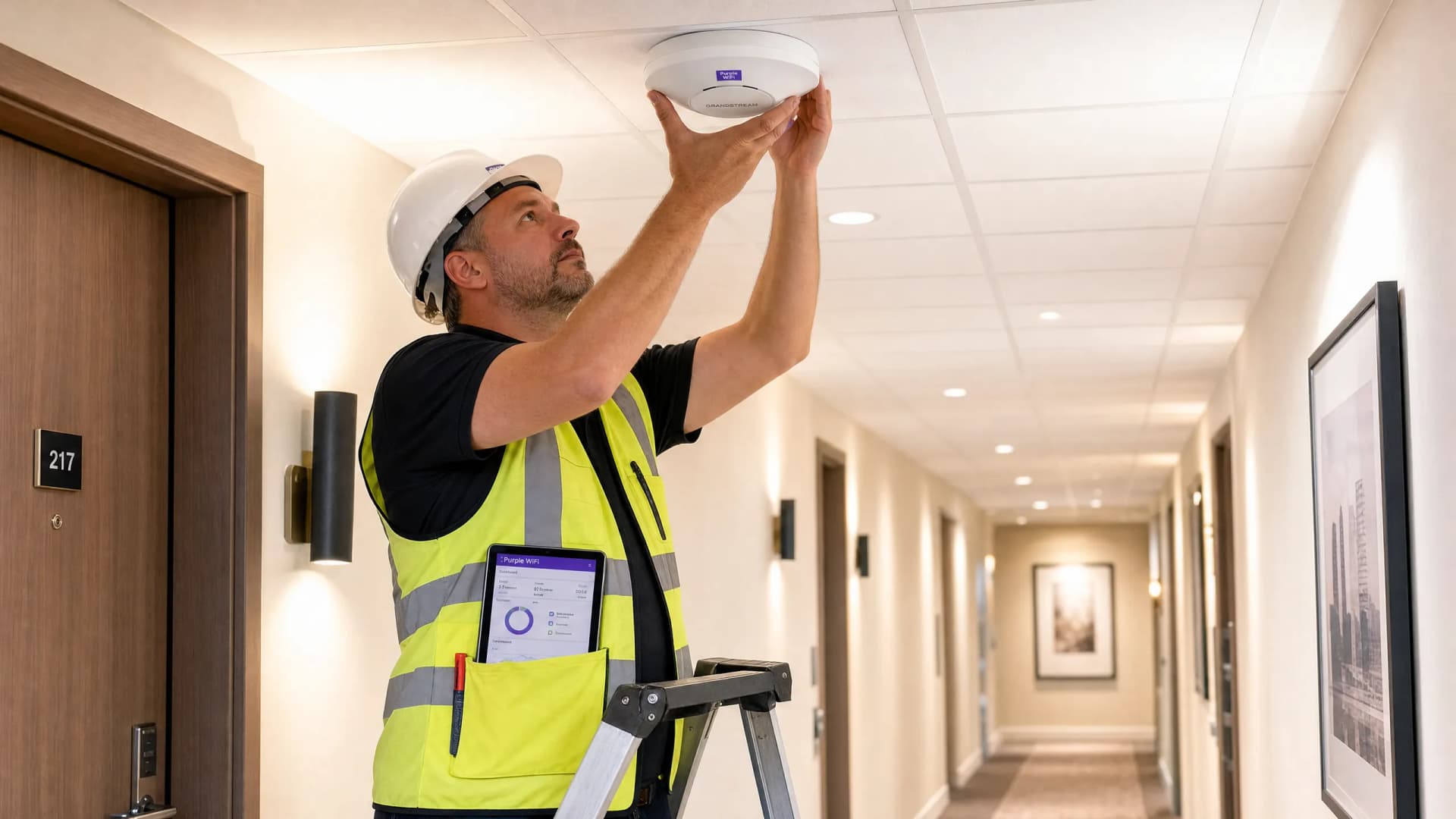
Grandstream GWN and guest WiFi: captive portal setup with Purple
How Grandstream GWN access points work with Purple guest WiFi: an external splash page, RADIUS and a walled garden, with a link to Purple's step-by-step setup guide for the exact configuration.
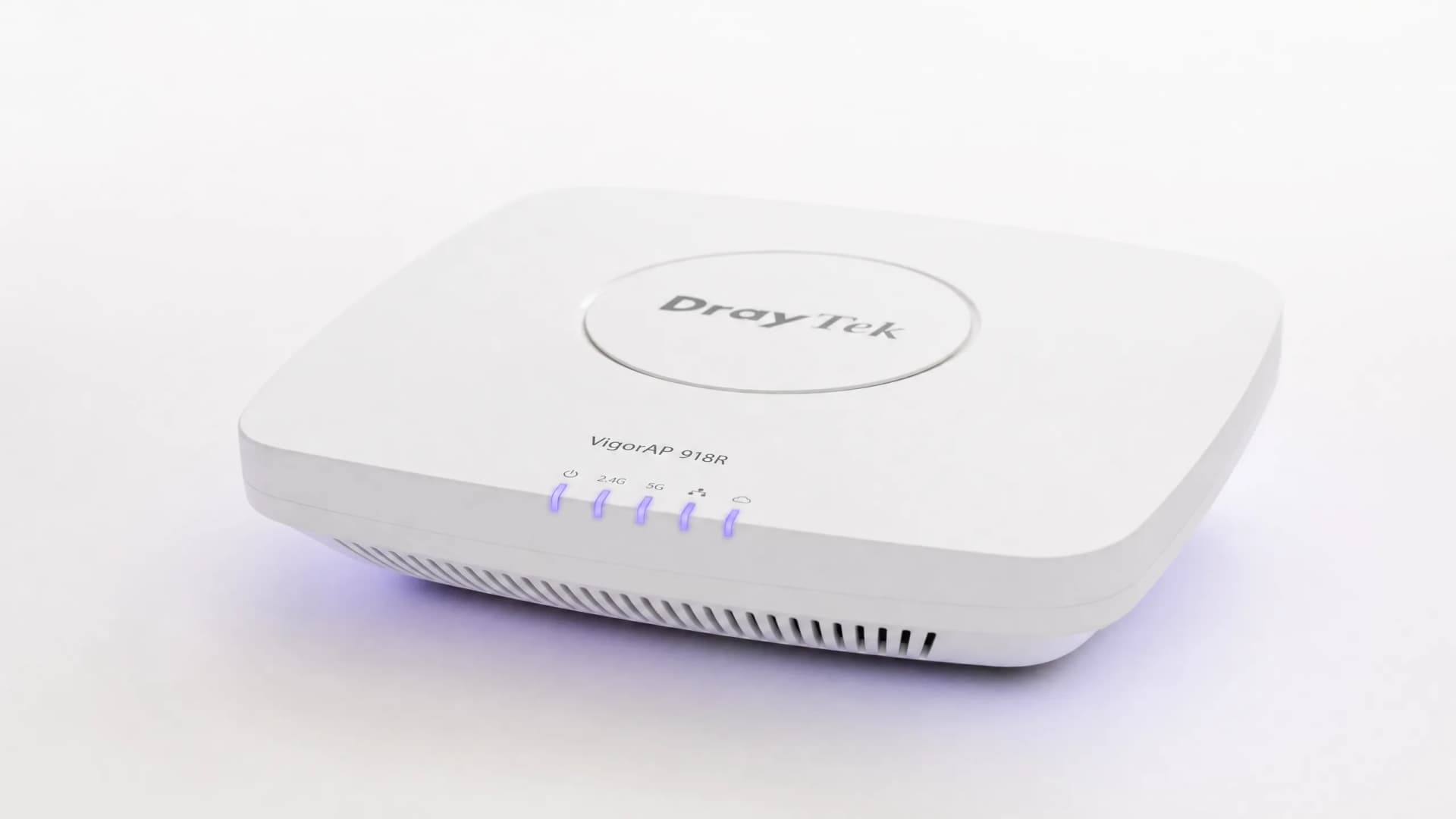
DrayTek Vigor and guest WiFi: captive portal setup with Purple
How DrayTek Vigor routers work with Purple guest WiFi: an external captive portal, RADIUS and a walled garden, with a link to Purple's step-by-step setup guide for the exact configuration.
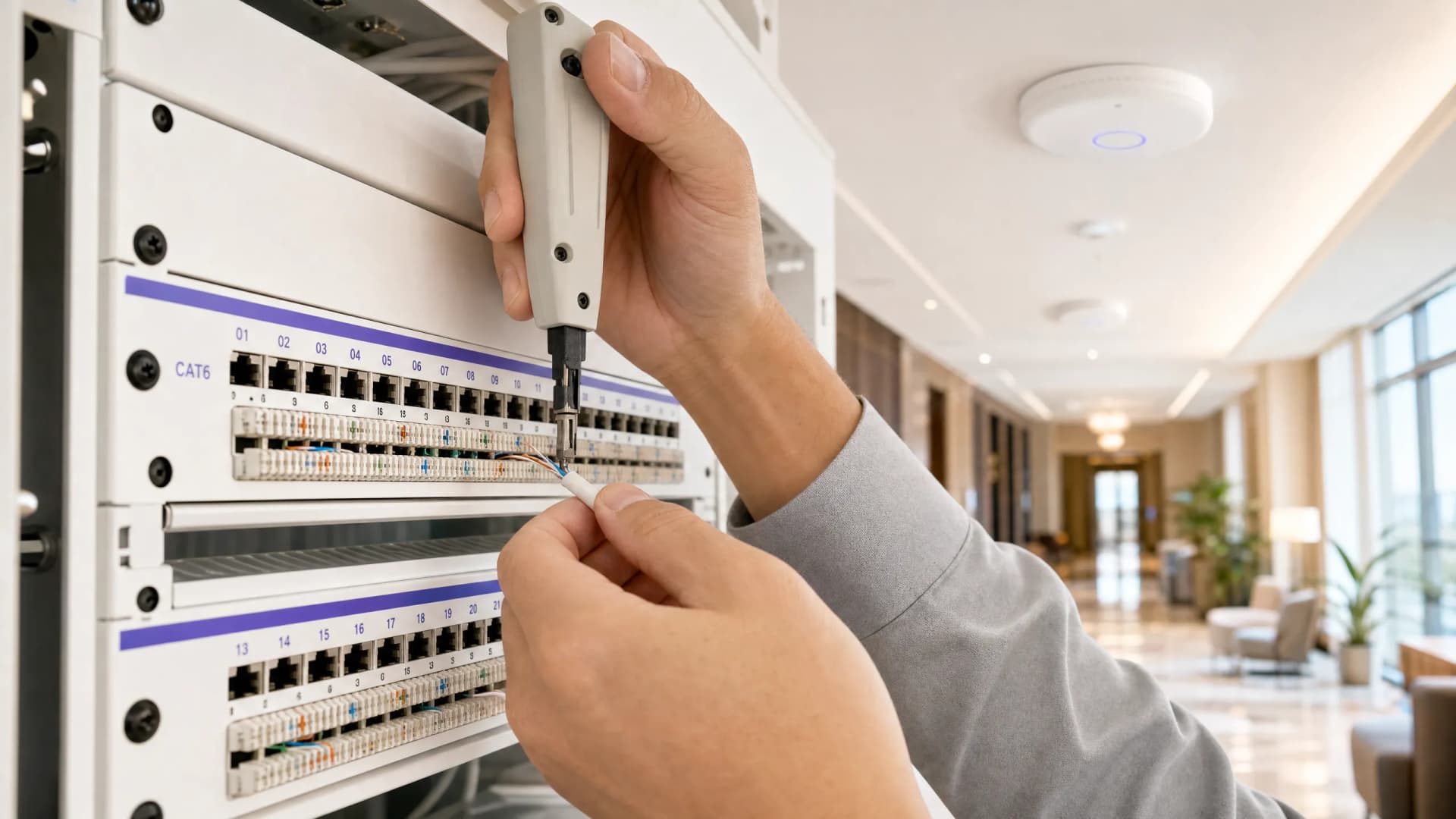
Arista Networks AP and guest WiFi: captive portal setup with Purple
How Purple's cloud guest WiFi sits on top of Arista Networks access points using external web authentication and RADIUS, and where to find the exact setup steps.

Fortinet FortiAP and guest WiFi: captive portal setup with Purple
How Fortinet FortiAP access points managed in FortiCloud work with Purple guest WiFi using an external captive portal, RADIUS and a walled garden, without replacing your kit.
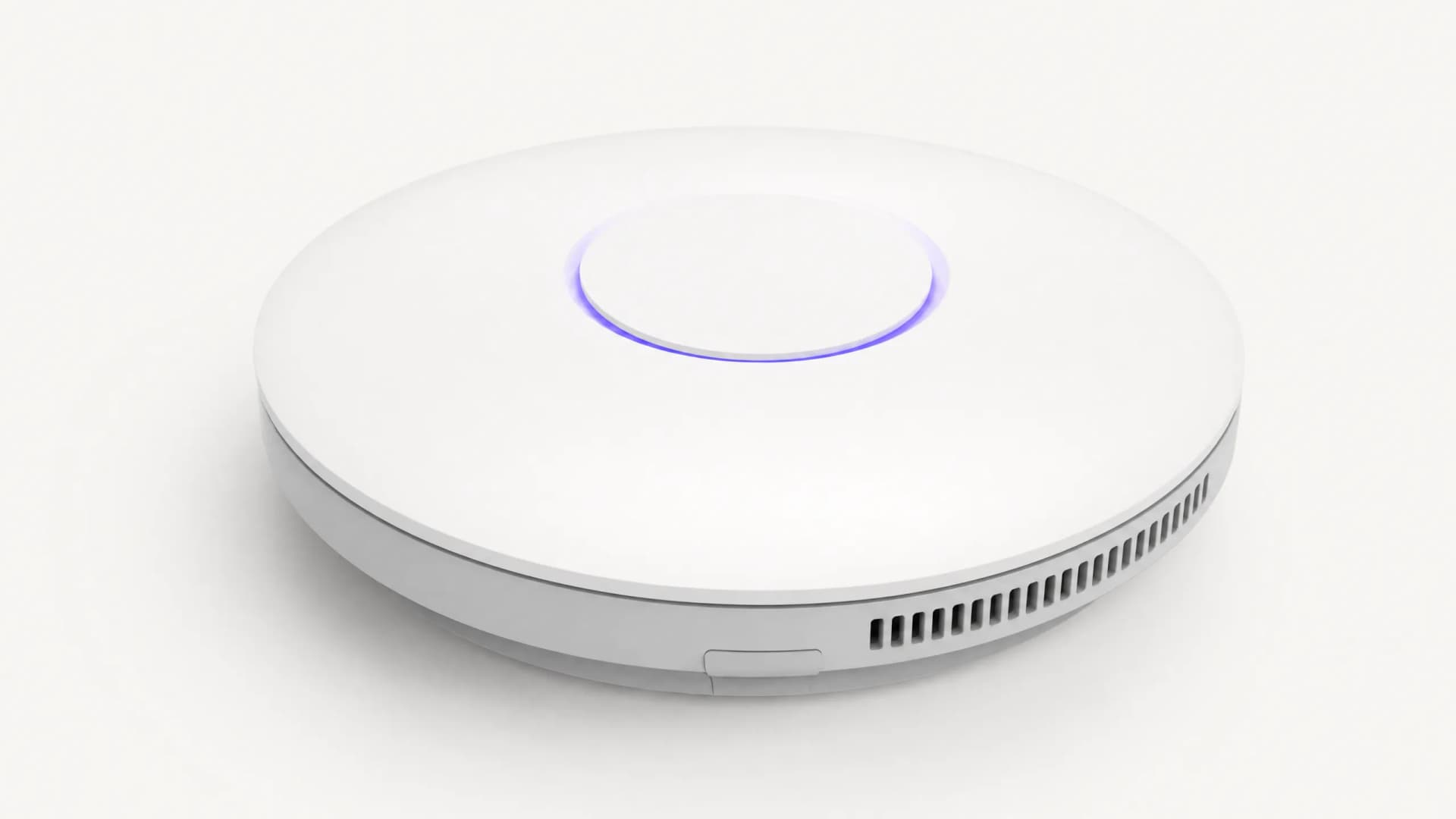
EnGenius and guest WiFi: captive portal setup with Purple
How Purple's cloud guest WiFi works with EnGenius access points through a standard external captive portal and RADIUS, and where to check support and find the steps.
Got questions about your specific setup?
Our team works with venue operators, IT managers, and network engineers across 80,000 venues. Book a 20-minute call and we will show you how others like you solved it.