Hospital RTLS and digital wayfinding ROI calculator
Estimate the nursing time, equipment budget and outpatient capacity a hospital can recover with BLE asset tracking and wayfinding on its existing WiFi network. Every assumption is listed below the results.
Multi-department acute site with fleets of infusion pumps, monitors and crash trolleys.
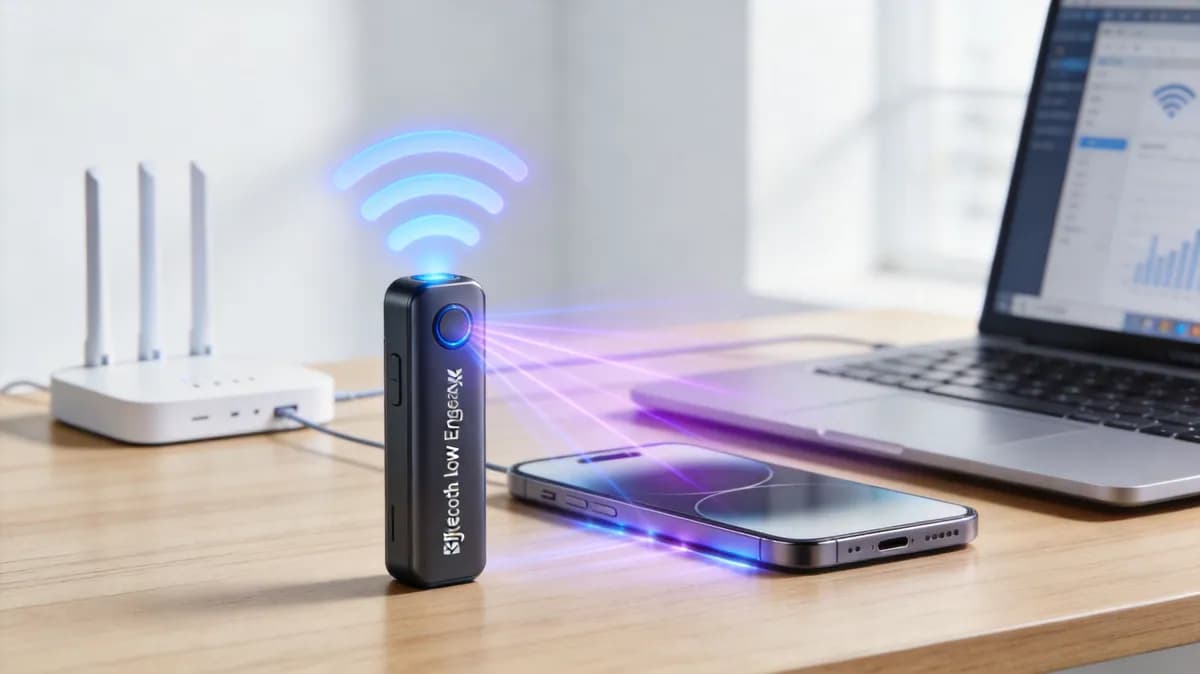
Uses the Bluetooth Low Energy radios built into current Cisco Meraki, HPE Aruba, Juniper Mist and similar APs. No new cabling; accuracy depends on AP density.
- Nursing time: staff x 13 twelve-hour shifts a month x search minutes x 50% reduction, valued at the hourly cost. This is capacity released, not a cash saving, unless it removes bank or agency hours.
- Equipment: beds x assets per bed, 3% lost or written off a year at an average £1,200 replacement cost, 60% of that prevented.
- Outpatients: 2% of visits late or missed because of navigation, 30% of those avoided, £120 per wasted slot. Replace with your own DNA and late-arrival data.
- Set-up cost: tags at £30 each plus £150 per bed for location infrastructure, mapping and integration (BLE on existing WiFi access points). Licences and ongoing support are excluded. Currency changes the symbol only; figures are not converted.
Less time searching
Nurses report losing a significant part of each shift looking for pumps, monitors and wheelchairs. A live map of the nearest available item on a ward PC or handset turns a search into a walk.
Fleet and rental right-sizing
When staff cannot trust availability they hoard equipment, and hospitals rent or buy more than census needs. Utilisation data shows the real par level for each device type.
Outpatient flow
Patients who get lost arrive late, and one late arrival can delay a whole clinic list. Step-free, turn-by-turn wayfinding cuts directional queries at reception and helps clinics start on time.
医疗保健 RTLS(实时定位系统)是无线室内跟踪技术的临床部署 - 主要包括蓝牙低功耗 (BLE) 智能徽章、资产标签以及现有的企业级 WiFi 接入点 - 用于在整个医院园区内实时跟踪移动医疗设备、临床人员和患者的实时位置和移动。
现代医院运营面临着多重运营压力:临床人员短缺、护士职业倦怠、生物医学库存丢失,以及让患者迷失方向的复杂多栋建筑布局。根据临床时间 - 动作基准评估,95% 的医疗系统计划扩大室内定位技术的使用,以简化工作流程、提高患者满意度并控制资本支出。
通过将实时资产跟踪与基于智能手机的 室内定位服务和数字路标导航 相结合,医疗机构将复杂的物理空间转变为响应迅速、智能化的护理环境。
医院失去可视化管理所带来的运营和资金成本
在没有部署活动定位跟踪的设施中,医院工作人员依赖于手动白板、在存储检查点进行条形码库存扫描或物理搜索。这在各个临床部门之间造成了巨大的运营阻力:
| 临床运营指标 | 无 RTLS(手动 / 条形码) | 使用 Purple 医疗 RTLS 与地图 |
|---|---|---|
| 护士寻找设备时间 | 每名护士每月浪费 40 小时 | < 在移动端地图上定位仅需 45 秒 |
| 移动资产利用率 | 平均利用率为 35% 至 42% | 通过动态基准库存量达到 75% 至 85% |
| 年度设备丢失与损耗 | 丢失 10% 至 20% 的库存(4,200 美元/床位) | 通过自动化地理围栏出口实现 < 2% 的流失率 |
| 外门诊导航迷路率 | 30% 的首次访客迷路 | 提供分步式、转弯提示的蓝点导航指引 |
| 基础设施部署要求 | 专有天花板布线与阅读器 | 运行于现有的 Cisco, Aruba, Meraki AP 之上 |
医疗保健 RTLS 的四大核心临床优势
1. 消除护士寻找设备的时间,缓解临床职业倦怠
临床工时运动研究证实,注册护士在 12 小时的轮班中,有多达一小时的时间在寻找清洁、可用的医疗设备。在急诊科和重症监护室中,16% 的手动设备搜寻以失败告终,迫使临床医生从相邻病房借用设备。
Purple RTLS 将轻量级、运动激活的 BLE 标签贴在移动医疗资产(包括输液泵、遥测发射器、膀胱扫描仪和急救车)上。护士可以直接在临床工作站或手持智能手机上查看实时位置地图,在几秒钟内找到最近的已消毒设备。
2. 防止设备囤积并降低租赁费用
由于临床工作人员担心在高峰期会出现设备短缺,病房人员经常在清洁工具间或供应室中囤积输液泵和诊断工具。这种囤积行为导致生物医学工程团队过度采购或以高昂的商业价格租赁多余设备。
Purple 提供自动化的库存基准水平跟踪。当指定部门的设备降至安全阈值以下时,自动调度警报会通知中央无菌供应部门,在患者护理受到影响之前补充库存。
3. 保护易受伤害的患者并防止走失
在患有阿尔茨海默症或认知障碍的住院患者中,有十分之六的人会在住院期间漫游。快速干预对于防止跌倒和无协助出行至关重要。
通过可穿戴式 BLE 手环和设置了地理围栏的病房边界,如果高跌倒风险或记忆护理患者接近受限出口、楼梯间或电梯间,护理团队会在临床手持设备上收到即时通知。
4. 提升员工安全与紧急迫挟响应能力
医护人员面临着极高的工作场所暴力发生率,尤其是在急诊科、行为健康部门和分诊区域。可穿戴式 BLE 紧急报警胸牌允许护士和临床工作人员触发静默求救信号,并将精确到房间级别的定位直接广播给医院安保团队。
数字化寻路如何改变患者体验
医院导航是患者焦虑的主要来源。医疗中心通常由几十年来建造的多个相互连接的翼楼组成,形成了物理标识不一致、迷宫般的环境。仅在北美,遗漏和延迟的预约每年就给医疗保健系统带来超过 1500 亿美元的损失。
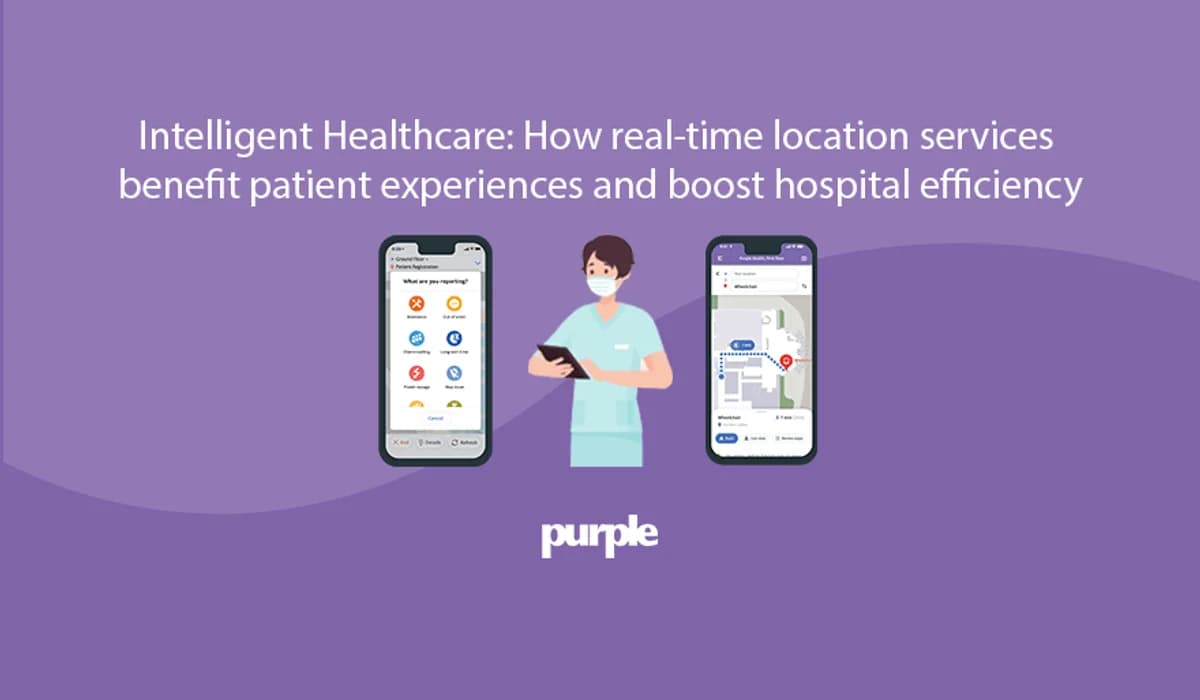
Purple 数字化路标导引与医院移动应用程序(如 Epic MyChart)和 Web 门户网站集成,提供全面的室内导航:
- 家到诊室导航:引导患者从 GPS 驾车导航进入正确的立体停车场,然后无缝切换到室内蓝点步行导航,直达其具体的诊室或咨询室。
- 无障碍及无台阶导航:提供避开楼梯和狭窄走廊的专属路线选择,通过电梯和无障碍通道引导轮椅使用者和携带行动辅助工具的患者。
- 减少对前台的干扰:通过提供清晰的自助智能手机导航,医院前台和护理人员在临床轮班期间收到的问路干扰减少了高达 70%。
在英国的一家 NHS 托拉斯中,实施交互式医院地图引导改变了其主医院院区的患者导引流程,减少了门诊迟到现象并提高了患者的反馈评分。
在现有的企业级 WiFi 基础设施上部署 RTLS
传统的 RTLS 解决方案需要专有的无线电接收器和在医院吊顶上方铺设数英里的专用以太网电缆,从而导致高昂的资本成本以及安装期间对临床工作的干扰。
Purple 通过云 API 与企业级无线接入点直接集成,消除了基础设施障碍,支持的品牌包括:
- Cisco Catalyst Spaces:从 Catalyst AP 摄取 BLE 遥测数据,以跟踪临床资产并监测楼层占用情况。
- Cisco Meraki:使用内置的 Meraki 蓝牙射频,实现即插即用的资产跟踪和位置分析。
- Aruba Meridian & HPE Networking:结合 Aruba BLE 信标和 AP 遥测数据,实现高密度室内定位。
- Juniper Mist:采用虚拟 BLE 天线阵列,无需物理信标校准即可实现两米以内的定位。
计算医疗保健 RTLS 和寻路的投资回报率
医院 CFO 和临床领导者通过三个不同的财务支柱来评估 RTLS 投资:
- 临床劳动力回收:每位员工每月挽回 34 个护理小时,对于一家典型的拥有 450 张床位的医疗机构,每年可产生超过 100 万英镑(130 万美元)的回收临床生产力。
- 资本支出和租赁费用降低:消除资产流失并取消应急设备租赁,每年为每张医院床位平均节省 2,000 英镑(2,500 美元)。
- 门诊排程效率:将遗漏和延迟的临床预约减少 10%,确保昂贵的手术室和专家咨询时段在巅峰容量下运作。