WiFi 6E spectrum and deployment readiness advisor
Model 6 GHz spectrum availability, channel allocation, signal attenuation, and switching backhaul requirements for enterprise venues.
1Venue and regulatory parameters
Minimal physical partitions, glass meeting pods, high density of laptops and collaboration screens.
Typical concurrency here is around 150 clients.
2Architectural impact and spectrum model
6 GHz exhibits approximately +1.2 dB extra attenuation through physical barriers compared to 5 GHz. Planning 1 additional APs ensures seamless gigabit roaming without coverage holes.
Switching infrastructure provides sufficient mGig throughput and PoE+ power budget.
Ready to design your venue WiFi 6E architecture?
Purple provides enterprise cloud RADIUS, Passpoint Hotspot 2.0 onboarding, and visitor analytics that bridge 2.4 GHz, 5 GHz, and 6 GHz networks seamlessly.
WiFi 6E technical trade-off matrix: enterprise advantages vs disadvantages
- No legacy clients: No 802.11b/a/g/n devices can operate on 6 GHz, eliminating slow data rate beacon penalties.
- Massive wide channel capacity: Up to 7 non-overlapping 160 MHz channels (or 14 x 80 MHz) in the US, 3 x 160 MHz or 6 x 80 MHz in the UK and EU.
- Radar-free spectrum: Zero DFS (Dynamic Frequency Selection) radar interruptions or forced channel hops.
- Mandatory WPA3 and OWE: Open unencrypted networks are banned; all connections require WPA3-SAE, WPA3-Enterprise, or OWE.
- Increased signal attenuation: Higher path loss and obstacle absorption reduce cell size, occasionally necessitating AP infill.
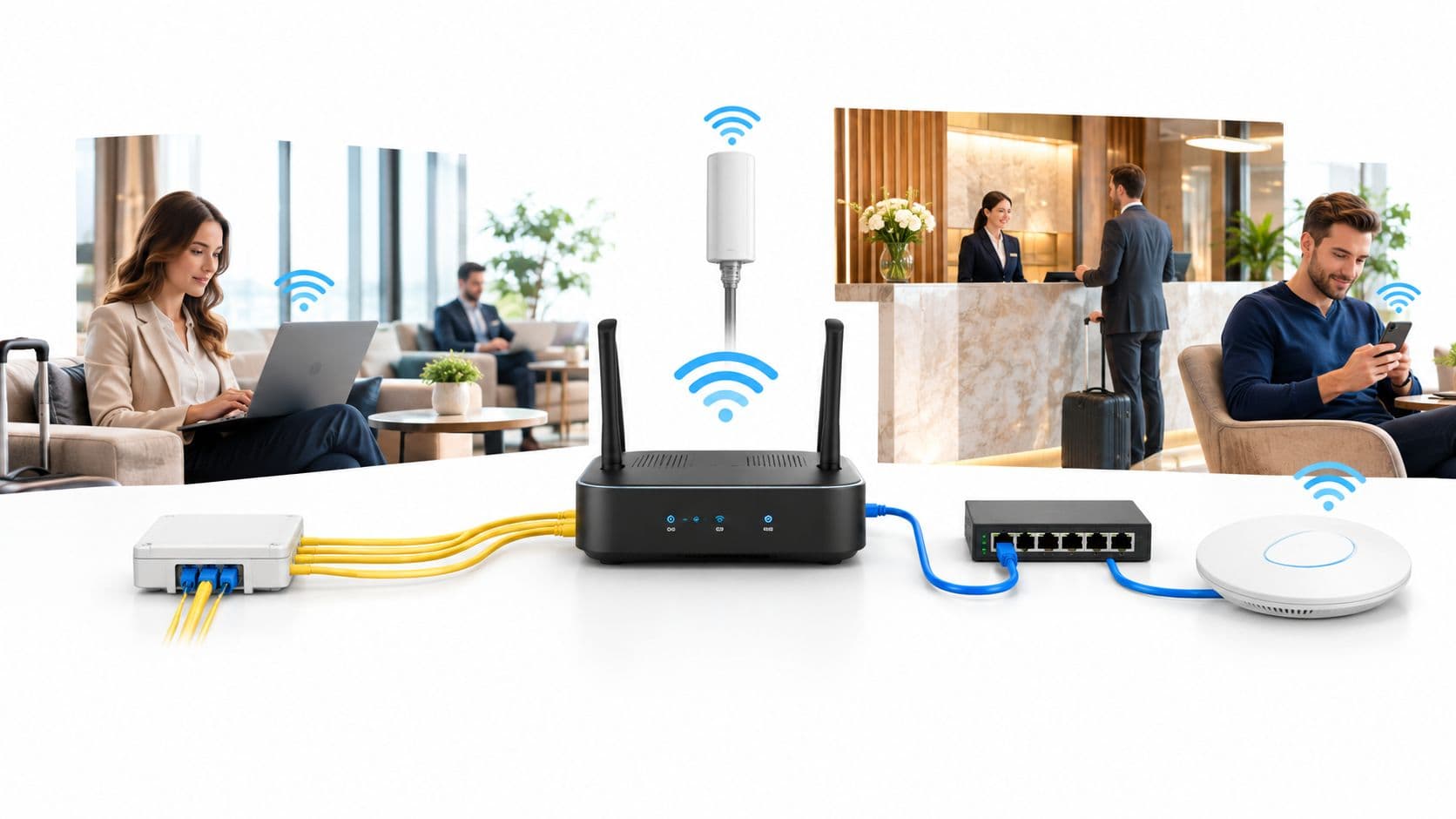
- Switching and power upgrades: Tri-band APs require PoE+ (802.3at) / PoE++ (802.3bt) and mGig 2.5G/5G Ethernet uplinks.
- Hardware client requirements: Legacy devices cannot access 6 GHz SSIDs; networks must maintain dual-band fallback SSIDs.
- Outdoor AFC requirements: Standard power APs require real-time cloud Automated Frequency Coordination (AFC) database queries.
關鍵要點:WiFi 6E 企業級頻譜
- 1,200 MHz 頻譜擴展:WiFi 6E 在 6 GHz 頻段中解鎖了多達 59 個全新的 20 MHz 頻道或 14 個互不重疊的 80 MHz 頻道,徹底解決了傳統 5 GHz 頻道的擁堵問題。
- 低於 2 毫秒的確定性延遲:由於傳統 WiFi 裝置(WiFi 5 及更早版本)被嚴格禁止使用 6 GHz 射頻,零空口競爭將延遲降低至 2 毫秒以下。
- 強制性 WPA3 加密基準:所有通過 WiFi 6E 認證的用戶端都必須使用 WPA3 安全性。開放式網路將被機會性無線加密 (OWE) 取代,而員工網路則強制使用 WPA3-Enterprise 802.1X。
- 上游交換器需求:部署三頻 6E 基地台需要 Multi-Gigabit (2.5G/5G) 交換器連接埠和 802.3at (PoE+) 電源預算,以避免回程傳輸瓶頸。
WiFi 6E 代表了數十年來無授權無線頻譜最重大的擴展。透過將 802.11ax 標準延伸至 6 GHz 頻段,WiFi 6E 為企業網路提供了高達 1,200 MHz 乾淨、不重疊的頻譜。本指南探討了 IT 主管評估 WiFi 6E 升級時所需的架構優勢、運作缺點、硬體需求以及場域部署最佳實踐。
WiFi 6 vs WiFi 6E vs WiFi 7 技術比較
瞭解 WiFi 6E 與傳統雙頻 WiFi 6 以及下一代 WiFi 7 的不同之處,需要比較各頻段的頻道可用性、調變密度和安全要求:
WiFi 6E 對於企業網路的核心優勢
在商業場所部署 WiFi 6E,與傳統雙頻 WiFi 安裝相比,可帶來明顯的營運優勢:
1. 消除同頻道干擾
在高密度場所 - 例如體育場看台、機場航廈和多租戶辦公大樓 - 5 GHz 通道很快就會遭受同通道干擾 (CCI)。由於 WiFi 6E 提供 14 個互不重疊的 80 MHz 通道,網路工程師可以規劃寬通道覆蓋方案,而不會讓相鄰的 AP 在相同頻率上發生衝突。了解 5 GHz 與 6 GHz 通道規劃 如何減少空中時間爭用。
2. 零傳統前導碼開銷的乾淨頻譜
舊有的 WiFi 協定會強制基地台廣播較慢的管理訊號以支援舊型用戶端。由於 6 GHz 無線電嚴格禁止 WiFi 6E 之前的設備進行連接,因此 100% 的 6 GHz 空中傳輸時間都保留給高效率的 OFDMA 和 MU-MIMO 傳輸使用。
3. 關鍵業務流量的低延遲
在沒有舊版裝置爭用或來自 DFS 通道的雷達訊號中斷情況下,6 GHz 上的無線延遲從平均 15 - 30 毫秒大幅降至 2 毫秒以下。這種低延遲可支援即時行動 POS 終端、醫院遙測監視器以及互動式視訊會議,且不會產生抖動。
```4. 強制性 WPA3 加密基準
Wi-Fi Alliance 強制所有通過 WiFi 6E 認證的裝置使用 WPA3 安全性。未加密的開放式網路將被機會性無線加密 (OWE) 取代,以保護訪客流量免受被動竊聽。對於企業員工網路,與雲端 RADIUS 整合的 WPA3-Enterprise 802.1X 可消除預共用金鑰 (PSK) 外洩風險。閱讀我們關於 檢查 WiFi 安全性標準 的指南。
WiFi 6E 的缺點與實施挑戰
雖然 WiFi 6E 解決了頻譜擁塞問題,但網路管理人員在部署前必須先解決幾項硬體和物理設計限制:
1. 較高實體訊號衰減
較高的無線電頻率在穿透物理障礙物時會遭受更大的衰減。在穿過乾式牆、玻璃或混凝土時,6 GHz 的無線電訊號比 5 GHz 訊號多衰減大約 1 到 2 dB。在牆壁結構密集的場域中,如果未調整 AP 密度,現有的 AP 位置可能會留下 6 GHz 的訊號覆蓋盲區。
2. 上游交換器基礎架構需求
三頻 WiFi 6E 基地台具有三個主動無線電(2.4 GHz、5 GHz 和 6 GHz),其總吞吐量可超過 5 Gbps。將三頻 AP 連接到舊有的 1 Gbps PoE (802.3af) 交換器會造成回程傳輸瓶頸,且會導致 6 GHz 無線電供電不足。升級到 WiFi 6E 需要多吉位元(2.5G/5G)交換器連接埠和 802.3at (PoE+) 的電力預算。
3. 用戶端裝置生態系統普及率
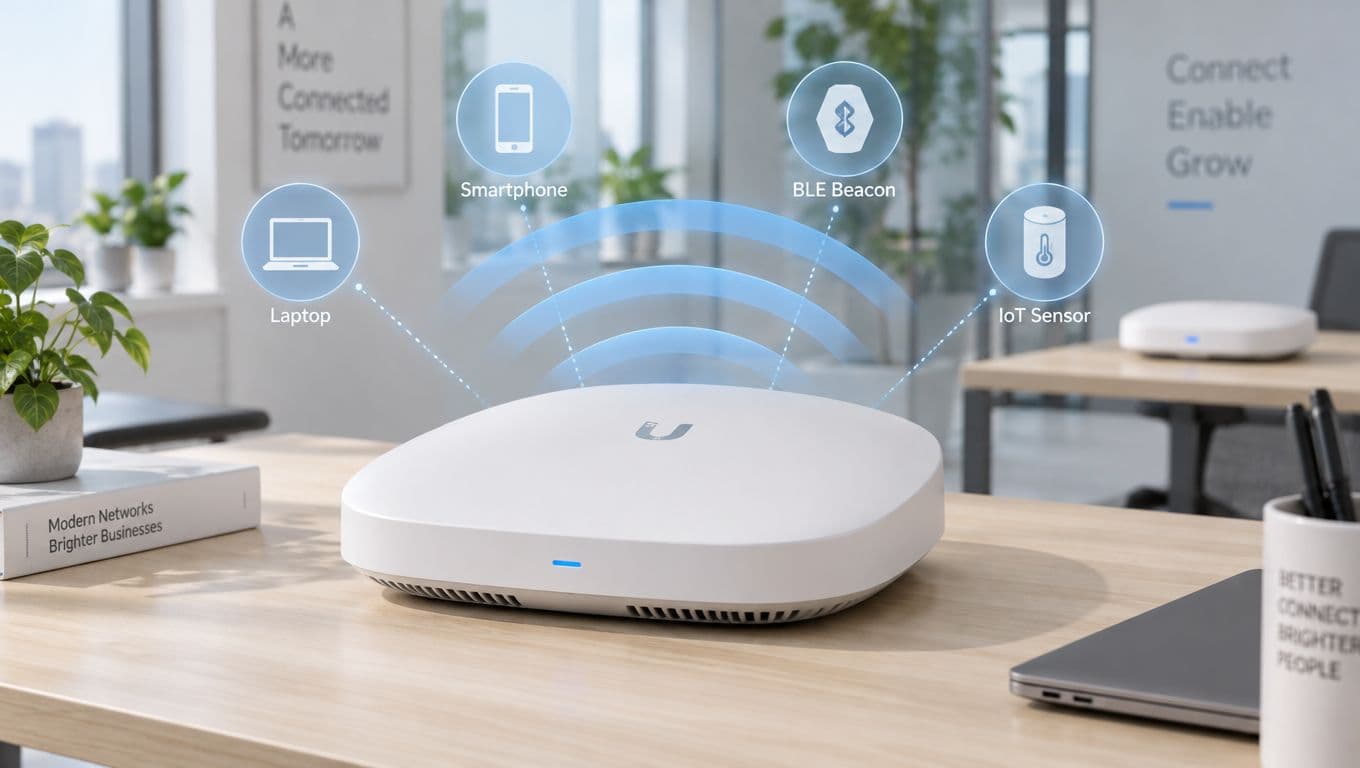
雖然現代智慧型手機和企業筆記型電腦支援 6 GHz,但較舊的員工筆記型電腦、舊型 IoT 條碼掃描器和入門級訪客智慧型手機仍留在 2.4/5 GHz。場域必須在提供 6 GHz 的同時維持 5 GHz 覆蓋,以實現完整的向下相容性。
將場所網路遷移至 WiFi 6E 的最佳實踐
為了在升級商業無線基礎設施時實現投資報酬率最大化,請遵循以下工程指南:
- 進行 6 GHz 預測性場地勘測:使用 6 GHz 衰減特性進行射頻模擬,而不是依賴傳統的 5 GHz 熱圖。確保所有主要用戶區域的基準訊號強度保持在 -65 dBm RSSI 或以上。
- 在 6 GHz 中標準化使用 80 MHz 頻道:雖然 6 GHz 支援 160 MHz 頻道,但 80 MHz 提供了 14 個互不重疊的頻道 - 在多 AP 場地中提供了 Gigabit 吞吐量與空間複用之間的理想平衡。
- 實施基於身分的訪客與員工存取:使用雲端託管驗證取代靜態預共用金鑰。Purple 直接與 Cisco Meraki、HPE Aruba、Ruckus 和 UniFi 控制器整合,為再次到訪的訪客提供無縫的 Passpoint / OpenRoaming 連線,並為企業員工提供 Microsoft Entra ID 802.1X 驗證。探索我們的 訪客 WiFi 解決方案指南。
- 監測場地人流量遙測:將 6 GHz 網路基礎架構與 WiFi 分析軟體 相結合,以追蹤人流量模式、訪客停留時間以及即時場地使用率。
關於 WiFi 6E 的常見問題
WiFi 6 和 WiFi 6E 的主要區別是什麼?
WiFi 6 僅在傳統的 2.4 GHz 和 5 GHz 頻段內運作,而 WiFi 6E 則將 802.11ax 標準延伸至新開放的 6 GHz 頻段。這提供了高達 1,200 MHz 的額外不重疊頻譜。
較舊的用戶端裝置是否支援 WiFi 6E?
否。缺乏 6 GHz WiFi 無線電的舊型設備無法連接到 6 GHz 頻道。然而,WiFi 6E 基地台保有雙頻或三頻無線電,能繼續透過獨立的無線電為舊有的 2.4 GHz 和 5 GHz 設備提供服務。
WiFi 6E 對於企業場所有哪些主要優勢?
WiFi 6E 消除舊有的 WiFi 競爭、支援多達 14 個不重疊的 80 MHz 頻道、將無線延遲降低至 2 毫秒以下,並為密集場域環境提供多吉位元的吞吐量。
WiFi 6E 有哪些缺點和限制?
主要缺點包括因 6 GHz 穿牆衰減較高而導致物理訊號範圍較短、硬體部署成本較高,以及需要多吉位元 PoE+ (802.3at/bt) 交換器基礎設施。
場所應該升級到 WiFi 6E 還是等待 WiFi 7?
面臨嚴重 5 GHz 頻道擁塞或正在部署密集即時應用程式的場域,現在就應該升級到 WiFi 6E。WiFi 6E AP 可建立未來升級至 WiFi 7 所需的 6 GHz 佈線和 PoE 基礎設施。