跳至主要內容

為什麼 iPSK 是新建待租 (BTR) 與 MDU WiFi 的黃金標準

作者:Claudia Hill
5 February 2026
閱讀時間 1 分鐘
為什麼 iPSK 是新建待租 (BTR) 與 MDU WiFi 的黃金標準
Interactive Engineering & ROI Tool

BTR & MDU WiFi network planner and ROI calculator

Model Identity PSK (iPSK) personal area networks, IoT device capacity, and ancillary NOI for residential multi-dwelling units.

Class-A build-to-rent development with smart locks, environmental sensors, casting, and high expectations for instant-on service.

250 apartments
20 units400 units800 units
12 devices / flat
4 (Light)12 (Smart Home)20 (Heavy IoT)
$50/mo
$0 (Free Amenity)$45 (Market Avg)$90 (Gigabit Tier)
Annual Ancillary Revenue (NOI)
$141,000/ year

Based on $50/unit/mo at 94% occupancy across 250 residential units.

Annual Helpdesk Savings
$20,664/ year

Eliminates ~492 move-in connectivity tickets via instant-on onboarding.

Hardware & Operational Efficiency Overview

Enterprise APs Needed
151 APs
Covers flats + common areas
Total Connected Devices
3,000
~1440 IoT / streaming
Est. CAPEX Savings
$12,720
vs individual modems

Turn resident WiFi into an amenity asset

Purple connects directly with property management systems (Yardi, RealPage, Entrata) for automated key provisioning.

在競爭激烈的 Build-to-Rent (BTR)< /strong> 市場中,高速、可靠的 WiFi 已不再僅是一項便利設施 - 它是最關鍵的公用事業。現代住戶期望他們在跨入門檻的那一刻網路就能開始運作,並享有與獨立住宅相同的便利性與隱私。< /p>

然而,傳統的公寓 WiFi 往往無法通過這項考驗。在每間公寓中管理獨立的路由器會產生「頻率雜訊」與硬體管理上的麻煩,而共享的大樓 WiFi 則往往缺乏安全性。< /p>

Identity PSK (iPSK)< /strong> 是一項突破性的技術,讓 BTR 營運商能夠在提供無縫「即開即用」體驗的同時,保有對網路的全面控制。< /p>

I. 解決 MDU 網路連線的兩難困境< /strong>< /h2>

當物業管理人員評估整棟大樓的 WiFi 時,通常有三條路徑可供選擇。了解其中的差異是選擇具有未來前瞻性解決方案的關鍵。< /p>

標準 PSK (預共用金鑰) 是每個人都使用相同密碼的基本方法。雖然設定簡單,但對多家庭住宅大樓來說卻是顯著的安全風險。只要有一位住戶洩露了密碼,整棟大樓的安全防禦力就會被削弱。此外,由於每個人都處於相同的開放區段,住戶通常可以看到鄰居的裝置(例如智慧電視或印表機),這嚴重侵犯了隱私。

WPA2/3-Enterprise (802.1X) 是辦公室中常見的高安全性標準。它需要使用者名稱和密碼或數位憑證。雖然非常安全,但它並不適合住宅生活。許多「智慧家庭」裝置(例如智慧燈泡、語音助理和遊戲主機)因為無法輸入使用者名稱,而無法連線至企業級網路。這會導致住戶感到挫折,並讓大樓經理接到排山倒海的支援電話。

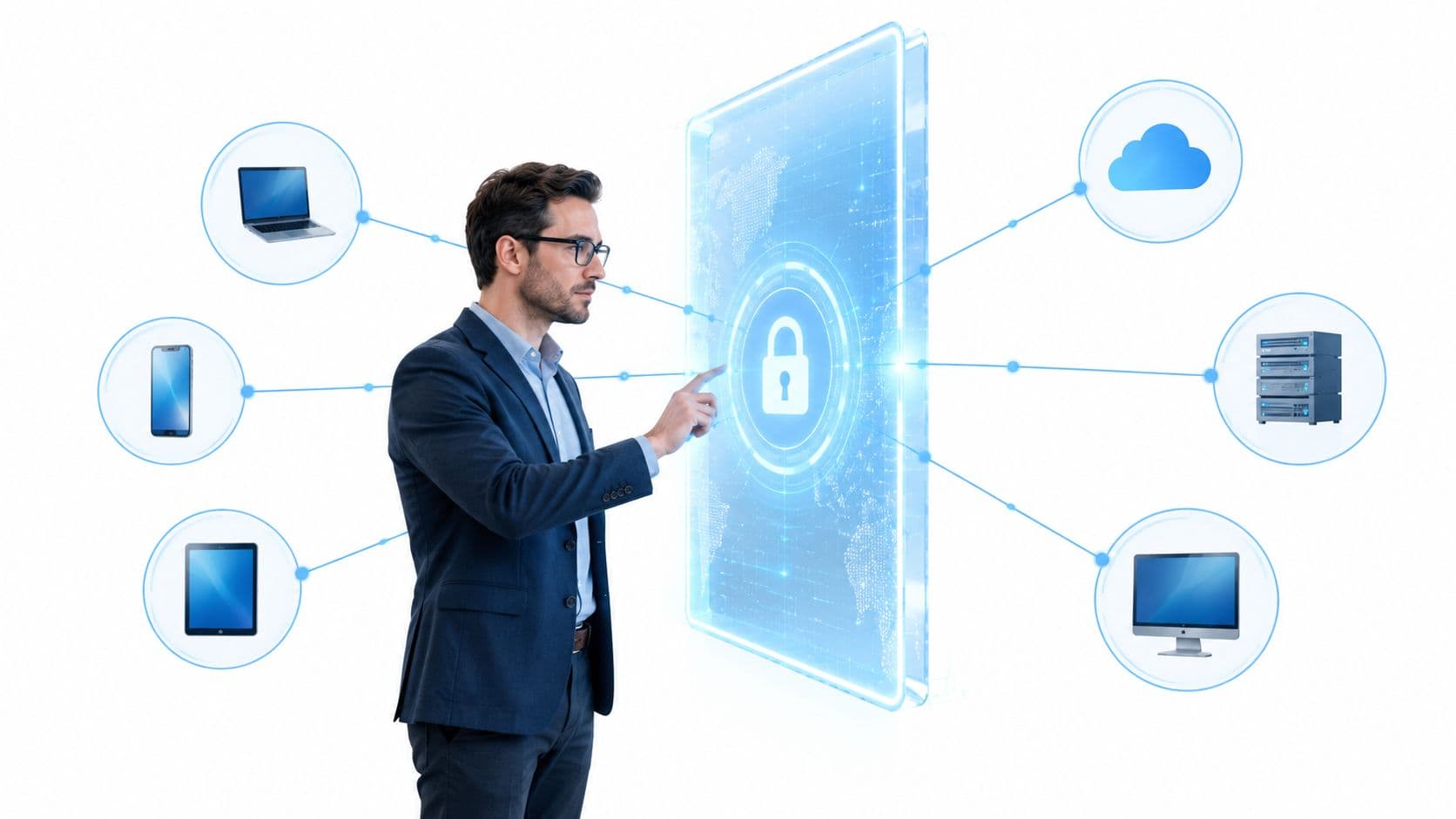
Identity PSK (iPSK)< /strong> 為 MDU(多住戶單元)提供了理想的折衷方案。它為每個公寓提供專屬的 WiFi 密碼。對住戶而言,使用體驗與家用路由器完全相同。然而在後台,它卻是一個企業級的系統。它支援 100% 的消費級裝置,為每戶公寓提供獨立的加密,並允許管理人員透過單一的中央控制面板管理網路,而無需在每間房內裝設硬體設備。< /p>

II. 住戶效益:「即開即用」的網路體驗< /strong>< /h2>

消除入住摩擦

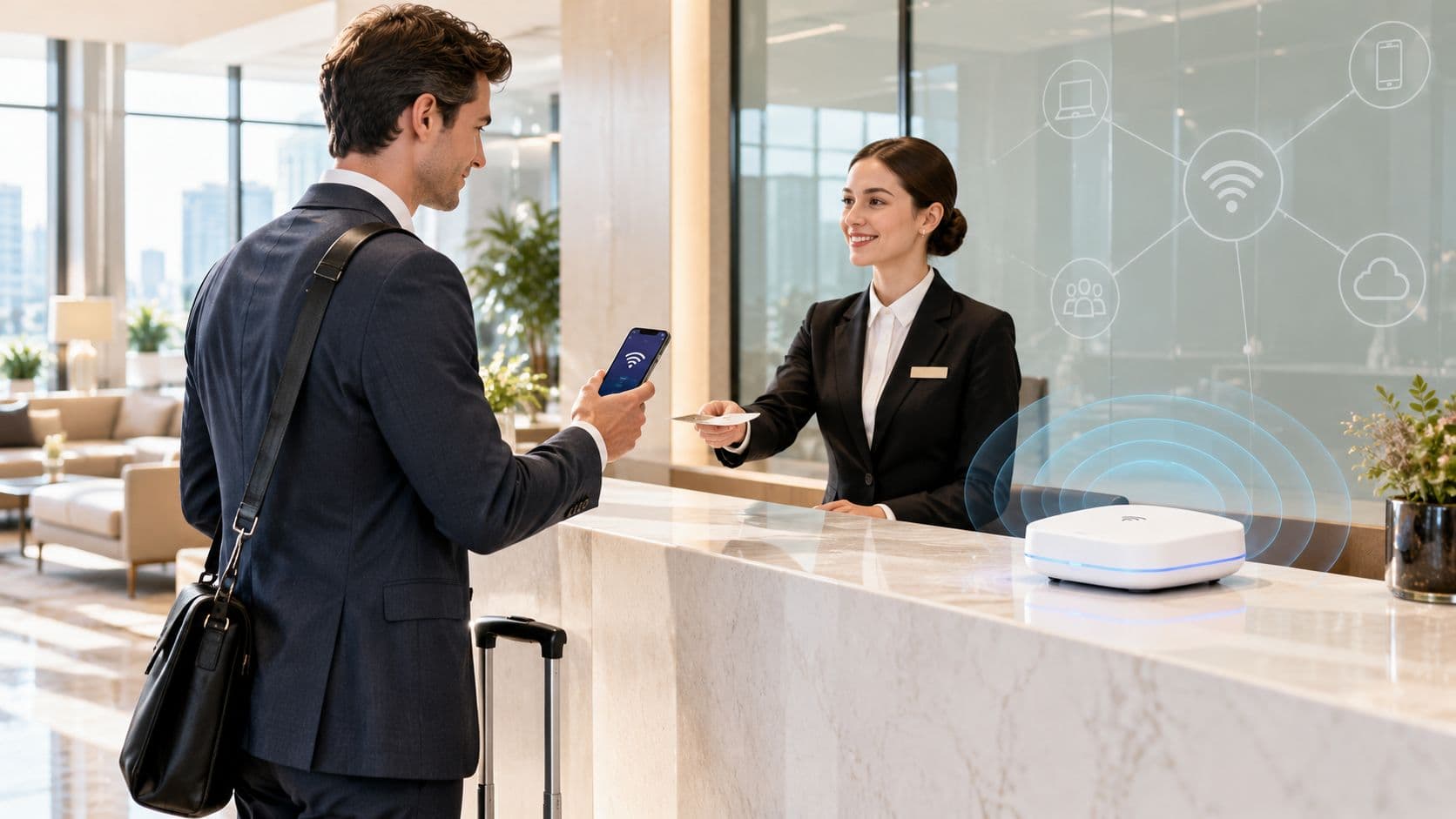
入住新公寓的第一個小時通常都花在設法讓網路正常運作上。有了 iPSK,租賃專用住宅(BTR)營運商可以提供真正的「即開即用」服務。因為大樓使用的是託管網路,在住戶簽署租約的那一刻,專屬的 WiFi 金鑰就會透過電子郵件傳送給他們。他們一走進家門,輸入密碼,即可立刻上網,無需等待工程師,也無需自行設定路由器。

隱私與「虛擬泡泡」(PAN)< /h3>

隱私是高密度住宅中最受關注的問題。iPSK 支援私人區域網路 (PAN)。這能為每個公寓的裝置建立一個虛擬的「安全氣泡」。即使整棟大樓共享同一個 WiFi 訊號,住戶的手機也只能「看見」自己的裝置。他們可以投射電影到電視上或列印文件,完全不用擔心鄰居會看到他們正在做什麼。這種使用者隔離對於提供高端的居住體驗至關重要。

III. 營運效益:降低成本與提高營收< /strong>< /h2>

減少硬體與干擾

在傳統的多住戶單元(MDU)中,每戶公寓都有自己的路由器。在一棟擁有 200 間公寓的大樓中,這意味著有 200 台裝置在爭奪無線電波,進而造成嚴重的無線電頻率 (RF) 干擾。這會降低每個人的網速。透過使用託管式 iPSK 系統,您可以在大樓的策略性位置部署數量較少但功能更強大的無線基地台。這不僅能降低您的硬體成本、減少能源消耗,還能為每位租戶提供更乾淨、更快速的訊號。

將 WiFi 作為託管服務

託管 WiFi 讓 BTR 營運商能將網路存取轉化為營收來源。您可以提供分級方案(例如:提供更高網速的「電競級方案」),或將 WiFi 納入「技術服務費」的一部分。由於 iPSK 是以身分為基礎,您可以透過軟體主控面板立即升級住戶的網速 - 毋需進行任何硬體調整。< /p>

IV. 使用 Purple App 自動化租戶生命週期管理< /strong>< /h2>

物業管理人員並非 IT 專家,他們也不需要是。Purple App< /strong> 能自動化處理 BTR 和 MDU 環境中的整個 WiFi 管理流程:< /p>

  • 無縫註冊導入:系統與您的物業管理軟體(PMS)相整合。當產生新租約時,系統會自動建立專屬的 iPSK 並傳送給租戶。
  • 自主管理服務:住戶可以使用 Purple 應用程式來新增自己的裝置、檢查網速或變更密碼,完全無需聯絡大樓管理人員。
  • 立即註銷停用:當租戶搬離時,其專屬金鑰會自動撤銷。這能確保網路維持安全,並讓下一位租戶能立即獲得全新且私密的專屬區段。

總結:住宅網路連線的未來發展< /strong>< /h2>

在 Build-to-Rent 領域,網路是住戶體驗的基石。透過轉向基於 iPSK 的託管 WiFi 模式,您能消除公寓生活最大的痛點:網路連線品質不佳。您在提供住戶所需的安全性與隱私性的同時,還能帶來定義現代頂級品牌的「即開即用」極簡體驗。< /p>

準備好升級您大樓的網路連線品質了嗎?< /strong>< /p>

常見問題

What is iPSK and how does it work in build-to-rent (BTR) and MDU developments?

Identity Pre-Shared Key (iPSK) is a wireless network architecture where every apartment or resident receives a unique, personal WiFi passphrase that broadcasts over a single building-wide SSID. When entered, cloud RADIUS automatically authenticates the device and dynamically assigns it to an isolated Layer 2 Personal Area Network (PAN) or VLAN. This delivers the simplicity of standard WPA2/WPA3 home WiFi while enforcing enterprise-grade micro-segmentation across the entire multi-dwelling unit.

How does iPSK solve IoT and wireless casting security in apartment buildings?

On traditional shared building WiFi networks, client isolation either blocks all local device discovery or leaves devices exposed to everyone. iPSK creates an isolated micro-network per unit with localized mDNS reflection. This allows a resident's smartphone to discover their own Apple TV, Chromecast, smart TV, Sonos speakers, and wireless printer without exposing those devices to flatmates or neighboring apartments.

Why is a single shared WiFi password dangerous in multi-tenant properties?

A single shared pre-shared key (PSK) allows any resident or former tenant with the password to intercept unencrypted local network traffic, spoof ARP tables, or hijack smart appliances. Rotating a shared password requires manually reconfiguring every device across hundreds of units. iPSK eliminates this vulnerability by binding unique keys to individual resident leases, allowing instantaneous key revocation upon move-out via automated PMS webhooks.

How does instant-on iPSK WiFi generate ancillary Net Operating Income (NOI) for BTR operators?

Instead of surrendering high-margin broadband subscriptions to third-party ISPs, property operators can bundle managed instant-on gigabit WiFi into the resident technology package. With standard fees of $35 to $65 per unit per month, a 250-unit development generates $98,000 to $183,000 in recurring high-margin ancillary NOI annually while eliminating resident wait times for ISP technicians.

Can iPSK integrate with property management systems like Yardi, RealPage, and Entrata?

Yes. Purple iPSK integrates natively with leading property management systems (PMS) including Yardi Voyager, RealPage, Entrata, and MRI Software via REST webhooks. When a resident signs their digital lease, their personal WiFi passphrase is automatically generated and delivered via pre-arrival SMS or email, enabling instant connection from the minute they step into the building.

How does deploying centralized enterprise APs reduce hardware CAPEX compared to individual ISP routers?

Installing individual consumer modems or routers in every flat requires separate ISP drops, wall jacks, and unmanaged hardware that causes severe radio frequency (RF) co-channel interference. A centralized enterprise wireless grid using high-density ceiling or in-wall APs (1 AP per 1.8 to 2 units) reduces hardware, cabling, and power consumption by 40% to 60% while providing seamless roaming throughout corridors, gyms, lounges, and outdoor amenity spaces.

準備好開始了嗎?

預約專家演示,了解 Purple 如何協助您達成業務目標。

諮詢專家