Customer footfall & in-store conversion calculator
Model your storefront capture rate, guest WiFi data acquisition, repeat customer lift, and revenue growth with physical venue analytics.
High passerby volume with significant window-shopping traffic. Capturing guest WiFi profiles converts non-purchasing visitors into repeat omnichannel customers.
Your footfall & revenue opportunity projection:
Increasing your window-to-door capture rate by just +1% (e.g. from 8% to 9%) brings an additional 45 daily visitors into your store, generating an estimated +$162,608 in extra annual revenue before accounting for repeat marketing automation.
Recommended footfall optimisation roadmap for fashion & apparel retail:
- Measure outside vs inside footfall to optimise window display conversion
- Capture opt-in shopper emails via branded captive portal during in-store browsing
- Trigger automated next-day welcome vouchers (e.g. 10% off online/in-store) to non-purchasers
多年来,在线电子商务销售额一直处于增长态势。Statistia 的一份报告显示,2020 年,电子商务 零售销售额预计将达到 41 亿美元,比前几年有大幅增长。
因此,许多零售商以及其他拥有实体场所的电子商务企业,正在寻找增加线下门店人流量的新方法,以期在实体空间中复制这种增长。
他们为什么不该这样做呢?店内零售销售绝非死路一条。
事实上,今年早些时候,Amazon 宣布与 Best Buy 合作,以帮助销售其 Amazon Fire TV,因为他们承认“有时您需要触摸实物才会购买”。
现在,也许你会觉得我有些怀疑,但这是否表明,如果没有实体店,亚马逊就无法再实现他们想要达到的规模?
Spieckerman Retail的零售分析师Carol Spieckerman也持相同观点,她在合作后表示:"真正的规模化已无法在单一渠道中实现。"
现在我们已经确定实体店依然非常重要,那么我们该如何提高客户客流量呢?
在零售业中增加客户客流量
为了简单起见,我将侧重于增加零售店的人流量,但我将要谈到的大部分内容也适用于其他行业。
以下是您需要做的事情:
- 了解客户目前在您的场所内如何互动和移动
- 根据这些数据,改善您的店面和布局,以吸引更多人进入并促进店内的转化
- 个性化您的营销,确保客户不断光顾
所有这些都使您能够提升并差异化店内客户体验 - 这在竞争激烈的市场中正变得越来越重要。
让我们更详细地逐一了解这三个要点。
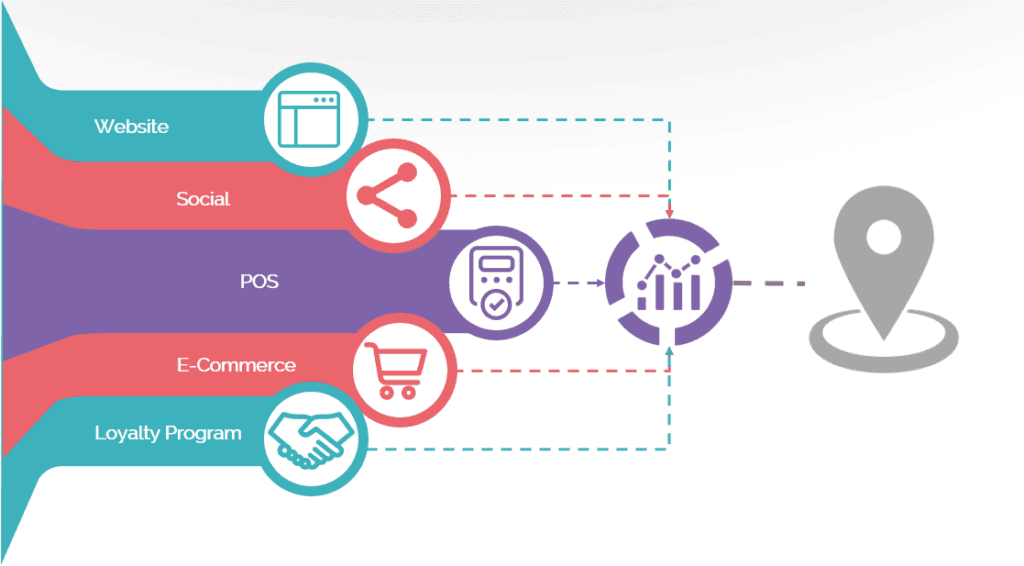
客户目前是如何与您的场馆进行互动的?
要增加客流量,首先您需要了解当前的客流量。
许多零售店使用销售点(POS)系统来记录店内销售情况;这使他们能够收集客户数据并快速计算出每位客户的平均价值。
但这其中缺少了非常关键的一环。
并非每个光顾您门店的人都会进行购买。
因此,虽然 POS 系统可以帮助您了解客户的平均价值,但它无法帮助您准确跟踪客流量。
因此,您不知道需要将客流量提高多少才能实现您期望的销售额。
还在听吗?
不妨这样想:如果您的数字化团队不知道需要多少次网站访问才能实现一次转化,您可能会解雇他们。
这其实是同一回事。
您需要知道在有一个人“转化”之前,有多少人光顾了您的门店。
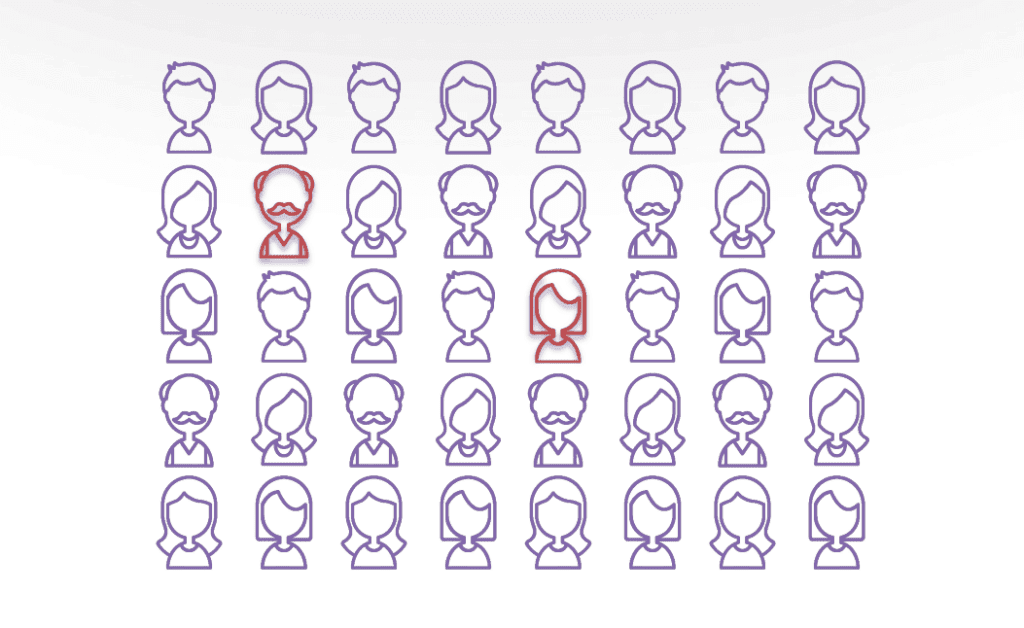
那么,您该如何准确跟踪客流量呢?
答案是…… 访客 WiFi。
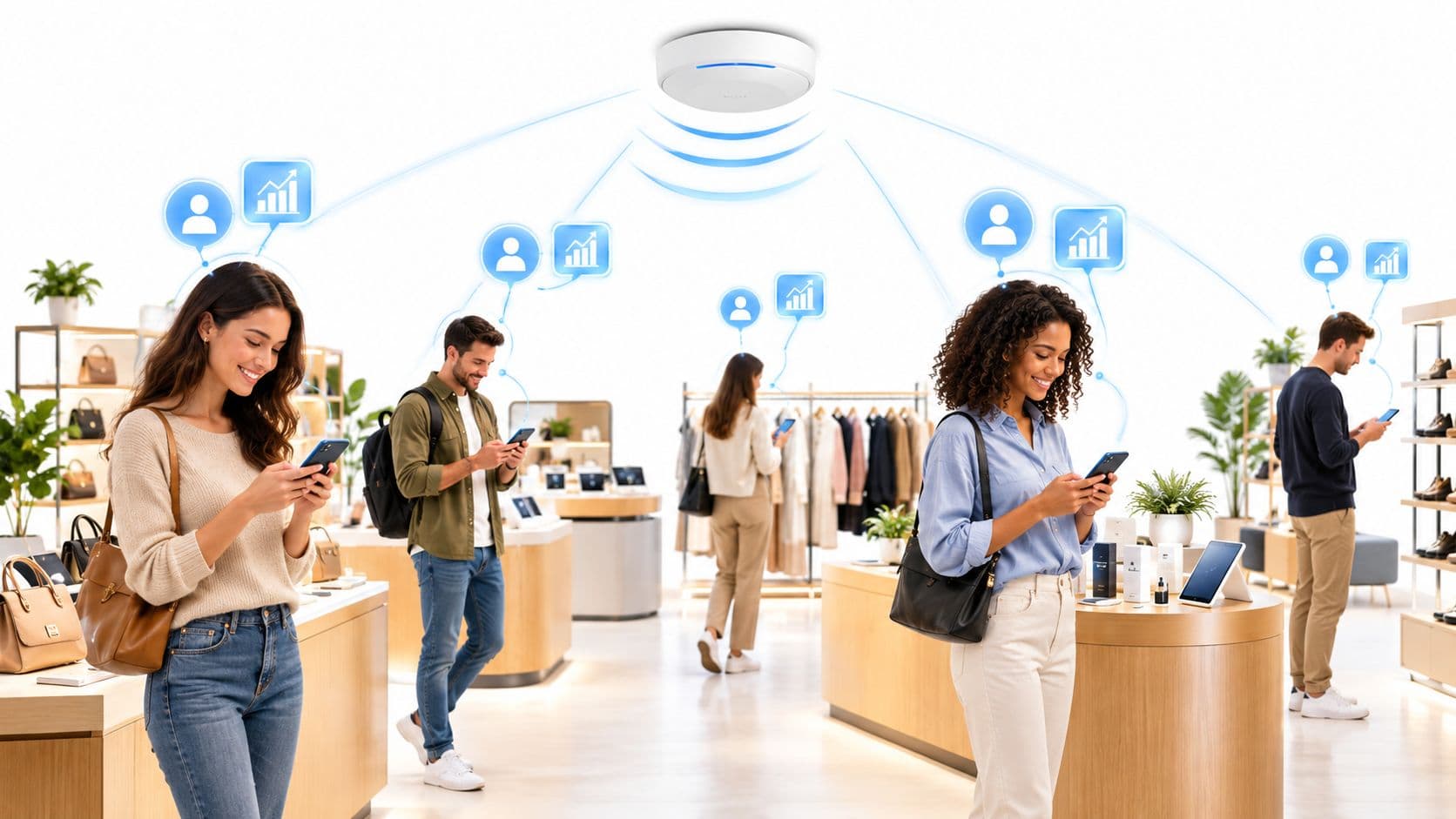
您可以在您的访客WiFi网络之上安装一款名为 WiFi analytics 的云端软件,从而能够跟踪顾客的人流量。
这是一个相当简单的概念,涉及客户的设备(手机或平板电脑 - 基本上任何可以连接到 WiFi 的设备)和您的 WiFi 硬件(特别是 接入点)。信号在两者之间传输,使您能够准确跟踪有多少人访问您的商店。
不仅如此,如果您的顾客主动连接到访客WiFi,该软件还可以通过 Captive Portal 获取他们的详细信息,并跟踪他们在您店内的移动轨迹。
而且无需担心隐私或数据法规问题;这一切都包含在客户登录时向其展示的条款和条件中。
通过这种方式,您可以准确了解场馆内的人数,以及他们的移动轨迹。
改善您的店面和内部布局
好了,既然我已经告诉了您为什么监控人流量能对规划和制定目标产生积极影响,那么以下就是了解您的人流量如何能切实改善您的人流量。
我们可以将其分为两个主要类别。
- 您店铺外的顾客人流量
- 您店铺内的顾客人流量
店外 - 能够看到客户在哪些地方经过(但未进入)您的门店非常重要。
您的主入口足够醒目吗?它是否位于人流量最大的地方?您的橱窗又如何?它对顾客有吸引力吗?您是否在人流量大的区域积极推广店内优惠或折扣?
这些是需要思考的关键指标。
令人惊讶的是,像重新设计店面橱窗这样简单的事情,竟然能对经过您门店与进入您门店的人数比例产生如此大的影响。
店内情况 - 既然现在您的店里有更多的人,了解他们如何移动就非常有价值了。
顾客使用哪些入口和出口?顾客在何处停留? 他们选择什么路线?所有这些信息都可用于改进您的场所布局,从而实现顾客消费的最大化。
个性化您的营销
下一步 - 个性化营销。
前面我提到,您还可以在客户登录访客 WiFi 时收集他们的详细信息。
那么,这正是您利用这些数据的绝佳机会。当访客连接到您的WiFi时,您可以收集他们的姓名、出生日期、家乡、兴趣爱好(如果他们使用社交媒体账号登录WiFi)以及联系方式等信息。
您该如何使用这些数据?
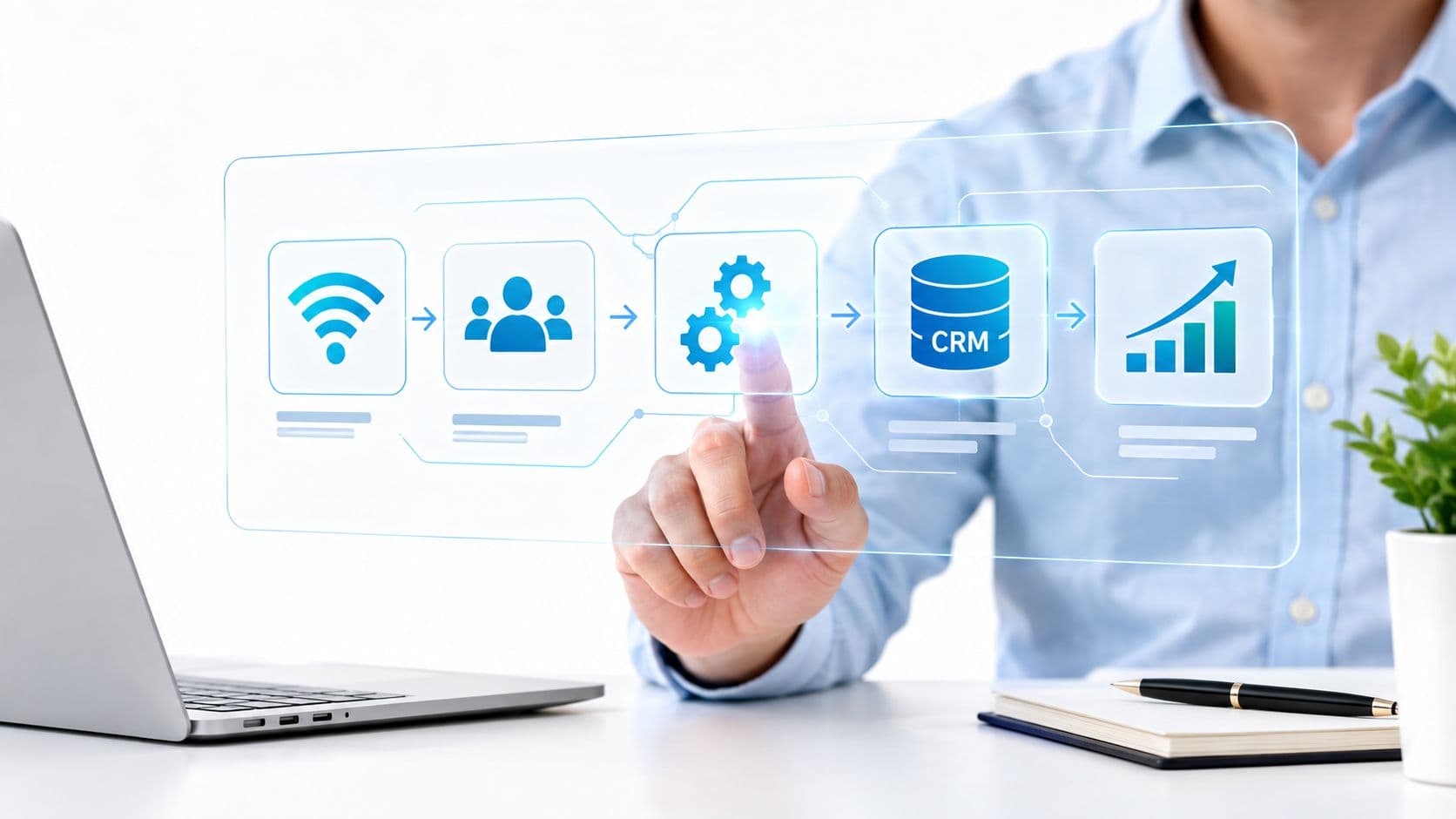
- 将此数据与过去购买过商品的客户的现有 CRM 记录相结合。然后,您可以根据他们的人口统计信息和最近的购买情况向其发送个性化消息。
- 利用收集到的数据向登录了您的 WiFi 但未购买任何商品的潜在新客户进行营销。您最近有促销活动吗?让他们知道。您甚至可以向他们发送一张“首次购买享 9 折优惠”的优惠券。
通过这样做,您可以为现有客户 提高转化率,并吸引新客户再次光临。
您正在为客户提供一个极佳的回头理由 - 从而提高客户忠诚度,进而增加客流量。
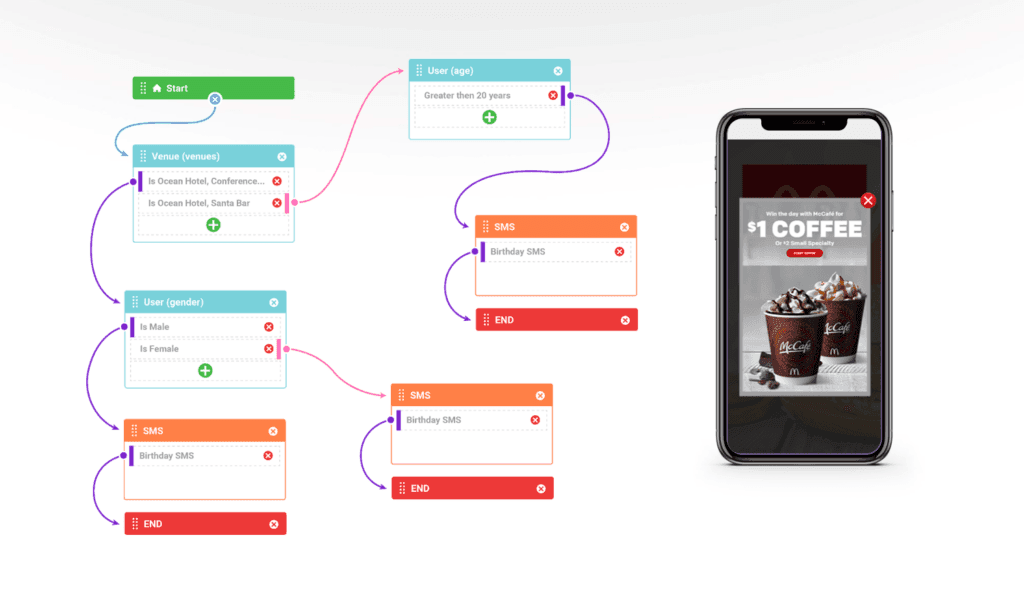
就是这样。
两种行之有效的提高客户客流量的方法。
想亲眼看看这一切是如何运作的吗?请与我们联系,获取 快速演示。