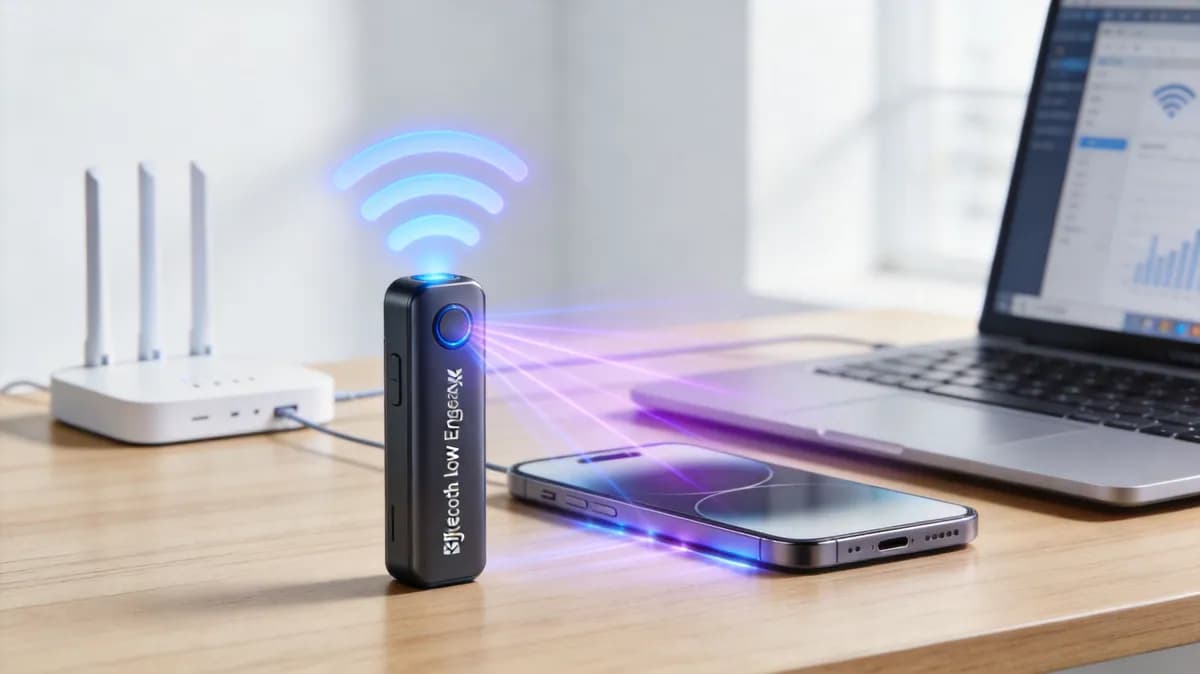
除了我們與 Social WiFi 的整合以及我們目前已經能夠提供的廣泛報告之外,我們現在還能針對未驗證登入訪客 WiFi 網路的裝置提供更廣泛的洞察。這項蓬勃發展的市場被稱為「存在分析(Presence Analytics)」,旨在為實體企業提供類似網站透過 Google Analytics 等程式長期以來所享有的豐富分析數據。
現在還有其他幾家廠商在零售分析領域中使用存在分析,您從中可以獲得大量的數據,類似於 Google Analytics,這是令人難以置信的寶貴資訊。例如人流量、櫥窗轉換率、參與度或跳出率以及熱力圖等等。而我們能夠做的是,將這些數據與已驗證用戶的數據進行疊加,如此一來,您就可以獲得這些用戶中具有統計學意義的顯著樣本,並查看其人口統計學組成。特定年齡層的女性是否轉換率更好、停留時間更長,或者與您的場所互動更多?
What is the Cisco Meraki Presence API and how does it work?
The Cisco Meraki Presence API (now part of the Scanning API) is a real-time location telemetry feed provided by Cisco Meraki cloud-managed access points. The AP radios passively detect 802.11 probe requests and Bluetooth Low Energy (BLE) advertisements transmitted by nearby smartphones and client devices. The Meraki cloud calculates signal strength (RSSI), estimates spatial coordinates, and streams batched JSON payloads via HTTPS POST webhooks to receiver platforms like Purple.
What is the difference between Cisco Meraki Presence API v2 and Scanning API v3?
Scanning API v3 supersedes Presence API v2 by delivering unified telemetry for both WiFi clients and BLE beacons in a single webhook stream. Version 3 includes high-resolution floorplan coordinates (X/Y position and GPS latitude/longitude), confidence uncertainty radii, access point radio band tags, and support for IPv6 client addresses, providing higher location precision across enterprise estates.
How does the Meraki Scanning API calculate device location and dwell time?
When a device transmits probe requests, multiple Meraki access points record the Received Signal Strength Indicator (RSSI) and timestamps. The Meraki cloud location engine uses multi-point trilateration to estimate the physical coordinates of the device. Dwell time is measured by calculating the elapsed time between the first detected probe frame and the last observed frame within a defined venue boundary.
How does Purple handle MAC address randomization on iOS and Android devices?
Modern mobile operating systems use rotating, randomized MAC addresses during unassociated probe scans. Purple's analytics engine filters short-lived randomized probe bursts to ensure accurate aggregate footfall counts, and links returning visitors securely when they authenticate through the Purple captive portal using privacy-compliant one-way cryptographic hashing.
What network bandwidth and webhook infrastructure are required for Meraki Scanning API?
Meraki access points upload small JSON payloads to the Meraki cloud, which aggregates and delivers HTTPS POST requests to the Purple webhook receiver every 30 to 60 seconds. A typical 20-AP venue generates approximately 50 to 150 KB of webhook data per minute, imposing zero backhaul overhead on local venue internet links.
How does unauthenticated presence data combine with authenticated guest WiFi data?
Presence analytics captures 100% of nearby radio-emitting devices to measure total passerby traffic, exterior footfall, and window conversion rates. When visitors log into Purple Guest WiFi via the captive portal, their demographic data (age group, gender, marketing consent) is correlated with aggregate spatial trends to provide statistically significant customer demographic insights.
Take the next step with Purple
Explore the products, solutions, and industries that turn this insight into measurable outcomes.